











































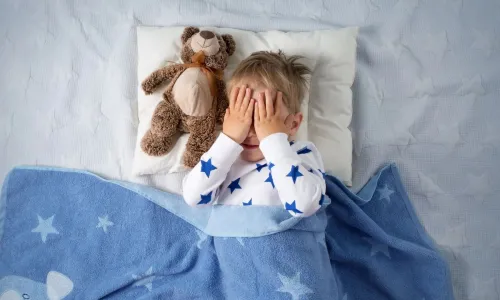

Sleep is one of the most fundamental components of physical and mental development for both adults and children. Quality sleep helps children stay more energetic, attentive, and happy throughout the day. However, in some cases, a child’s sleep can become frightening and worrisome. Night terrors, in particular, are a situation that many parents encounter with concern, occurring during the deep stages of sleep. Although a child may suddenly wake up screaming, sweating, or in a state of panic—frightening the family—these episodes are usually brief and can be managed with proper approaches.
Night terrors, also commonly known as sleep terrors or "sleep episodes" in children, usually begin in childhood and often decrease as the child approaches adolescence. Waking up in fear can be accompanied by crying, trembling, screaming, or hitting the surroundings. During these episodes, the child’s consciousness is typically impaired, so they usually do not remember what happened when they wake up in the morning.

How Does Night Terror Occur?
Night terror is a sleep disorder that occurs during the deep stage of sleep, specifically the NREM (Non-REM) phase. During this time, a child may suddenly sit up in bed or react by crying out in their sleep and may not respond to those around them. Physical signs such as rapid heartbeat, sweating, flushed face, and dilated pupils often accompany these episodes.
Experts state that factors contributing to night terrors include genetics, stress, irregular sleep habits, and sleep deprivation. In particular, during the age of around 3 years, rapid brain development and an imbalance in sleep stages can trigger these episodes.
Do Babies Experience Night Terrors?
Although night terrors are most commonly observed in the preschool years, they can rarely occur in infants as well. Babies may suddenly cry, scream, or look around with a frightened expression while asleep. However, they are not actually awake during these episodes. A common mistake parents make is trying to wake the baby, which can actually frighten them further.
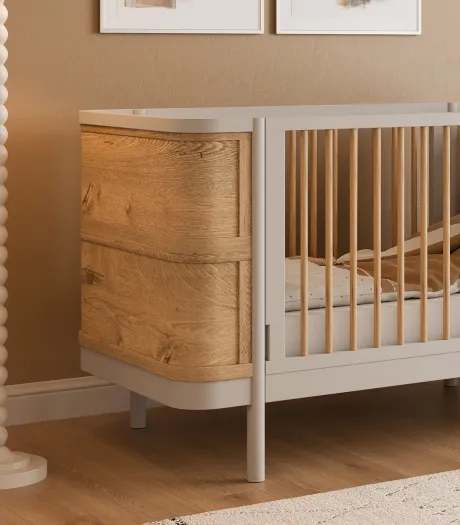
For children experiencing night terrors, it is very important to make the sleeping environment safe. Sharp or dangerous objects should be removed, and the area around the bed should be cushioned with soft materials. To provide your child with a comfortable and secure room, you can check out Almila children’s room products!

What Are the Symptoms of Night Terrors?
It is important for parents to be aware of the symptoms of night terrors for early recognition. The following behaviors are frequently observed in children experiencing night terrors:
Screaming or shouting during sleep
Sweating, rapid heartbeat, and fast breathing
Eyes open, yet the child is unaware of their surroundings
Waking up trembling or in a state of panic
Showing fear while asleep and moving in a way that could cause self-harm
Not remembering anything in the morning
These symptoms can be confused with waking up from a nightmare or from a scary dream. The key difference is that during a night terror, the child is not dreaming; the behavior is entirely an unconscious reaction.
What Causes Night Terrors?
Multiple factors contribute to the occurrence of night terrors. These include irregular sleep patterns, stress, family conflict, frightening experiences, and genetic predisposition. Additionally, sleep deprivation, fatigue, fever, and certain medications can trigger episodes.
Some children may exhibit reflexive movements such as jerking during sleep, which are common in this period. However, if these movements become frequent and are accompanied by crying, screaming, or signs of fear, professional support should be sought.

How Is Night Terror Treated in Children?
Since each child’s sleep pattern is different, treating night terrors requires an individual assessment. First, the child’s sleep routine is examined and triggering factors are identified. If necessary, a detailed analysis can be done using a sleep study called polysomnography.
The treatment process usually follows these steps:
Creating a safe environment: Avoid placing sharp or hard objects around the child.
Maintaining good sleep hygiene: Keep the child away from TV, tablets, or games before bedtime.
Timing preventive awakening: If the episodes tend to occur at a specific time, gently waking the child about 15 minutes before that time may help prevent the terror.
Providing emotional support: Parents reassuring the child can reduce fear and anxiety.
If these methods are not sufficient, medication or behavioral therapy may be applied under professional supervision.
How Do Night Terrors Pass?
How night terrors resolve is a question many parents frequently ask. Night terrors generally decrease with age. However, to prevent them from becoming persistent, regular sleep schedules, stress-reducing activities, and a suitable sleep environment should be maintained.
In some cases, if repeated episodes occur—such as a 1-, 2-, or 3-year-old waking up crying at night—evaluation by a pediatric neurologist or child psychiatrist is recommended.

Precautions to Prevent Sleep Terrors
While it may not always be possible to completely eliminate sleep terrors, taking precautions can help. The following suggestions can support the process of managing sleep terrors:
Ensure the child goes to bed at the same time every day.
Establish calming pre-sleep routines (such as reading a story or playing soft music).
Encourage physical activity during the day.
Do not immediately wake the child if they cry during sleep; stay calmly by their side.
If reactions like trembling awake or frequent night-time fear persist, seek professional support.
Using these methods, sleep terrors usually decrease within a few months. However, in cases that continue for a long period, professional evaluation is necessary.
Sleep terrors are common in childhood but can be managed with proper interventions. Ensuring a safe sleep environment, establishing regular sleep habits, and seeking expert help when needed are key steps in the process. Parental calmness plays a significant role in helping children overcome this phase more easily. It is important to remember that sleep terrors are generally temporary and can be fully controlled with the right approach.
You Might Also Like→ What Time Should Children Sleep?