


















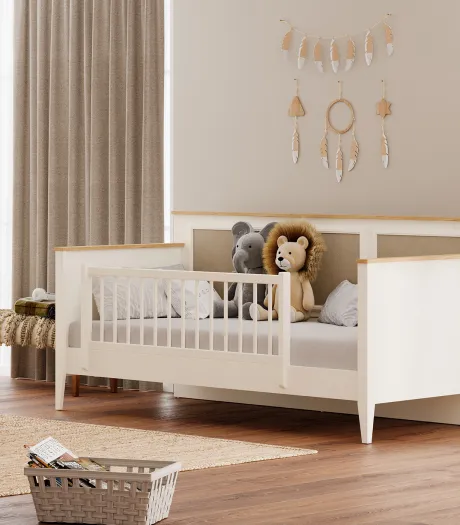
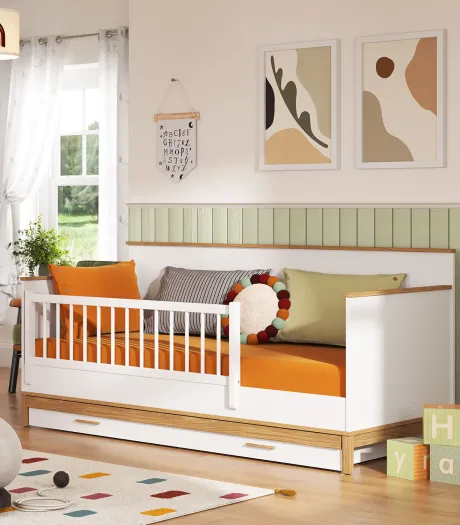
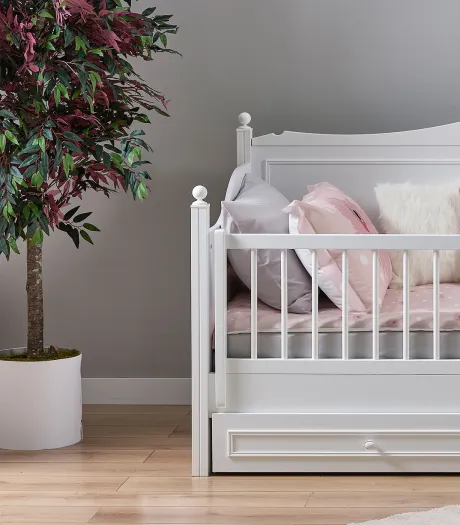
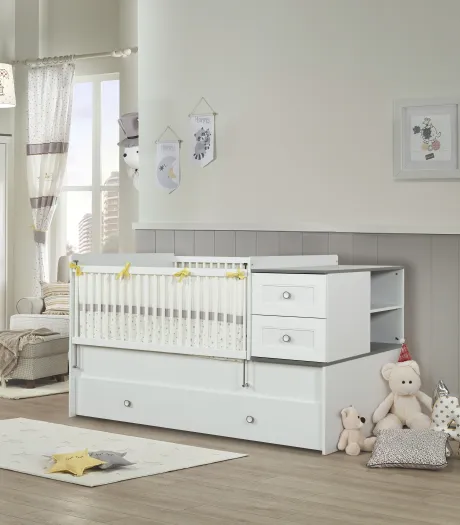
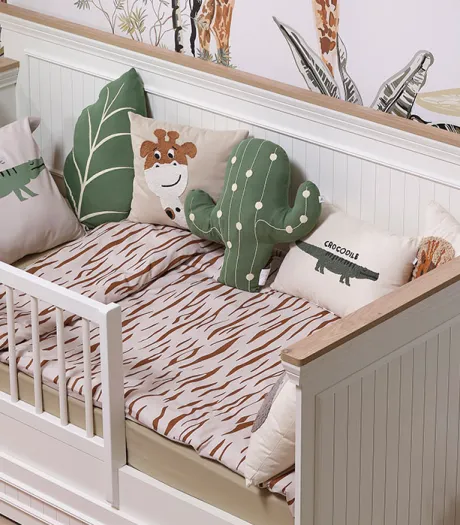
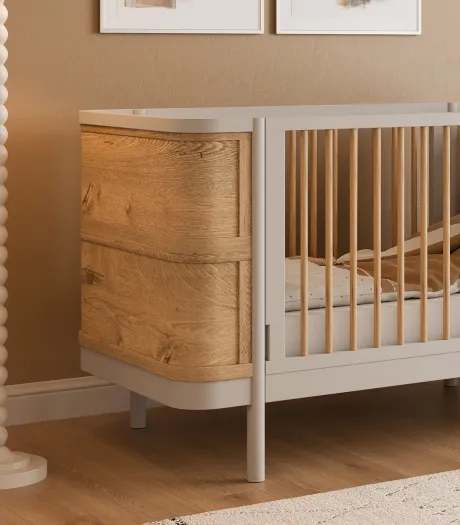
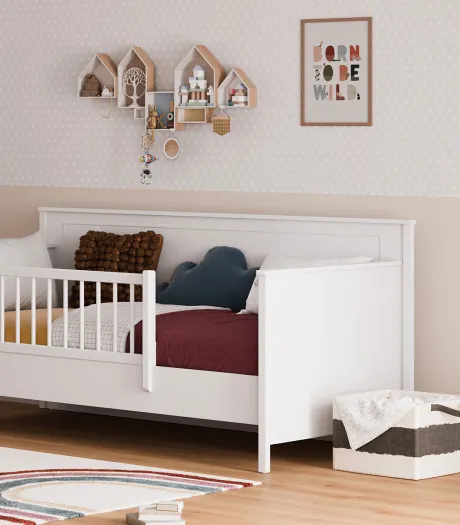
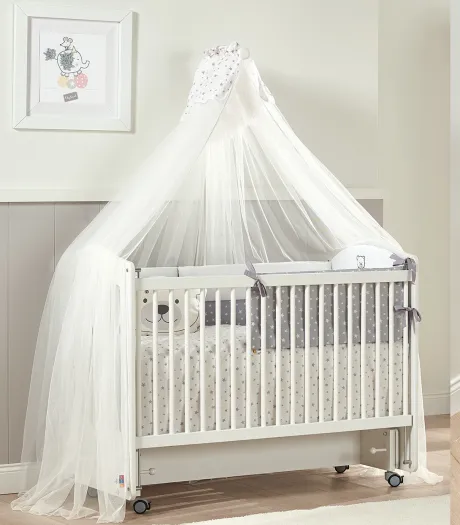
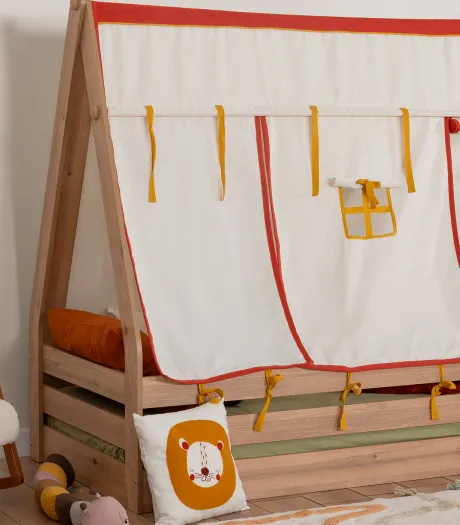
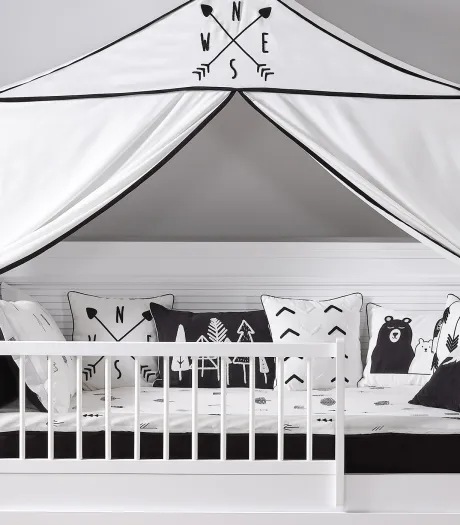


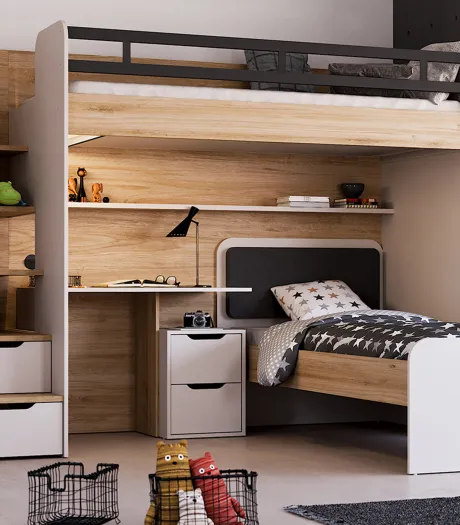
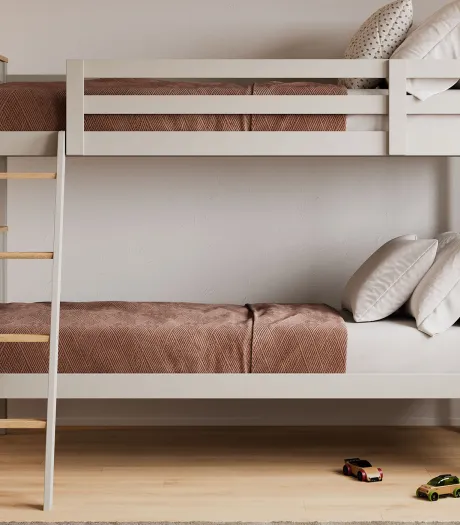







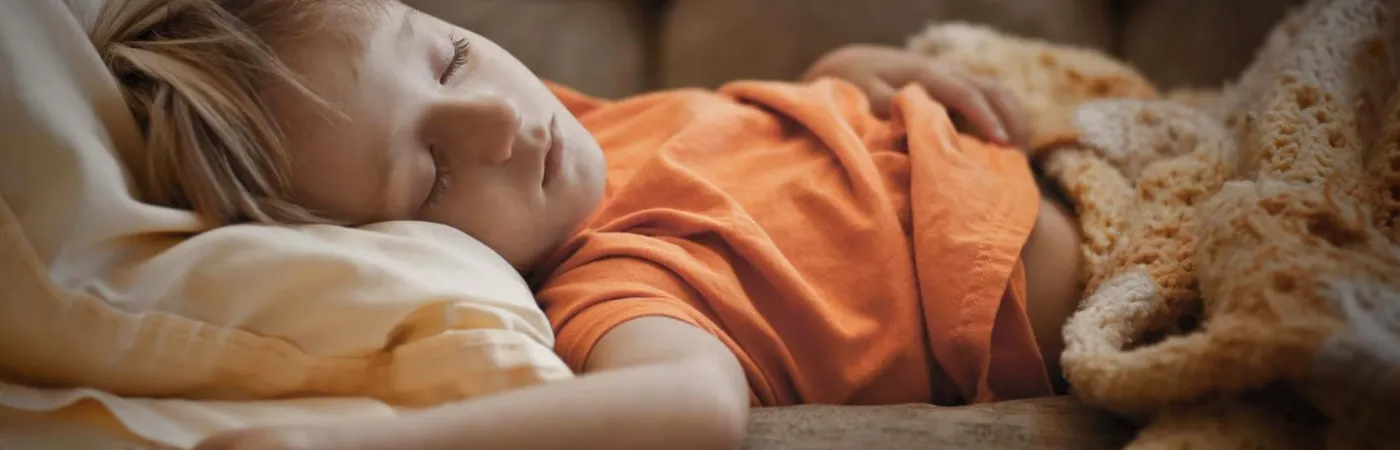

One of the most important aspects of a child’s development is establishing a regular sleep pattern.
Sleep is essential for both physical and mental development in children. High-quality and sufficient sleep enhances learning capacity, strengthens memory, and balances energy levels throughout the day. Insufficient sleep can lead to attention problems, learning difficulties, irritability, and social adjustment issues. Research also indicates that irregular sleep habits may contribute to obesity and weakened immunity. Nowadays, due to busy school schedules, electronic devices, and irregular lifestyles, children's sleep patterns are often disrupted. Parents frequently wonder how many hours of sleep are adequate for their child. The answer depends on the child’s age and individual needs.
Recommended Sleep Duration by Age
One of the most commonly asked questions is: how much sleep is appropriate for different ages? The following guidelines are based on age:
Newborns typically sleep 16-18 hours per day.
2-year-old toddlers need about 12-13 hours of sleep in total, including 1-2 hours of daytime naps.
6-year-old children ideally sleep 10-11 hours per night.
7-year-old children require 9-11 hours of sleep.
12-year-old children need about 9-10 hours of sleep.
Teenagers aged 13-18 should get approximately 8-9 hours of sleep.
These values serve as general guidelines, and individual needs of each child should also be considered.

How to Set Bedtime for Children?
Every child’s need for sleep is different. However, average sleep durations by age group can serve as a guideline for parents. Here are some key recommendations for setting bedtime for children:
Consider the child’s age, school schedule, and daily activities.
Set a consistent bedtime each day. Regular sleep schedules positively affect the biological rhythm.
Limit screen time before sleep and establish a calming bedtime routine.
Ensure the sleep environment is dark, quiet, and at a comfortable temperature.
Is 7 Hours of Sleep Enough?
Parents often ask whether 7 hours of sleep is sufficient. While this may be adequate for adults, it is never enough for children. Since children’s bodies and brains are still developing, they require more sleep. In particular, preschool-aged children need a minimum of 10 hours of sleep.
How to Teach Sleep Habits to Children?
One of the biggest challenges for parents is helping their children develop regular and healthy sleep habits. Sleep is vital for children’s physical and mental development. However, especially in the early years, children may resist going to sleep or may not want to sleep alone. During this process, it is essential to be patient, consistent, and firm. Sleep training progresses at different speeds for each child; what matters most is using methods that are appropriate for the child’s age and individual temperament.

- Establish a Sleep Routine from Infancy: The foundation of sleep training is a consistent sleep routine established from infancy. A daily routine at the same times helps regulate the child’s biological clock. For example, steps such as putting on pajamas at a set time, dimming the lights, and preparing the room signal to the child that it is time for sleep. This routine allows the child to anticipate bedtime and fall asleep more easily.
- Choose Calming Pre-Sleep Activities: Helping children relax before bedtime makes it easier for them to fall asleep. Adding a warm bath to the pre-sleep routine helps the body relax and provides a peaceful transition. After the bath, a short story told in a soft voice or listening to low-volume, rhythmic music calms the child and prepares them for sleep. Screen use (TV, tablet, phone) should ideally be stopped at least an hour before sleep, as blue light can suppress sleep hormones.
- Encourage Independent Sleep: Teaching a child to fall asleep on their own is one of the most important steps for healthy sleep habits. Initially, they may need parental support, but over time they should learn to sleep independently. Constantly rocking the child or holding them to sleep can create a long-term reliance on these habits. Therefore, placing the child in bed when they are drowsy but not fully asleep helps them learn to fall asleep on their own. This method may be challenging at first but yields positive results with patience.
- Balance Daytime Naps: Daytime naps are particularly important for young children. However, naps that are too long can negatively affect nighttime sleep. A child who sleeps excessively during the day may have difficulty falling asleep at night or wake up frequently. Therefore, naps should be age-appropriate in length and avoided too close to bedtime. Flexibility can be applied based on the child’s age, energy levels, and overall behavior.
Sleep Problems and Solutions
Children may experience difficulties falling asleep, frequent night awakenings, or restlessness during sleep. In such cases, the following steps can be helpful:
Keep a sleep diary to identify the source of the problems.
Check for health issues that may interfere with sleep (e.g., adenoids, breathing problems).
Engage in calm activities before bedtime instead of overly active play.

Best Sleep Time
Many experts indicate that the best sleep time aligns with the biological rhythm. For children, sleeping between 8:00 PM and 10:00 PM is considered the most ideal. Children who fall asleep during this period wake up more refreshed and attentive in the morning. Additionally, this timeframe coincides with the peak secretion of growth hormones.
Average Sleep Duration and Its Importance
Although the average sleep duration for children varies by age group, it is generally between 9-12 hours. Falling below this range can negatively affect learning abilities and emotional balance. Long-term sleep deprivation may also lead to behavioral problems.
Sleep is as crucial as nutrition for a child’s healthy development. Therefore, parents should pay careful attention to their child’s sleep schedule. Sufficient and quality sleep supports both mental and physical development. While sleep needs differ for each age group, the general rule is to establish a regular sleep routine early in life. Almila children’s and baby room furniture can help provide a comfortable sleep experience for your child.