















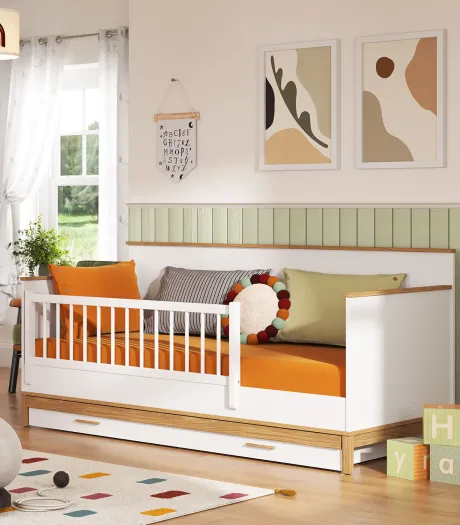
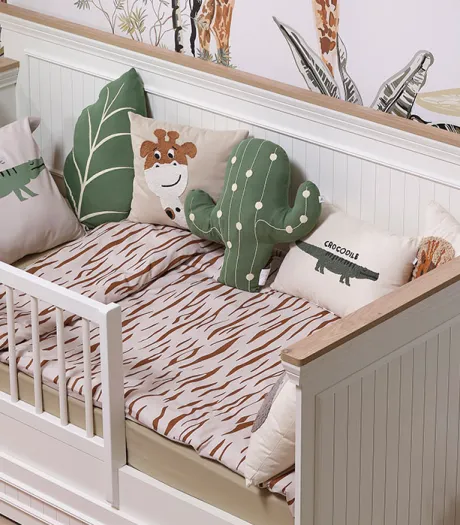
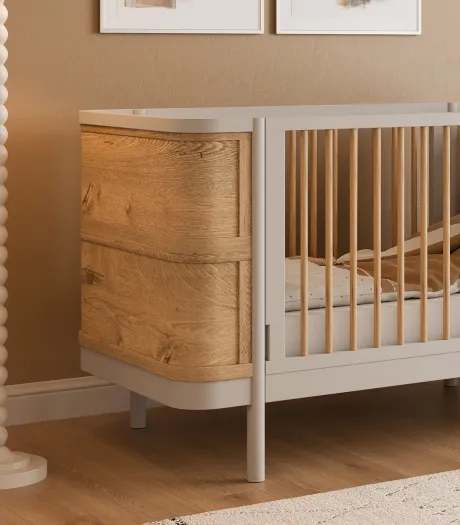
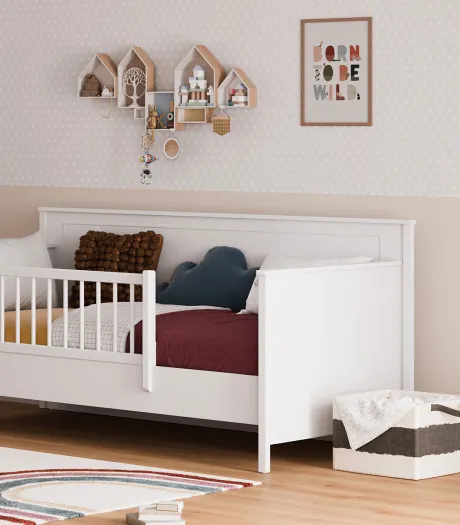
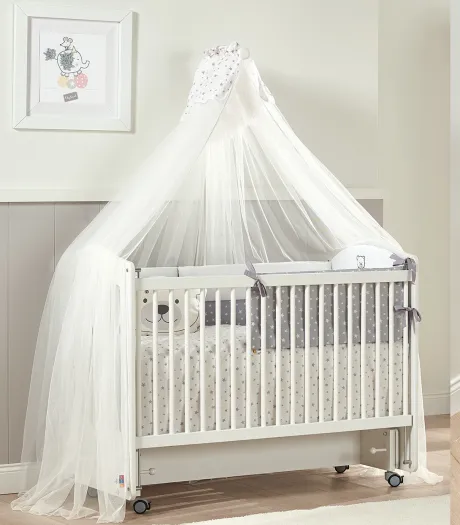
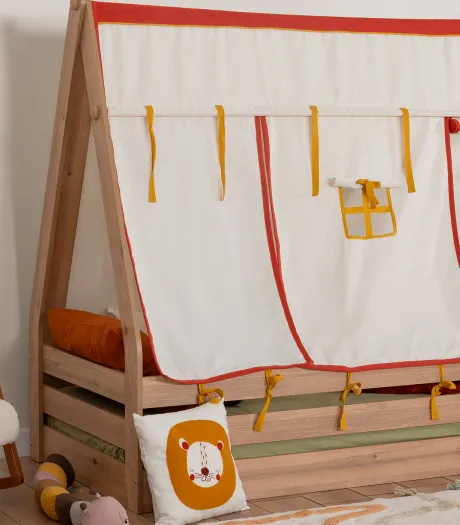


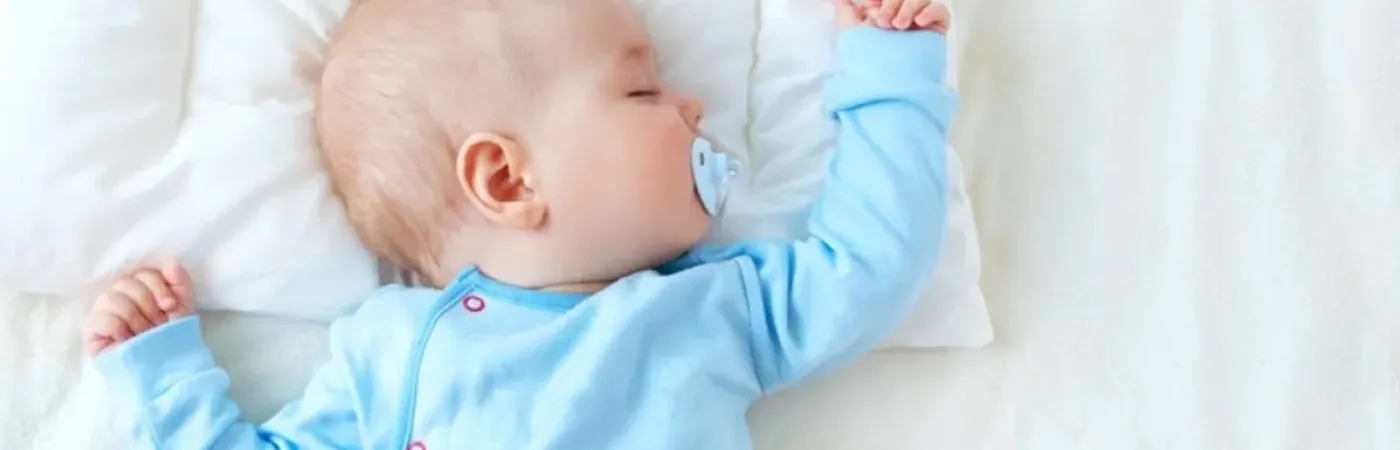
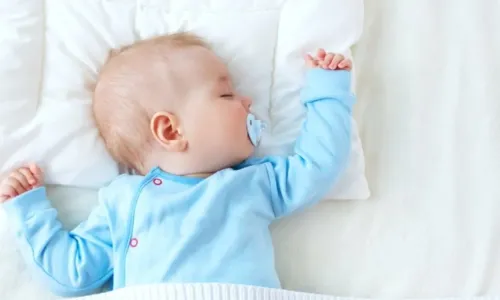

Properly preparing the sleeping environment is extremely important for babies to develop a healthy and safe sleep routine. Items such as the mattress, bedding, and pillows used during sleep should be carefully selected for both comfort and safety. Many parents may consider giving a pillow to their baby at an early stage to provide comfort. However, contrary to popular belief, this practice carries more risks than benefits.
The majority of experts emphasize that pillow use is not recommended during the first two years of a baby’s life. This is because the respiratory system of newborns and young infants is not yet fully developed, and using a pillow during this period can increase the risk of suffocation and sudden infant death syndrome (SIDS). Therefore, placing babies on a flat surface without a pillow in the correct position is a much safer choice.
When Should Babies Start Using a Pillow?
Babies need to reach a certain level of muscle and reflex development before they can safely start using a pillow. In general, experts recommend postponing pillow use until after the age of 2. However, some parents may consider introducing a pillow when their baby can hold their head up and sit independently.
Pillow use is absolutely not recommended for newborns, as their head and neck muscles are not yet developed.
Around the 6th month, babies begin to gain muscle strength, but this is still insufficient for standard pillow use.
The fully safe period for pillow use is generally after 24 months of age.
At this stage, the type and size of the pillow chosen are extremely important. Using the wrong pillow can lead to breathing problems and spinal development issues.

Risks of Pillow Use in Babies
According to experts, the most significant risk of using pillows in babies is sudden infant death syndrome (SIDS). In addition;
Soft and large pillows can make it difficult for the baby to breathe.
A baby buried in a pillow may experience oxygen deficiency.
Excessively high or thick pillows can strain the neck muscles.
Incorrect pillow selection can lead to posture problems later on.
For these reasons, parents should act cautiously and follow medical advice.
Guidelines for Pillow Use in Babies
If your baby is approaching 2 years of age and will start using a pillow, there are several criteria to consider. Choosing the right pillow ensures both comfort and safety. Important points include:
Baby pillows should always be thin, lightweight, and of medium firmness.
Avoid soft, heavily stuffed, or feather-filled models.
The pillow cover should be made of breathable cotton fabric that does not cause sweating.
The pillow should be resistant to deformation.
Pillows with side supports, such as baby protection pillows, can be preferred to reduce the risk of choking or vomiting.
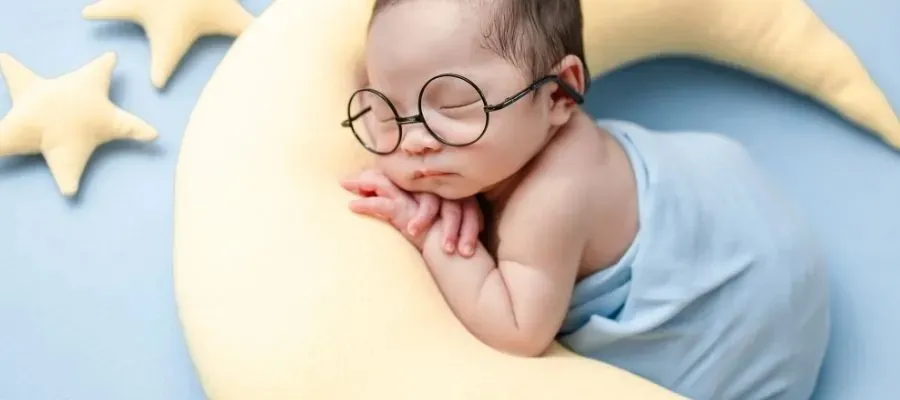
How Should Baby Pillow Sizes Be?
When choosing a pillow for babies, size is very important for safety. Compact dimensions, such as 35x40 cm, fully support the baby's head while reducing the risk of suffocation. Larger or taller pillows can cause the baby's head to sink into the pillow, which may lead to breathing difficulties and excessive sweating during the night. Therefore, both the width and height of the pillow should be chosen according to the baby's age, and oversized models should definitely be avoided.
Difference Between Baby Sleep Pillow and Head Pillow
One topic that often confuses parents is the difference between a baby sleep pillow and a baby head pillow. Sleep pillows are designed to increase comfort throughout the night, while head pillows are usually intended to prevent skull shape deformities. However, the use of both products should be approached carefully, and medical advice should be sought.
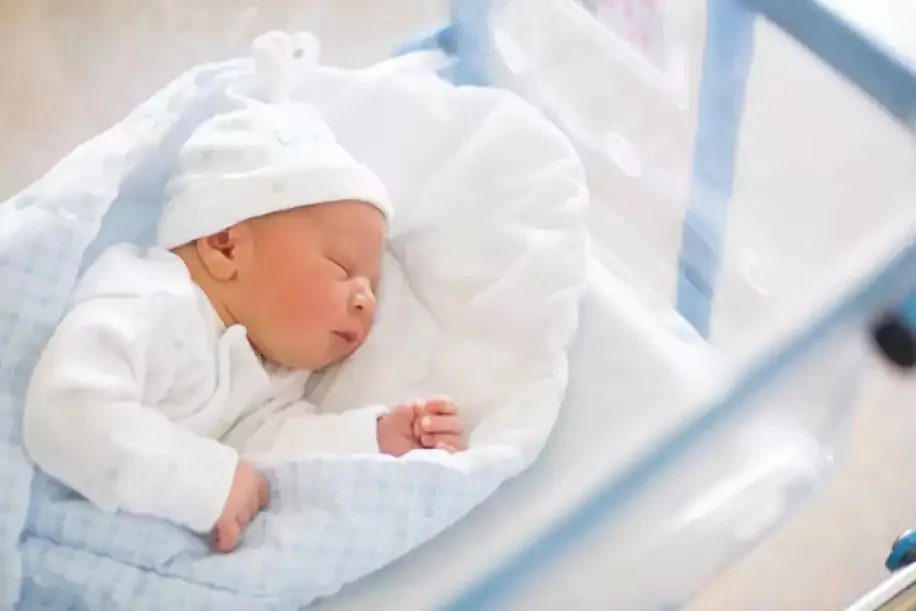
Use and Advantages of Small Pillows
Small pillows used after the age of two offer ideal solutions for babies. These thin and orthopedic pillows provide a balanced combination of comfort and safety. They offer head support, especially for children sleeping on their back or side, and their not-too-soft structure minimizes the risk of suffocation. However, these pillows should also be washable, covered with cotton fabric, and breathable.
The use of pillows should not be rushed to ensure babies have a healthy and safe sleep process. Following expert recommendations reduces the risk of sudden infant death and supports spinal development. When choosing a pillow for babies, both the age and the pillow’s characteristics should be considered. Sleep without a pillow is preferred before the age of two if possible; if a pillow is used, it should be very thin and safe.
Related Topic→ What is Neck Straightening? - Pillow Recommendations for Neck Straightening in Youth