





































One of the most important aspects of life with a baby is ensuring the safety and comfort of the little one. Especially during outings or travels, transportation devices that assist parents are designed to meet babies’ needs. Among these devices, the baby stroller stands out for its functionality and practicality.
Baby strollers are ergonomically designed portable seats that make it easy to carry babies both outside the home and during travel. They can usually be used as part of a stroller system or as a standalone product. Designed to provide babies with a soft and supportive surface to sit or lie on, these products are indispensable for parents, especially in the first few months.
Strollers are offered in various sizes and models for different age groups and are equipped with safety belts, headrests, carrying handles, and adjustable sections. This not only provides a safe way to transport the baby but also supports the baby’s development.
Especially for newborns, using a stroller in the first months ensures the baby’s comfort while making life easier for the parents. However, not every stroller is suitable for all age ranges. Therefore, it is important to know up to which age it can be used, along with its features and safety details.
Advantages of the Stroller
Throughout your baby’s growth, strollers offer versatile use and are much more than just a transportation tool. They provide convenience for parents during shopping, walks, or short trips, while offering both safety and comfort for the baby. The benefits of strollers make a significant difference at every stage of a child’s development.

Comfort and Safety: The comfort and safety of your baby are among the primary functions of a stroller. Strollers are designed to adapt to your baby’s body and typically include additional features such as soft padding, headrests, and foot protectors. These features allow your baby to sit and sleep comfortably. Moreover, the stroller’s design helps maintain proper posture, supporting the health of the back, neck, and head. For newborns, reclined positions designed at appropriate angles help regulate breathing and circulation. From a safety perspective, 5-point harnesses are essential components that secure the baby during transport, protecting them from potential jolts or sudden movements.
Practicality: The practicality offered by strollers makes a significant difference in daily life. Most strollers are lightweight and compact, making them easy for parents to carry. Additionally, the foldable design allows for convenient storage or transport during travel. Many strollers can be folded with one hand, enabling parents to quickly open or close the stroller even when their hands are full. For parents frequently on the move in urban environments, this feature is especially useful in tight spaces such as buses or elevators. In any situation where you need to carry your baby, practicality and portability make the stroller an indispensable tool.
Versatility: Today, many strollers offer versatile features to meet different needs. Particularly, models known as "travel systems" combine the functions of a stroller and a car seat. In these models, different accessories can be interchanged on the same frame, allowing the same unit to serve as a carrycot, stroller, and car seat. These types of strollers enhance both travel safety for the baby and convenience for parents. For example, you can attach the carrycot to your car for travel, and use it as a stroller while walking in the city. This ensures a comfortable and safe travel experience. Additionally, such strollers continue to accommodate your baby’s needs as they grow, providing a long-term and cost-effective solution.
How Long Can a Stroller Be Used?
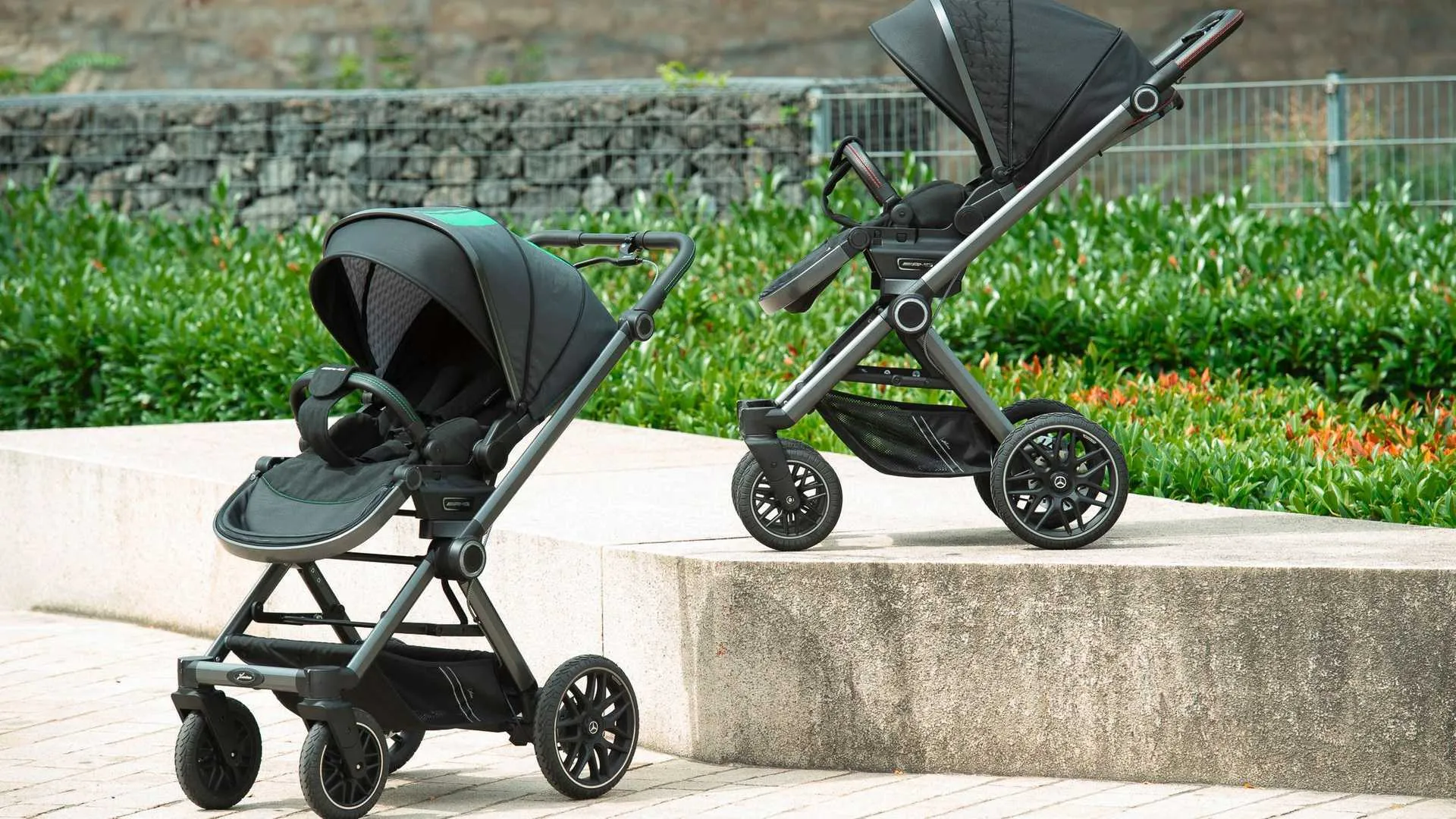
One of the most frequently asked questions is how long a stroller can be used. The duration of use depends on the model of the stroller and the baby’s physical development. Generally, strollers:
Can be used from the newborn period.
Typically last until the baby is 12 to 18 months old.
When the baby’s height, weight, and sitting skills develop, a transition to a car seat may be necessary.
At this point, the question of when to switch from the stroller to a car seat becomes important. Generally, the transition is recommended when the baby can hold their head up independently and the stroller’s size no longer provides adequate support.
How to Install a Stroller in a Car?
A stroller not only helps you carry your baby comfortably outdoors but also provides safe transportation in a vehicle. Many parents prioritize correctly installing the stroller in the car to ensure their baby’s safety during travel.

1. Check the ISOFIX System: First, it is important to check whether your car has an ISOFIX system. ISOFIX is a special attachment system designed to secure a baby seat to the vehicle. If your car has an ISOFIX system, it makes installing the stroller in the car much easier and safer. Cars equipped with ISOFIX allow the stroller to be attached directly. By connecting the stroller's base points to the ISOFIX anchors in the car, you can achieve a quick and secure installation.
2. Alternative Methods for Cars Without ISOFIX: If your car does not have an ISOFIX system, don’t worry. Many strollers come with an adapter that allows them to be safely installed in cars without ISOFIX. When securing the stroller with the seatbelt, the adapter at the base ensures a safe installation. Most strollers are designed to be compatible with cars using this adapter.
3. Placing the Stroller in the Car: When installing the stroller, it should be properly positioned on the rear seat. To ensure correct placement, follow these steps:
Check the orientation: The stroller should be positioned correctly according to the vehicle seat. Most strollers have instructions indicating the proper direction. Make sure it is facing the correct way.
Use the seatbelt: If the stroller does not use ISOFIX, pass the car seatbelt through the designated attachment points on the stroller and fasten it tightly. Ensure the seatbelt is properly placed and securely locked.
4. Check the Stability of the Stroller: After installing the stroller, check its stability. Ensuring the stroller does not move on the car seat is crucial for safety. Gently shake the stroller side to side to test if it is securely in place. If there is any movement, review the attachment and make sure the seatbelt is properly fastened.
5. Ensure the Stroller is Safe: Finally, make sure your baby is properly positioned inside the stroller. The baby should be fully secured with the stroller's safety harness, with head support in place. Also, ensure the stroller is in a horizontal position so the baby's head, body, and back are comfortably supported.
How to Carry a Newborn in a Stroller?
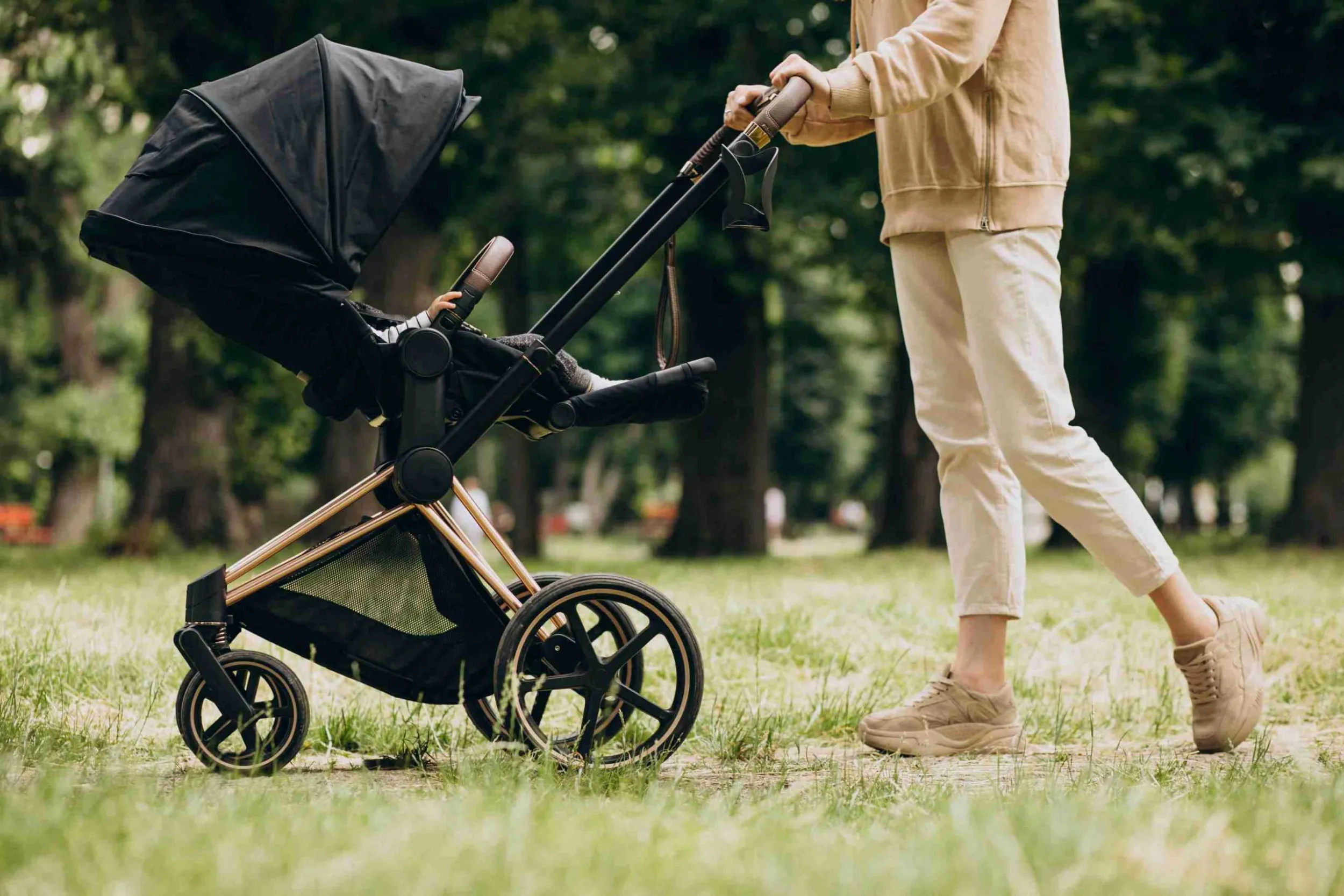
Newborn strollers are specifically designed to ensure that babies can be carried in the correct position during the first months. When using these strollers, attention should be paid to the following points:
The baby's back should be straight, and the head slightly elevated.
The safety harness must always be fastened and not loose.
The headrest should support the baby's neck.
Use the stroller cover to protect the baby from wind and sun.
Important Considerations When Using a Baby Stroller
Some important points to consider when using a stroller include:
The baby should not remain motionless in the stroller for long periods.
Cotton covers should be preferred in hot weather to prevent sweating.
Use a sunshade or stroller cover to protect against external elements.
Do not move the stroller if the baby is sleeping.
Can a Baby Sleep in a Stroller?
It is quite common for newborns to sleep outside. However, many parents wonder: Is it harmful if my baby sleeps in a stroller? Experts provide the following guidance:
Short naps are generally not harmful.
However, sleeping in a stroller for extended periods can negatively affect head and neck development.
The baby's head should not fall forward during sleep, as this can make breathing difficult.
Therefore, short naps during trips or outdoor outings are usually safe. For longer sleep periods, it is best to place the baby on a flat surface.
What to Consider When Choosing a Stroller
Key factors to consider when selecting a stroller include:
Age compatibility: The stroller should be suitable for your baby's age and weight.
Safety: Check the harness system, brake mechanism, and headrest.
Comfort: Soft padding and an ergonomic structure provide comfort.
Portability: Lightweight, foldable, and easy-to-carry models are preferred.
Versatility: Models that can serve as both a car seat and stroller offer extra advantages.
Today, strollers are not just a means of transportation; they also provide a comfortable space that makes outdoor life easier for babies. When chosen correctly, they simplify parents' tasks and help babies feel more comfortable outside. Strollers designed specifically for the first months, such as newborn strollers, play an important role in supporting a baby's physical development.
A stroller is not only a physical transport solution; it directly affects your baby's safety and health. Therefore, carefully review its features, select the model that best fits your needs, and enjoy safe journeys.
You Might Also Like→ What Should a Baby Bed Be Like?