




















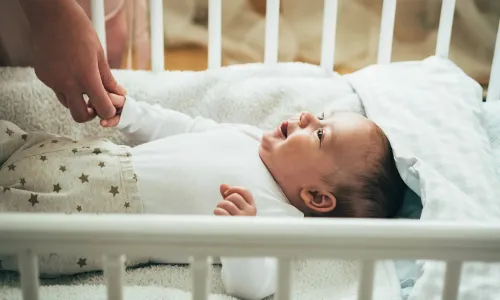

For a baby’s healthy growth, the sleep environment is just as important as nutrition and hygiene. Therefore, parents should be very careful when choosing a baby mattress. A mattress is critical not only for comfort but also for bone development, spinal health, and safe sleep. Since babies sleep the most during their first years, selecting the right mattress directly impacts their long-term health.
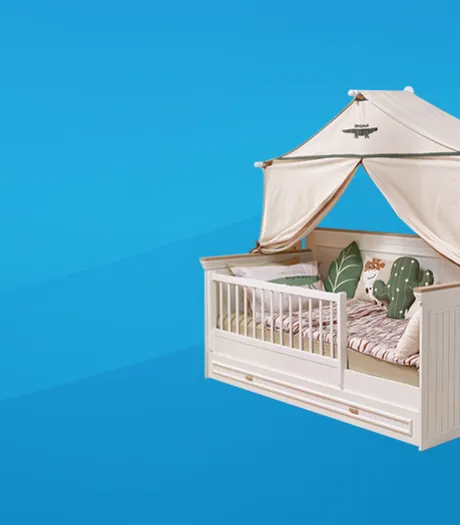
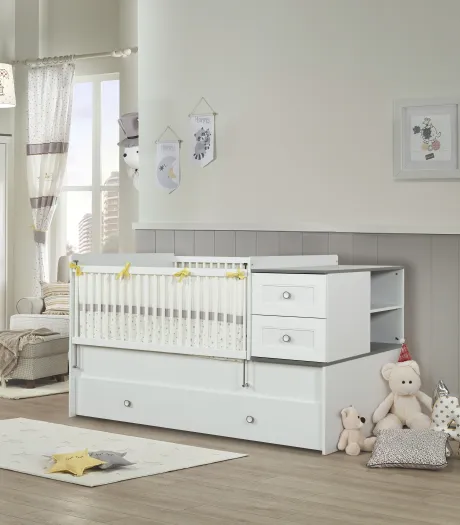
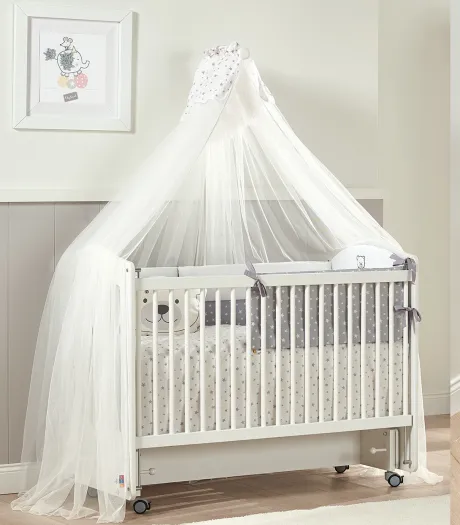
Babies spend most of their first months sleeping. Therefore, mattress quality is a crucial factor for both sleep patterns and development. A poorly chosen mattress can lead to serious issues such as spinal curvature, excessive sweating, skin irritation, and even suffocation risk. Key aspects to consider when choosing a baby mattress include material quality, breathability, firmness level, and safety measures. Considering the crib along with the mattress is also important for your baby’s development; Almila baby cribs can be safely preferred.
How to Choose a Mattress for Newborns?
Many parents assume that softer mattresses are more comfortable for newborns. However, experts recommend the opposite. Medium-firm mattresses are suggested for newborns, as overly soft mattresses can cause the baby to sink in and make breathing difficult.
Key points to consider at this stage:
Medium firmness: Essential for bone development.
Natural materials: Should be made of cotton and breathable fabrics.
Removable cover: Must be washable for hygiene.
Breathability: Important to prevent excessive sweating.

How Should the Firmness and Size of a Baby Mattress Be?
Many parents may think that soft mattresses are more comfortable and healthy for babies. However, this is a common misconception. Soft surfaces can cause babies to sink into the mattress, which can negatively affect spinal development and increase the risk of sudden infant death syndrome (SIDS). Therefore, baby mattresses should be medium-firm with a flat surface. A medium-firm mattress supports the baby’s spine in a natural alignment while also reducing risks such as suffocation if the baby sleeps on their stomach. Additionally, the mattress should not sag excessively under the baby’s weight and should quickly return to its original form when pressed.
Choosing the right mattress size is as important as firmness. The standard mattress size suitable from birth is generally 60x120 cm. This size provides enough space for a newborn to sleep safely and comfortably. As the baby grows, mobility increases, and they begin to roll and crawl. At this stage, a larger area is needed. From around one year of age, it is recommended to transition to 70x140 cm mattresses so the baby can move freely without hitting the sides, sleep comfortably, and have enough space to turn around. Additionally, the mattress should fit perfectly with the crib or bed frame; gaps between the mattress and frame can cause the baby to get trapped, so the mattress should fit snugly in the frame.

Things to Consider When Choosing a Baby Mattress
Choosing a baby mattress should not be limited to basic criteria such as size and firmness. There are many important details to consider for your baby’s safety, health, and comfort.
Antibacterial structure: Babies’ immune systems are not fully developed, making them more vulnerable to germs. Therefore, it is crucial to choose a mattress with antibacterial properties. Antibacterial surfaces prevent the growth of bacteria, fungi, and other harmful microorganisms, ensuring the baby sleeps in a more hygienic environment. This helps protect against both skin infections and respiratory issues.
Air circulation: A breathable mattress prevents the baby from sweating and helps maintain a balanced body temperature throughout the night. Mattresses that allow air circulation prevent heat and moisture buildup, which also contributes to reducing the risk of sudden infant death syndrome (SIDS). Materials like latex or specially perforated foam enhance airflow and create a healthier sleep environment.
Zippered and washable cover: Babies may sweat, spit up, or have diaper leaks. Therefore, the mattress cover should be removable and easy to wash. Zippered covers allow for easy removal and reattachment, ensuring constant hygiene. Covers made of natural and soft fabrics like cotton are preferable, as they are gentle on the baby’s skin and reduce allergy risks.
Hypoallergenic materials: Both the inner and outer materials of the mattress should be hypoallergenic. Synthetic, chemical-containing, or scented materials may cause skin irritation, breathing difficulties, or allergic reactions in babies. Instead, mattresses made from natural, certified, and reliable materials are recommended. Organic cotton, natural latex, or bamboo are especially effective in minimizing allergy risks.
Avoid overly soft pads: A mattress that is too soft can cause a baby to sink into it, making breathing difficult, especially in the first months. This is extremely dangerous for safety reasons. The mattress should distribute the baby’s body weight evenly and provide support without losing its shape. Avoid soft pads, thick plush layers, or bulky cushions that could cause the baby to sink.

Safety for Babies: Mattress Protectors and Barriers
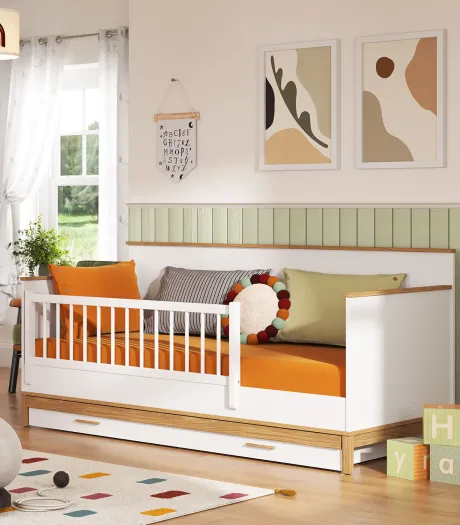
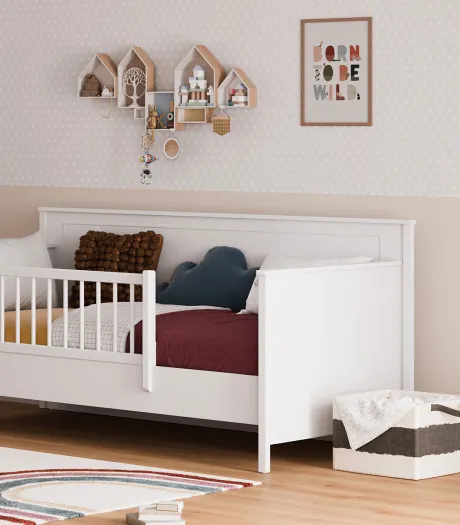
As your baby grows, their mobility increases. At this stage, baby mattress guards come into play to ensure safety. Barriers prevent the baby from falling while creating a safer area within the mattress. The barriers should not be too hard; otherwise, they may harm the baby’s skin.
Additionally, mattress protector pads for babies are important. These pads protect the mattress from liquid contact and maintain hygiene. They are especially ideal for accidents that may occur during diaper changes.
How to Determine the Best Baby Mattress?
There are hundreds of different models on the market. At this stage, the question “Which is the best baby mattress?” becomes important. Rather than focusing on a single model, it is best to concentrate on certain criteria:
Natural materials: Organic cotton or bamboo fabrics should be preferred.
Medium firmness: The mattress should not be too hard or too soft.
Correct size: The mattress size should increase as the baby grows.
Hypoallergenic properties: Minimizes allergy risks.
Air circulation system: Prevents excessive sweating.

Until What Age Are Baby Mattresses Used?
Long-term usage is also important when choosing a mattress. Generally, crib-type mattresses are preferred for the first 1–2 years. Later, adjustable or grow-with-me mattress models can be used. For twins, wider mattresses or specially designed models may be preferred. Purchasing a mattress that can be used in the coming years can be advantageous for your budget.
Choosing the right mattress is a critical step for your baby’s healthy development and safety. Initially, you should consider factors such as mattress firmness, material quality, and hygiene. Additionally, using baby mattress guards and waterproof pads is very useful for safety. An ideal baby mattress should offer comfort, safety, and health together. A properly chosen mattress will support both your baby’s restful sleep and healthy growth.
Related Reading→ What Should a Children’s and Baby Bedding Set Be Like?