


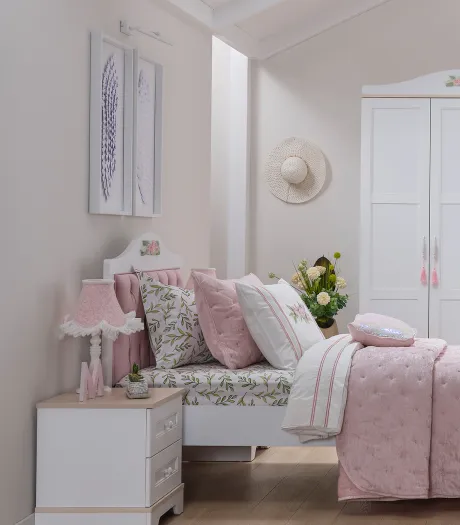
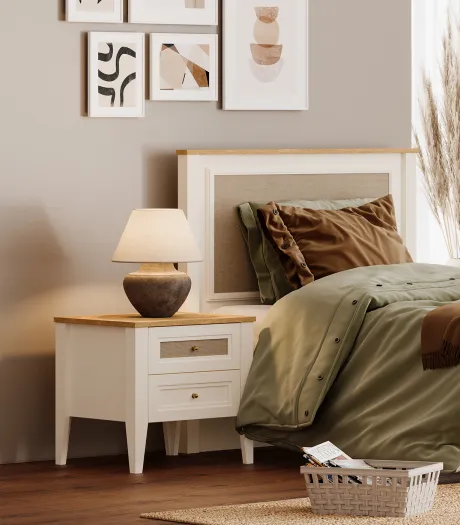
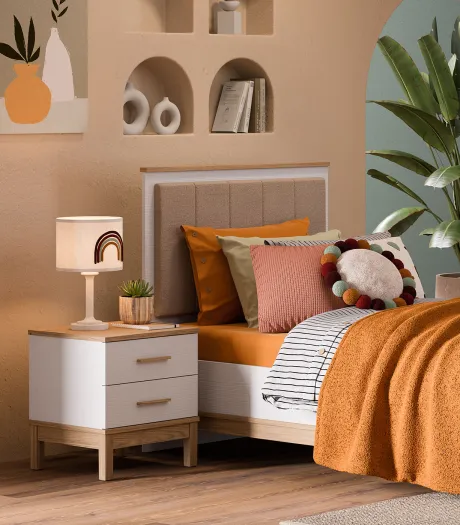
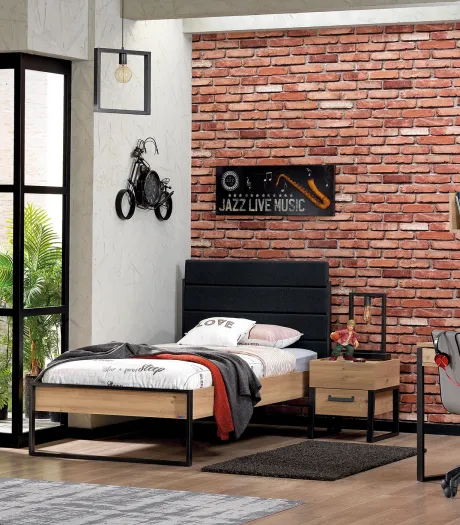
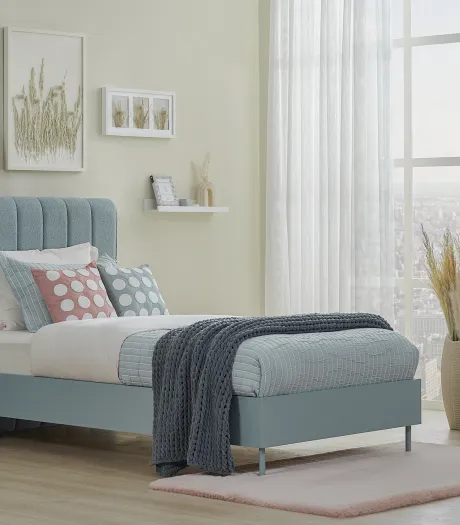
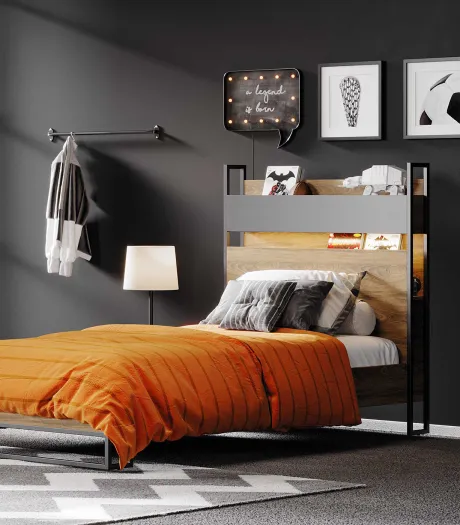
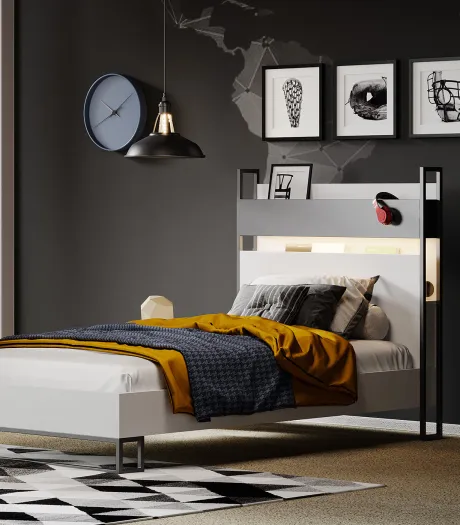
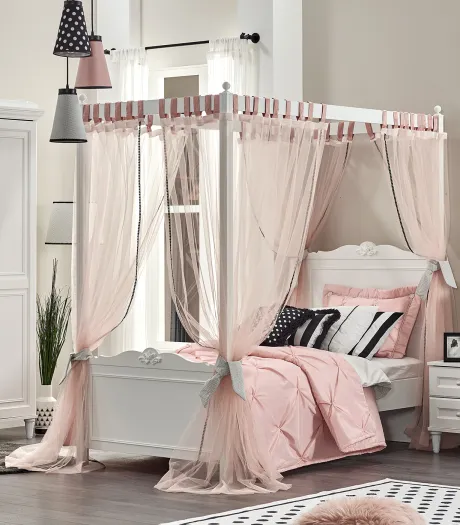
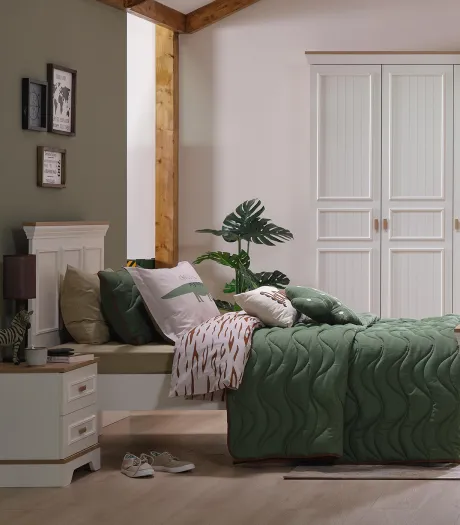
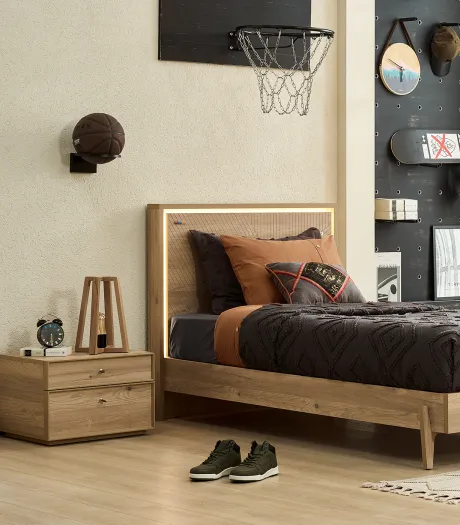

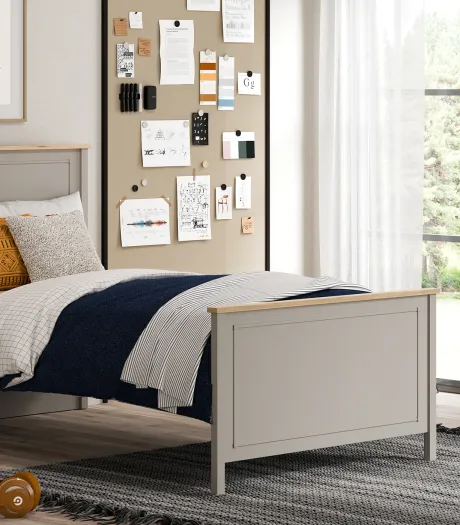
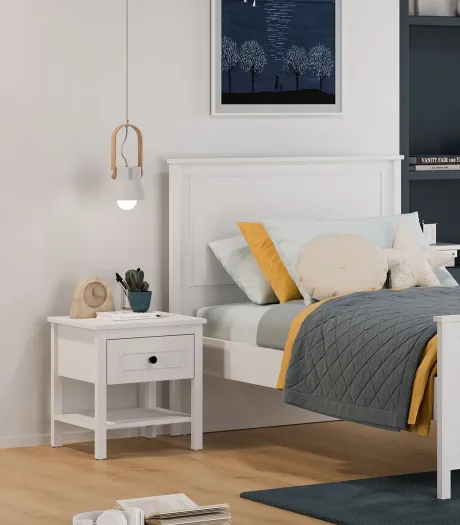
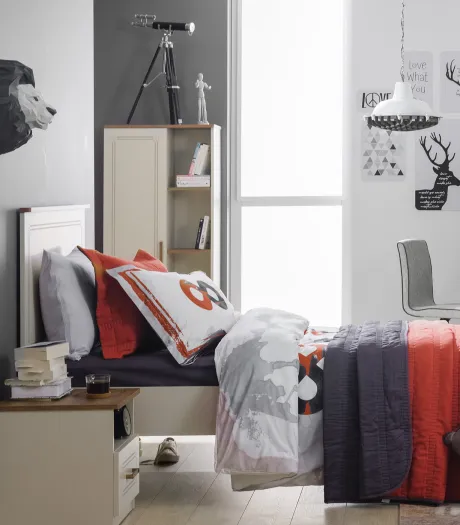
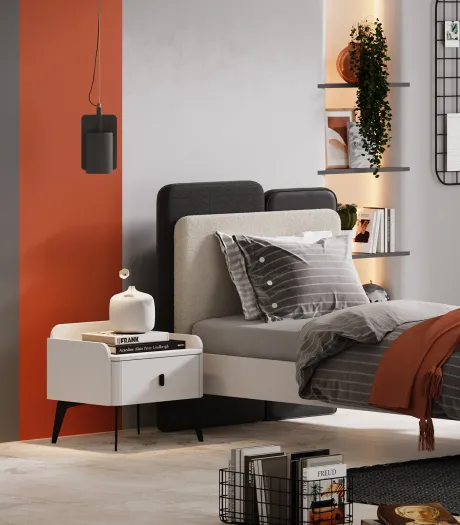
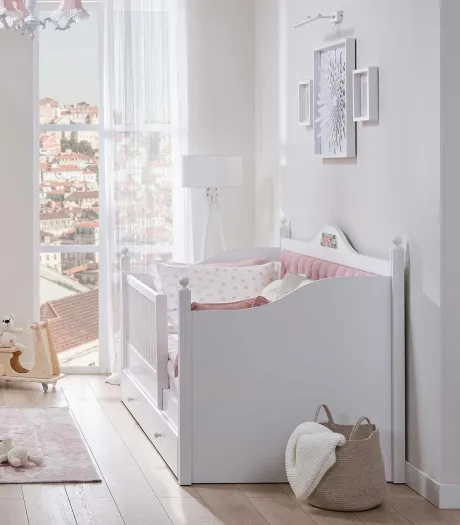
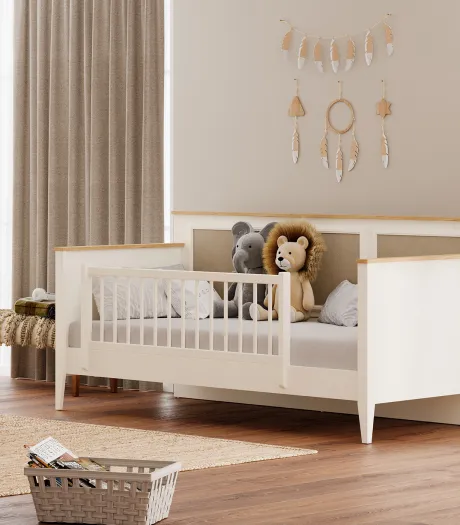
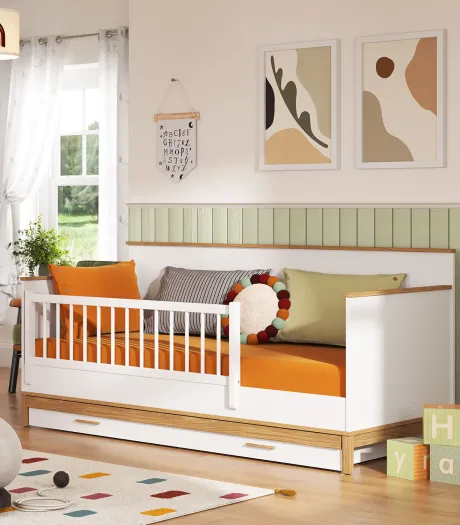
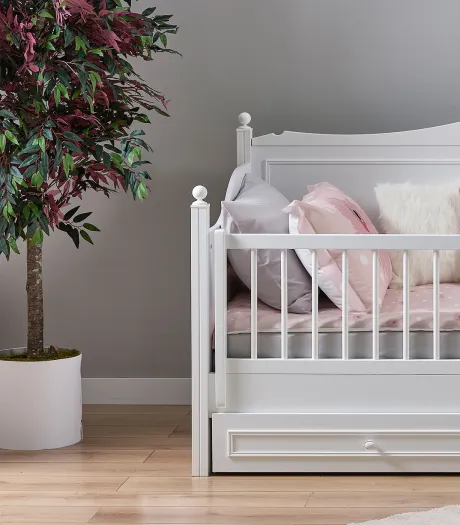
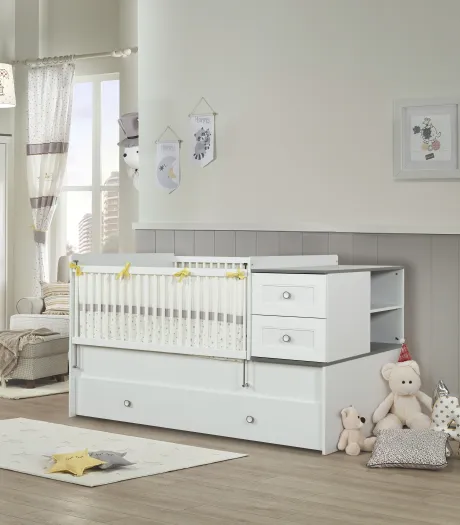
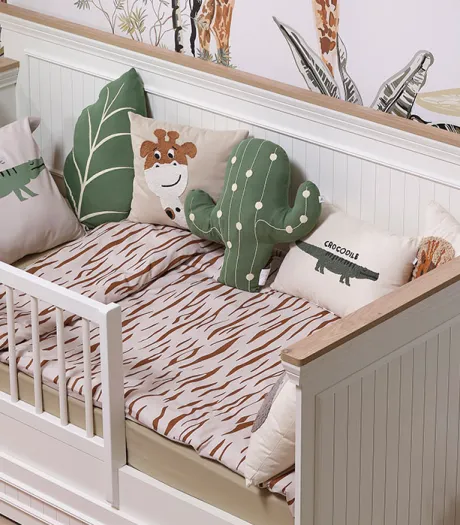






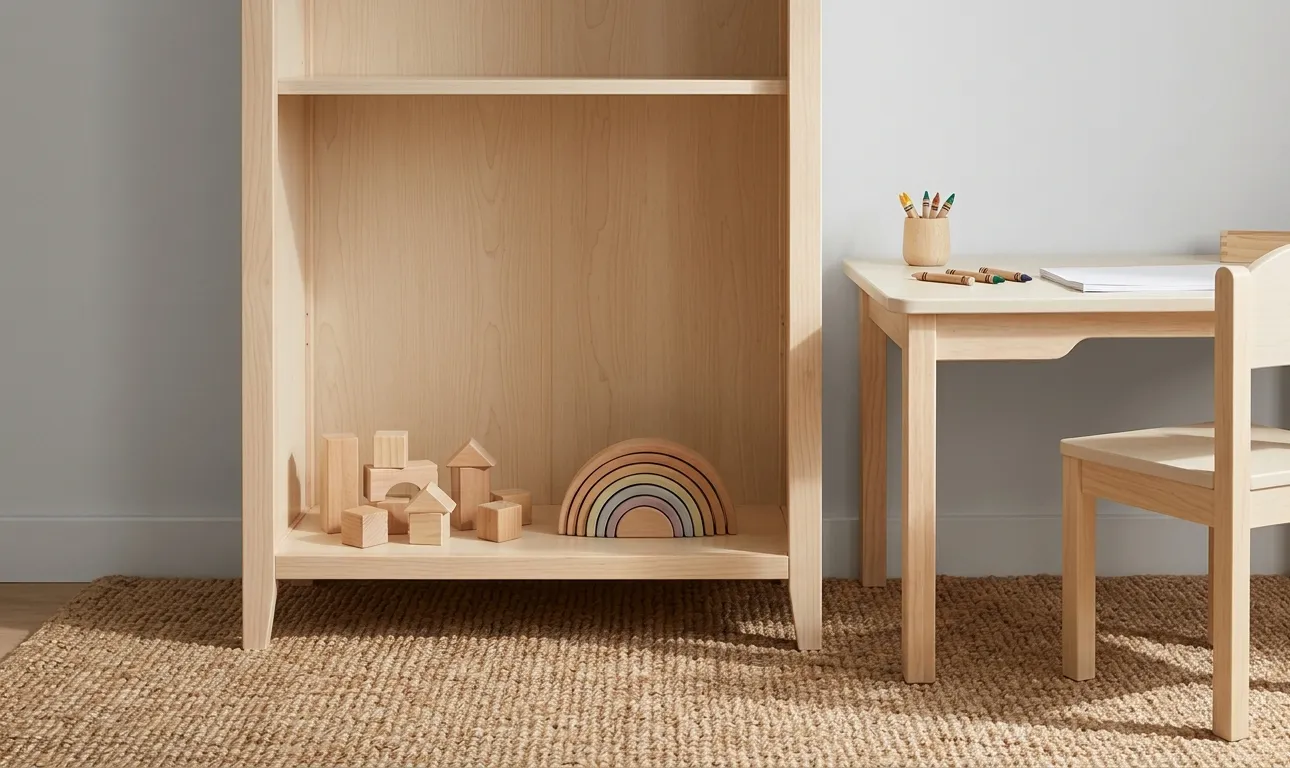
Montessori, one of the most remarkable methodologies in education and living space arrangement in recent years, is rooted in individual independence and the sense of discovery. Developed by Maria Montessori, this approach aims to create an environment that allows children to learn at their own pace without pushing their physical and mental limits. Contrary to traditional approaches, the essence lies in adapting the environment to the child's height and needs, rather than expecting the child to adapt to the adult world. Today, this fundamental philosophy plays a decisive role not only in educational institutions but also in home decoration and furniture design.
The Montessori approach applied in living spaces begins specifically with the integration of Montessori education principles into the home environment. The primary goal of this arrangement is to enable the individual to carry out their own tasks without needing someone else. The accessibility of every object in the room, maintaining safety at the highest level, and visual simplicity are indispensable elements of this design language. When a Montessori baby room is conceptualized, the selected furniture is considered not just as items, but as tools that support the process of learning and liberation. When this approach is adopted, the individual's self-confidence development is supported while the living space becomes much more functional.
Contributions of Montessori Education to Child Development
One of the greatest advantages offered by this approach is that individuals in the development process discover their own abilities and take responsibility. Children who find the opportunity to act independently learn to set their own boundaries and experience decision-making processes. The order established specifically within a Montessori nursery helps the individual perform their daily routines on their own. This contributes to the development of self-esteem while triggering a curiosity for learning by minimizing external intervention. Individuals growing up in an environment where freedom of movement is not restricted also develop physical coordination skills much faster.
This method, which has many positive social and cognitive reflections, increases organizational skills and focus duration. Thanks to the principle of simplicity, distractions within the room are eliminated, allowing the individual to concentrate better on the task at hand. Maintaining this simplicity when choosing a Montessori kids' bedroom set supports the creation of a mental structure free from chaos. In children who take responsibility for the objects in their own rooms, the habit of maintaining order forms as a natural process. When all these factors come together, a solid foundation is laid for raising solution-oriented individuals who are more prepared for adulthood and sensitive to their environment.
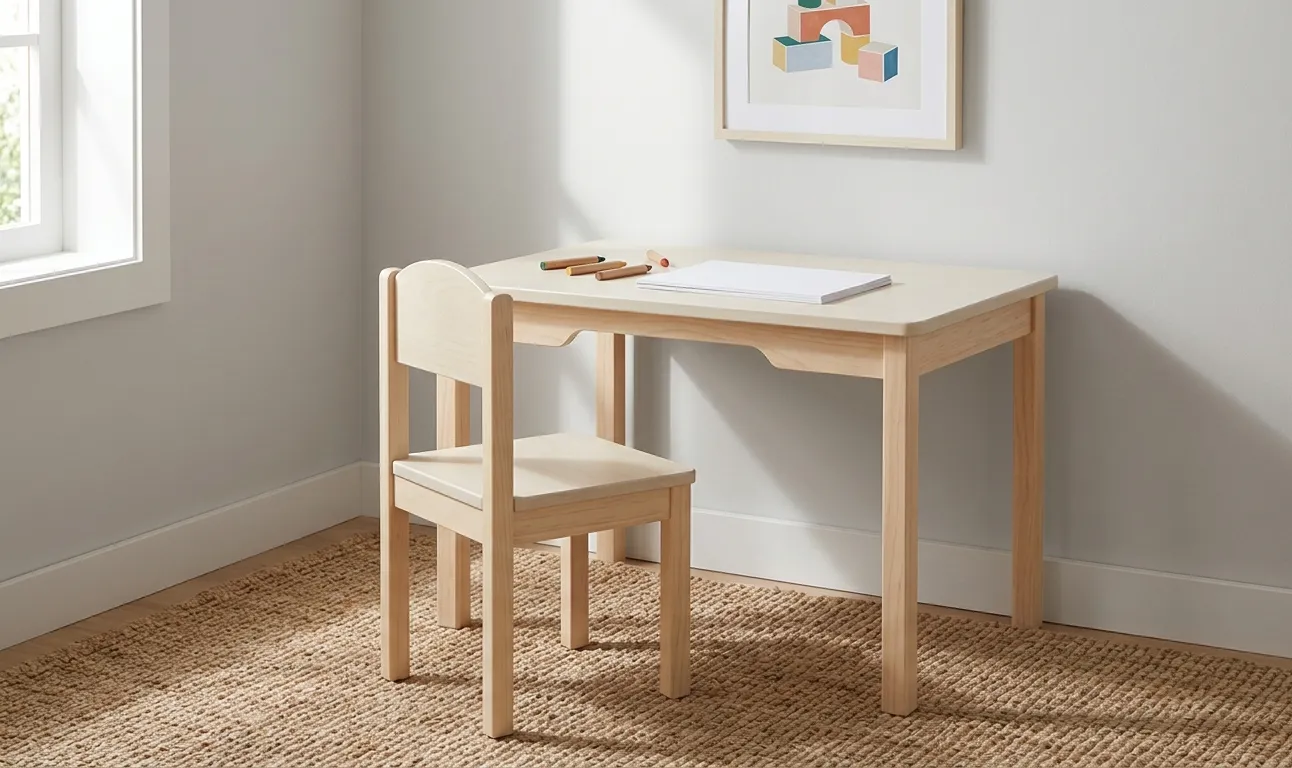
Features of Montessori Furniture
These specially designed pieces of furniture used in living spaces are produced within the framework of specific standards and offered for individual use. The biggest difference from traditional children's furniture is that dimensions and functionality are shaped entirely according to the child's anatomy. For a piece of furniture to be included in this category, its capacity for fostering independence is considered more important than its aesthetic appearance.
- Accessibility and Size Compatibility: Furniture is designed in dimensions that accommodate a child's physical strength and height. This makes it possible for them to reach their belongings without asking an adult for help.
- Natural and Safe Materials: Natural materials such as solid wood are generally used in production. Rounding off sharp corners and choosing paints that do not contain harmful chemicals on surfaces are among the fundamental safety measures.
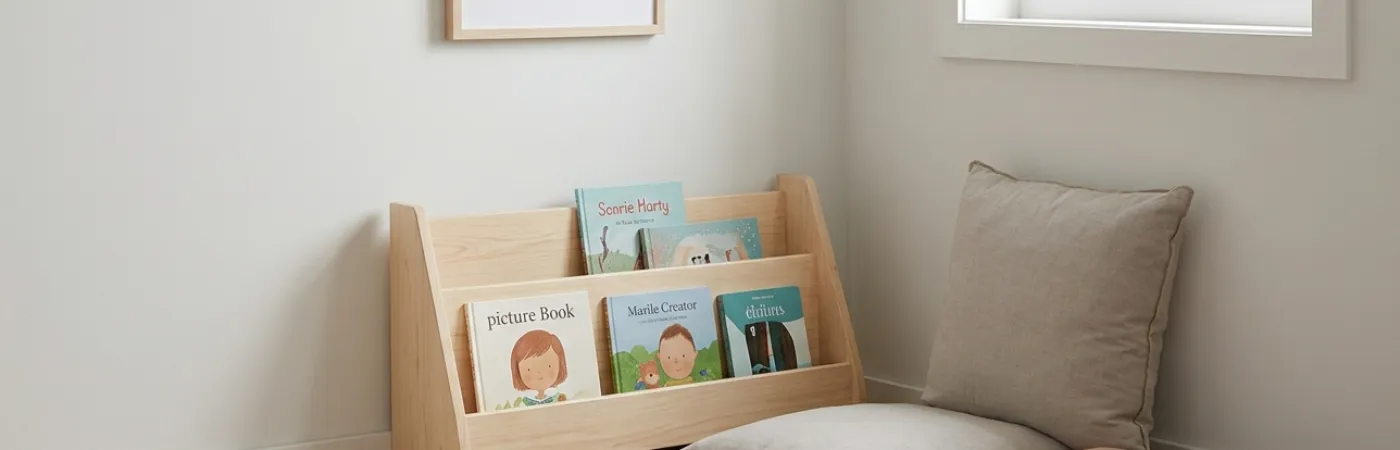
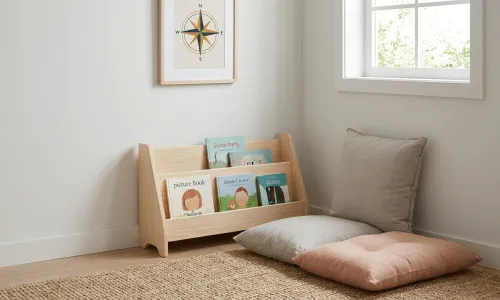
- Open Shelf Systems: As seen particularly in Montessori bookcase models, displaying books and toys in an open, accessible arrangement instead of closed cabinets is encouraged. This supports freedom of choice and visual memory.
- Functionality and Simplicity: Pieces that offer multi-purpose use and are stripped of unnecessary decorations are preferred. Furniture is placed in a way that does not narrow the movement area in the room.
- Visual Order: The color palette is usually selected from neutral and calming tones. This ensures the room offers a peaceful atmosphere while preventing the focus process from being negatively affected.
Things to Consider When Choosing Montessori Beds and Bedsteads
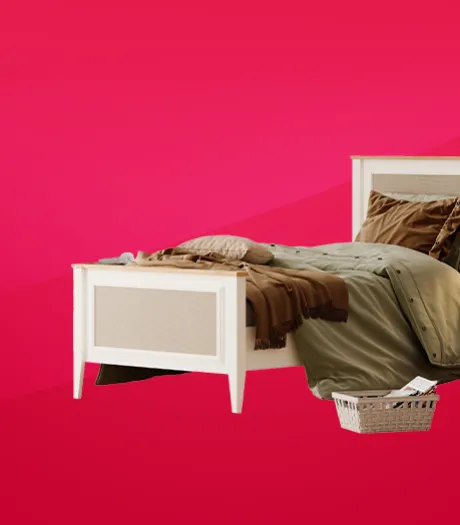
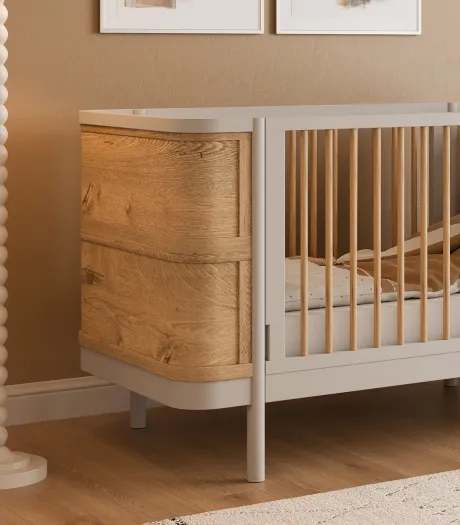
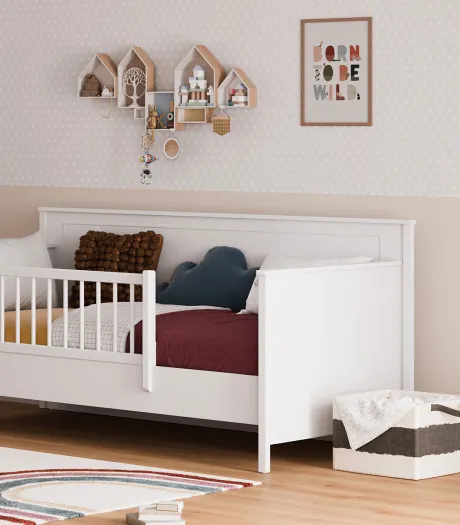
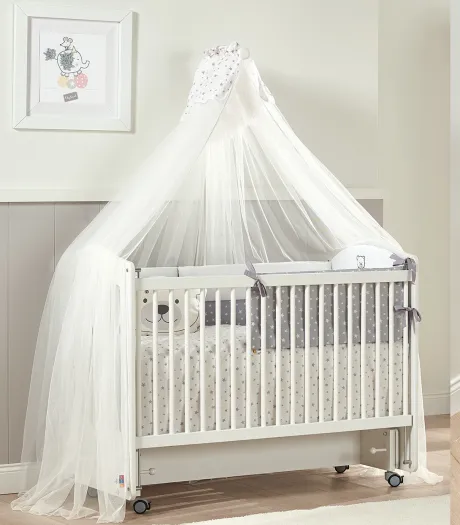
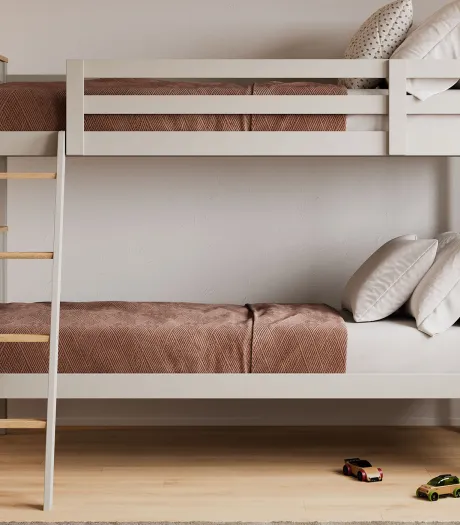
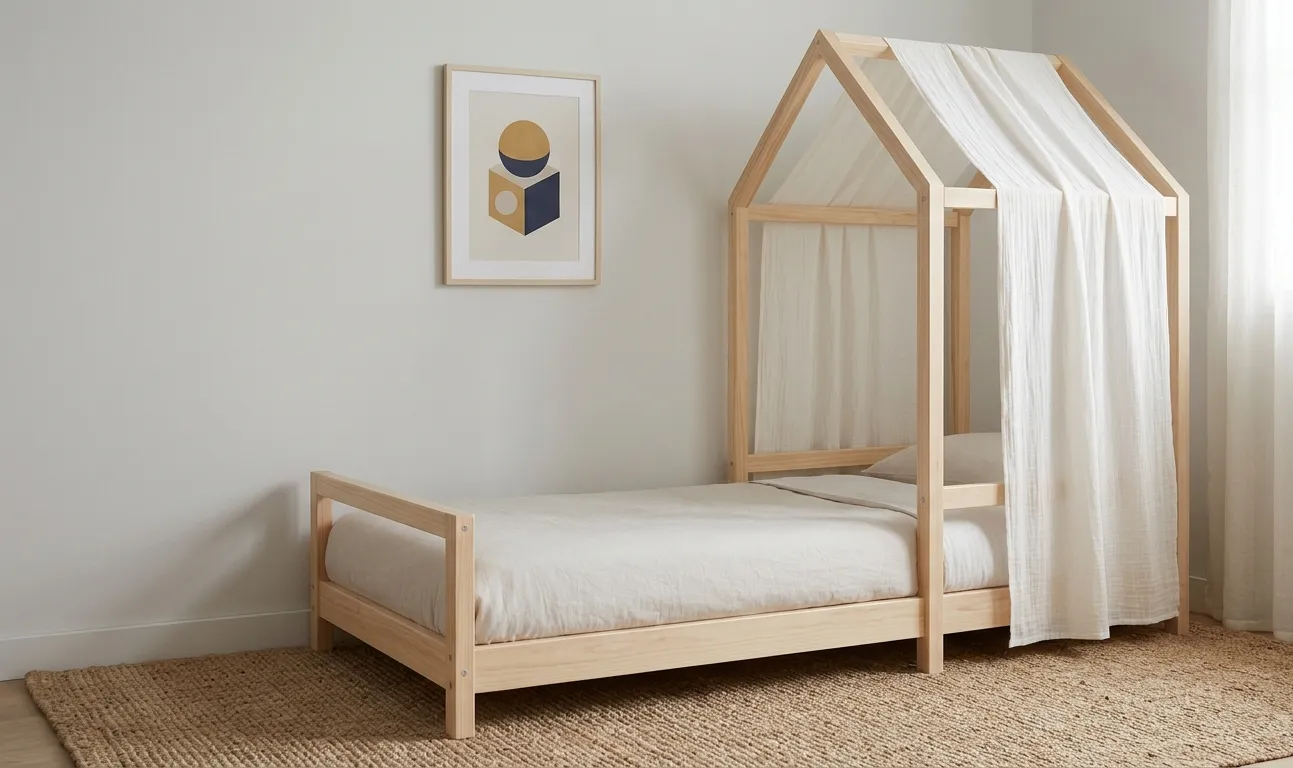
The sleeping area is considered the heart of a room, and in this philosophy, bed design is the most critical issue. Unlike traditional cribs with railings, designs that are close to the ground or at floor level are preferred. The main purpose of this approach is to allow the child to go to bed on their own when they are sleepy and to exit the bed safely without help from anyone when they wake up.
- Proximity to the Floor: In the selected Montessori bed models, the mattress must be very close to the floor. This eliminates potential fall risks while allowing the child to step onto the ground safely.
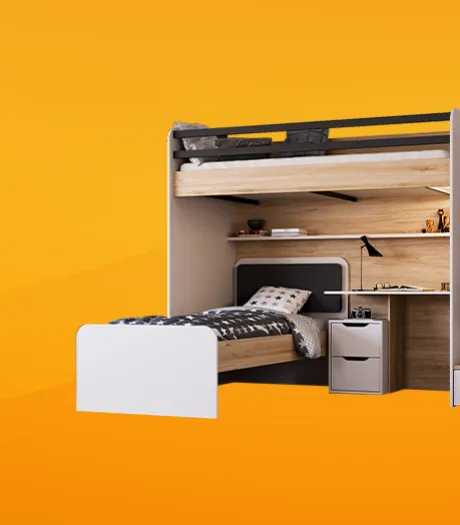
- Bed Dimensions and Space Efficiency: Correct Montessori bed dimensions should be determined according to the width of the room. Standards that do not restrict movement but offer a comfortable sleep should be preferred.
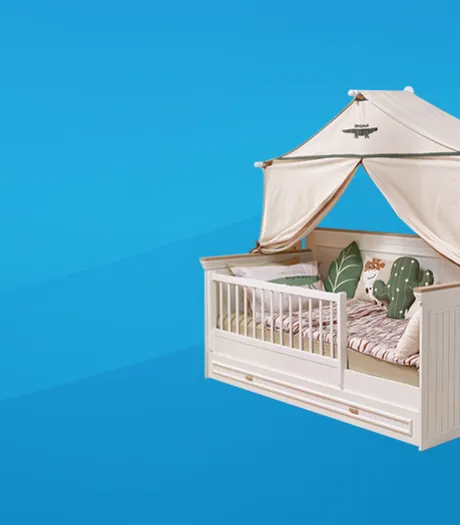
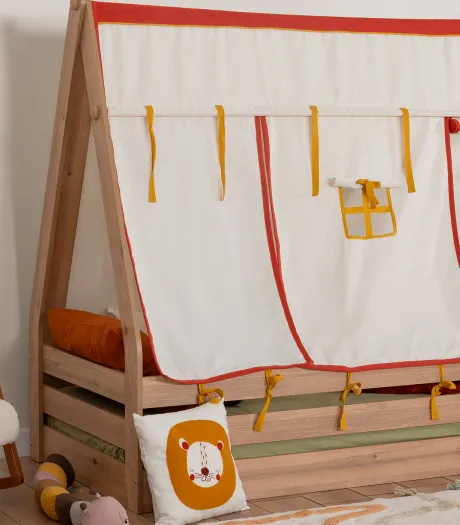
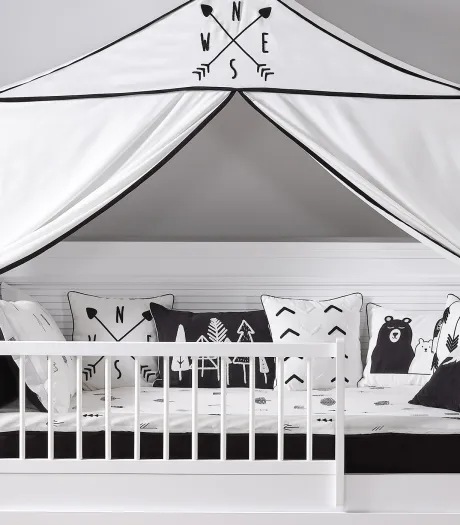
- Variety of Models: Depending on aesthetic preferences, one can choose from house-shaped Montessori beds with roofs or models with simpler lines. However, durability should be prioritized over the visual design of the model.
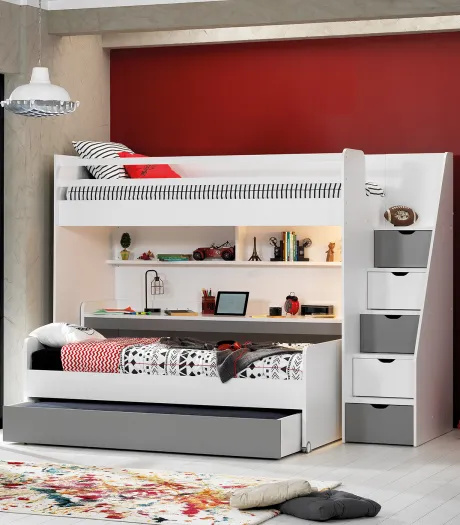
- Storage Solutions: For users who want to use space efficiently, Montessori beds with drawers provide a functional advantage. It is important that these drawers have easy-to-open mechanisms.
- Material and Workmanship Quality: The frame must be sturdy, squeak-free, and the surfaces must be smooth. Every surface that the individual will come into direct contact with should be inspected meticulously.
- Choosing the Right Mattress: The quality of the children's mattress to be placed inside is as important as the furniture itself. Mattresses that support spinal development, are breathable, and are not too hard should be selected.
Organization and Layout Strategies in a Montessori Room
Room design is not completed merely by purchasing furniture; the placement of these pieces within the room is decisive for the applicability of the philosophy. Dividing the room into different zones helps the individual understand which activity to perform in which area. Resting, playing, reading, and dressing corners should be clearly separated from one another. When planning the layout, leaving the center of the room as empty as possible allows for a play area where one can move freely.
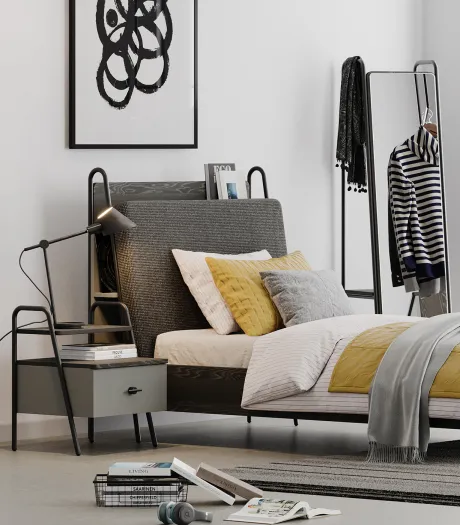
In the dressing area, low-level hangers or shelves should be used so that the child can choose their own clothes. Similarly, presenting toys in categorized baskets makes it easier to develop the habit of tidying up after play. Ensuring that the overall lighting of the room is soft and lowering light switches to a level the child can reach are small but effective details that support independence. Placing paintings or mirrors at the individual's eye level strengthens their connection with the environment.
The Montessori philosophy focuses on children's sense of independence and discovery, preparing the necessary physical infrastructure for them to realize their potential within a safe framework. As the Almila Family, we combine Maria Montessori’s valuable vision with modern production standards, designing Montessori bed models suitable for children's height, safety, and need for free movement.
You May Also Be Interested In:→ What is a Baby Shower? - Gift Ideas