
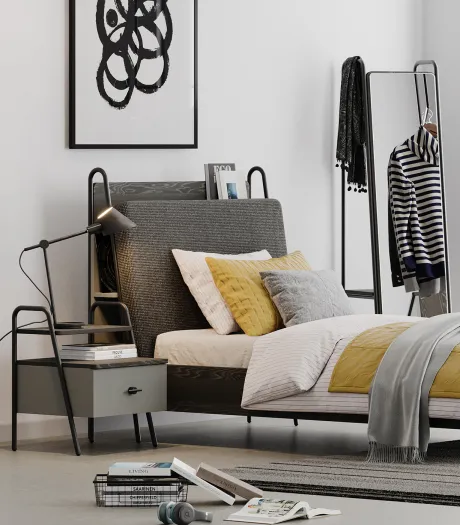
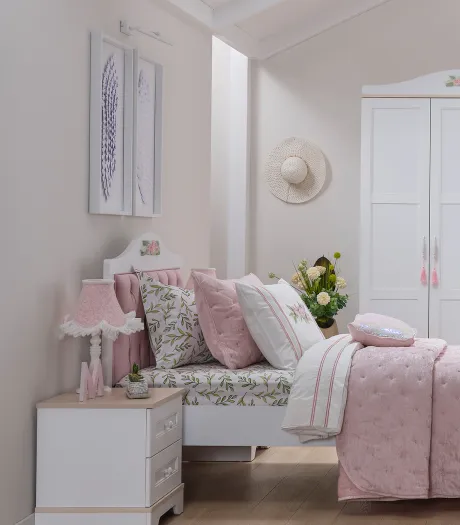
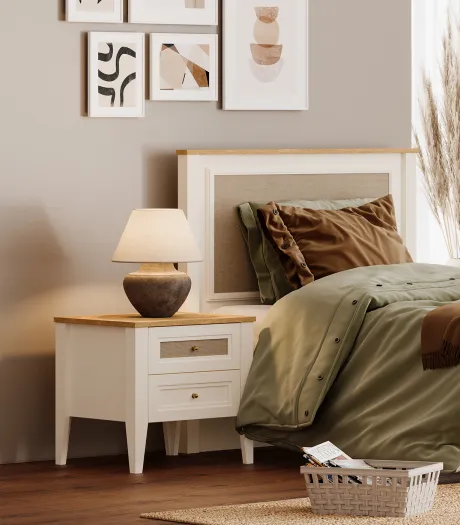
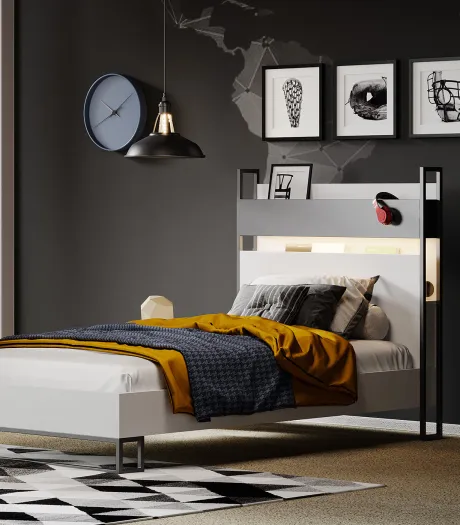
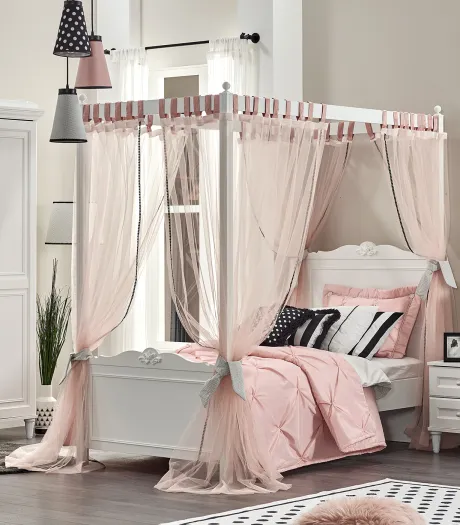
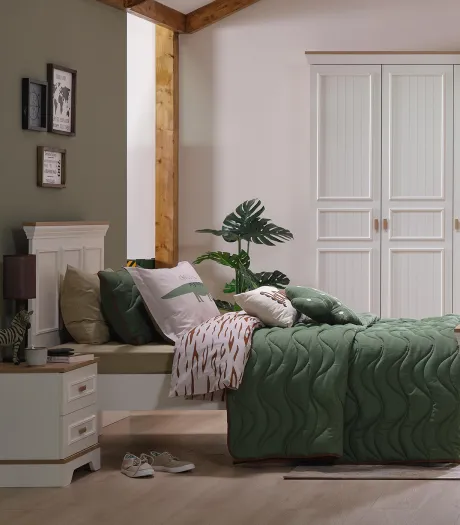
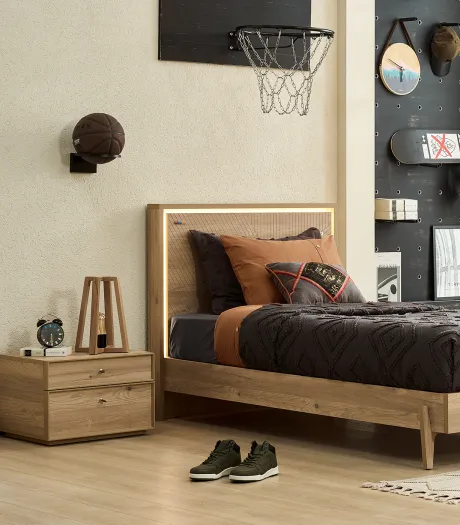

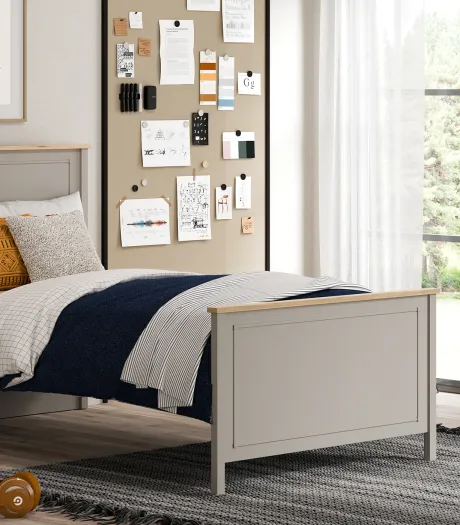
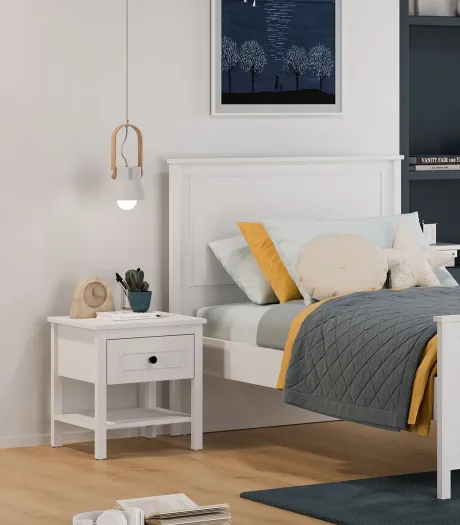
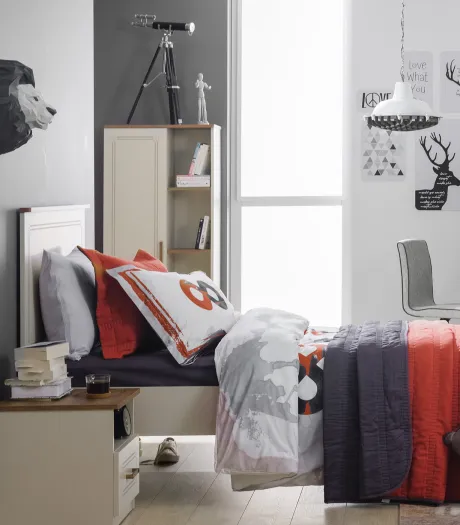
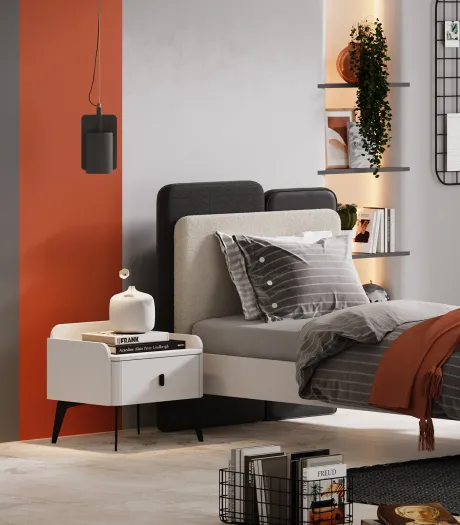
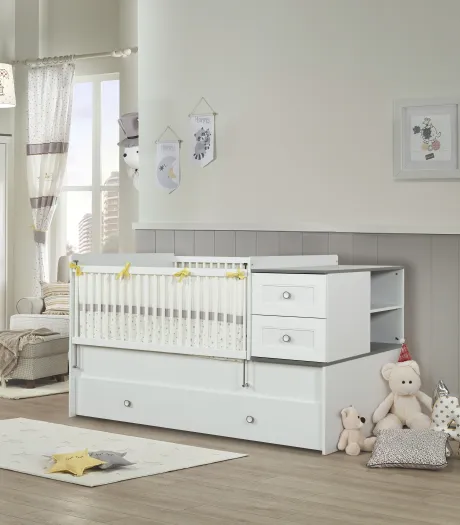
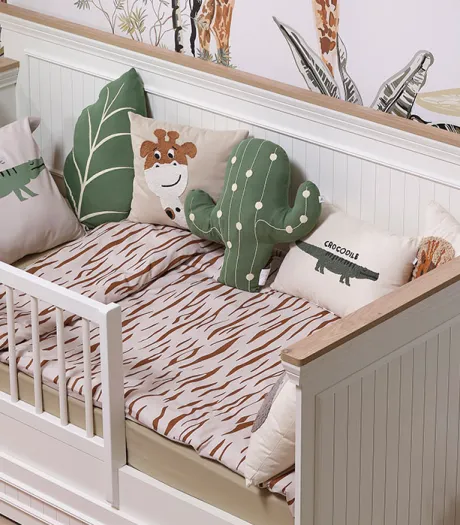
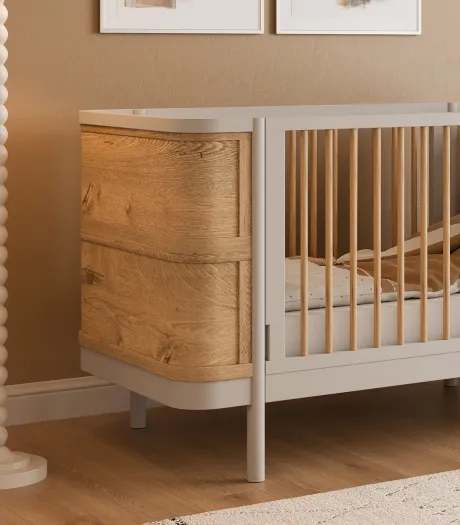
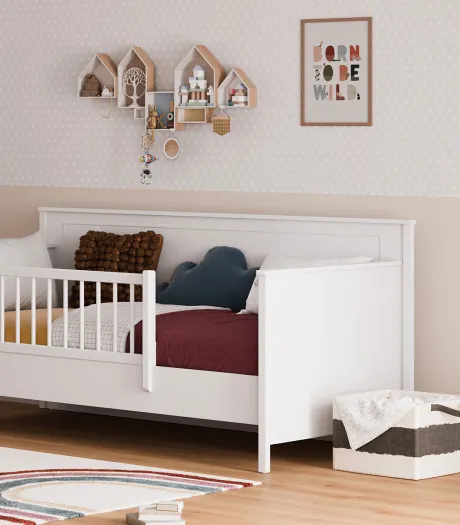



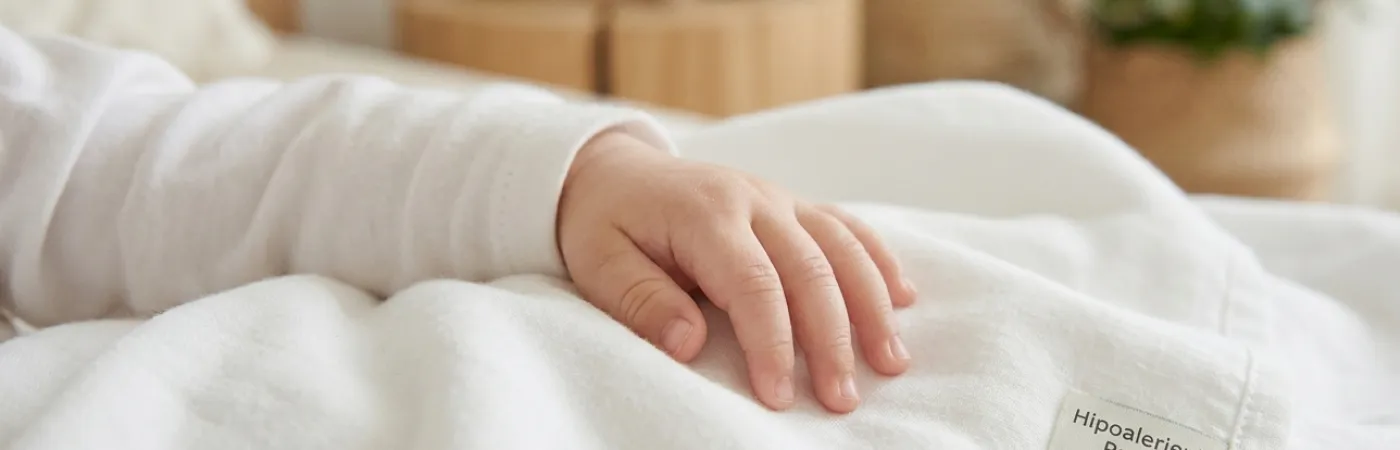
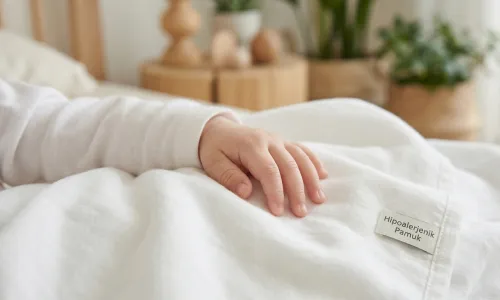
The comfort of living spaces and their ability to provide a healthy atmosphere are of great importance, especially for individuals in their developmental years. Airborne dust, invisible organisms, and particles accumulating on various surfaces in the home environment can have diverse effects on sensitive constitutions. At this point, the qualities of preferred products come to the fore to enhance the quality of life and create a safer environment. The term "hypoallergenic," frequently encountered in the world of modern decoration and textiles, essentially indicates that a product has a minimum potential to trigger an allergic reaction. Such products are presented to the user after undergoing special testing during the production stage and being purified from irritating substances.
The concept of hypoallergenic is among the primary attributes that parents should prioritize, particularly during the decoration process of children's and teenagers' rooms. It represents the capacity of selected products to minimize reactions that may occur in sensitive bodies. Thanks to raw materials meticulously screened during production and specialized testing processes, the negative impacts of room furnishings on individuals are minimized. Consequently, choosing products that meet these standards makes the living spaces of developing individuals much safer and more protected.
How Should Hypoallergenic Mattresses and Bedding Be Selected?
A quality sleep process is one of the most fundamental needs for the physical and mental development of children. Mattress selection, the most important component of this process, is directly related to general health status and respiratory comfort. Over time, standard mattresses may tend to harbor dust, moisture, and microorganisms in their inner layers. To prevent this and make the sleeping area more hygienic, it is recommended to choose products that meet specific standards.
- Mattresses with High Air Permeability: Special mattresses that use porous structures in their production to allow air circulation exhibit a natural resistance against bacteria and dust mite formation.
- Use of Washable Covers and Mattress Protectors: Removable outer covers that can be cleaned at high temperatures make surface hygiene sustainable. Waterproof yet breathable mattress protectors (protectors) help keep the inner layers clean.
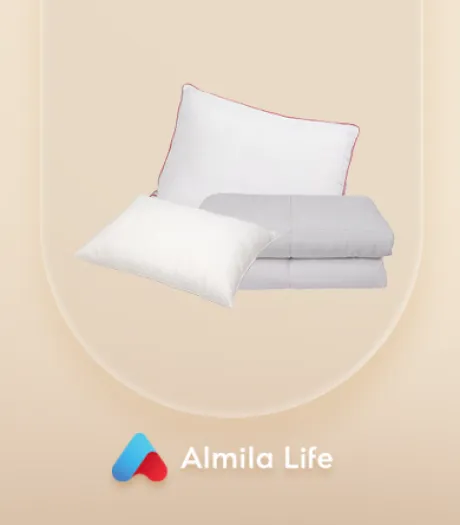
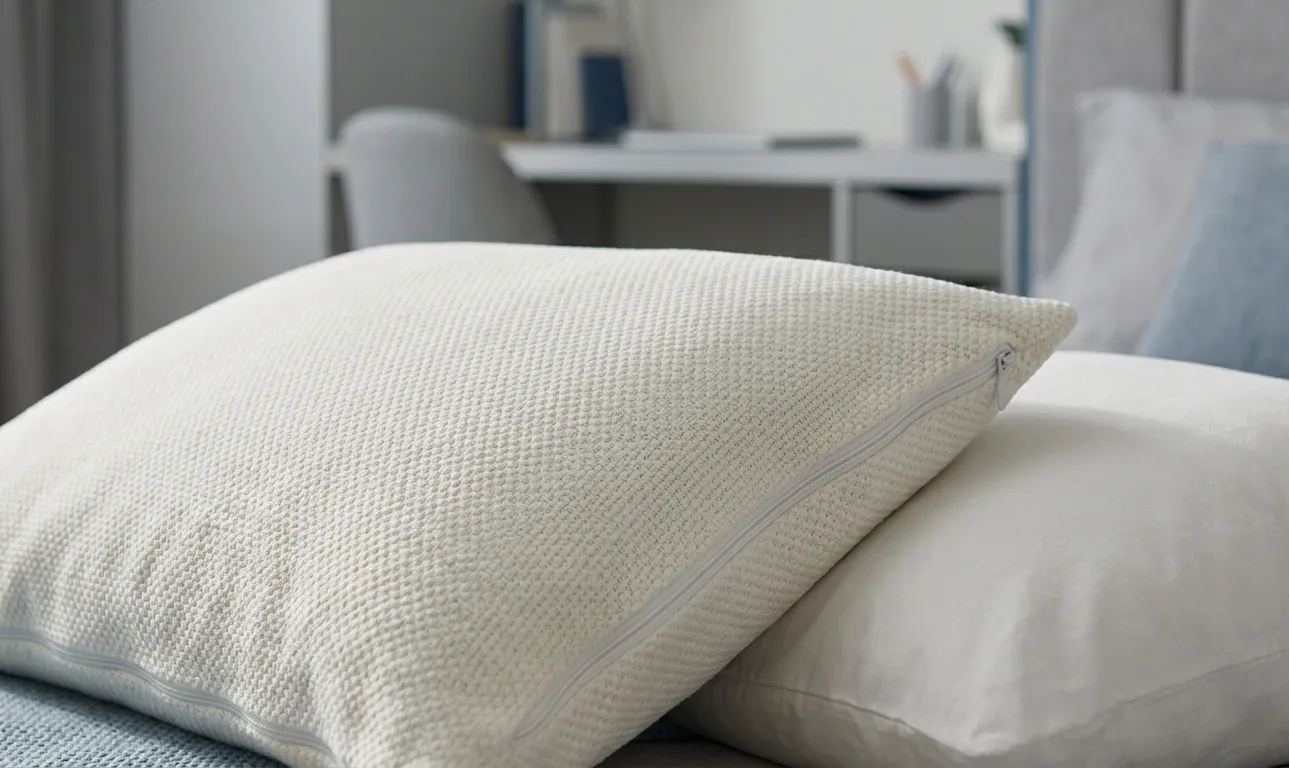
- Hypoallergenic Pillow Preferences: These products, which come into direct contact with the head and neck area, should be selected from synthetic or specially treated natural fibers that do not allow dust mites to thrive.
- The Advantage of Hypoallergenic Duvets: Hypoallergenic duvets, which balance body temperature and act as a shield against external particles, minimize dust accumulation as their lightweight structure allows them to be easily cleaned in a washing machine.
The Importance of Natural and Certified Fabrics in Textile Products
The quality of the fabrics used in children's room and teenagers' room textiles is of great importance as these products come into direct contact with the skin. Synthetic-heavy fabrics can make it difficult for the skin to breathe and may cause static electricity buildup on surfaces. Focusing on raw material content and production certificates in textile selections to eliminate such negative effects contributes to creating a healthy room atmosphere.
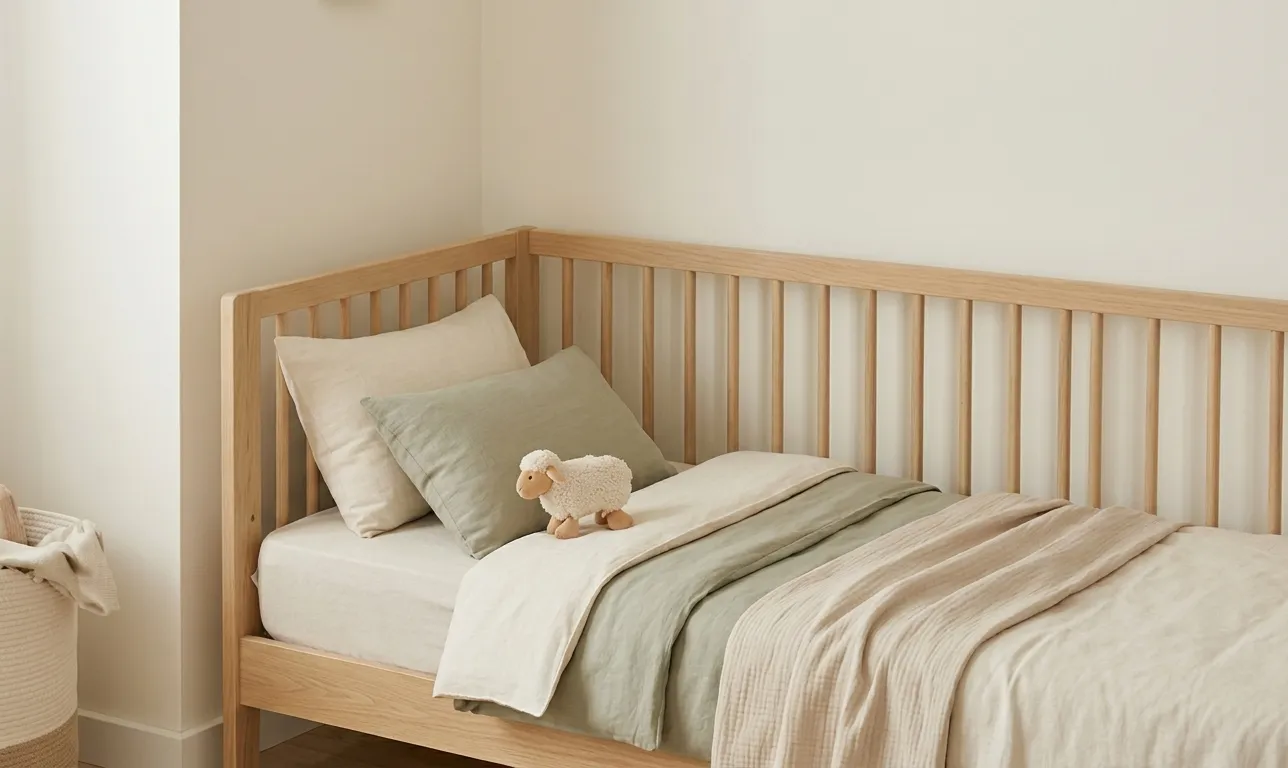
- Use of Natural Fibers: Fibers such as organic cotton, bamboo, or linen quickly absorb moisture by nature, keeping the skin dry and preventing discomfort caused by sweating.
- International Safety Certificates: Certificates proving that the dyes and finishing processes used during production do not contain heavy metals or harmful chemicals are considered a guarantee of safe use.
- Dust-Repellent Curtains and Accessories: Roller blinds or fine-textured fabrics preferred for windows protect the air quality inside the room thanks to their low dust-retention capacity.
- Durability and Hygiene: Natural textile products offer a long-term and hygienic user experience thanks to their resistance to frequent washing and their ability to maintain their form.
The Role of Hypoallergenic Products in Cleaning Routines
The methods and products used to clean living spaces have as much of a decisive impact on individuals' health as the physical layout of those spaces. Standard cleaning materials can leave sharp odors in indoor air due to the intense essences and chemical components they contain. To minimize this and create a purer environment, it is recommended to use assistants with more sensitive formulas at every stage, from textile care to floor cleaning.
- Use of Hypoallergenic Detergents: These products, which do not contain harsh chemicals, provide cleaning without leaving residue on textile fibers and help protect the skin barrier.
- Choosing Hypoallergenic Fabric Softeners: These options, which soften the texture of laundry without emitting heavy perfume scents, offer comfort without irritating the respiratory tract or the skin.
- Damp Cleaning Method: To prevent dust accumulated on surfaces from mixing into the air, applying dusting techniques with a damp cloth instead of a dry one during the cleaning process yields more effective results.
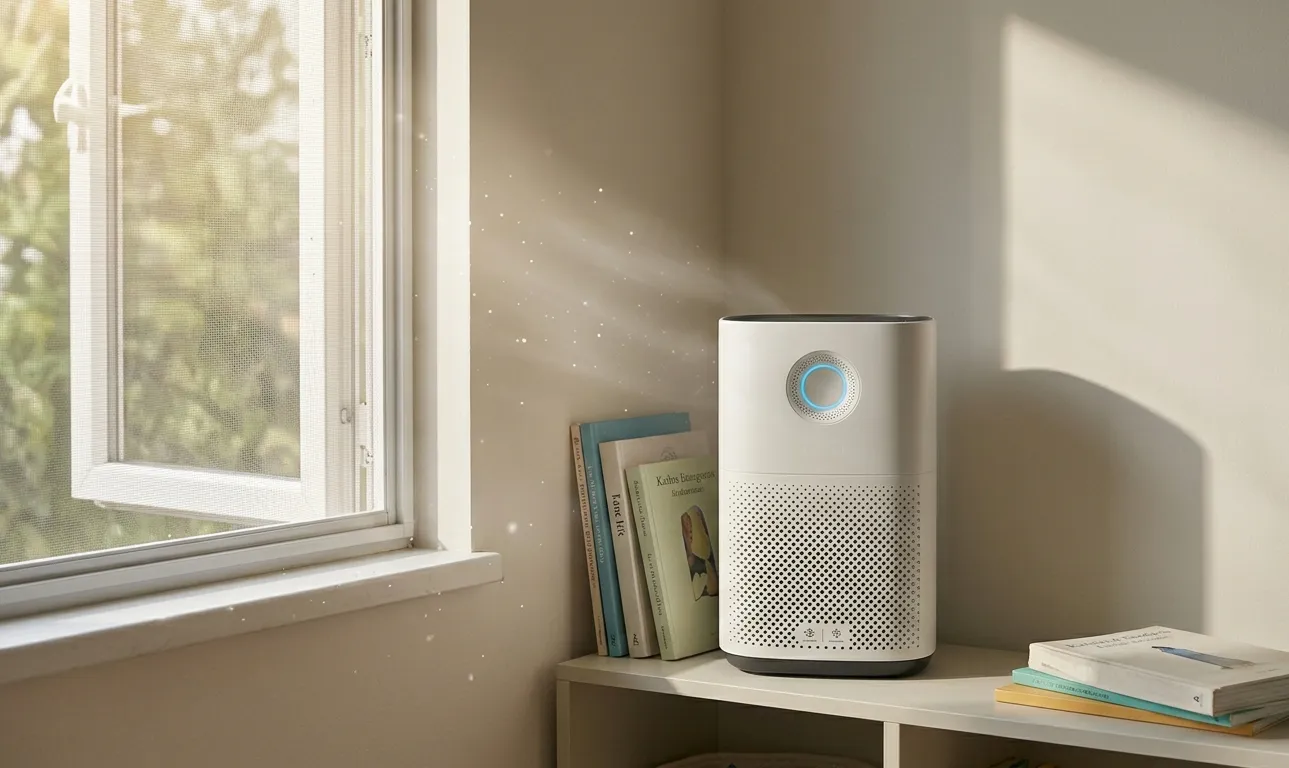
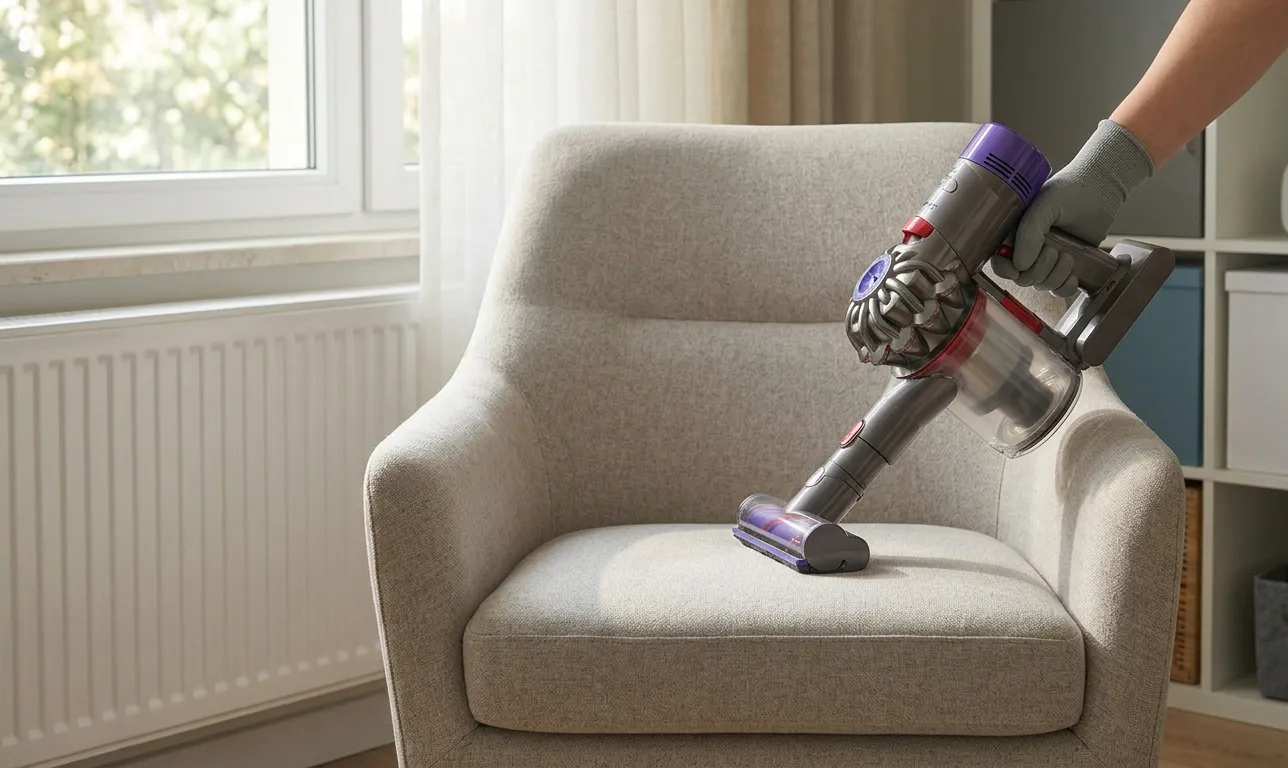
- Advanced Filtration Systems: The use of vacuum cleaners with high suction power and filters that purify the exhaust air from particles permanently reduces the amount of dust in the room.
- Regular Ventilation: Naturally ventilating the room after cleaning processes maximizes the efficiency of the products used and the hygiene efforts performed.
Tips for Storage and Dust Control in Children's and Teenagers' Rooms
Proper management of item density in children's and teenagers' rooms not only provides visual order but also directly affects indoor air quality. Objects with large surface areas, such as toys and technological devices, create suitable harborage areas for dust particles when not placed within an organized storage system. Strategic layout plans and storage solutions to be implemented in these areas facilitate the cleaning process while allowing for the creation of a more spacious living space.
- Closed Storage Units: To minimize dust accumulation, it is recommended to choose cabinets with doors and drawer systems instead of open shelves. In this way, the contact of items with the external environment is cut off, minimizing the risk of dust buildup.
- Closed Toy Boxes: Plush toys and small-piece play sets are products with a high dust-retention capacity. Storing these objects in lidded boxes when not in use both maintains hygiene and speeds up room cleaning.
- Cable Management and Organizers: The cable clutter behind computers and desks, especially in teenagers' rooms, leads to the formation of hard-to-clean dust bunnies. The use of cable management channels makes it easier to keep these areas dust-free.
- Strategic Furniture Placement: Keeping furniture where long periods are spent, such as beds and desks, away from locations with intense dust circulation like behind doors or very close to radiators, benefits respiratory comfort.
- "Less is More" Principle: Reducing the number of unnecessary decorative objects and textile products in the room helps maintain a more hygienic environment by decreasing the surface area where dust can settle.
- Vertical Space Utilization: Moving items to closed wall modules instead of the floor allows for more effective floor cleaning and prevents dust from accumulating in the lower layers of the room.
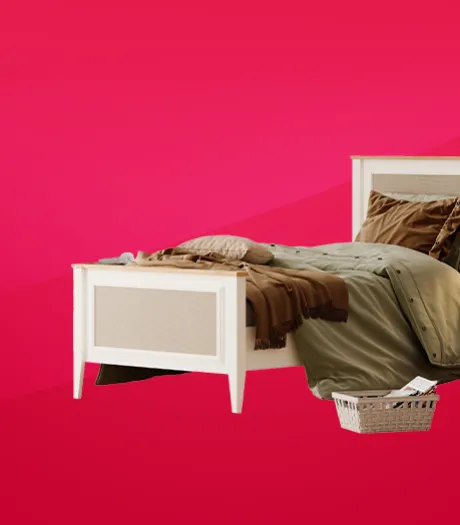
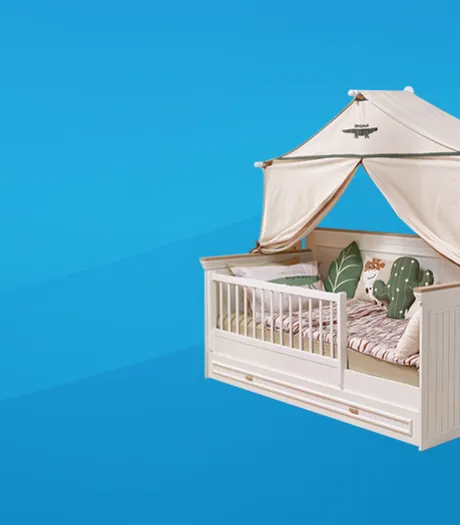
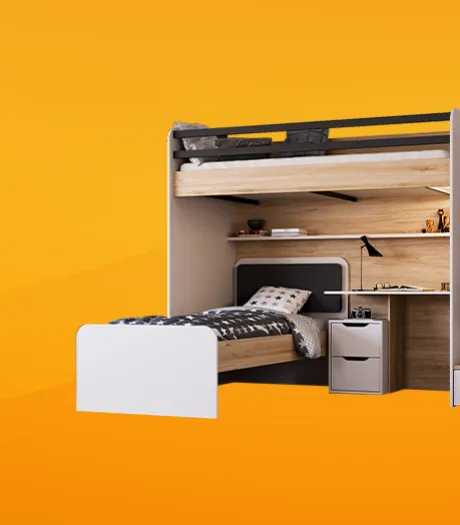
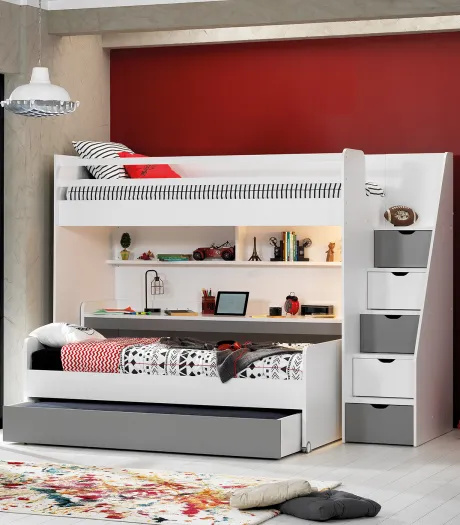
Creating a healthy development space involves combining the right textile choices with furniture designed for these needs. The children's and teenagers' rooms we design as the Almila Family do not just offer an aesthetic appearance; they form the foundation of a hypoallergenic living space with their easy-to-clean surfaces and modular structures that minimize dust accumulation. By exploring our room collections that adapt to every style and need, you can build a world for your child that is both safe and inspiring.
You May Also Be Interested In:→ Mattress Advice for Healthy Sleep