













































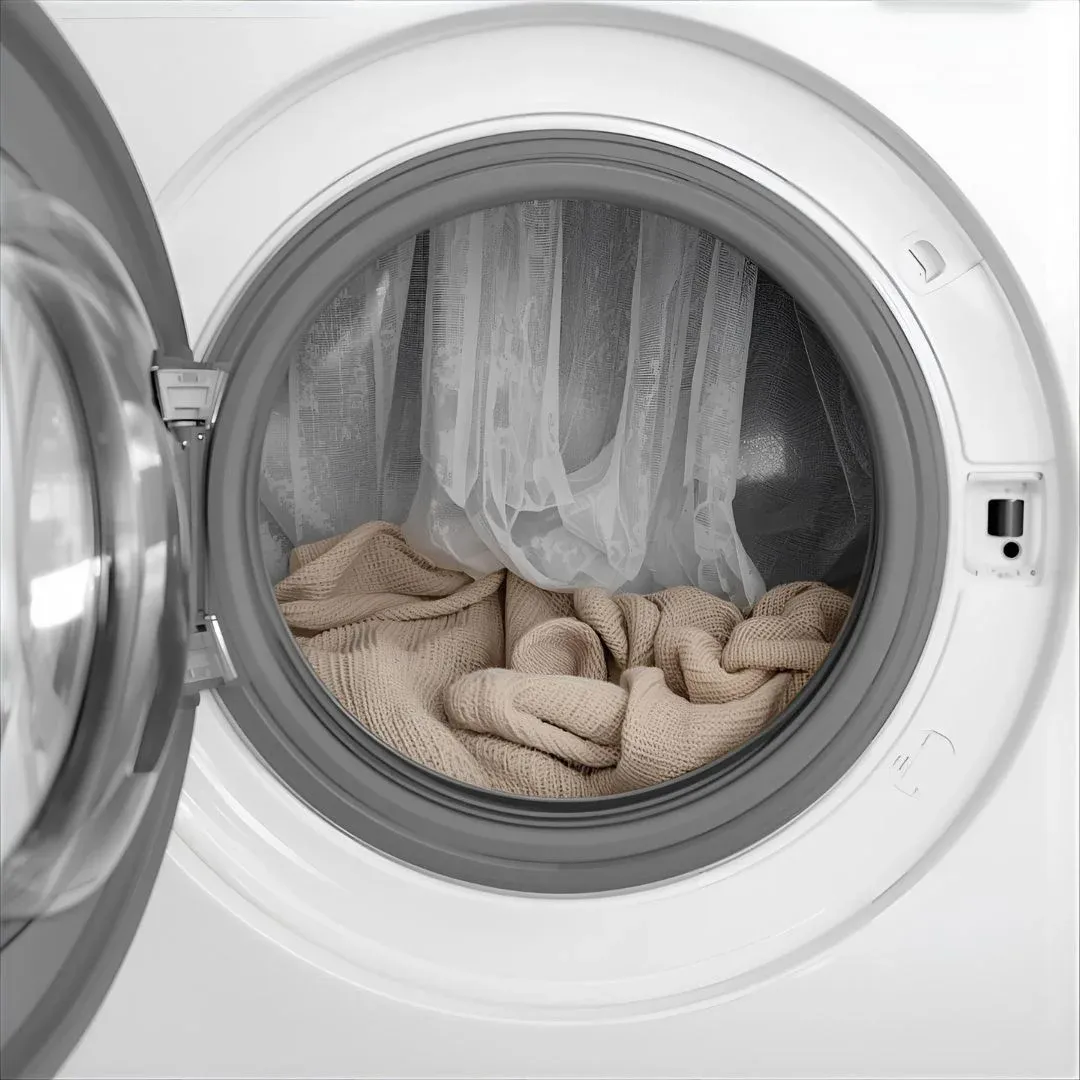
Curtains, one of the most fundamental elements of home hygiene, directly affect indoor air quality by filtering dust and pollen from the outside world. To maintain their aesthetic appearance and prevent their textures from wearing out, curtains should be cleaned at regular intervals using methods suitable for their fabric structure. When correct washing techniques and appropriate device settings are used, even the most delicate tulles can preserve their first-day form.
The curtain cleaning process requires holistic attention, from the preparation stage to the correct choice of detergent and drying methods. Since incorrect applications can cause shrinkage, yellowing, or permanent wrinkles in the fabric, it is recommended to plan every step meticulously. Here are the steps to follow in curtain cleaning to achieve a flawless cleaning result:
1. Dust Removal and Attachment Removal is Required
Before proceeding to the washing process, it is recommended to remove the coarse dust on the curtains with a vacuum or by shaking them in an open area such as a balcony. During the time they hang, curtains attract dust particles like a magnet due to the static electricity in the environment. If the curtain comes into direct contact with water without cleaning this dust layer, the dust turns into mud and penetrates deep into the fabric fibers. This situation leads to a "grayish" appearance after washing, especially in white tulles. The dusting process increases cleaning performance by allowing the detergent to penetrate the fabric texture more homogeneously.
After dust cleaning, metal or plastic rings, locking mechanisms, and pins that allow the curtains to be attached to the cornice must be removed. These attachments can damage the machine drum and cause tears or unraveling by getting caught in the fabric inside the drum rotating at high speeds during washing. If there are delicate accessories, beads, or stone embroideries on the curtains that cannot be removed or are sewn on, it is recommended to protect the curtains by placing them in a special washing net. This meticulousness during the preparation phase is of critical importance to protect the technical life of both the curtain and the washing machine.
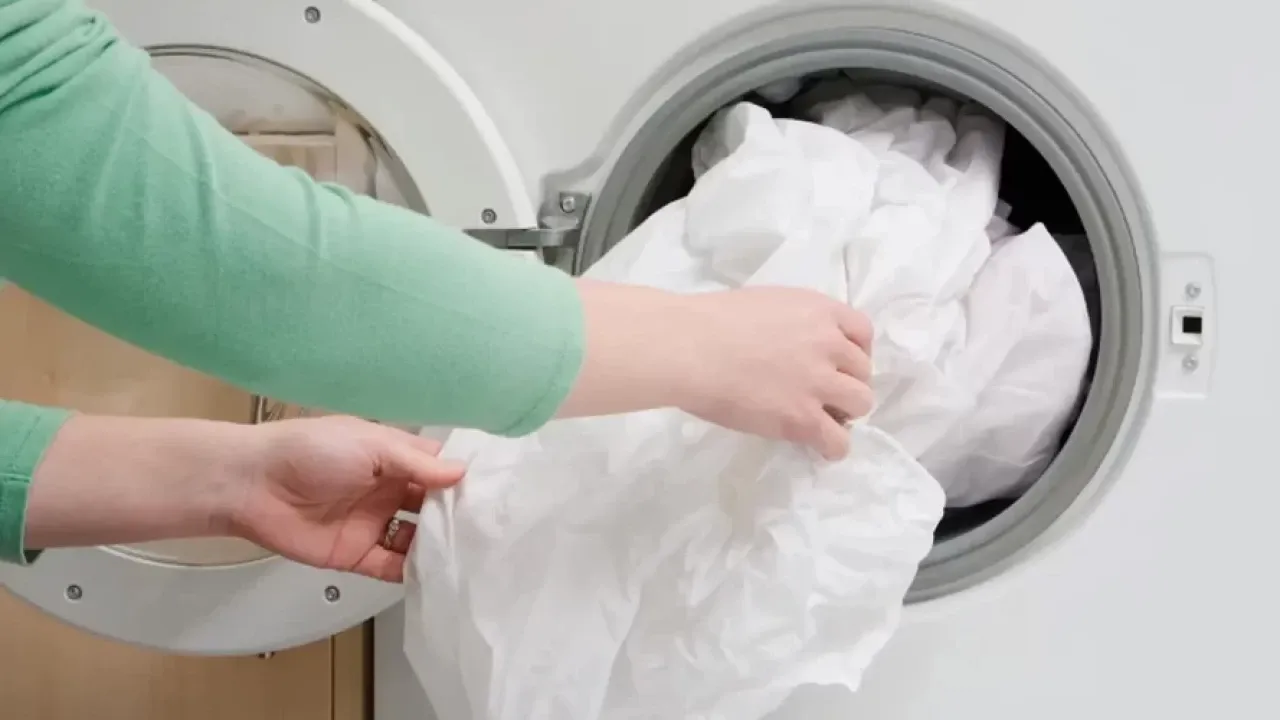
2. Ideal Program and Temperature Settings Should Be Selected
To prevent the texture of the curtains from deteriorating and to ensure the fabric fibers do not undergo thermal shock, temperatures that generally do not exceed 30 degrees Celsius should be preferred. High heat can weaken the polymer bonds in the structure of synthetic tulles and drapes, causing the fabric to stiffen, shrink, or lose its elasticity. "Delicate," "hand wash," or direct "curtain" modes found in modern washing machines are programmed to operate with low water temperatures and gentler drum movements for this specific need. The care instructions on the fabric label are the most reliable curtain washing guide; however, if this label is not available, the lowest heat setting is always the safest path.
Water level and spin speed should also be considered during program selection. Curtains are pieces that become significantly heavier when they absorb water; therefore, the machine needs to take in water gradually and rotate the fabric without damaging it. In devices without a specific curtain program, choosing the delicate or silk setting instead of the synthetic setting optimizes the drum's start-stop intervals, reducing the risk of wear and tear. Additionally, using a pre-wash option allows the dirt in the initial water to be discharged, enabling the detergent to play a more active role during the main wash cycle.
3. Form Should Be Preserved with a Low-Speed Spin Method
To minimize wrinkles and prevent fabric fibers from being crushed under physical pressure, high-speed spinning processes must be strictly avoided. In a drum rotating at high speeds such as 800-1200 RPM, curtains are pressed violently against the drum wall due to centrifugal force. This pressure causes deep and sometimes permanent "crease" marks in the fabric texture, which can make the ironing process impossible after drying. For an ideal curtain setting, it is recommended to keep the spin speed at 400 or a maximum of 600 RPM, or even to cancel the spin process entirely for delicate fabrics.
Keeping the spin speed low or canceling it ensures that the curtains come out of the machine wetter and heavier. Although this may seem like a disadvantage at first glance, hanging the curtains with the weight of the water in their fibers helps the wrinkles open up naturally through the effect of gravity. Curtains removed while slightly damp find their form by stretching under their own weight. If the machine's spin function is to be used, the curtains must be removed as soon as the process ends; wet curtains left waiting inside the drum will press against each other under their own weight, creating a structure that is difficult to iron.

4. One Should Be Selective in the Use of Whiteners and Chemicals
The type of detergent selected is of vital importance to prevent tulle curtains from yellowing or graying over time due to external factors such as air pollution, sunlight, or cigarette smoke. Bleaches containing heavy chemicals, like chlorine bleach, can thin the fabric fibers, causing the curtain to become "brittle" over time and prone to tearing when touched. Instead, using a small amount of baking soda added to the detergent compartment or oxygen-based whiteners specifically formulated for curtains provides brightness without damaging the texture. Baking soda also breaks the hardness of the water, helping the detergent foam better and remove stains more easily.
The situation is different for dark-colored or patterned drapes; in such fabrics, detergents containing whiteners can cause color pigments to fade. For this reason, the use of color-protecting liquid detergents ensures that the fabric maintains its vibrancy for a long time. Caution should be exercised regarding the use of fabric softeners. Although softeners make curtains smell pleasant, they can increase the tendency of tulles to collect dust by forming a thin film layer over the fibers. If a softener is to be used, it is recommended to minimize the amount during the curtain wash setting and add only a small amount to prevent static electricity.
5. Wrinkles Should Be Prevented by Hanging While Damp
One of the most critical stages of curtain cleaning is the first five minutes immediately after the wash cycle is completed. Leaving curtains in the machine allows the fabric to stick together due to the effect of moisture, creating deep creases. Therefore, as soon as the washing is finished, curtains should be taken out without losing time. Hanging curtains in their place on the cornice while damp is the most practical way to achieve a professional result. A curtain hung in its place gains natural tension thanks to its downward hanging weight, and the fibers flatten as they find their own path while drying.
This method also eliminates the damage that high-heat ironing can cause to the fabric. The temperature of the iron base can cause fibers to shine or shrink in some synthetic curtains. While these risks are eliminated with the damp hanging technique, a natural moisture balance is also provided in the home. If the curtain fabric is very thin and still appears wrinkled when hung, only the wrinkled areas can be treated with the help of a handheld steamer from a distance. Ventilating the room while the drying process continues by the window ensures that the curtains smell fresh and prevents the formation of humidity.

6. Hand Washing or Dry Cleaning Should Be Preferred for Delicate Textures
Some types of curtains have structures so delicate that they are not suitable for washing even in the most sensitive modes of modern appliances. Curtains made of silk, genuine velvet, cotton lace, or those with heavy manual craftsmanship may lose their form or suffer damage to details like beads and embroidery under mechanical drum movements. For these types of special textures, a traditional hand washing program should be applied, or support should be sought from a professional dry cleaning company. If hand washing is to be performed, the water should be at room temperature and the fabric should not be scrubbed with harsh movements.
During the hand washing process, the curtain should be soaked in detergent water in a large bathtub or a wide container, and the dirt should be pushed out with gentle pressure. The rinsing stage is the most important part of the cleaning; detergent residues left on the fabric can lead to permanent yellow stains or hardening of the fabric when they come into contact with sunlight after drying. The process should be repeated until the rinsing water is completely clear. For drying, the curtain should never be wrung out; instead, it should be hung while damp after allowing the excess water to drain.
Frequently Asked Questions
At What Temperature Should Curtains Be Washed?
30 degrees Celsius is ideal for standard tulles and delicate fabrics. Thick sunblinds and cottons can be washed at 40 degrees.
At What Speed Should Curtains Be Spun?
400 RPM is recommended to prevent wrinkling. For delicate fabrics, the spinning process should be canceled entirely.
In Which Program Should Sunblinds Be Washed?
Synthetic or delicate programs should be preferred depending on the fabric structure.
Can Curtains Be Put in the Dryer?
No, most curtains should not be put in the dryer as they carry a risk of shrinking and permanent wrinkling at high heat. The damp hanging method is the healthiest way to dry them.
Should Fabric Softener Be Used for Curtains?
It can be used, but excessive use on tulle curtains may cause the texture to become heavy and increase the tendency to attract dust.
At What Temperature Are Drapes Washed?
Washing them generally at 30 degrees and on a delicate setting protects the texture and color of the fabric.
How to Wash Zebra and Roller Blinds?
Zebra blinds cannot be washed in a machine because they have a mechanism. They should be spread on a flat surface, wiped with a soft sponge and detergent water, then rinsed and dried while hanging.
How to Wash Pillows? You might find this blog post interesting!