












































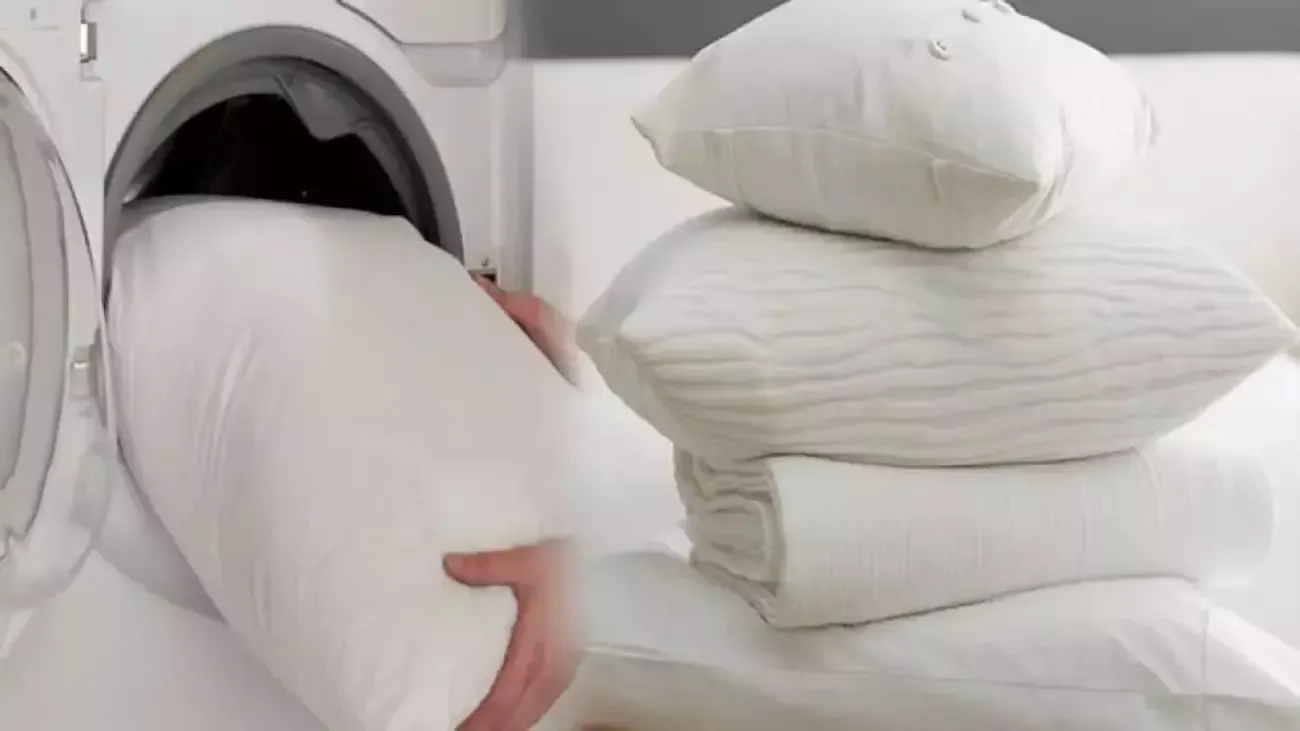
Pillows are one of the most essential products that directly affect our sleep quality. During daily use, factors such as sweat, skin oils, and dust can cause pillows to become dirty. Therefore, regular cleaning of pillows is crucial both for hygiene and for prolonging the product's lifespan. When washed using the correct techniques, pillows can maintain their shape and filling.
Pillow cleaning methods vary depending on the materials used. Different filling types such as cotton, wool, fiber, visco, silicone, bamboo, and down require different care methods. Knowing the type of filling in your pillow allows you to determine the appropriate washing and drying techniques.
At What Temperature Should Pillows Be Washed? Temperature Recommendations
The washing temperature for pillows depends on the filling material. Generally, synthetic and cotton pillows can be washed at 30–40°C, while pillows made from natural materials or with delicate structures require lower temperatures. For example, cotton pillows should typically be washed on programs that do not exceed 40°C to prevent damage to the cotton fibers. A frequently asked question, “Can fiber pillows be machine washed?” can be answered affirmatively, as most fiber pillows can be safely washed on a gentle program. On the other hand, washing wool pillows requires more careful handling; these pillows should be hand-washed or cleaned in a washing machine using the wool program at a low temperature. It is important to note that high temperatures can damage the pillow filling and accelerate wear. Therefore, always follow the washing instructions specified on the manufacturer’s label.
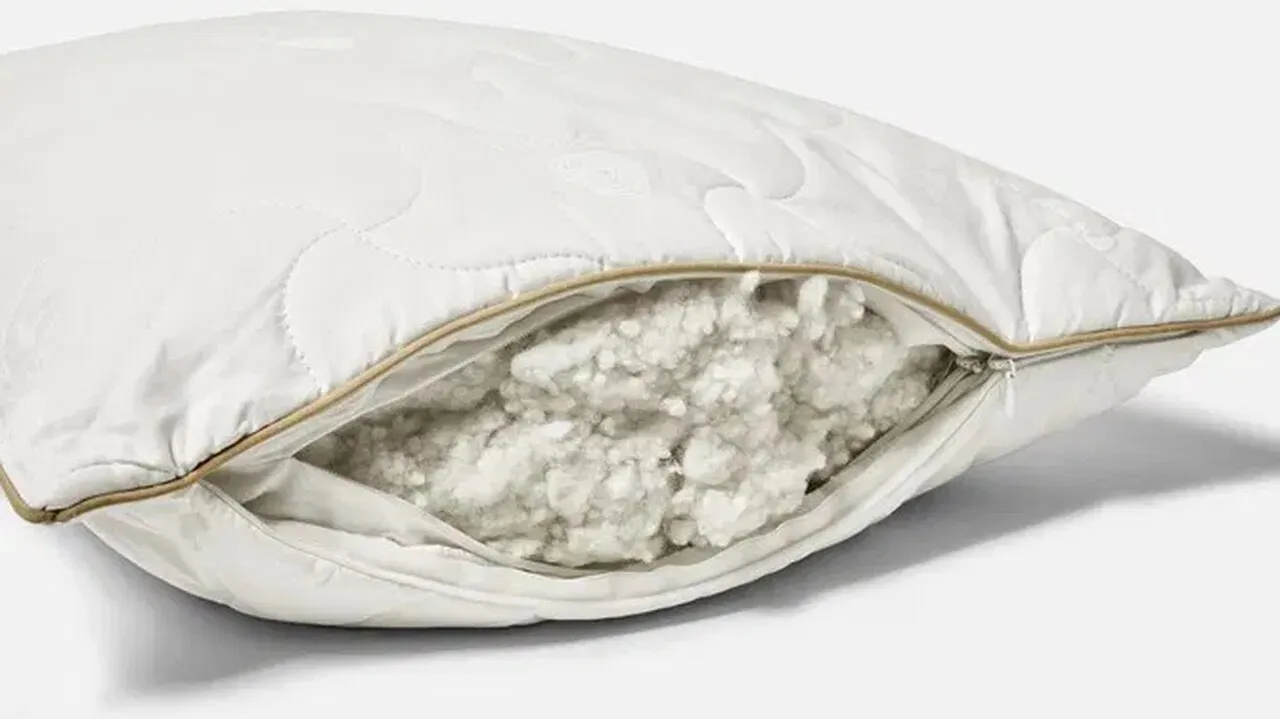
Which Program Should Pillows Be Washed On?
Washing pillows correctly is crucial for both hygiene and longevity. Different types of pillows require special care, making the choice of the right program and temperature very important. Here’s what you need to know about washing various types of pillows:
Silicone Pillows: Silicone pillows should be washed on a delicate or hand-wash program. These programs prevent damage to the filling and help maintain the pillow’s shape. High temperatures should also be avoided.
Cotton Pillows: Cotton pillows should generally be washed at temperatures not exceeding 40°C. This helps protect the cotton fibers and ensures the pillow lasts longer.
Fiber Pillows: Fiber pillows can usually be machine washed on a gentle cycle. Low temperatures and low spin speeds are recommended for these pillows.
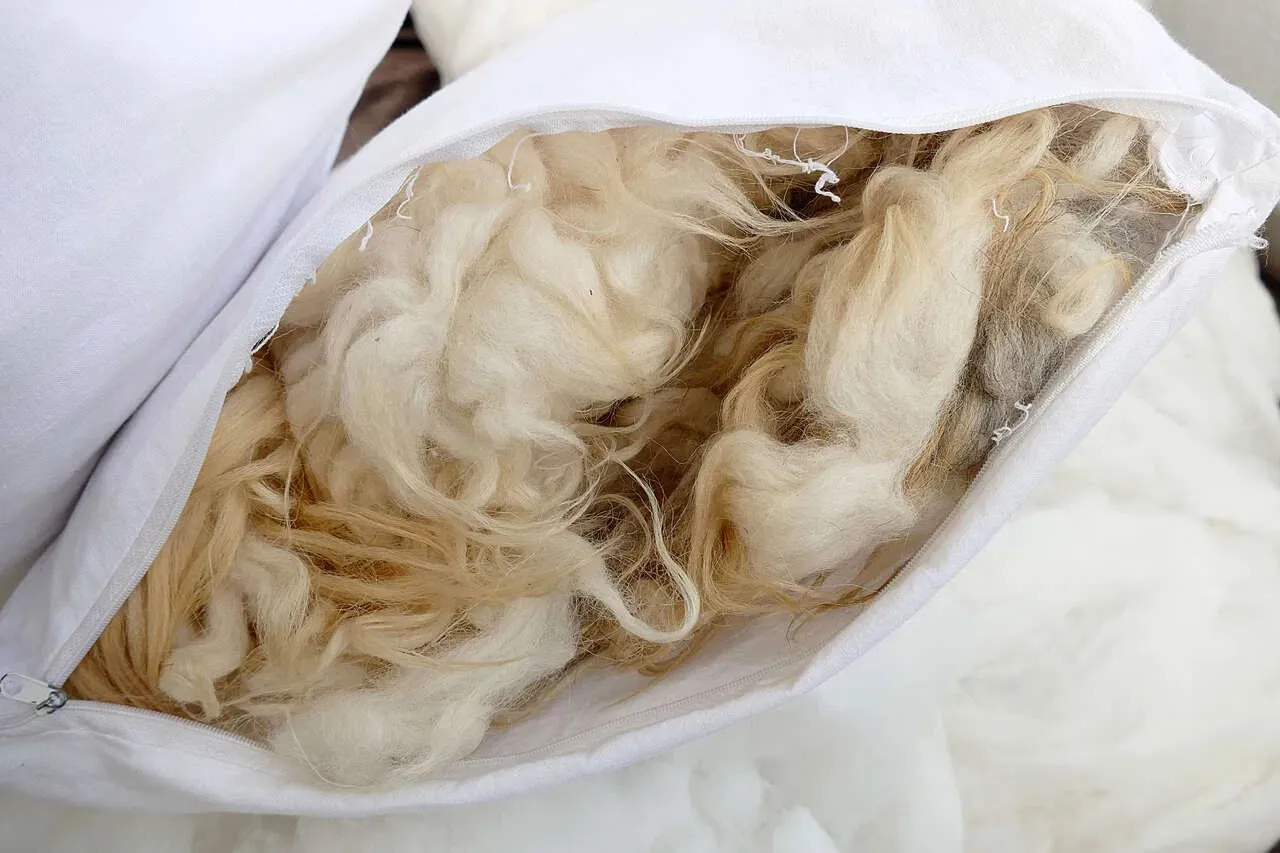
Wool Pillows: Wool pillows are more delicate, so they should be hand-washed or machine washed on a wool program at a low temperature. High temperatures can cause wool fibers to shrink.
Washing pillows correctly helps protect their filling and ensures durability. Always follow the manufacturer’s instructions for the best results.
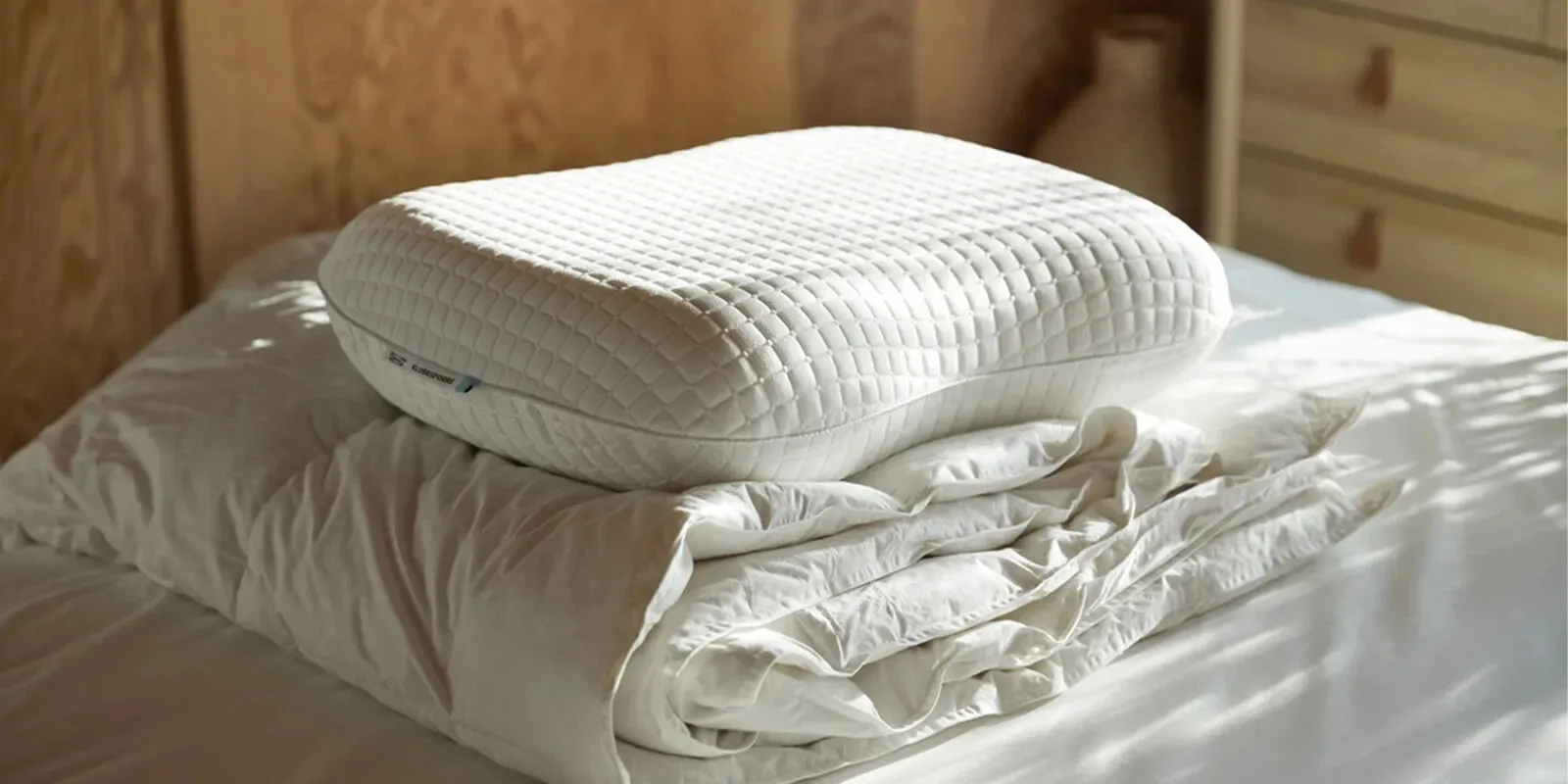
Cleaning Fiber and Cotton Pillows
For those wondering how to wash fiber pillows, the process is quite simple. Most fiber pillows can be machine washed; using a gentle cycle and low temperature is sufficient. After washing, drying at low heat and lightly pressing by hand helps the filling regain its original shape.
Choosing the right detergent is also important when washing fiber pillows. For the question "Which detergent should be used for fiber pillows?" the answer is liquid, mild, and fragrance-free detergents are the most suitable options.
Cotton pillows, thanks to their durable structure, can also be easily cleaned in a washing machine. However, avoiding excessive detergent use helps preserve the cotton fibers. Using cold or lukewarm water is important to maintain the pillow’s shape.
Care for Wool and Down Pillows
Wool and down pillows made from natural materials require particularly delicate handling.
Wool pillows should be hand-washed. Using lukewarm water and a mild detergent suitable for wool is sufficient. During drying, do not compress the pillow and let it dry naturally on a flat surface, either in the sun or in the shade.
Down pillows have similar sensitivities as wool pillows. Avoid pressing the pillow too much and dry it flat outdoors. High pressure should not be applied during the cleaning of down pillows.
Washing Visco and Bamboo Pillows
Modern pillow types such as visco and bamboo pillows require special care. Visco pillows are generally not suitable for machine washing. It is usually recommended to clean the surface of visco pillows and change the pillowcase. Bamboo pillows can typically be hand-washed or washed on a gentle machine cycle, but high temperatures should be avoided. Excessive heat can damage the bamboo filling. Therefore, it is important to follow the washing instructions and use an appropriate program for cleaning bamboo pillows.
How to Clean Yellowed Pillowcases
Cleaning yellowed pillowcases is important both aesthetically and hygienically. Pillowcases often yellow due to sweat, makeup, body oils, or soap residues. To remove this yellowing, you can follow these steps:
- Using Bleach or Stain Removers: For white or light-colored pillowcases, oxygen-based bleach (not chlorine bleach) or special stain removers can be effective. Apply the stain remover directly to the yellowed areas and wait a few minutes before washing the pillowcase.
- Baking Soda and Vinegar Mixture: Add 1/2 cup of baking soda and 1/2 cup of white vinegar to a bucket of warm water. Soak the yellowed pillowcase in this mixture for about 30 minutes. Baking soda helps remove yellowing, while vinegar acts as a natural whitener.
- Whitening with Lemon Juice: Lemon juice can be used as a natural whitener. Add some lemon juice to warm water and soak the pillowcase. The acidic nature of lemon helps remove yellowing and brightens the fabric.
- Using Warm Water During Washing: Wash the pillowcase at a temperature suitable for the material. Cotton and synthetic pillowcases can generally be washed at 40–60°C. For delicate fabrics, it is important to use lower temperatures.
- Avoid Excessive Detergent: Using too much detergent can leave residues in the fibers and worsen yellowing. Use the appropriate amount of detergent.
- Drying: After cleaning, drying the pillowcase in sunlight can help prevent yellowing, as sunlight is a natural whitener. However, for delicate fabrics, drying in the shade is more suitable.
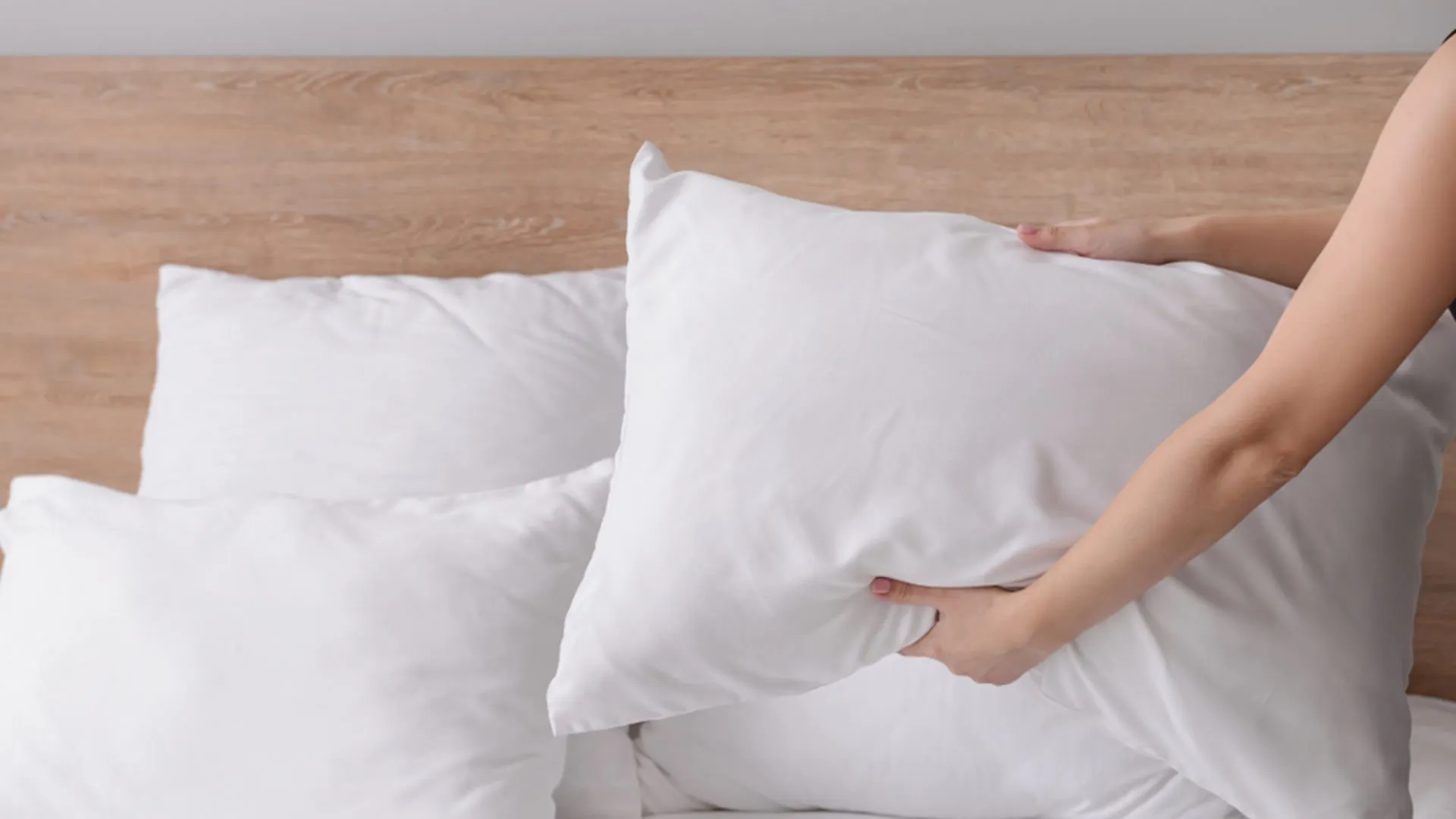
These steps help clean yellowed pillowcases, restoring them to a bright and fresh appearance as on the first day. Carefully selecting the cleaning method according to the type of pillowcase extends the fabric's lifespan and increases the durability of your pillow. You may also find our blog post Why Do Pillows Yellow? Cleaning Tips interesting.
Methods to Extend Pillow Lifespan
Some practical measures can help maintain the durability of your pillows:
- Using pillows only during sleep helps preserve the shape of the filling.
- Regular airing prevents moisture buildup and unpleasant odors.
- Frequent changing and cleaning of pillowcases prolongs the life of the filling.
- For delicate pillows, airing and gently shaking the filling several times a year helps prevent allergic reactions.
Especially microfiber and silicone-filled pillows can be used for a long time with proper care. For example, silicone pillows should be washed using a delicate or hand-wash program. Special-filled pillows such as bamboo or down should be cared for with natural drying and careful handling.
Proper cleaning and maintenance of pillows not only improves sleep quality but also extends the product's lifespan. Using washing techniques suitable for the filling, the correct detergent, and regular airing ensures that your pillows remain fresh and comfortable at all times.