








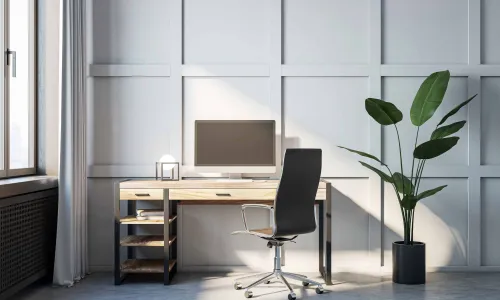

With the transformation of the global work culture, residences have ceased to be just living spaces and have become centers where professional activities are also conducted. This shift has necessitated the design of dedicated areas within the home that are productive, sustainable, and support concentration. While the remote work system provides flexibility to individuals, it also brings challenges such as the blurring of boundaries between work and private life. Therefore, creating a successful home working environment requires a much deeper planning process than simply placing a desk and a chair. Harmonizing the physical characteristics of the space with professional needs is a fundamental requirement for long-term success.
Bringing a professional work discipline into the home environment is possible with the right home office design and appropriate equipment selection. A well-structured space protects physical health while increasing individual motivation. Creating a zone that is compatible with the overall decoration of the house but independent within itself functions as a trigger that facilitates mental focus on work. In this process, every detail—from furniture ergonomics to light angles, and from technological infrastructure to storage systems—requires a holistic approach. Consequently, several points must be considered to create an efficient home office area.
Identify the Right Location
The first step in the home office design process is the strategic selection of the area where work will be performed. Choosing a quiet corner of the house that receives the least traffic, is away from noise, and facilitates focusing is the first and most important step of the setup. Transit routes, such as the middle of the living room or the kitchen table, lead to a loss of productivity in the long run due to the density of distractions. Therefore, if possible, a separate room with a closable door or a less frequently used part of the house should be preferred.
The ventilation capacity and thermal comfort of the selected spot should also not be ignored. A space that is stuffy or too cold/hot shortens the concentration span. Additionally, choosing an area where the internet signal is strong or where a wired connection is available prevents technical glitches. A location where silence is ensured prepares a professional ground for video conferences and tasks requiring deep work.

Choose Ergonomic Furniture
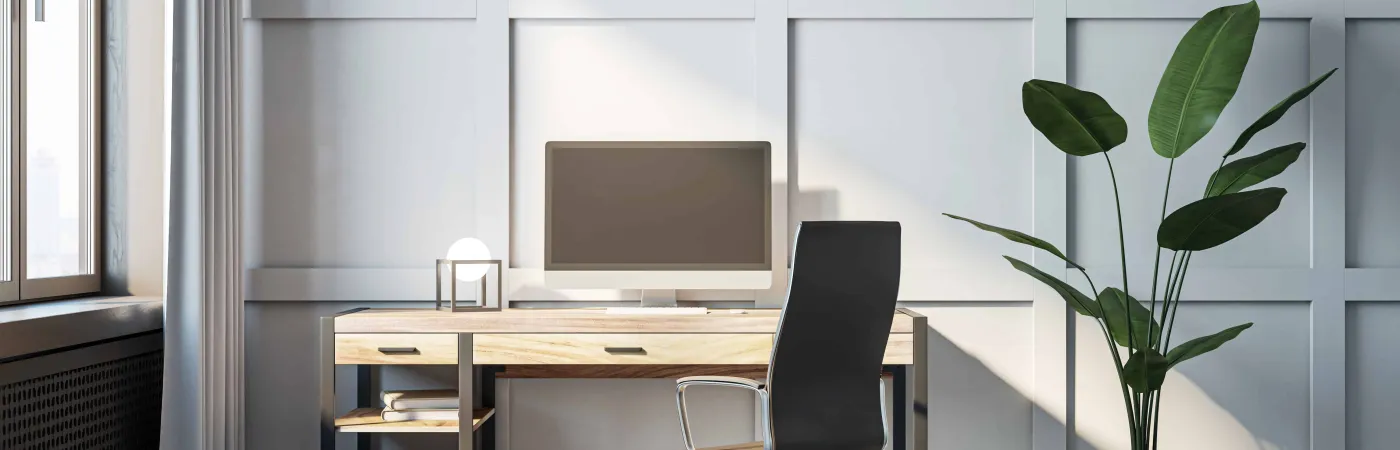
Working in the same position for long hours can put significant pressure on the musculoskeletal system. To minimize this pressure and protect physical health during long working hours, a work chair providing lumbar support and a desk suitable for elbow height should be provided. An ergonomic chair should support the natural curve of the spine and allow the feet to rest flat on the floor. The desk height should be at a level that ensures the arms rest on the keyboard at a 90-degree angle.
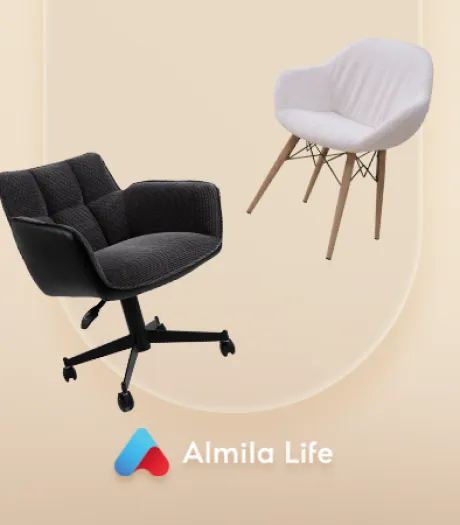
Furniture chosen solely for aesthetic concerns but lacking ergonomics leads to back and neck pain over time, and consequently, a decrease in productivity. The depth of the desk should be sufficient to maintain the distance between the screen and the eyes (approximately 50-70 cm). When choosing home office furniture, preferring models that have been tested and approved for long-term sitting directly increases professional quality of life. At this point, users who prioritize comfort and health can determine the most suitable model for themselves from the chair, armchair, and pouf options.
Choose the Right Lighting
Light management is one of the most important environmental factors affecting work performance and eye health. To prevent eye strain, it is necessary to utilize daylight by positioning the desk near a window if possible and to use a focused desk lamp for evening hours. Natural light helps one feel more energetic during the day by maintaining melatonin balance. However, care should be taken to ensure that the light from the window does not reflect directly onto the screen and cause glare; this can become a factor that tires the eyes.
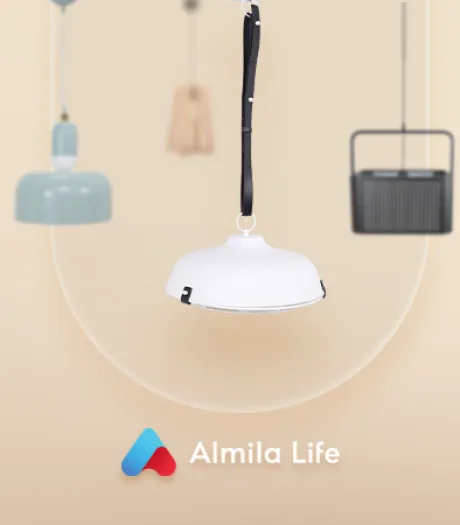
When planning artificial lighting, a local light source illuminating the desk should be used in addition to the general light of the room. The intensity of the light should be neither too dim nor annoyingly bright. Having a desk lamp with an adjustable head allows the light to be directed exactly to the needed point. For aesthetic and functional lighting solutions, Almila’s lighting models offer options that improve the home office environment atmosphere. Choosing the right light extends focus time while reducing the risk of insomnia during evening work.

Add Functional Storage Solutions
One of the biggest problems encountered when establishing an office layout in a home environment is the clutter of items. To prevent mess on the desk and to keep files and stationery organized, pedestal drawers or wall shelves should be integrated into the system. An organized work surface reduces mental clutter and increases the speed of focusing on tasks. Desk decoration elements such as pen holders, document trays, and magazine racks ensure that necessary equipment is always at hand.
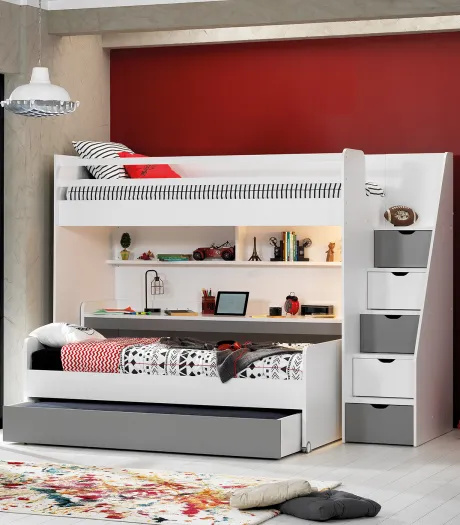
When choosing storage units, utilizing vertical spaces provides a great advantage, especially in small homes. Wall-mounted floating shelves create ample volume for books and files without occupying floor space. Mobile pedestals offer flexibility by being positioned under or next to the desk as needed. Closed cabinet systems are ideal for those who want to completely eliminate visual clutter. An organized home office design gives back the time spent searching for lost items to actual work.
Set Up the Technological Infrastructure and Cable Management
The backbone of a modern workspace is technological equipment. For this equipment to operate smoothly, a spot with strong internet access should be chosen, and organization should be maintained with cable channels or concealers to prevent visual clutter. A messy appearance of cables from computers, monitors, printers, and chargers is not only an aesthetic problem but also a risk factor in terms of dust accumulation and safety.
The technological infrastructure can be given a professional look by using cable organizers, Velcro straps, or desk-integrated power strips. Additionally, uninterruptible power supplies (UPS) or surge-protected outlets that provide protection against power outages should be at the top of the home office essentials list. Ensuring the desk has ventilation gaps or using monitor stands to prevent devices from overheating extends the life of technological equipment while also supporting user ergonomics.

Add Personalized Decoration Touches
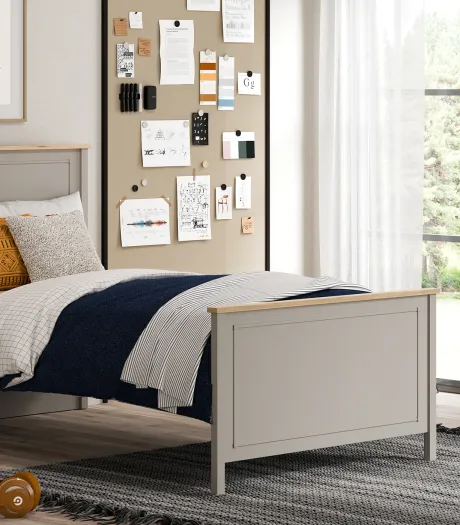
If a workspace is merely a cold and technical zone, it can lower motivation. To increase work motivation, the sense of belonging should be strengthened by adding plants, inspiring paintings, or a corkboard to the area. Green plants serve as a natural element that reduces stress while improving the air quality within the room. Corkboards, on the other hand, both prevent important notes from being forgotten and allow for the visualization of goals.
Within the framework of home office decoration ideas, including colors and objects that the individual loves in their space are psychological factors that increase the desire to start work. However, when personalizing, one should avoid going to extremes and not clutter the desk with unnecessary objects. A balance should be established that is simple enough not to disrupt focus, yet personal enough to feed the soul. A candle, a portrait of a favorite author, or a minimal trinket transforms the workspace into a safe zone where the individual feels at home.
Set Boundaries and Isolate
The physical separation of home and work life is essential for work discipline and psychological health. If a separate room is not an option, physically separating the workspace from the resting areas of the house using screens or open bookshelf units increases focus. This type of partitioning sends the message "now is the time to work" to the brain, accelerating the transition to professional mode. A visual barrier also helps other household members understand that the area is an "office" and respect working hours.
Isolation should be provided not only physically but also auditorily. Decorative solutions including noise-canceling panels or acoustic foams prevent household noise from leaking into the workspace. Getting up from the desk and stepping outside the "office" area at the end of the day prevents work stress from being carried into the rest of the home. A home office design with clear boundaries is considered one of the cornerstones of both professional success and a peaceful family life.

How Should Home Office Furniture Be?
Home office furniture options preferred when establishing a professional work order at home are the fundamental elements that determine both work efficiency and the aesthetics of the space. The following criteria are considered in the selection of office furniture:
- Durability and Material Quality: Furniture suitable for daily and intensive use, with wear-resistant surfaces, should be preferred. The surface quality of the desks should provide stability during writing and device usage.
- Adjustability: Mechanisms that can be adjusted according to the individual's height and sitting habits are the key to an ergonomic working order. Especially the height and tilt adjustments of the chairs are of critical importance.
- Suitability for Intended Use: Desks with wide cable channels should be selected for computer-oriented workers, while home office desks with large surfaces should be chosen for those who do drawings.
- Aesthetic Integrity: Ensuring that the furniture is compatible with the general decoration style of the house prevents the workspace from looking out of place and provides visual continuity.
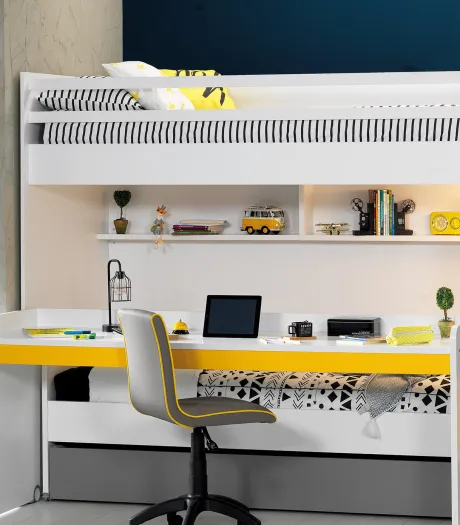
- Functionality: Instead of desks that only offer a surface, space savings should be achieved by using home office products with additional shelves or compartments.
Establishing a professional work discipline at home is possible with the right strategies and functional furniture choices. From the principle of "identify the right location" to the step of "choosing ergonomic furniture," every detail directly affects both work efficiency and physical health. Focusing on solutions that offer comfort and aesthetics together during the home office design process makes the home working environment experience much more enjoyable. While there are many points to consider in creating an ideal workspace in your home, establishing the layout most suitable for your own needs is the most important key to success.
What is a Home Office? You may find this blog post interesting.