


































Advancing technology and the increasingly digital world order are fundamentally transforming traditional concepts of working hours. In the past, work brought to mind corporate plazas, crowded offices, and the struggle of early-morning traffic, but today these are being replaced by a much more flexible and independent structure.
This new era, in which people transform their living spaces into centers of productivity, is redrawing the boundaries between professional and personal life. At the center of this transformation lies the work-from-home model, which makes it possible to maintain a career independent of physical location.
The home office concept—essentially meaning "working from home"—refers to a system in which an employee performs their professional duties from within their own living space without needing to go to the company building. The working mechanism and advantages of the Home Office system are highly appealing to both employers and employees.
Digital tools replace physical presence. Meetings are conducted via video conferencing applications, while workflow is managed through project management software.
Although working hours are generally defined, employees have more freedom regarding start and end times or break periods compared to a traditional office environment.
While employers save on office rent, utilities, transportation, and meal costs, employees also avoid commuting expenses and outside food costs.
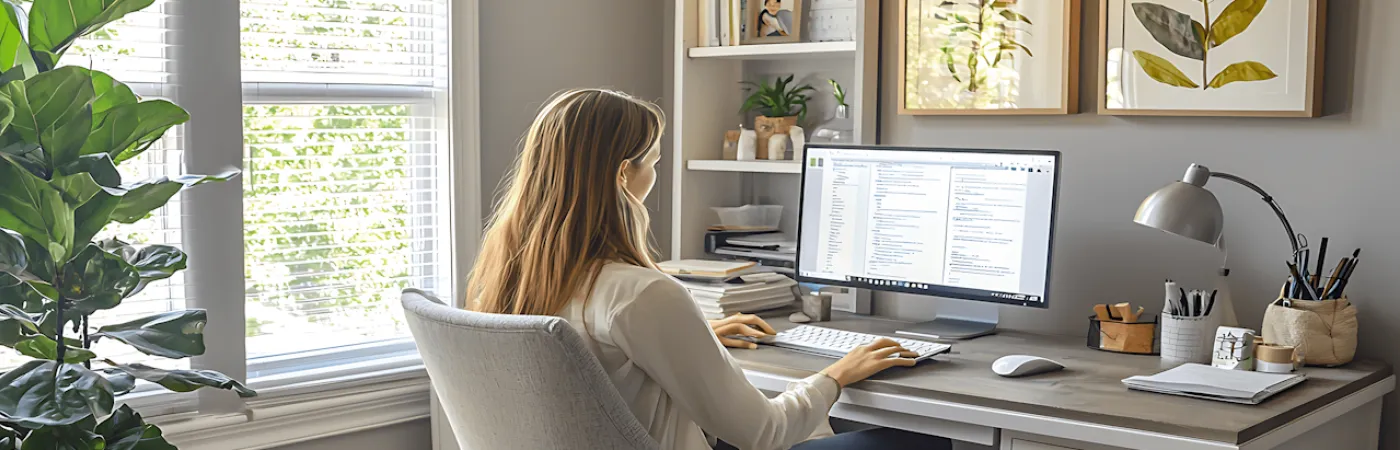
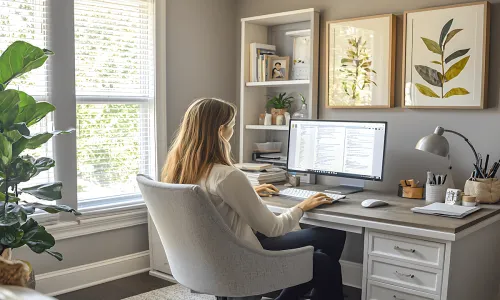
Employees can fully design their working environment according to their own taste and comfort—from heating and lighting to music choices and desk arrangement.
Free from office distractions, unnecessary meetings, and noise, employees can focus better on their tasks and improve their performance.
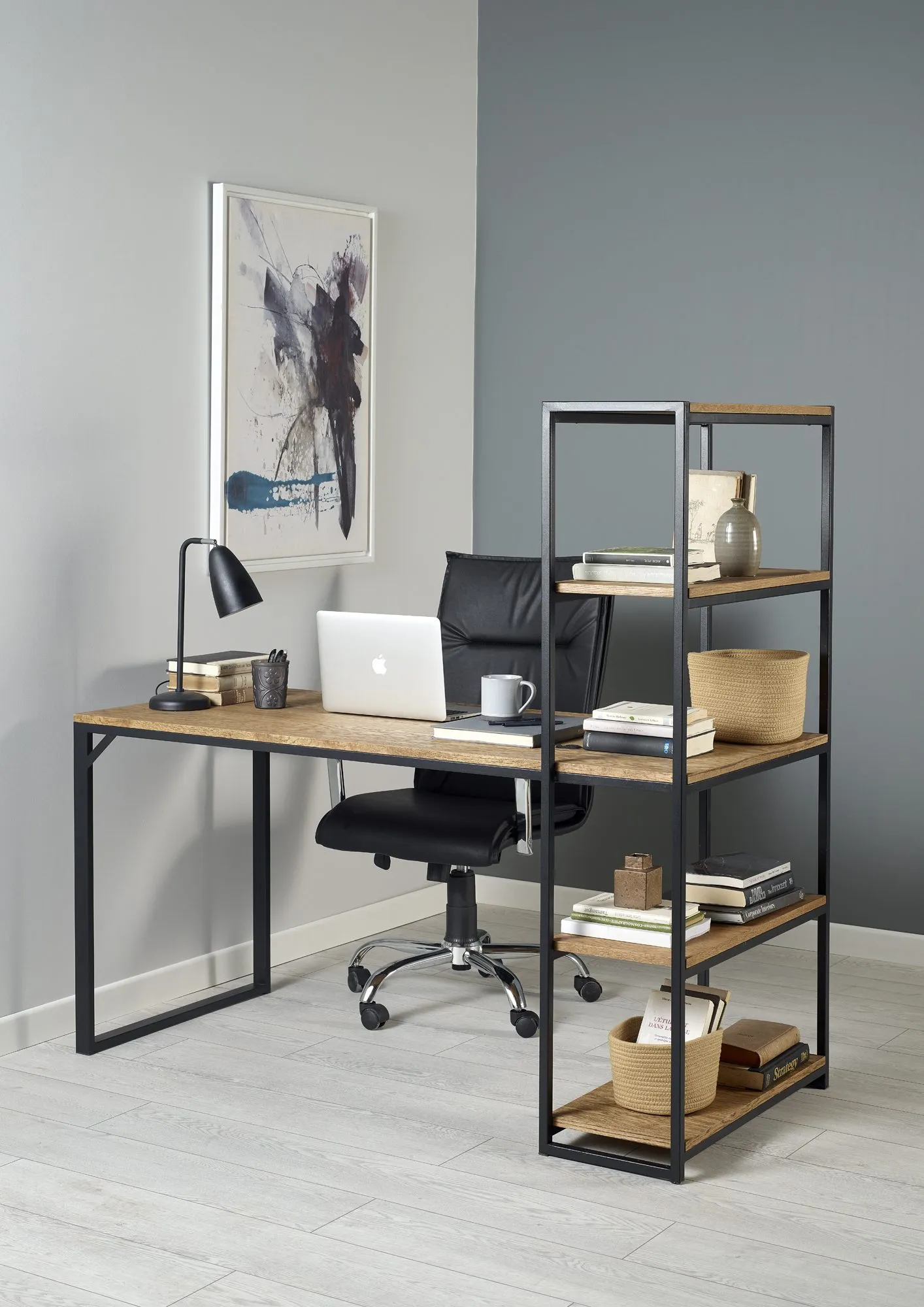
New Job Opportunities Brought by Digitalization
As technological capabilities continue to advance, the scope of operations that can be carried out from home also expands. Today, with just a computer and an internet connection, it is possible to integrate with a company anywhere in the world. This demonstrates that the concept of working from home is not merely a temporary trend but rather the future of the business world. Companies can now recruit talented employees without being limited by geography and can build a global workforce network.
With the widespread adoption of remote work systems, there has been a significant increase in home office job postings on the market. From software development to customer service, from design to consulting, many industries have made their operations suitable for remote work. In this way, employees can improve their quality of life without sacrificing their career goals.
What Are the Most Popular Home Office Careers?
The strengthening of internet infrastructure has turned homes into operational hubs. This has made the practice of working online from home a natural part of daily life. Although almost every profession that integrates with technology can be performed remotely, some careers are inherently more suitable for this system. The list of jobs that can be done from home—especially those aligned with the needs of the digital world—is expanding every day.
We can list these professions and their characteristics as follows:
Software and IT Specialist: Since tasks like coding, web design, and app development are entirely computer-based, they do not require a physical workplace.
Digital Marketing and Social Media Management: Managing a brand’s online presence and organizing advertising campaigns can be easily done from home.
Graphic Design and Video Editing: In these creative fields, a powerful computer and the necessary software are sufficient.
Content Writing and Translation: One of the most ideal remote-working fields for those who are skilled with words.
Customer Service (Call Center): Thanks to cloud-based call systems, handling customer calls from home is now possible.
Virtual Assistance: Managing schedules, responding to emails, and organizing tasks can all be performed remotely.
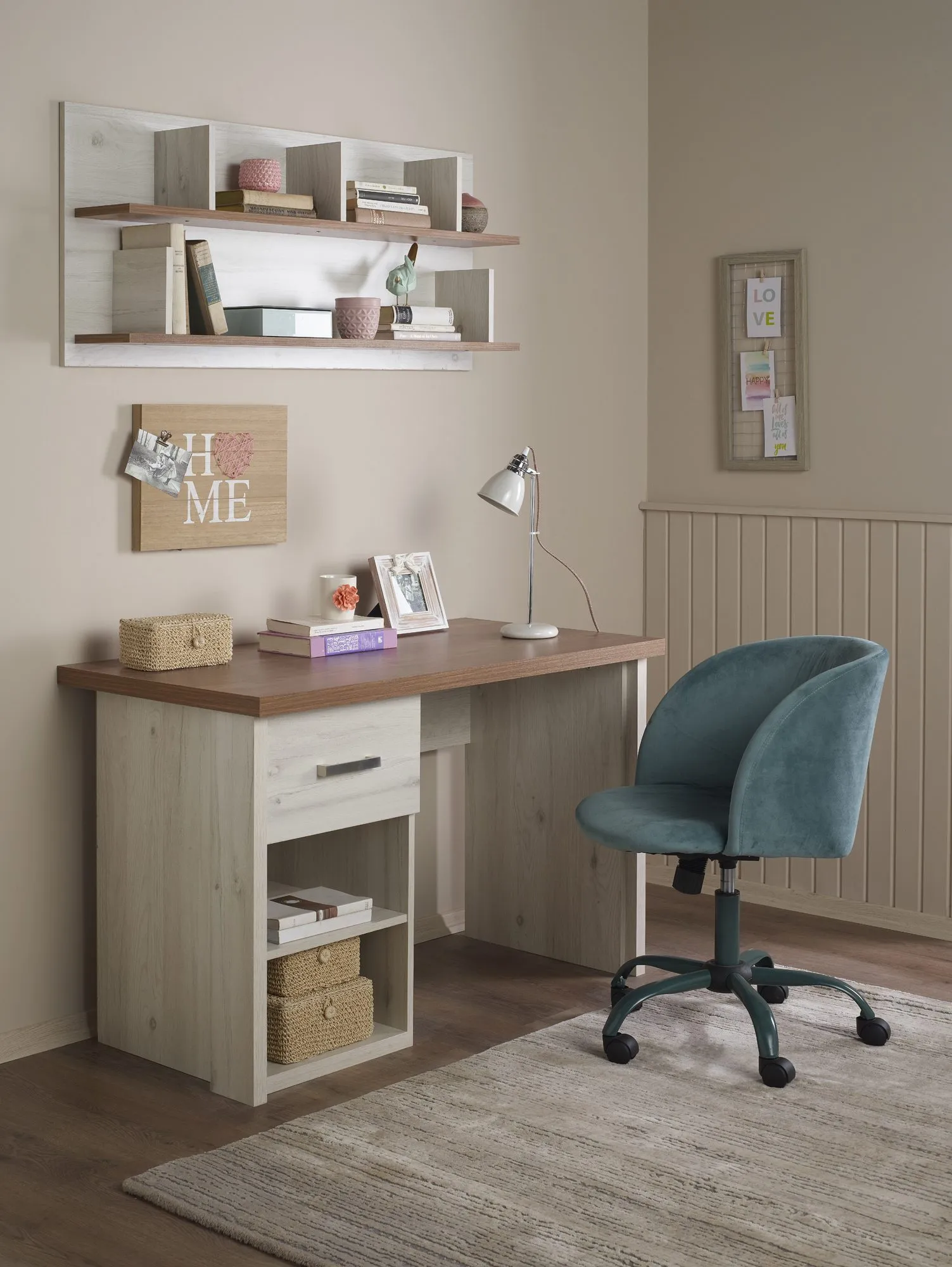
Is Working from Home Common?
Remote work, once considered an exceptional situation, has become a norm especially during and after the pandemic. Companies have realized that forcing employees to stay in the office does not increase productivity; on the contrary, it can lower motivation. In this context, the culture of remote work has created a new form of professional relationship based on mutual trust. Managers now focus not on the hours employees spend at their desks, but on the quality and results of the work they produce.
This cultural shift has also changed the expectations of job seekers. In job interviews, candidates now question not only salary and benefits but also whether the company offers the option to work from home. The rise of hybrid models (certain days in the office, other days at home) is a direct result of this demand. Employees can now enjoy a more balanced life by dedicating the hours they would have lost in traffic to themselves, their families, or their hobbies.
How Do Home Office Jobs Work?
Although working from home sounds appealing, for the process to be successful, it is essential to choose the right fields of work and maintain a disciplined approach. The home office jobs available in the market generally require digital competencies. Individuals with strong computer literacy, effective communication skills, and the ability to self-motivate tend to be far more successful in this model.
Seamless communication lies at the heart of the process. Since employees are not physically in the same environment, maintaining online work discipline is crucial. Responding quickly to emails, joining online meetings on time, and being accessible are critical for maintaining professionalism. Otherwise, communication breakdowns may lead to disruptions in workflow.
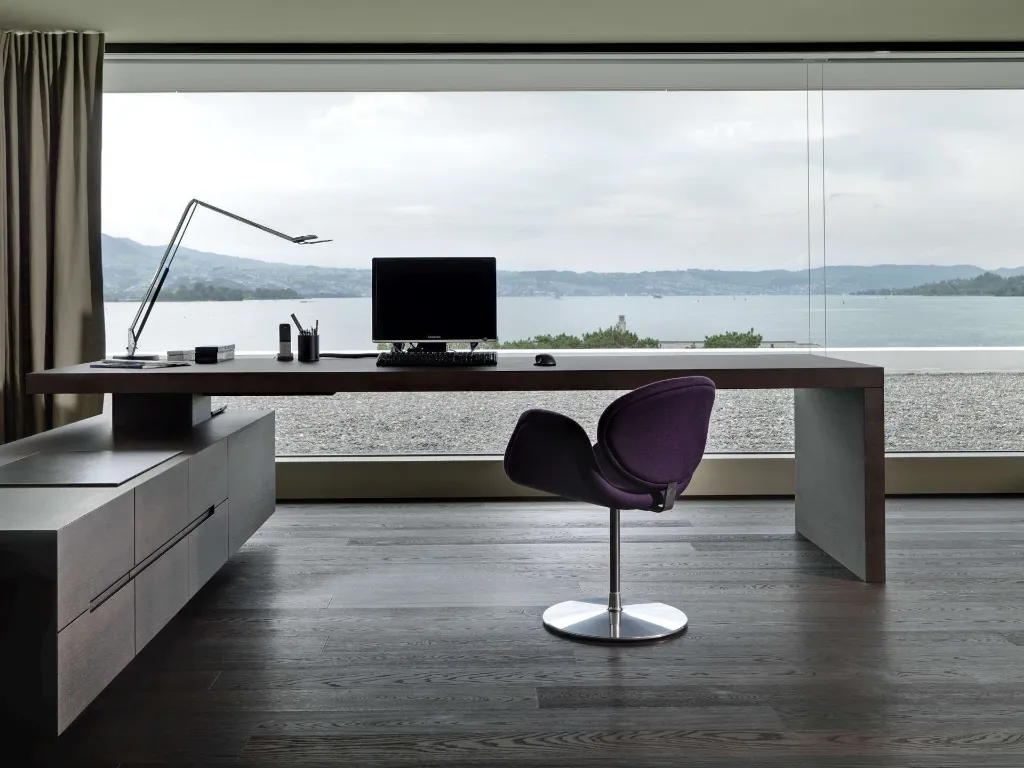
How to Maintain a Home Office Work Routine?
The comfort of a home environment can sometimes disrupt work discipline. Therefore, working from home may not be as easy as it appears from the outside. Distractions such as television, household chores, or family members can make it difficult to stay focused. For a successful remote working experience, a person must learn to become their own manager.
Using time management techniques, preparing a daily to-do list, and adhering to working hours are essential parts of this process. Additionally, when searching for jobs that can be done from home, it is important for individuals to analyze whether their personality is suitable for this solitary working model. For those with a high need for social interaction, staying at home constantly can become overwhelming over time.
Requirements for an Ideal Workspace
Creating the right working environment is crucial for a productive workday. Although employers often provide basic equipment such as computers in a home office setup, maintaining an ideal workspace largely depends on employees' own preparation. The suitability of physical conditions, the adequacy of the technology used, and the spatial arrangement are fundamental factors that directly affect performance. Therefore, it is essential to establish a workspace that supports both technical infrastructure and ergonomics.
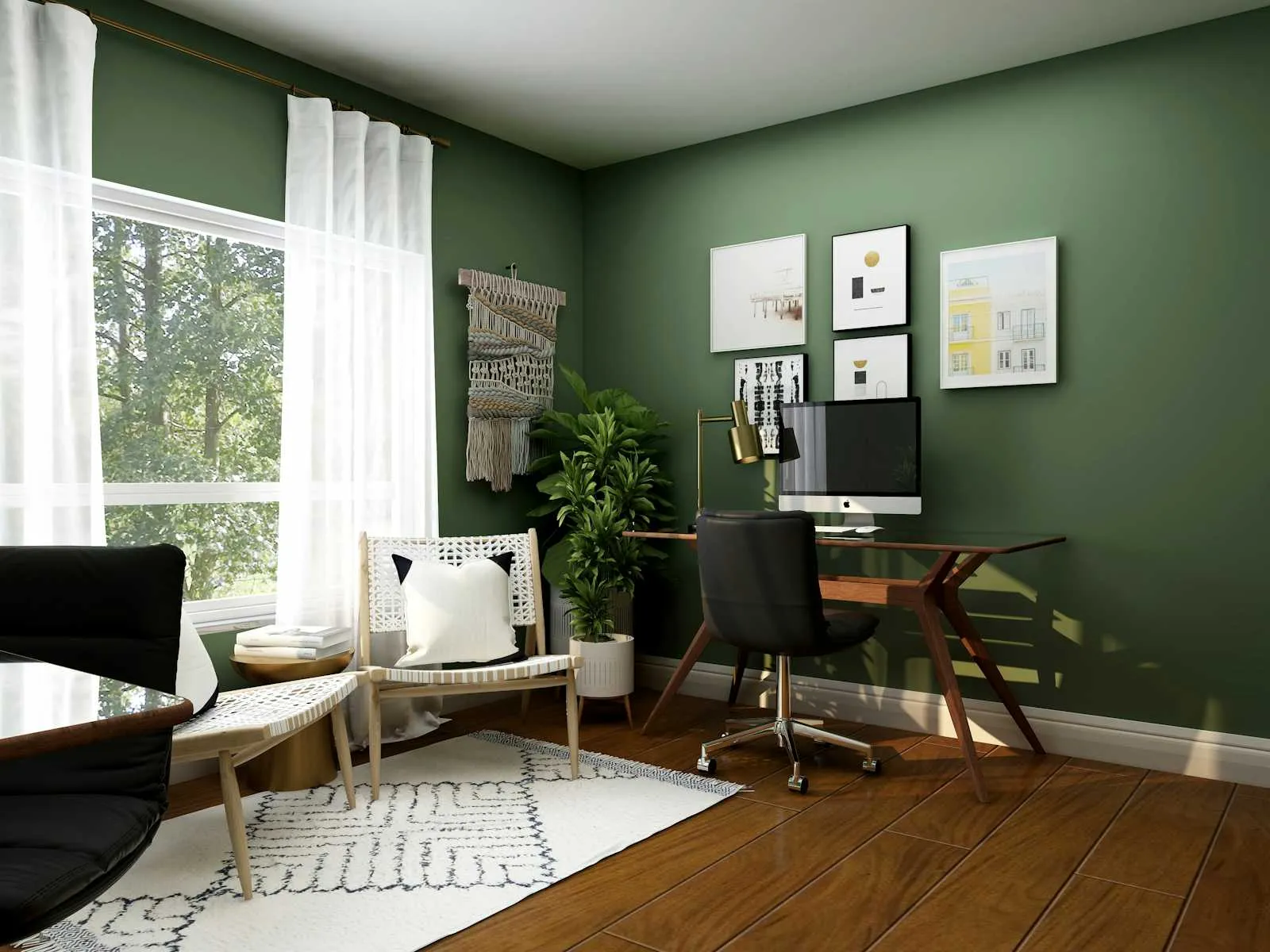
Main elements to consider for an ideal workspace:
A fast and uninterrupted internet connection: Internet quality issues can cause interruptions in meetings, data loss, and disruptions in workflow. Therefore, a strong connection is one of the most essential requirements of home office work.
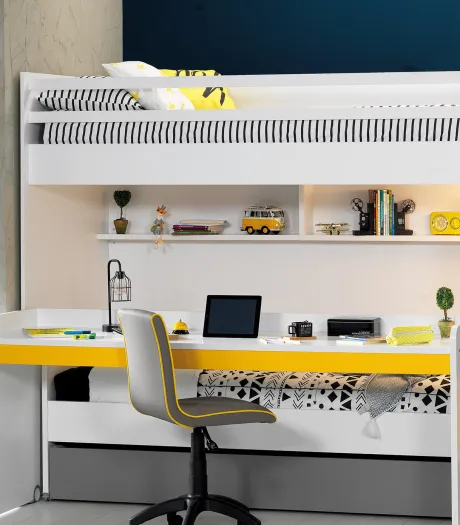
Choosing a quiet work area: A noise-free room with a door, or a calm corner of the house, should be designated as a workspace. This helps increase focus and minimizes the impact of external distractions.
Using ergonomic furniture: Working on a bed or couch disrupts posture and can cause serious back, neck, and spine problems in the long run. Therefore, it is extremely important to support the workspace with ergonomic products such as a proper desk and chair.
At this point, as Almila Mobilya, the ergonomic chairs we have developed by prioritizing lumbar and spine health provide ideal support for work routines that require long sitting hours.Creating spatial separation: Separating work areas from resting areas makes it easier for the mind to switch into “work mode.” This separation increases productivity and prevents deterioration of sleep patterns.
Using proper lighting: Natural light should be prioritized to protect eye health and improve focus; when insufficient, desk lamps that do not strain the eyes should be used.
Health Precautions for Home Office Workers
One of the biggest risks of working from home is a sedentary lifestyle and poor ergonomic conditions. Unlike professional office furniture, dining chairs at home are not designed for long periods of sitting. Those who want to work from home in a healthy way must invest in ergonomics. A work chair with lumbar and neck support is not a luxury, but a necessity.
The computer screen being at eye level, wrists remaining at the correct angle while typing, and the lighting of the environment directly affect eye and skeletal health. Additionally, it is easy to forget to move when working at home. Therefore, it is essential to take regular breaks, stretch, and rest the eyes. Otherwise, the risk of encountering occupational issues such as herniated discs, neck straightening, and dry eyes increases. You might be interested in our blog post titled What Is Neck Straightening? – Pillow Recommendations for Neck Straightening in Young People.