





















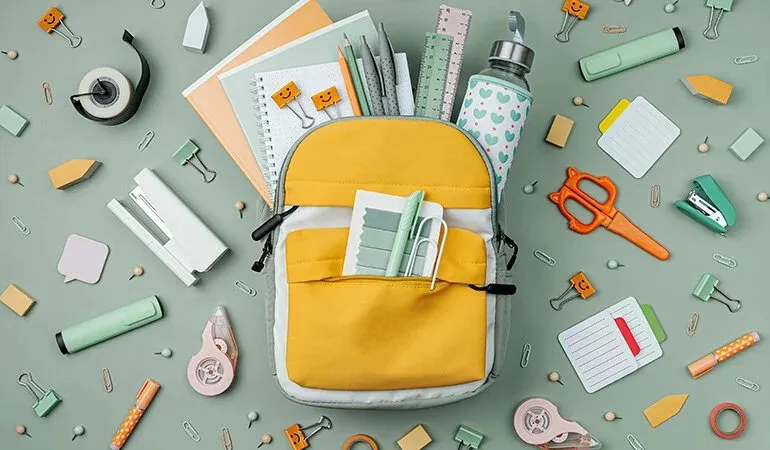
Every year, with the end of summer vacation, excitement begins for students and preparation frenzy starts for parents. Getting ready for the new school term is important not only mentally but also practically. When all necessary school supplies are completed, children can adapt to classes more easily. From backpacks to notebooks, pencils to hygiene products, a wide preparation process is required.
It is especially important to plan according to the changing school needs of each age group, from primary school to high school. Choosing the right school supplies both protects the budget and helps students focus on their lessons. Therefore, preparing a comprehensive school supplies list and planning the shopping process makes the start of school much more organized.
What Are the Essential School Supplies?
The products children use most frequently in their daily educational life are the essential school supplies. Without these basic items, it is not possible to study efficiently in class. In addition to classic items like backpacks, notebooks, pencils, erasers, and water bottles, modern needs are now also included in the list. For example, tablets or laptops have become indispensable for high school students.
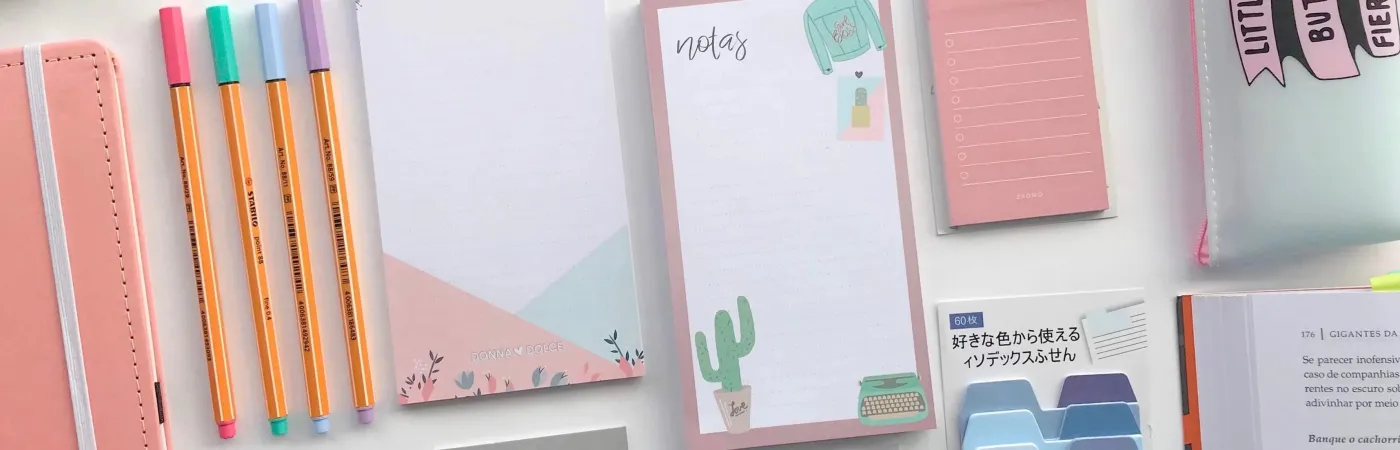
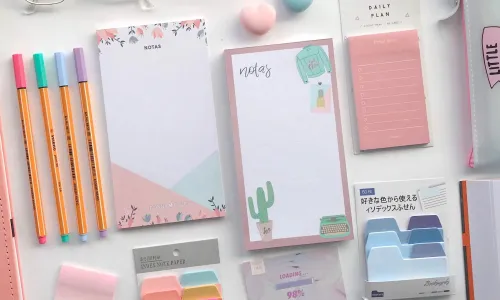
During stationery shopping, separate notebooks for each subject, different types of pencils, ruler sets, and folders should be purchased. For younger children, educational tools such as playdough or an abacus are also added to the list. In middle and high school, items like planners, sticky notes, or calculators become more prominent. This way, the school process is more organized with supplies suitable for each age group.
What Should Be in a School Bag?
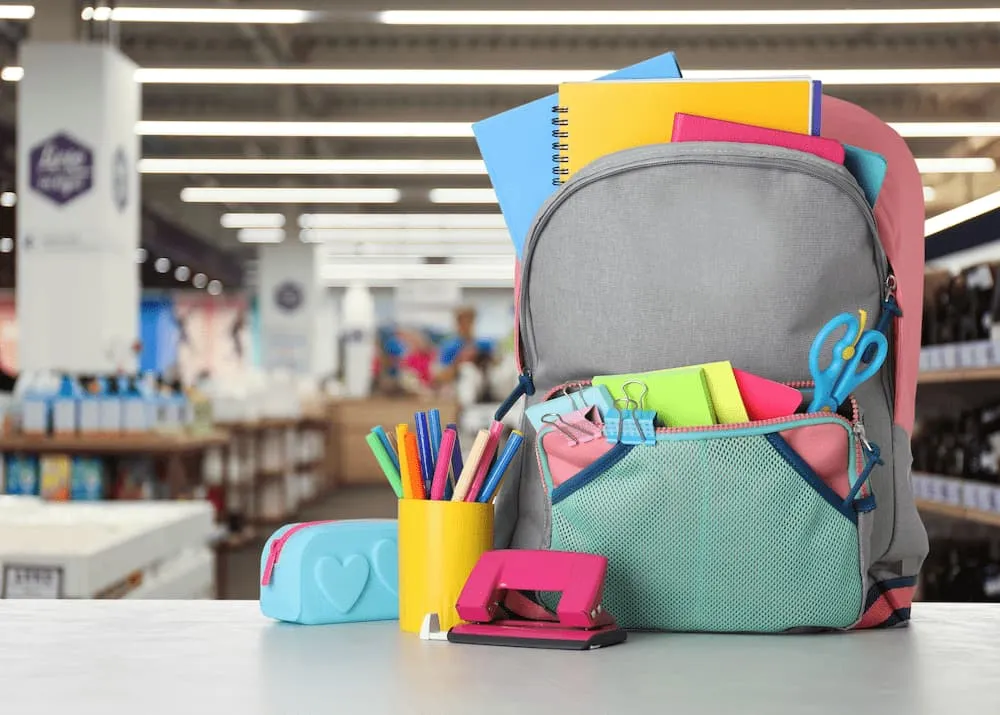
Bags are the most important item where students store all the tools they carry throughout the day. It is crucial that they are lightweight, durable, and ergonomic. For younger children, wheeled backpacks can be preferred, while for older students, sporty backpacks or shoulder bags are more suitable.
Inside the bag, there should always be notebooks, a pencil case, erasers, a notepad, and organizer folders. Additional items needed for art, music, or physical education classes should be carried in separate compartments. For high school students, laptop bags or tablet cases are an indispensable part of this list. This way, children can easily continue all their work both at school and at home.
Stationery Supplies List
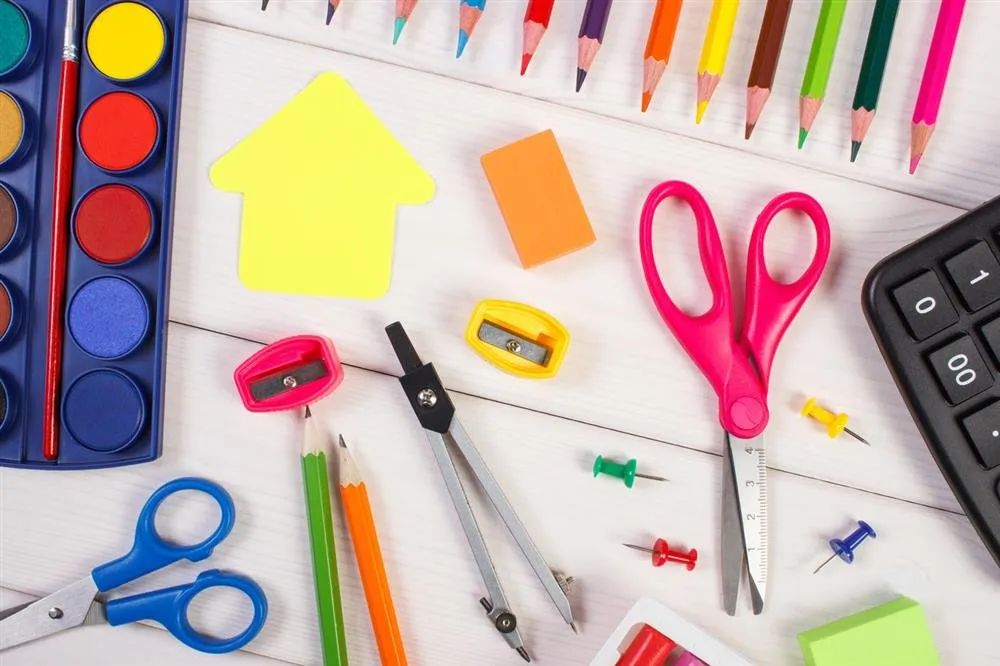
Among the products students most frequently need in their education are pencils, notebooks, and auxiliary accessories. A comprehensive example of a stationery supplies list is as follows:
Pencils (graphite, ballpoint, and mechanical)
Erasers and sharpeners
Grid, lined, and sketch notebooks
Highlighters and colored pencils
Ruler, set square, and compass sets
Glue, tape, and scissors
Paint sets, brushes, and palettes
Folders and transparent document holders
A4 papers for project work
With these items, students can take notes during lessons and complete homework and projects at home in an organized manner. Additionally, choosing quality products increases children's motivation.
Hygiene Products and Additional Needs
School preparations are not limited to notebooks, pens, and stationery. Especially in crowded environments, it is important to pay attention to hygiene products to protect children’s health. Therefore, it is recommended to include the following items in the bag:
Hand Sanitizer: Portable sanitizers should be used for cleaning hands and small surfaces.
Wet Wipes and Paper Towels: Should be kept in the bag for daily use and emergencies.
Cologne or Antibacterial Spray: An additional hygiene measure to keep hands and objects clean.
Eyeglass and Lens Care Products: Solution, lens case, and cleaning cloths should be included for students who wear glasses or contact lenses.
Personal Care Items: Lip balm, a small comb, or hair clips support children’s personal care habits and make daily life easier.
These products help children develop hygiene habits and minimize health risks at school. Regularly carrying these items also contributes to developing a sense of personal responsibility.
School Clothes and Wardrobe List
Clothing shopping is also an integral part of school preparations. In many schools, uniforms are used. School clothes play a critical role in helping students adapt comfortably and orderly to their educational life. The main points parents should pay attention to when buying clothes are as follows:
Daily Clothes: Standard items set by the school, such as shirts, pants, skirts, and cardigans.
Sports and Activity Clothes: Tracksuits and comfortable sports shoes for physical education classes.
Accessories: Practical items such as hairbands for female students.
Socks and Underwear: Neutral-colored socks and items that comply with school regulations regarding undergarments.
Weather-Appropriate Clothing: Coats, jackets, and raincoats ensure students remain comfortable throughout the year.
With these preparations, children can move comfortably both during classes and breaks, experiencing a healthy and active school life.
Supplementary School Supplies
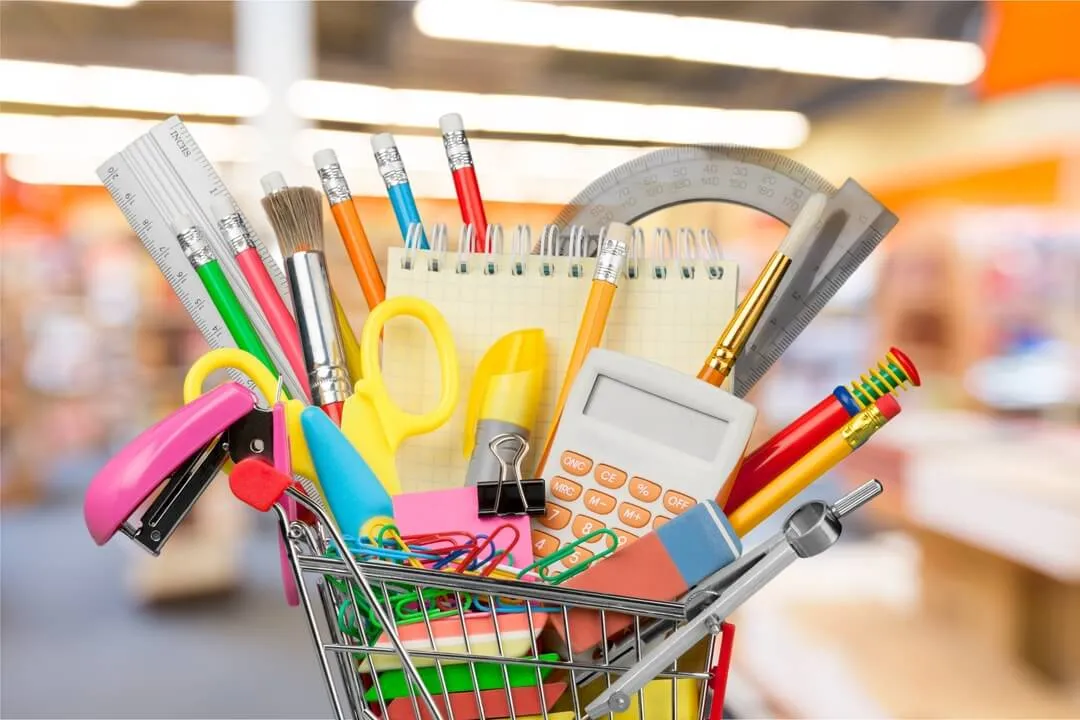
Success in school is not only supported by notebooks and pens, but also by additional materials that enhance learning. Therefore, school supplies should include dictionaries, atlases, and supplementary reference books. Topic explanation books and test books needed for different subjects are also part of this category.
Additionally, technology is playing an increasingly important role in education. Tablets, computers, and educational software are important tools that support students' development. Especially in high school, with online lessons and digital resources becoming more common, purchasing devices with strong technical specifications is a long-term investment for parents.
Tips for Choosing School Supplies
Deciding among the many options can sometimes be challenging. Here are some tips to make school shopping easier:
Choosing a Bag: Bags that students carry all day should be lightweight, durable, and ergonomic. Models that support shoulder and back health provide comfort during long-term use. Rolling bags are suitable for younger children, while sporty backpacks are better for older students.
Clothing and Apparel: Daily school clothes should prioritize durable, comfortable, and breathable fabrics. Tracksuits for physical education, weather-appropriate coats and jackets, and neutral-colored socks should also be included in the list.
Stationery Supplies: Choosing quality and reliable brands for notebooks, pens, erasers, folders, and organizers ensures that students can follow lessons efficiently. Additionally, providing all subject-specific materials (art, music, or physical education) is important.
Electronic Devices: For high school and university students, tablets, laptops, or similar devices should be checked for RAM, storage capacity, and processor performance. This ensures that educational materials can be used smoothly and the digital learning process is uninterrupted.
Paying attention to these points while shopping will help your children start the new term more motivated and prepared.
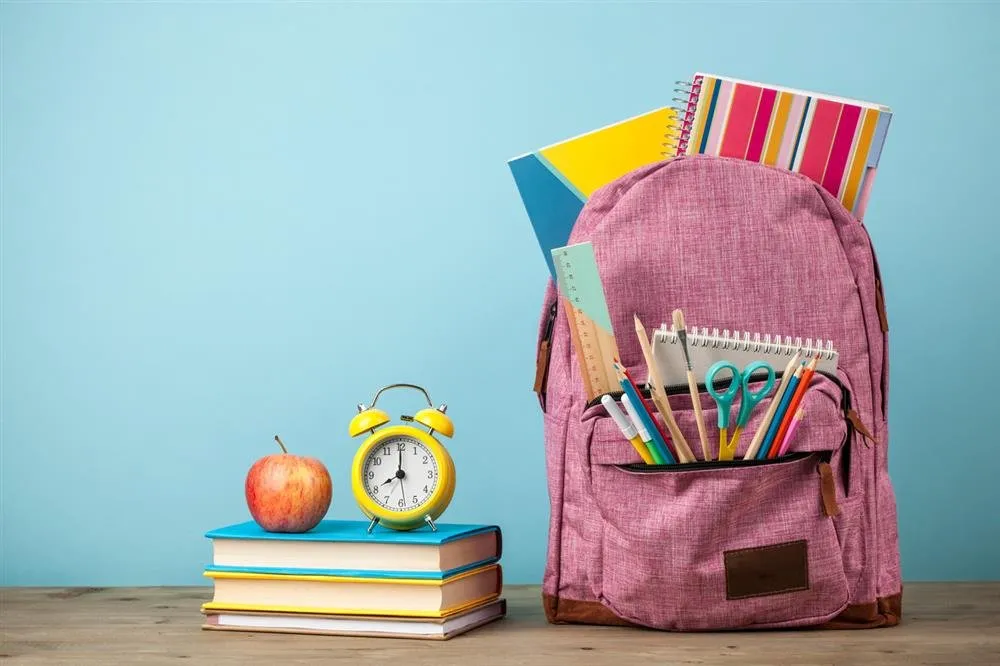
Back to School with the Best Supplies
Finally, it is important to remember that the shopping process is not only a preparation step but also a motivational tool. Shopping together with your child and allowing them to make their own choices helps develop a sense of responsibility and encourages them to start the new term with enthusiasm. Colorful notebooks, specially designed pencil cases, fun stickers, or patterned bags increase interest in lessons. This makes the back-to-school process both enjoyable and organized.
A well-planned school shopping trip with a complete list of supplies provides great convenience for both students and parents. Bringing the best school supplies along increases a child’s daily motivation and supports more effective learning. A thoughtfully prepared list with the right choices positively impacts not only their education but also their daily comfort.
Related Topic→ What Should Be in a Baby’s Bag?