




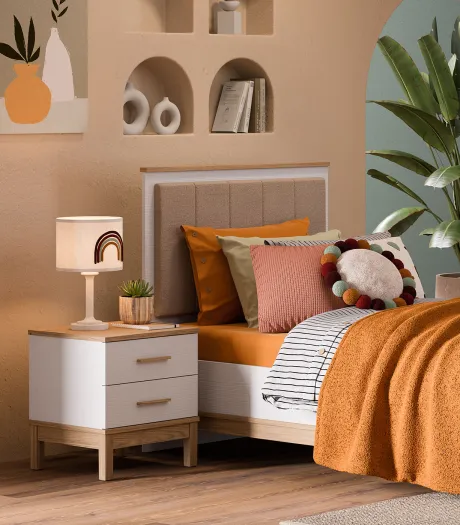
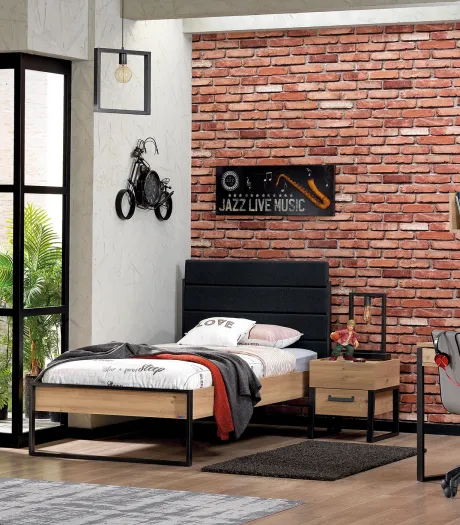
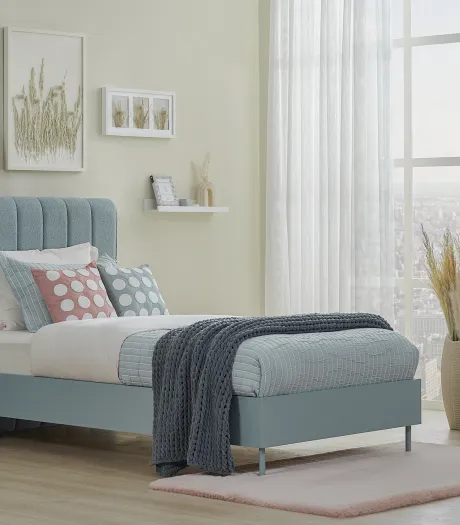
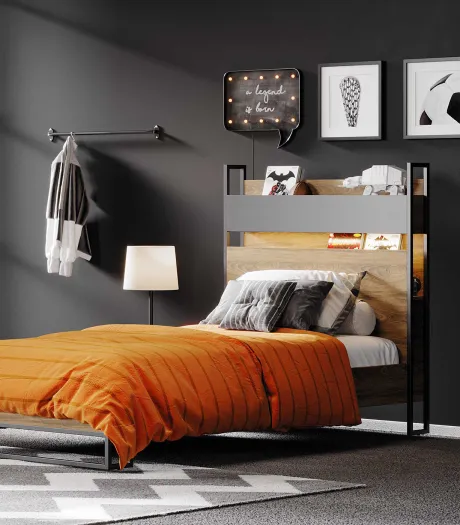

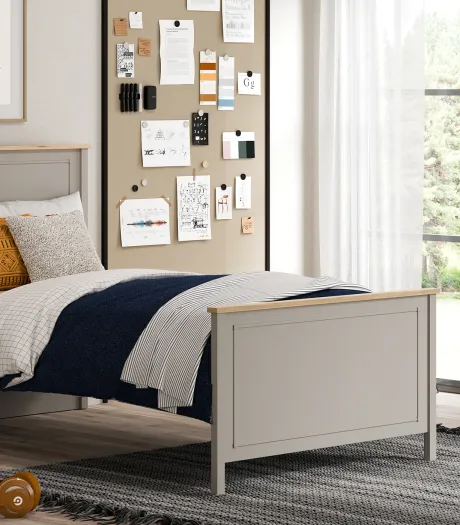
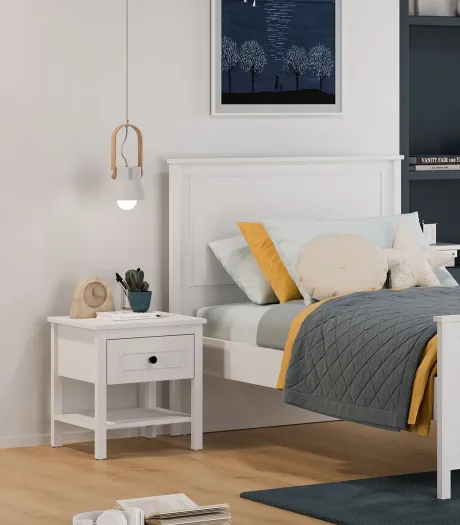
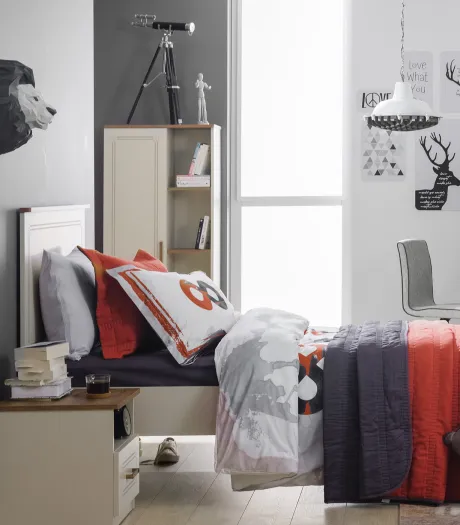
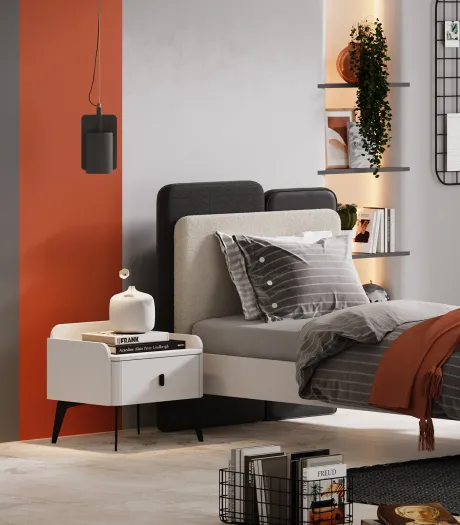
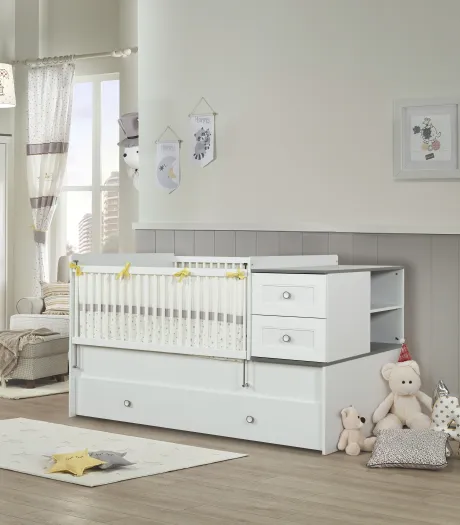
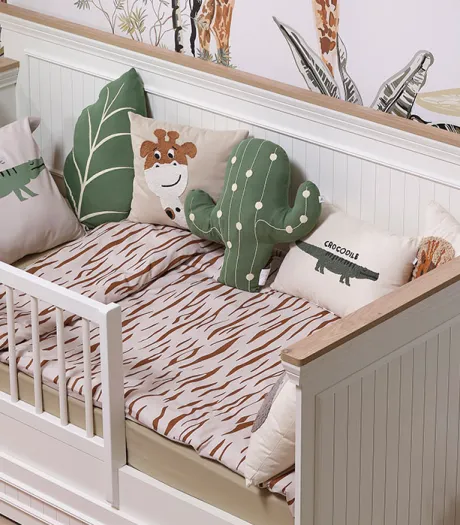
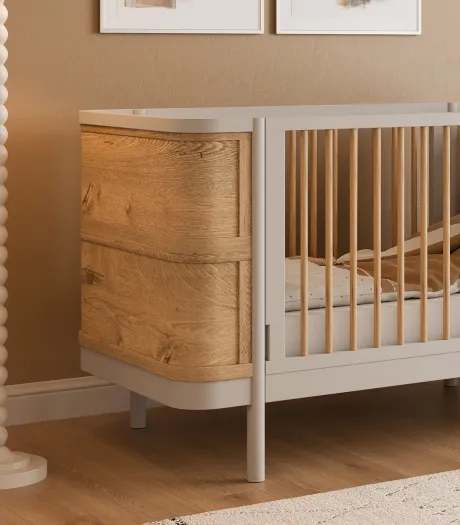
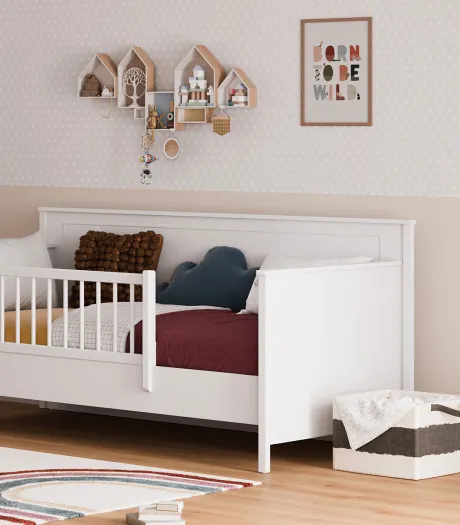
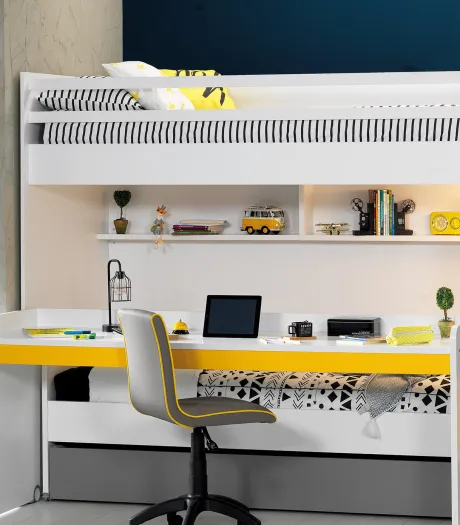
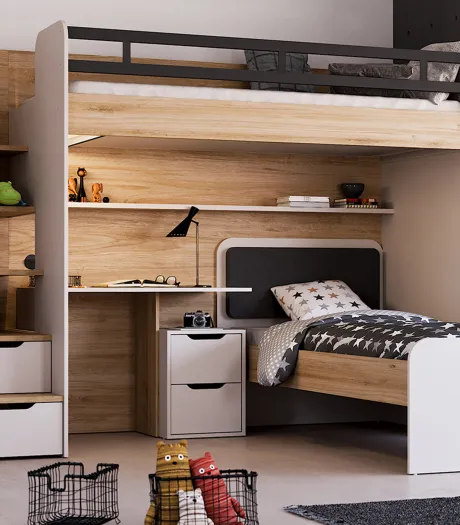
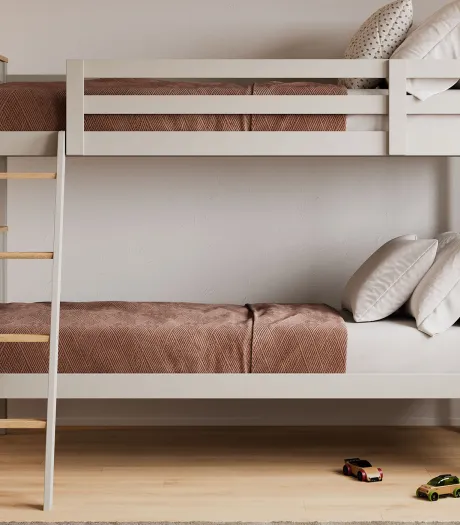





Throughout human history, the need for shelter has developed hand-in-hand with the disciplines of landscaping and creating aesthetic integrity. Over time, this process has evolved into modern interior designs under the guidance of architectural movements and artistic disciplines. In today's intense world, where visual clutter is at the forefront, simplicity, serenity, and consistency in design have ceased to be mere preferences and have become fundamental requirements for professional living spaces. In this context, the monochrome approach is a timeless design strategy that grants spaces depth, character, and structural tranquility by utilizing the dominance of a single color.
Derived from the Greek words "monos" (single) and "chroma" (color), this concept fundamentally refers to the presentation of different tones, values, and saturation levels of a single color within a hierarchical integrity. Contrary to common belief, it is not limited only to black and white but encompasses the broad spectrum of any primary color. In the world of design, this style is preferred to minimize visual noise and focus attention directly on forms, surface textures, and architectural details.
The primary goal of using monochrome in interior architecture is to eliminate visual conflict between spatial components. Designing furniture, accessories, and structural surfaces as different variations of a single color scale creates a holistic composition where each element complements the other. This methodology is the most effective way to create a prestigious and balanced atmosphere by eliminating spatial clutter, especially in modern and minimalist approaches.
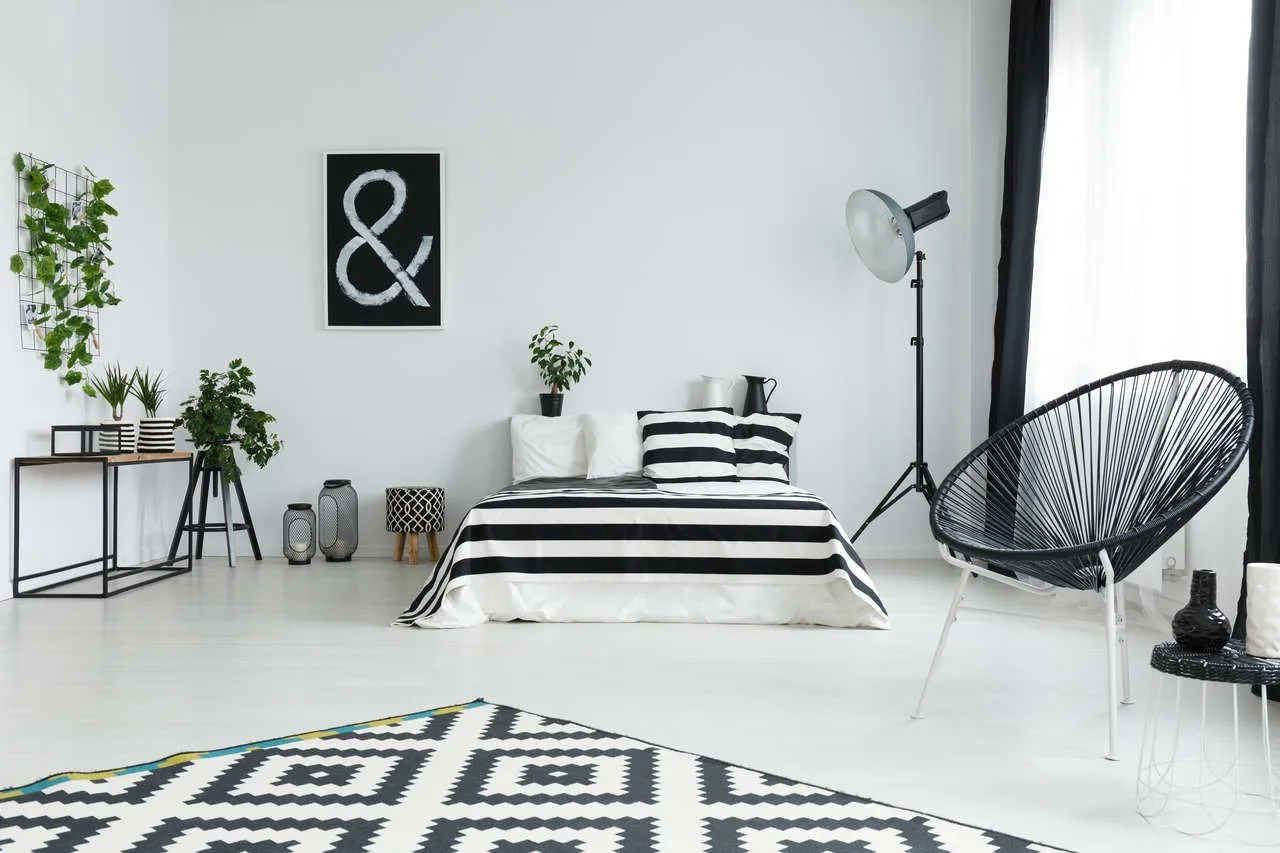
How is Monochrome Style Applied and What are Its Basic Rules?
Implementing this style in your living spaces does not simply mean painting everything with the same can of paint. On the contrary, the way to avoid boredom while staying within a single palette is through the masterful use of "contrast" and "layering" techniques. Following these steps for a successful monochrome style setup will simplify the process as a guide:
Determine the Base Color: Choose the color you will spend the most time with and that best reflects your mood. This could be a shade of gray, or a bolder green, or a peaceful beige.
Tone-on-Tone Transitions: Use the entire spectrum of your chosen color, from its lightest cream tint to its darkest anthracite. This adds a three-dimensional depth to the space.
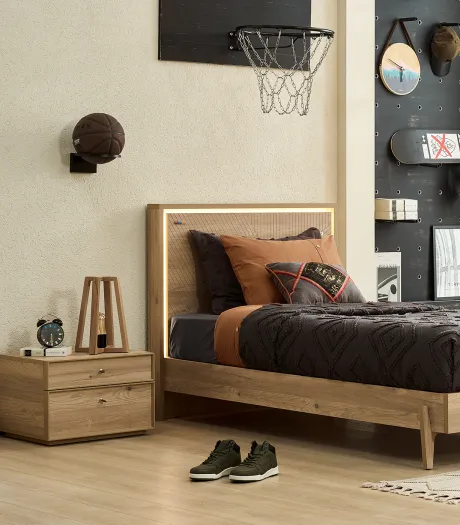
Focus on Texture Variety: When the color is constant, the eye begins to seek out different textures. Create a rich visual fabric by combining matte walls, velvet armchairs, coarsely woven linen curtains, and shiny metallic accessories.
Use the Power of Lighting: In a monochromatic room, light allows shadows to become distinct. Create dynamism by highlighting certain corners of the room with different lighting levels.
When you act in accordance with these principles, the space develops its own story, and each monochromatic color transition you choose strengthens the character of the room.
How to Create Bright Spaces with White and Beige?
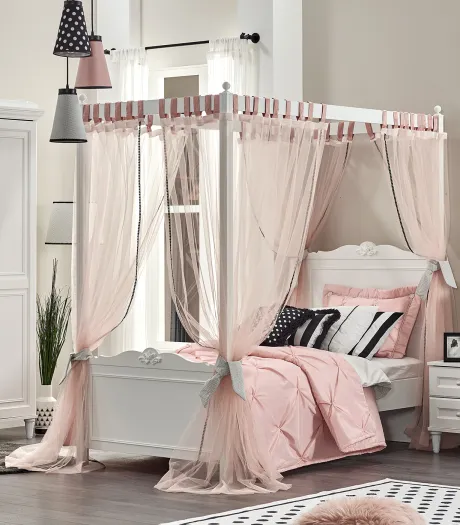
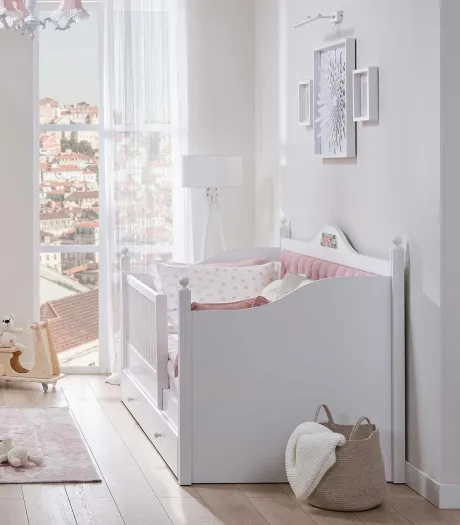
One of the most effective application areas of the monochrome approach in interior architecture is small-scale spaces where a sense of spaciousness is a priority. A setup dominated by neutral tones such as white and beige spreads light homogeneously to every point of the space, creating a perception of volumetric expansion. However, the primary risk at this point is that the space may lose its sense of dimension and take on a sterile coldness. To prevent this risk, transitions between tones and texture hierarchy must be managed professionally.
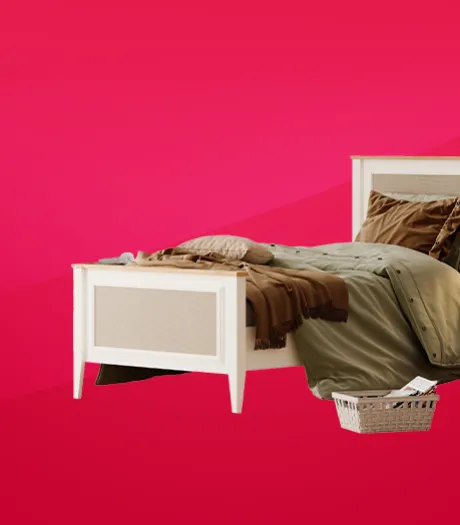
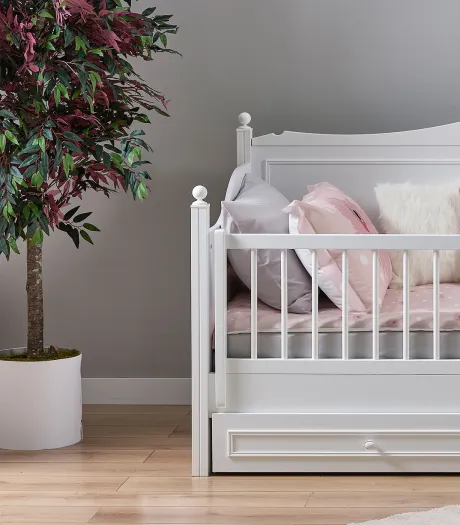
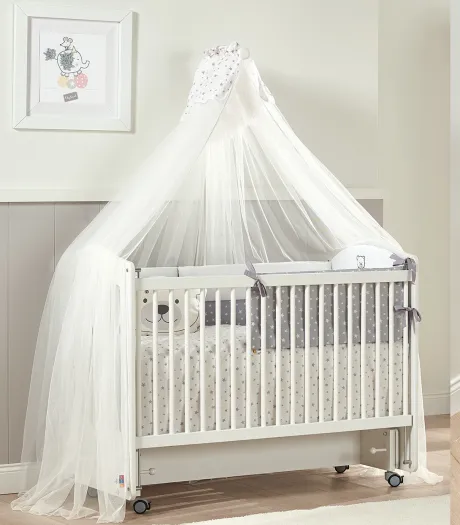
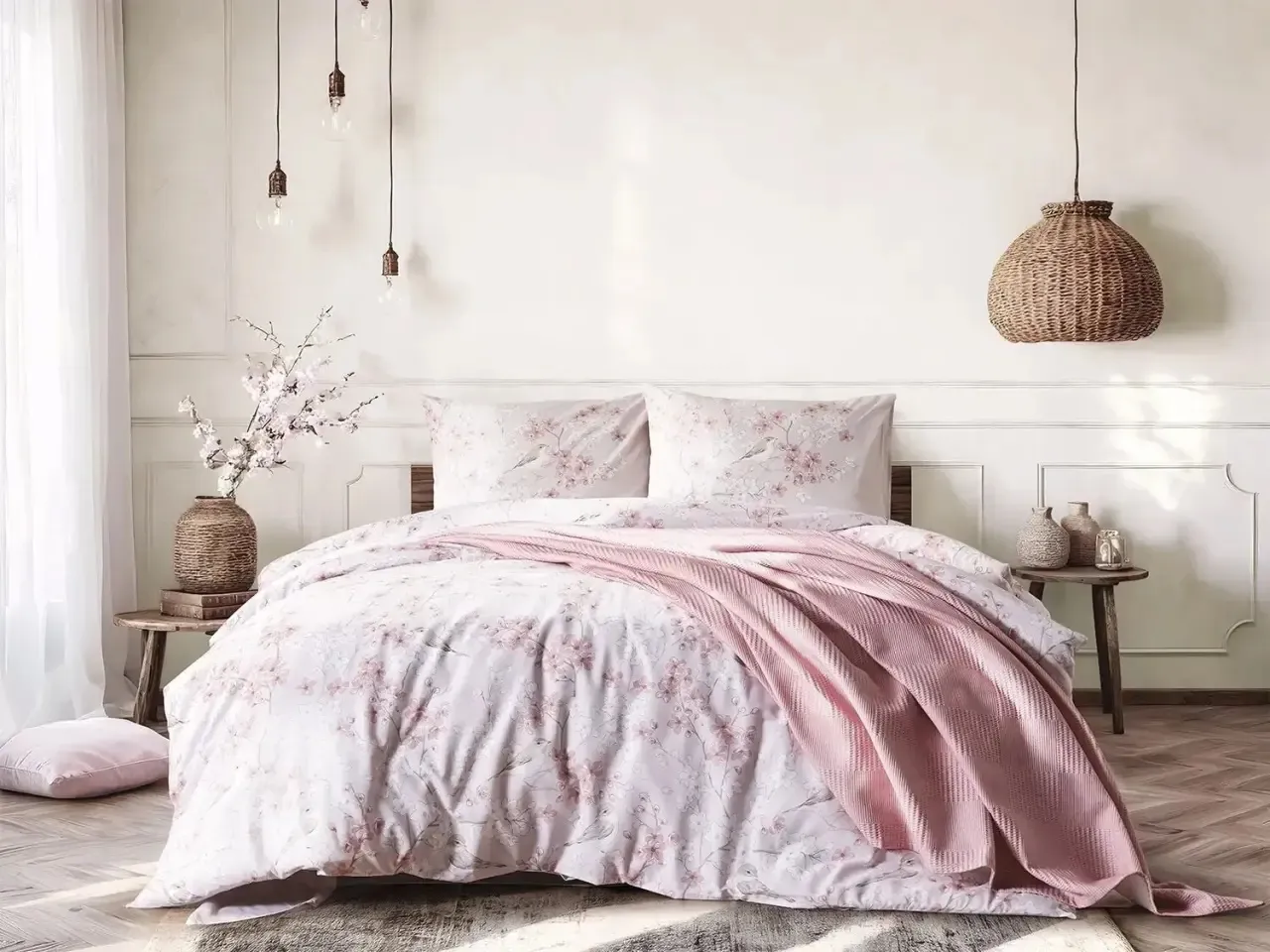
The Power of White Tones: Success in a monochromatic arrangement is not just using a flat white; it is layering warm undertones such as off-white, bone, and ivory together. This approach adds architectural depth to the space instead of a "hospital-like coldness."
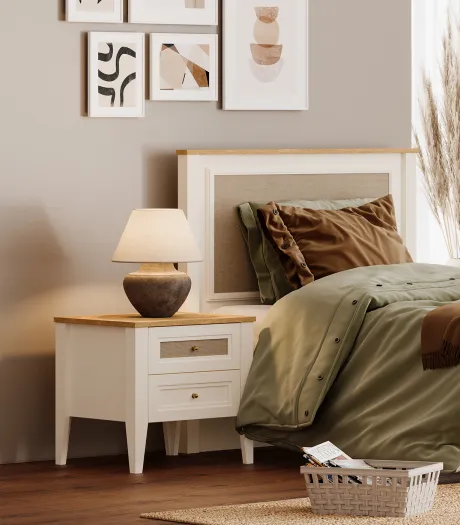
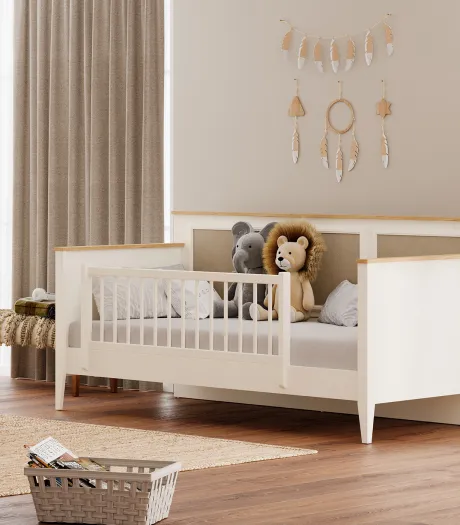
Beige and Natural Textures: As the most elegant representative of earth tones, beige takes on a balancing role in monochrome palettes. Especially when supported by linen textiles, matte lacquer surfaces, and natural wood fibers, beige tones allow for a rich layering without disrupting visual continuity.
While the reflection of light on different surfaces prevents the eye from getting bored in a single-colored room, it combines minimalist aesthetics with a high sense of comfort. Consequently, the monochrome style offers a holistic composition where each element complements the other by eliminating visual conflict between spatial components. This methodology is the most effective key to creating a prestigious, balanced, and serene atmosphere by removing clutter in modern living spaces.
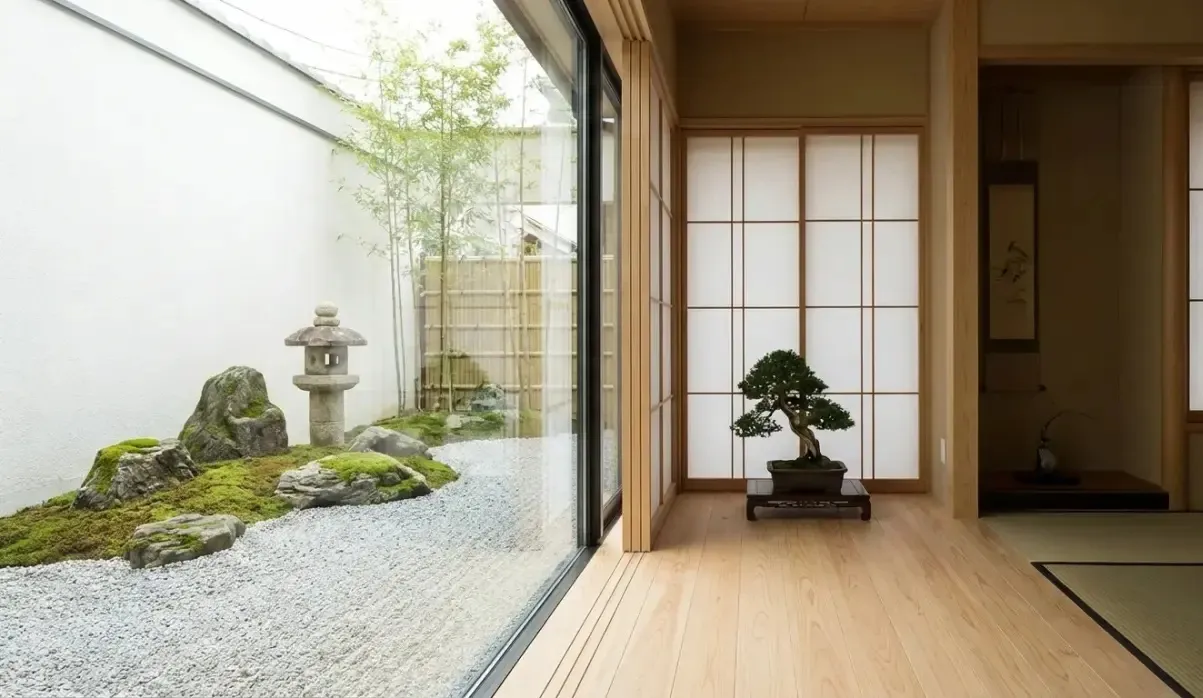
A Green Monochrome Order Integrated with Nature
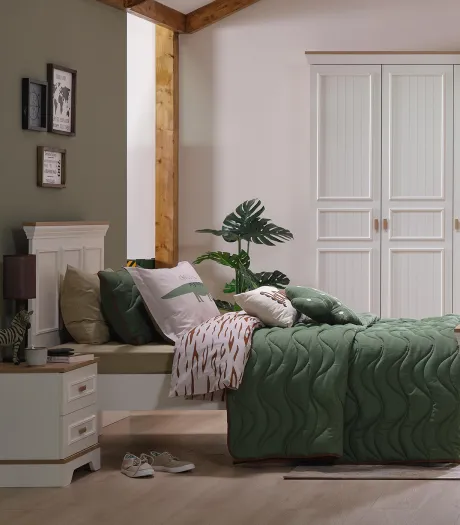
Green psychologically symbolizes renewal and balance. Along with the rising "biophilic design" trend in recent years, the monochromatic use of green has gained popularity. A palette ranging from forest green to mint green in a study or living room increases focus and reduces stress.
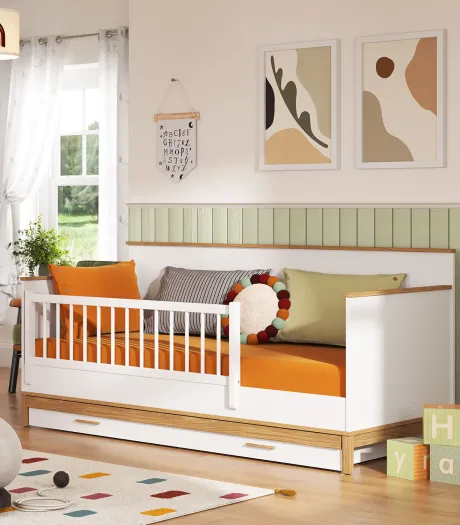
In a green monochrome arrangement, plants are your greatest assistants. The natural green tones of leaves create a wonderful contrast with painted surfaces. A lighter green armchair placed in front of a dark green wall, adorned with olive green pillows, brings all the layers of nature into your home. This style is especially ideal for those who want a vibrant home atmosphere without going to extremes.
The Impressive Look of Black and White
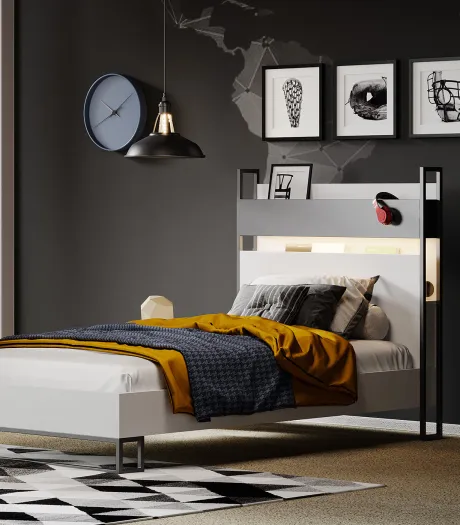
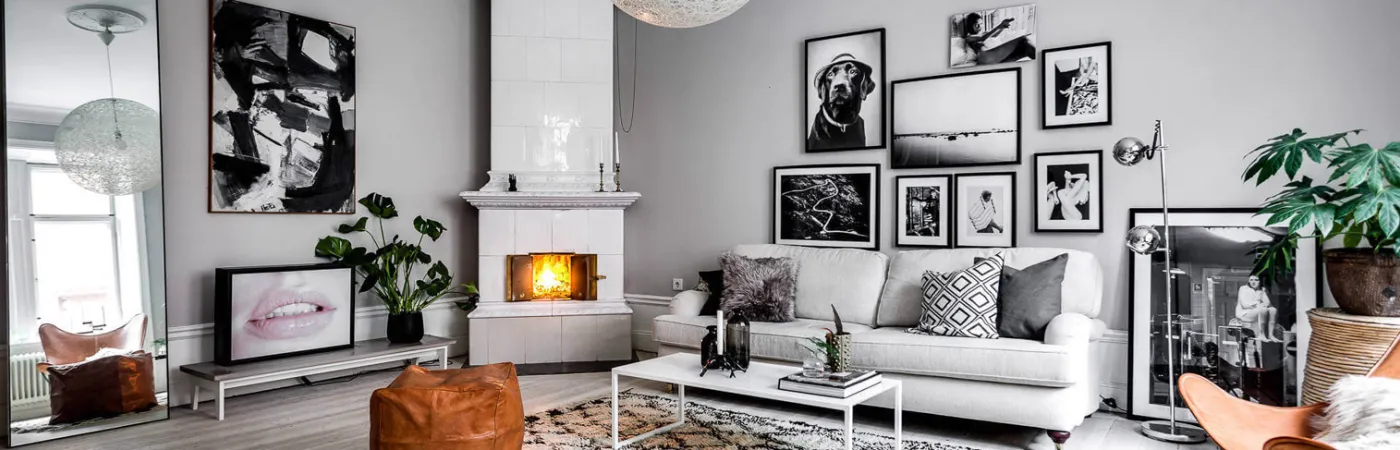
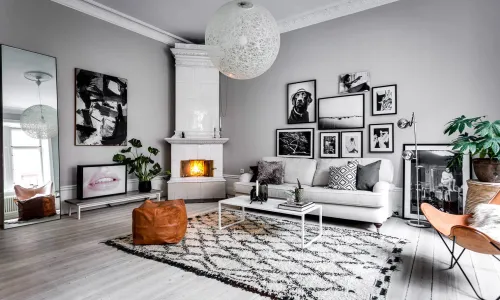
The first and most iconic duo that comes to mind when monochrome is mentioned is undoubtedly black and white. When applied correctly, this "strongest pairing" of the design world can transform a space into a work of art straight out of a magazine cover.
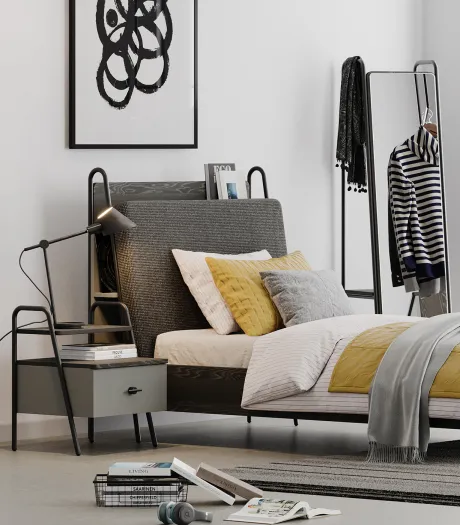
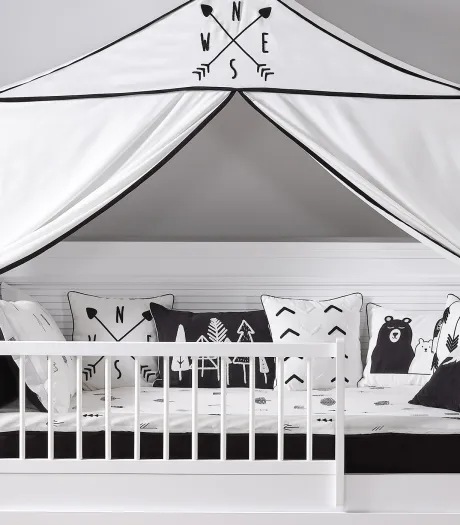
The dramatic and noble stance of black combined with the pure and bright character of white creates high energy in the space. To soften this contrast, you can use gray tones as a bridge. For example, white walls, a gray floor, and furniture with black metallic details establish a wonderful balance. In this style, geometric patterns (checkerboard floors or striped pillows) are great tools to keep visual interest alive. If you feel the environment is too harsh, adding a wooden piece or a brass lamp will add warmth without breaking the contrast.
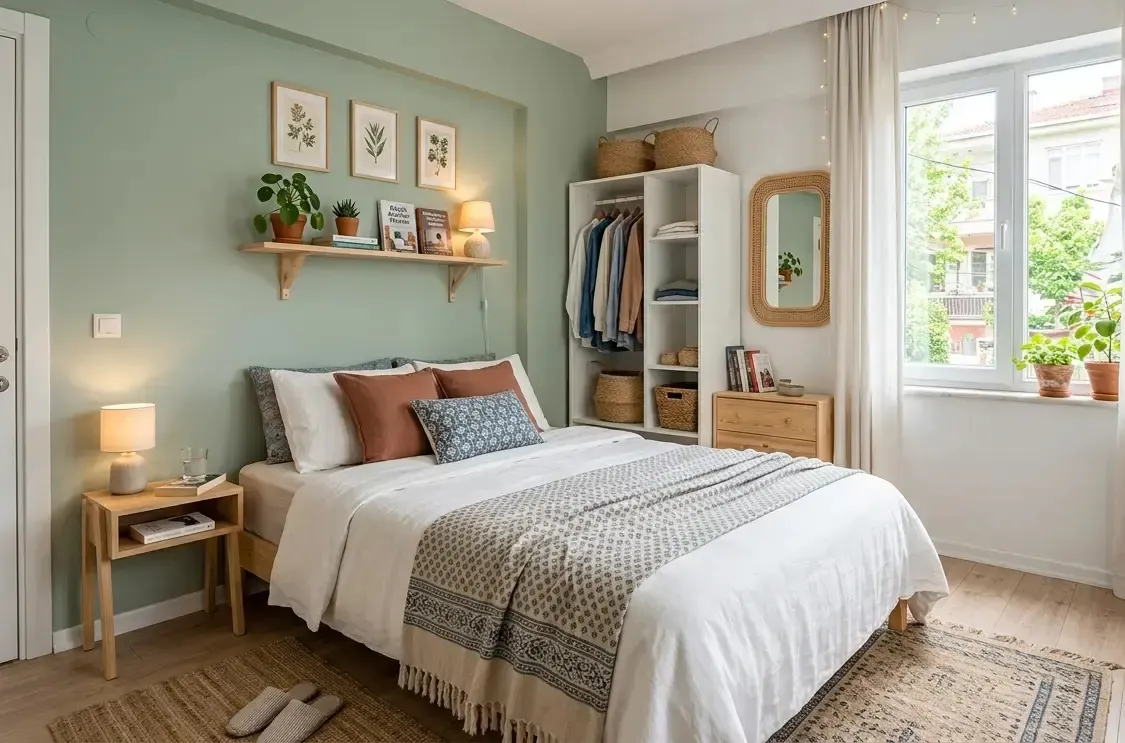
Single-Color Elegance in Bathrooms and Kitchens
Applying this style in bathrooms and kitchens, which are wet areas, reinforces the perception of cleanliness and hygiene. A bathroom completely covered with white tiles, combined with shiny chrome faucets and white towels, creates a modern spa effect. In kitchens, completely gray or anthracite designs, which are a recent trend, exhibit an industrial and sophisticated stance. To maintain the monochromatic look in these areas, you should take care to choose kitchen utensils and bathroom accessories that match your main chosen color (or are in neutral tones).
To summarize in general, adopting a monochrome approach creates not only a visual order but also mental refreshment in your home. Instead of getting lost among complex color combinations, you can reflect yourself and your style in its purest form by delving into the depths of a single color. Less is actually more, and a single color blended with the right tones can grant a space that special soul that thousands of colors cannot provide. Thanks to Almila furniture, you can apply the monochrome style in kids' and teenager rooms!
You Might Be Interested In→ How to Apply and Remove Wallpaper in Kids' and Teenager Rooms?