


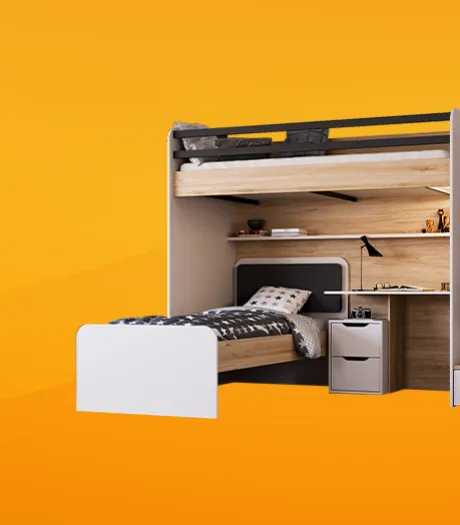


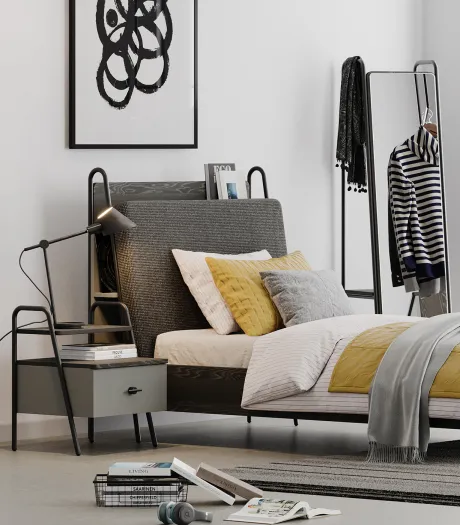
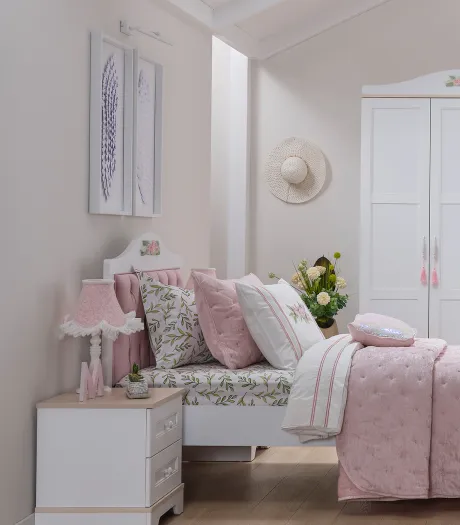
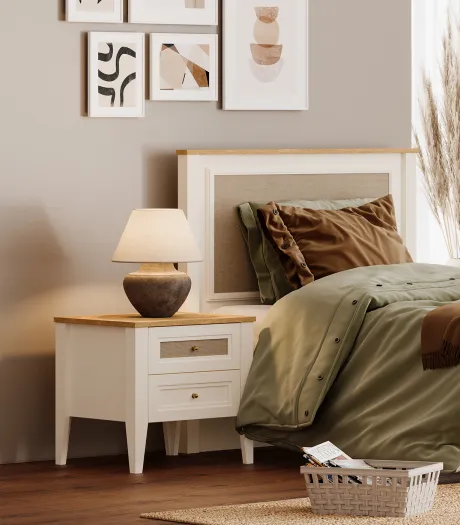









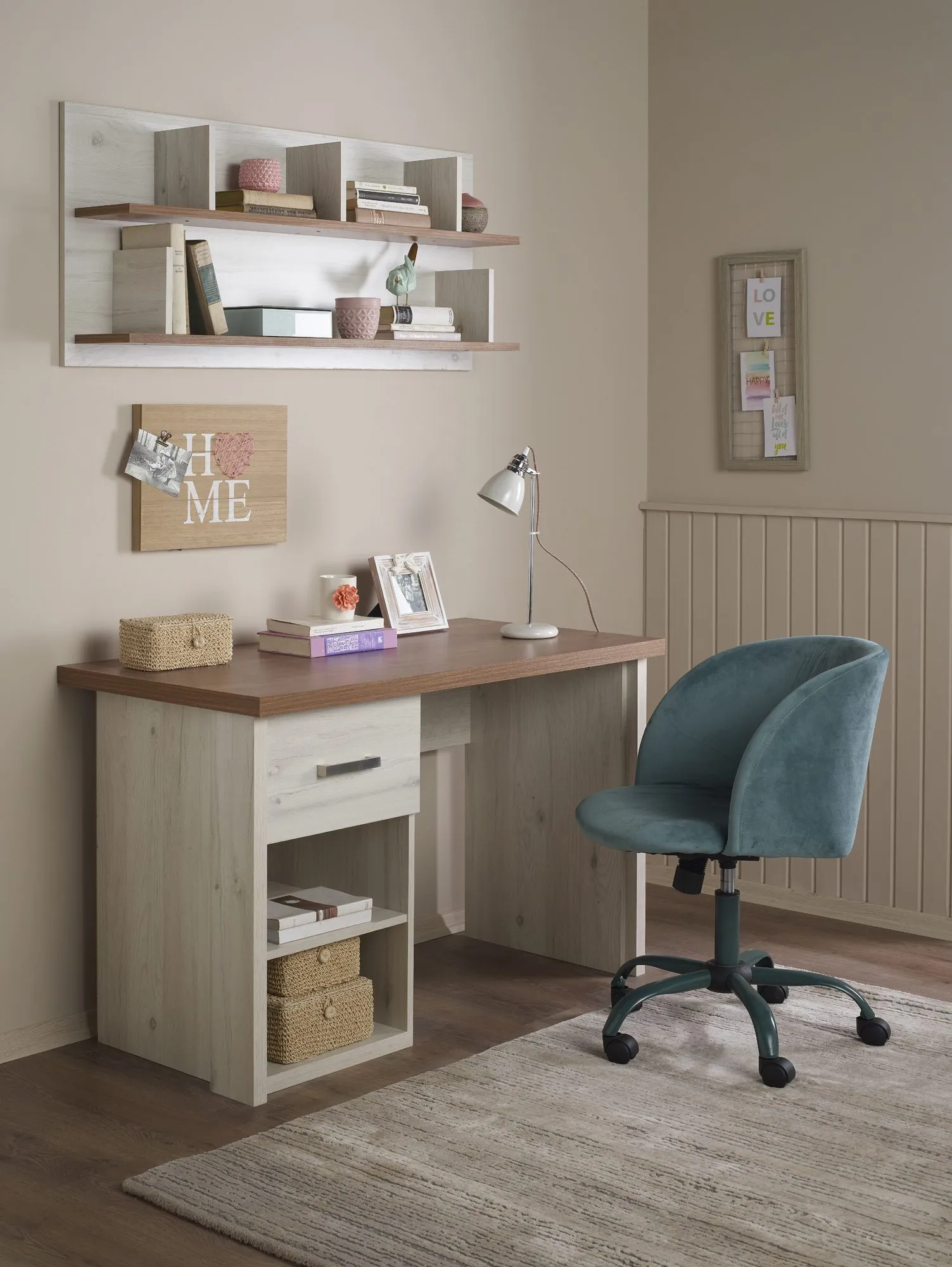
Ensuring that living spaces gain a functional structure is one of the most emphasized aspects of modern home arrangements. Especially with changing habits in recent years, moving professional life into the home has become a lifestyle standard rather than just a necessity. In this process, designing an efficient office room is the most fundamental element that supports mental focus and boosts creativity. Well-planned study room designs directly affect an individual's performance while also ensuring harmony with the general aesthetics of the home. The design of these areas should not be seen as just a desk and a chair; it should be evaluated as a strategic process where many components such as light, organization, and ergonomics come together.
When creating an ideal study room, the user's needs and the physical possibilities of the room are accepted as the primary guide. Especially when it comes to home study room designs, a balance must be struck between the professional stance of the space and the warmth of the home. In adult study room designs, where simplicity and professionalism are prioritized, the main goal is to create an atmosphere free from distractions. With a correct study room design, not only physical comfort but also the mental peace required for long-term focus is provided. Each piece selected during this preparation process turns into a functional helper that facilitates the individual's daily routine.
You Should Choose Ergonomic Furniture
The first step in creating a productive workspace is choosing ergonomic furniture that supports physical health and provides comfort during long sessions. Since incorrect chair or desk height can lead to posture disorders, choosing products that offer lumbar support and adjustable height is critical for the sustainability of mental focus. Among the essentials of a study desk, a wide surface area and sufficient legroom provide freedom of movement, minimizing the physical load during work processes.
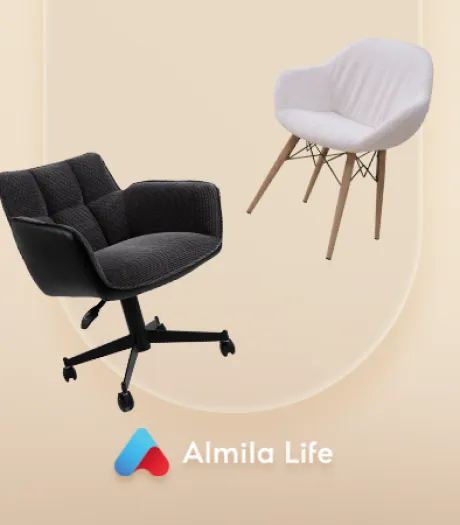
As the Almila Family, we add comfort to your working processes with ergonomic chair designs that center on spinal health and appeal to all age groups. Our collections, which combine aesthetics and functionality, aim to maximize your productivity by ensuring full compatibility with your desks.
Plan Lighting to Prevent Eye Strain
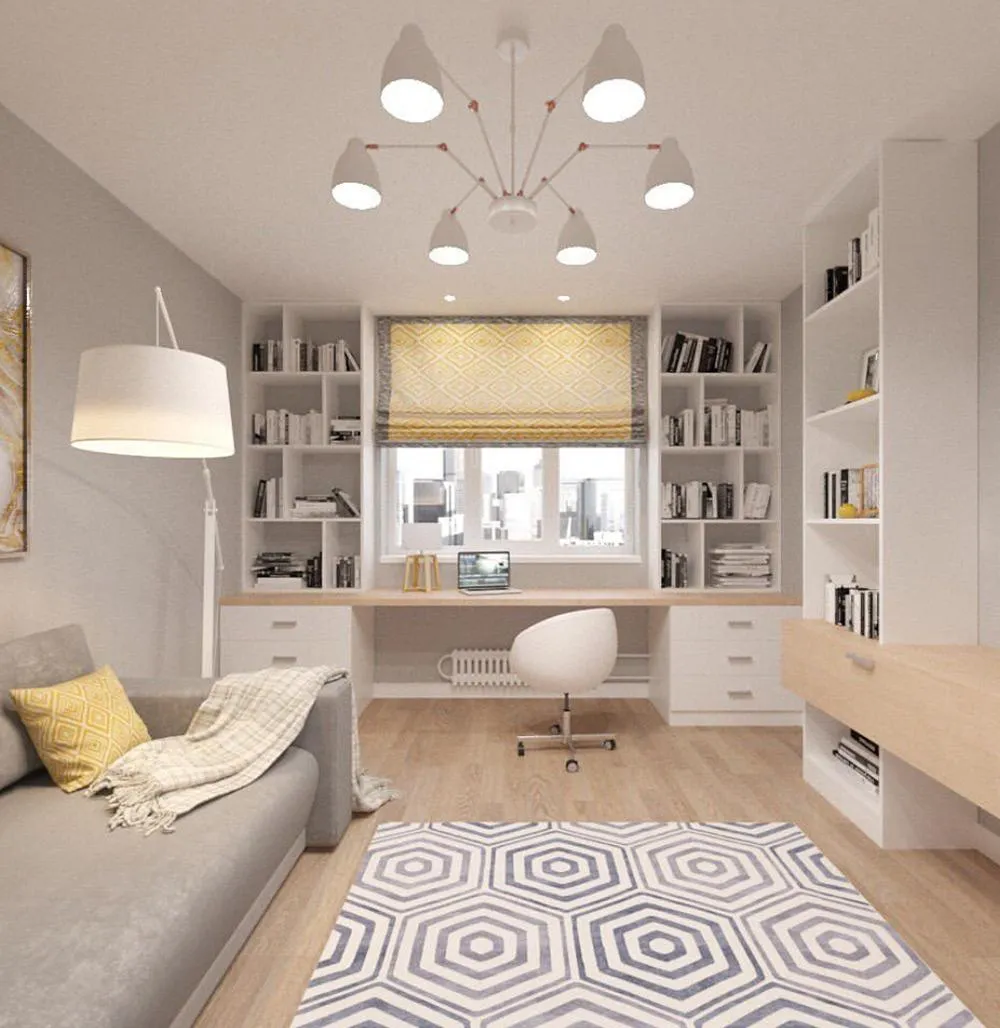
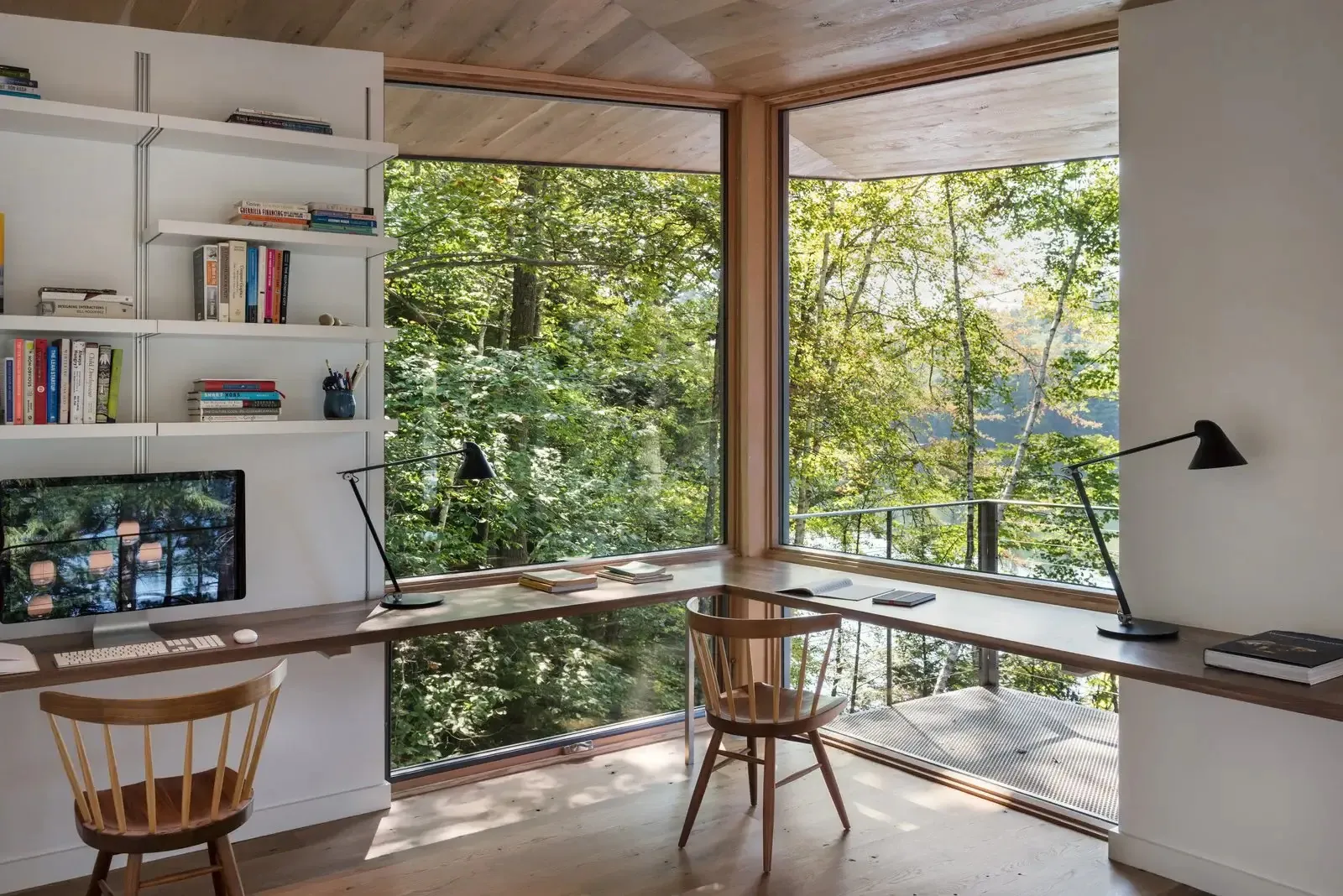
The quality of light in a workspace is a critical element that directly affects eye health and energy levels. Insufficient lighting can lead to eye strain and headaches, while excessively bright lights can disrupt concentration. In an ideal scenario, the workspace should benefit from natural daylight as much as possible. Positioning the desk at a right angle to the window prevents glare on the screen while ensuring efficient use of daylight.
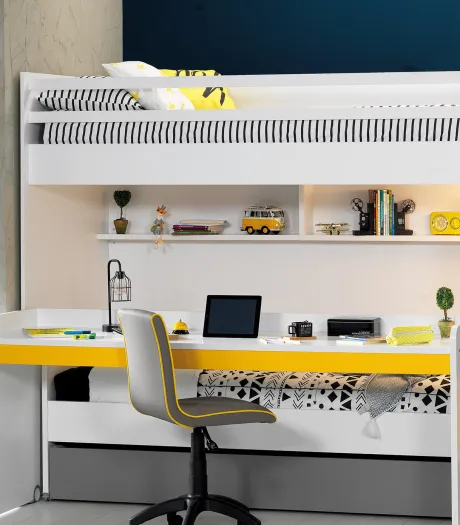
When planning artificial lighting, a layered lighting system should be established. In addition to general ceiling lighting, adjustable desk lamps that focus directly on the work surface and prevent shadow formation should be used. The color of the light should be neither too yellow nor too blue; neutral tones closest to daylight should be preferred. A correct lighting plan extends focus time while bringing the atmosphere of the environment to a more professional level.
Choose Minimalist Approaches in Accessory Use
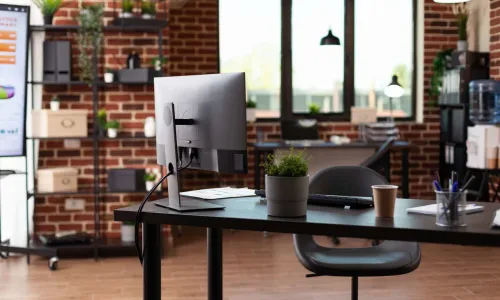
To prevent mental clutter and facilitate focus, a "less is more" philosophy should be adopted on and around the work surface. An excessive density of unnecessary items on the desk can distract attention from the main task and reduce productivity. Having only the materials needed for the current task visible accelerates the mind's ability to channel into the work. A minimalist decoration approach helps the space be perceived as more spacious and organized.
When selecting decorative elements, functionality should be prioritized. A pencil holder or note organizer should both fulfill its function and not disturb the visual integrity. The number of accessories in the room should be limited, restricted to just a few inspiring pieces or a single living plant. This approach simplifies the cleaning process while maintaining a simple and peaceful professional stance within the room.
Set Clear Boundaries Between Work and Relaxation Areas
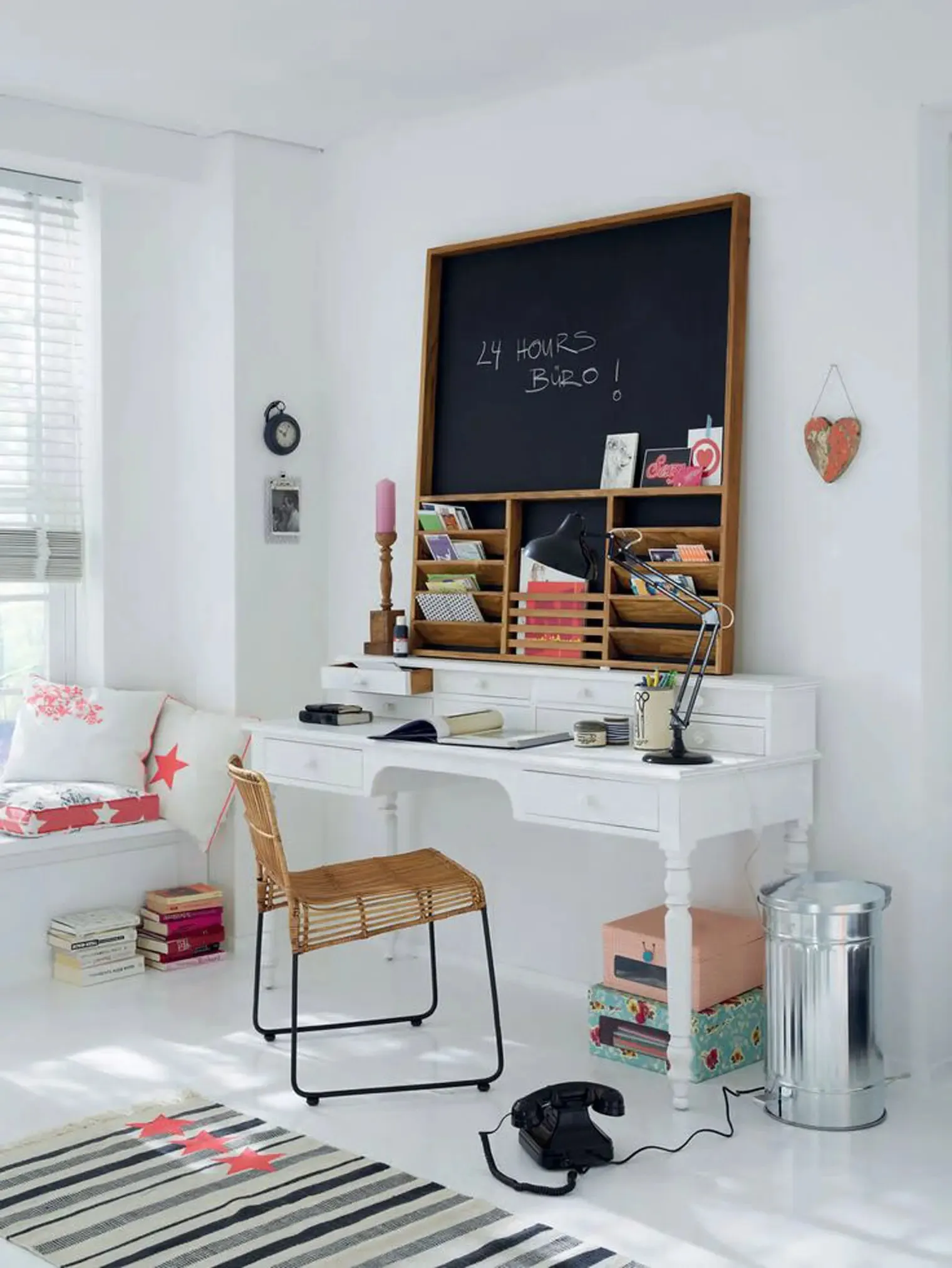
The greatest challenge of maintaining a professional life in a home environment is the blurring of lines between work and private life. For the brain to make a healthy transition between "work mode" and "rest mode," physical boundaries must be clearly defined. If possible, the workspace should be set up in an entirely separate room; if this is not feasible, a specific zone within the room should be reserved solely for work using screens or strategic furniture placement.
The soft textures and dim lighting used in relaxation areas should give way to more stable and vibrant elements in the workspace. Clearing the desk and turning off technological devices when working hours end signals to the mind that the workday is over. This disciplined approach both increases work efficiency and helps maintain peace within the home.
Prevent Clutter by Establishing Cable Management
In workspaces where technological devices are concentrated, the biggest source of visual clutter is tangled cables. Cable chaos not only creates a messy appearance but also makes cleaning difficult by causing dust accumulation. To solve this problem, cable trays located under or behind desks and organizer boxes should be utilized.
Hiding connection points or grouping them neatly instantly adds a more professional atmosphere to the workspace. Arrangements made using cable ties or channels also prevent accidents such as tripping and falling. An organized infrastructure extends the life of technological devices while allowing the user to focus on their work without dealing with technical distractions.
Select a Color Palette That Enhances Focus
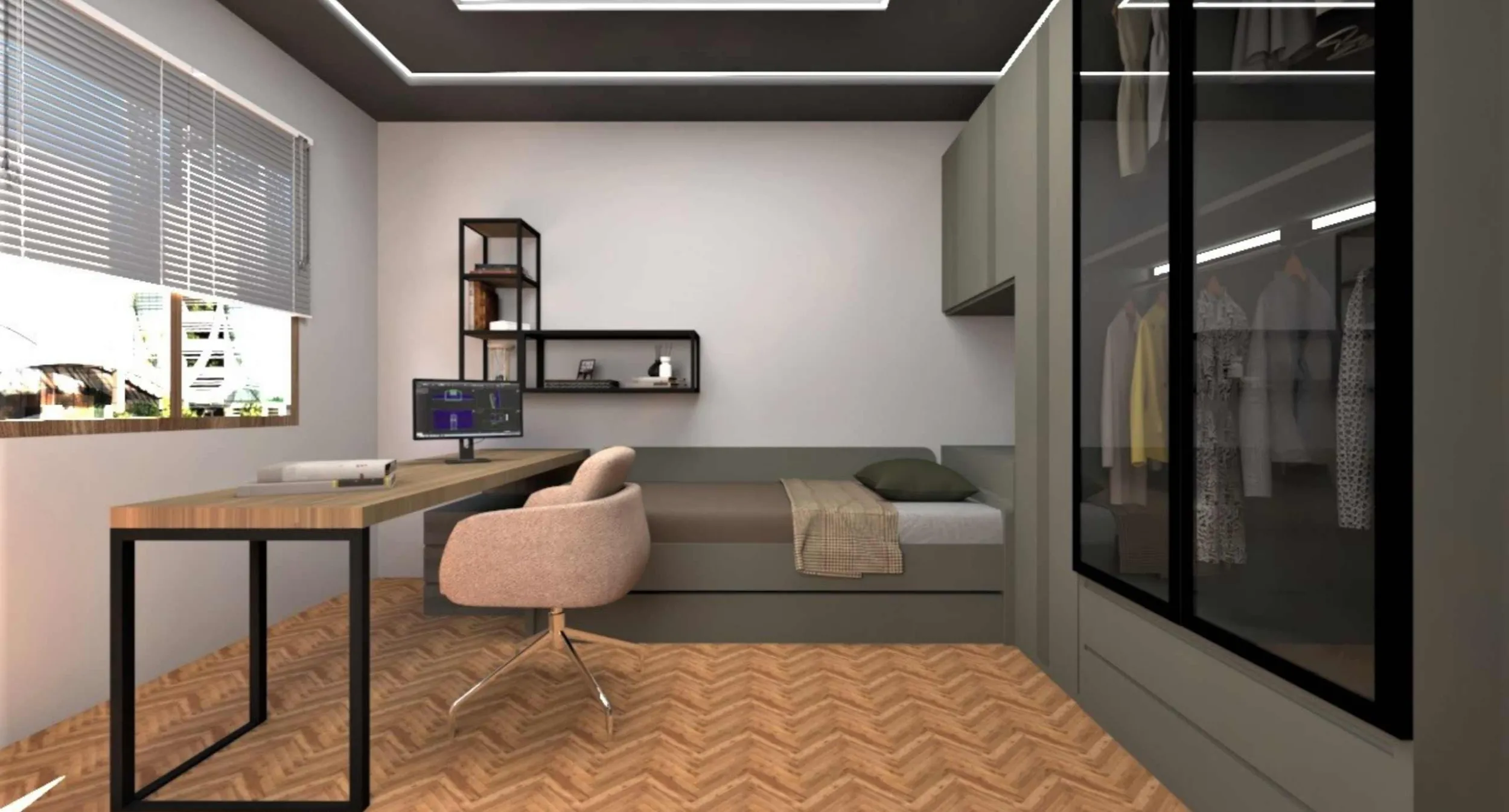
The psychological effects of colors can completely transform the energy of a room. In workspaces, stimulating colors like red or very dark and oppressive tones should be avoided. Instead, blue tones that enhance focus, tranquil greens, or soft beige and gray tones that keep the mind sharp should be preferred. The choice of color should also be balanced according to the size of the room and the amount of light it receives.
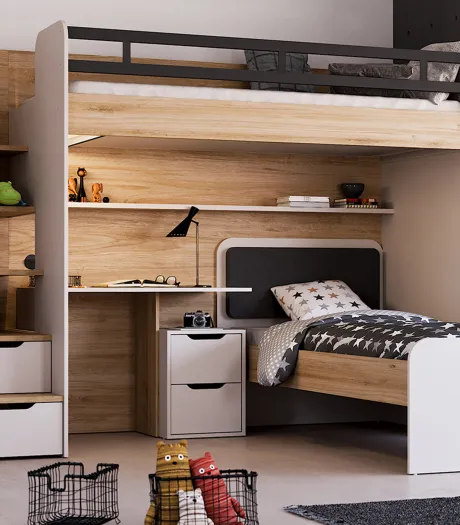
The harmony between the primary wall color and the furniture ensures the integrity of the space. For example, the combination of the warmth of wood textures with soft colors creates a modern working atmosphere. Avoiding excess in the color palette reduces eye fatigue and makes it possible to spend long periods in the room without getting bored.
Maintain Freshness by Ensuring Airflow
Spending long hours in an enclosed space can lead to an increase in carbon dioxide levels, causing drowsiness or distraction. Therefore, regular airflow must be maintained within the room. Opening windows several times a day for natural ventilation refreshes mental performance by increasing the amount of oxygen reaching the brain.
Indoor plants can also be utilized to improve air quality. Certain plant species are known for their air-purifying properties. Additionally, maintaining the humidity balance of the room is important to prevent the respiratory tract from drying out. Fresh air minimizes the feeling of fatigue during the work process and helps the user stay more alert.
Prioritize Accessibility in Storage Systems
An organized workspace is a place where every item has a designated spot and is easily accessible when needed. When designing storage systems, the principle of "accessibility" should be the primary guide. Frequently used files, books, or tools should be located in drawers or on shelves within arm's reach. Archives that are needed less frequently can be placed in higher or closed cabinets.
Closed cabinets prevent items inside from getting dusty while hiding visual clutter in the room. In-drawer organizers prevent small stationery items from getting mixed up. A functional storage plan eliminates the time spent searching for an object, ensuring that the workflow remains uninterrupted.
Create Practical Stations for Technological Requirements
A modern workspace contains many technological components such as printers, charging stations, and additional monitors. Dedicated corners with easy access to power outlets should be pre-planned for each of these devices. To prevent charging cables from creating clutter on the desk, desks with integrated power systems or hidden charging units can be preferred.
The placement of technological devices should be designed in a way that does not compromise ergonomics. Additionally, care should be taken to leave sufficient air space around devices to prevent overheating. A room where technology is smartly integrated with design allows the user to carry out their digital tasks without any physical obstacles.
Designing an ideal workspace requires bringing together aesthetic preferences and functional needs in a balanced way. Correct lighting, ergonomic furniture selection, and an organized layout plan not only increase physical comfort but also maximize professional productivity and mental focus.
You May Also Be Interested In:→ How to Create a Home Office Space? What Should Home Office Furniture Be Like?