



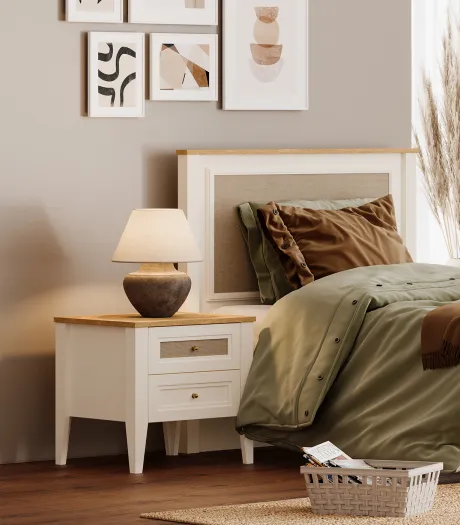
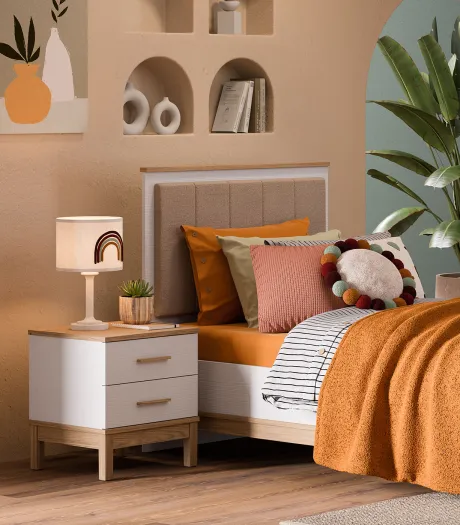
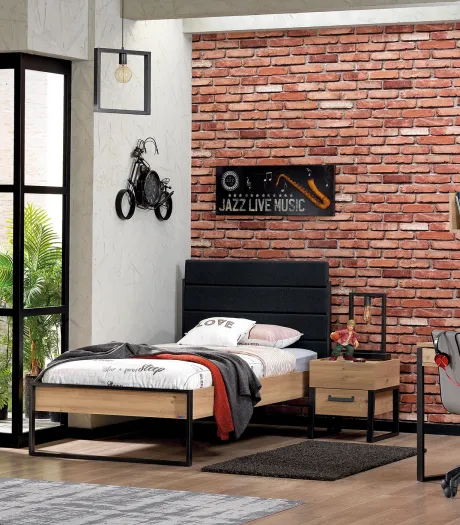
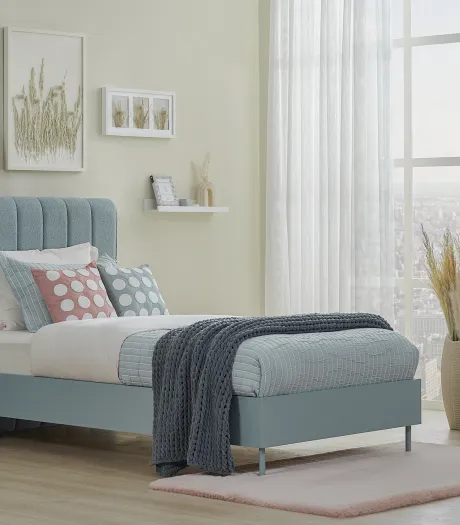





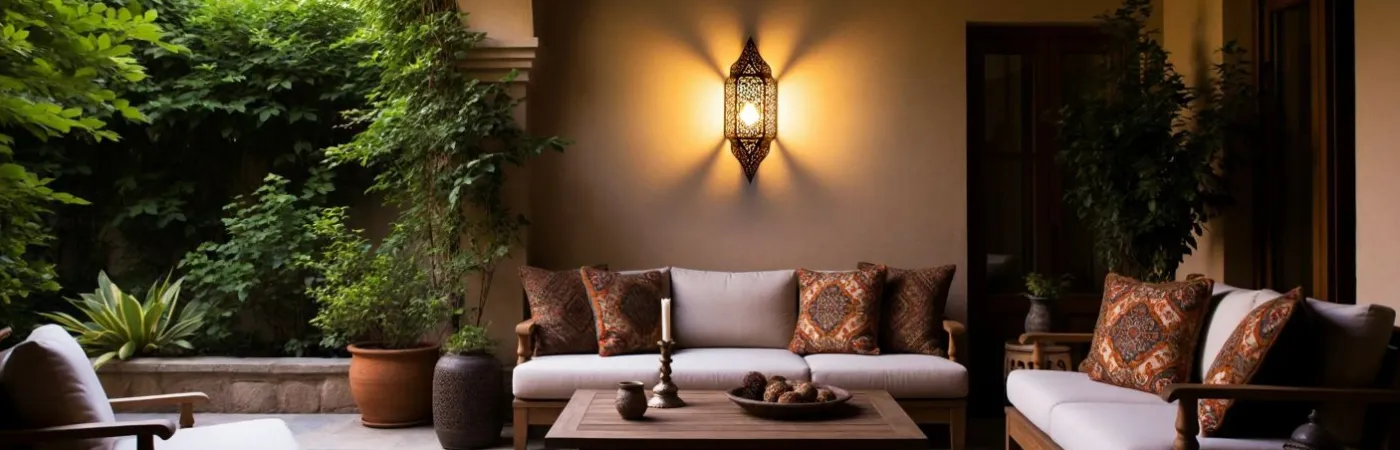
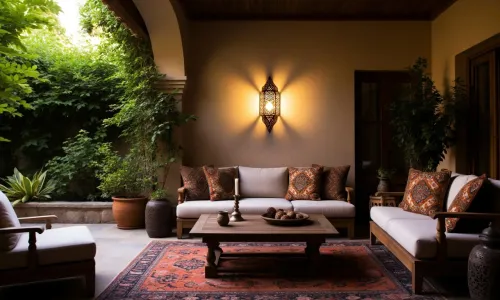
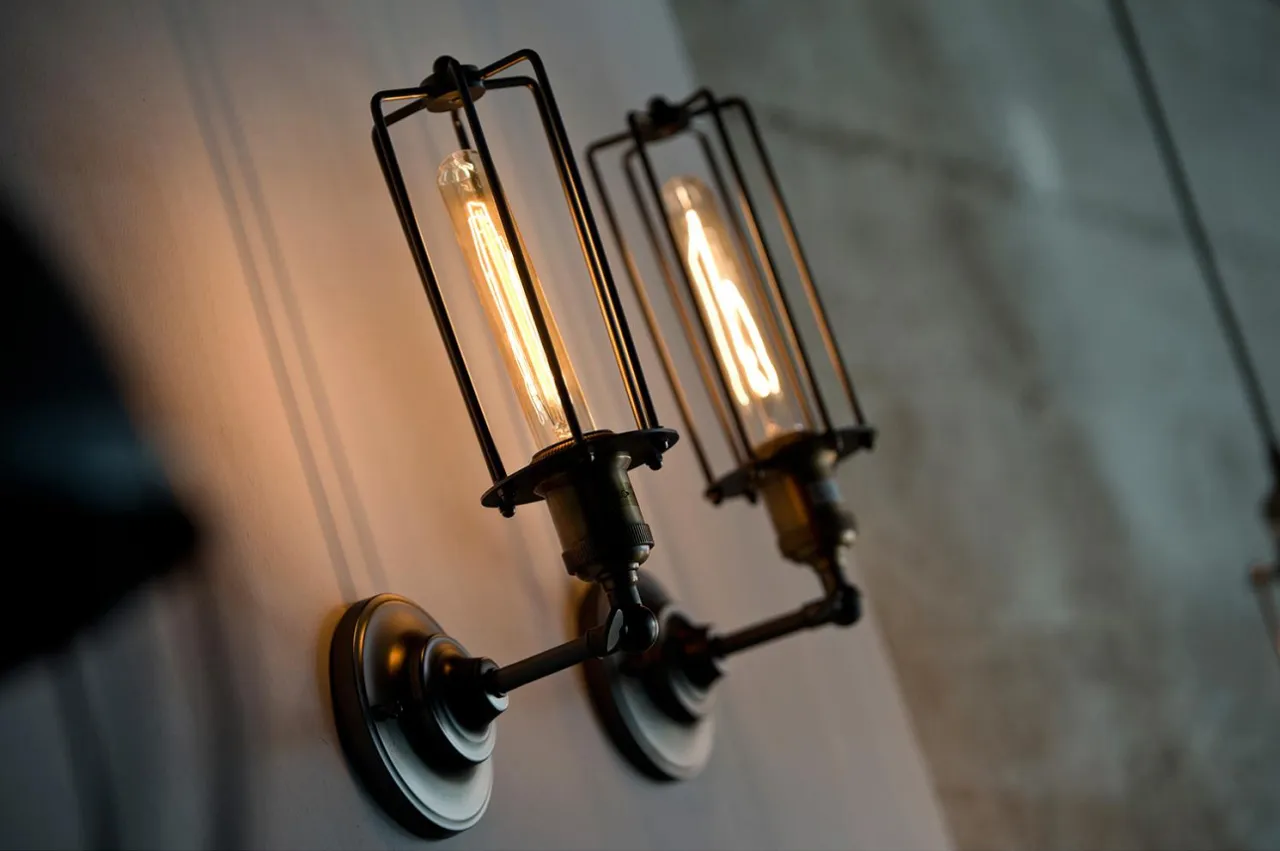
Throughout human history, light has been one of the most fundamental elements transforming shelters into homes and turning the uncertainty of darkness into a safe warmth. This journey, which began with torches hung on walls in ancient times, continues today with sophisticated designs where aesthetics and technology merge. The primary factor determining the soul of a space is not merely the quality of furniture or surface textures; it is the angle, tone, and character of the light that permeates that area. While general lighting elements in modern architecture provide light to the space as a whole, the details that create the actual atmosphere and depth are always hidden in the secondary elements.
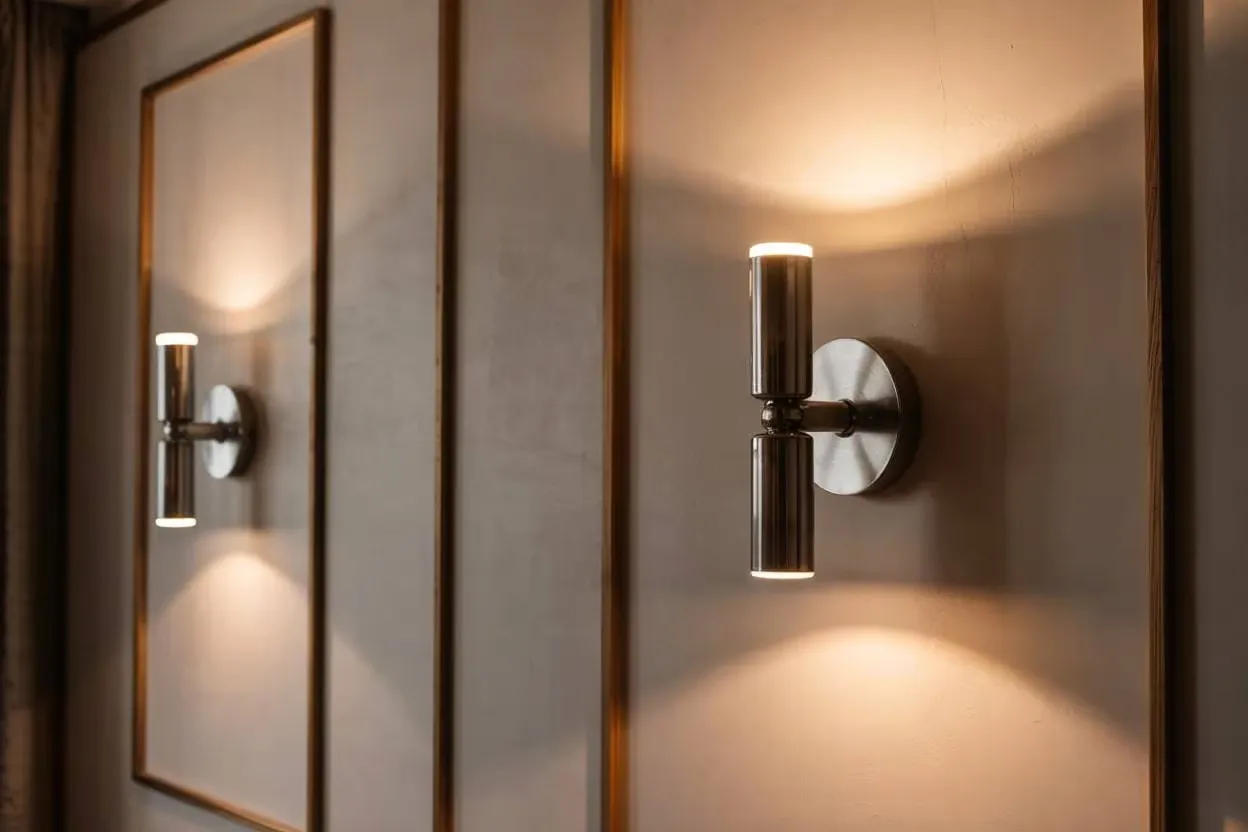
At this point, wall lamp options emerge as strategic instruments of the decoration world that both add architectural character to a space and provide regional emphasis. In its simplest definition, a wall sconce is a lighting unit mounted on the wall that adds spatial depth by spreading light upwards, downwards, or in both directions. Unlike chandeliers, which are the main light source, sconces are an indispensable part of the "layered lighting" strategy in professional interior design. A choice of sconce that does not tire the eyes, does not come directly, and provides soft transitions does not just illuminate a room; it also accentuates the structural lines of the space.
A correct lighting plan in spatial design is a functional tool that can make a physical area feel wider or more comfortable than it actually is. For example, horizontal light plays used in narrow corridors create the illusion of pushing the walls apart, while vertical light spreads preferred in high-ceilinged halls increase the grandeur of the space. In this context, sconces are not just decorative objects but also professional solution partners that manage visual perception and organize spatial hierarchy.
How Should Sconce Selection Be for Halls and Living Rooms?
In living rooms, which are considered the heart of the home, lighting should support social interaction and offer a peaceful environment. To break the harshness of the ceiling light and create a relaxing ambiance in the evening hours, living room sconce models are frequently preferred. If you have a modern decoration style, black sconce designs with minimalist lines will stand on your wall almost like a work of art.
Wall sconces used in living rooms do not only assist with general illumination; they are also used to emphasize specific furniture. For instance, bidirectional sconce models placed on the sides of a fireplace or on both sides of a large library are indispensable for symmetry enthusiasts. If you wish to exhibit a more classic and heavy stance, you can opt for a wall chandelier with crystal details or a brass body.
Ways to Emphasize Artworks and Objects with Sconces
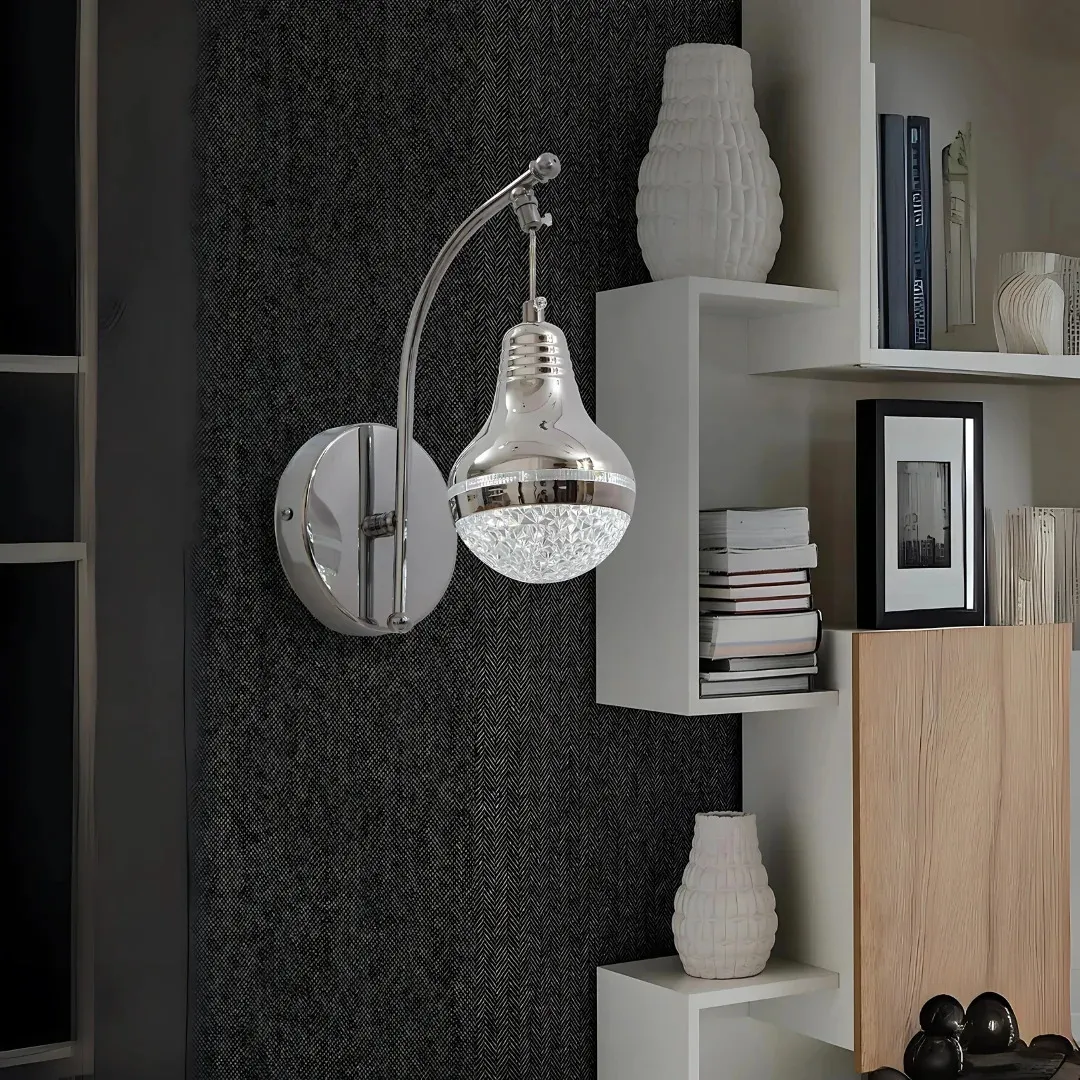
If you want to bring a painting or a special decorative object in your home to the forefront, you must harness the power of light. Picture lighting, which is the adaptation of techniques used in museums and exhibitions to the home environment, increases the intellectual level of the space. Using a picture light that focuses directly on the painting ensures that colors appear more vibrant and details more distinct.
One of the most elegant solutions used in this field is the flute sconce models, known for their thin and graceful structure. These models distribute light homogeneously downwards, making the artwork shine without damaging its texture. If the work hanging on the wall is a large oil painting, using a wide-angle picture light would be a more accurate approach. Remember, the right choice of picture sconce can transform your home into a personal art gallery.
Bedside Lighting in the Bedroom
Highlighting a painting or a special decorative object in your home requires a lighting discipline at museum and exhibition standards. This touch, which increases the intellectual depth of the space, uses the power of light to make the artwork the center of focus. To transform your home into a personal gallery with the right picture light selection, the following strategies should be followed:
Focused Light and Color Vibrancy: A picture sconce positioned directly above the work ensures that color pigments appear more vivid and technical details, such as brushstrokes, become more prominent.
Homogeneous Distribution with Flute Sconce Models: Flute sconces, known for their slender and elegant design, distribute light evenly across the surface. These models provide a sophisticated look by giving a soft glow without harming the texture of the work.
Luminaire Selection Based on Artwork Size: For large-scale oil paintings or wide wall panels, a wide-angle picture light should be preferred. This prevents the light from gathering at only one point of the work, ensuring that the entire surface is emphasized with the same value.
Regional Emphasis and Depth: Shadow plays can be created using adjustable sconces not only for wall panels but also for three-dimensional objects displayed within niches; this grants the object volumetric depth.
What are the Practical Solutions for Walls Without Electrical Wiring?
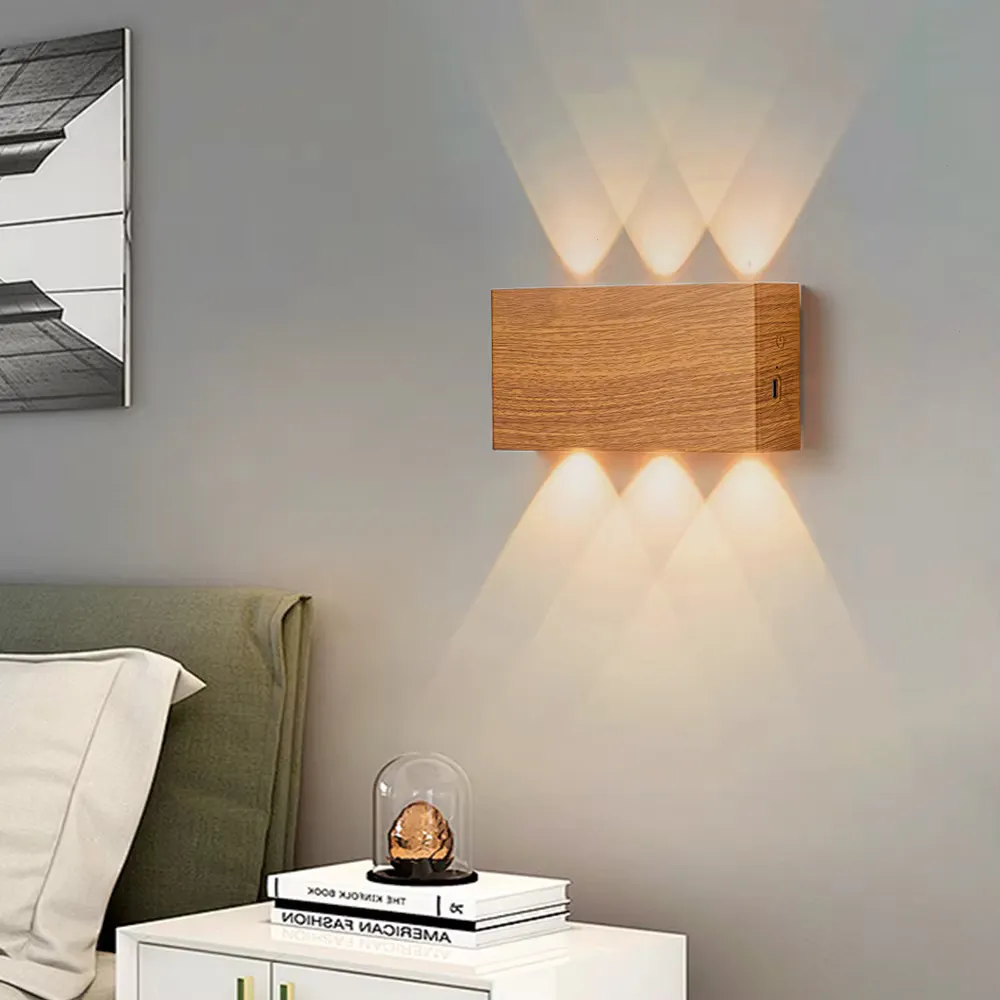
Many people give up on using sconces because there is no electrical cable outlet on their wall. However, advancing technology offers great alternatives that do not require renovation. Battery-operated sconce models that you can use without breaking walls or pulling cables are a favorite among decoration enthusiasts today. With powerful batteries and stylish designs, these products provide ease of installation. Similarly, rechargeable sconce options that can be easily filled via USB offer long-term use and provide sustainable lighting.
For those who want a completely free layout plan, the world of cordless sconces is quite extensive. You can remove these products and move them to another room whenever you wish. Especially models offering remote control through battery-powered mechanisms allow you to adjust the light intensity from where you sit. If you prioritize technology and efficiency, long-lasting LED sconce models will surprise you with their energy savings.
Use of Mirrors and Regional Light in Bathroom Lighting
Bathrooms are hybrid spaces used both as high-light requirement areas (for tasks like makeup and shaving) and as relaxation zones (post-shower/bath). Therefore, a single lamp is not sufficient in the bathroom. Bathroom sconce products placed on both sides or above the mirror provide a flawless image by preventing shadows on the face. Specially manufactured for damp areas, bathroom wall sconces also offer peace of mind with their safety standards.
For those who want to create a vanity table effect, the use of over-mirror sconces is a must. Light coming from above or the sides facilitates your daily preparation processes. Additionally, marble sconce designs used to soften the general atmosphere of the bathroom create a spa ambiance with light filtering through natural stone.
Lighting Strategies for Outdoor Spaces, Gardens, and Balconies
In outdoor spaces, which are the face of the home opening to the world, lighting serves both aesthetic and security purposes. To make the architectural details of the building visible at night, the use of facade sconces is essential. These fixtures are manufactured from weather-resistant materials and add grandeur to the building. On balconies, the setting for pleasant evening teas, balcony sconce models that create a more intimate atmosphere should be preferred.
For those seeking an ecological and economic solution, solar energy is the best friend. Solar-powered sconce options, which convert the energy collected during the day into light at night, eliminate cable clutter. Solar sconce products lined up along garden walls provide a safe walking area by illuminating pathways. These energy-efficiency-oriented LED wall sconces are also part of an environmentally friendly lifestyle.
How to Install a Wall Sconce?
When that stylish wall sconce you chose arrives, you might think the installation process is complicated. However, even installing a traditional wall fixture that requires an electrical connection (not battery-operated) is quite easy with the right equipment. Steps to simplify the process:
Safety First: Before performing any operation, make sure to turn off the relevant fuse. Use a voltage tester to ensure the electricity is cut off.
Positioning and Marking: The height of the sconce from the floor should generally be at eye level or slightly above (150-170 cm). Mark the points to be screwed with a pencil.
Drilling and Wall Plugs: Drill the marked points with a drill and insert appropriately sized wall plugs (dowels).
Wiring: Connect the cables from your wall to the cables in the sconce according to their colors (phase, neutral, ground) using a terminal block.
Mounting and Testing: Screw the sconce to the wall, install the bulb, and turn on the fuse to check if your sconce lighting system is working correctly.
Using motion-sensor sconces in transition areas like hallways, rather than leaving the light on constantly, provides great comfort and savings. These systems, which light your way when you wake up at night, are ideal especially for homes with children. Furthermore, a series of stylish hallway sconce models can transform even the darkest and dullest area of the house into a transitional feast.
For a more modern look in your lighting choices, you can examine LED sconce technologies and make your selection among wall sconce models that create different light plays on your walls. A proper wall lighting system is the "makeup" of your home.
You Might Be Interested In→ What is a Lampshade and Where is it Used?