



















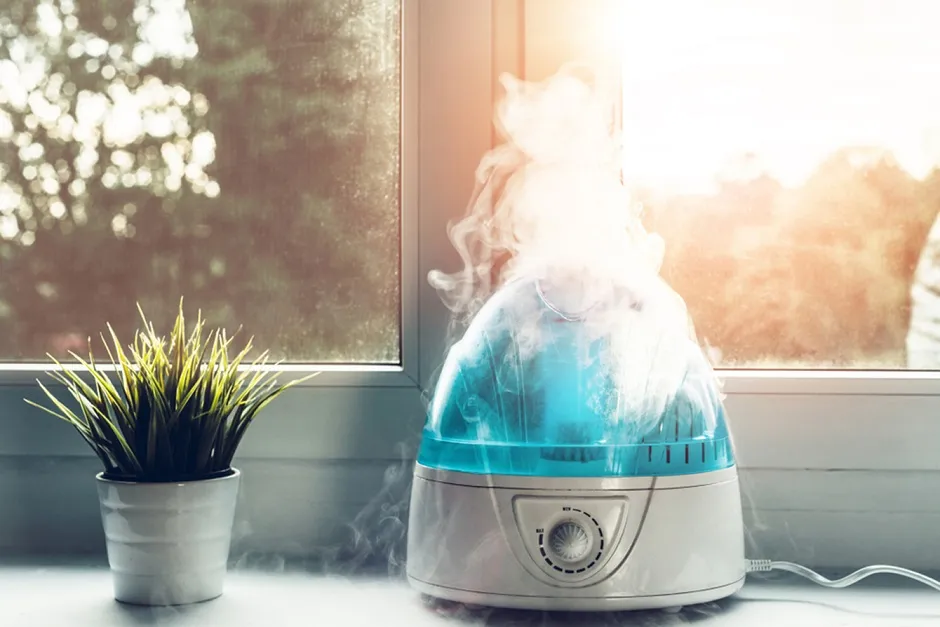
When the cold or hot and oppressive months arrive, it’s not just the air temperature but also the humidity level inside the house that drops significantly. Indoor humidity directly affects our health. Excessively dry air can cause a range of problems from dry skin to chapped lips, while too much humidity encourages the growth of mold and bacteria. Therefore, the humidity level should be neither too high nor too low. Experts generally recommend an ideal humidity range of 40% to 60%. This range provides a comfortable and healthy environment for both adults and children. Maintaining humidity balance is especially important for families with children, as insufficient humidity can lead to nasal congestion and sleep problems in babies. There are several ways to humidify a room. Here are the details:
Dry Wet Laundry Indoors
Hanging damp clothes from the washing machine on a radiator or in the center of the room increases indoor humidity. This method helps maintain humidity balance and eliminates the need for a dryer, saving energy in the process.
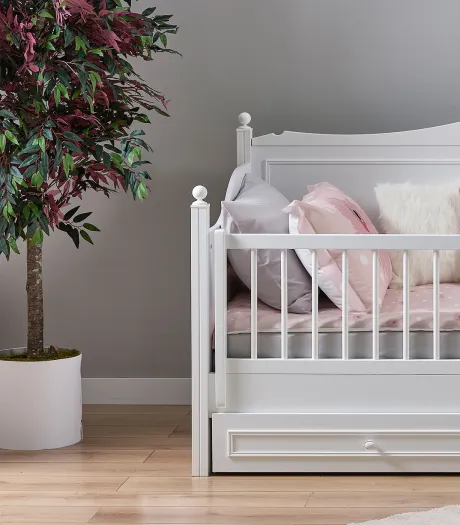
Use Indoor Plants
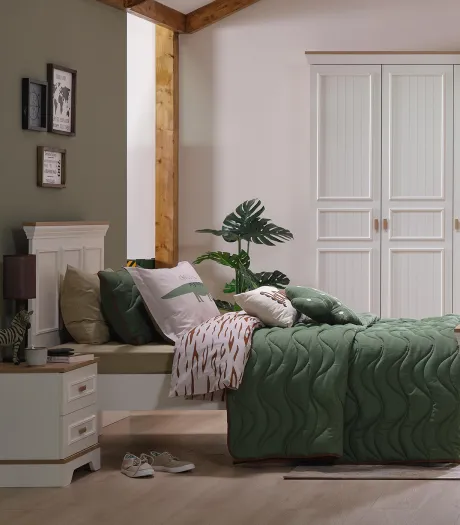
Plants release water vapor during photosynthesis. Tropical plants, in particular, are very effective in humidifying indoor air. With proper watering, you can achieve both an aesthetic appearance and humidity support.
Place a Water Bowl on the Heater
One of the simplest solutions is to place a bowl or ceramic container filled with water on the radiator. As the water evaporates, it adds moisture to the air. You can also add a few drops of essential oil to the water for a pleasant scent.
Take Advantage of Shower Steam
Leave the bathroom door open while taking a shower. The steam will spread into the house and increase humidity. However, to conserve water, avoid unnecessarily long showers.
Utilize Cooking Steam
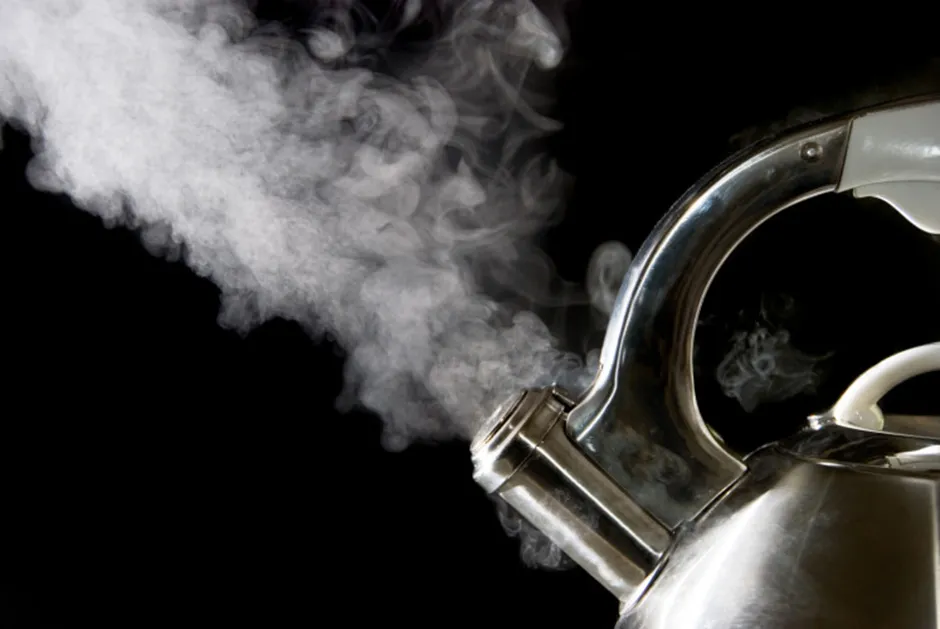
Soups and stews, often prepared in winter, are a natural source of humidity. Occasionally leaving the pot lid slightly open while cooking contributes to maintaining humidity balance in the room.
Why Does Humidity Drop in Winter?
During winter, indoor air is generally drier. This can lead to various issues, from dry skin to respiratory problems. Here are the main reasons why humidity drops in winter:
Cold Air Has Lower Moisture-Holding Capacity: Cold air can carry less water vapor compared to warm air. When the temperature drops in winter, the natural humidity in the air decreases. This causes the outdoor air to be dry. When the house is ventilated, this dry air enters and lowers the indoor humidity.
Heating Systems Dry the Air: Heaters such as radiators, stoves, or air conditioners warm up the space while also removing moisture from the air. Continuous operation of these systems, especially in enclosed areas, rapidly dries out the air. As a result, indoor humidity drops significantly.
Poor Ventilation Disrupts Humidity Balance: Due to the cold, windows are opened less frequently in winter. This reduces air exchange with the outside and disrupts indoor humidity balance. The dryness caused by heating cannot be balanced without fresh air.
Evaporation Decreases: In summer, high temperatures cause water from laundry, surfaces, and other sources to evaporate easily, adding humidity to the air. In winter, low temperatures slow down evaporation, naturally reducing indoor humidity.
Limited Indoor Sources of Humidity: In winter, people sweat less and spend less time outdoors. Plants consume less water, and other sources of indoor evaporation decrease. Consequently, natural contributors to indoor humidity are insufficient.
Why Room Humidity Is More Critical for Babies
Babies have a more sensitive immune system compared to adults. Therefore, the humidity level in their rooms is extremely important. If you are wondering what the ideal room humidity for babies should be, experts recommend a range of 50-60%. This level allows babies to breathe comfortably and sleep healthily. Otherwise, excessively dry air can cause nasal congestion, coughing, and restlessness.
How to Tell if Home Humidity Is Adequate?
The humidity level in your home is important for both comfort and health. There are several ways to determine if the indoor humidity is sufficient:
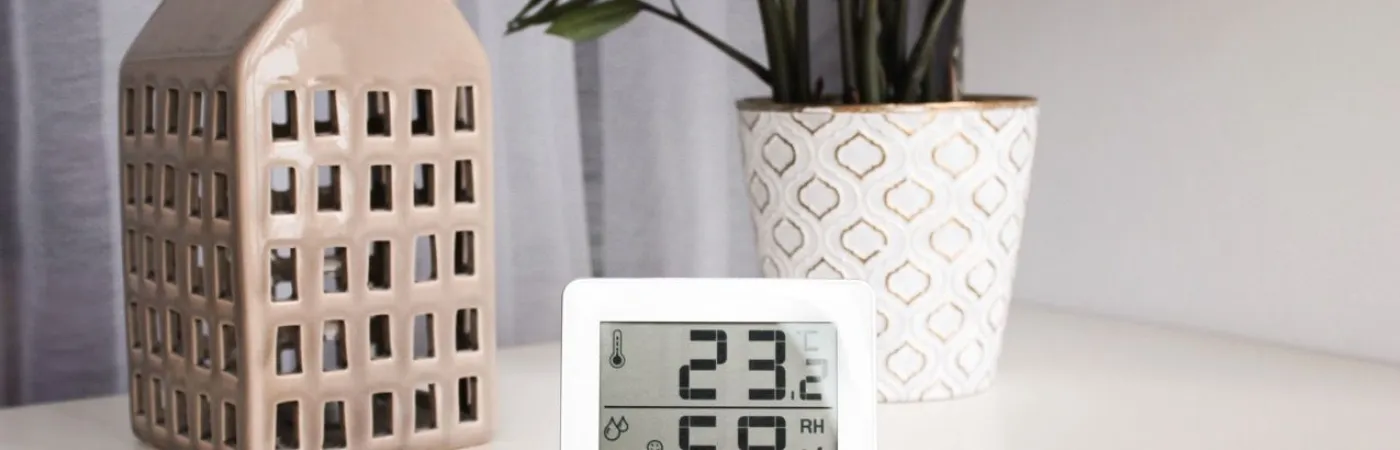
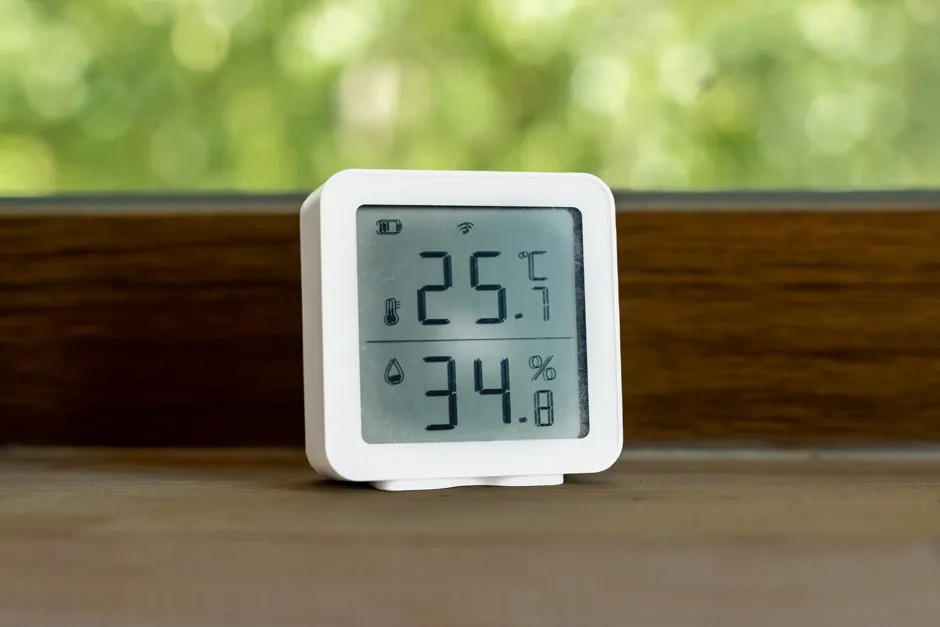
Measure with a Hygrometer: The most accurate way to determine indoor humidity is by using a hygrometer. These devices display the relative humidity in the air as a percentage. For a healthy home environment, the ideal humidity range is between 40% and 60%. If it drops below this range, the air is dry; if it rises above, the air is too humid.
Observe Physical Signs: Persistent fogging on windows, mold spots in corners, or a damp smell indicate high humidity. These signs are often seen in poorly ventilated homes with imbalanced humidity.
Check the Condition of Furniture and Surfaces: Cracks in wooden furniture, squeaky or sticking doors, or warped flooring may indicate humidity imbalance. These issues can develop due to either excessive humidity or dryness.
Notice Changes in Smell and Air Quality: A heavy, stale, or moldy odor suggests high humidity. Conversely, very dry air often feels dusty, stifling, or cool. Such smells and sensations provide clues about humidity imbalances.

Ideal Temperature and Humidity Balance in Winter
For a comfortable home environment, it is essential to maintain a balanced temperature and humidity. In winter, the ideal room temperature is around 21-23°C (70-73°F), and the humidity should be approximately 50%. These conditions create the most suitable environment for both health and energy efficiency. Excessive heat dries out the air, so wearing warm clothing and lowering the thermostat by a few degrees is a smart approach.
Balancing indoor humidity is extremely important for a healthy living space. Very dry air can lead to respiratory problems, while excessive humidity may cause mold and mildew issues. Therefore, applying natural methods to increase room humidity is the best solution. Practical approaches like drying wet laundry indoors, keeping plants, or placing water containers can help bring your home's air to an ideal level.
You can also check out our blog post How to Clean Your Home?.