





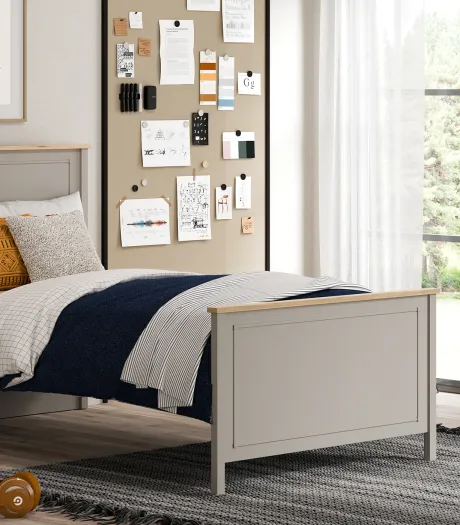
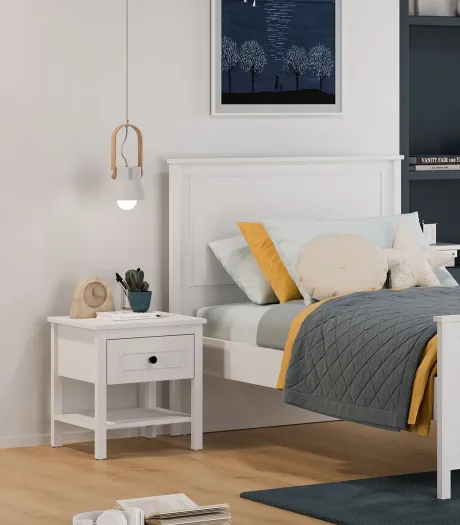
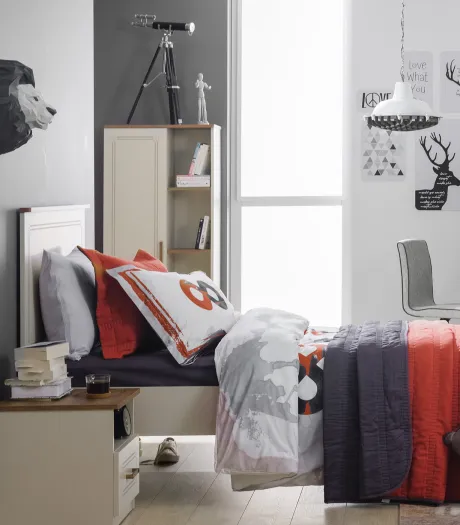
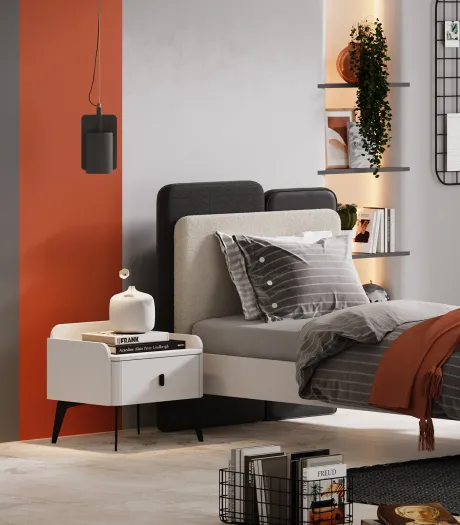
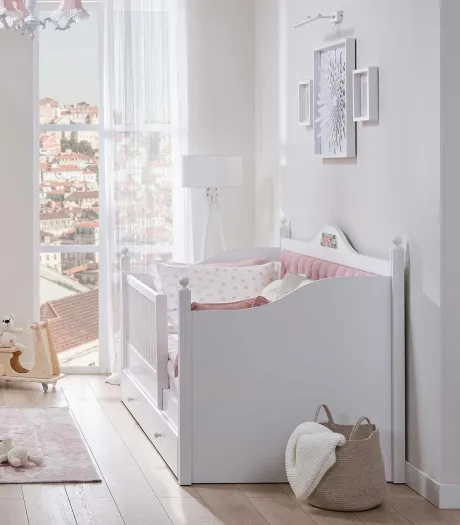
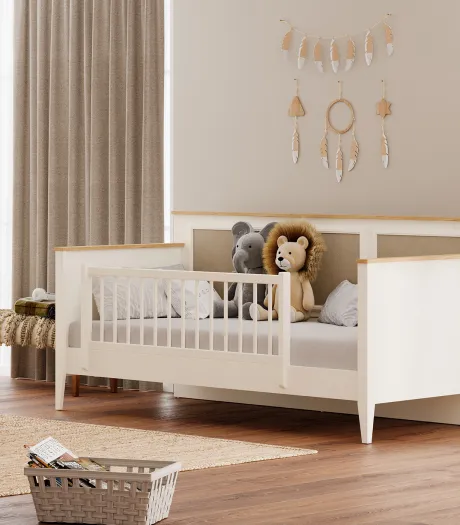
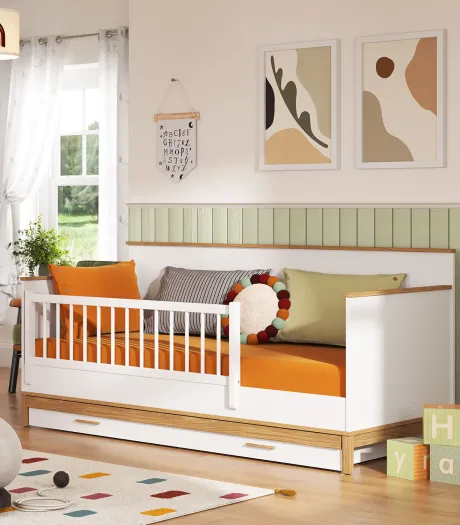
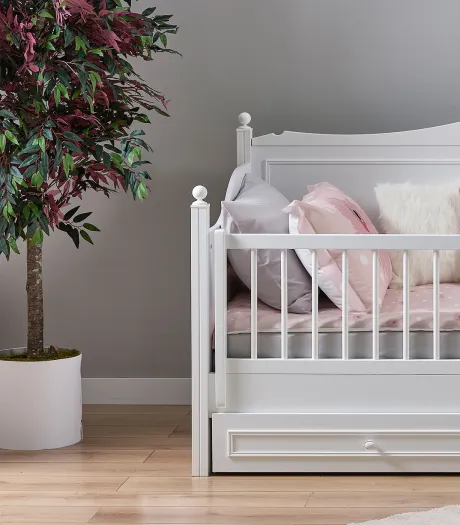







The home is the safest harbor we retreat to in order to escape the chaos of the outside world; and the most private and intimate part of this harbor is undoubtedly the bedroom. This space, where we shed the fatigue of the day, recharge our energy, and prepare for a new day, carries meanings far beyond just being a room for sleeping.
The design of this space, which directly affects our physical and mental health, is one of the fundamental factors that determine our quality of life. Therefore, bedroom decoration is not merely about placing furniture—it is an art form in which personal comfort and tranquility are carefully woven into every detail.
What Makes an Ideal Bedroom?
Before starting to decorate a room, it is essential to accurately analyze its potential and limitations. To achieve a successful result, a roadmap based on functionality and ergonomics should be drawn before aesthetic considerations. The architectural structure of the room, the angle of natural light, and its dimensions form the skeleton of the design.
The key steps and planning strategies to consider during this process are as follows:
Measuring the exact dimensions of the room before selecting furniture is crucial to choose pieces that do not restrict movement. A large bed may be comfortable, but if it leaves no space to walk, it can create discomfort.
The movement flow from the entrance to the bed, and from the wardrobe to the bathroom, should be unobstructed. Properly planning this flow ensures practicality in daily use.
Typically, the wall behind the bed serves as the focal point. Designing around this center prevents visual clutter and provides a balanced appearance.
Will this room be used solely for sleeping, or also for reading or working? Identifying your needs is the first step in creating a proper bedroom plan.

Prominent Trends in Bedroom Design
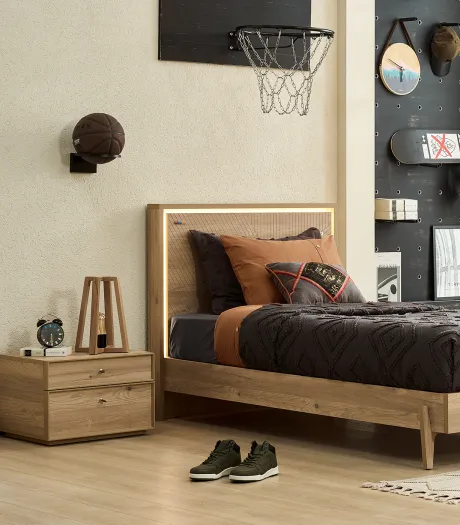
Decoration trends for 2025 and beyond are centered on a return to nature and the quiet integration of technology. Materials derived from sustainable sources that appeal to the sense of touch, avoiding artificiality, are the main players in modern bedroom design. Particularly, raw woods, bamboo accents, linen, and breathable textiles like organic cotton soften the energy of the space.
The design approaches that stand out in this new era are:
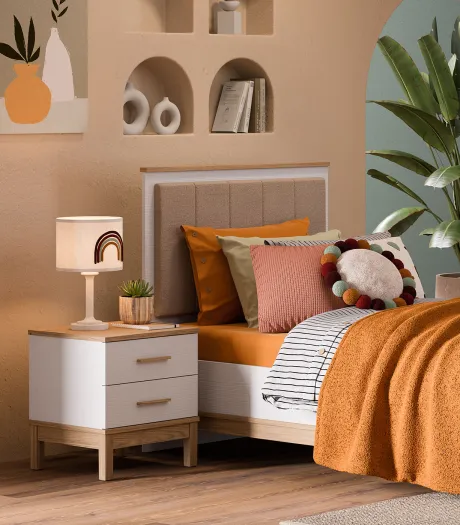
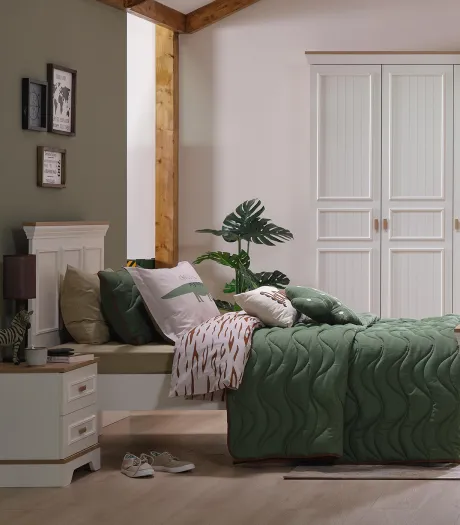
Biophilic Design: The idea of bringing nature indoors is gaining momentum. Not only through plants, but also by using earthy tones, terracotta shades, and natural stone textures, the serenity of nature is reflected in bedrooms.
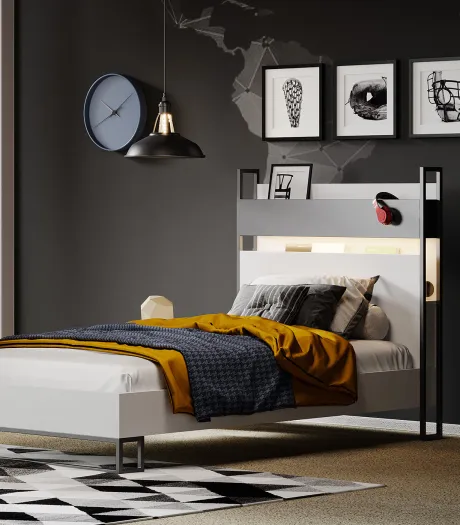
Smart Comfort: Systems that enhance comfort without being overtly technological are becoming popular. Voice-controlled blinds, lighting that adjusts according to your biological clock, and charging units hidden in headboards are becoming essentials in modern bedroom design.
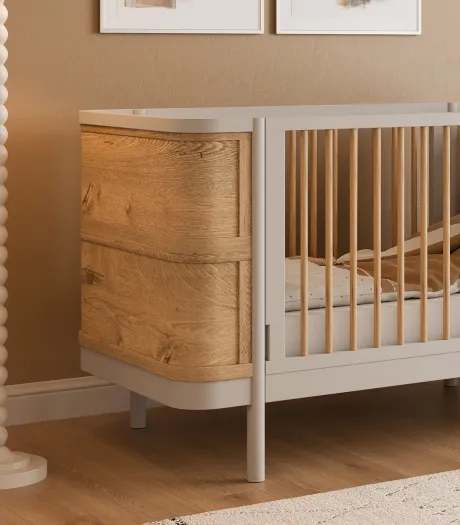
Soft Geometry: Sharp-edged furniture is being replaced by more rounded, oval, and flowing forms. These shapes break the harsh energy in a room, creating a more inviting ambiance.
Color Selection in Bedroom Design
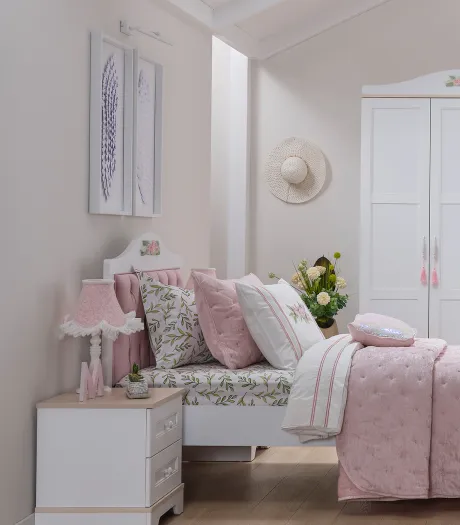
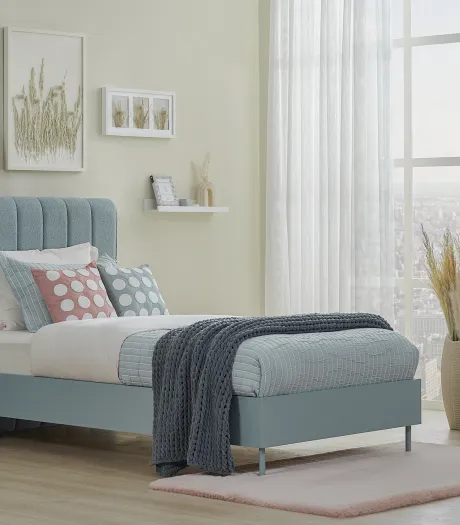
The strongest factor determining a bedroom’s atmosphere is the color palette. Colors have the psychological power to influence our moods. Recently, monochromatic approaches and neutral tones have become popular for their calming effect. For those who appreciate simplicity and spaciousness, a white bedroom is a timeless and safe choice. Combining white with cream and beige tones creates a warm, serene "cloud-like" effect rather than a sterile, clinical feel.
When arranging furniture, it is important to act strategically according to the shape of the room. Square, rectangular, or L-shaped rooms each require a different placement logic. To maximize the room’s potential, various bedroom layout options can be tested. For instance, placing the bed opposite a window to wake up with a view, or using diagonal placements to create a sense of depth in the space, can be effective.

Fine-Tuning Bed and Textile Choices
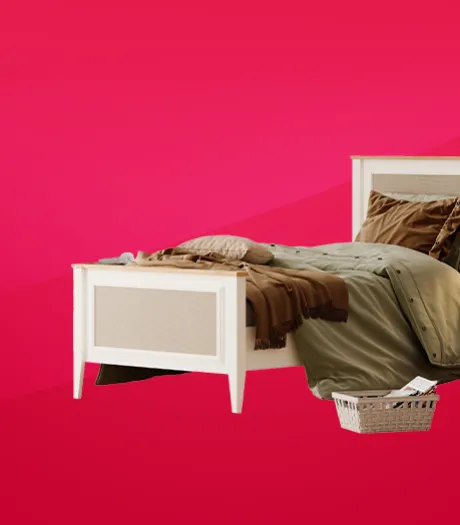
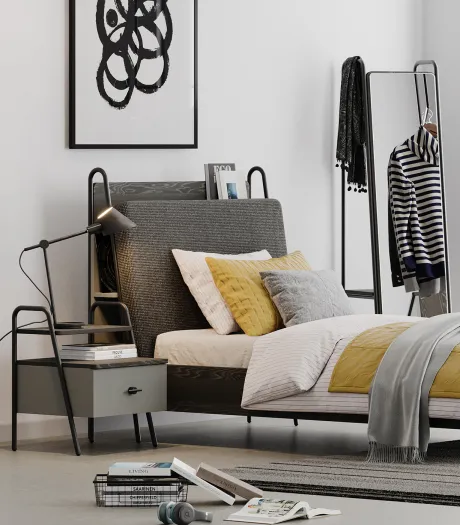
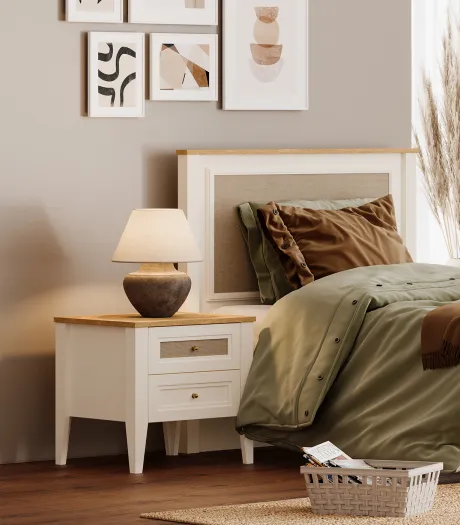
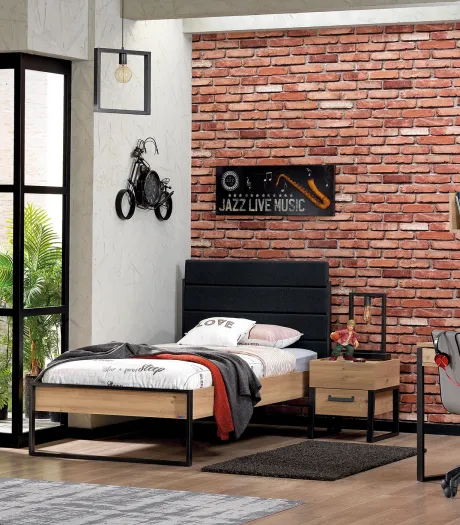
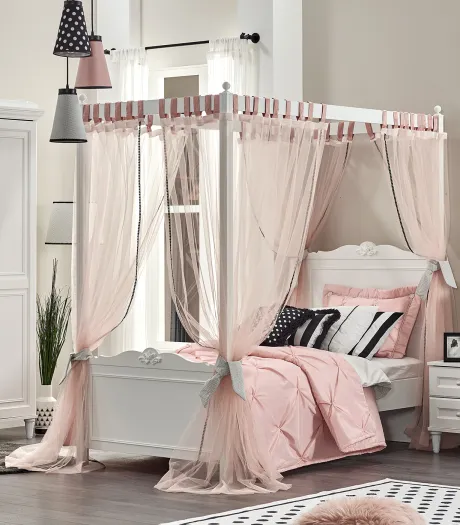
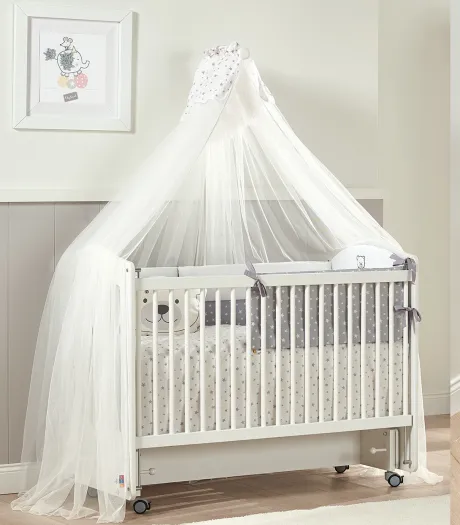
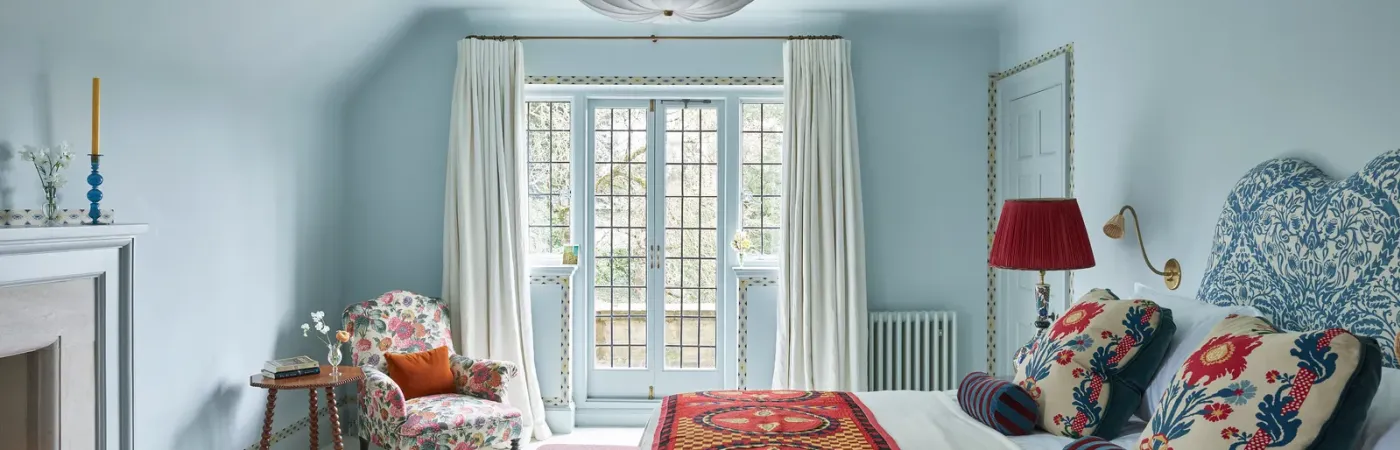
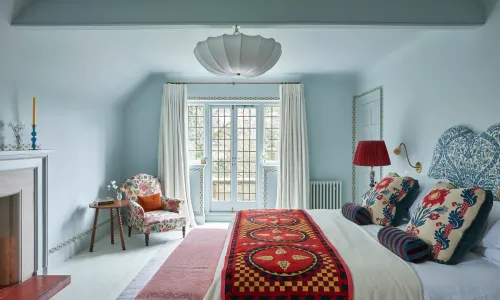
The undisputed star of the bedroom is the bed. However, the bed should be considered not just as a piece of furniture but as an island of comfort. The headboard or storage bed headboard is the most powerful design element that defines the character of the room. Large velvet-upholstered headboards add a luxurious touch, while wood and rattan details create a bohemian style. Layered textiles are essential for proper bed decoration. Pillows, bedspreads, and throws in different textures make the bed look inviting.
Custom-made furniture or designer signature pieces distinguish your room from standard designs. Storage beds provide extra space, while beds with legs create a sense of openness. Personalized bedroom designs fully adapt to the user’s lifestyle and enhance the functionality of the space.
Solutions for Small and Large Spaces
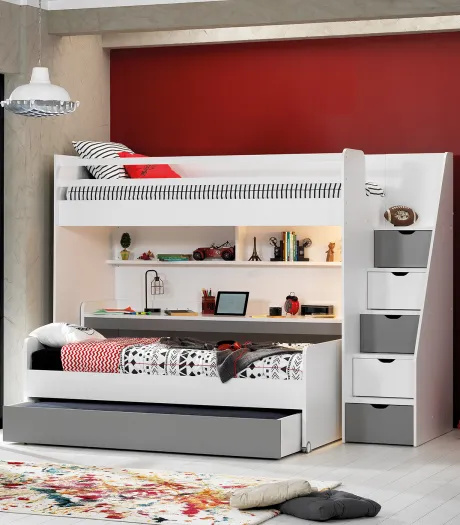
Not every bedroom has a large area, but with the right touches, even the smallest spaces can be transformed into a spacious retreat. In small rooms, the goal is to provide functionality without overcrowding. High-legged furniture, light-colored walls, and mirrored wardrobe doors create the illusion of a larger space. Creative bedroom decoration ideas come into play here; for instance, wall-mounted nightstands or built-in closet systems free up floor space and create a feeling of openness.
In large rooms, the biggest risk is that the space may feel cold and empty. To manage large areas, the "zoning" technique is used. Creating a reading corner, a vanity area, or a dressing section outside the sleeping zone increases warmth. There are countless bedroom ideas for such spacious areas; a pouf in the center of the room or a bench at the foot of the bed can break the sense of emptiness and enrich the décor.

Bedroom Accessories and Lighting
Once the furniture is in place, the stage that gives the room its soul is the selection of accessories and lighting. For a bedroom to feel fully decorated, it needs personal touches. However, the principle of "less is more" should be applied. Too many objects can clutter the space and make it harder to relax and fall asleep. Therefore, bedroom decorations should be both aesthetically pleasing and calming.
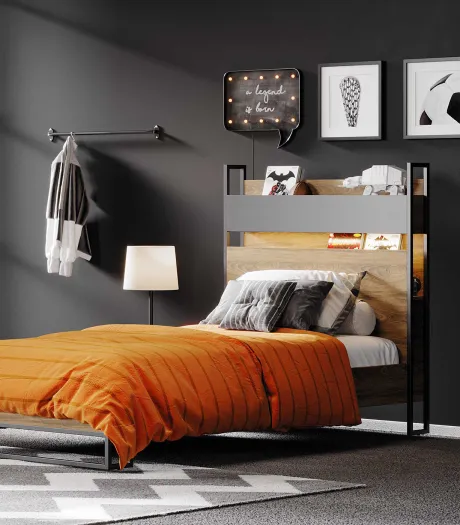
Lighting is a magical wand that can instantly change the atmosphere of a bedroom. Instead of a single ceiling light, using light sources at different levels creates depth. Bedside lamps, reading lights, or in-cabinet lighting enhance the room’s functionality. These technical details are among the most critical but often last-considered parts of bedroom design. Using dimmer switches allows you to adjust light intensity according to the time of day, creating a romantic or serene ambiance as desired.
Accessories that can add character to the space include large-leafed plants, decorative baskets, elegant jewelry boxes, and scented candles. These items engage the senses and elevate the energy of the room.
How Should Bedroom Walls Be?
Another element that completes the overall feel of the room is wall and floor decoration. Empty walls can make the space feel cold, while overly cluttered walls can create a cramped feeling. For a balanced bedroom décor, artwork, minimalist paintings, or textured wallpapers can be used on the walls. On the floors, soft rugs or faux furs that feel warm underfoot enhance comfort.
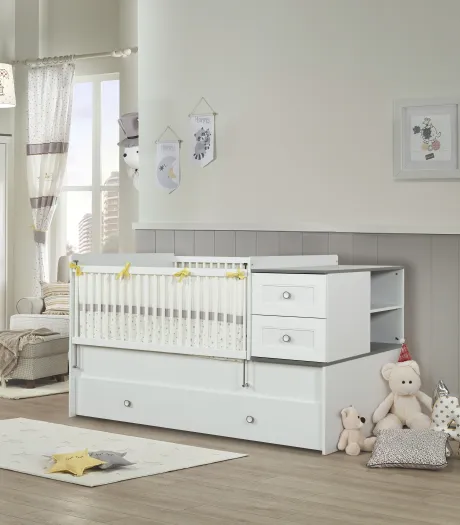
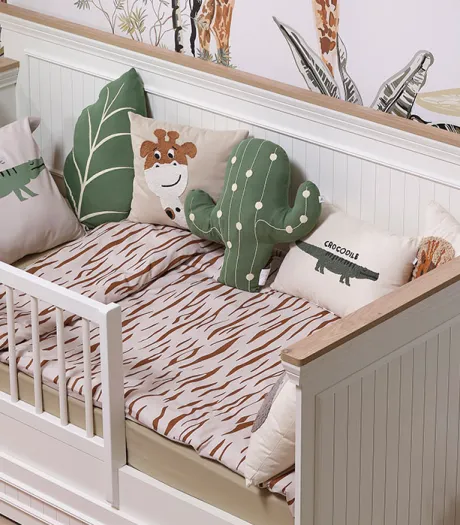
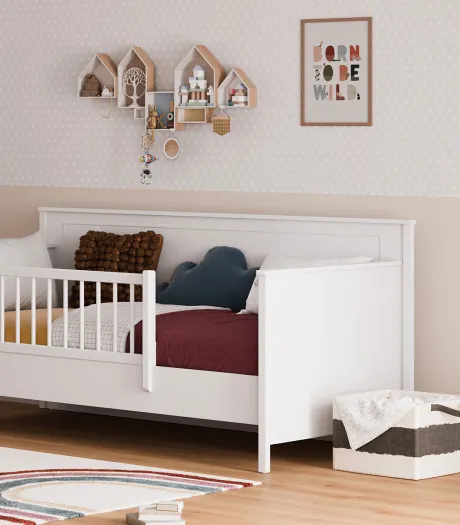
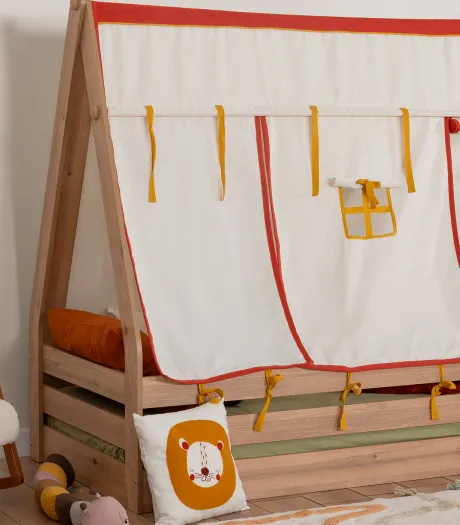
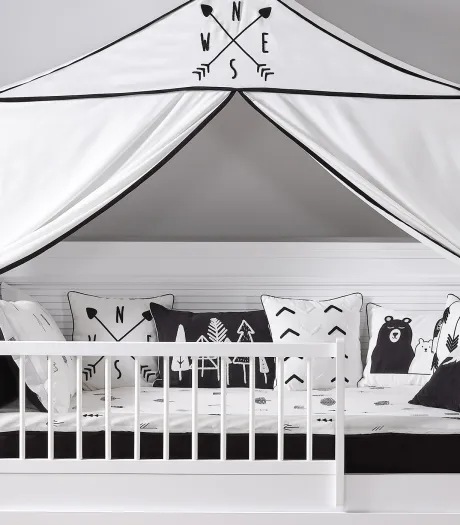
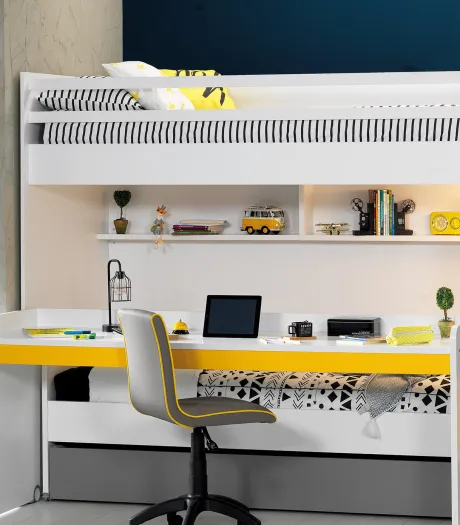
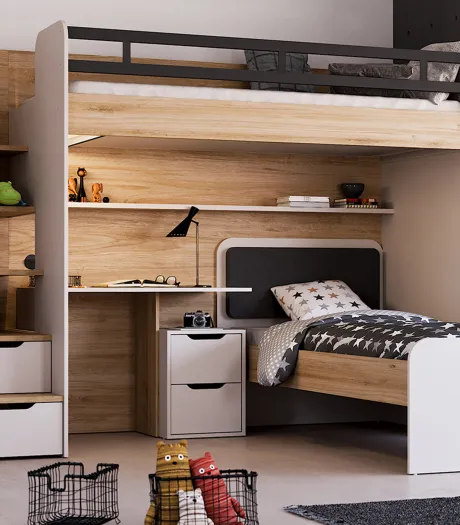
Functionality should not be overlooked when decorating walls. Decorative shelves provide both display space and storage. Mirrors, macramé wall hangings, or stylish frames can add depth and serve as bedroom wall accessories. Ensuring that these pieces harmonize with the headboard and other furniture maintains visual coherence. Additionally, Almila smart furniture can add style and comfort to children’s and teens’ bedrooms.
You Might Also Like→ Wall Decoration Ideas