







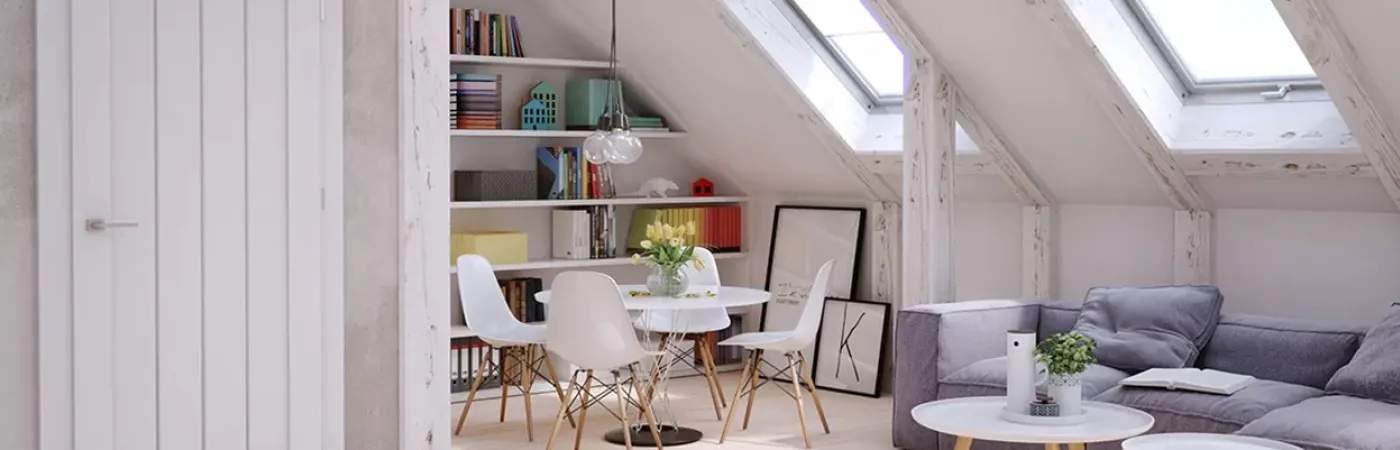
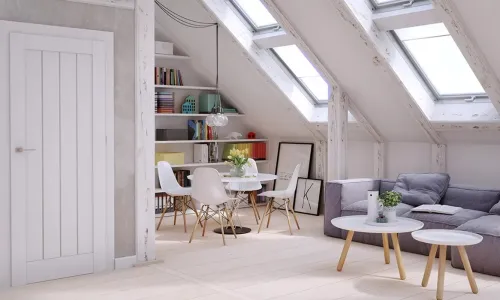
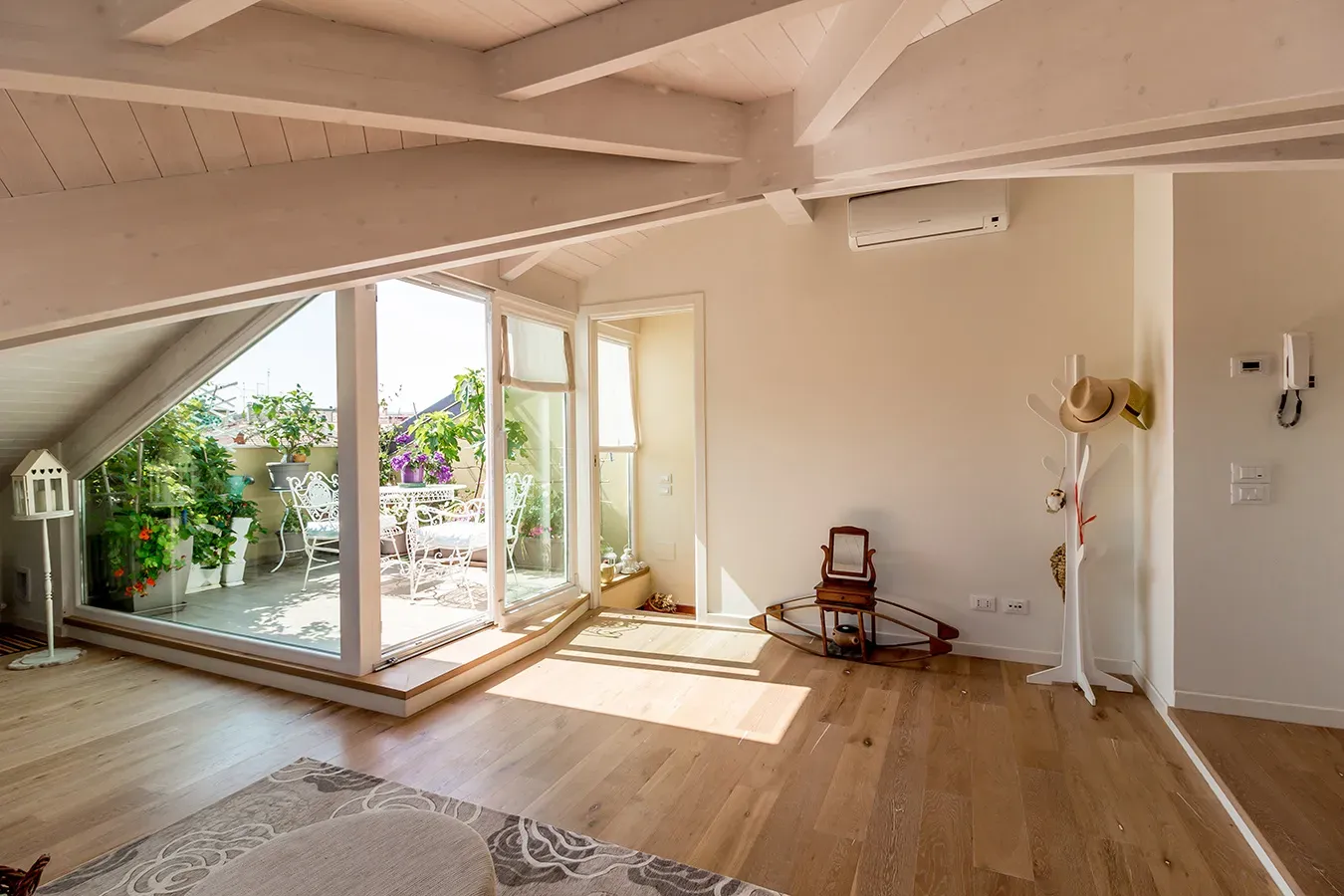
Attics are one of the most special yet often overlooked areas of our homes. Usually used as storage spaces, these areas can be transformed into extremely stylish, warm, and functional living spaces with the right decoration ideas. With their sloped ceilings, windows that let in natural light, and unique architectural details, attics offer a much more characterful atmosphere than other parts of the house.
With a little imagination, proper material selection, and the right lighting, it is possible to turn your attic into a completely different space. You can transform this area into a peaceful bedroom, a colorful children’s playroom, a quiet home office, or a comfortable guest room. A well-planned decoration will turn the attic into the most enjoyable corner of your home.
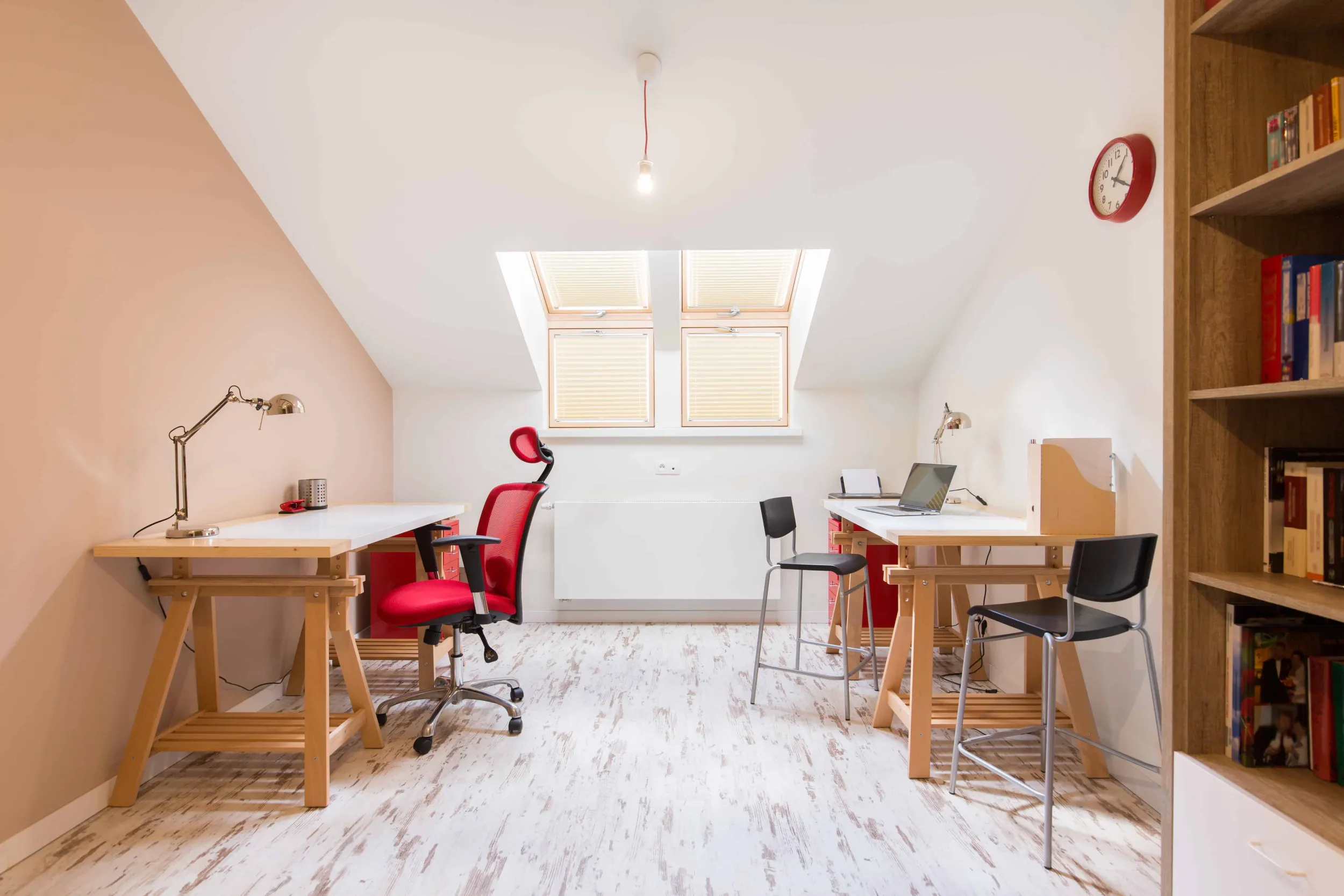
Things to Consider Before Starting an Attic Conversion
Before transforming an attic into a living space, it is crucial to thoroughly analyze its current condition. Since attics are often not designed as living areas, there may be deficiencies in insulation, ventilation, and natural lighting. Therefore, before starting the conversion process, it is important to consider several technical and aesthetic factors.
Thermal Insulation: One of the most common issues in attics is heat loss. By installing effective insulation, you can ensure energy efficiency and create a comfortable environment during seasonal transitions. Proper insulation helps keep warm air inside during winter and prevents excess heat from entering during summer.
Natural Lighting: Attics often have limited window openings. To make the space appear brighter and more spacious, roof windows or skylights can be preferred. These solutions bring natural light into the room, save energy throughout the day, and contribute to a more open and airy feel.
Ventilation: Proper ventilation is essential to prevent moisture and dampness. Ensuring airflow is especially important for protecting wooden structural elements. Appropriate ventilation systems should be installed, or window placements should be planned accordingly.
Ceiling Height and Space Planning: The sloped structure of attics is an important factor for furniture arrangement. Higher ceiling areas can be used as main living zones, while lower sections can serve as storage, seating areas, or bookshelves. This way, the space becomes both functional and aesthetically pleasing.
Flooring and Material Selection: Choosing lightweight yet durable flooring materials is important for both safety and ease of use. Wood, laminate, or vinyl coverings provide a warm appearance while also contributing to sound insulation.
With proper planning, quality material selection, and careful application, you can transform your attic not only into a usable space but also into one of the most enjoyable and aesthetically appealing corners of your home.
Decorative Design Ideas for Attic Spaces
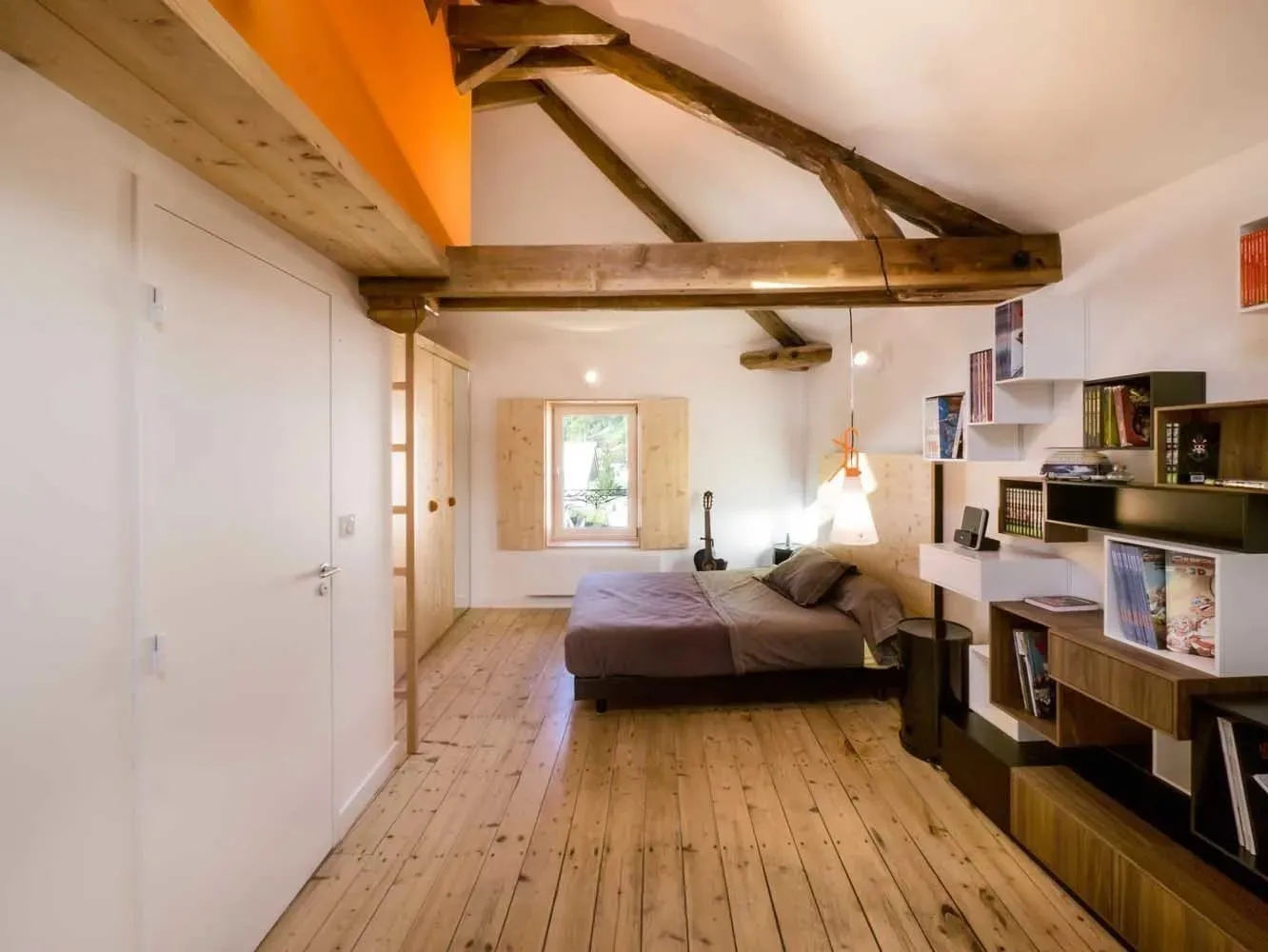
One of the most enjoyable aspects of decorating an attic is the freedom to reflect your personal style and aesthetic preferences onto the space. With their sloped ceilings, windows that bring in natural light, and unique architectural details, attics offer a more characterful and warm atmosphere compared to other living areas. When choosing decoration ideas, both the intended purpose of the space and its natural light and volume advantages should be considered. By focusing on minimalism, rustic textures, and natural light, attics can be transformed into both aesthetic and functional living areas.
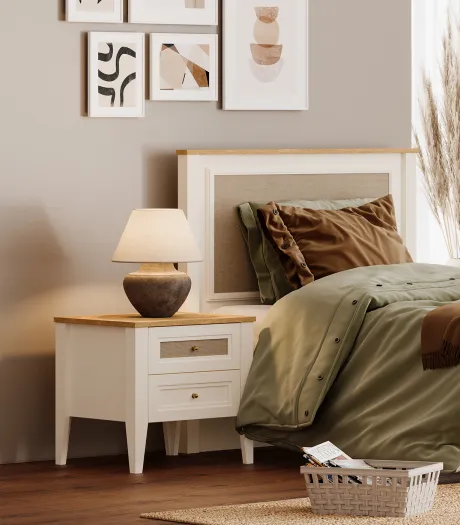
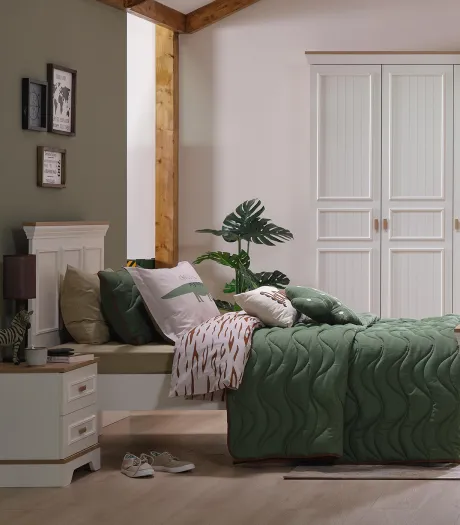
Rustic Style: A natural atmosphere can be created using wooden floors, stone wall coverings, and warm tones. In rustic design, vintage furniture, natural fabrics, and organic accessories help create a cozy and inviting attic environment.
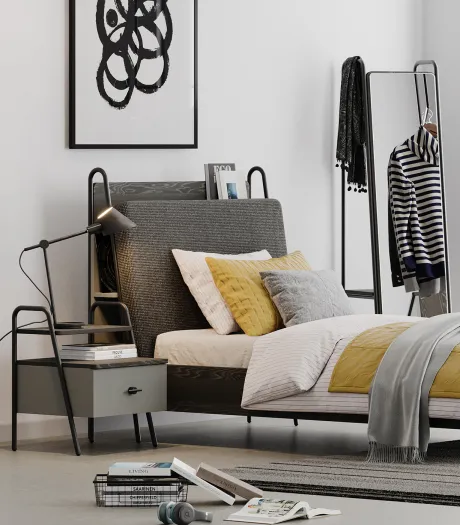
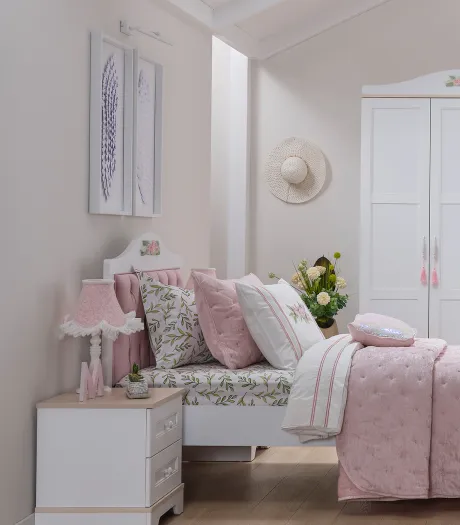
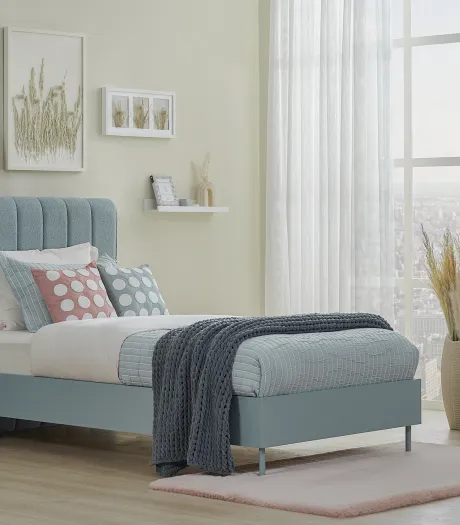
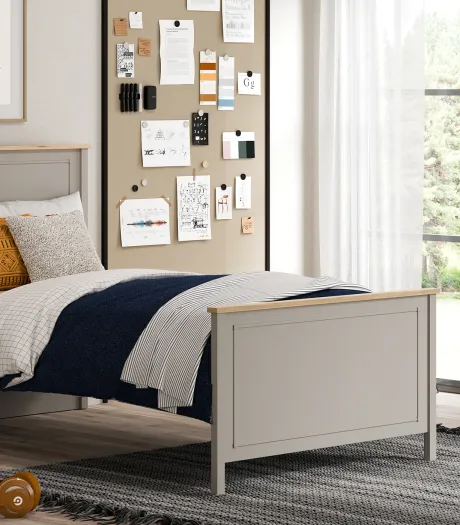
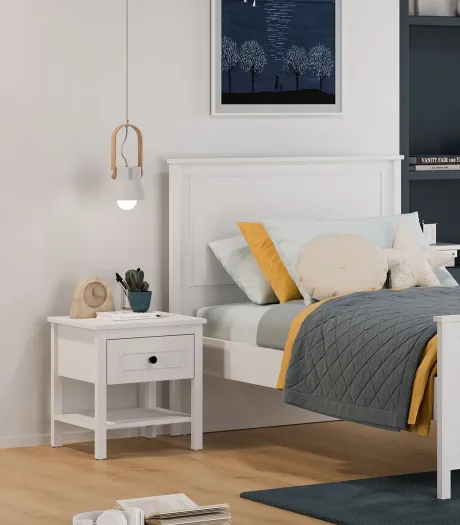
Modern Style: With simple furniture in white, gray, or pastel tones and minimalist accessories, a spacious and airy look can be achieved. The modern style is especially ideal for small attic spaces, making them appear larger and more open. Light-colored floors and walls enhance the reflection of natural light.
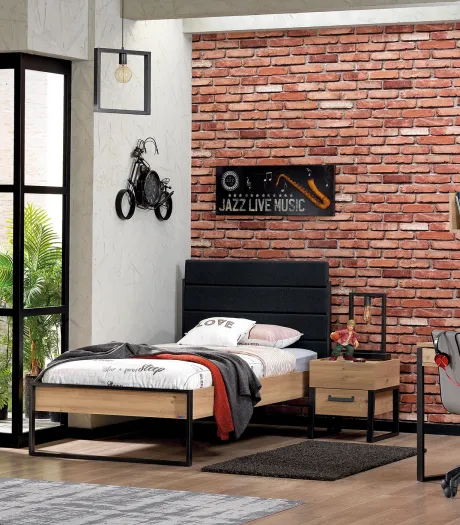
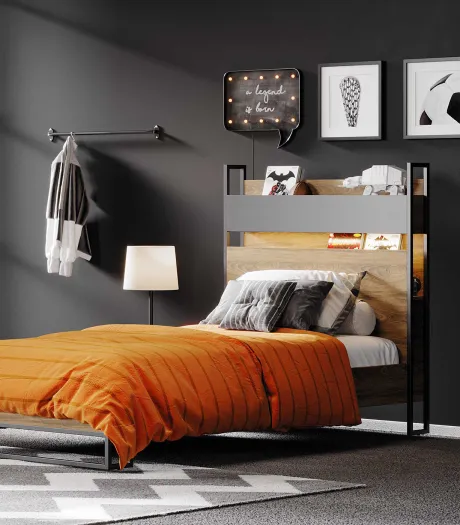
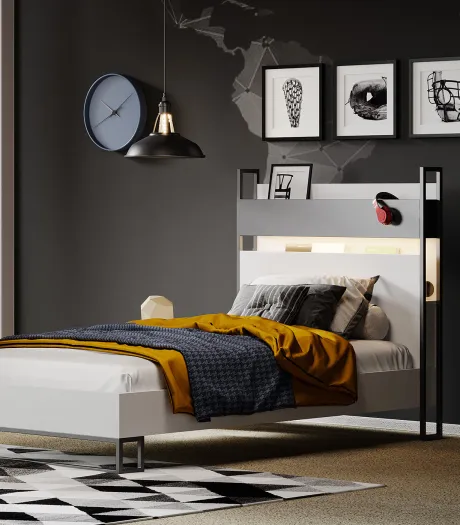
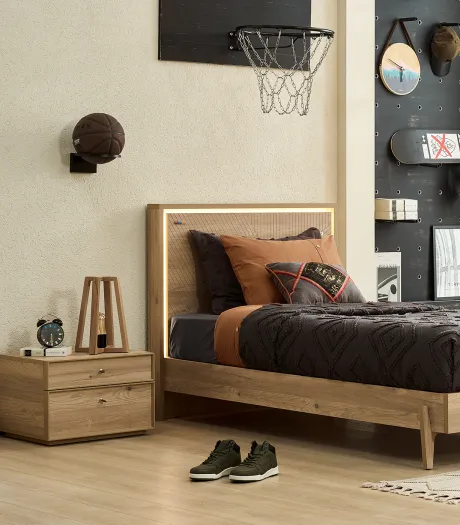
Industrial Style: Brick or concrete-looking walls, metal details, and matte black accessories give the attic a modern and strong appearance. Industrial décor is especially suitable for loft-style attics, bringing out the character of the space.
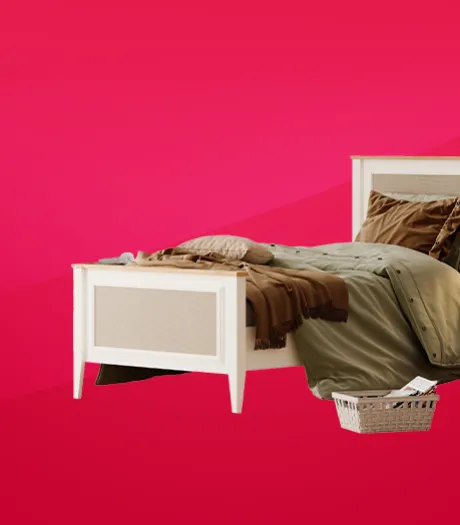
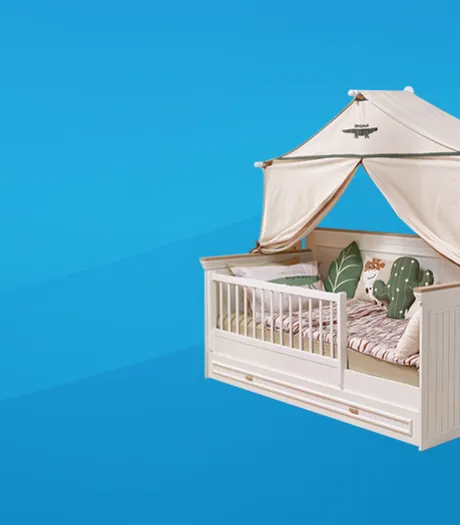
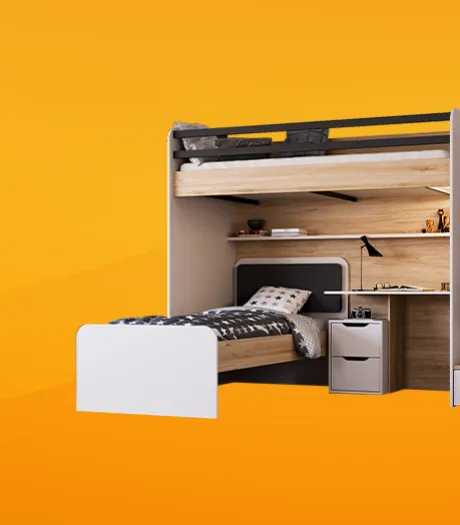
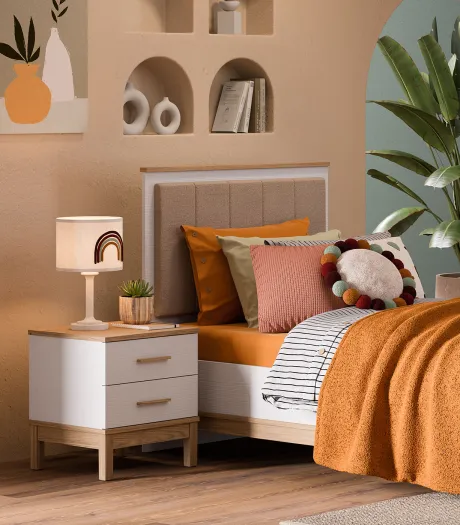
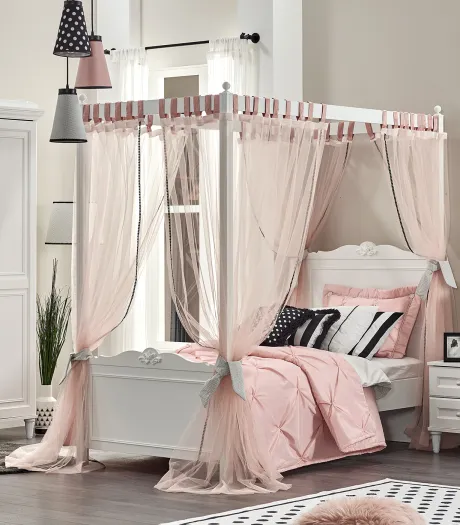
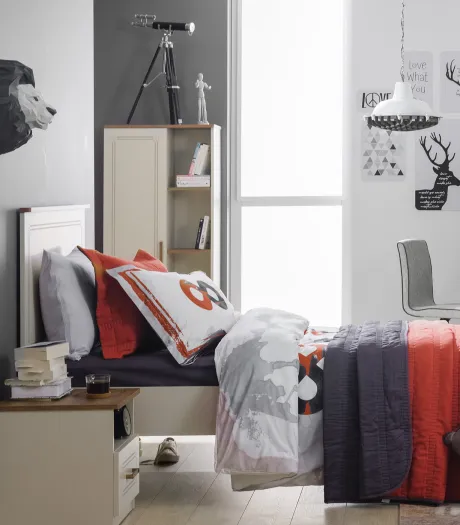
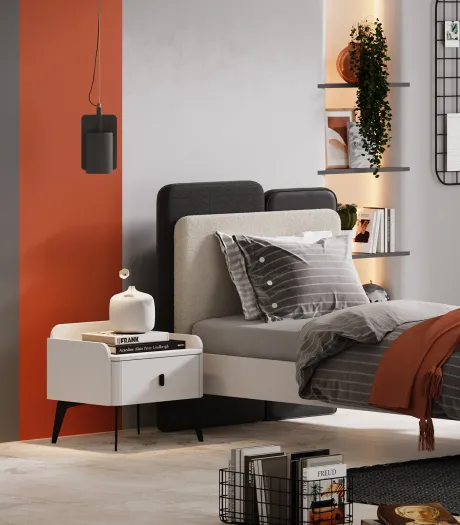
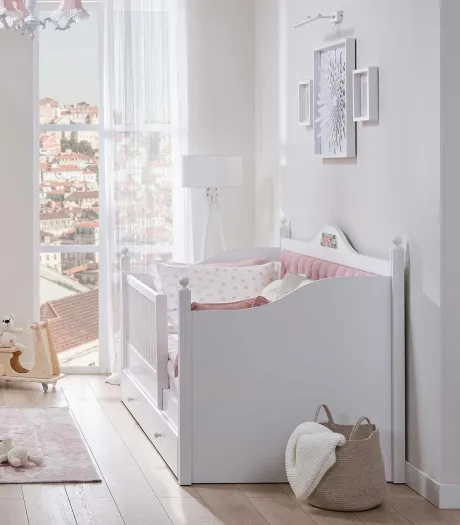
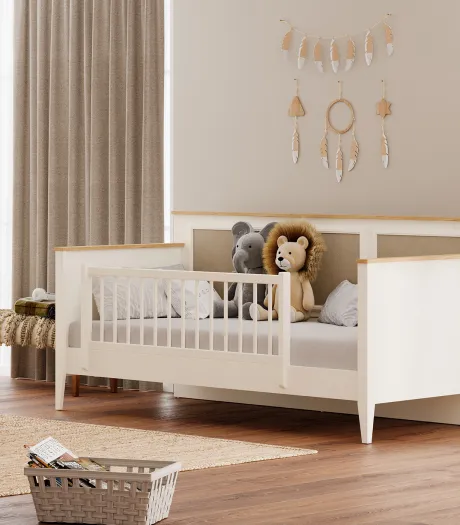
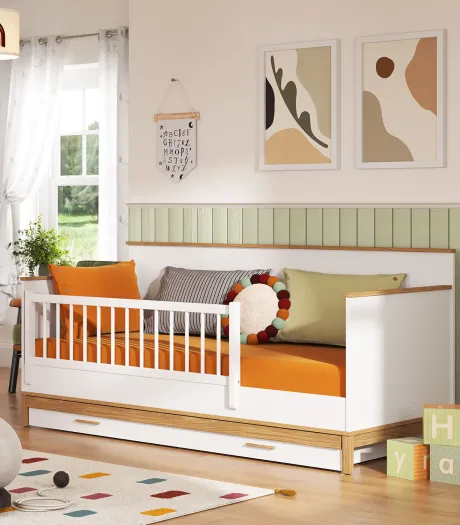
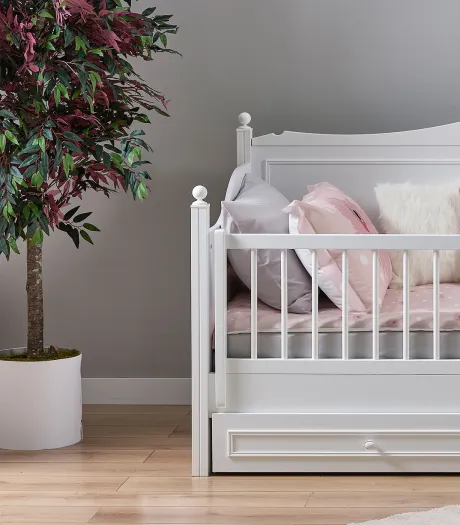
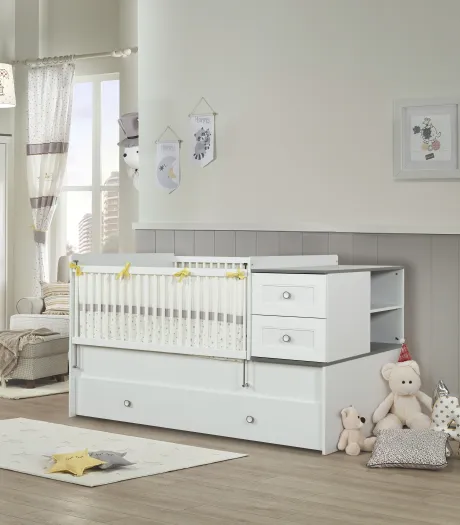
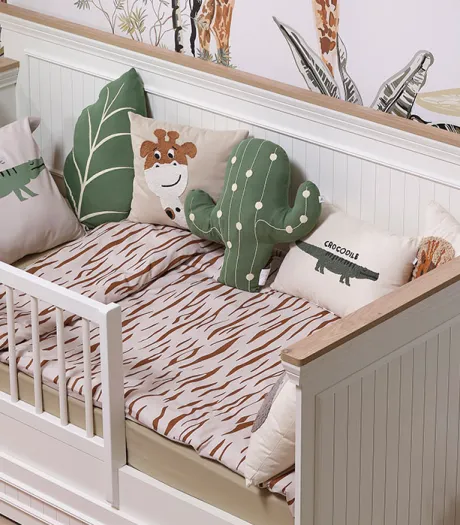
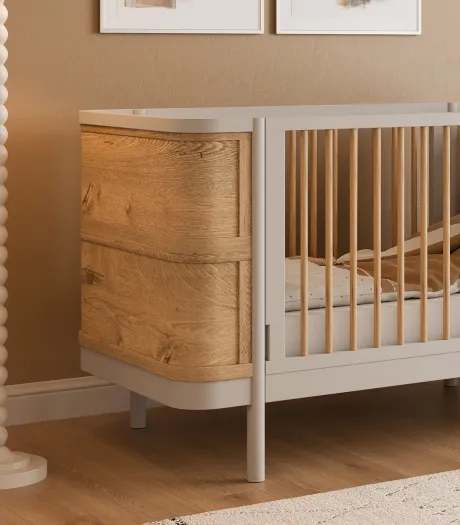
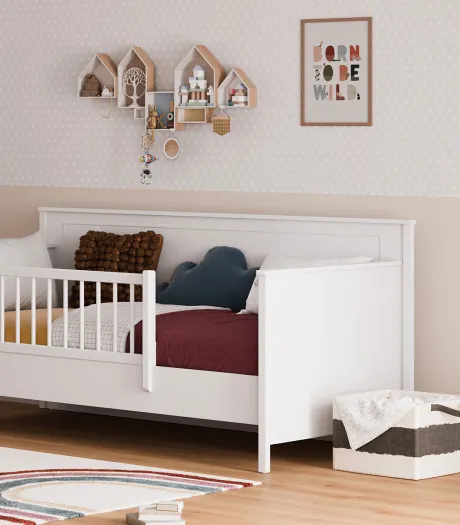
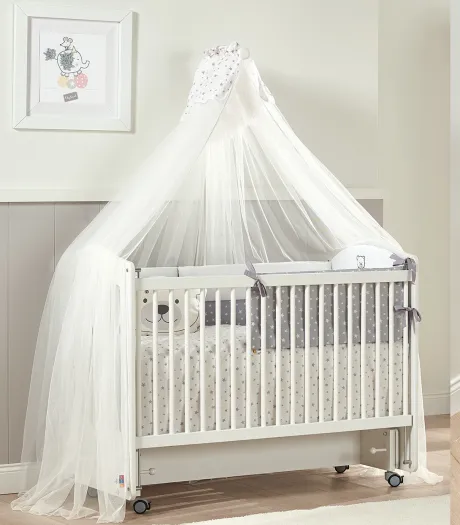
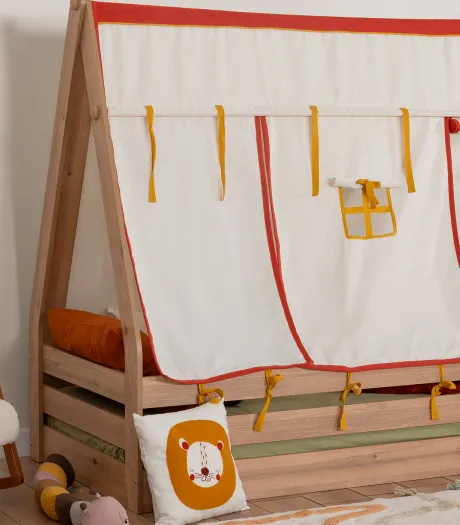
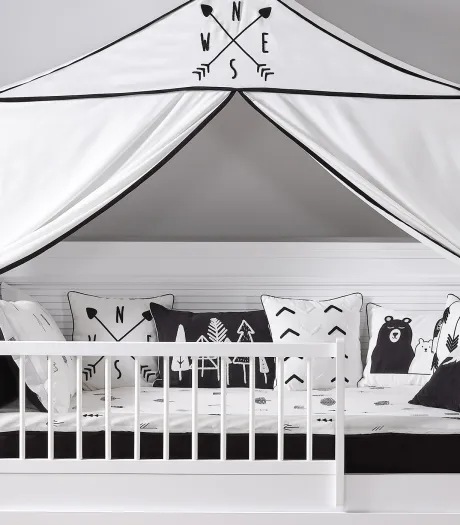
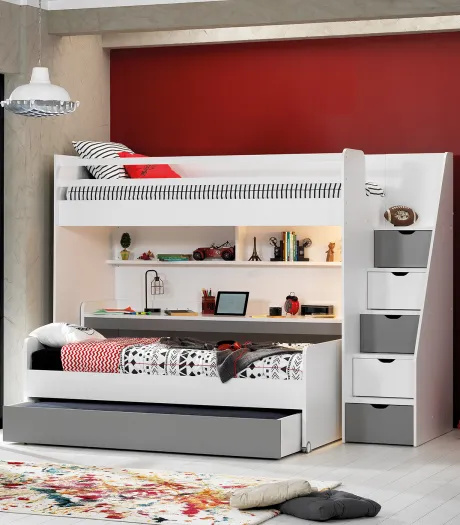
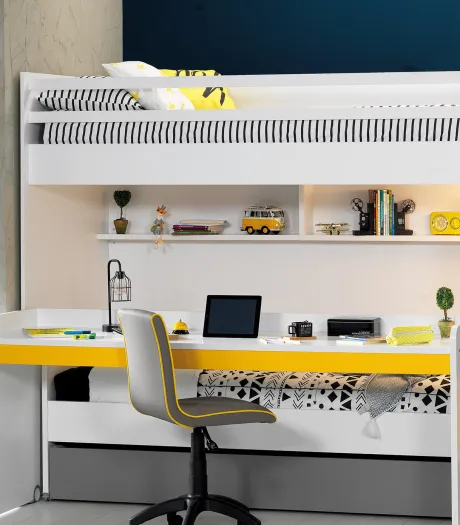
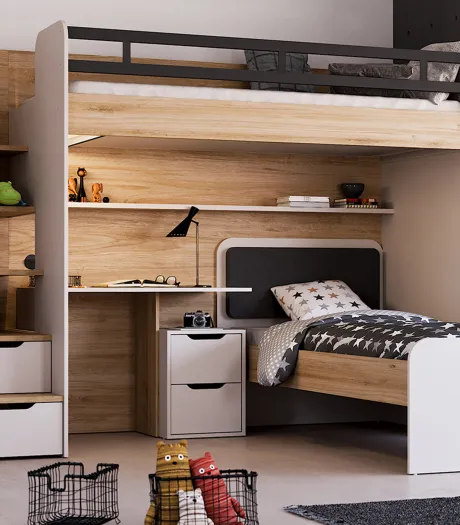
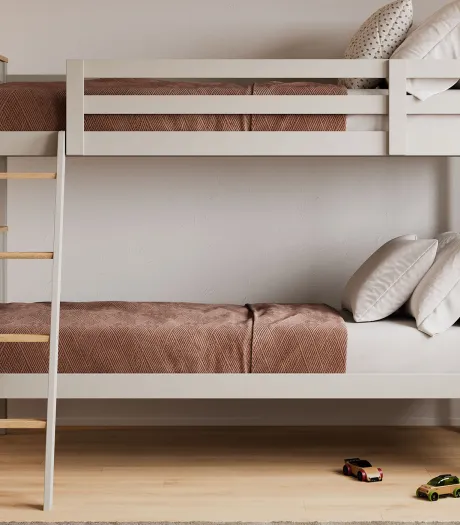
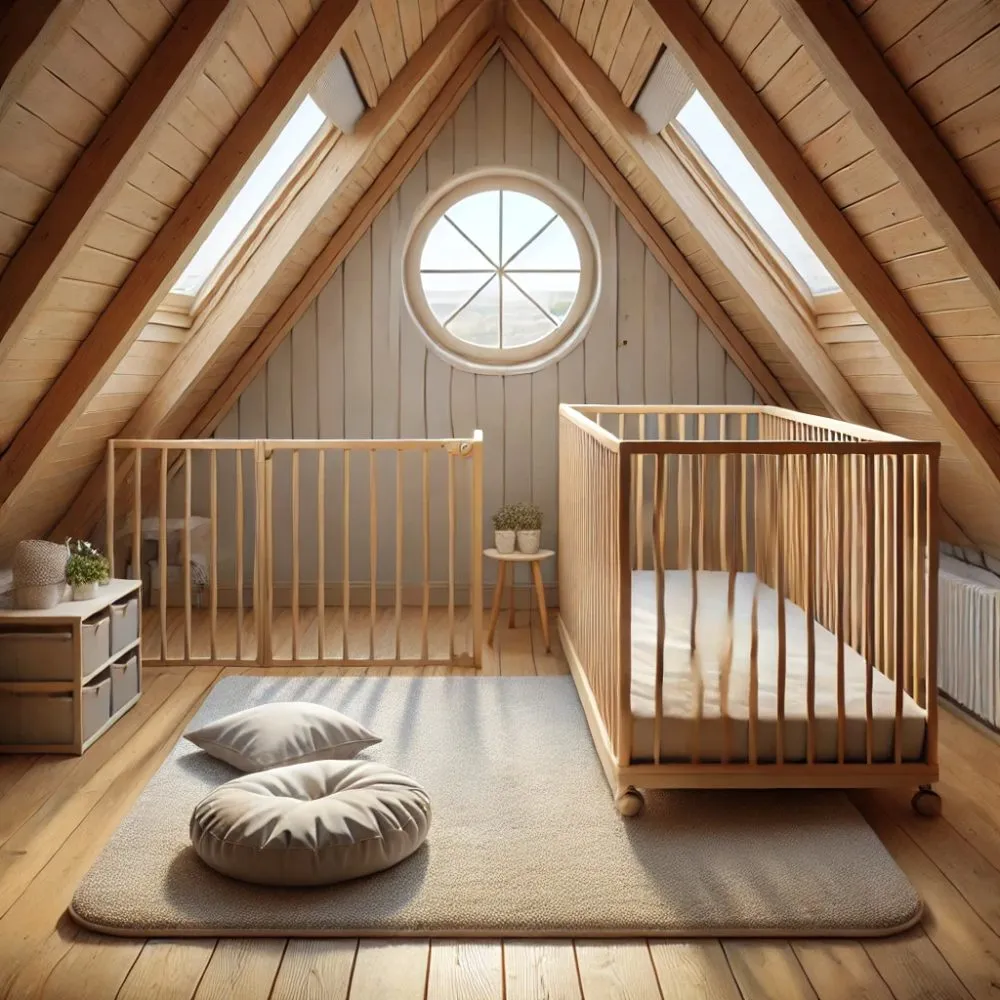
Children’s and Teen Rooms: If you plan to use the attic as a children’s or teen room, you can create a dynamic atmosphere with colorful furniture, fun wallpapers, and creative play areas. Light-colored floors and soft-textured rugs make the space both safe and lively.
In children’s and teen rooms, you can create a vibrant atmosphere with colorful furniture, fun wallpapers, and playful spaces.

Functional Arrangements for Attic Rooms
The height of your attic may not be uniform throughout the space. Although this may seem like a disadvantage, with proper planning it can be turned into an advantage. When designing attic rooms:
Make use of the areas under the sloped ceiling as seating corners or bookshelves.
Install drawer or cabinet systems in the lower sections.
Position large furniture such as beds or seating groups in the higher ceiling areas.
In this way, you can prevent space loss while achieving an aesthetic appearance.
Gain Space with Attic Closet Solutions
Due to their sloped ceiling structure, placing wardrobes in attic rooms is often challenging. However, custom-made attic closet solutions can eliminate this problem.
Built-in closets: Can be designed with custom measurements for sloped areas.
Sliding-door systems: Provide space-saving advantages in narrow areas.
Corner closets: Fit perfectly into the lowest points of the ceiling.
These solutions not only create a tidy appearance but also make the attic much more functional.
Color and Light Balance in Attic Interior Design
One of the most important elements that defines the atmosphere of an attic is color. In attic interior design, light tones make the space appear more spacious and airy.
You may use white, cream, beige, or light gray tones on the walls.
For dim areas, choose strong lighting elements or LED light strips.
Skylights are ideal for making the most of natural daylight.
The intended use of the space is also important when choosing colors. For example, pastel tones provide an energetic look for teen rooms, while warm beige and brown tones create a peaceful atmosphere in relaxation areas.
Curtain and Lighting Suggestions for Attic Spaces
Curtain models specially designed for sloped windows in attics offer both decorative and functional solutions.
Roller blinds: Ideal thanks to their neat appearance and ease of use.
Linen fabrics: Add a natural texture to the environment.
Blackout curtains: Block excessive sunlight on bright days to provide comfort.
When choosing curtains, the overall decoration style of the room and color harmony should be taken into consideration. Additionally, instead of ceiling lights, you can create a warmer atmosphere by using pendant lamps or table lamps.
Achieve a Stylish Look with Modern Roof Designs
Choosing roof designs that suit your home’s architecture helps define the overall mood of your décor. Especially half-roof models offer both aesthetic and economic advantages.
If you want a modern roof design, you can achieve a clean look with metal coatings or wooden textures. Moreover, using light-colored roof decoration details helps make the space feel larger.
At this stage, it is important to choose from attic house models the one that best suits your style. Whether you prefer a rustic or minimal look, with the right material and color combinations you can transform your attic into a unique living space.
With proper planning and design, attics can turn into the most special corner of the home. Whether it becomes a living room, a teen room, or a workspace, small details can create big differences.
When good lighting, correct color usage, functional furniture and personal touches come together, your attic becomes not just a living area but also the most inspiring part of your home.
You May Also Like → Natural Gas Pipe Concealing Methods