












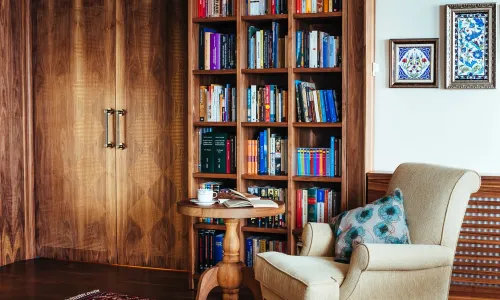
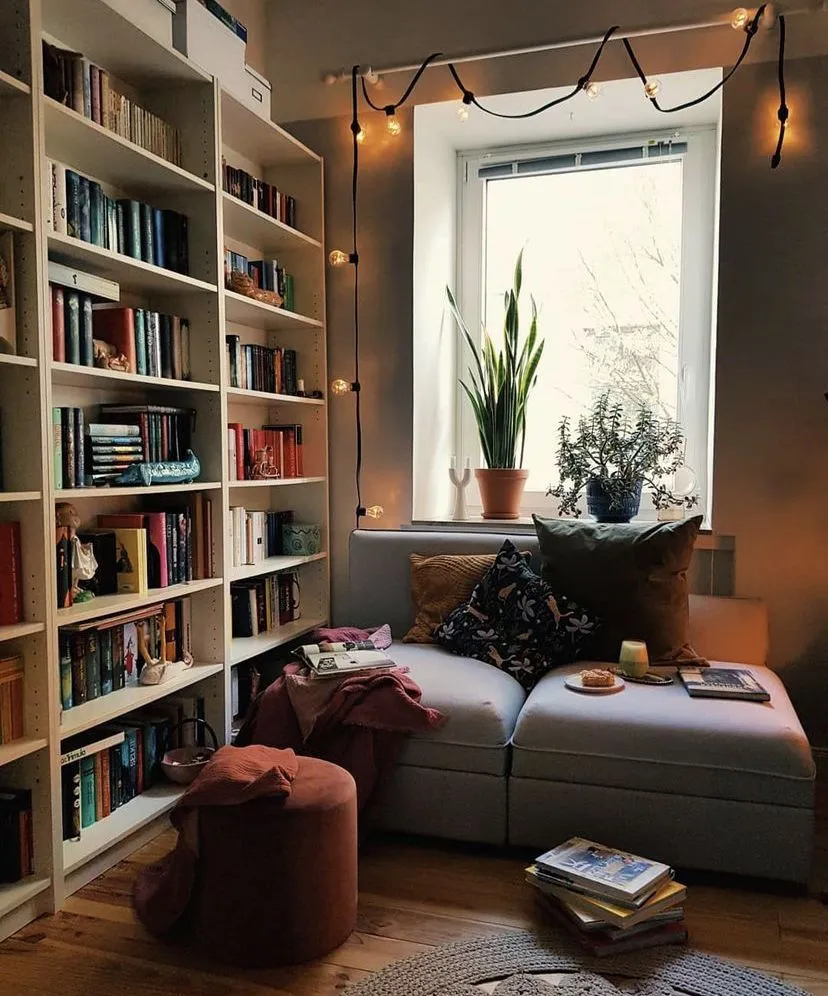
Creating special areas for personal interests in home decoration is an important element that increases the quality of life and diversifies the functionality of the space. Especially the need to take a mental break amidst intense daily routines has made the design of quieter and more isolated areas within the residence mandatory. A book reading corner is a special area that both increases the aesthetic value of a home and prepares a physical ground for the individual's intellectual development. The design of a reading corner covers not only a visual arrangement but also a planning process focused on ergonomics, light management, and comfort. With the right planning, even the most idle corner of the house can be transformed into a productive library corner.
When designing a book reading room or special corners in modern interior designs, solutions that are compatible with the general atmosphere of the space but offer a serenity within themselves are preferred. These areas, shaped in line with user preferences, can sometimes be a window side of a living room or a quiet section of a bedroom. Every piece selected during the decoration process directly affects the duration and quality of the reading activity. For this reason, there are many points to consider when creating a reading corner at home, from furniture selection to lighting, and from textile products to the use of accessories.
Choose a Comfortable Armchair
The heart of the reading corner is the armchair. The success of a reading area is measured by how long the user can spend time in that area without discomfort. At this point, choosing an ergonomic wing chair (berjère) that supports the body at the right points constitutes the most critical stage. Armchairs that provide lumbar and neck support, with armrest heights suitable for the book-holding position, minimize physical fatigue during long reading sessions. The hardness of the filling material used in single armchairs should be balanced enough to prevent the user from sinking in while offering a soft touch.
To take comfort to the next level, the use of a pouf compatible with the wing chair is frequently recommended. A pouf where feet can be extended relaxes blood circulation and allows the body to loosen up completely. Additionally, depending on the width of the space, choosing a rocking chair soft enough to sink into helps create a relaxing atmosphere. The fabric structure of the armchair and pouf duo is also important; textile surfaces that do not cause perspiration and evoke a sense of touch should be preferred.
Choose the Right Lighting
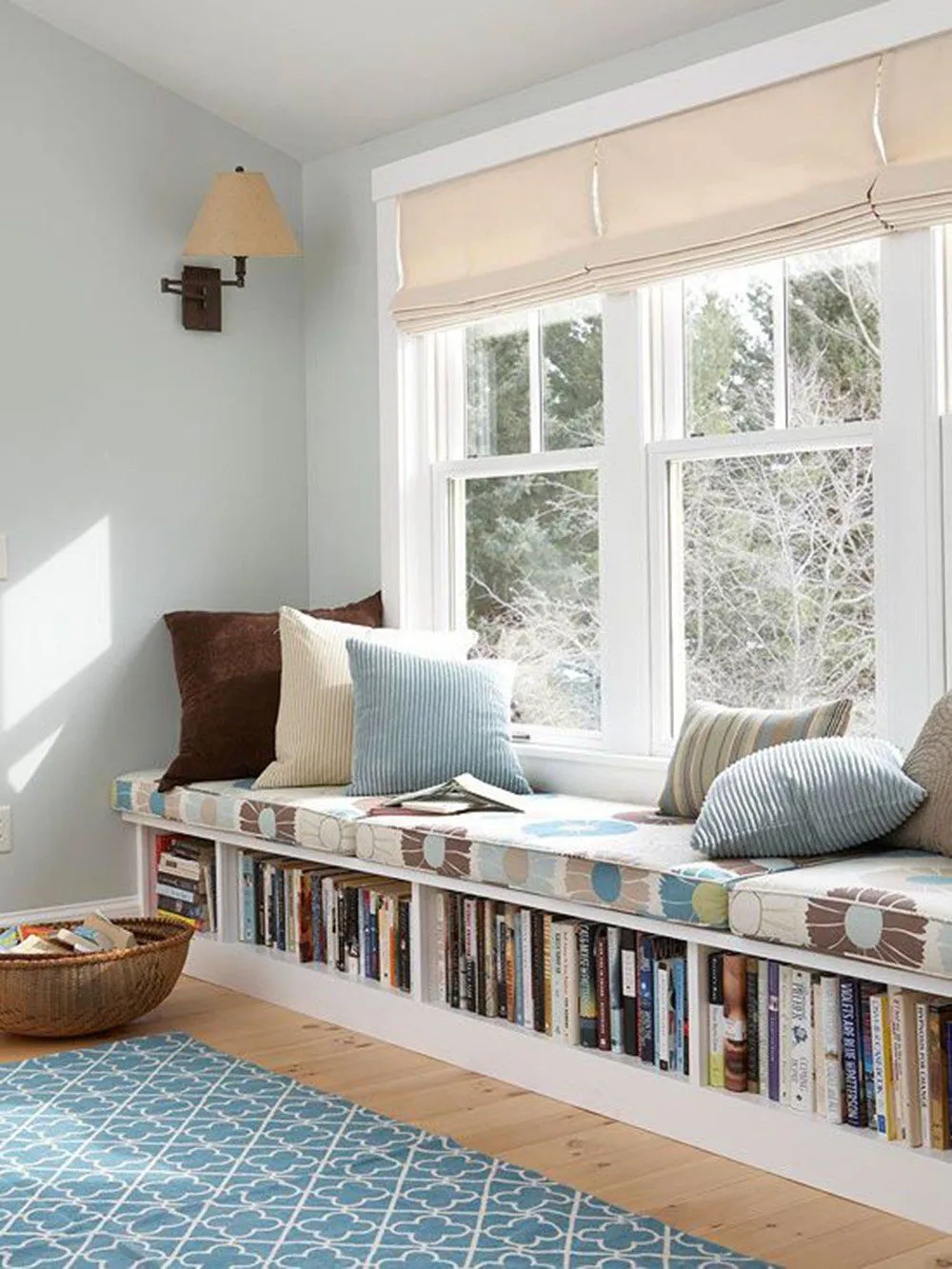
Lighting is the most important technical component of the reading activity. Incorrect or insufficient use of light can lead to eye strain, headaches, and a decrease in reading motivation. Therefore, a layered light plan should be created instead of a single central lighting unit when designing a reading corner. To prevent eye fatigue, a tall floor lamp with an adjustable light angle is one of the most effective solutions. The light of the floor lamp should be positioned so that it falls directly onto the page, but its intensity should be kept at a level that does not tire the eyes. If space is limited, a stylish wall-mounted light can also be considered as a space-saving alternative that provides focused light.
Utilizing natural light increases reading efficiency during daylight hours. For this reason, positioning the corner by a window is always the best idea. Daylight coming through the window minimizes reflections on the page and keeps the mind more alert. In the evenings, warm-toned bulbs that offer a balance between yellow and white light should be preferred. The aesthetic design of lighting products is also an element that completes the atmosphere of the library corner. In this context, making a choice suitable for the spirit of the space from lighting models with different design languages increases the functionality and visual depth of the corner.
Use Wall Bookshelves and Floating Shelves
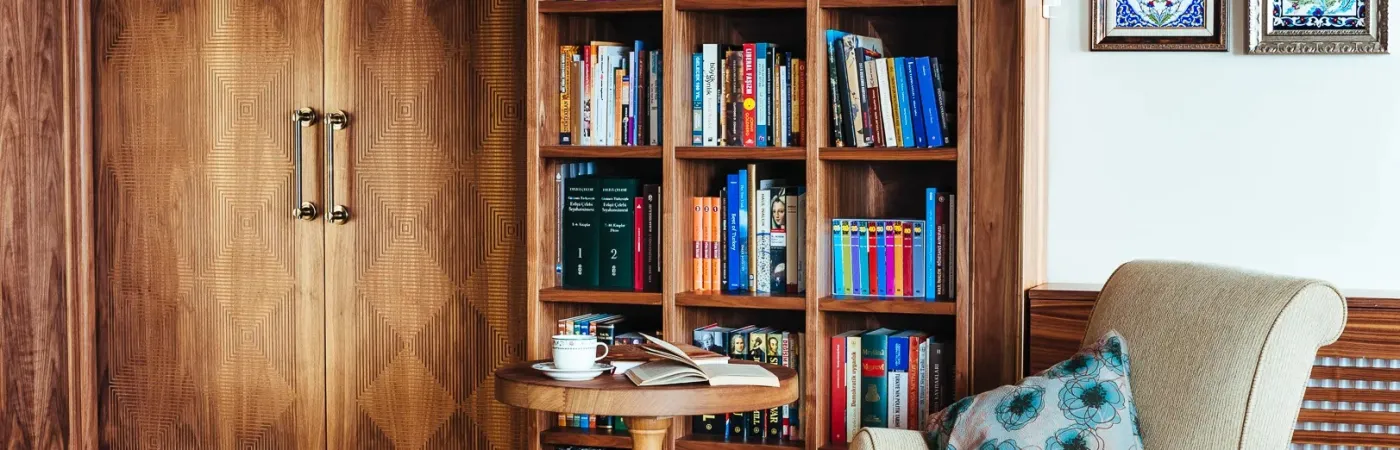
The most fundamental element that defines the identity of a reading area is, undoubtedly, books. How books are displayed determines both the efficiency of the area's use and its decorative impact. If the area to be utilized is narrow, slim bookshelves that extend to the ceiling should be preferred instead of heavy and bulky cabinets. Vertical use makes the room appear taller than it is while allowing many books to be gathered in a single spot. With this method, a rich library atmosphere can be created even in small spaces.
For those seeking a minimalist look or wishing to leave the floor area completely free, floating shelves mounted on the walls are an ideal option. Floating shelves make books not just a source of information but also a part of the wall decoration. Arranging books according to their colors or sizes creates a visual rhythm in the space. Additionally, L-shaped shelf systems designed for corner areas can transform the dead spots of the house into functional components of a reading room.
Add Warmth with Textile Products
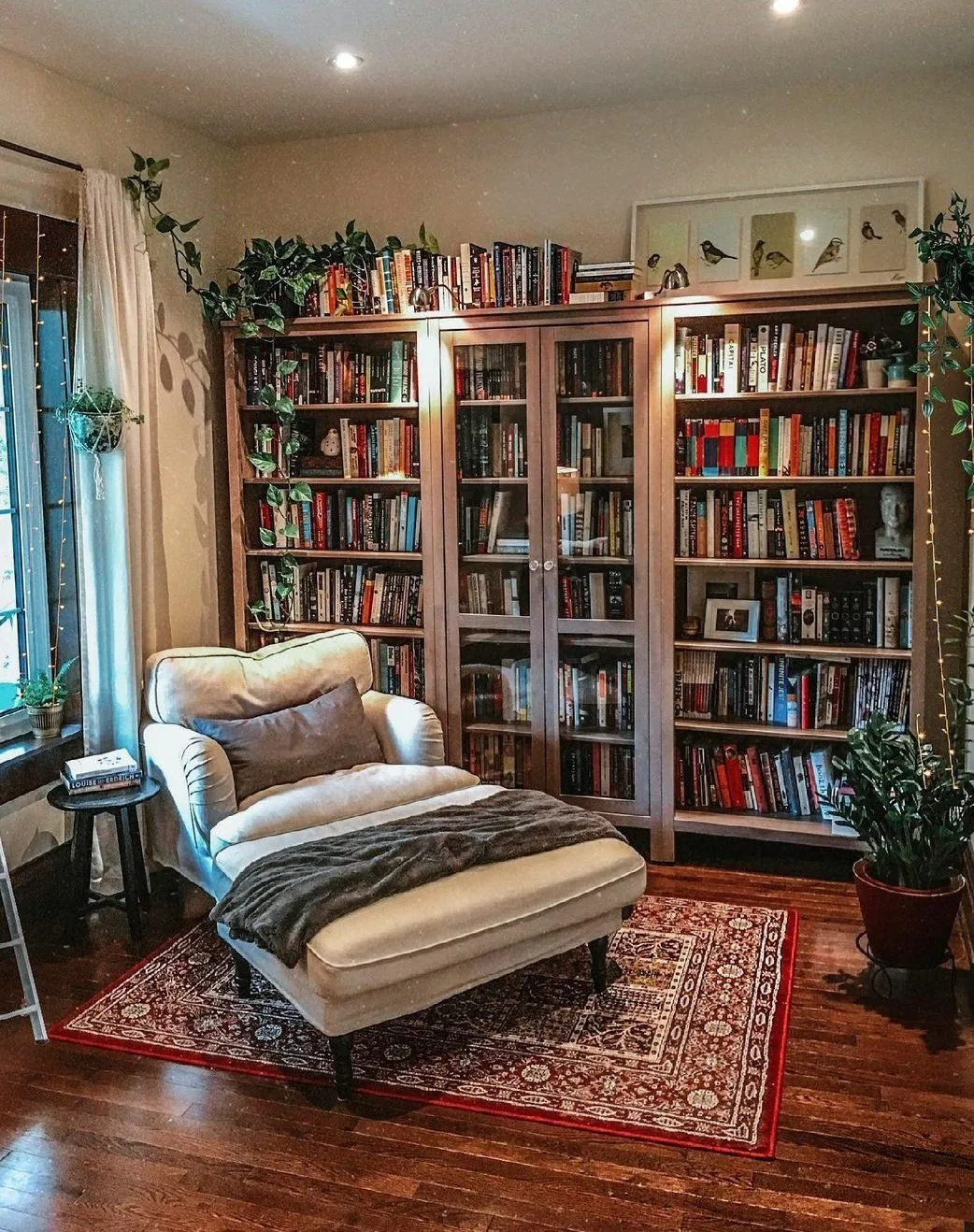
The inviting nature of a reading corner is directly related to the quality and texture of the textile products used. Hard floors or bare furniture can make a space look cold and distant. To break this feeling, the use of woven blankets and plush throw pillows is recommended. A blanket casually draped over the armchair maintains body heat during reading while simultaneously offering visual warmth. Throw pillows provide both aesthetic fullness and can be used as back support depending on the seating position.
The floor texture underfoot is another element that completes the comfort. A soft faux-fur rug or a thick-textured carpet prevents the feet from contacting the cold floor while also improving the room's acoustics. Making seasonal changes in textile products ensures the corner always stays fresh. For example, thin and breathable fabrics like linen can be preferred in the summer, while a transition can be made to warmer textures like wool, velvet, or cashmere in the winter.
Add a Functional Side Table
A reading corner does not consist of just a seating unit; auxiliary furniture is needed for this area to become a complete station. A small side table where you can place your book, coffee, glasses, or notebook directly increases the functionality of the corner. The height of the table should be compatible with the armrest level of the chair. This allows the user to easily reach their belongings without disturbing their reading position. Choosing a side table also offers a chance to emphasize the overall style of the corner.
If a minimalist design language prevails, wooden-topped tables with thin metal legs offer a modern look. For a more classic or eclectic style, vintage metal tables or distressed wood models add character to the corner. If space is very limited, portable tray mechanisms that can be attached to the armrest or nesting table models can also be considered. A small candle or a coaster placed on the table contributes to the personalization of the area.
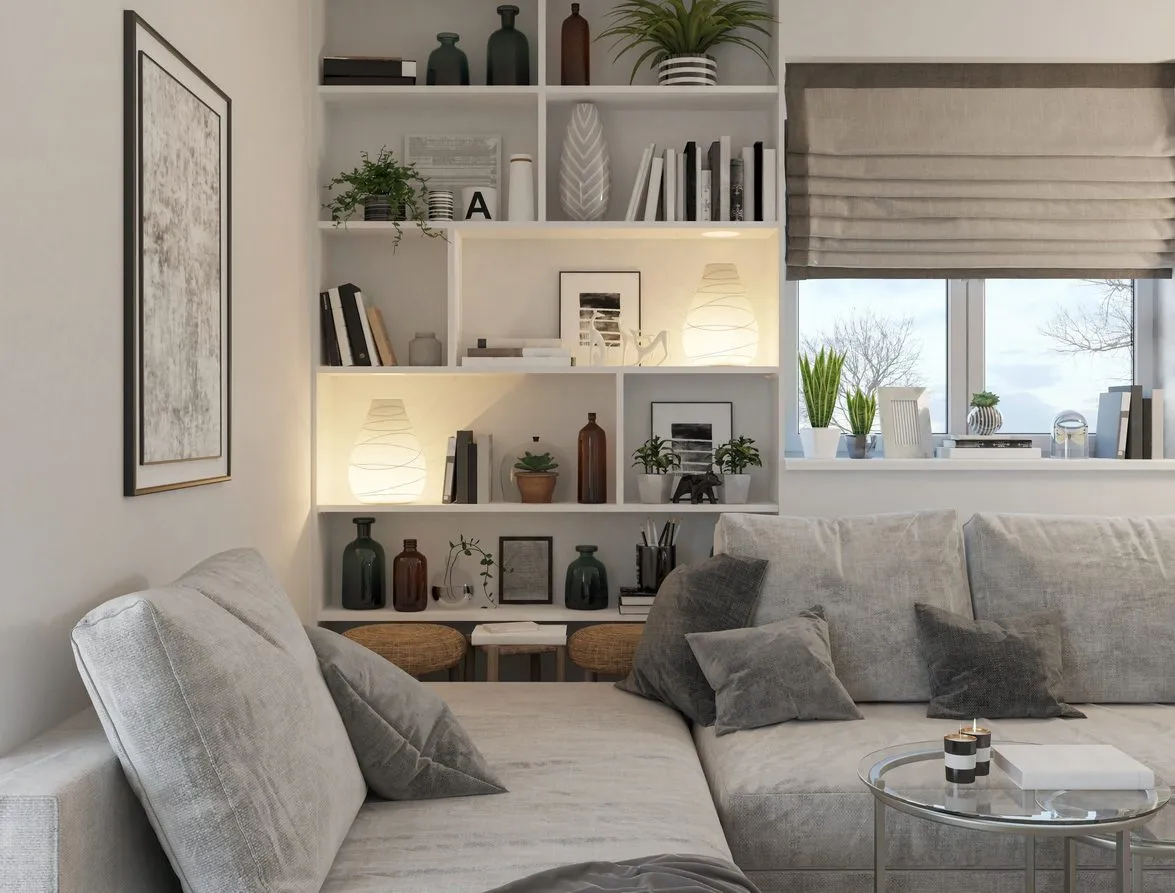
Benefit from the Revitalizing Power of Plants
The use of live plants in interior decoration creates a psychologically relaxing effect in addition to purifying the air. Monstera or ivy-type plants added to a reading corner make the area look more vibrant and fresh. Green leaves offer a natural focal point that helps rest the eyes between long reading sessions. The presence of plants strengthens the bond between the interior and the outside world, creating a more peaceful atmosphere.
Broad-leaved plants can act as a natural screen by standing on one side of the corner, physically separating the area from the rest of the room. Ivies, on the other hand, add an organic depth to the library look by being draped down from bookshelves. Easy-to-care-for plants should be preferred to ensure the sustainability of the corner. The design of the pots in which the plants are placed should also be compatible with the general color palette and material choices of the decoration.
Create a Personal Gallery Wall
A reading corner is one of the areas that best reflects the user's inner world and interests. Instead of leaving the walls of this area blank, transforming them into a personal gallery is important for reflecting the spirit of the corner. Inspiring quotes from favorite authors, artistic paintings, or calming nature landscapes can be hung on the wall to create a focal point. These visuals offer an aesthetic ground where the mind can wander freely during reading breaks.
When creating a gallery wall, a dynamic composition can be created by using frames of different sizes together. While black-and-white photographs add a modern air, oil painting reproductions reinforce a classic library atmosphere. The placement of the frames should be aligned with the reading chair and suitable for eye level. Additionally, the colors used on the walls must be compatible with the gallery.
A reading corner you create in your home is not just a decorative choice, but also a mental relaxation area. This process, which starts with the principle of "choose a comfortable armchair," takes the reading experience to the highest level when combined with the "choose the right lighting" rule. Every detail considered when designing a reading room or corner adds both aesthetic value and peaceful depth to your living space. Although there are many points to consider when making a book corner in your home, the most important rule is to bring your personal tastes together with comfort.
You Might Be Interested In→ Balcony Enclosure Ideas