Room Guide
What Should the Temperature Be in a Baby's Room in Summer and Winter?
The ideal temperature for a baby’s room is 20-22 °C, with humidity kept between 40-60%. Regular ventilation and proper furniture placement help create a healthy sleep environment.
· Update:
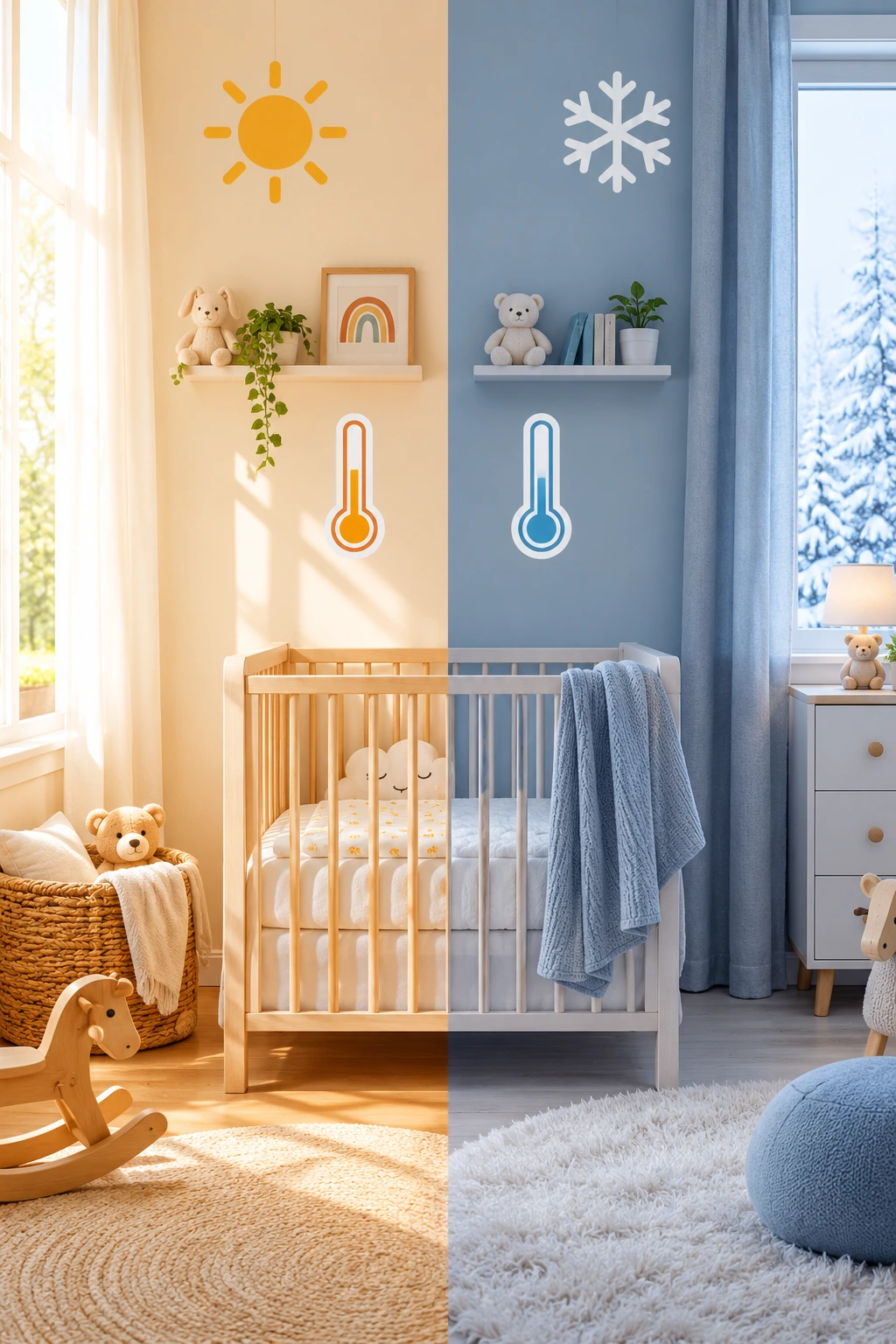
Along with nutrition and sleep, another factor that plays a key role in a baby's development is the environment where they spend most of their time. Newborns have a more limited ability to regulate their body temperature than adults; they lose heat more quickly, while overheating can soon make them uncomfortable. For this reason, the room's temperature and humidity balance directly affect many aspects of daily life, from sleep quality to overall comfort.
One of the questions parents search for most often—what temperature should a baby's room be?—becomes especially important during seasonal transitions. It can be difficult to find the right balance when rooms need cooling in summer or heating in winter; if air conditioning and heaters are not used properly, the measured temperature may differ from the conditions where the baby is actually located.
What Is the Ideal Room Temperature for Babies?
The generally accepted range in expert sources is between 20 and 22 °C, regardless of the season. This range minimises the risk of both overheating and getting too cold. When determining the ideal room temperature for babies, consider not only the thermometer reading but also how the baby is dressed and how well the air circulates in the room. A room that is too warm can cause sweating, while one that is too cold may lead to unsettled sleep.
- The generally accepted room temperature range for babies is 20-22 °C.
- A one-degree drop at night does not adversely affect sleep quality.
- The back of the baby's neck and their back are the most reliable areas to check their temperature.
- Cool hands and feet alone are not an indication that the baby is cold.
- Avoid using thick, multi-layered covers in the bed.
- Take measurements at the height of the cot.
These figures provide general guidance; for premature babies or those who require special monitoring, any adjustments should always be made on the advice of their doctor.
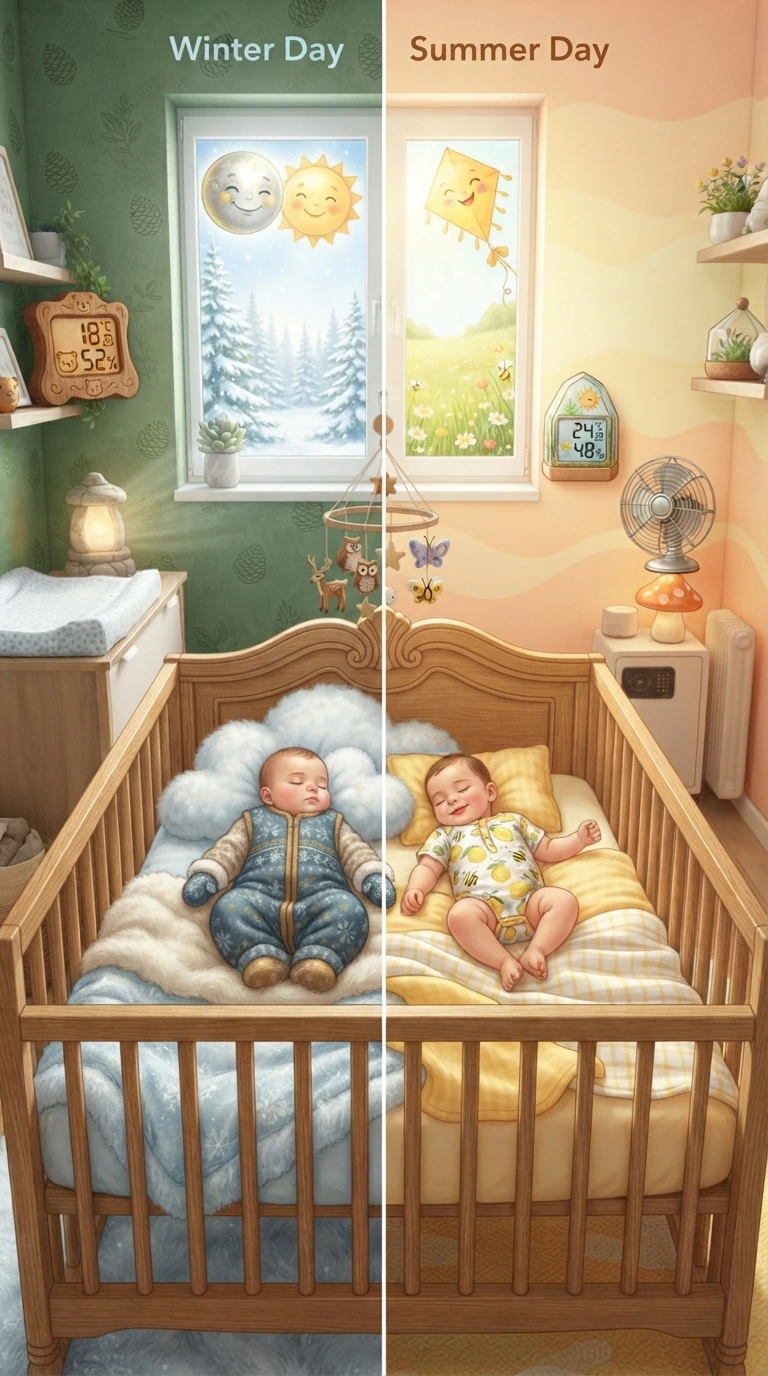
How Can You Keep a Baby's Room at a Balanced Temperature in Summer?
The main challenge in warm weather is cooling the room without creating a direct airflow. Air conditioning and fans can be effective when positioned correctly, but directing the airflow towards the cot can have unwanted effects. The answer to the question of what temperature a room should be in summer depends on keeping the difference between indoor and outdoor temperatures within a reasonable range. Large temperature differences can cause sudden changes in temperature when coming in or going out of the room. Here are some ways to manage the room in summer:
- Position the air conditioner so it does not blow directly towards the baby, and set it to around 24 °C.
- The difference between indoor and outdoor temperatures should not exceed 5-6 °C.
- Use curtains and blinds during the day to block direct sunlight.
- Air the room during the coolest hours of the day, when the baby is not in the room.
- Choose lightweight cotton fabrics.
- Direct the fan towards a wall or ceiling to create indirect air circulation.
How Can You Maintain a Baby's Room Temperature in Winter?
As the need for heating increases in colder months, indoor air can quickly become dry and the temperature may rise uncontrollably. The most common mistake when using radiators or heaters is making the room too warm. Overheating is one of the main factors that disrupt sleep routines. The following practices are recommended to maintain balance in winter:
- Set the thermostat to 20-22 °C and do not turn it up at night.
- Do not place heaters near the cot.
- Seal draughts around windows and doors with weatherstripping.
- Use a suitable humidifying solution to address dry air.
- Dress the baby in lightweight layers rather than one thick layer.
- Air the room briefly at least twice a day.
What Should the Humidity Level Be in a Baby's Room?
Humidity is just as important as temperature. Air that is too dry can irritate the respiratory tract, while high humidity encourages mould and mildew. The generally accepted humidity range for a baby's room is between 40% and 60%. Humidity drops in winter because of heating, while in summer it can rise considerably, particularly in humid climate zones. When maintaining the ideal humidity level for babies, keep the following in mind:
- Consider using a humidifier when humidity drops below 40%.
- Increase ventilation when humidity exceeds 60%.
- Clean the reservoir of humidifiers regularly.
- Avoid drying laundry in the room.
- If you notice damp marks on the walls, address the source of the problem as a priority.
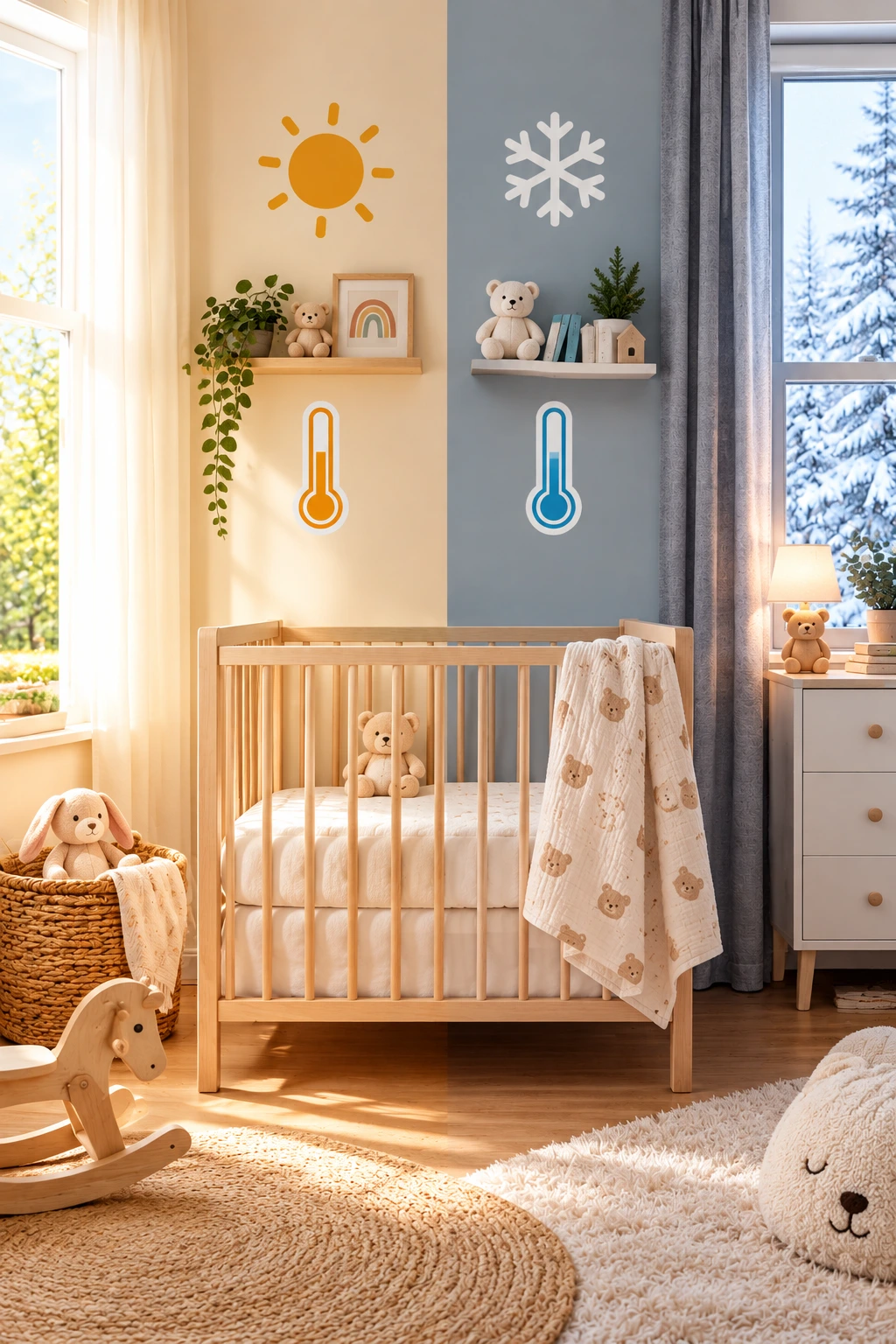
How Should You Use a Thermometer and Hygrometer in a Baby's Room?
Guesswork can often be misleading, so room conditions should be monitored with measuring devices. Devices that display temperature and humidity together make it easy to assess the overall conditions at a glance. Consider the following when choosing and using a thermometer and hygrometer for a baby's room:
- Place the device close to the height of the cot.
- Keep it away from places directly affected by outside conditions, such as near a window or above a heater.
- Choose models that measure temperature and humidity together.
- Devices with alerts make it easier to monitor conditions at night.
- Check readings at different times of the day.
What Are the Guidelines for Ventilating a Baby's Room?
Air quality can deteriorate quickly in enclosed spaces. Regular air changes help prevent humidity build-up and keep the room fresh. The most important rule when ventilating a baby's room is to do so while the baby is not in the room. Here are some points to keep in mind:
- Air the room at least twice a day for ten to fifteen minutes.
- Open windows on opposite sides of the room for a brief, effective exchange of air.
- After ventilation, allow the room temperature to return to the target range.
- Reduce ventilation time during busy traffic hours and pollen season.
- Turn off the heater before ventilating in winter.
How Does the Layout of a Baby's Room Affect Temperature Balance?
Room conditions depend not only on appliance settings but also on the layout. The cot's position, furniture arrangement and choice of textiles directly affect how heat is distributed. A cot placed in front of a window or next to a heater can create a microclimate that differs from the measured temperature. Keep these principles in mind when arranging the room:
- Place the cot against an interior wall, at an equal distance from the window and heater.
- Avoid placing too much furniture in a way that blocks air circulation.
- Choose breathable materials instead of thick, heavy textiles.
- Plan storage units to leave clear access around the cot.
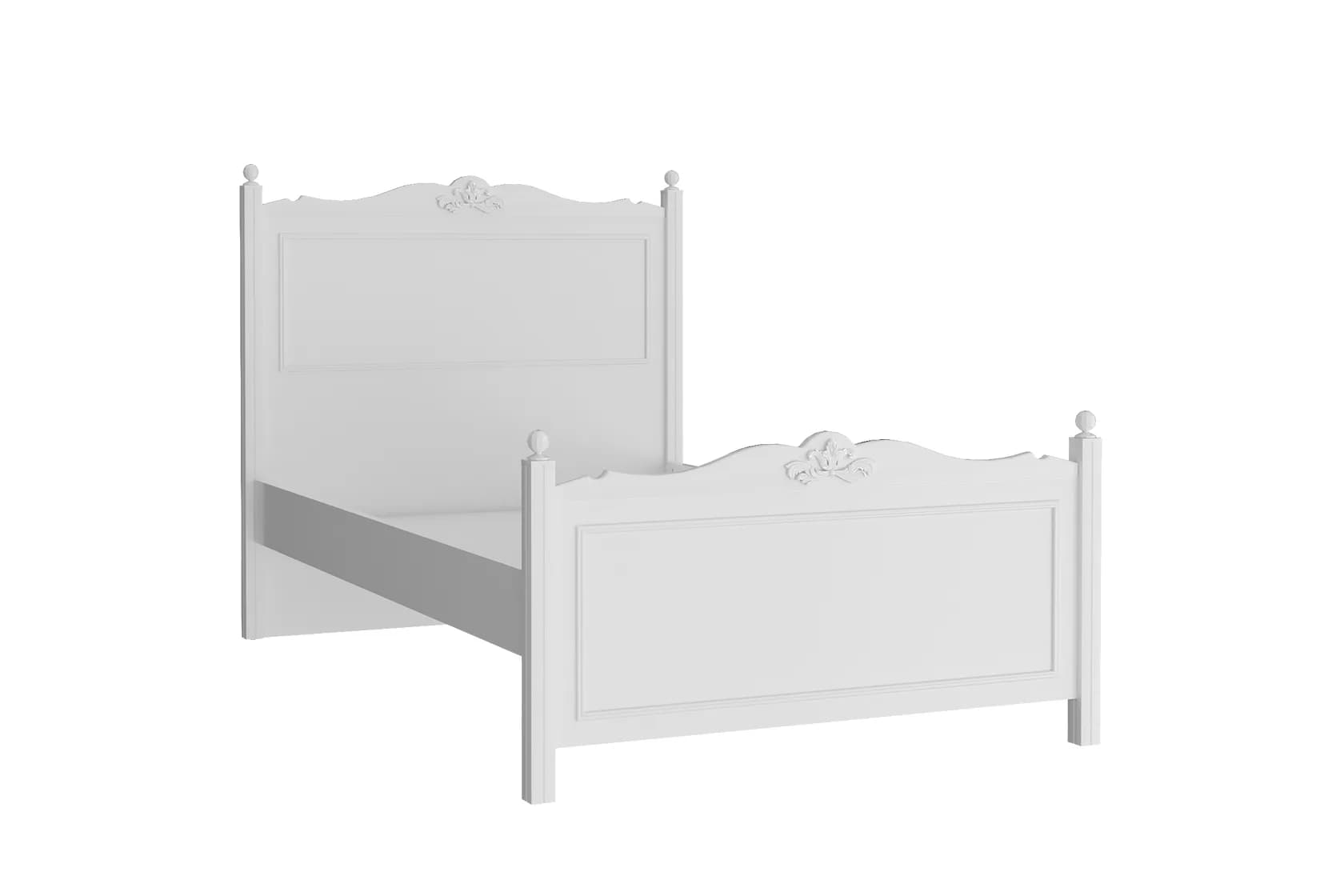
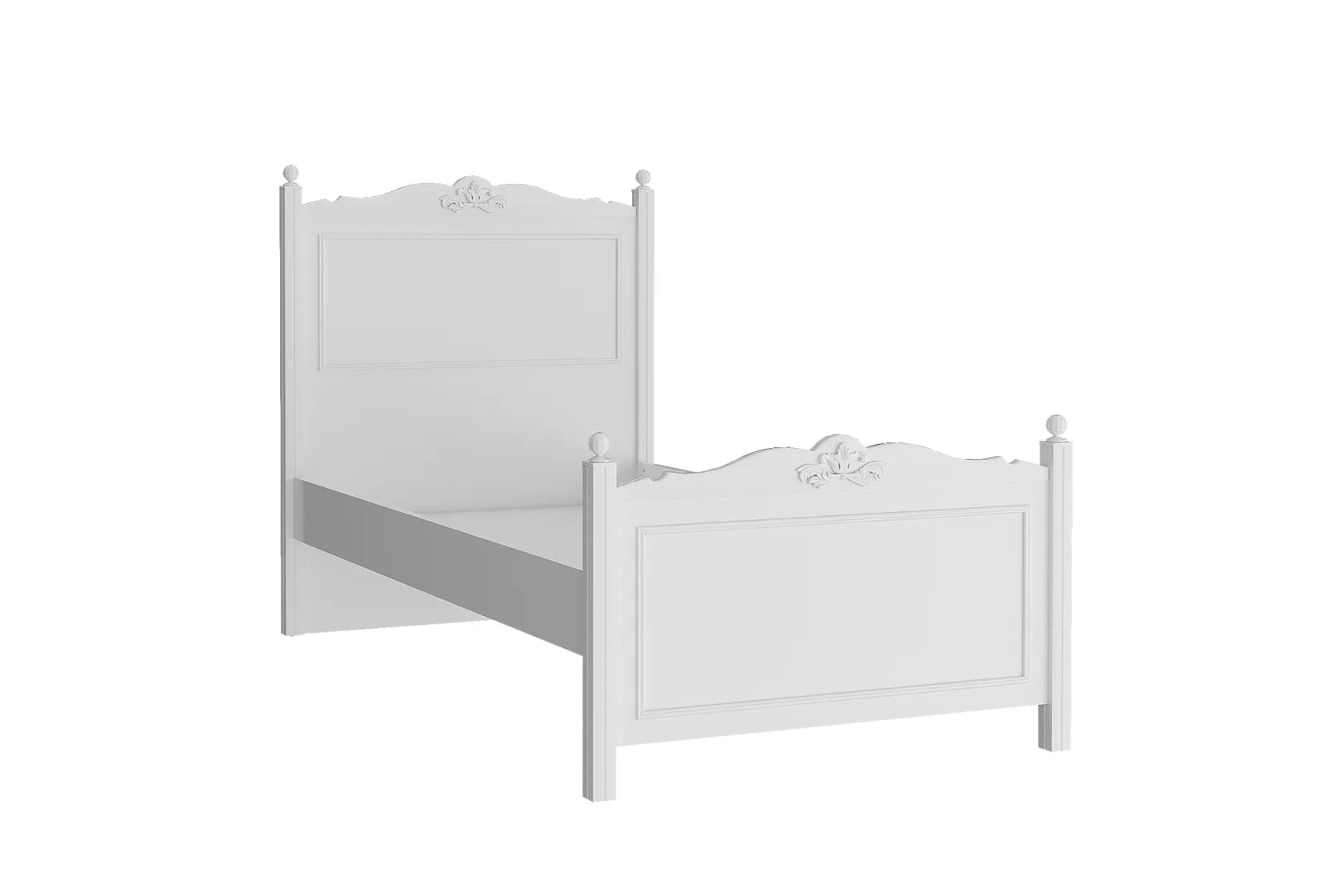
To create a layout that suits the room's dimensions and safety needs, consider cot models in different sizes and baby room furniture suited to your room's layout. Armchairs and poufs can also complete the room's layout and make nighttime care more comfortable.
A healthy sleep environment is created by maintaining the right balance of temperature and humidity. Regardless of the season, 20-22 °C and 40-60% humidity are the generally accepted target values. The key steps in monitoring a newborn's room temperature are using a measuring device, ventilating regularly and arranging the furniture to support air circulation. As each family may find their baby responds differently, monitor room conditions regularly and consult a doctor if adjustment difficulties persist.
You May Also Like→ What Should a Newborn's Bed Be Like?