Room Guide
What Are the Colors for a Baby’s Room, and What Should They Be?
The right colors help your baby feel calm and comfortable. Click to discover the best color shades, their psychological effects and more!
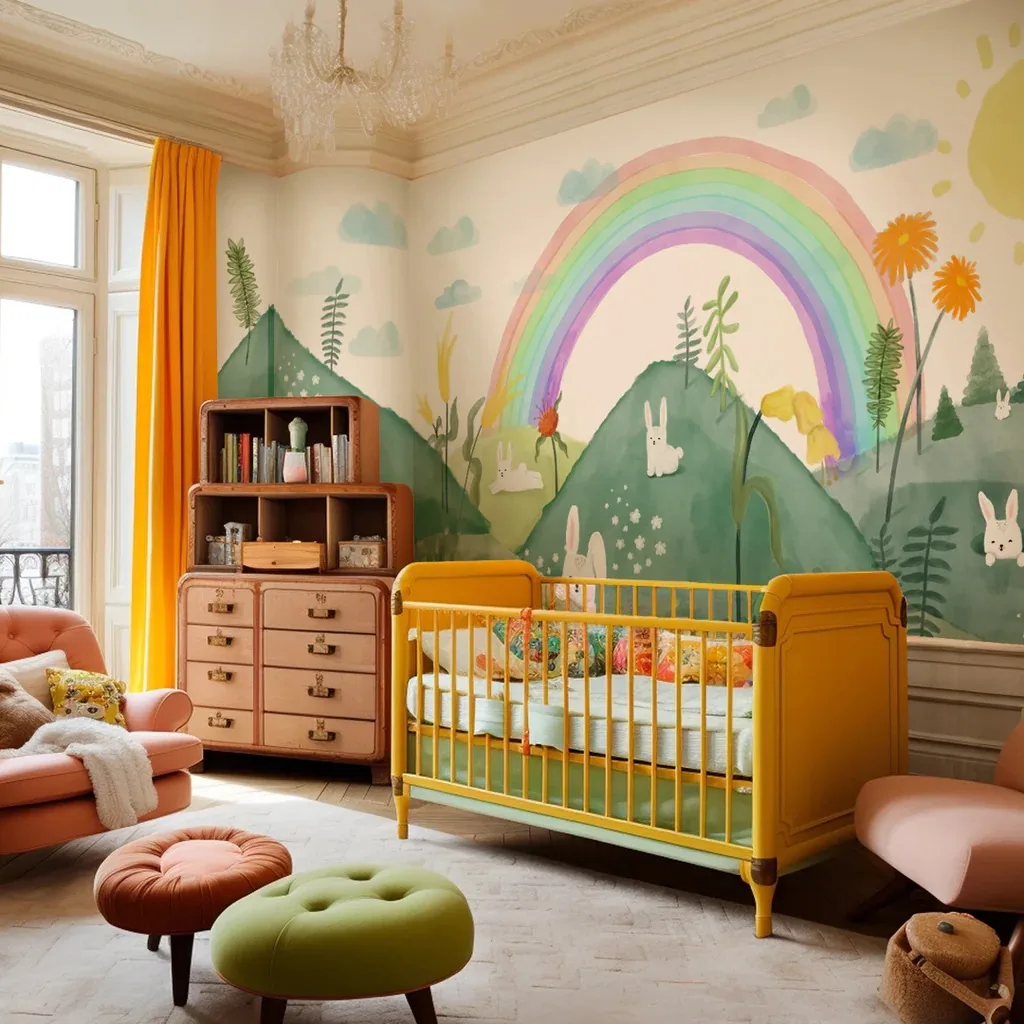
Baby room colors and decor are carefully considered by every family, making this a process that calls for thoughtful planning. One of its most important elements is the room’s color. The colors in our rooms are more than an aesthetic choice: they also directly affect how spacious the room feels and the psychological well-being of those who use it. Babies, in particular, are highly influenced by color. Colors can affect babies’ emotional state and even their sleep quality. That’s why it’s so important for parents to choose the right colors for a baby room. Colors that support babies’ psychological and physical development should be chosen. So, what colors should a baby room be?
Parents often tend to choose colors based on the baby’s gender once it is known. Traditional choices such as shades of pink for girls and shades of blue for boys are common. However, before the baby’s gender is known, or regardless of gender, neutral colors are generally preferred for baby room paint. As well as being suitable for either gender, neutral colors help make the room look brighter and more spacious. They also offer flexibility as the baby grows and the room’s decor changes over time. In this article, we’ll explore ideal color choices for painting a baby room and how these colors affect the overall atmosphere of the space.
How Colors Affect the Mind
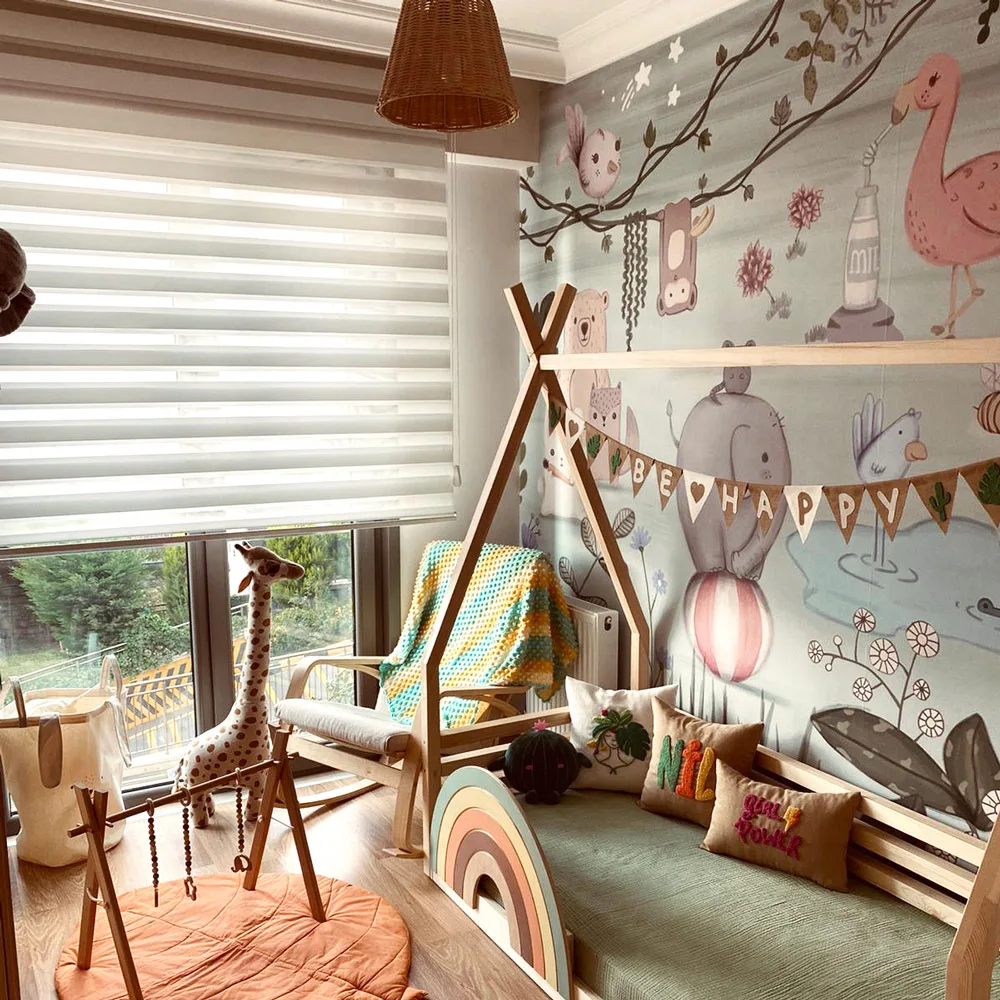
The effect of colors on our psychology is a fact supported by numerous studies. Colors can influence people’s emotional state, energy levels, and even physical responses. The colors used in baby rooms, in particular, play an important role in babies’ development. Babies are highly sensitive to colors and are affected by the colors around them. For this reason, the color of baby room walls should be chosen to support babies’ emotional and physical well-being.
Ideal Colors for Baby Rooms and Their Effects Pastel Shades: Pastel shades are among the most popular baby room paint colors. Pastel tones such as light blue, pink, lavender, green, and yellow create a bright and peaceful atmosphere. Pastel colors have a calming effect on babies and can improve sleep quality. They also help make the room look larger and more spacious.
Green: The color of nature, green evokes a sense of calm and tranquility. In a baby room, it can help babies relax and feel more at ease. Green is also thought to improve concentration, which may have a positive effect on babies’ ability to focus.
Blue: Blue is a color that evokes calm and coolness. Light shades of blue are especially ideal for baby rooms. Blue can help babies relax and may contribute to reducing agitated behavior. A blue room may also help babies sleep better.
Yellow: The color of joy and happiness, yellow brings energy and vibrancy to baby rooms. However, very bright shades of yellow may make babies restless, so it’s best to choose light, soft tones. Light yellow brightens the room and creates a positive atmosphere.
When choosing colors, it’s important to ensure that the colors used in a baby room coordinate with its decor and remain suitable for the room as the baby grows. That’s why it’s best to choose colors carefully, with the aim of creating an environment that meets your baby’s needs.
How Color Relates to Room Size
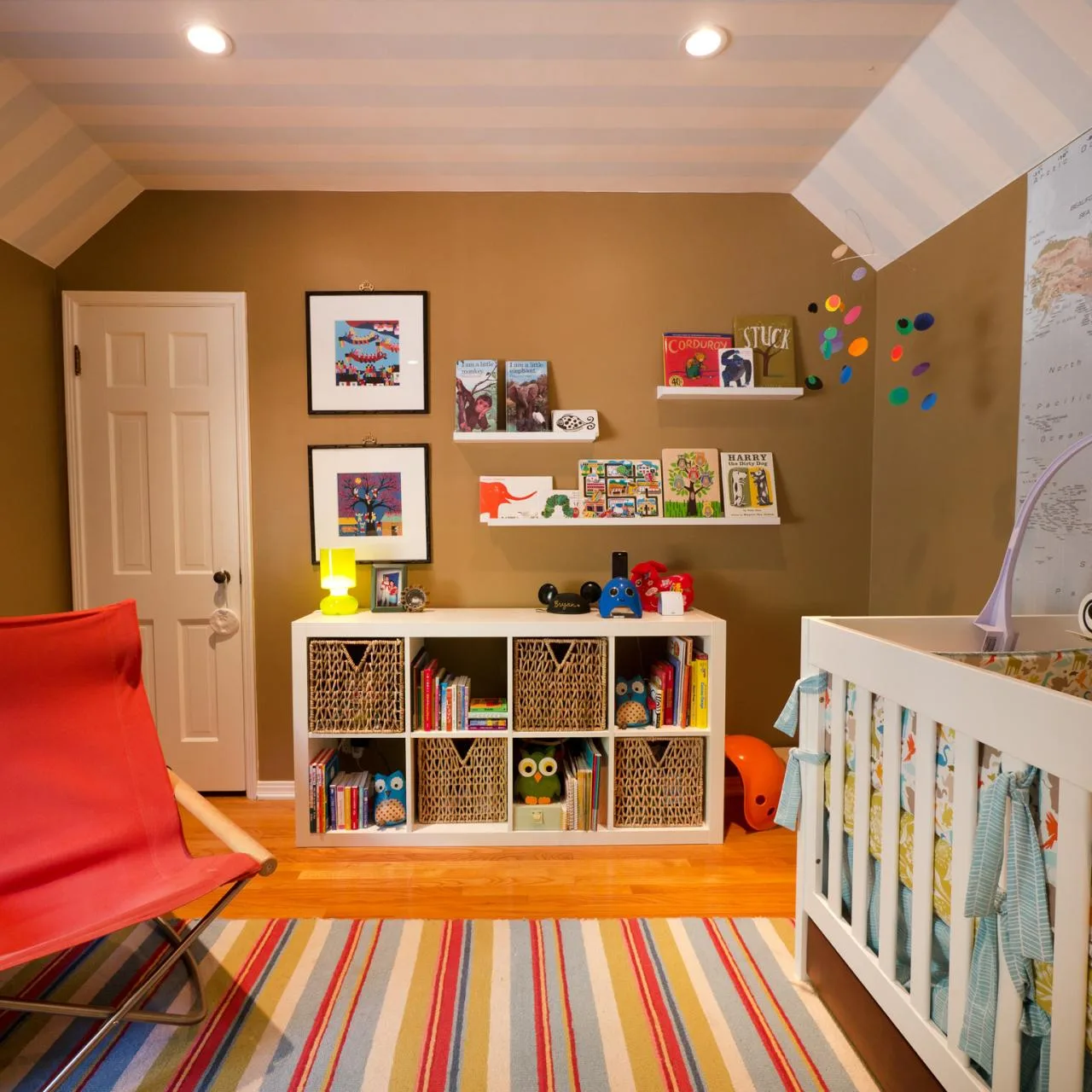
The relationship between color and room size is an important factor in interior design. There’s a direct link between the size of a baby room and its wall color, as wall colors can visually affect how spacious and airy the room feels.
Choosing Colors for Large Rooms: For a spacious baby room, you can choose richer, darker colors. Deep shades of blue, green, or beige, for instance, create a warm and inviting atmosphere. These colors make the room feel warmer and cozier, helping reduce the empty, cool feeling that large rooms can sometimes have.
Choosing Colors for Small Rooms: For a small baby room, light pastel shades or neutral colors such as white may be more suitable. Light colors make the room look larger and more spacious. White, in particular, enhances the light in the room and makes it feel bigger and more open. Pastel colors create a light, soft atmosphere, helping the room feel calm and peaceful.
How Color and Light Interact: The wall color in a baby room, together with its lighting, affects how large the room feels. By reflecting light, light colors make the room look brighter and more spacious. That’s why light colors are generally preferred for small baby rooms, while bolder color choices can be used in larger rooms.
You may be interested in - When Should Babies Have Their Own Room?