Sleep and Beds
What Should a Newborn Mattress Be Like?
Choosing a newborn mattress is essential for your baby’s spinal development and a safe sleep routine. Click to learn about mattress firmness and materials!
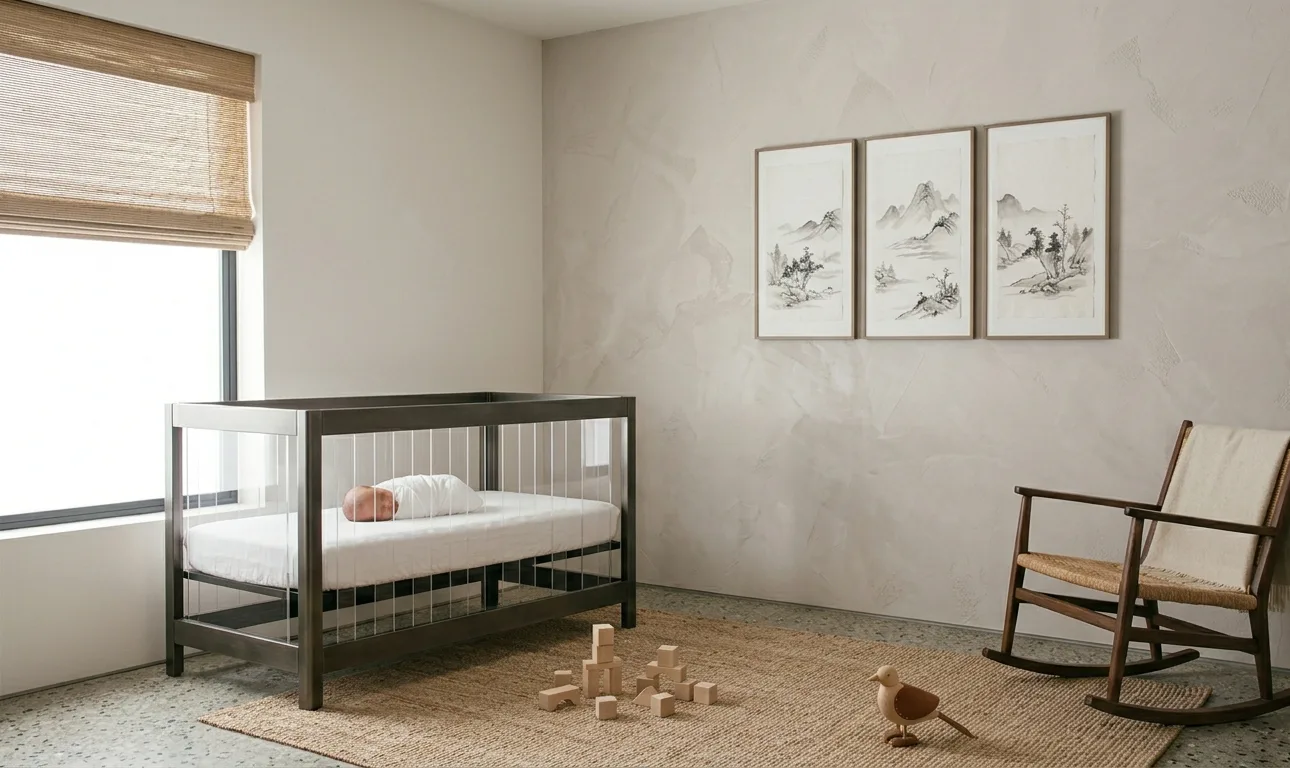
One of the most exciting and responsibility-filled stages of the parenting journey is undoubtedly preparing a living space for a baby who has just opened their eyes to the world. For a newborn who spends most of the day asleep, sleep quality means more than just physical rest. It is also one of the most critical factors supporting mental and motor development. At this stage, providing a comfortable and safe sleep environment suited to babies’ delicate anatomy is directly linked to choosing the right newborn mattress. The right mattress can positively influence development, while the wrong choice may lay the groundwork for long-term orthopedic problems and disrupted sleep.
To avoid getting lost among the hundreds of options available online and in physical stores, it is important to consider certain scientific and medical criteria when choosing a mattress. A randomly chosen newborn mattress may look stylish, but still fall short of functional and protective standards. When buying a newborn mattress, a thorough assessment should be made of everything from the naturalness of the materials and the texture of the fabric to whether the product meets structural standards and holds the necessary safety certifications. Therefore, there are key factors to examine carefully when sourcing a baby mattress to protect your baby's health and provide the most peaceful sleep experience.
Choose the Ideal Firmness to Support Spinal Development
A newborn’s bones and muscles have not yet matured like those of an adult; the spine, which is still cartilaginous, is straight. For this reason, the firmness of a mattress chosen for a newborn is crucial to their development. The common belief among parents that “a soft mattress is more comfortable” is a serious misconception when it comes to a newborn’s anatomy. Soft surfaces can cause the baby to sink into the mattress, bending the spine—which should remain straight—and leading to poor posture. On the other hand, a surface as hard as a board increases pressure points on the body and can disrupt sleep. A newborn mattress should be neither too soft nor excessively firm; it should be designed with a semi-firm (medium-firm) density that distributes the baby’s weight evenly and prevents sinking. When pressed gently, the surface should quickly return to its original shape—this is the clearest sign of an ideal firmness balance.

Pay Attention to the Right Thickness and Size Standards for Baby Safety
Structural dimensions and mattress height are technical factors that should not be overlooked when creating a safe sleep environment. Although standard baby mattress sizes on the market are generally 60x120 cm or 70x130 cm, the key rule is that there must be no gaps between the mattress and the crib rails. The selected mattress should fit snugly inside the crib, with no more than two fingers’ width (approximately 2-3 cm) of space at the edges. Even the smallest gap can pose a risk of a moving baby getting their hand, arm or head trapped. The ideal thickness usually ranges from 10 to 13 cm. An excessively thick mattress reduces the height of the crib rails, increasing the risk of the baby falling, while models that are too thin offer insufficient support and allow the hardness of the base to be felt.
Choose Healthy Mattress Materials That Are Natural and Chemical-Free
Babies’ immune and respiratory systems are extremely sensitive to allergens and toxic substances in the outside world. For this reason, it is essential to choose mattress filling materials made from clean, natural sources. Mattresses containing petroleum-based polyurethane foam that has undergone intensive chemical processing, or synthetic adhesives, can lower indoor air quality and trigger allergic reactions. When choosing a mattress, opt for sustainable, breathable raw materials such as natural latex, coconut coir, organic cotton or wool. These natural materials do not release chemical gases and, during this sensitive period when babies tend to sweat, they also regulate moisture exceptionally well to create a healthy microclimate.
Choose Highly Breathable Fabrics to Help Prevent Sudden Infant Death Syndrome
One of the most effective ways to minimize the risk factor known in medical literature as SIDS (Sudden Infant Death Syndrome) is to maximize airflow across the sleep surface. Newborns, especially in their first few months, can struggle to regulate their body temperature and may instinctively turn their heads toward the mattress. If the surface of the newborn mattress is made with fabrics that have low breathability and are high in nylon or polyester, this can create a risk of carbon dioxide buildup and suffocation. The mattress fabric you choose should use 3D mesh technology or be made from porous organic weaves. High breathability helps ensure a continuous oxygen supply even if the baby’s face turns toward the mattress, prevents overheating and helps prevent heat rash caused by sweating.
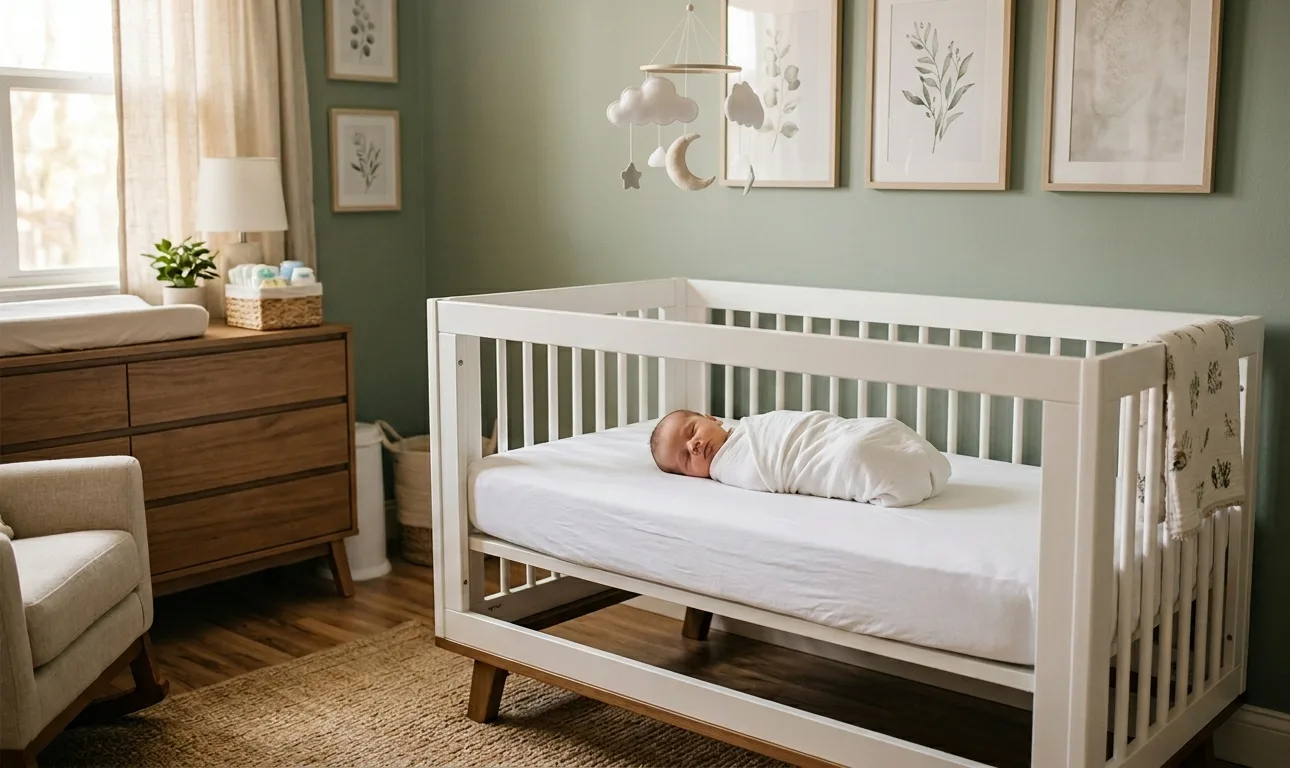
Look for Products with International Safety Certifications
A manufacturer’s claim that a product is natural is not sufficient evidence by corporate standards; this should be verified by independent authorities. In the baby products market, safety is established through international laboratory testing and certification processes. When shopping, be sure to check for certifications such as OEKO-TEX Standard 100, which guarantees that textiles are free from harmful substances, and CertiPUR or Greenguard, which help protect indoor air quality and limit chemical emissions. Products with these certifications are safe choices proven to contain no heavy metals, phthalates, formaldehyde or toxic flame retardants. Making sure that the sleep surface your baby will come into contact with has passed these checks is the most tangible step in investing in their long-term health.
Preparing the ideal sleep environment for a newborn is not just a furniture purchase; it is a decision that directly affects their health and safety. When choosing the right mattress, look for medium-firm surfaces that support proper spinal development, baby mattress dimensions that fit crib standards precisely, natural materials free from chemicals and high breathability. By choosing reliable models from reputable companies that meet all these requirements and hold international safety certifications, you can give your baby both healthy development and a safe sleep experience from day one.
You May Also Like→ What Is a Baby Shower? - Gift Ideas