Room Guide
When Should a Baby Have Their Own Room?
When should your baby move to their own room? Click for the right timing, how to prepare, what to keep in mind and more!
During the first few days after your baby comes home from the hospital, deciding on the most suitable sleep routine and place for them is one of the important decisions parents face. At first, room-sharing is often preferred as it is considered safer and more practical for both the baby and parents. The aim during this period is to meet the baby's needs quickly and easily. Over time, however, especially as the baby gets a little older, parents may want to rearrange their bedroom to make room for private time together as a couple. There may be various reasons for this, such as spending quality time with your partner or watching your favorite shows without needing headphones. However, deciding when and how to move your baby into their own nursery can be a challenging process for many parents. In this article, we've brought together important information about when babies should have their own room and when they should sleep in it, what to keep in mind when making the transition, and ways to make the process as smooth and positive as possible for both you and your baby. But first, let's look at how old a baby should be before moving out of their parents' room.
How Long Should a Baby Sleep in Their Parents' Room?
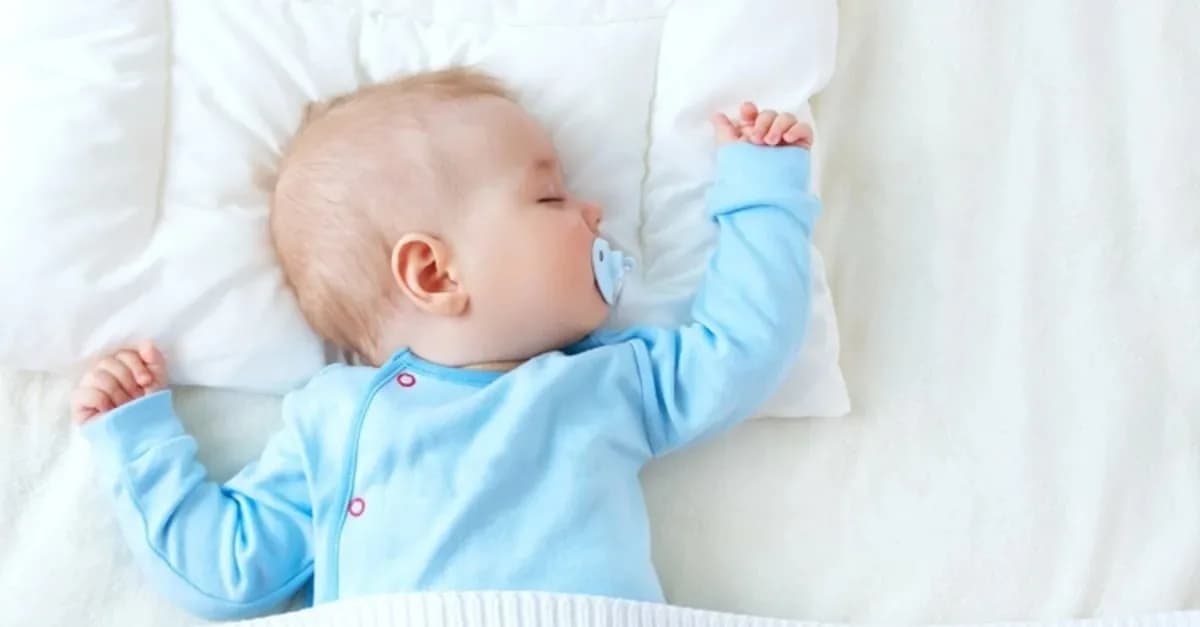
“How long should a baby sleep in their parents' room?” is a question parents often ask and an important consideration for a baby's healthy development. In this regard, decisions about when babies should sleep in their own room should be made with great care, following guidance from the World Health Organization (WHO) and the American Academy of Pediatrics. To maximize babies' health and safety, recommendations advise that they sleep in the same room as their parents, but in a separate bed, for at least the first 6 months and ideally for the first 12 months. The main aim of this practice is to minimize the risk of sudden infant death syndrome (SIDS) and create a safe sleep environment for babies. Answers to parents' questions such as “How old should a baby be before sleeping away from their mother?” and “When should a baby move into their own room?” are shaped by these recommendations. This guidance also sheds light on the question “At what age can a baby sleep in a separate room?”, helping parents make an informed decision about when they can safely move their baby into their own room.
Sudden Infant Death Syndrome (SIDS) and Prevention
Sudden infant death syndrome (SIDS) is the death of a baby under one year of age, usually during sleep, without an apparent cause. Research has shown that babies sleeping in the same room as their parents significantly reduces the risk of SIDS. This is because parents can keep a closer eye on their babies and notice any problems more quickly.
What to Consider When Moving a Baby into Their Own Room
Moving a baby into their own nursery is an important milestone for parents. Answers to questions such as when a baby should sleep in a separate room and how old a baby should be before sleeping away from their mother matter both for safety and emotional bonds. Experts generally say that the right time for babies to move into their own rooms should be determined individually, although babies are generally considered ready to sleep in a separate room from six months onward and to move into their own room after their first birthday.
Safety Precautions
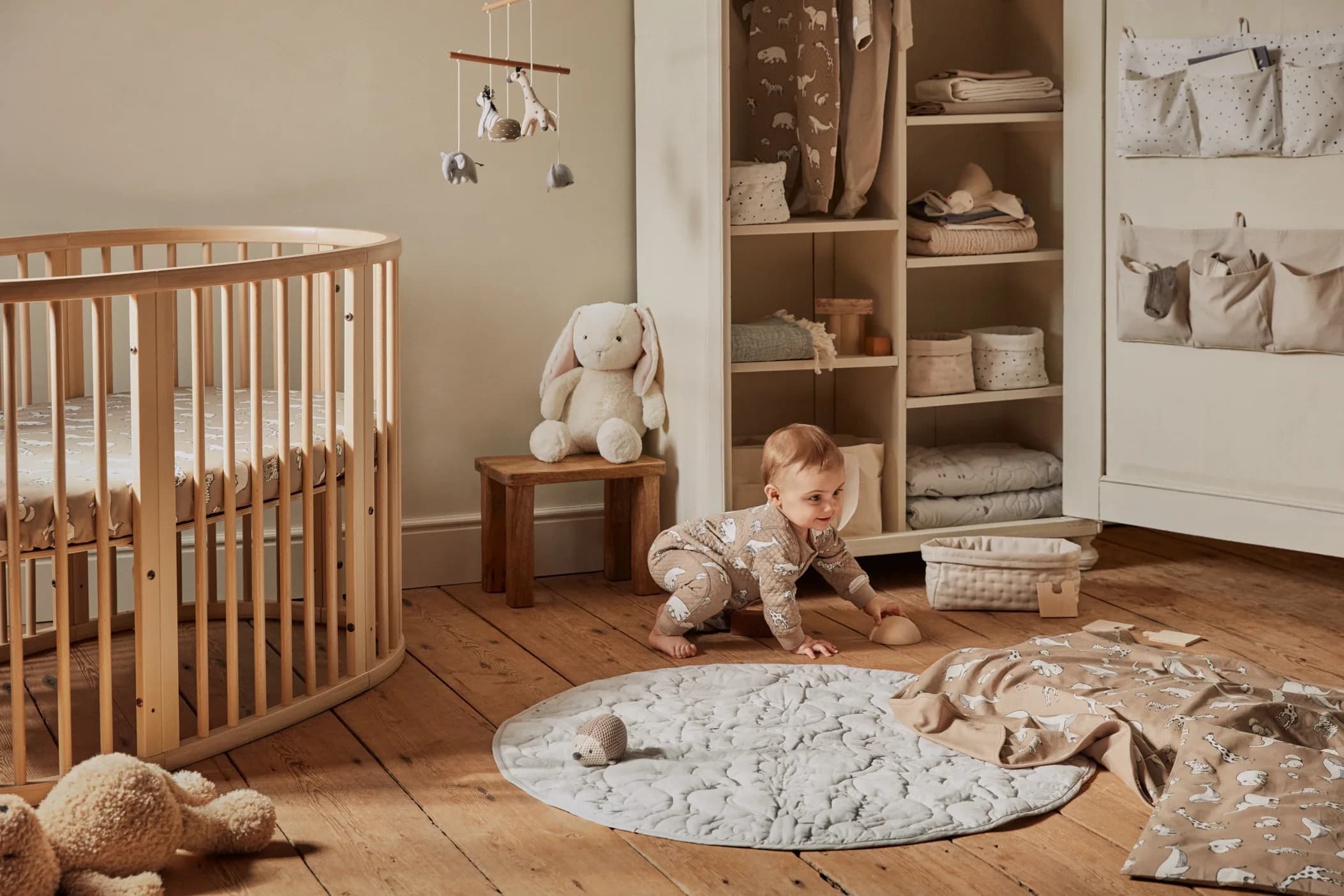
Alongside the question of when a baby should move into their own room, safety is the top priority when making the transition. When considering when to move a baby into their own room and at what age they can sleep separately, make sure the crib is safe and remove any potentially hazardous items from the room. Baby monitors and other safety equipment allow parents to keep an eye on their baby even when they are in different rooms.
Maintaining Sleep Routines
The question of when a baby should move into their own room is also closely related to maintaining their sleep routine. Babies' sleep patterns play a vital role in their healthy development. The answer to questions such as when babies should sleep in their own room and at what age they should move into it may vary depending on the individual situation, but keeping sleep routines consistent helps make the transition as smooth as possible.
Maintaining the Bond Between Baby and Parents
The question of how to move a baby who sleeps beside their parents into their own room is also important for maintaining the bond between baby and parent. The answer to how long a baby should sleep beside their mother can help strengthen this bond and build a secure attachment between baby and parent. During the transition, parents should continue to spend quality time with their baby and follow soothing bedtime routines.
Potential Challenges and Solutions When Moving a Baby into Their Own Room
Moving a baby into their own room can bring challenges for both babies and parents. Below are some issues that may arise during this process, along with possible solutions:
Sleep Problems
Moving a baby into their own room may disrupt their sleep patterns. Until they get used to the new environment, they may wake more often or stay awake for longer periods.
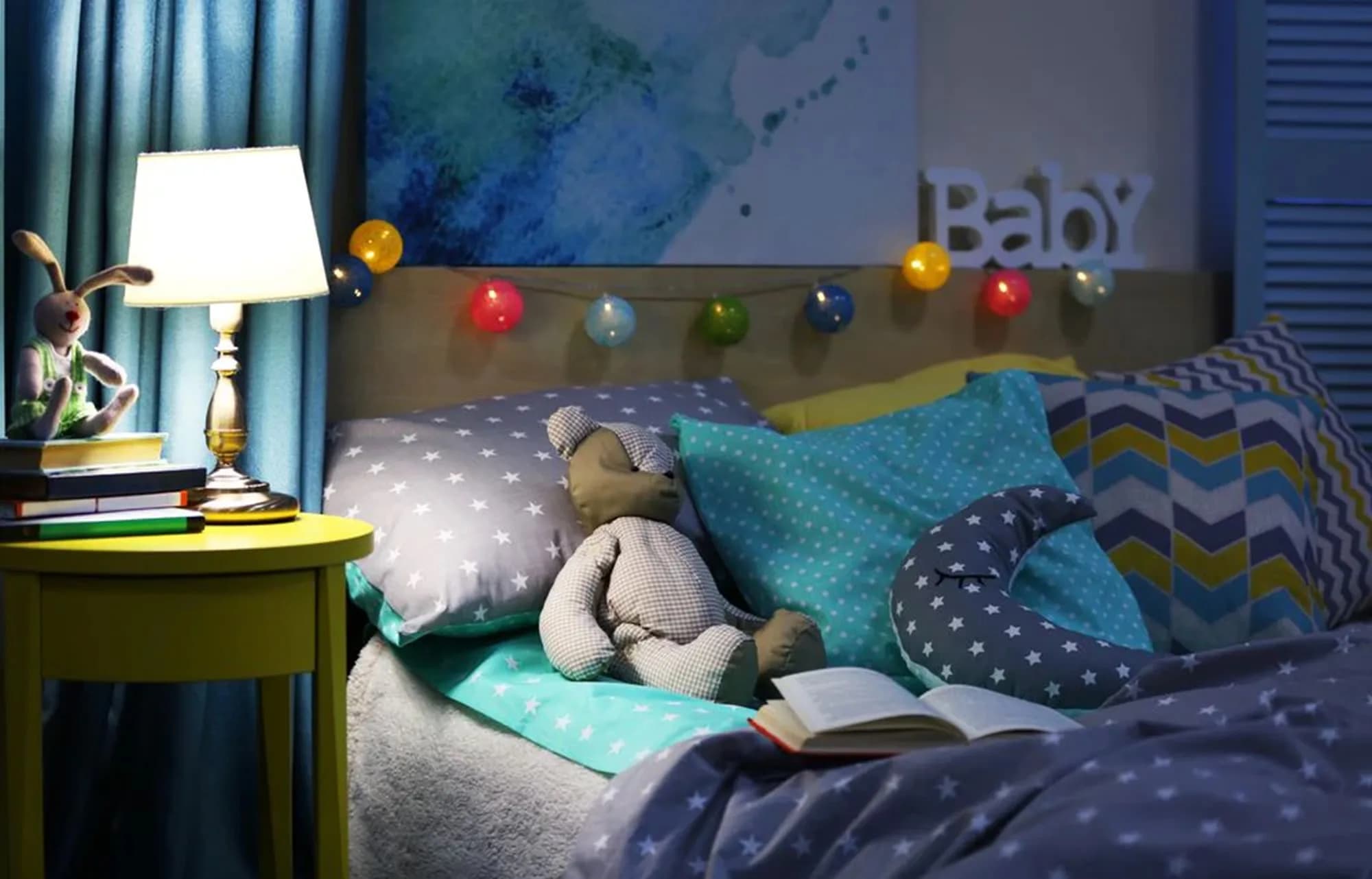
It's important to focus on sleep training and maintain your baby's bedtime routine. Soothing bedtime rituals, using a night-light and comfort objects such as a sleep companion can help your baby adjust to their new surroundings.
Separation Anxiety
Separation anxiety, which often begins in babies at around 8-10 months, may become more noticeable when they move into a separate room.
It's important to give your baby extra attention and bonding time during the day to help them feel secure. Parents can also reassure their baby by letting them hear their voice or opening the door before entering the room.
Night Feedings and Care
Having babies in a separate room may require parents to make more effort during night feedings and care.
Placing the baby's room close to the parents' bedroom makes it possible to respond quickly when they wake during the night. Baby monitors can also give parents greater peace of mind.
Parental Concerns
Parents may worry about their baby's safety and feel the need to check on them frequently.
Security cameras and audio baby monitors allow parents to keep an eye on their baby. These devices can help ease parents' concerns.
Siblings' Reactions
If there are older siblings at home, moving the baby into their own room may be a change for them too, and they may react with jealousy.
Involving older children in the process, explaining the new situation to them and setting aside special time for them can help ease any potential jealousy.
Establishing New Routines
Moving a baby into their own nursery may require parents to make changes to their daily routines.
Spending more quality time with your baby, adapting daily routines to the transition and taking a flexible approach can help make the move smoother.
Have you read our article titled How Should a Nursery Be Lit?