Furniture Guide
What Is Viscose Fabric? What Are Its Features and Uses?
Viscose fabric is a popular choice in textiles thanks to its natural composition and soft feel. Its high moisture-absorbing properties make clothing especially comfortable.
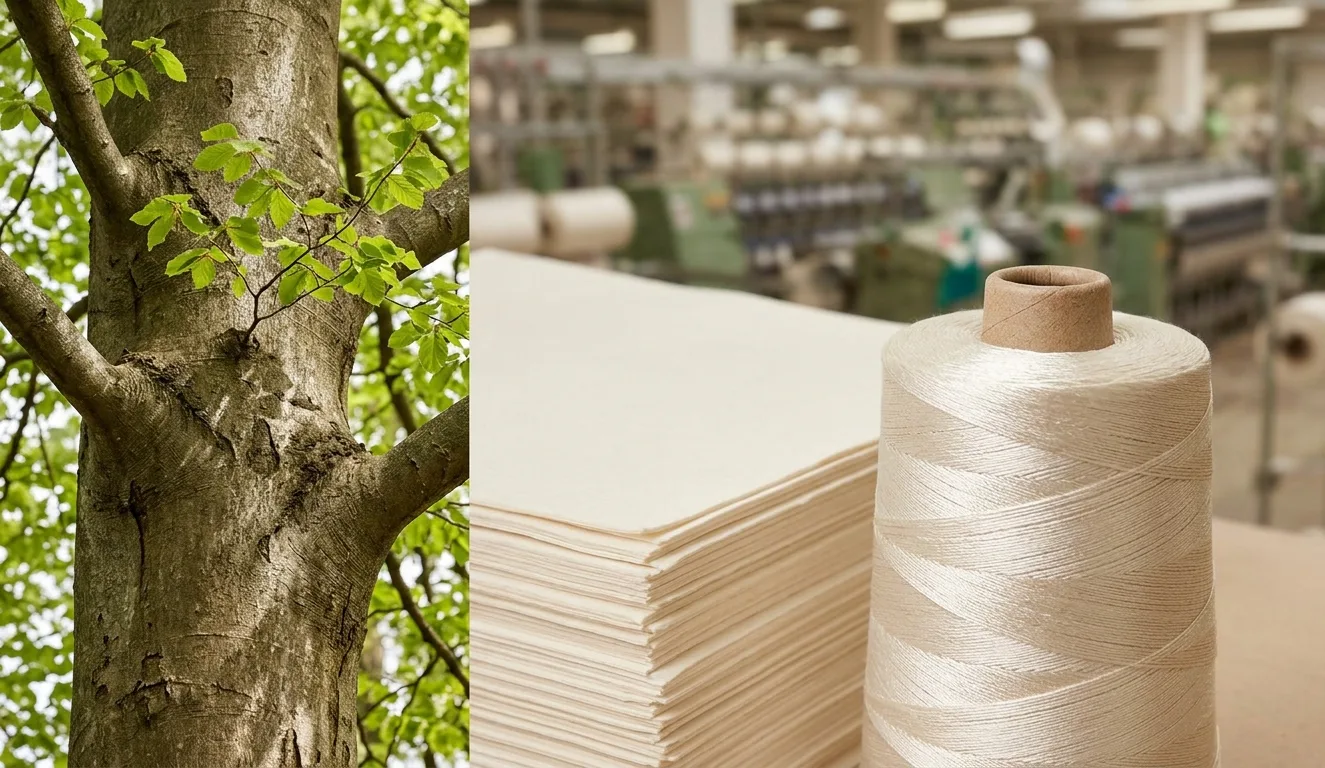
Materials that combine natural qualities with beauty have always stood out in the world of textiles. Viscose fabric is one of the foremost among them, thanks to its plant-based composition and comfortable feel. Made from cellulose, this fabric takes its raw material from trees such as beech. During production, natural cellulose is transformed into a liquid and then spun into fibres. This sets viscose apart from fully synthetic fabrics and gives it a more natural feel. Today, viscose fabric is found in a wide range of applications, from fashion to home textiles, thanks to the many benefits it offers.
Viscose has similarities to cotton, but it has a more refined look when it comes to qualities such as shine and softness, as seen in silk-viscose fabric variants. Its high moisture absorption and breathable construction make it a must-have, especially in warm weather. Viscose-cotton blends bring together the best qualities of both fibres, maximising both durability and softness.
Viscose Fabric Features
The physical and technical qualities of viscose fabric are what set it apart from other fabric types. Viscose is known for its smooth feel and fluid drape. Among its many qualities, its high absorbency stands out. These fibres can hold more moisture than cotton, making them effective at regulating body temperature and wicking away moisture. The fabric's key characteristics include:
• Its high moisture absorption helps keep you cool and prevents sweating.
• It is highly breathable, allowing the skin to breathe.
• Made from natural cellulose, it is gentle on the skin and does not generate static electricity.
• It absorbs dye exceptionally well, making colours appear more vivid and vibrant.
• It has a fluid, elegant drape that softly follows the body's contours.
• Its smooth texture feels sleek and comfortable against the skin.
These qualities make viscose a popular choice, especially for women's clothing and elegant designs. In patterned varieties such as striped viscose fabric, the vivid colours and crisp patterns are thanks to the fibres' ability to absorb dye evenly. Although viscose fibres are less elastic than cotton, versions made stretchy using modern weaving techniques are also available.
Uses of Viscose Fabric
Viscose's versatility makes it widely used across different industries and product categories. Its soft texture and fluid drape offer textile designers plenty of room to express their creativity. From everyday clothes to the most elegant evening dresses, viscose can be found in all kinds of garments. Its main uses include:
- Clothing: Widely used for garments that call for a fluid drape, such as blouses, dresses, skirts and tunics.
- Underwear and Nightwear: Its soft texture and breathable construction make it a popular choice for pyjamas and nightgowns.
- Lining: Its smooth surface makes it a popular choice for the inner lining of jackets and coats.
- Home Textiles: An elegant option for bedding sets, curtains and lightweight tablecloths.
- Accessories: A popular choice for accessories such as scarves, shawls and neckerchiefs, thanks to its vivid colours.
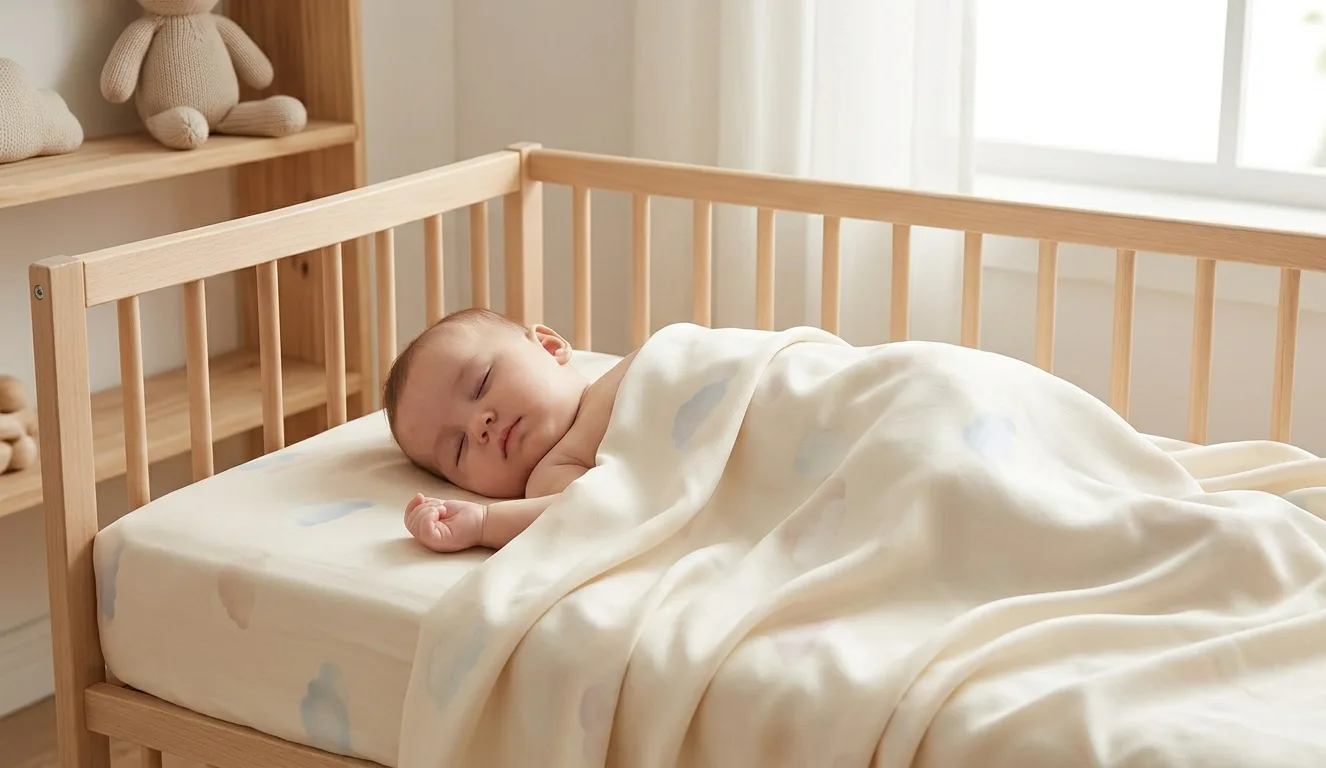
- Bedding and Sleep Products: Viscose fibres are among the most popular materials for the top coverings of beds and mattress covers. Thanks to their high moisture absorption and breathable construction, they help regulate body temperature during sleep, prevent sweating and create a healthier, more restful sleep environment.
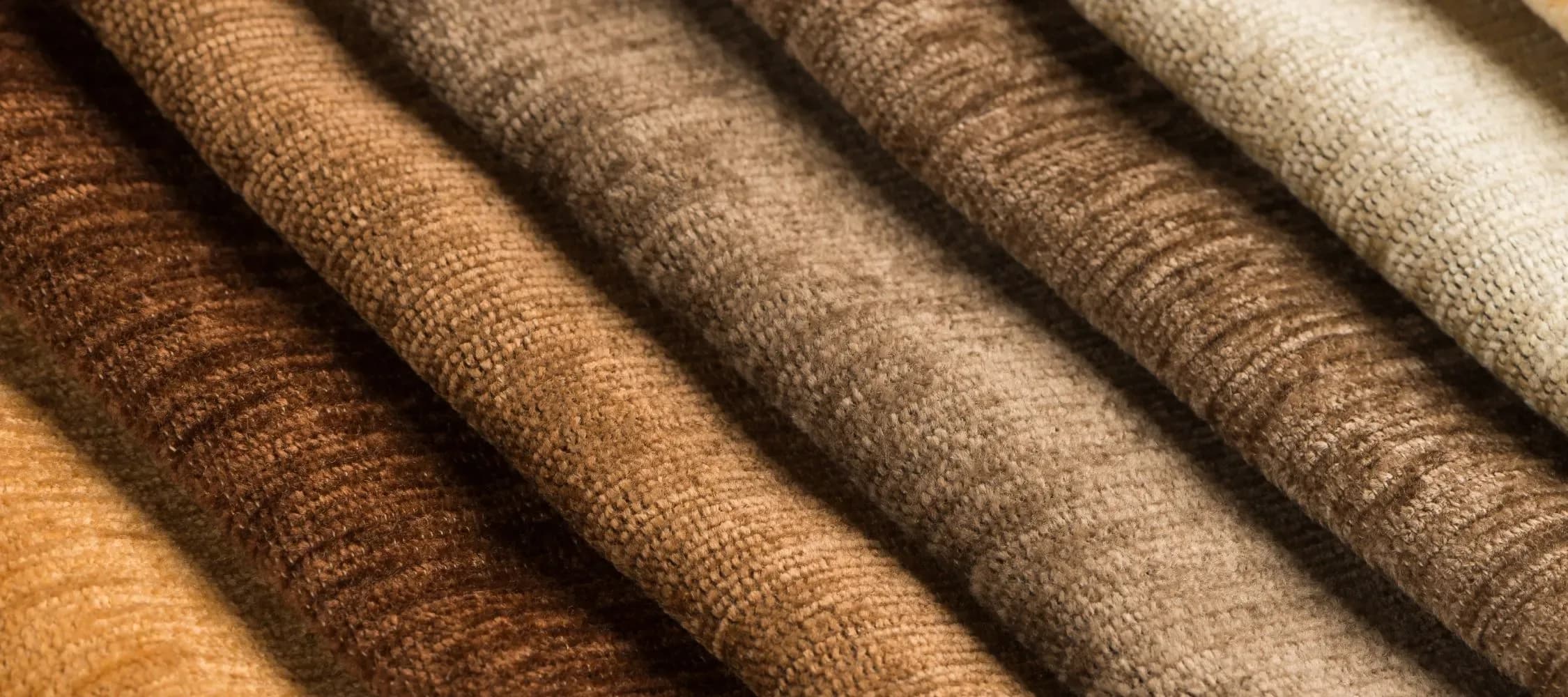
- Upholstered Furniture Designs: In the furniture industry, viscose is often blended with fibres such as linen and cotton to produce luxurious upholstery fabrics. It gives furniture a silky sheen and a soft feel while enhancing the overall look of a space.
- Decorative Rugs and Carpets: Viscose fibres, also known as "artificial silk," have a special place in rug weaving. Their sheen brings striking patterns to life, while their soft texture adds comfort to the home.
- Elegant, Draped Curtains: Viscose's natural drape makes it ideal for curtains that lend windows an elegant look. Its light-reflecting quality helps spaces appear brighter and more airy.
Viscose-cotton blends are often used in T-shirts and sportswear to improve durability. The elegant look of the fabric also makes silk-viscose options a popular choice for evening wear. With such a wide range of uses, knowing how to care for and clean this material is equally important.
Tips for Cleaning Viscose Fabric
Viscose has delicate fibres, so it needs to be handled with care when cleaning. Incorrect washing methods can distort the fabric or cause it to change size. When washing viscose fabric, paying attention to the water temperature and detergent type will help extend its life. Hand washing or using a delicate cycle on your washing machine is generally recommended.
It is essential not to wash in water hotter than 30 degrees. High temperatures can cause the cellulose fibres to shrink, making the fabric contract. Spin at the lowest speed or, if possible, avoid spinning altogether to prevent mechanical damage to the fibres. Lay the fabric flat to dry in a spot away from direct sunlight. Hanging it to dry may cause it to stretch under its own weight while wet.
Differences Between Viscose Fabric and Viscose
Because viscose fabric is made from cellulose, a natural raw material, it generally contains no substances harmful to human health. It is far less likely to cause allergic skin reactions than fully synthetic fabrics. For anyone concerned about whether viscose fabric is harmful, its breathable construction and resistance to static electricity are reassuring qualities.
However, due to the chemical processes used in production, people with sensitive skin are advised to wash new products before using them. Removing any residue left by dyeing and finishing ensures the fabric is at its cleanest and safest. Viscose produced in accordance with ecological standards is a highly reliable material for both the environment and human health.

Frequently Asked Questions
Does Viscose Fabric Make You Sweat?
Viscose does not make you sweat, thanks to its high moisture absorption. It can hold more water than cotton, quickly absorbing perspiration and wicking it away. Its breathability allows the skin to breathe and helps keep you cool, especially in warm weather.
Does Viscose Fabric Shrink?
Because of its natural cellulose structure, viscose can shrink if washed incorrectly or exposed to high temperatures. To avoid this, we recommend avoiding water hotter than 30 degrees and tumble dryers. The fabric retains its shape when cared for according to the washing instructions.
Is Viscose Fabric Nylon?
No, viscose is definitely not nylon. Nylon is a synthetic fibre derived from petroleum, while viscose is a plant-based fabric made from tree cellulose. Viscose is breathable and absorbs perspiration, unlike nylon.
Is Viscose Fabric Stretchy?
Pure viscose fabric is not very stretchy in its natural form. However, many viscose fabrics on the market contain 3% to 5% elastane (Lycra). These blends allow the fabric to stretch and adapt to the body's shape.
Does Viscose Fabric Crease?
Yes, viscose tends to crease easily because its fibres are soft and fine. This is a sign of the fabric's natural composition. Creases can be easily smoothed out in seconds with a low-temperature iron or steam.
What Is Viscose Fabric Like?
Viscose is soft, smooth and fluid in drape. Its appearance is reminiscent of silk, while its comfort feels like cotton. It is gentle on the skin, does not generate static and reflects colours vibrantly thanks to its lustrous surface.
Is Viscose Fabric Harmful?
Viscose is made entirely from natural tree cellulose and is not harmful to human health. Its breathable quality minimises the risk of allergic reactions. Unlike synthetic fabrics, it is a healthy, reliable textile material that works in harmony with the body.
Can You Wear Viscose Fabric in Summer?
Yes, viscose is one of the ideal fabrics to wear in summer. Its fine texture and ability to absorb perspiration help keep the body cool on hot days. Its comfort makes it a favourite for summer dresses, blouses and shawls.
Does Viscose Fabric Need Ironing?
Viscose fabrics generally need ironing because the fibres are prone to creasing. We recommend ironing on a low setting to smooth out creases after washing and restore the fabric's elegant drape. Ironing the fabric inside out helps prevent shine.
Viscose is one of the most valued materials in the modern textile world, thanks to its natural composition and exceptional comfort. With proper care and mindful use, viscose fabric offers a clothing experience that is both stylish and comfortable. Breathable against the skin, moisture-absorbing and elegant in appearance, this fabric will continue to be a wardrobe staple for years to come.
You May Also Like→ What Is a Wall Sconce and Where Is It Used?