Decorating
What Is Stained Glass? What Are Its Uses?
Stained glass, made by joining pieces of colored glass, looks like a work of art. Click to learn about its uses, benefits and more!
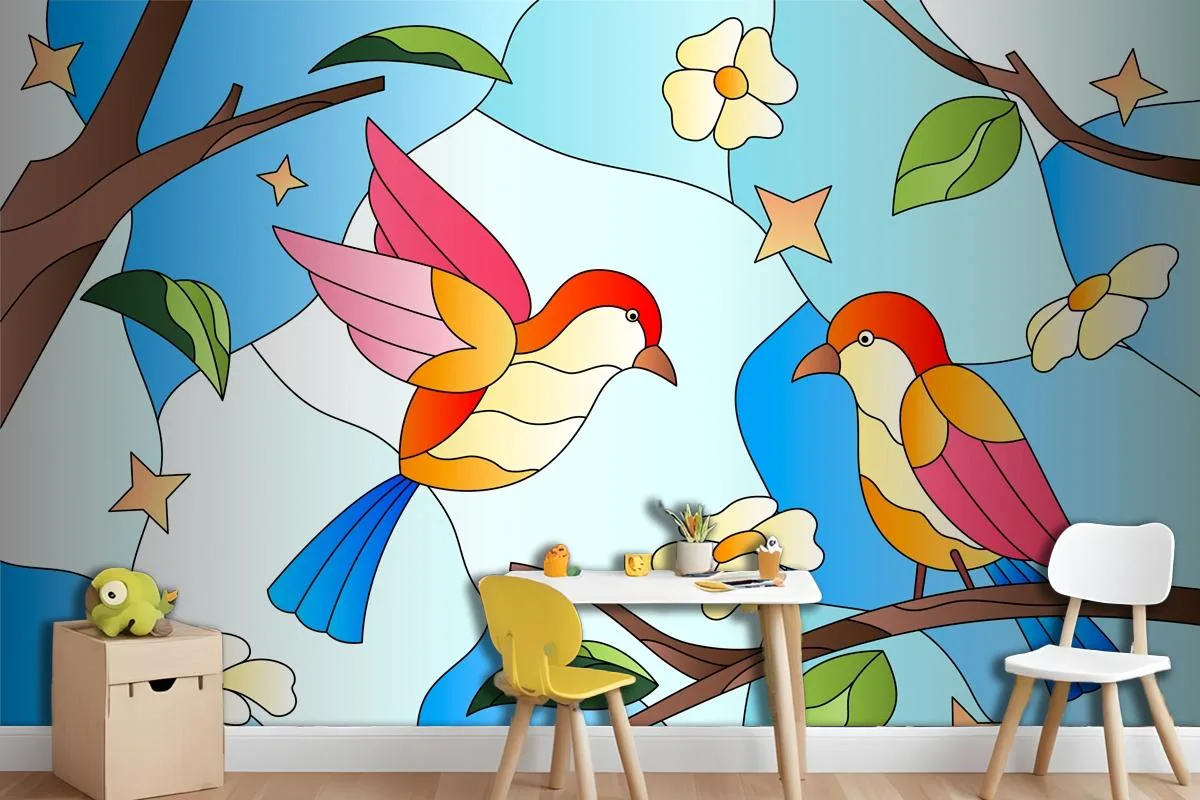
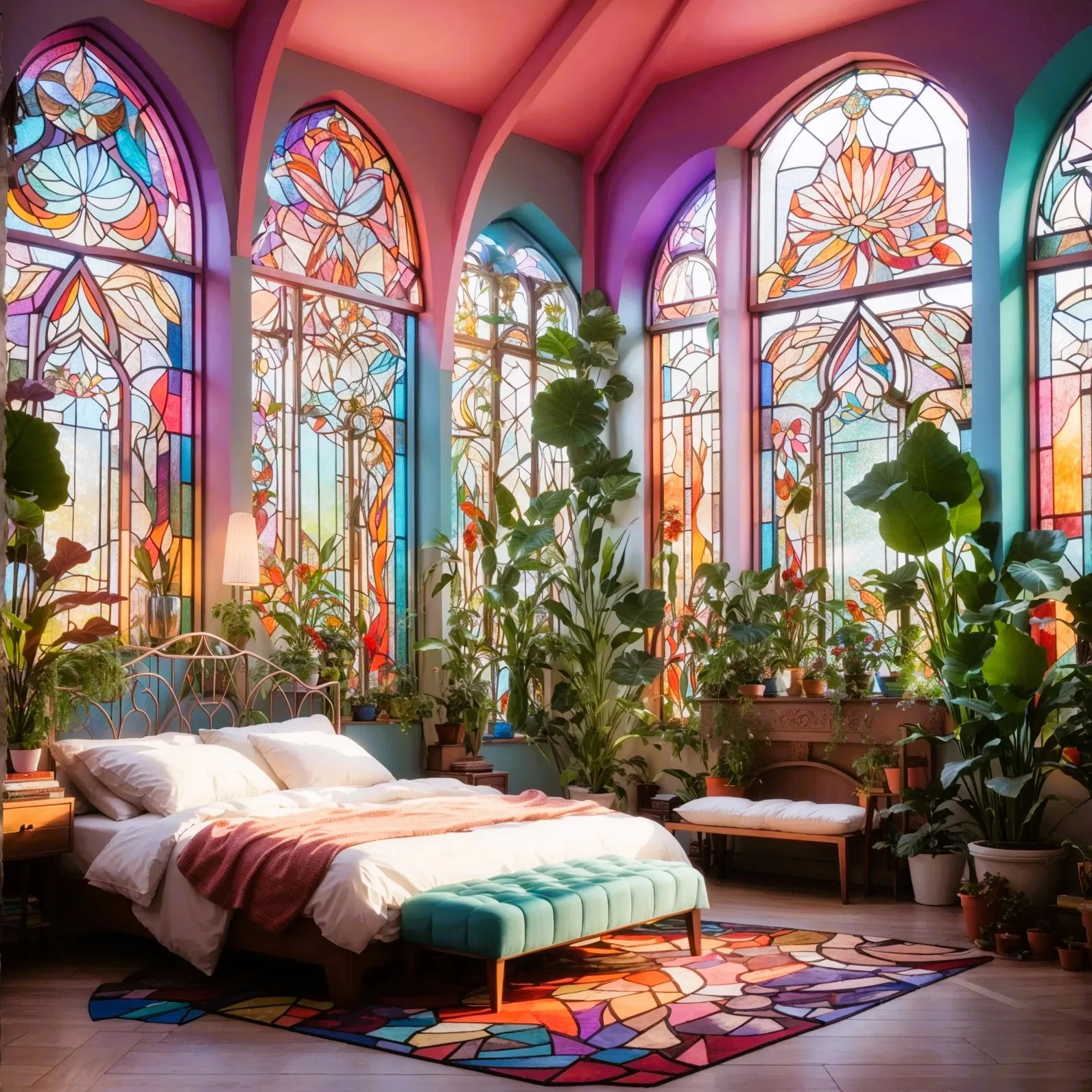
Stained glass is an impressive glassworking technique that has brought together aesthetics and functionality throughout history. Created by skillfully combining pieces of colored glass, this art has become an important decorative element in both historic buildings and modern spaces. The use of stained glass in baby and children's rooms, in particular, adds visual appeal while creating a warm, enchanting atmosphere. Its colorful patterns inspire children's imaginations, while its durability and safety also make it an appealing choice for parents. A popular choice in home décor today, stained glass gives children's rooms a distinctive identity through personalized designs, playing an important role in both aesthetic and functional terms.
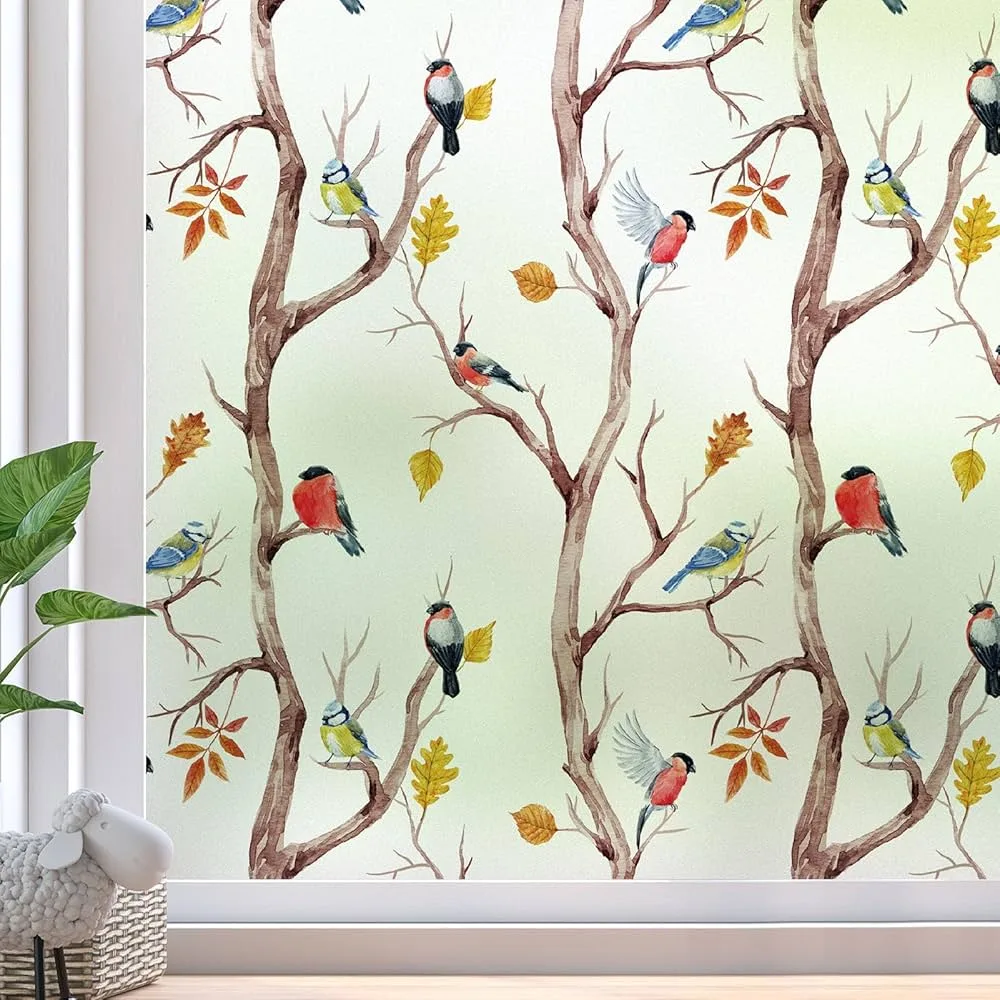
Things to Consider When Using Stained Glass
There are several important points to keep in mind when using stained glass:
- Aesthetic Harmony: Stained glass should complement the overall décor of the space where it will be used. Coordinating colors and patterns enhances visual harmony.
- Light Transmission: The types of glass you choose should be considered in terms of light transmission. The way light is reflected can enhance the effect of the stained glass.
- Material Quality: The stained glass materials and paints used should be durable and long-lasting. Quality materials offer both aesthetic and functional advantages.
How Is Stained Glass Made?
Making stained glass involves several stages that require care and patience. Here are the details:
- Preparing the Design
The first step is to prepare the desired design as a pattern or template. At this stage, the stained glass patterns to be used are chosen, and their measurements are adjusted to suit the size of the finished piece.
- Cutting the Glass
Glass in different colors is cut according to the prepared design. A glass cutter and diamond are used for cutting. Each piece should be carefully cut to match the design details and shaped neatly.
- Joining the Pieces
The cut pieces of glass are usually joined with lead strips or copper foil. In this process, the edges of each piece are covered with lead or copper and connected to one another. This stage strengthens the stained glass and gives it an attractive appearance.
- Soldering
After the glass pieces have been joined, they are soldered. A soldering iron is used to strengthen the connections between the lead or copper. Soldering makes the stained glass sturdier while also giving it a refined finish.
- Cleaning and Polishing
- In the final step, the completed stained glass piece is cleaned and polished. This enhances the glass's shine, giving it an even more striking appearance when illuminated.
Stained Glass Styles
Different stained glass styles can be created using a variety of techniques and materials. Here are the most common stained glass styles:
Lead Came Stained Glass
Lead came stained glass is one of the most traditional stained glass techniques. Pieces of colored glass are joined with lead rods and secured by soldering. This style is generally used in large windows and architectural structures. It creates a striking visual effect as light passes through.
Tiffany Stained Glass
The Tiffany stained glass technique uses copper foil. In this method, copper foil is applied around each piece of glass after it is cut, and the pieces are then soldered together. Tiffany stained glass allows for finer details and more intricate patterns. It is generally used for decorative objects and small windows.
Painted Stained Glass
With painted stained glass, patterns are applied directly to the glass surface using stained glass paint. An outline is drawn over a sketch placed beneath the glass, and the glass is then painted. This style is especially popular for wall decorations and decorative frames indoors.
Mosaic Stained Glass
Mosaic stained glass is a technique in which small pieces of colored glass are combined. It is generally used in larger spaces and is an ideal way to create a variety of patterns. The gaps between the pieces of glass are usually filled with mortar or putty.
Putty-Glazed Stained Glass
With putty-glazed stained glass, the gaps between the colored glass pieces are filled with putty after they are set in place. This technique is generally preferred for large stained glass windows used outdoors. Cellulosic varnish or silicone is used to secure the glass.
Mosaic Stained Glass
Mosaic stained glass is made by combining small pieces of glass in different colors to create a range of patterns. This technique is generally preferred for wall panels or large works of art.
Uses of Stained Glass
Stained glass has a wide range of uses. Here are the details:
- Baby and Children's Rooms
Stained glass plays an important role in baby and children's rooms, both aesthetically and functionally. Its colorful designs bring life to a room, while filtering light into different hues to create a fresh atmosphere and inspire children's imaginations. These glass pieces are also generally made from durable materials, offering added peace of mind when it comes to safety.
- Architectural Applications
Stained glass is often used in churches, mosques, historic buildings and modern architectural projects. It gives these structures an attractive appearance and creates enchanting plays of light indoors. For example, the large stained glass windows found in cathedrals and temples visually tell stories and depict religious themes.
- Home Décor
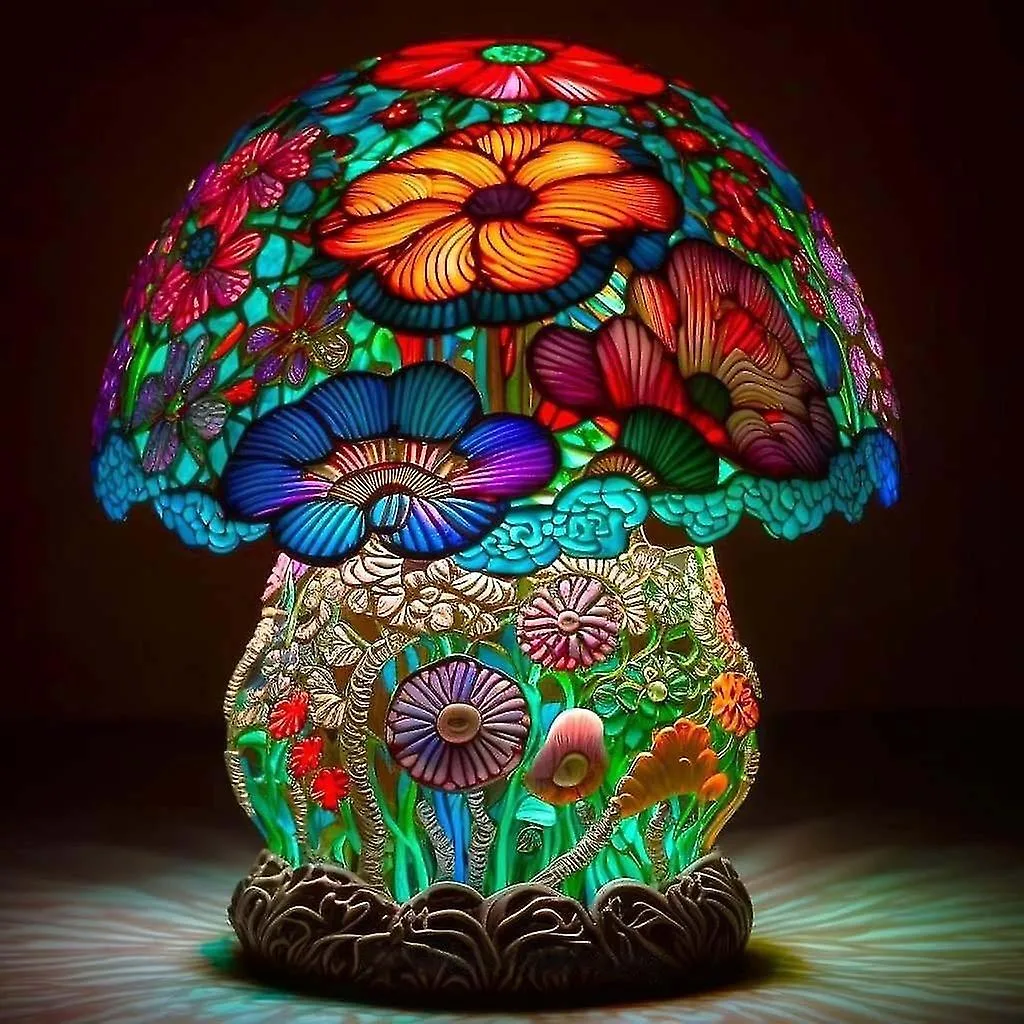
At home, stained glass is featured in decorative items such as lamps, door panels, windows and mirror frames. These pieces, created with colored glass, add an elegant touch to a space and reflect personal style.
- Works of Art
Stained glass works displayed in art galleries showcase the artist's creativity while offering visitors a visual feast. Created using stained glass painting techniques, these works are valuable pieces for collectors.
- Offices and Commercial Spaces
Using stained glass in offices and commercial spaces creates a professional atmosphere while adding an aesthetic touch. Popular for office partitions and meeting rooms, stained glass applications provide privacy while allowing light through to create a bright, open environment.
- Gardens and Outdoor Spaces
Stained glass can be used in garden décor for features such as outdoor lamps, water features or garden gates. When colorful glass meets natural light, it lends outdoor spaces a captivating atmosphere.
- Gifts
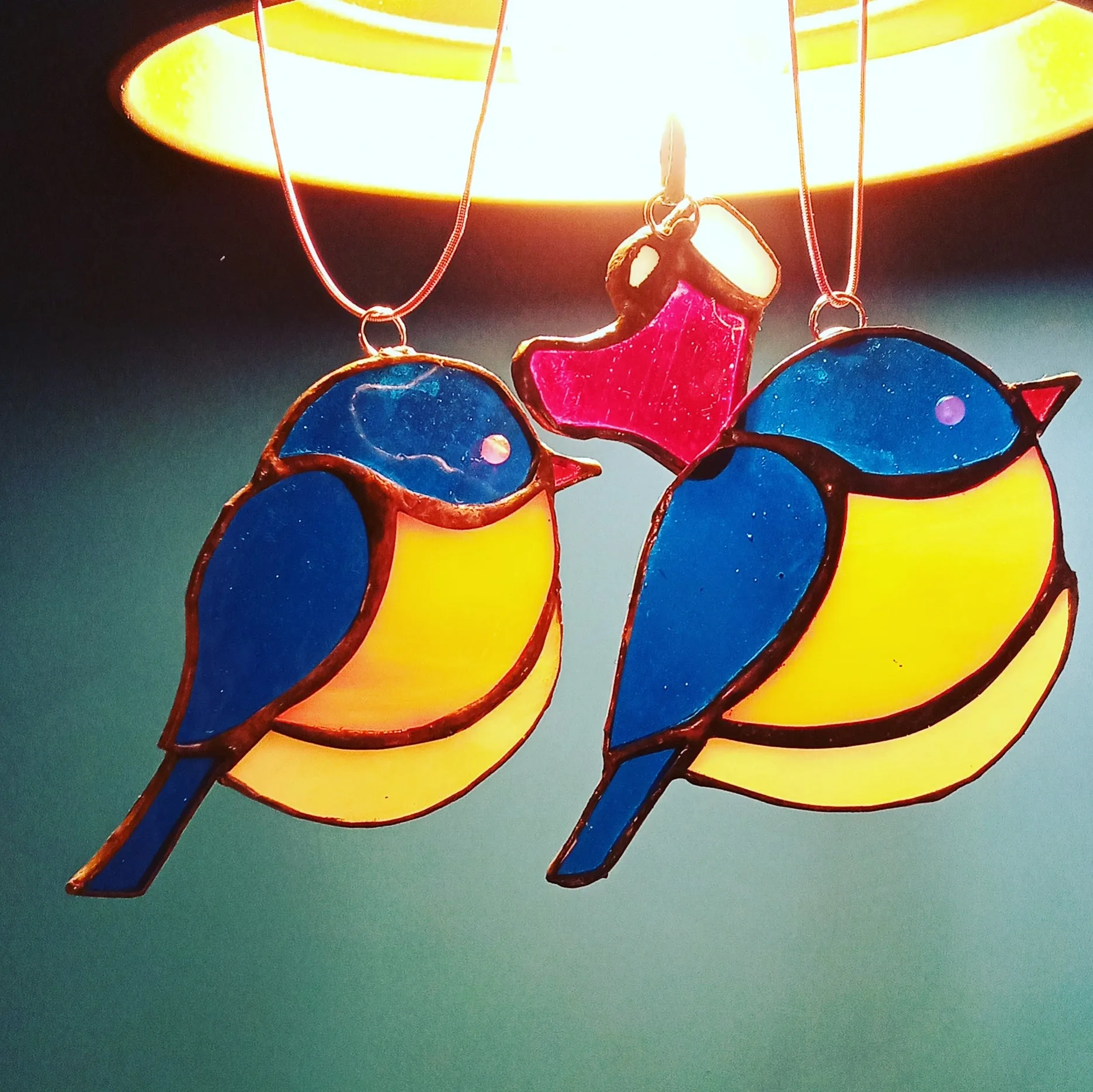
Stained glass art is also popular in giftmaking. Stained glass frames, ornaments and custom-designed pieces are distinctive options to give to loved ones.
How Should Stained Glass Be Cleaned?
Cleaning stained glass is important for keeping these artistic, aesthetic elements in good condition for years to come. Stained glass lends spaces an elegant look as light passes through it, but it may need cleaning over time as dust and dirt accumulate. Here's how to clean stained glass and what you'll need:
- Glass Cleaner Spray or Liquid: Products specially designed for glass surfaces are less likely to leave smudges or streaks.
- Microfiber Cloth: A clean, soft cloth gently removes dirt from glass surfaces while reducing the risk of scratches.
- Cheesecloth or Paper Towel: Use to absorb any moisture left after cleaning.
- Water: Can be used with glass cleaner.
You May Also Like→ What Is Minimalism? The Importance of Minimalism in Teen Rooms