Furniture Guide
What Is Chenille Fabric? How Is It Used in Children's and Teen Rooms?
Chenille fabric stands out for its soft texture and durability. It offers a stylish and comfortable option for children’s and teen rooms. Click for details!
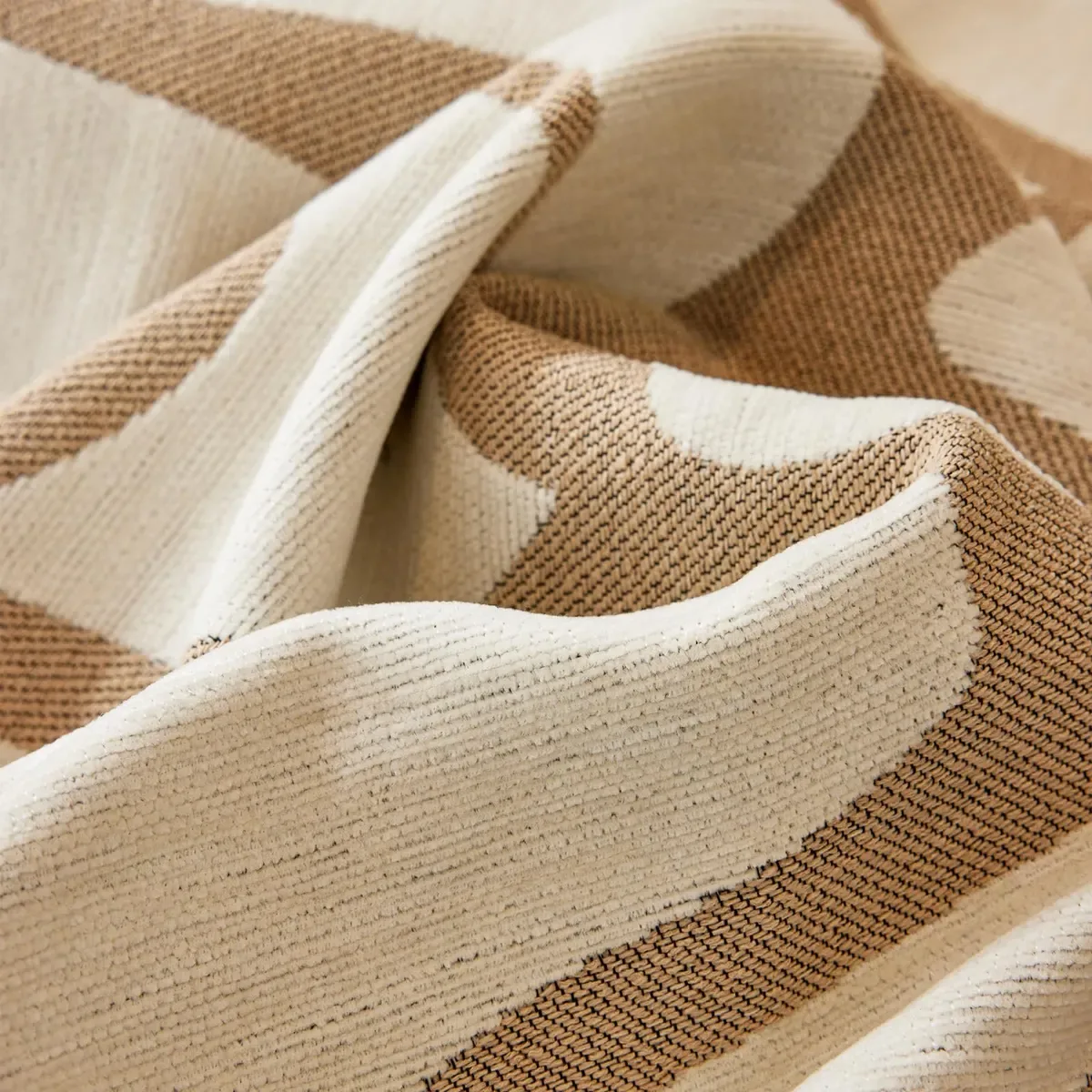
One of the standout fabric types in furniture upholstery, curtains and textiles, chenille fabric is known for its soft texture and elegant appearance. Easily suited to both classic and modern interior styles, chenille fabric has grown increasingly popular in recent years.
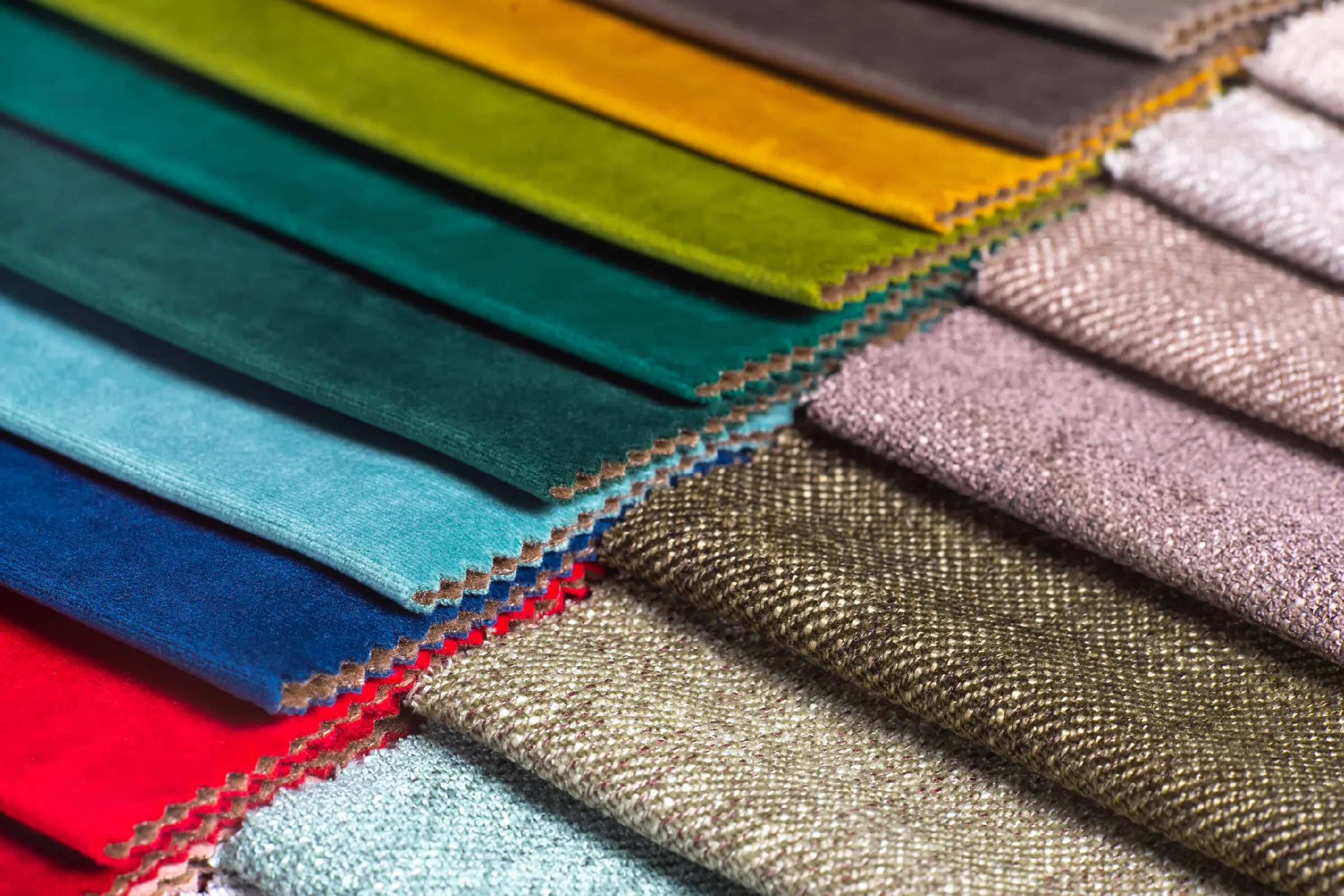
Chenille is a word of French origin meaning “caterpillar.” It takes its name from the yarns on the fabric’s surface, which create a soft, velvety feel. Chenille fabric is made from chenille yarn and has a characteristic fuzzy surface. This texture creates a warm and comfortable feel, both visually and to the touch.
Various raw materials, such as cotton, polyester, acrylic or viscose, can be used in the manufacturing process. This allows the fabric’s performance to be tailored to specific needs. Chenille fabric is also highly durable thanks to its weaving technique.
What Are the Characteristics of Chenille Fabric?
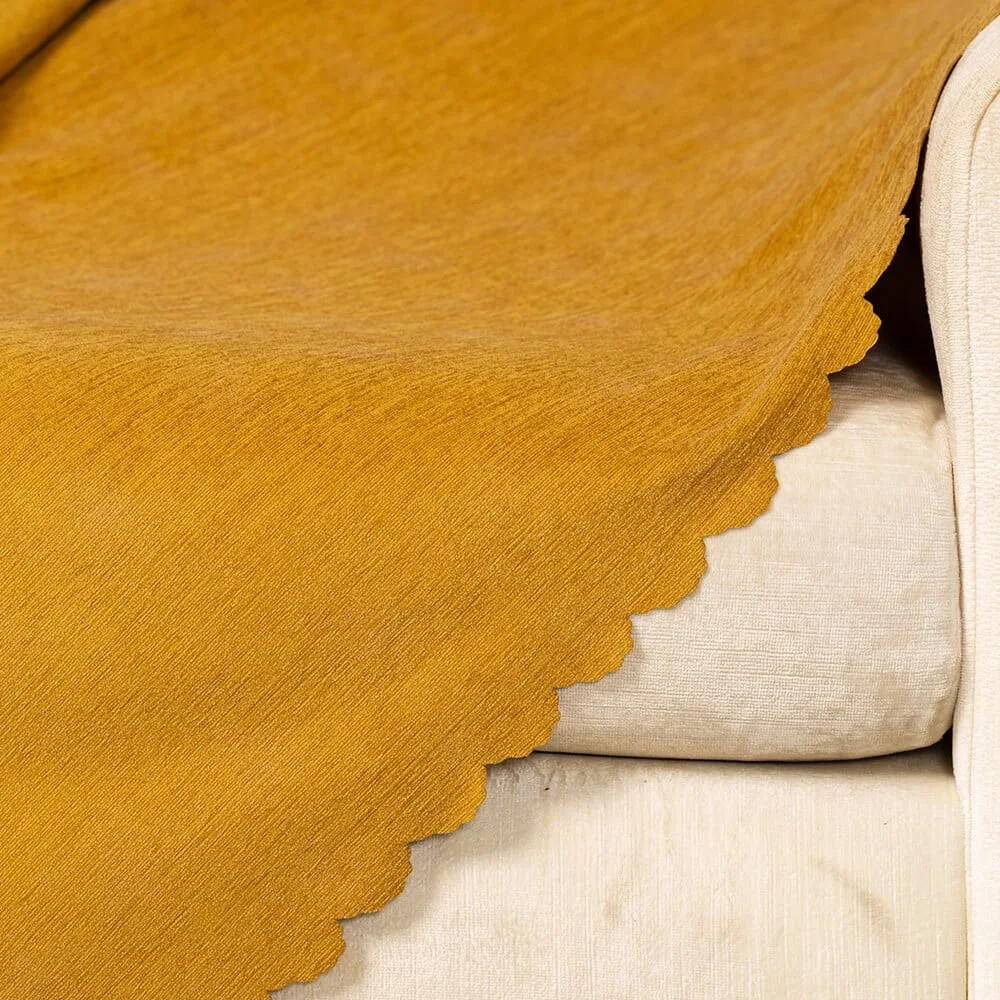
Frequently preferred in the furniture and textile industries, chenille fabric stands out for its durability and soft texture. Its elegant appearance makes it easy to pair with a variety of interior styles, and it offers many appealing qualities.
It has a soft, velvety texture. Comfortable to the touch, it is a popular choice for seating and cushions.
It is highly durable. Resistant to wear and abrasion, it is made to last.
It has an elegant sheen. Its subtly lustrous surface changes with the light, adding a decorative touch.
It comes in a rich variety of colours. Available in a range of shades and patterns, it offers options to suit every style.
It is easy to shape. Its flexible structure allows for a smooth finish when upholstering furniture.
It has insulating properties. Its thick texture helps insulate against both sound and heat.
It is relatively easy to clean. It offers good stain resistance and can retain its original appearance with regular care.
It may develop pilling. Slight pilling can occur on the fabric surface over time, though this is generally related to the fabric’s quality.
Those with allergies may need to use it with care. Its fuzzy texture may cause discomfort for some sensitive individuals.
It offers good value for money. Given its features, it is available at affordable price points.
Does Chenille Fabric Make You Sweat?
One of the most common considerations when choosing a fabric is whether it is breathable and likely to make you sweat. The answer to the question “Does chenille fabric make you sweat?” depends on the yarn it is made from. Cotton-rich chenille fabrics are generally breathable and less likely to cause sweating. However, polyester-based chenille may be less breathable and can cause sweating in warm weather. That is why choosing the right type of yarn for your intended use is so important.
Does Chenille Fabric Stain Easily?
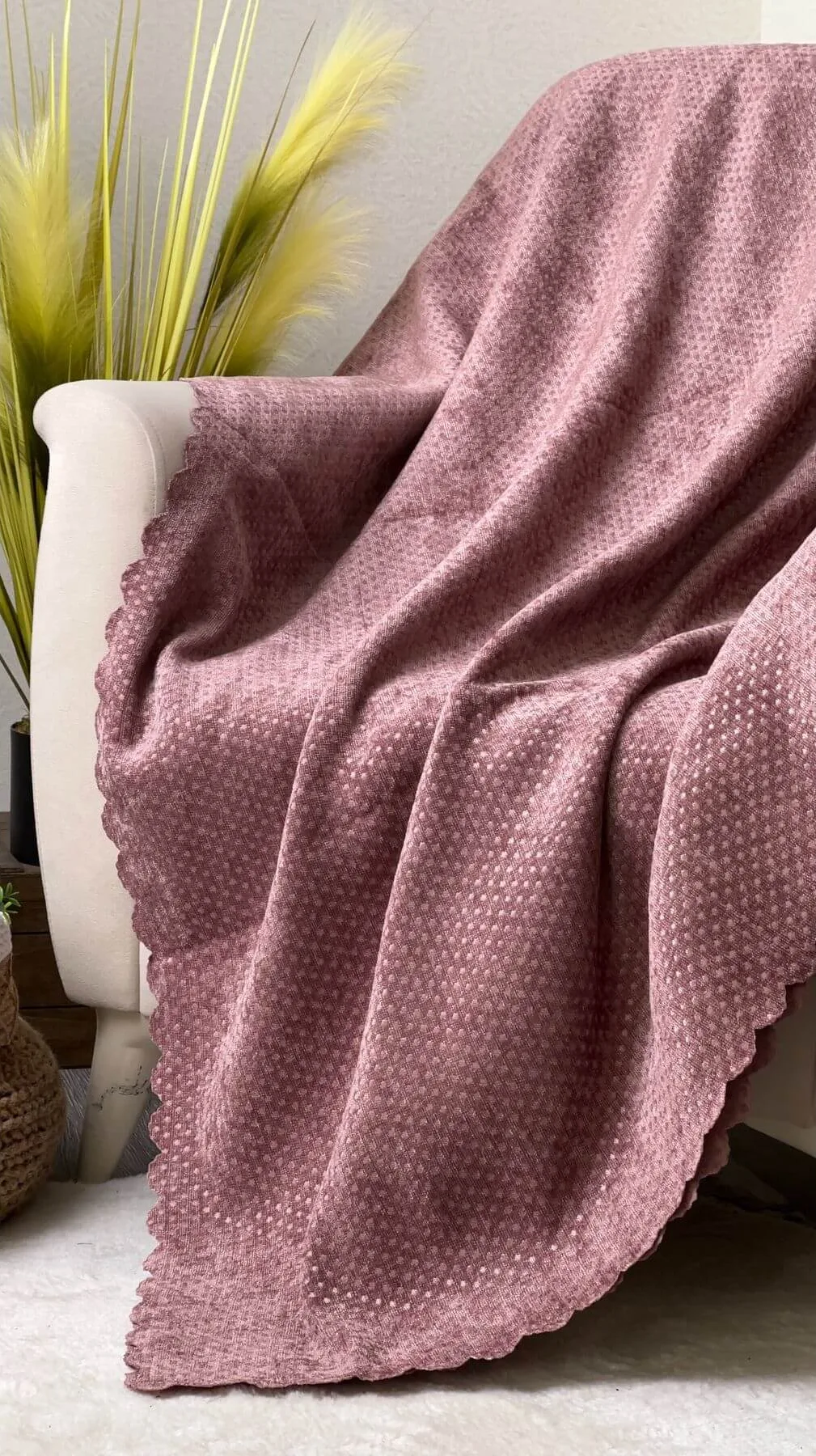
If you have young children or pets at home, stain resistance is one of the main things to consider when choosing upholstery fabric. Chenille fabric has a moderate tendency to stain. Its tightly woven, fuzzy surface can cause some liquids to remain on the fabric. However, this does not necessarily mean the stain will soak all the way in. Choosing chenille fabric treated with a stain repellent during manufacturing can help prevent this to a great extent. Regular cleaning and the use of protective sprays can also extend the life of chenille fabrics.
What Is Chenille Fabric Used For?
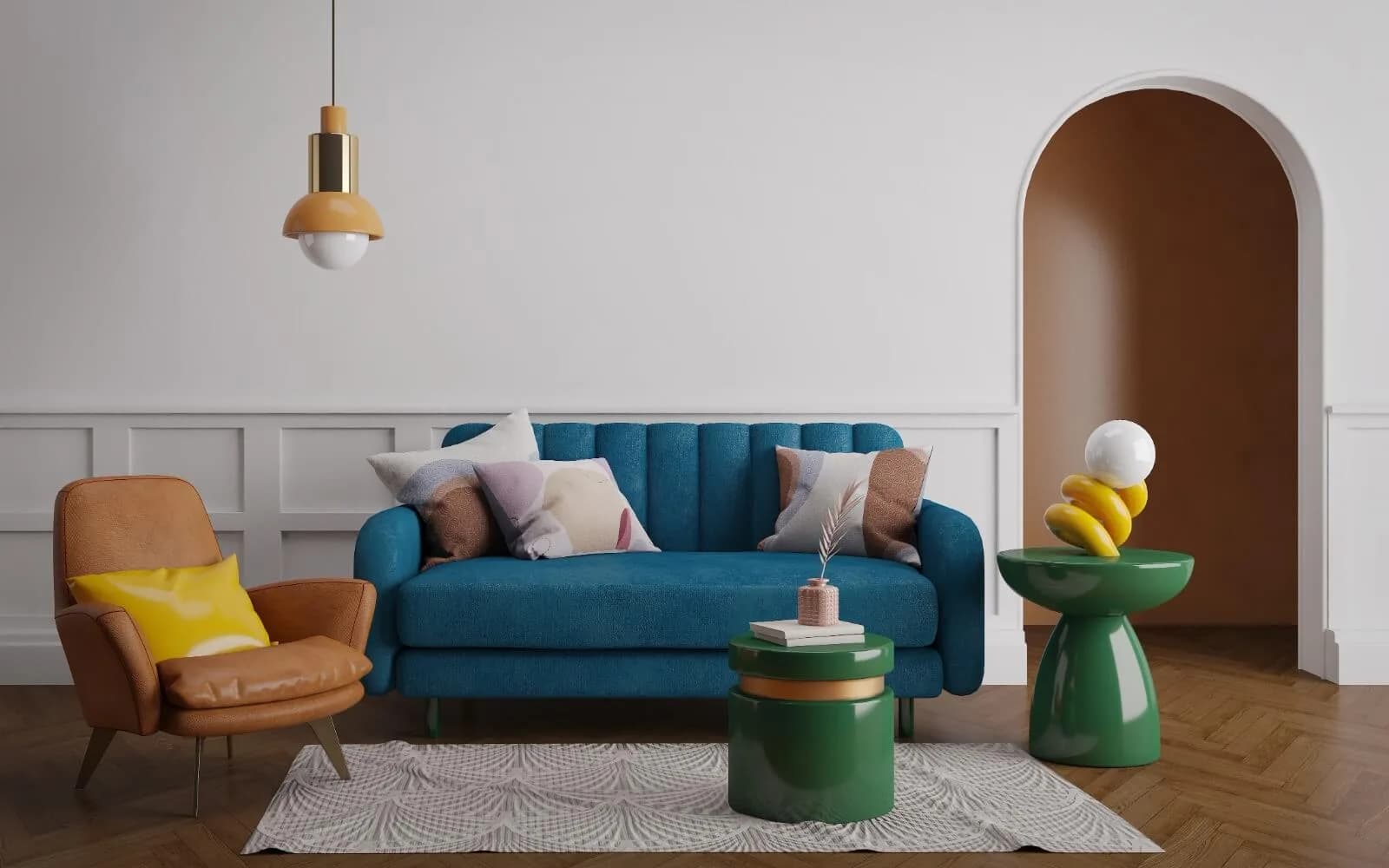
Chenille fabric has a wide range of uses, with seating being the most common. A chenille sofa set is an ideal choice for those looking for both style and comfort. Its soft texture makes for a comfortable seating experience, while its durability makes it suitable for long-term use. Chenille is also frequently used for curtains, pillowcases, cushions, bedspreads and upholstery.
Chenille bedspread fabrics used in bedroom textiles stand out for their attractive appearance and practicality. Paired with elegant patterns, this type of fabric creates a luxurious look.
What Are the Different Types of Chenille Fabric?
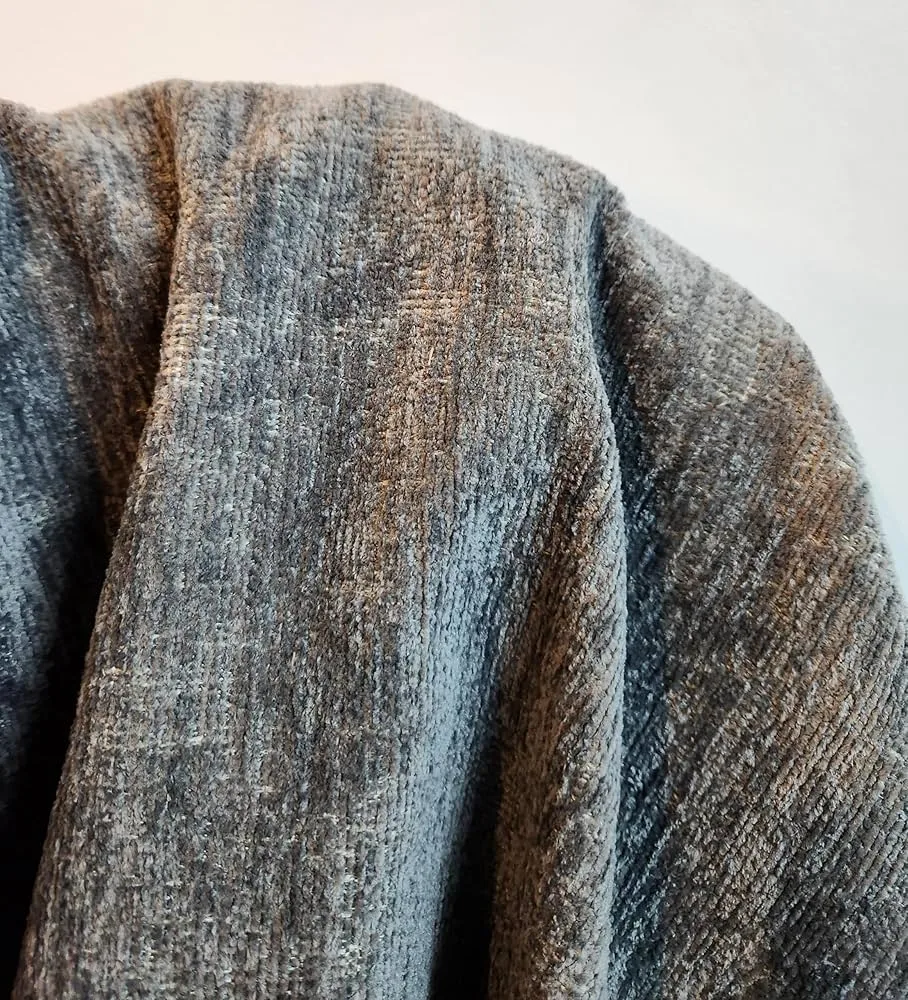
Thanks to its soft texture and elegant appearance, chenille fabric suits a variety of uses. Available in different weave techniques and yarn structures, chenille fabrics are chosen for both decorative and functional purposes. Varying by intended use, yarn type and blend, these fabrics are used in a wide range of applications, from furniture upholstery to curtains.
Cotton-Blend Chenille Fabric: Woven with natural cotton yarns, this fabric is breathable and particularly well suited to warm climates. It offers comfort with its softness and skin-friendly feel.
Polyester Chenille Fabric: Made from synthetic fibres, this variety stands out for its durability. Its stain-resistant properties make it a long-lasting choice for seating and sofa upholstery.
Acrylic Chenille Fabric: Woven with acrylic yarns, this fabric has the feel of wool but is lighter. It is generally used for outdoor textiles and winter home products.
Blended Chenille Fabric (Cotton + Polyester): Made from a combination of natural and synthetic fibres, this fabric brings durability and comfort together. Along with its attractive appearance, it offers the advantage of long-lasting use.
Bamboo Chenille Fabric: Made from bamboo fibres, chenille fabric stands out for its eco-friendly and antibacterial properties. Its softness and natural sheen make it especially popular for luxury home textiles.
Lightweight Chenille Fabric: Made from finer yarns with a tighter weave, this fabric creates an elegant look for curtains and decorative cushions. Its lightweight structure makes it easy to shape.
Heavyweight Chenille Fabric: With its denser weave, this fabric is used for seating such as armchairs and sofas. Its insulating properties make it ideal for winter.
How Do You Clean Chenille Fabric?
Because of its soft, fuzzy texture, chenille fabric needs special care when cleaning. Regular vacuuming is recommended. You can gently vacuum it once a week to prevent dust from getting between the fibres. If a spill occurs, it is best to act immediately. Wiping with a damp cloth is usually enough. Take care when using detergents: avoid products containing bleach and, if possible, use a shampoo specially formulated for fabrics.
If sofa covers are removable, they can be washed according to the care label instructions. However, most chenille fabrics are better suited to hand washing or dry cleaning. High-spin machine washing can damage the pile.
Chenille fabric is an ideal choice for those seeking an attractive appearance, comfortable use and durability all in one. If you want to refresh your home, reupholster your sofas or choose decorative textile products, chenille fabric is well worth considering. With proper care, this fabric can retain its original appearance for years and make a statement in both classic and modern spaces.
What Are the Most Practical Sofa Fabrics? You may also enjoy this blog post!