Decorating
What Is a Wall Sconce and Where Is It Used?
A wall sconce is a light fixture mounted on a wall that adds both lighting and decorative appeal to a space. Used in different areas, it enhances the atmosphere of the room.
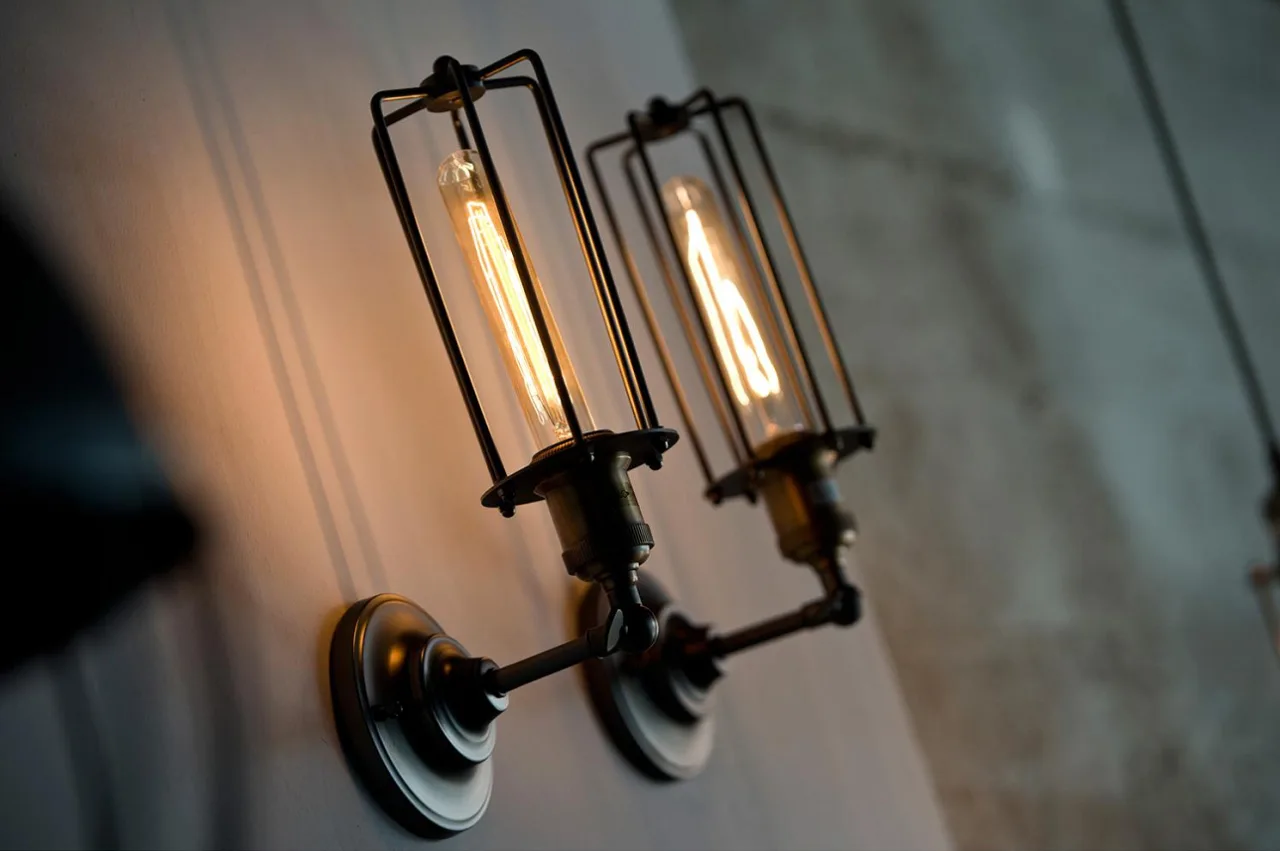
Throughout human history, light has been one of the most essential elements in turning shelters into homes and transforming the uncertainty of darkness into a comforting sense of security. This journey began with torches hung on walls in ancient times and continues today with sophisticated designs that bring aesthetics and technology together. What defines the spirit of a space is not only the quality of its furniture or the texture of its surfaces, but also the angle, tone and character of the light that fills it. While general lighting in modern architecture illuminates the entire space, the details that create its true atmosphere and depth are always found in the supporting elements.
Wall sconces are strategic tools in the world of interior design, adding architectural character to a space while highlighting specific areas. Simply put, a wall sconce is a light fixture mounted on a wall that adds depth to a space by casting light upward, downward or in both directions. Unlike chandeliers, which serve as the main light source, sconces are an essential part of the "layered lighting" strategy in professional interior design. A sconce that offers soft, indirect light and gentle transitions does more than illuminate a room; it also accentuates its architectural lines.
A well-planned lighting scheme is a functional tool that can make a physical space feel larger or more comfortable than it really is. For example, horizontal lighting effects in narrow hallways create the illusion that the walls are farther apart, while vertical light beams in rooms with high ceilings enhance their grandeur. In this respect, sconces are not merely decorative objects; they are professional design partners that guide visual perception and organize spatial hierarchy.
How Should You Choose Wall Sconces for Living Rooms?
In living rooms, the heart of the home, lighting should encourage social interaction and create a soothing atmosphere. Living room sconces are often chosen to soften the harshness of overhead lighting and create a relaxing ambiance in the evening. If your decor is modern, black sconces with minimalist lines will look like works of art on your wall.
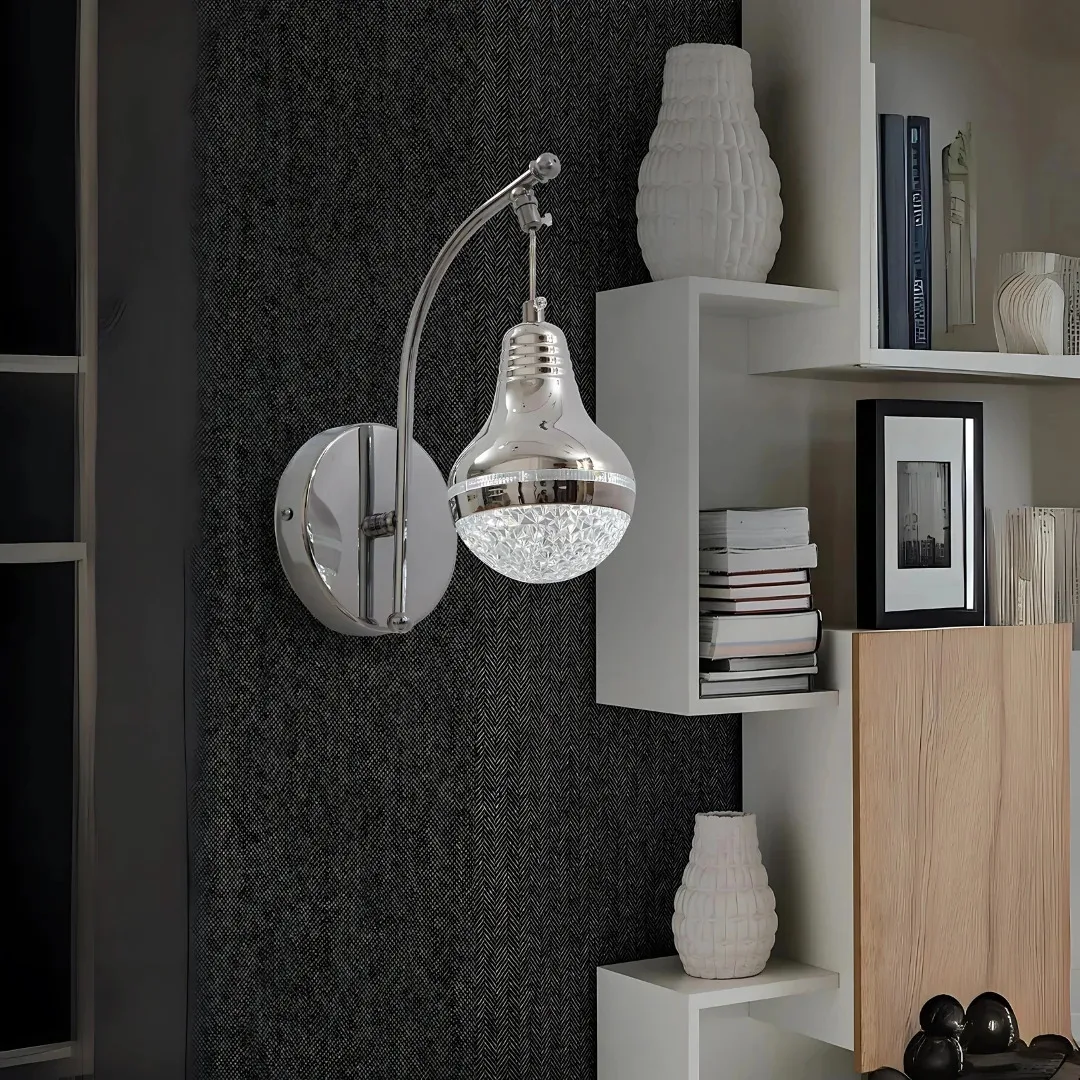
Wall sconces in living rooms do more than supplement general lighting; they can also be used to highlight specific pieces of furniture. For example, double-sided sconces placed beside a fireplace or on either side of a large bookcase are a must for anyone who loves symmetry. If you prefer a more classic, stately look, choose a wall light with crystal details or a brass body.
How to Highlight Artwork and Objects with Wall Sconces
If you want to draw attention to a painting or a special decorative object in your home, make the most of lighting. Picture lighting brings the techniques used in museums and galleries into the home, enhancing the space’s intellectual appeal. A picture light focused directly on the artwork makes its colors appear more vibrant and its details more distinct.
One of the most elegant solutions for this purpose is the flute sconce, known for its slim, graceful design. These models cast light evenly downward, illuminating the artwork without damaging its texture. If the piece on your wall is a large oil painting, a wide-angle picture light is a better choice. Remember, choosing the right picture light can turn your home into a personal art gallery.
Bedside Lighting in the Bedroom
Bringing a painting or a special decorative object to the fore in your home calls for a lighting approach that meets museum and gallery standards. This touch enhances the space’s intellectual depth, using the power of light to make the artwork the focal point. To transform your home into a personal gallery with the right picture light, follow these strategies:
Focused Light and Vivid Colors: A picture light positioned directly above the artwork makes color pigments appear more vibrant and technical details, such as brushstrokes, more distinct.
Even Illumination with Flute Sconces: Known for their slim, graceful design, flute sconces distribute light evenly across the surface. They give the artwork a soft glow without damaging its texture, creating a sophisticated look.
Choose a Fixture to Suit the Artwork’s Size: For large oil paintings or wide wall panels, choose a wide-angle picture light. This prevents the light from concentrating on just one point and ensures the entire surface is highlighted evenly.
Accent Lighting and Depth: Directional sconces can be used to create plays of light and shadow not only on wall panels but also on three-dimensional objects displayed in niches, adding a sense of volume and depth.
What Are Practical Solutions for Walls Without Electrical Wiring?
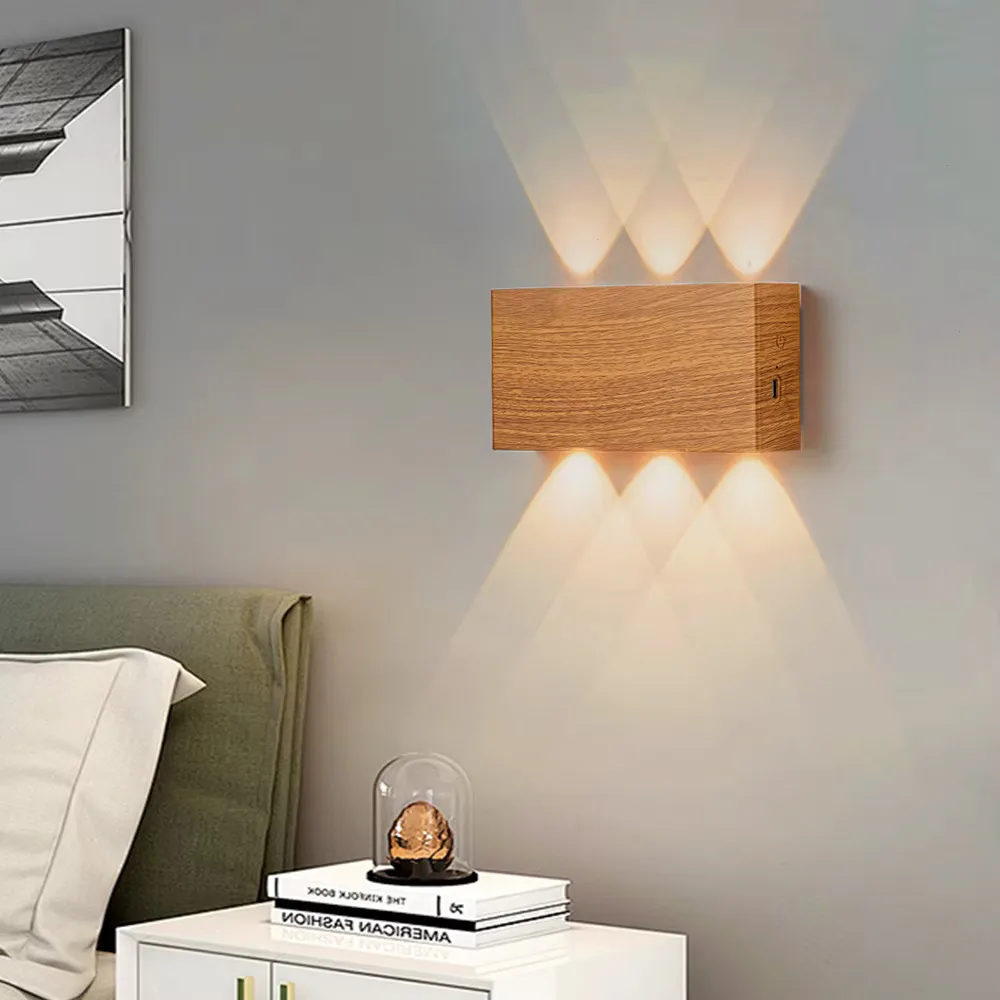
Many people give up on using wall sconces because their walls don’t have an electrical outlet. But advances in technology offer wonderful alternatives that don’t require renovation. Battery-powered sconces are a favorite among decor enthusiasts, and can be used without cutting into walls or running cables. With powerful batteries and stylish designs, these fixtures are easy to install. Rechargeable sconces that can be conveniently charged via USB also offer long-lasting use and sustainable lighting.
For a completely flexible layout, there’s a wide range of cordless sconces to choose from. You can remove them whenever you like and move them to another room. Models with remote controls, powered by battery-operated mechanisms, let you adjust the brightness from the comfort of your seat. If technology and efficiency are your priorities, long-lasting LED sconces will surprise you with their energy savings.
Using Mirrors and Accent Lighting in the Bathroom
Bathrooms are hybrid spaces that require plenty of light for tasks such as applying makeup and shaving, while also serving as places to relax after a shower or bath. That’s why a single light isn’t enough. Bathroom sconces placed on either side of or above a mirror prevent shadows on the face for a flawless reflection. Bathroom wall sconces specially made for damp areas also offer peace of mind with their safety standards.
For a vanity-style effect, lighting above the mirror is a must. Light from above or from the sides makes your daily routine easier. Marble sconce designs can also soften the overall feel of the bathroom, creating a spa-like atmosphere as light filters through the natural stone.
Lighting Strategies for Outdoor Spaces, Gardens and Balconies
In outdoor spaces, the face of your home turned toward the outside world, lighting serves both aesthetic and security purposes. Outdoor wall sconces are essential for making the building’s architectural details visible at night. These fixtures are made from weather-resistant materials and add grandeur to the building. On balconies, where many enjoy a relaxing evening cup of tea, choose balcony sconces that create a more intimate atmosphere.
Solar energy is an excellent choice for anyone looking for an eco-friendly and economical solution. Solar-powered sconces convert the energy they collect during the day into light at night, eliminating clutter from cables. Solar sconces arranged along garden walls illuminate pathways and provide a safe walking route. These energy-efficient LED wall sconces are also part of an environmentally conscious lifestyle.
How Do You Install a Wall Sconce?
When your stylish new wall sconce arrives, the installation process may seem complicated. But even installing a traditional wall fixture that requires an electrical connection, unlike a battery-powered one, is quite easy with the right equipment. Here are the steps to make the process easier:
Safety First: Always turn off the relevant circuit breaker before starting any work. Use a voltage tester to make sure the power is off.
Choose and Mark the Location: The sconce should generally be positioned at eye level or slightly above it (150-170 cm from the floor). Use a pencil to mark where the screws will go.
Drill and Insert Wall Plugs: Drill holes at the marked points and insert wall plugs of the appropriate size.
Connect the Wires: Connect the wires in the wall to the sconce wires by matching their colors (live, neutral and ground), using a terminal block.
Secure and Test: Screw the sconce onto the wall, fit the bulb and turn on the circuit breaker to check that your sconce lighting system works.
In transitional spaces such as hallways, motion-sensor sconces offer great convenience and energy savings compared to leaving the lights on. These systems light the way when you get up at night and are especially ideal for homes with children. A stylish series of hallway sconces can also turn even the darkest, dullest area of your home into a delightful passageway.
For a more modern look, explore LED sconce technology and choose from wall sconce designs that create distinctive lighting effects on your walls. The right wall lighting system is the finishing touch for your home.
You May Also Like→ What Is a Table Lamp and Where Is It Used?