Room Guide
Effective Study Techniques: From the Pomodoro Method to Organizing Your Desk
Effective studying begins with choosing the right task for what you need to learn. Rereading a topic, solving questions and explaining it without looking at the book do not serve the same purpose. When students first identify where they are struggling, they can use their time more meaningfully. The Pomodoro technique divides this time into smaller blocks. Active recall and spaced repetition help students see whether they have learned the material and choose what to study next.
A study space is an arrangement that makes it easier to put these methods into practice in everyday life. A surface that can hold an open book and notebook at the same time reduces small interruptions during preparation. Sitting comfortably and being able to reach the necessary supplies are also needs to address before tackling a long task list. Still, an organized desk cannot replace a clear study goal. When method and environment come together, students can more easily see both what to do and where to begin.
Set Specific Goals for Effective Studying
Saying “I’ll study math today” does not explain where to start or when the task will be complete. Setting a goal around a topic, a group of questions or a learning outcome is more useful. For example, solving selected questions on operations with fractions and noting why answers were incorrect is an observable study task. The scope of the task should fit the time available. Trying to fit an entire unit into one session can create a longer list of unfinished tasks. A brief review can help identify the topics causing difficulty.
You can then plan a study and review stage for those topics. It is also important to decide which resources to use in advance. Constantly searching for a new video or resource after every question can break up study time. You can write down unknown points in a short list and set aside a separate time to research them. This helps keep the current task on track.
How Do You Use the Pomodoro Technique?
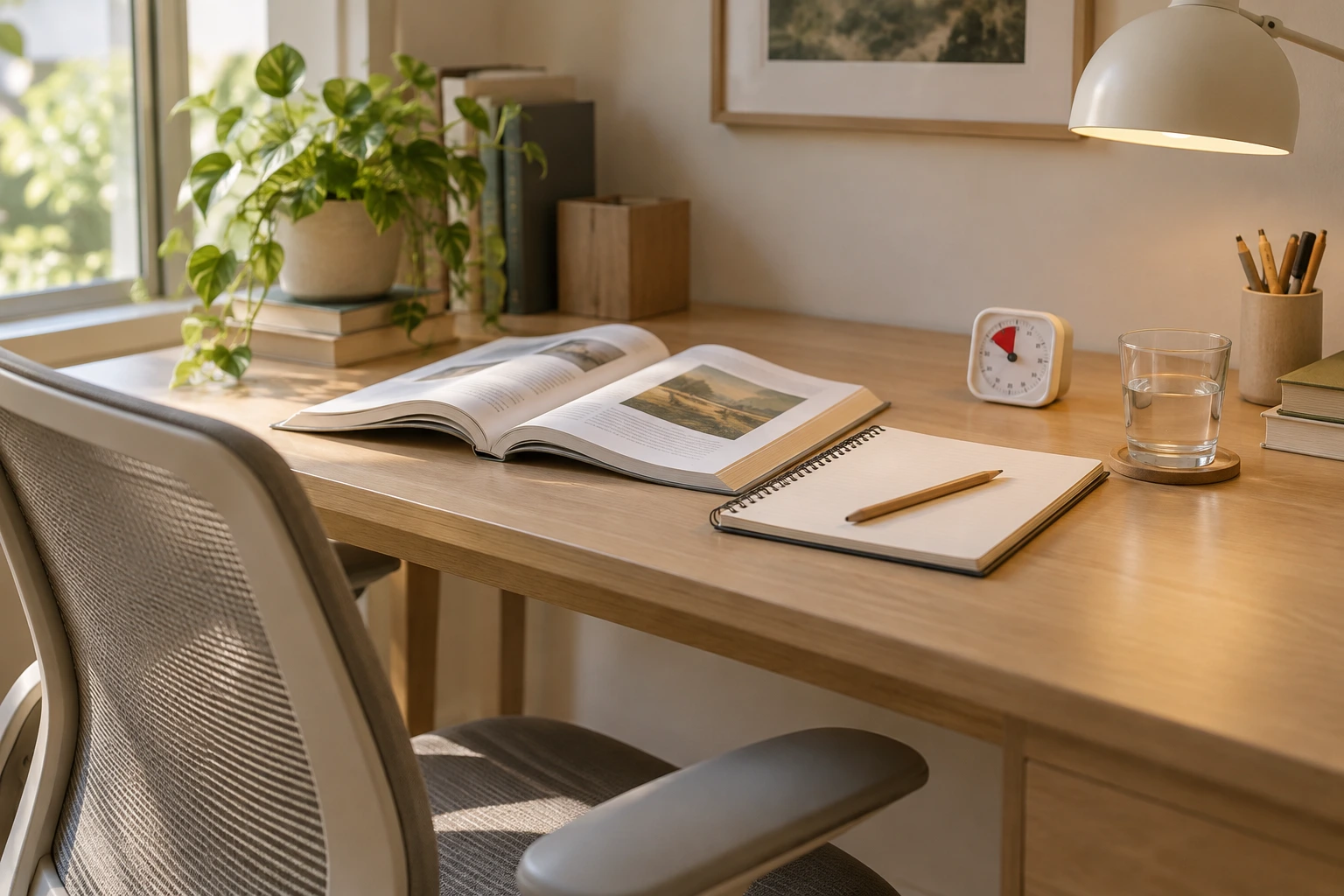
Pomodoro is a time-management approach that organizes work and breaks into set intervals. A common format is 25 minutes of work followed by a 5-minute short break. After four work periods, take a longer break. This structure can be used to make a task that feels difficult to start more manageable by breaking it into smaller periods. Before starting, decide not only how long the session will last but also what you will do during it. Searching for resources or tidying your desk while the timer is running does not count as completing the target task, even if the book is open.
Knowing the small task you will work on at the start of a session makes it easier to use the time well. For example, if you are starting with a selected set of questions, have your book and notebook ready beforehand. Start the timer once you are prepared. During this period, stay focused on the task you chose instead of switching to another resource. A short break afterward gives you a chance to choose the next session’s goal based on how the previous one went.
Every student cannot be expected to work at the same intensity for the same amount of time. The difficulty of the topic and the type of task affect the length of a study interval. Trying to understand a new concept may require a different pace from solving familiar questions. If the timer keeps interrupting your train of thought, consider how well the interval is working. The aim is to find a sustainable rhythm between work and rest, rather than racing against the clock.
Make It Easier to Return to Studying After a Break
Try not to let a short break turn into the start of another long activity. Social media opened for a few minutes can take longer than planned. Standing up, having some water or stepping away from your study space briefly are easier-to-limit options. Knowing which task you will return to when the break ends can also make it easier to get started. Staying somewhere you can hear the timer also reminds you when it is time to return.
Check What You Know with Active Recall
Active recall means trying to retrieve information from memory without looking at the source. After reading a topic, closing the book and writing down the main ideas is a simple example. The aim is first to see which parts you can truly remember, rather than to produce a polished summary. Once gaps become clear, it is easier to identify what to review. You can adapt this method to the subject. Listing the causes of an event in history, explaining a process with a diagram in biology or justifying the steps of a solution in math are all different ways to use it.
You do not need to use question cards for every subject. What matters is trying to produce the answer yourself before looking at it. Don’t skip the checking stage. If you recall something incorrectly, correct it using a reliable source instead of repeating the mistake. Once you have filled in a missing answer, return to the same question later. This way, you measure the results of your study by more than just how many pages you have read.

Fit Spaced Repetition into Your Daily Schedule
Spaced repetition means spreading study of the same topic across different times instead of cramming it all into one day. Returning to a newly learned topic over the following days is part of the plan. The review does not have to repeat the original study session exactly. A quick self-test can show which parts need more time. Trying to create a fixed review schedule for every topic can become unnecessarily complicated. Consider the exam date, the difficulty of the topic and previous mistakes together.
Instead of spending a long time on a topic that is easy to recall, you can return to a point you found difficult. Update the plan based on what you observe. A common shortcoming in weekly schedules is making room only for new topics. Set aside time to check what you learned on previous days, too. This does not have to take up the whole evening. A small, clearly defined review task is more practical than saying, “I’ll look at it if I have time.”
Look Beyond the Answer Key When Reviewing Mistakes
Seeing that an answer is wrong does not explain why the mistake was made. A gap in understanding, a calculation error, misreading the instructions and time pressure are different problems. They should not all be solved in the same way. For example, rewatching a video covering the entire topic may not be necessary if the mistake was a calculation error. You can write a brief note next to the mistake. A specific explanation such as “I missed the minus sign” or “I chose the wrong quantity asked for in the question” is enough.
You can review this note when solving a similar question later. The purpose of these notes is to guide your next study session, not to collect mistakes. A question may feel easy immediately after you have looked at the solution. This does not always mean that you have learned the method independently. After some time, try using the same reasoning on a similar but different question. This can help you see the difference between a memorized sequence of steps and a method you understand.
Arrange Your Desk Around the Task
Keeping only the resources you need for that session on your desk reduces the need to search for things or clear space. Check whether you can use a book, an open notebook and a writing surface at the same time. If the book keeps ending up on top of the keyboard, reconsider how you use the available surface. Removing unnecessary items is sometimes worth trying before buying new furniture. Keep pens and small supplies you use often somewhere easy to reach. There is no need to display everything on the desk.
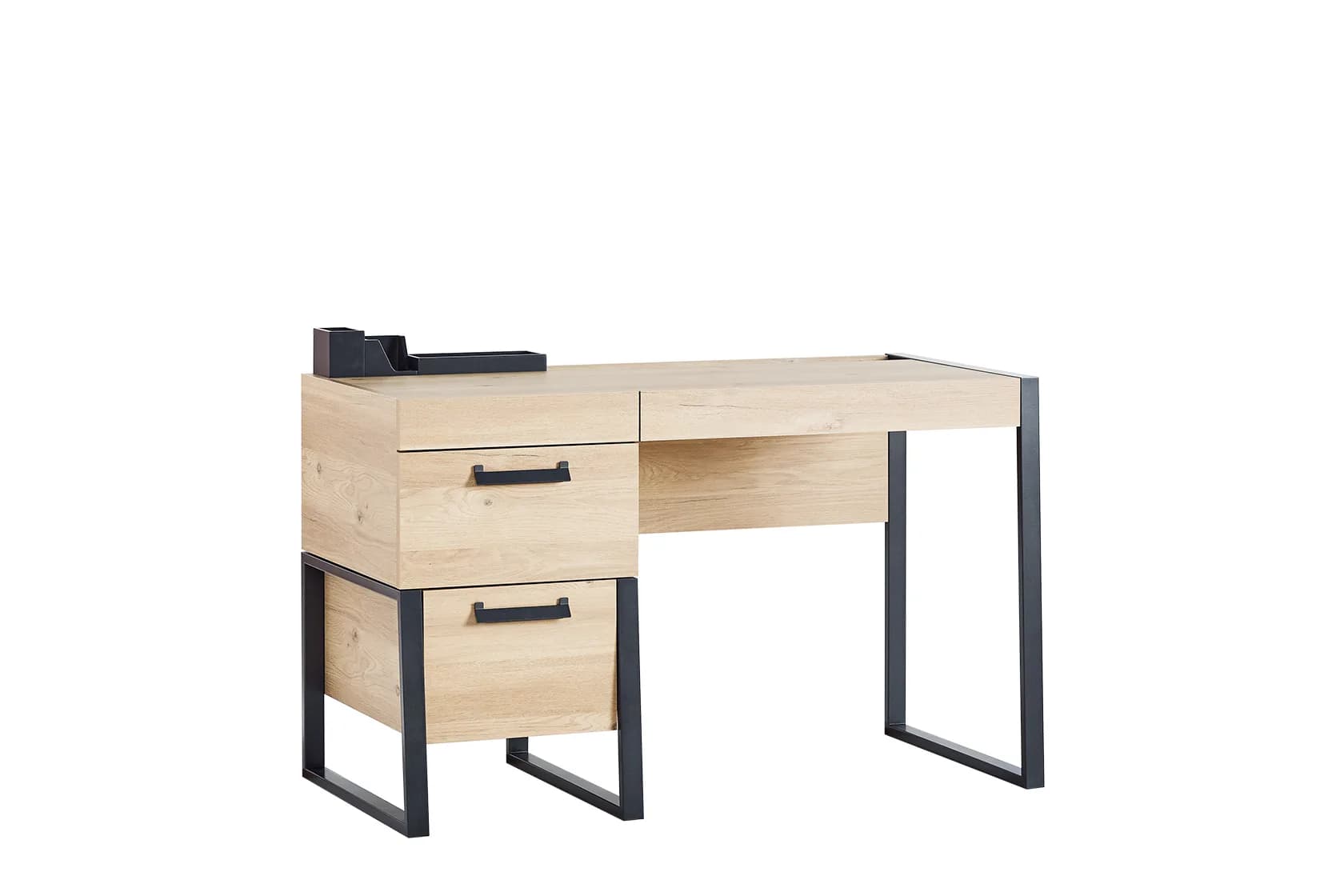
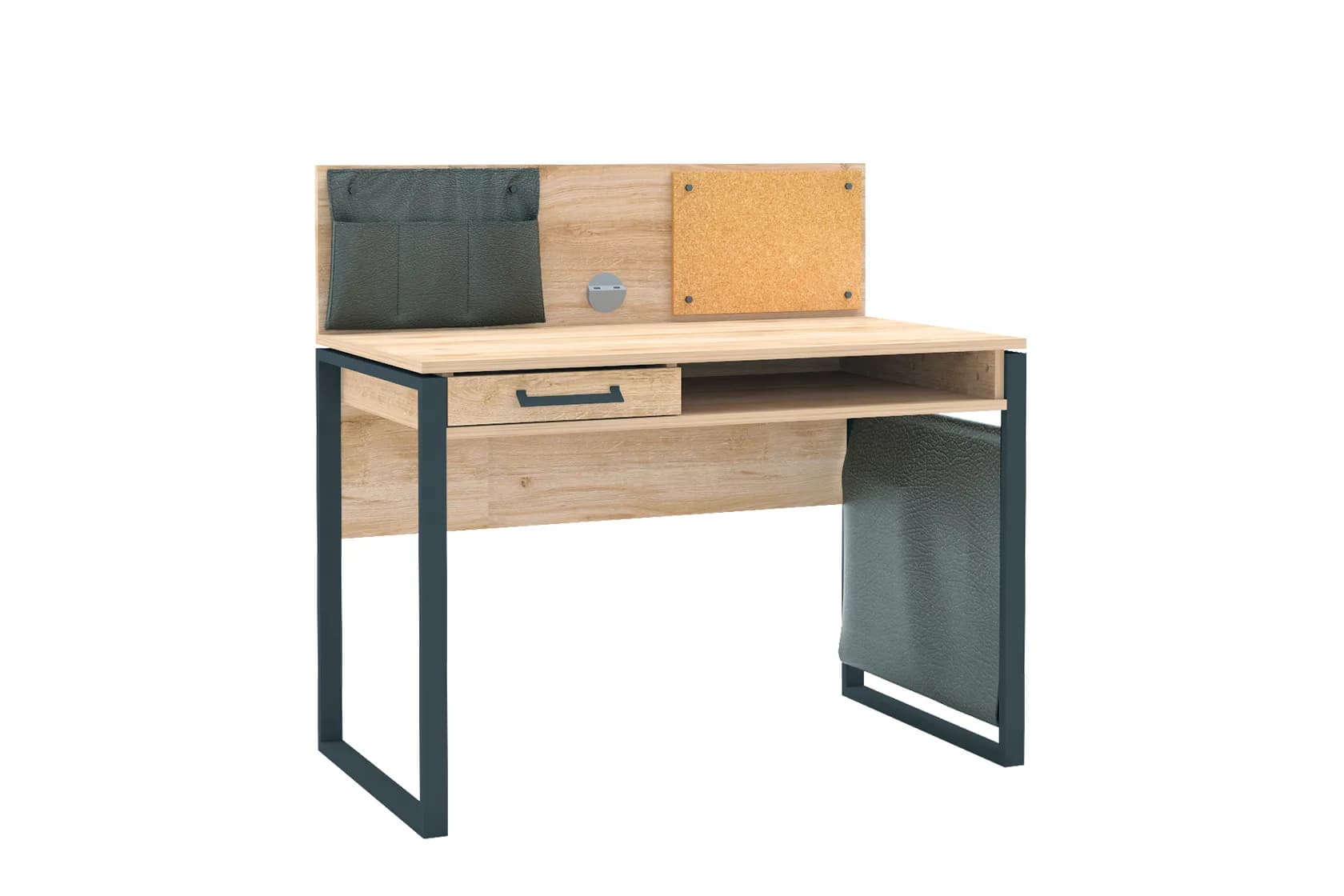
If you use drawers or an upper unit, separate everyday items from those you need less often. Decide in advance where items will go when you clear the work surface. With study desks, distinguishing the desktop area from the product’s overall dimensions helps you plan the layout more accurately. An upper unit, shelf or drawer can make a product more functional, but it also changes the space needed for the layout. The chair’s room to move is just as important as the free wall space in the room.
Don’t Use the Space Under Your Desk as Storage
Filling the space where your legs need to fit comfortably with a bag, box or computer tower can make it harder to sit. If you cannot get close to the desk, you may have to lean toward the screen or book. When choosing a storage solution, it is not enough for your belongings to fit. Keep the space you need when sitting down and standing up clear. If you need more storage, first remove unused items from this area.
Adjust Your Chair and Screen Together
Desk height alone does not create a comfortable study setup. Consider the chair, screen and keyboard together. If your shoulders are constantly raised, your feet are unsupported or you have to turn your head to see the screen, adjust the setup. Review the settings when the user’s size changes, too. Position the screen directly in front of you where it is easy to see. Consider the relationship between the window and screen to prevent glare.
When using a laptop, the screen and keyboard are connected, so the setup needs extra thought during longer study sessions. Choose any necessary equipment based on what the user does. Lighting matters when studying from books, too. A hand or head casting a shadow over the page can make reading difficult. Place a desk lamp in consideration of the room’s general lighting and natural light. Decorative lighting alone is not enough if it does not properly illuminate the writing surface.
How Do You Create an Effective Study Schedule?
You can organize an evening around three different goals. In the first session, study a limited part of a new topic. In the second, give a short explanation without looking at the book or solve related questions. In the final session, review mistakes and leave a note for your next review. The number of sessions is not what matters in this example. Each session should have a different purpose, and the next step should follow from the previous result.
If you do not understand the topic, return to the explanation instead of increasing the number of questions. If you are solving questions comfortably, add a quick review of a topic you previously found difficult. It can be helpful to write down the next day’s first task at the end of your plan. That way, you do not start the next session by wondering what to do. You can also include any missing supplies or questions to ask in the same note. Making sure the plan fits everyday life is more important than making it look intense on paper.
Keep Your Study Routine Going with Small Changes
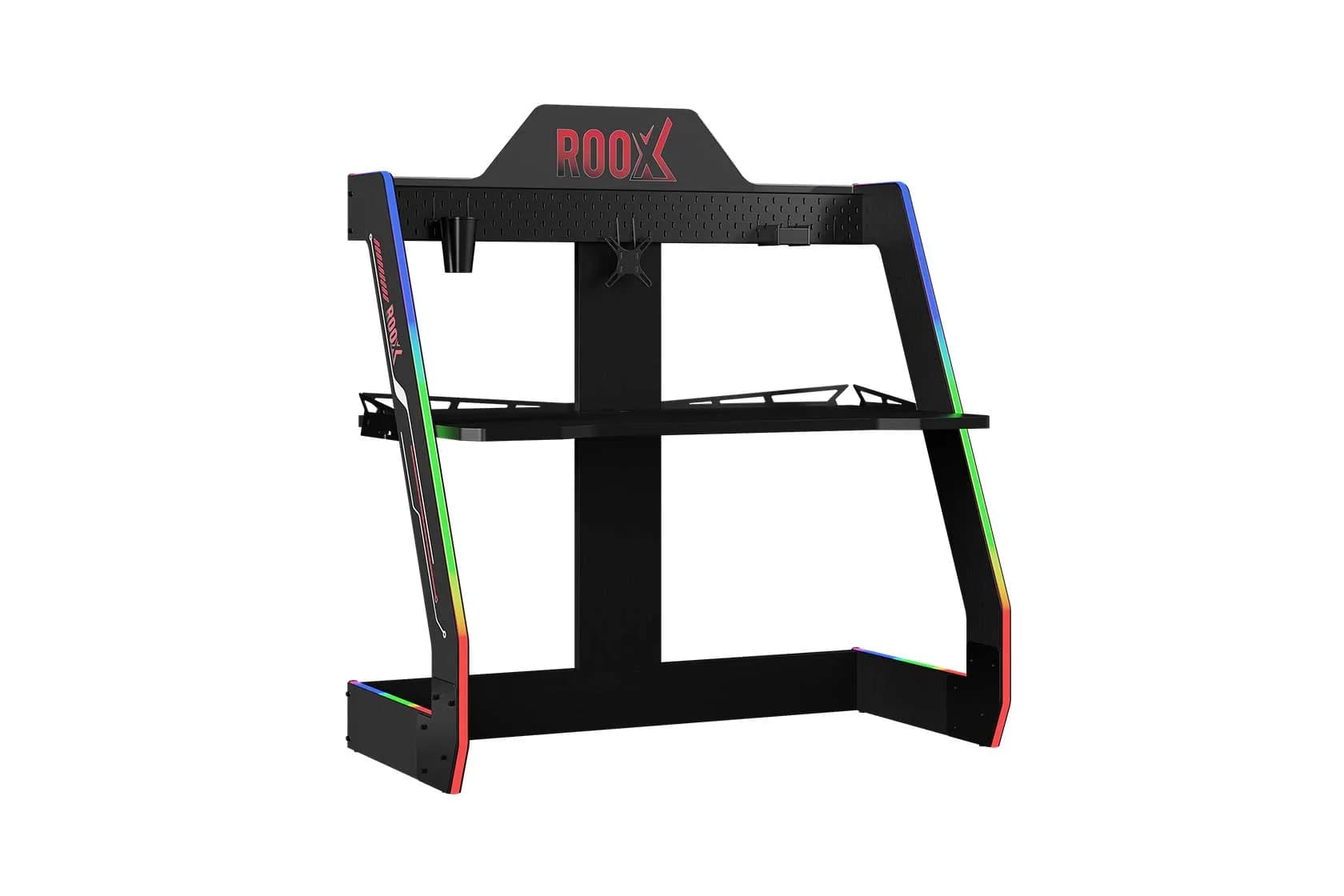
A study system does not work perfectly from the first day. For a week, observe which tasks you spend time on and where you get stuck. Simplify detailed schedules you do not use. Rearrange items on the desk based on how you actually use them, too. If a gaming desk will also be used for studying, the remaining surface area after the computer equipment is set up becomes important.
If there is no room to open a notebook once all the gaming equipment is in place, the setup should be able to switch between the two uses. Furniture should make daily use easier without replacing a good study method. Try the arrangement for both studying and computer use. Set aside a permanent place for items you move often. If an unused accessory takes up space, move it elsewhere.
Keep Track of Your Study Results
At the end of a session, consider the work completed alongside the time spent. The number of minutes spent sitting at a desk is not the only measure of learning. Note which of the questions you solved independently and which explanations are still incomplete. This way, the next day’s plan is not just the page you left unfinished today. For example, you may have planned to watch an entire lesson, but still not understand a basic concept. In that case, finishing the video does not mean the task is complete from a learning perspective.
For your next session, you could set a goal of explaining that concept or solving a related question. On the other hand, if you can explain the topic easily, practise applying it instead of watching the same recording again. You can also discuss these specific results with your family when sharing your study plan. Assessing progress only by hours can make it harder to see what kind of support is needed. When students explain which question they got stuck on, it also helps clarify what to ask their teacher. The aim of the plan is to choose the next learning step, not to put pressure on students to study longer.
Frequently Asked Questions
Should Pomodoro always be 25 minutes for every student?
Twenty-five minutes is a common work interval in the Pomodoro technique. It is not a fixed limit for every student and task. Adjustments may be needed depending on the student’s age and the type of work. When choosing an interval, consider how easy it is to return to the task after a break, too. The timer’s role is to make the flow of work visible without turning studying into a race.
Is active recall the same as writing a summary?
With active recall, you produce the information before looking at the source. When writing a summary, you may keep the book open and refer to the text. The main difference between these activities is how you produce the answer. When you close the book, write an explanation and then compare it with the source, any gaps become clear. This comparison helps you choose which section to study again.
Do you need a special app for spaced repetition?
You do not need a special app for spaced repetition. A topic and a date to return to it, written in a planner, can be enough to get started. However, writing only the subject name in your calendar does not explain what you need to do. You should also know which question you will solve or which process you will explain during the review. A tool is useful when it makes this plan easier to maintain in everyday use.
Should all my books be on the desk?
Having all your books on the desk does not mean you are fully prepared to study. Resources you will not open at the same time can take up valuable writing space. It is easier to get started when you have the book, notebook and supplies you need for that session ready. You can keep other resources in nearby storage. When you move on to a new task, arrange the desk around what that task requires.
Will a new study desk improve academic performance?
A new desk alone will not improve academic performance. A surface suited to the user can make it easier to arrange resources and sit comfortably. Progress in learning, however, depends on goals, practice and feedback. For example, expanding the study area without reviewing why mistakes were made will not address gaps in understanding. Furniture is one part of an environment that supports effective study habits.
Is it okay to use your phone during a break?
The effect of using your phone during a break depends on what you open. An app that is hard to put down quickly can make the planned break longer. Even after the break ends, it may be harder to refocus on studying. A more manageable option could be standing up or having some water. Knowing in advance which task you will return to also makes it easier to get started again.
How often should a study schedule be changed?
Review your study schedule based on completed tasks and gaps in learning. You do not need to start over after every difficult session. First, focus on a specific part, such as the scope of the task, the resource used or the time allotted. After making a small change, see how the new setup works. This helps the schedule respond to the student’s actual needs instead of simply looking intensive.
You may also like à How to Develop a Reading Habit
Related products
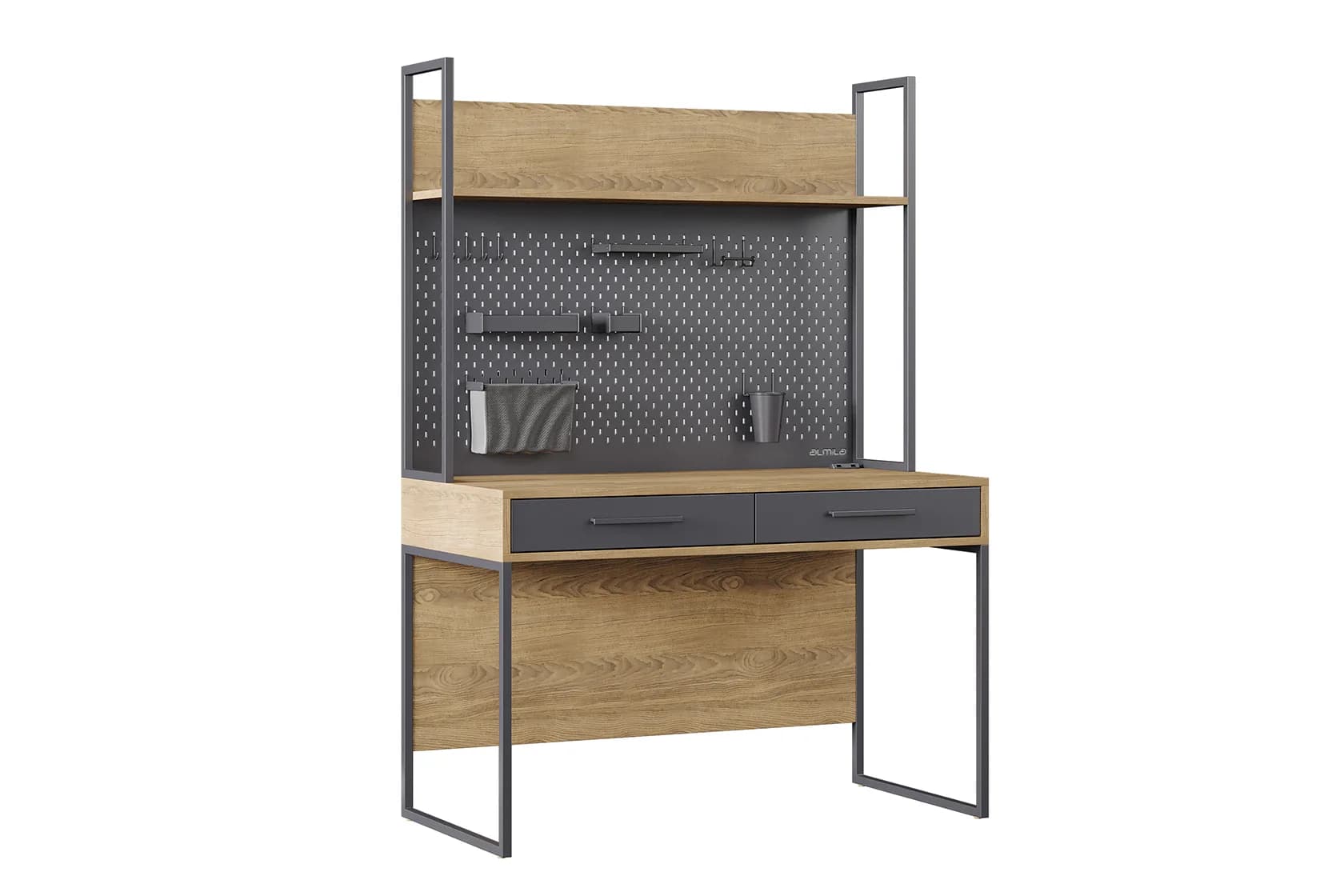 %25 + %10 Off
W: 120 · D: 60 · H: 172 cm
39,157 ₺
26,431 ₺
Lowest price in the last 30 days: 26,431 ₺
 %25 Off
W: 128 · D: 65.5 · H: 141.3 cm
48,259 ₺
36,194 ₺
Lowest price in the last 30 days: 36,194 ₺
 %25 Off
W: 110 · D: 63 · H: 105.5 cm
20,555 ₺
15,416 ₺
Lowest price in the last 30 days: 15,416 ₺