Room Guide
Tips for Creating a More Productive Study Space for Children
Looking for ways to create the ideal study space for children? Click for tips on lighting, choosing a location and more!

Today, having a suitable study space is essential for children to succeed in their education. A study space helps children focus on their lessons, work productively and stay motivated. So, what should an ideal study space for children look like? In this article, we’ll share plenty of tips, from choosing the right location to reducing distractions.
Choosing the Right Location: Where Should You Set Up a Study Space?
Choosing a study space is the first step towards creating a productive learning environment. It’s important to find a quiet, comfortable place where your child can study. This could be a peaceful corner of your home or, if possible, a separate room. Choosing a spot away from noise and with minimal distractions will help your child concentrate. The best answer to the question of how to study at home is to choose the right location.

Maximising Space with Mobile, Functional Furniture
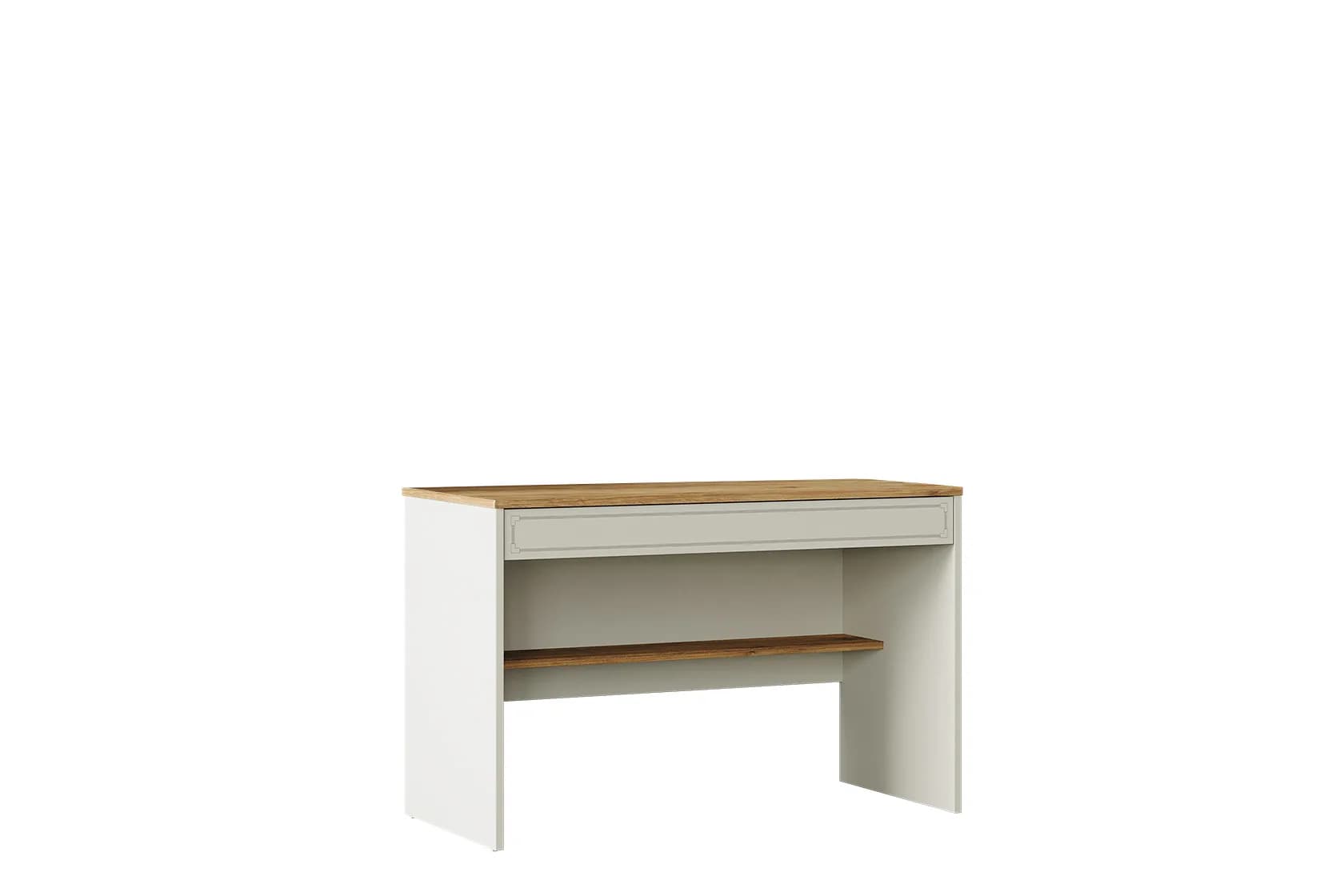
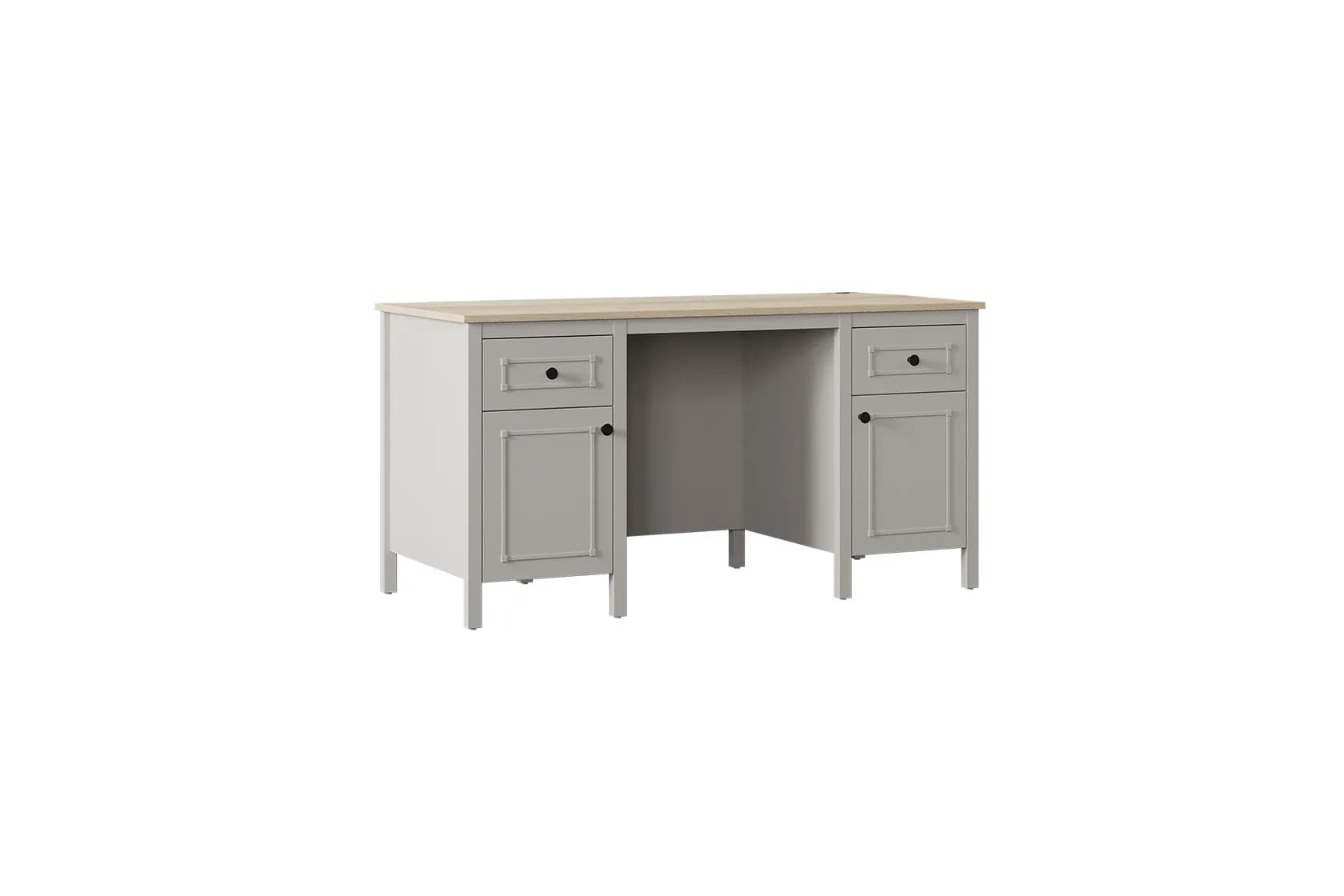
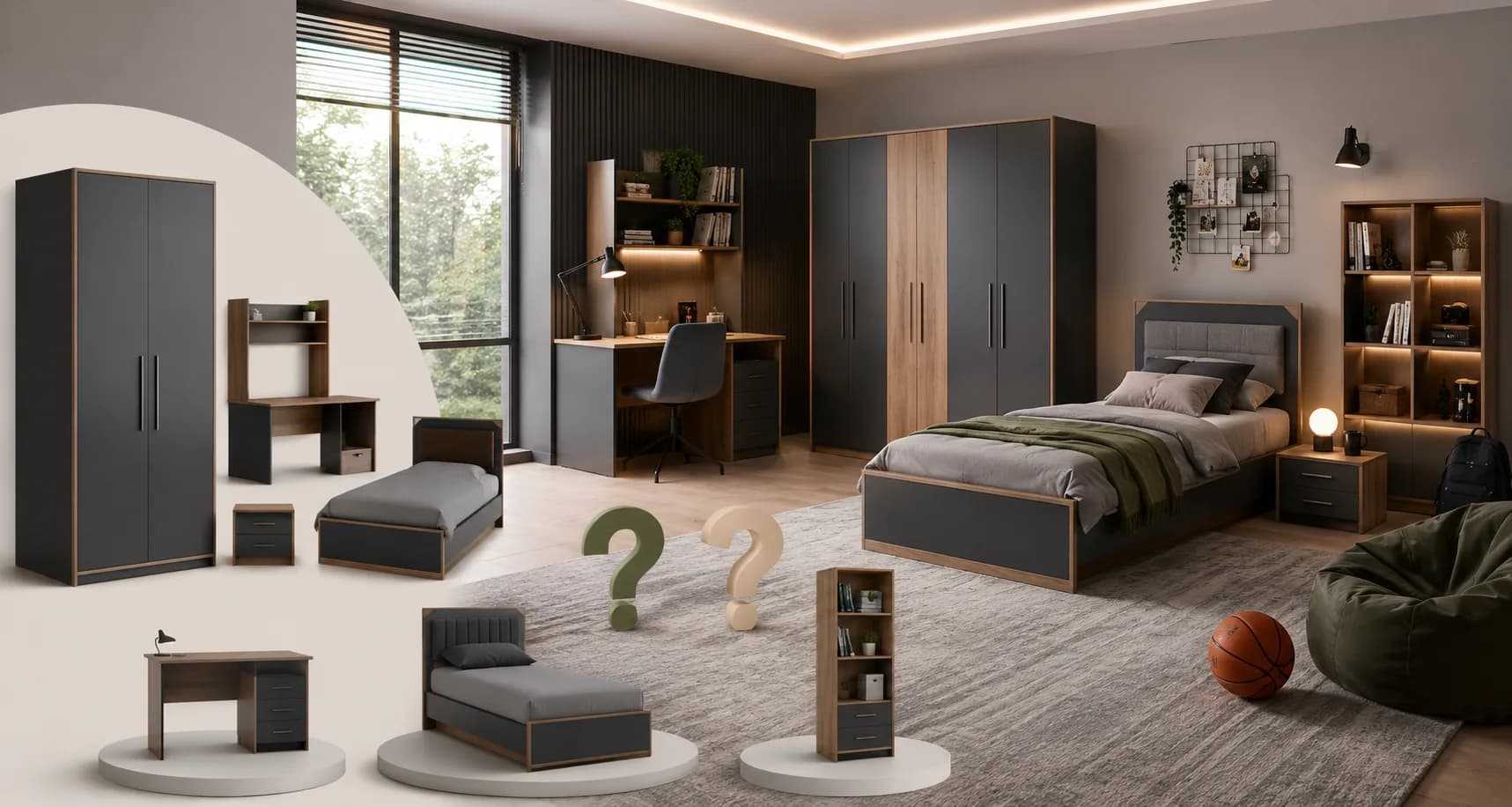
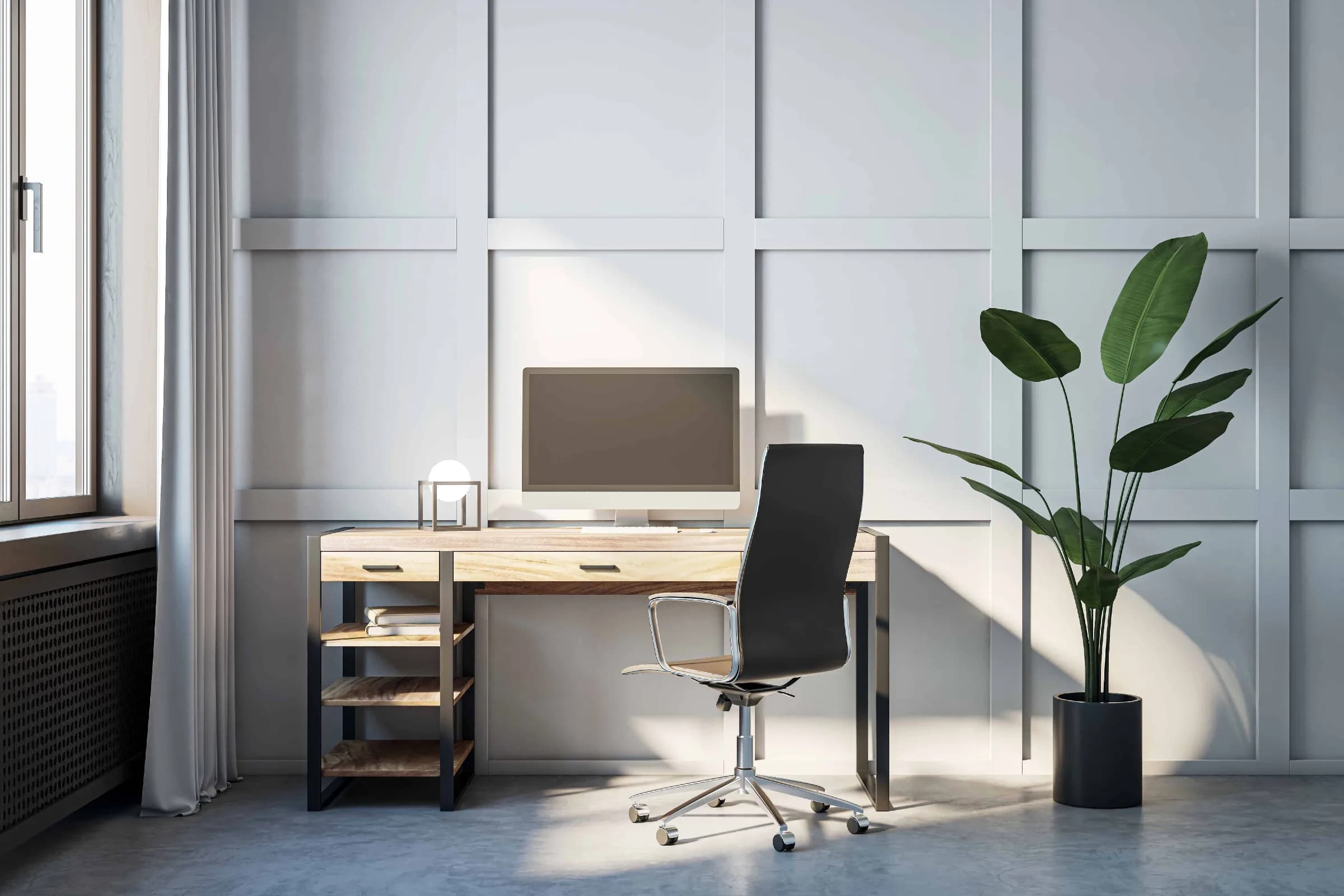
Choosing functional furniture when arranging a study space helps you make the most of the available room. A desk where your child can work comfortably and an ergonomic chair are essential. There should also be enough space on the desk for studying. Furniture with drawers and shelves makes it easy to keep study materials organised. This is a practical solution to the question of what to keep on a study desk. Almila desks bring functionality and style together to create an ideal study environment. Almila desks, available with a range of drawer and shelf options, help children keep all the materials they need neatly organised. Their ergonomic designs ensure comfort, even during long study sessions.

Lighting: How to Choose the Ideal Lighting for Eye Health and Productivity
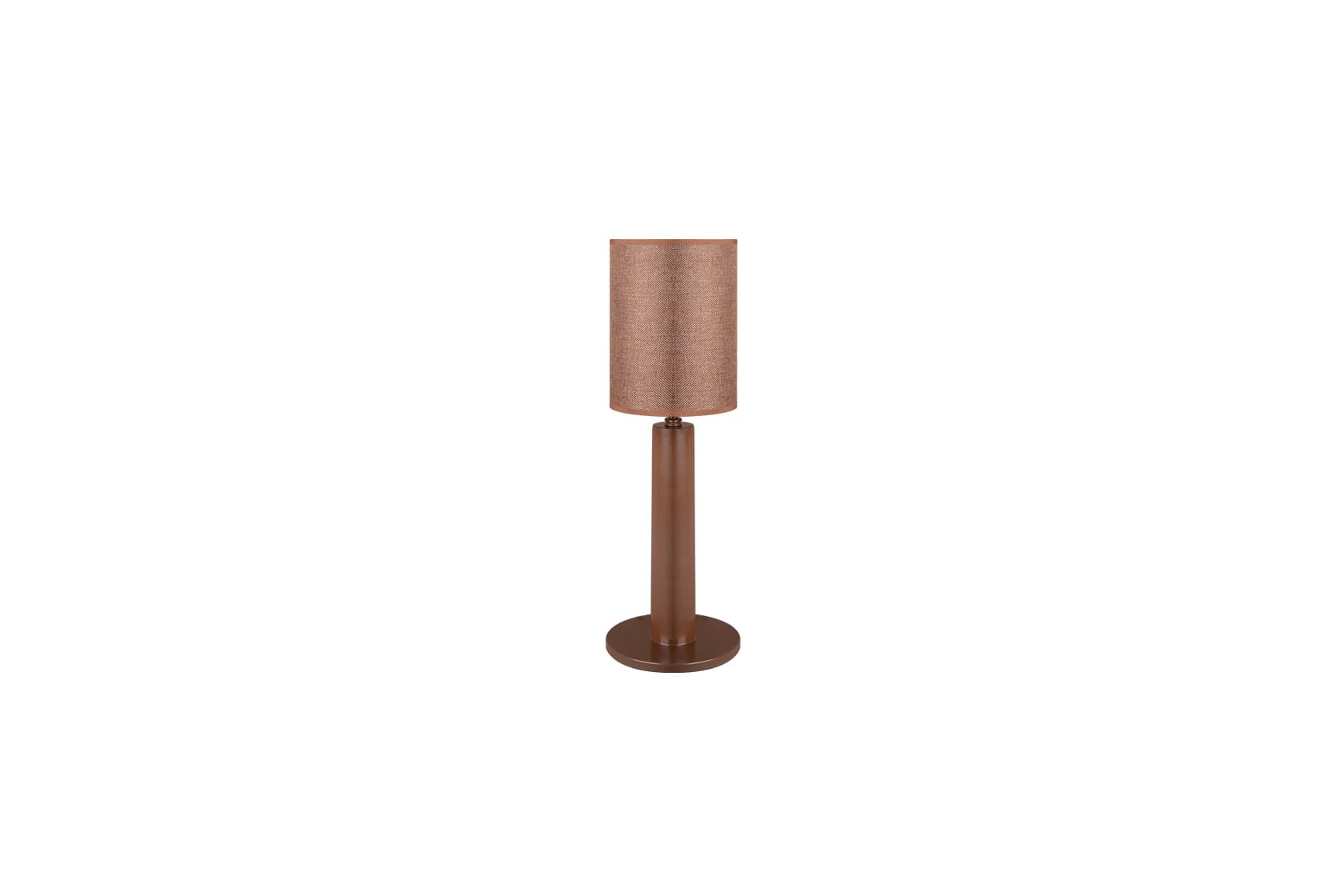
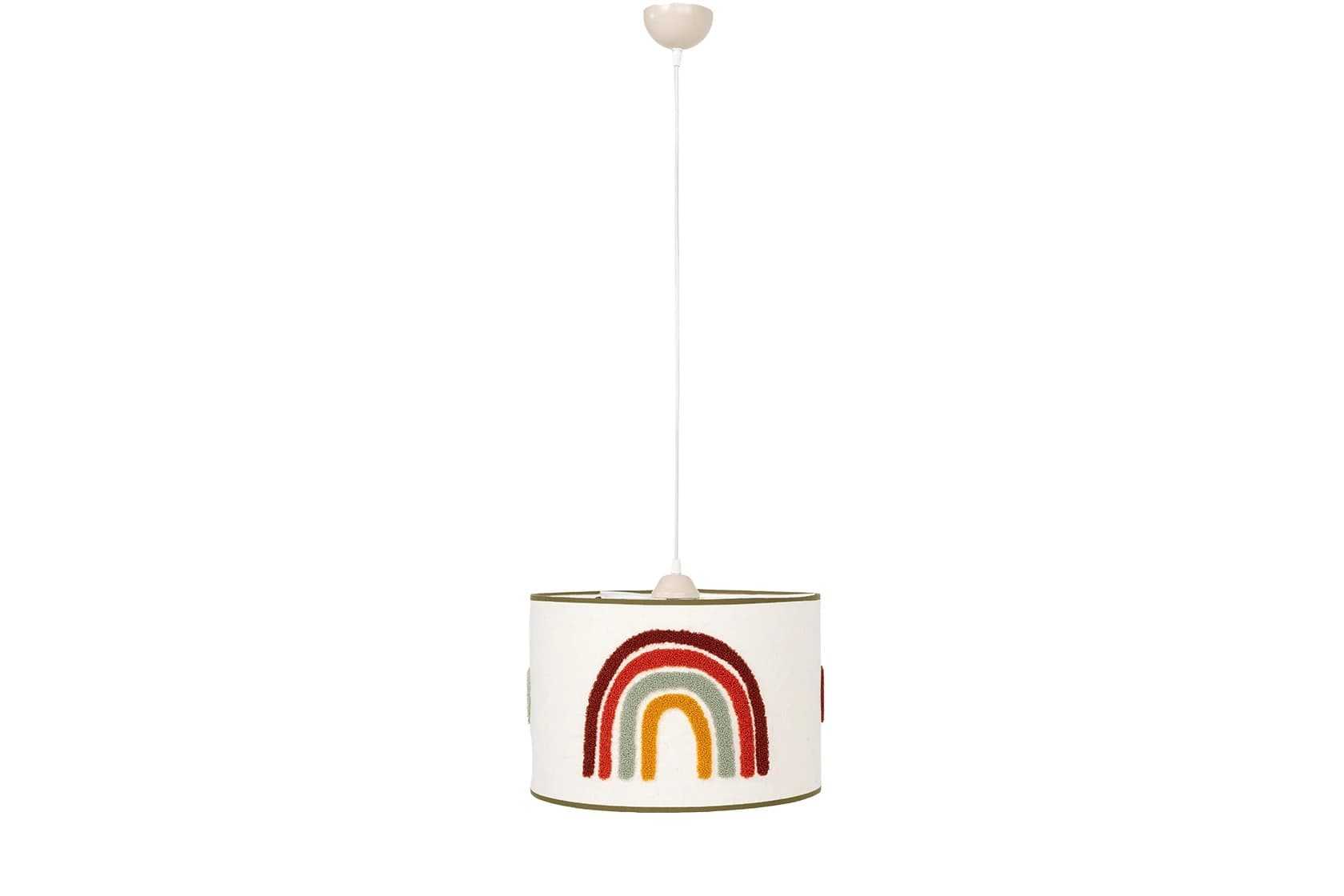
Good lighting is important for both eye health and productivity. Natural light is ideal, so placing the study space near a window is a great idea. If natural light isn’t enough, however, a suitable desk lamp is essential. Light that is too bright or too dim can strain the eyes and disrupt concentration. Almila lighting offers a wonderful solution. Almila’s lighting options help minimise eye strain, allowing your child to study productively for longer. With a variety of lighting options, you can make the study space both functional and stylish.

Harnessing the Power of Colour: Choices That Boost Motivation
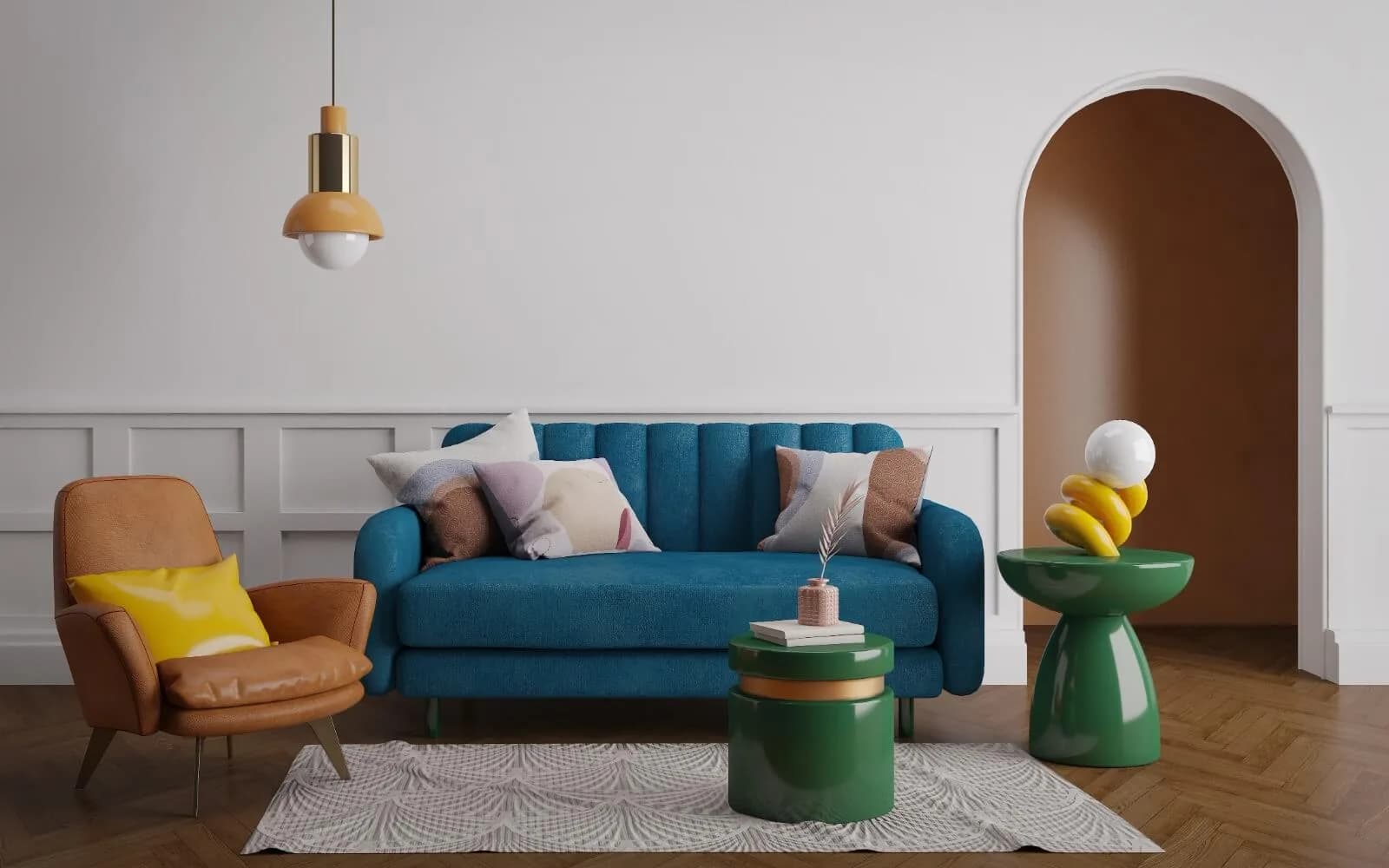
The colours used in a study space can affect a child’s motivation and focus. Blue and green shades have a calming effect that helps improve concentration, while yellow and orange bring energy and motivation. Using colour thoughtfully is an effective answer to the question of what makes a good study environment.
Creating an Organised Study Space with Organising Tools
An organised study space helps children work productively. Keep study materials tidy with organising tools such as pencil holders, file organisers and noticeboards. This makes it easy for your child to find what they need without wasting time, creating a more productive study environment.

Using Technology the Right Way: Tips for Making the Most of Technology in Education
When used properly, technology can offer significant advantages in education. Devices such as computers and tablets can be used to access learning materials. However, to prevent them from becoming a distraction, it’s important to limit their use outside study hours. Technology can support children by providing a range of resources to help them learn how to study.
Break Times: Break Routines That Boost Productivity
Taking breaks gives children time to rest both mentally and physically. You can improve productivity by planning study and break times using methods such as the Pomodoro Technique. Regular breaks help keep your child motivated and improve their performance.

Tips for Parents: How Can You Support Your Child’s Productivity?
Parents play a crucial role in supporting their children’s study habits. Encouraging your child, helping them establish a regular routine and making sure they keep their study space tidy can boost productivity. It’s also important to guide your child on what makes a good study environment and to adapt the space to suit their needs.
In conclusion, creating a productive study space for children is an essential step towards improving their academic success. You can create an ideal learning environment by choosing the right location, providing functional furniture, reducing distractions, selecting suitable lighting and colours, using organising tools, making the most of technology, taking regular breaks and offering parental support.
You May Also Like→ What Should a Child’s Room Be Like for Quality Sleep?