Furniture Guide
Desk Dimensions - What Should Your Desk Be Like?
Choosing a desk with the right dimensions can boost your comfort and help create a productive workspace. Click for more details!
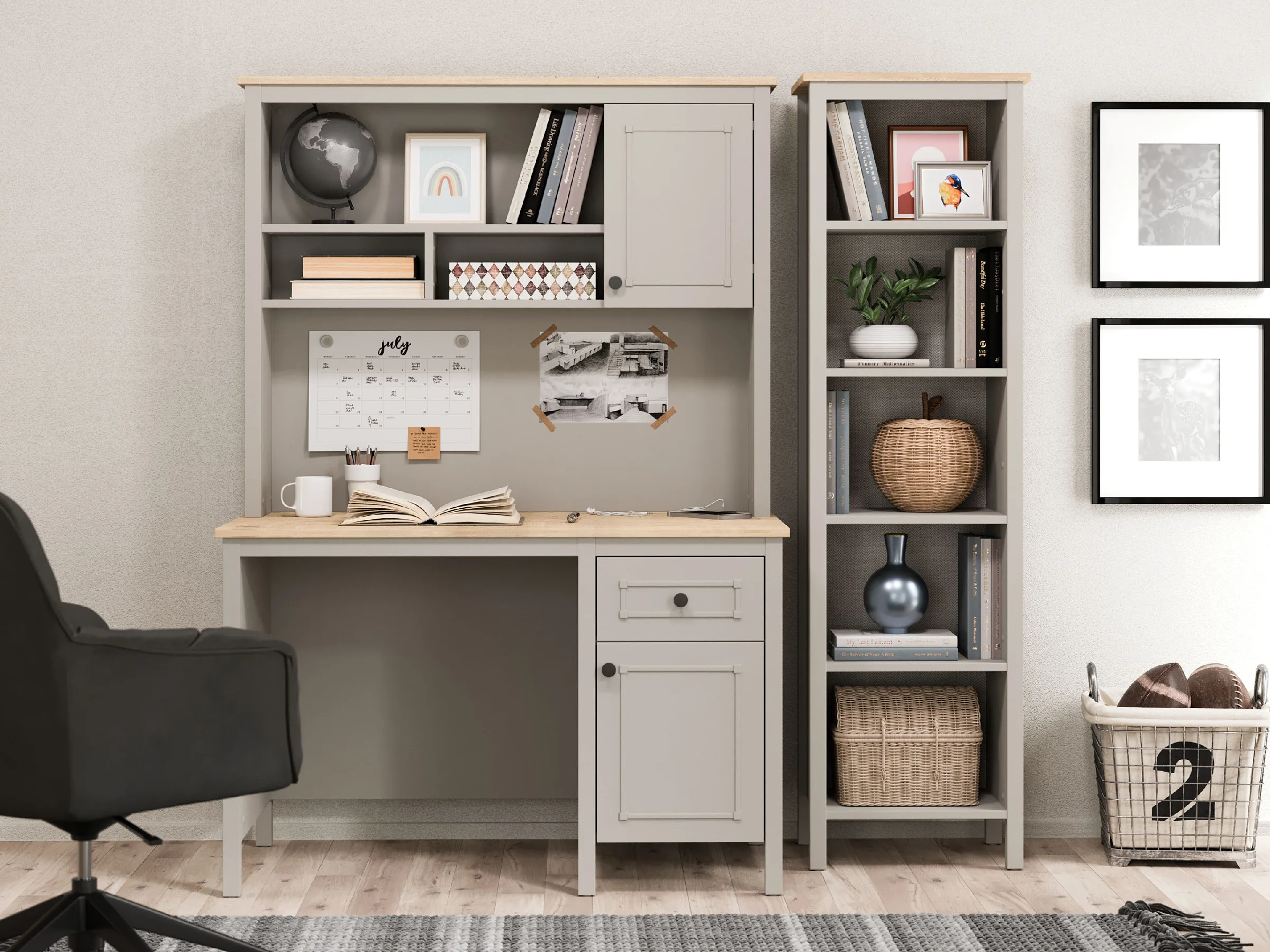
Today, new working arrangements such as working from home and remote learning highlight the importance of making workspaces more productive and comfortable. Desk dimensions play a critical role in this context, both for focus and wellbeing. The right desk dimensions provide the space users need to work comfortably while also offering an ergonomic design.
Key factors to consider when choosing a desk include its size, shape and material. These factors vary according to the user's needs and working habits. Children's desks, for example, are specially designed to help children feel more comfortable while studying. Choosing a desk with suitable dimensions is therefore also essential for supporting children's concentration and physical development.
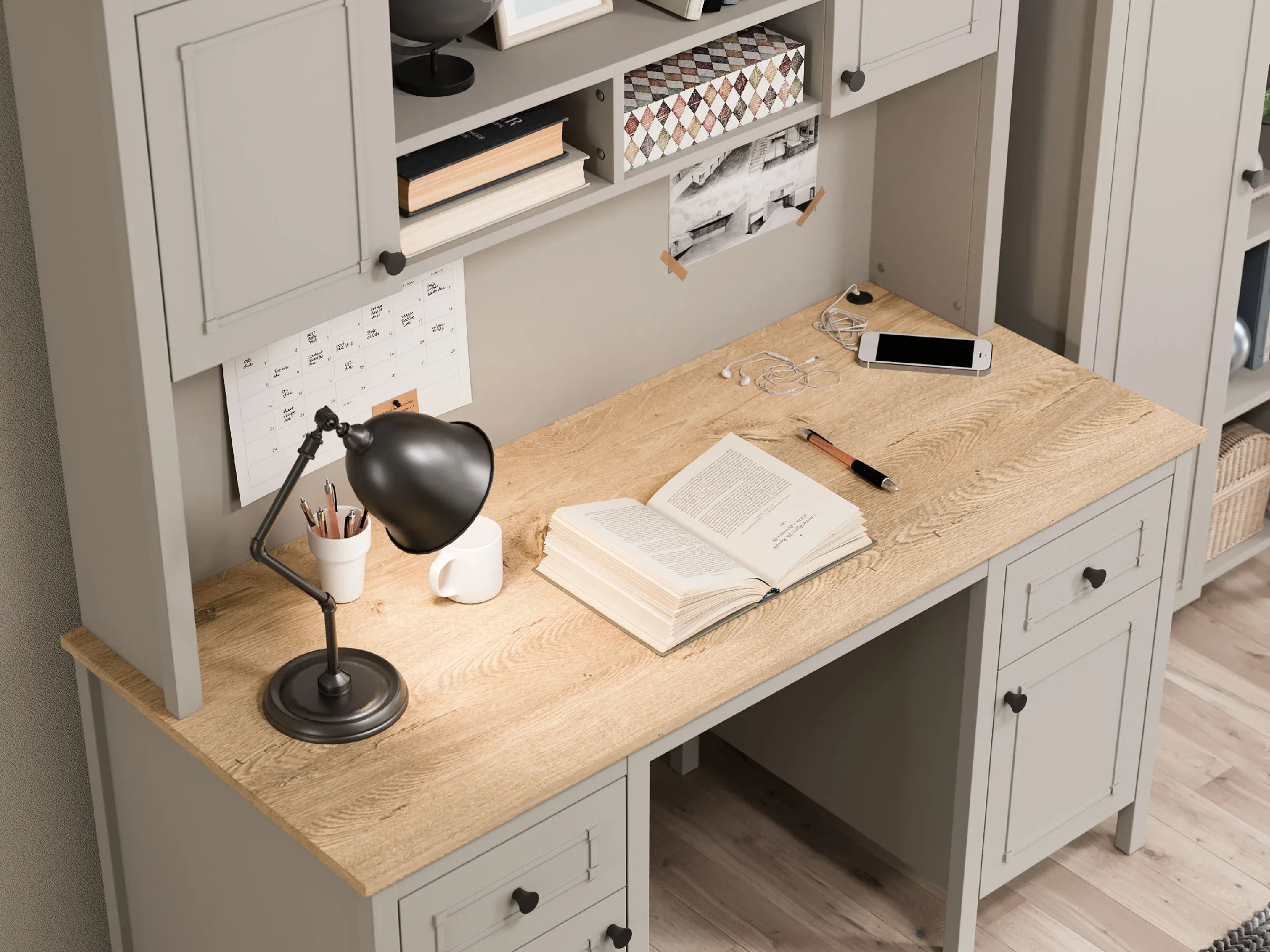
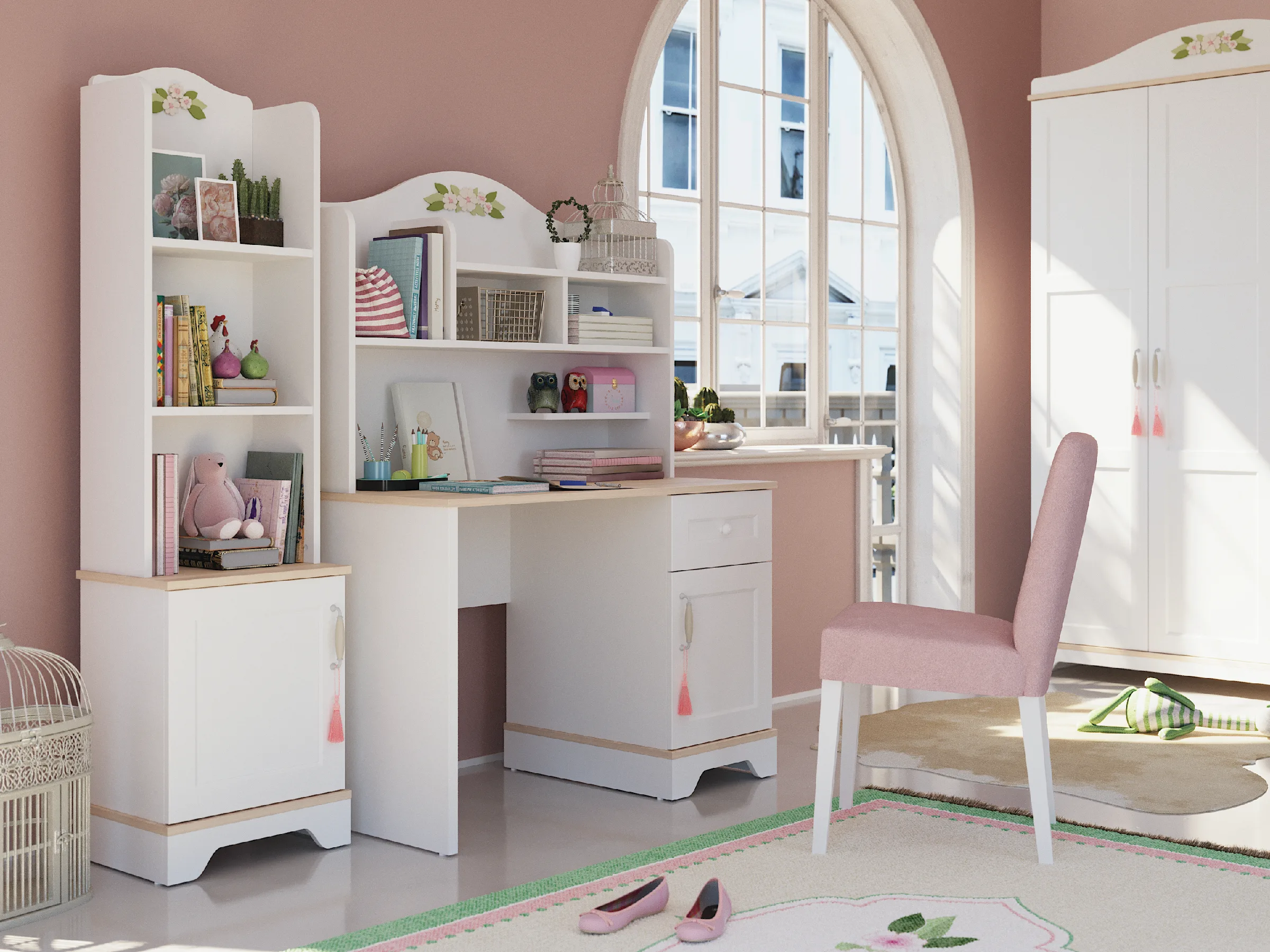
Study Desk Dimensions
Having a study desk with the right dimensions affects both comfort and productivity. The recommended desk height for primary school children generally ranges from 60-70 cm, while it should be 70-80 cm for middle and high school students. The desk should be at least 100 cm wide, providing enough room for books and other materials. At Almila, our desk designs also take children's desk dimensions and teen room desk dimensions into account. With a range of options, including desks for girls and boys, it's easy to find a desk to suit every child's needs. These specially designed desks help motivate children to study, while their ergonomic construction ensures comfort even during extended use.
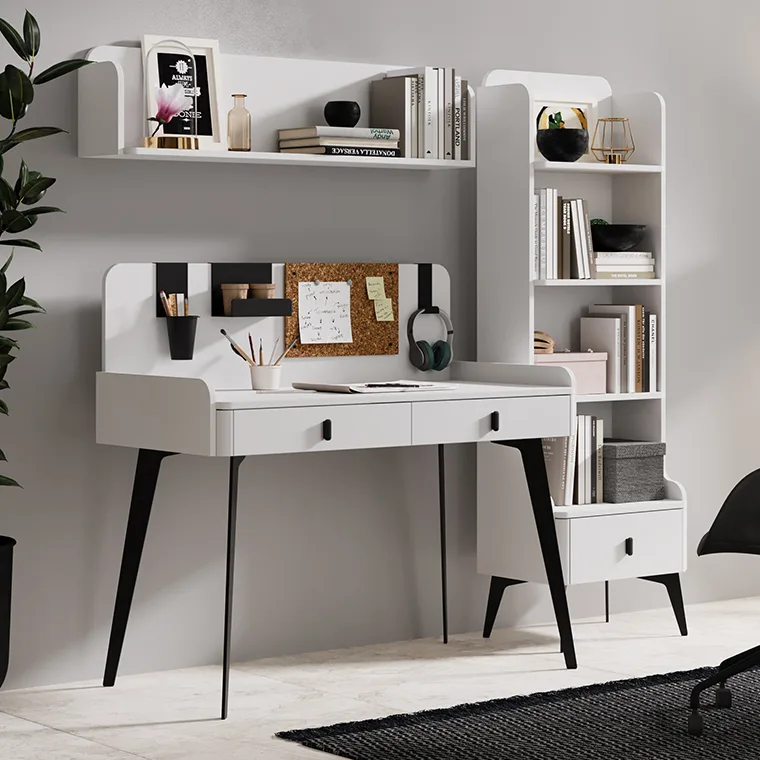
Computer Desk Dimensions
Computer desk dimensions are especially important for people who spend long hours at a computer. Computer desks should be 70-80 cm high. This height should suit the user's chair height and allow the screen to be positioned at eye level. The desk should be at least 120 cm wide, providing enough room for a computer, keyboard, mouse and other office supplies.
Desk depth is also important; a depth of at least 60 cm is ideal, allowing users to sit comfortably and keep the screen at a suitable distance. Cable management systems and storage spaces incorporated into computer desk designs help keep the workspace tidy and minimise distractions. In short, the right computer desk dimensions increase comfort and support productivity.
Office Desk Dimensions
Office desk dimensions play a critical role in creating a professional work environment. Standard office desks are generally around 75 cm high, providing an ergonomic seating position for most users. They should be at least 140-160 cm wide, offering enough room for a computer, files and other office equipment.
Another important factor to consider when choosing an office desk is its depth. A depth of at least 70 cm allows users to sit comfortably and reach all their materials with ease. Ergonomic office desks can be customised to users' needs with adjustable height features. Their generous surface areas also make them suitable for meetings.
Ergonomic Desk Dimensions
An ergonomic desk helps protect users' physical wellbeing while boosting productivity. The ideal desk height varies depending on the user's height: it should be 60-70 cm for shorter users, 70-80 cm for those of average height and 80-90 cm for taller users. The desk should be at least 120 cm wide, providing enough room for a computer, notebook and other materials. Its depth should be between 60-80 cm, allowing users to sit comfortably and view the screen from a suitable distance. Desks with adjustable features are also a great advantage for different users, allowing them to work both sitting and standing.
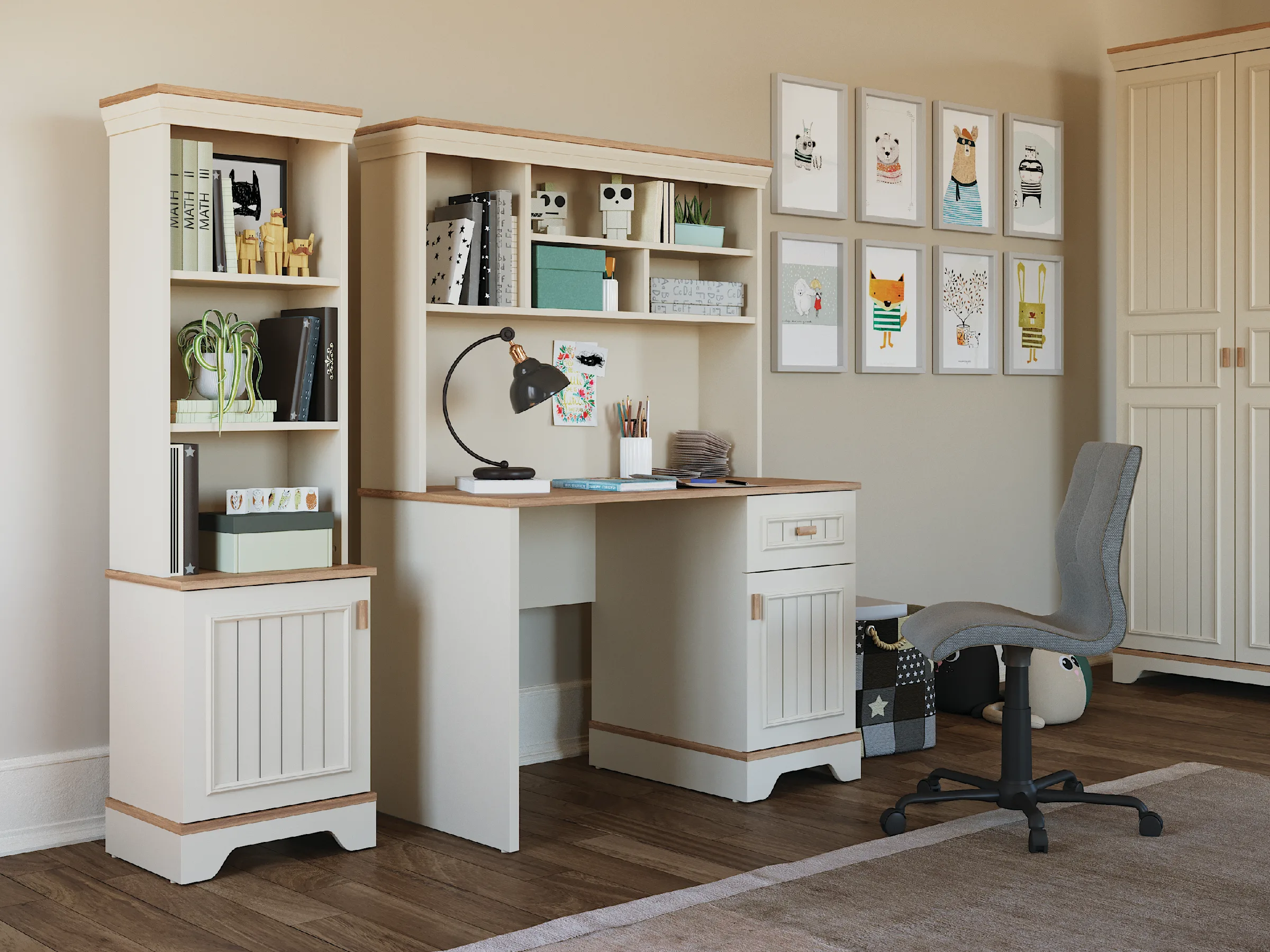
What Makes an Ideal Desk?
An ideal desk should be designed to enhance both comfort and productivity. Considering the long hours spent at work, choosing the right desk plays a critical role in protecting physical wellbeing and improving performance.
- Dimensions
Ideal desk dimensions vary according to the user's height and working style. As a general guide, desk height should be between 75-80 cm. This height allows the elbows to rest comfortably on the desktop while seated.
- Ergonomics
Ergonomic design is one of the most important features of an ideal desk. An adjustable-height desk allows users to work sitting or standing. This feature helps prevent lower back and back pain during long periods of sitting. The desk should also have rounded corners and a smooth surface, allowing users to move around comfortably.
- Storage Space
Having enough storage space at a desk is also important. Drawers or shelves provide an organised place for pens, paper and other office supplies. This helps reduce clutter on the desktop, allowing users to work more productively. Compartments designed especially for cable management keep electronic cables organised and prevent distractions.
- Material Selection
The material used for a desk is important for both comfort and durability. Durable materials such as wood, metal or glass are recommended. Choosing a material that's easy to clean also ensures long-lasting use.
Lighting
Good lighting improves productivity and reduces eye strain. It's recommended to have an adequate light source beside the desk, whether natural light or a desk lamp. The right lighting makes the workspace more comfortable.
- Chair Compatibility
Choosing a chair that suits the ideal desk is also very important. The chair height should be compatible with the desk height, and the chair should provide back support. An ergonomic chair supports good posture and increases comfort during long working hours.
An ideal desk is essential for comfort and productivity. At Almila, we consider every detail in our desk designs, offering a wide range of options for both teens and children. Make your workspace more productive and enjoyable with Almila desks!
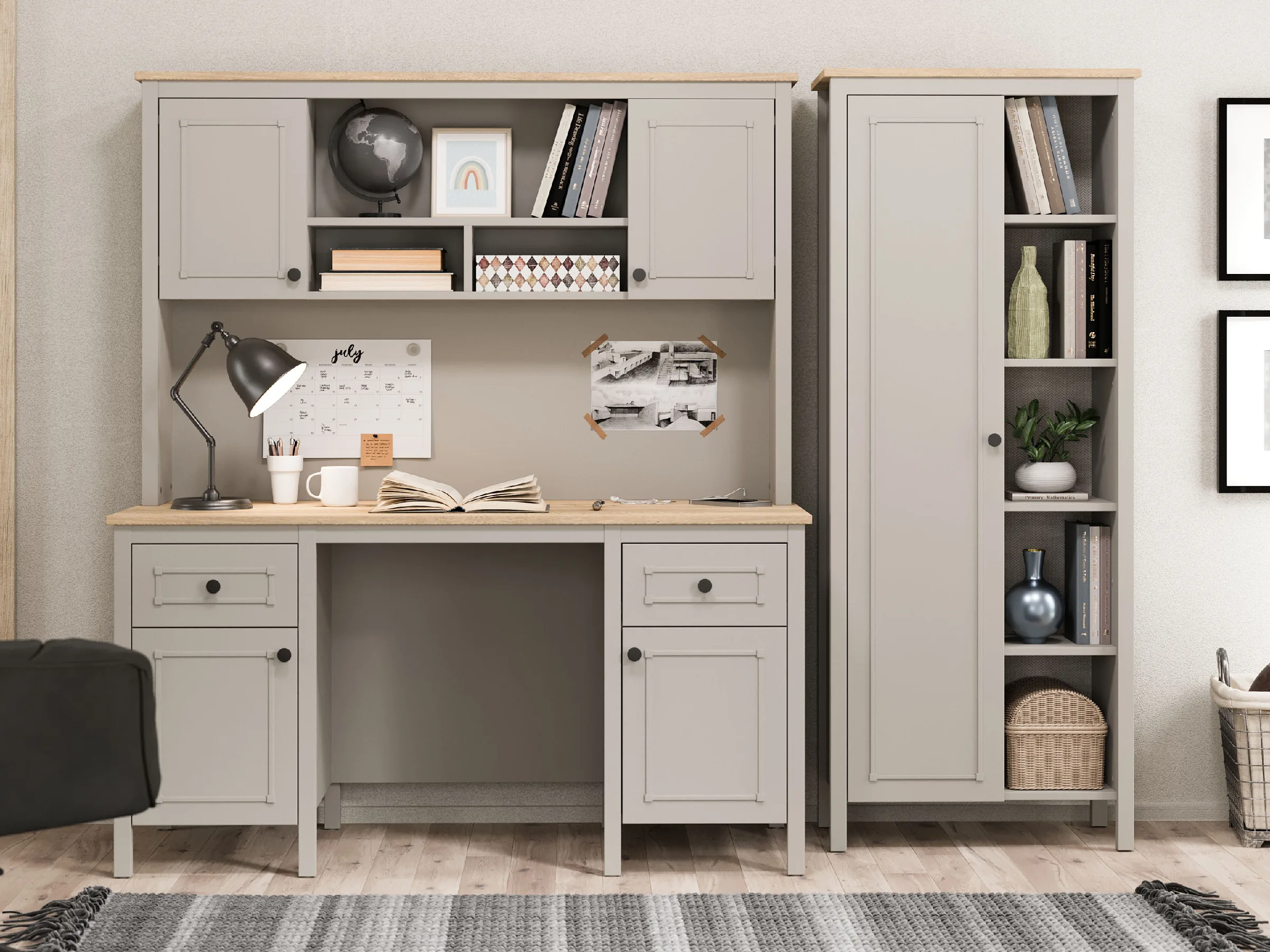
How Should You Organise Your Desk?
Your desk should be organised with both physical and mental comfort in mind. First, keep it clean and tidy; removing unnecessary items helps prevent distractions. Having only the materials you need in your workspace helps you stay focused.
Place your main work tools, such as a computer or books, in the centre of the desk. Leave enough space at the sides for a pen holder, notebook and other accessories. Positioning your desk near a source of natural light also helps protect your eyesight and boost motivation. Regular cleaning and organising help make your workspace more productive.
You May Also Like→ Tips for Creating a More Productive Study Space for Children