Decorating
Can Parquet Flooring Be Painted? What Is the Safest Type of Flooring for Children’s Rooms?
Whether parquet flooring can be painted depends on the material used. Choosing safe flooring for children's rooms is important for health and durability.
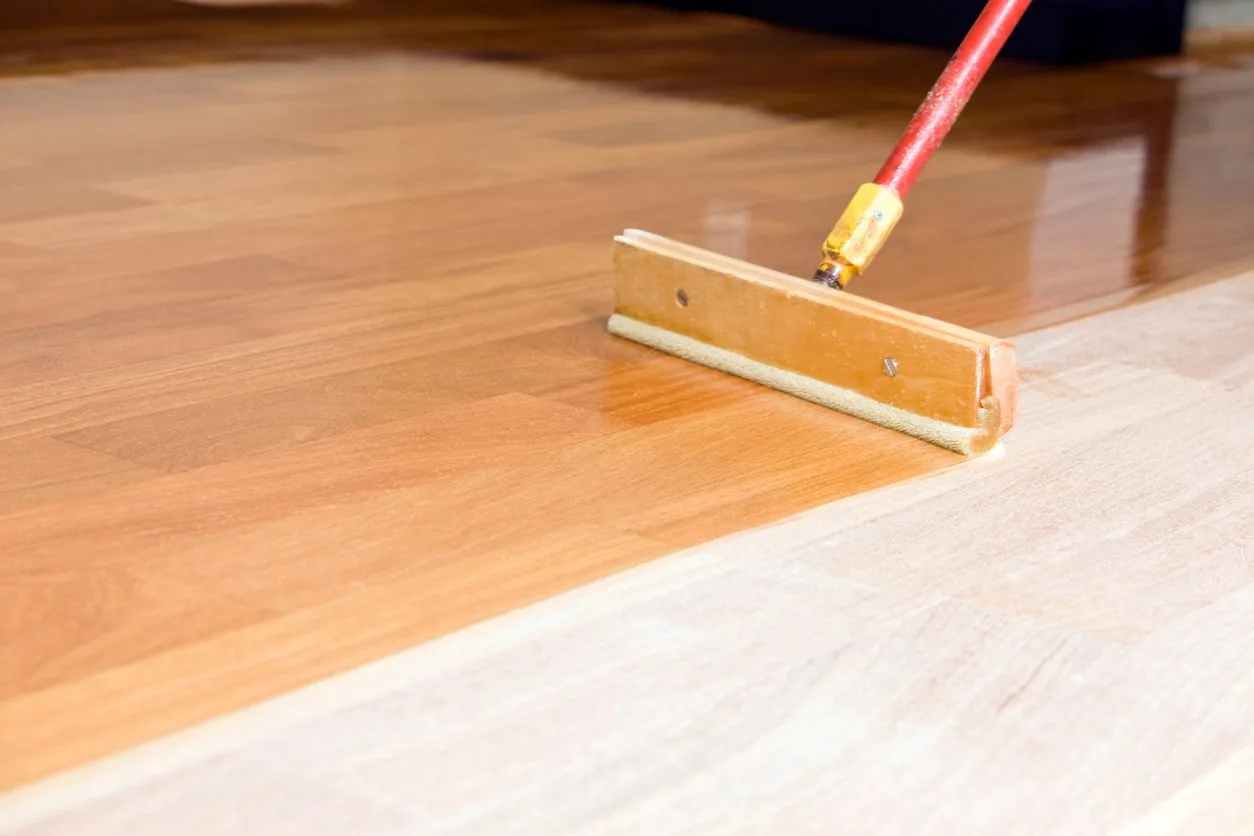
Flooring is one of the most fundamental elements in interior design, shaping a building’s aesthetic identity and functional value. In line with modern architectural trends and the principles of sustainability and cost management, restoring existing building materials and putting them back to use is encouraged instead of replacing them entirely. In this context, professionally renewing wooden floors that have physically worn over time or lost their decorative appeal is strategically important both for preserving ecological balance and enhancing a space’s visual value.
As the purpose of each living area in a home varies, so do the performance criteria expected of its flooring. The choice of parquet and application techniques have a direct impact on quality of life, particularly in children’s rooms, where hygiene and safety standards must be kept at the highest level. Advances in the building chemicals industry have transformed parquet painting and surface-renewal processes from simple color changes into a way to create floors that are antiallergenic, durable and low in toxic emissions.
Which Types of Parquet Can Be Painted?
The structural properties of existing flooring determine how well paint adheres to the surface and the limitations of preparation processes such as sanding. The paintability of the most common types of parquet on the market can be categorized as follows:
- Solid Parquet: Made entirely from a single layer of natural wood, this flooring is the ideal choice for painting. The worn surface layer can be completely removed by sanding to reveal the raw wood. This allows the paint to penetrate deep into the wood’s pores when painting solid parquet. Its solid construction also allows the color to be changed multiple times.
- Engineered Wood Flooring: Made by bonding several layers of natural wood together, engineered wood flooring is suitable for painting because its top layer is real wood. However, when using old wood parquet painting techniques on this type of floor, the thickness of the top layer (usually between 2 and 4 millimeters) must be taken into account. Careful workmanship is required, as sanding too deeply can expose the supporting layers underneath.
- Laminate Flooring: Unlike other types, laminate flooring consists entirely of synthetic layers and does not absorb paint because of its highly resistant top resin layer. However, professional laminate flooring painting can be carried out using specially developed bonding primers. Once the protective surface layer has been dulled chemically or with light mechanical abrasion, laminate paint can give the floor a new color.
- Old Wood and Traditional Parquet: Traditional wood floors with worn varnish or faded color can be painted using the right restoration process. On these floors, changing the parquet color helps create a modern look without compromising the space’s historic character. All wood-based floors that are structurally sound but have lost their aesthetic appeal are suitable for renewal with the right parquet paint.
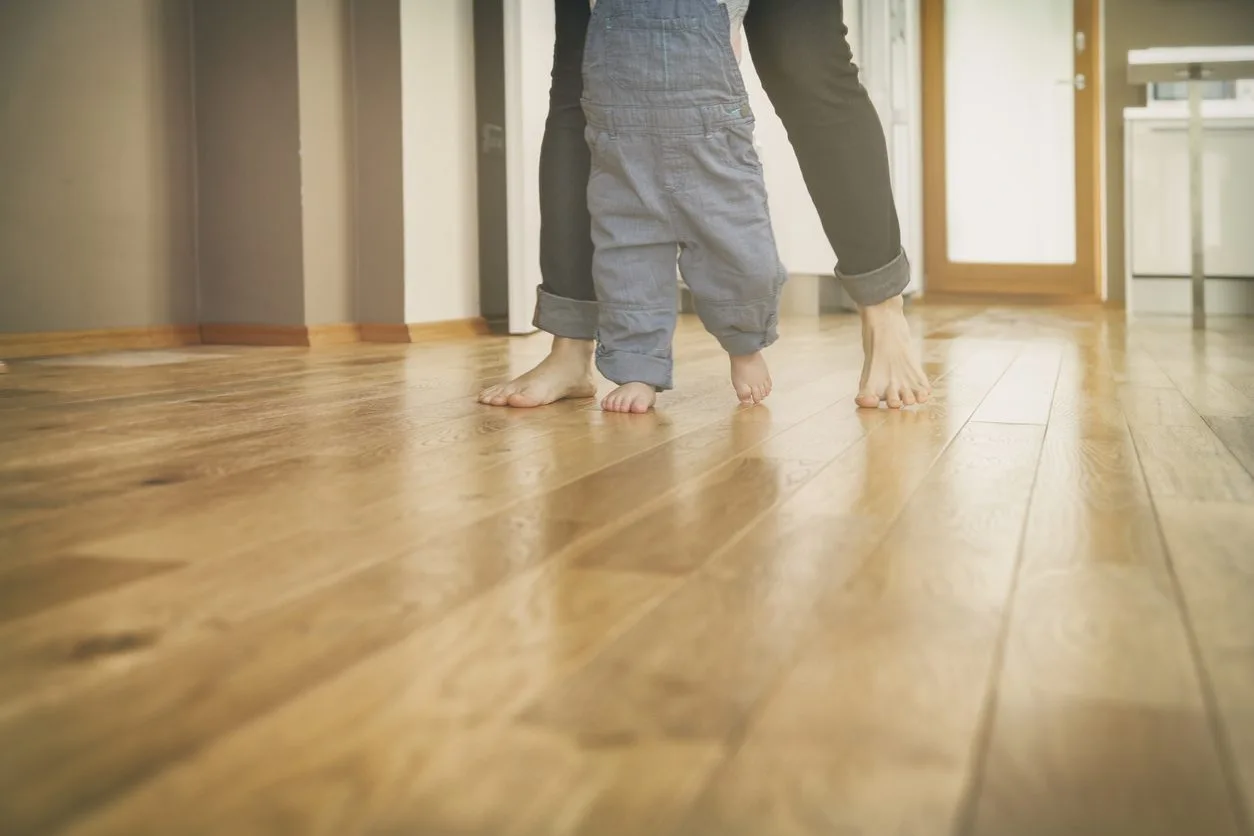
Choosing Safe Flooring for Children’s Rooms
Beyond aesthetic considerations, children’s rooms are among the areas where user health and safety must be given the highest priority. Children’s direct contact with the floor as they grow makes the material’s composition, texture and hygiene capacity critical safety factors. A children’s room floor should not only withstand physical impact, but also have emission levels that won’t compromise indoor air quality and antiallergenic properties. To protect children’s health and create a safe play area, look for the following features in flooring:
- Natural Wood with Low Emissions: Natural solid wood flooring is among the safest options for children’s rooms. Because of its natural composition, it contains no chemical binders and does not release volatile organic compounds into the room. Choosing solid parquet helps the room breathe naturally while minimizing the risk of allergic reactions that synthetic materials may cause.
- Certified Engineered Wood and Laminate Options: If you’re looking for an alternative to natural wood, it’s essential to choose products certified for low formaldehyde emissions, such as E0 or E1. A quality laminate flooring choice offers high resistance to wear, while its special surface coating helps prevent bacteria and microorganisms from multiplying, creating a hygienic environment.
- Thermal Insulation and Comfort: Children spend much of their time sitting or playing on the floor. Wood-based floors act as a natural insulating layer that keeps the cold of concrete from coming through. The thermal balance of the parquet surface helps prevent health problems that may result from contact with a cold floor.
- Non-Slip Surface: The floor’s finish is particularly important for safety. Given how active children are, matte or lightly textured (brushed) surfaces are recommended over highly polished, slippery ones. These surfaces provide friction that helps reduce slips and falls while running and playing.
- Antistatic and Allergen-Resistant Properties: Antistatic floors that don’t build up static electricity or trap dust on the surface are vital, especially for children with respiratory sensitivities. Floors that prevent dust from becoming airborne and are easy to clean help keep dust mites in the room under control.
- Impact-Absorbing Flexibility: The flooring’s structural flexibility should help absorb impact in the event of a fall. Compared with hard stone or ceramic surfaces, parquet flooring is more flexible thanks to its wood-fiber structure, providing a softer landing that reduces the risk of physical injury.
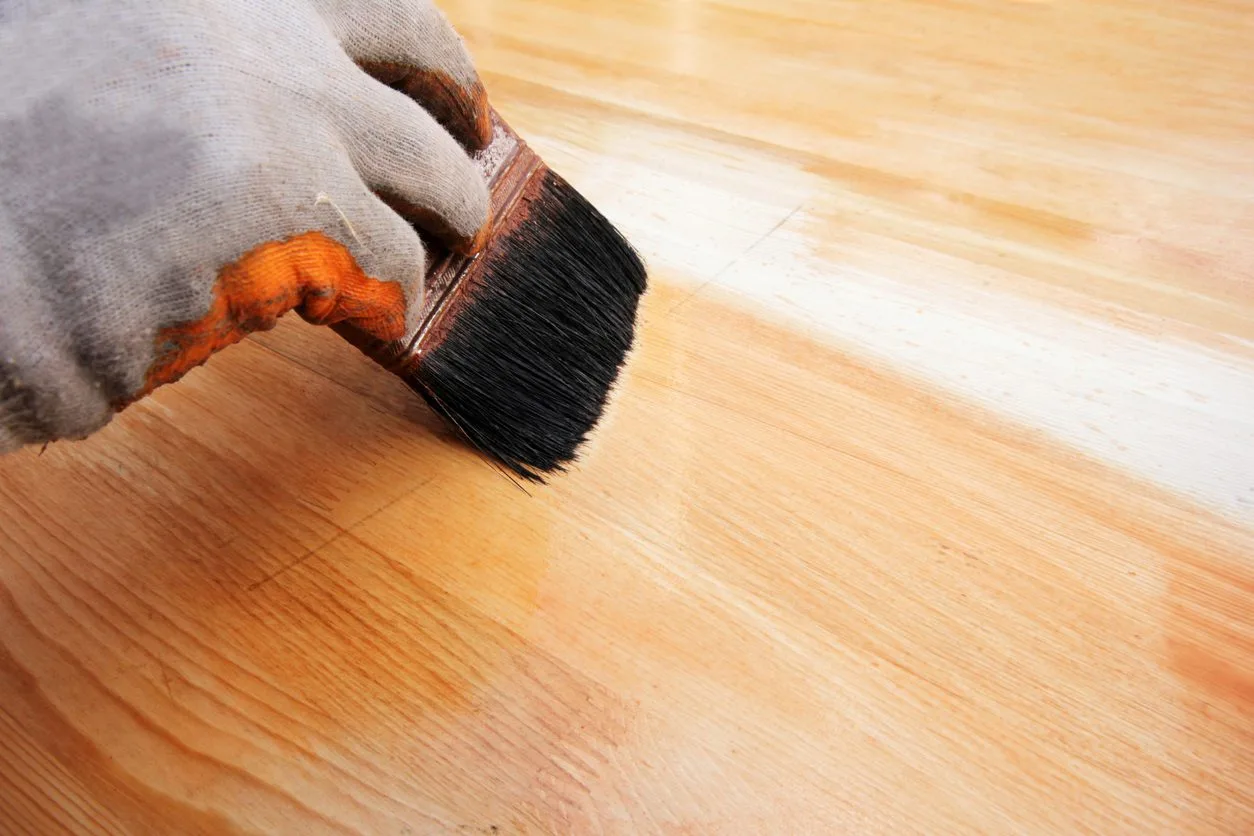
Steps for Painting Parquet Flooring
Painting a floor involves several essential steps that require care and attention. Following each one in full is key to achieving a professional-looking result:
- Cleaning and Preparation: Remove all dust, dirt and grease residue from the floor. Repair any raised or damaged areas.
- Sanding: Sand the surface to remove old varnish and imperfections. This helps the paint penetrate the wood’s pores.
- Applying Primer: We recommend applying a coat of primer to help the paint adhere more firmly to the floor and distribute the color evenly.
- Applying Paint: Apply the selected parquet paint in thin coats using a roller or brush. Be sure to follow the manufacturer’s recommended drying time between coats.
- Varnishing and Protection: Once the paint is completely dry, apply a clear protective layer to guard the surface against scratches.
When these steps are followed correctly, old and worn floors gain a completely refreshed look. The most common parquet painting technique is to apply paint with a roller in the direction of the grain. This method prevents marks from appearing on the surface and ensures a professional finish.
What to Keep in Mind When Painting Parquet Flooring
Painting parquet is not simply about adding color to a surface; it is also a process of protecting the wood and preserving its structural integrity. Small details overlooked during application can cause the paint to peel, the surface to become uneven or hygiene standards to decline over time. To achieve a flawless floor and ensure the paint lasts, there are a few things to keep in mind when painting parquet.
Thoroughly Cleaning the Surface: Before painting, make sure the floor is completely free of dust, grease, dirt and old varnish residue. For old wood parquet painting projects in particular, the old varnish layer must be completely removed by sanding. Paint won’t adhere to the wood fibers on a surface with residue and will soon start to flake off.
Maintaining the Right Humidity and Temperature: The humidity and temperature of the room directly affect the paint’s drying time and adhesion. In very cold or excessively humid conditions, the paint takes longer to cure, which can leave a sticky layer on the surface. It’s best to paint at room temperature in dry conditions with low relative humidity.
Allowing Time Between Coats: Painting usually requires more than one coat. After applying the first coat, wait for the full drying time specified by the manufacturer before applying the second. Applying a second coat before the first has fully dried can cause the lower layer to shift and create a rough, uneven texture.
Choosing the Right Application Tools: Use lint-free velvet rollers on large areas and silk-tipped brushes suitable for painting parquet skirting boards around corners and edges. The wrong roller can prevent the paint from spreading evenly, making roller marks more visible.
Masking and Protection: Use quality masking tape to protect wall edges, door thresholds and fixed furniture from paint. When applying parquet skirting board paint, make sure the tape is firmly in place to prevent paint from seeping between the parquet and the wall and to achieve clean, sharp lines.
Ensuring Good Air Circulation: Good ventilation during and after painting is essential both to clear paint fumes and to support proper drying. However, take care not to let dust or other particles into the room while ventilating; dust that sticks to wet paint can make the surface rough.
Avoiding Mechanical Stress: Even if the floor looks dry after painting, it usually takes several days to fully harden (cure). During this time, don’t place heavy furniture on the floor, keep pets off it and protect the surface from physical impact. Using the floor too soon can leave marks that are difficult to remove.
Color Coordination and Testing: When making a noticeable change, such as using gray parquet paint, it’s best to test the paint on a small, inconspicuous area before covering the entire floor. This helps you see how the chosen color looks on the wood grain and confirm that it complements the gray wall paint.
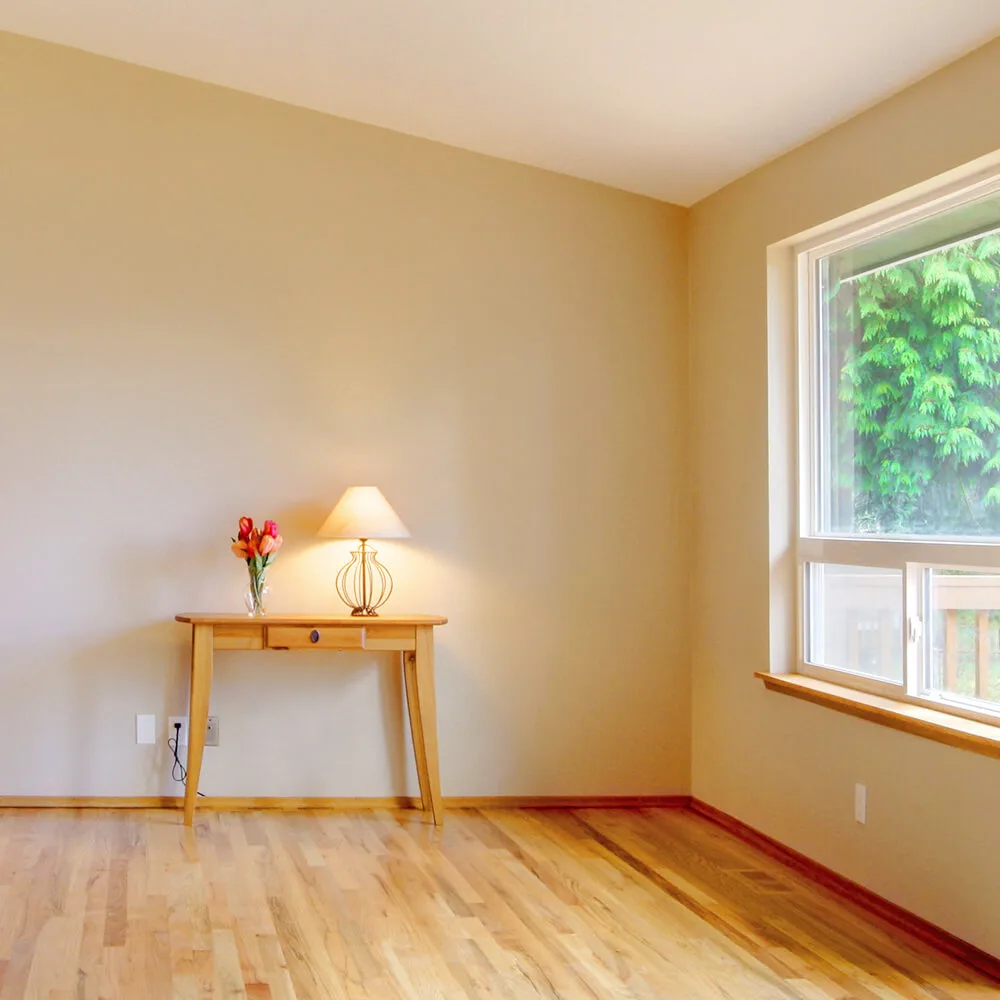
When Should You Paint Parquet Flooring?
The right time to paint parquet is directly related to when the protective layer on the floor stops working and the wood is left vulnerable to external elements. If water stains leave permanent marks, fading has become noticeable or fine scratches that can’t be removed by cleaning are multiplying, it’s time to consider renewal. In children’s rooms, where hygiene is particularly important, it’s best not to delay painting worn surfaces, as this helps prevent them from trapping dust and bacteria. Painting the existing floor is also an economical and quick solution when you want to change the room’s decorative style and create a more modern look.
Choosing the right season is one of the most critical factors for a quality finish. Spring and fall are ideal for paint and varnish to dry properly. Excessive summer heat can make paint dry too quickly and leave brush marks on the surface, while high humidity in winter can make it harder for paint to adhere to the floor. Choose days when the windows can be left open, temperatures are mild and humidity is low to ensure the paint fully cures and the room can be ventilated properly.
Advantages of Painting Parquet Flooring
Here are the key advantages of painting old floors instead of removing them and installing new ones:
- Cost Savings: Compared with the cost of buying new parquet, logistics and labor, painting can be completed on a much smaller budget.
- A Quick Decorative Transformation: Modern color options, such as gray parquet paint that complements the room’s overall atmosphere, can quickly transform the style without demolition work.
- Sustainability: Extending the life of existing wood is an eco-friendly approach that reduces natural resource consumption and prevents environmental waste.
- A Personalized Color Palette: You’re not limited to ready-made product catalogs; specific shades, such as a parquet tone that complements gray wall paint, can be custom-made and applied.
- Hygiene and Easy Cleaning: The new layer applied to the surface seals the wood’s pores, preventing dust and dirt from accumulating and making the floors more hygienic and easier to clean.
- Surface Protection: Quality parquet paint and a finishing coat of varnish provide extra protection against moisture, spills and light mechanical impact.
Disadvantages of Painting Parquet Flooring
Here are some challenges that come with the process and points to keep in mind when using the floor:
- Susceptibility to Mechanical Damage: Compared with original factory finishes, painted surfaces can be scratched more easily by falling sharp objects or by dragging heavy items across them.
- Time-Consuming Preparation: The thorough sanding needed to help paint adhere fully to the surface can create dust during application.
- Required Waiting Time: Since it can take several days for paint to fully harden (cure), the floor cannot be used during this time.
- Prone to Application Errors: If the right parquet painting techniques aren’t used, roller marks and uneven coloring may appear, or the paint may start peeling over time.
- Periodic Maintenance: In high-traffic areas, the paint layer may wear down over time, requiring localized touch-ups or fresh varnish every few years.
Can Wood Parquet Be Painted?
Yes, wood parquet can be painted. Solid and engineered wood flooring are the best types for painting and changing color, thanks to their natural composition. Once the old varnish has been removed by sanding, the floor can be completely refreshed with a suitable wood parquet paint.
Is There Paint for Laminate Flooring?
Yes, paints specifically developed for laminate surfaces are available. However, because laminate flooring is nonporous and smooth, a special bonding primer must be applied before painting to improve adhesion. The right primer and laminate paint can deliver great results.
Is White Laminate Flooring Practical?
White laminate flooring is highly practical from a decorative perspective, as it makes a room look larger, brighter and more modern. However, compared with darker colors, it can show dust, pet hair and stains more readily. Keep in mind that it may require more frequent cleaning in busy areas.
Should You Paint or Install Parquet First?
If you’re renovating the floor and painting the walls at the same time, the general recommendation is to paint the walls first. This is a safer order, as any paint that drips onto the floor during wall painting could damage new parquet. If painting is done after the parquet has been installed, make sure the floor is thoroughly masked.
Can You Install Parquet Over Existing Parquet?
Yes, new parquet can be installed over existing parquet. However, the existing floor must be completely level, dry and stable. If the old parquet is raised, loose or makes a lot of creaking noises, installing a new layer on top may cause technical problems later on. You should also account for the change in floor height to ensure doors don’t scrape against it.
With the right techniques and safe choices, floors that shape the character of a living space can be both beautiful and healthy. At Almila Mobilya, we take care to ensure that every color and texture of parquet pairs beautifully with our children’s room collections. If you’d like to create a beautiful and comfortable space on a safe floor, explore our children’s room designs to suit every style and create the room you’ve been dreaming of today.
You May Also Like→ What Is Melamine Coating? How It’s Used in Furniture