Room Guide
How to Apply and Remove Wallpaper in Children's and Teen Rooms
Applying wallpaper in children's and teen rooms involves several steps. Removal methods vary depending on the adhesive and the surface.
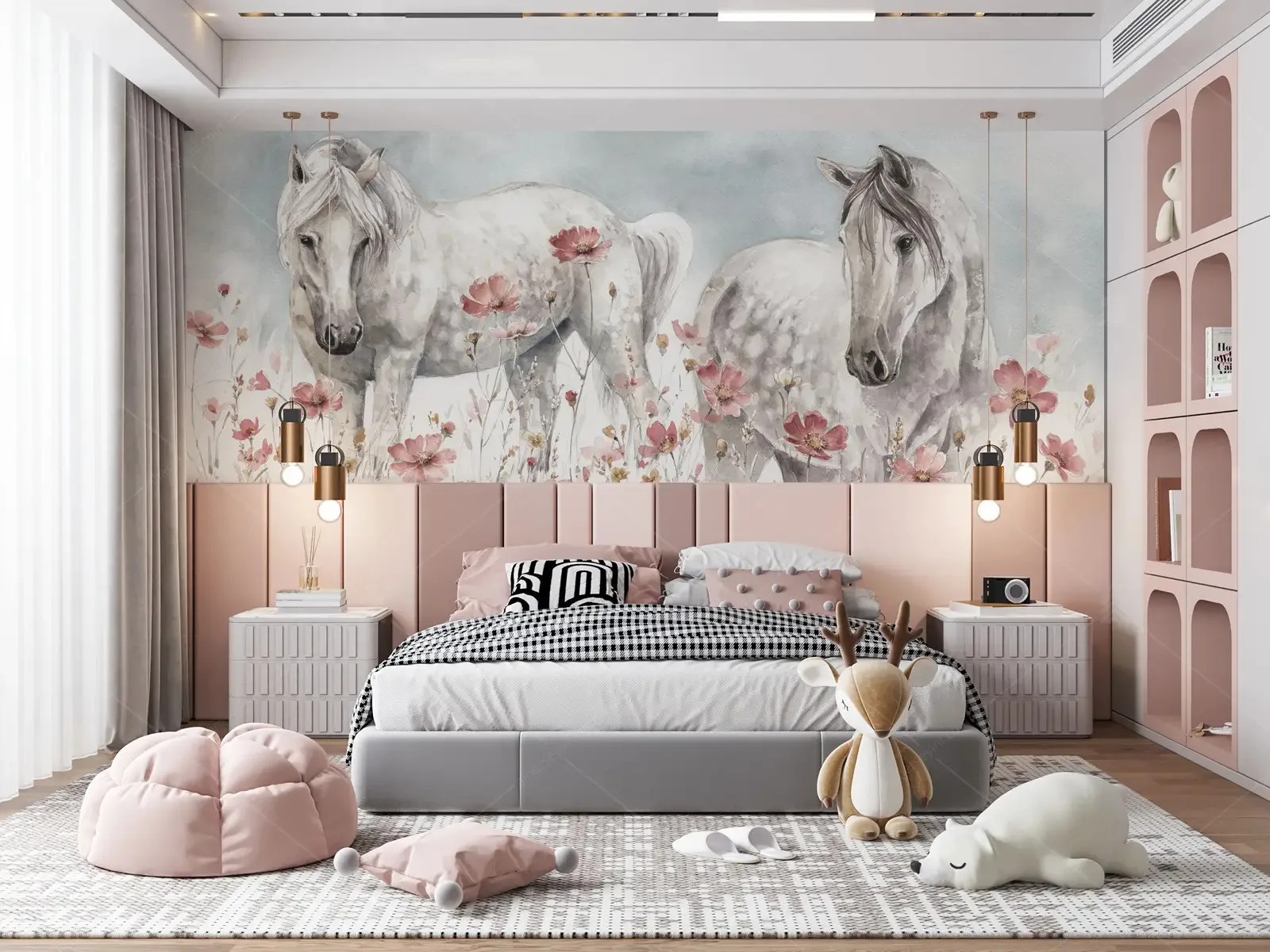
Wall décor is one of the most fundamental elements shaping the look and feel of living spaces. In interior design, walls serve as a broad canvas that reflects a room’s character. Today, wall covering solutions go beyond paint and add depth to a space, allowing people to express their personal tastes in the most direct way. Standing out for their durability, variety of textures and quick application, these solutions are considered a long-lasting, decorative option for homes and commercial spaces alike. With advances in technology, the production of materials that are easy to clean, breathable and compliant with ecological standards has secured the place of these decorative elements in modern residential projects.
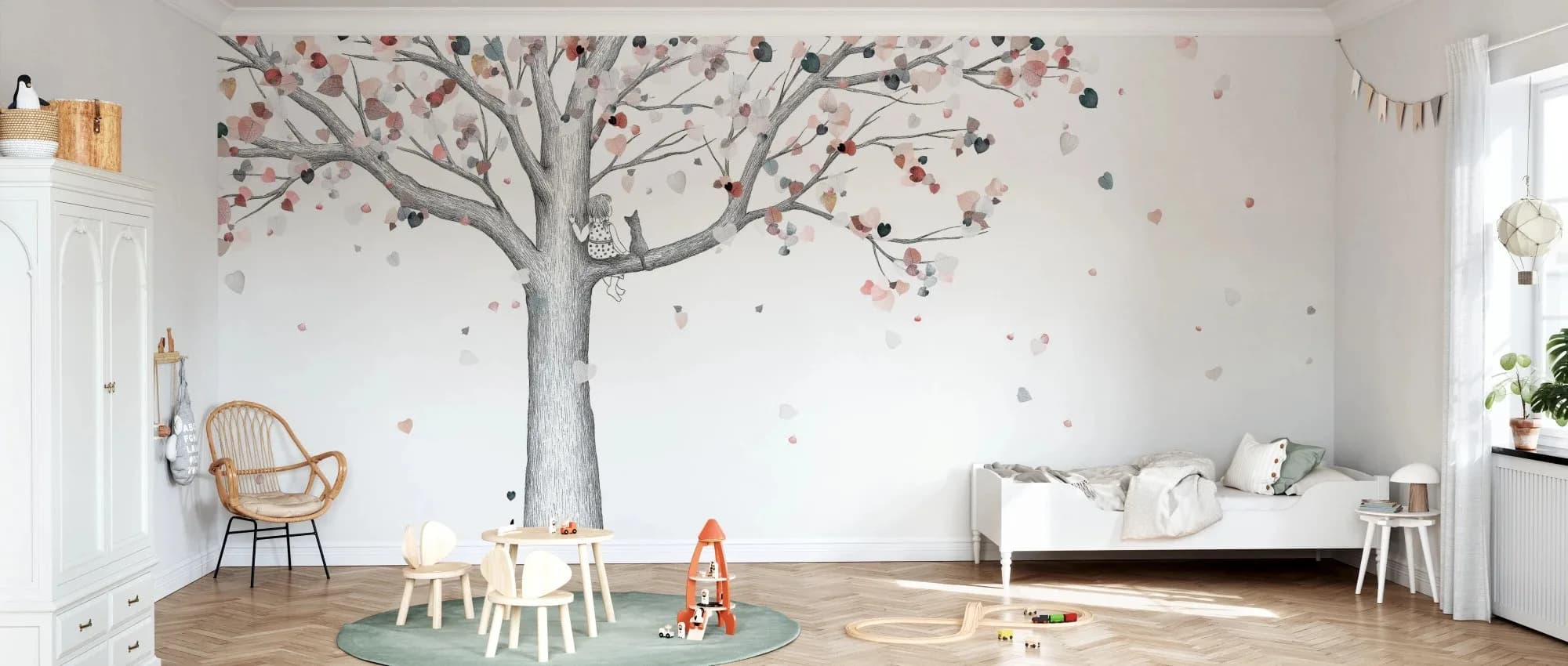
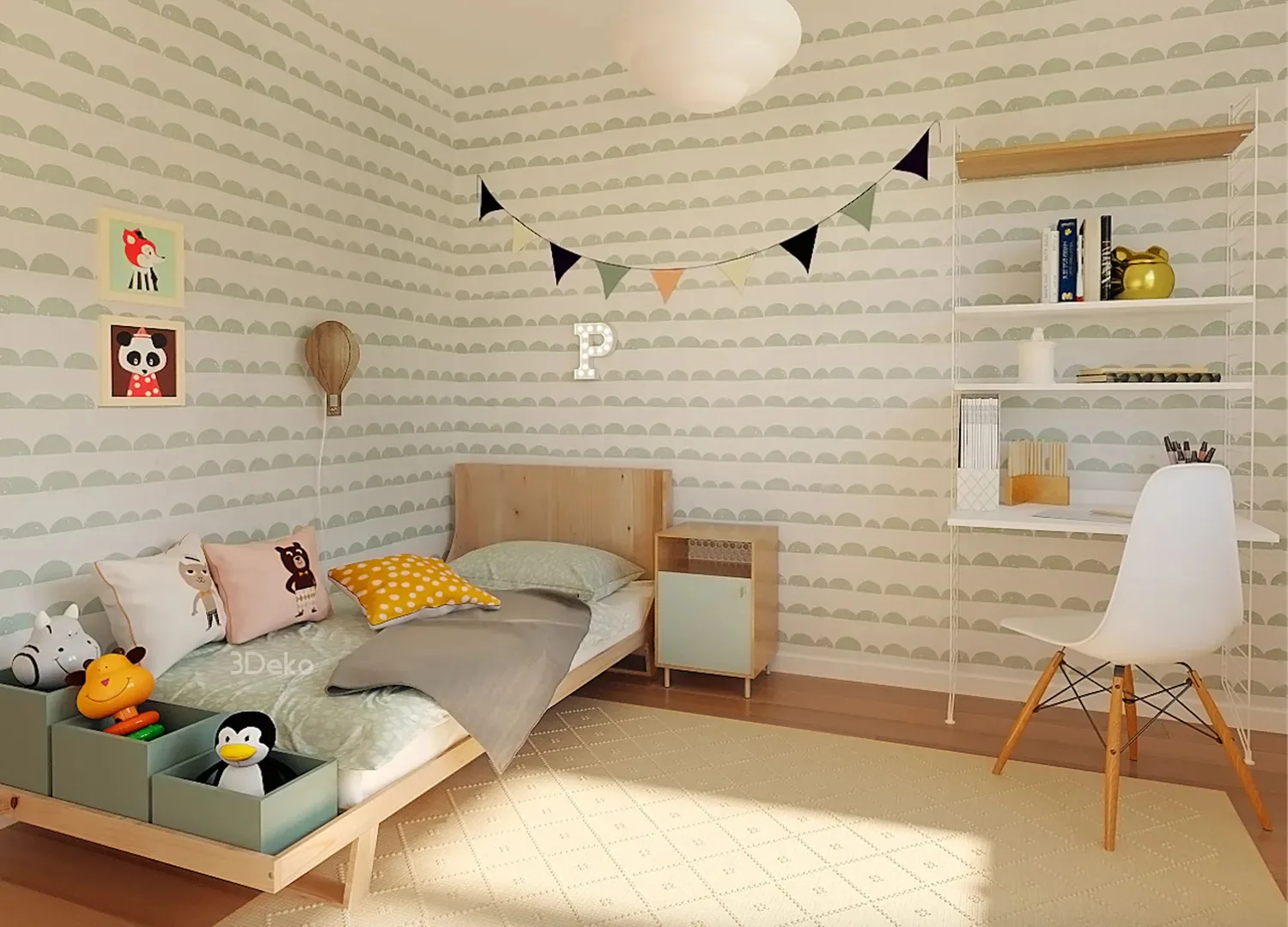
Among these decorative solutions, children's and teen rooms stand out as special spaces that call for the greatest care and creativity. Accompanying children through their development, these rooms are not just places to sleep, but also spaces for play and study. For this reason, both developmental considerations and practical benefits come to the fore when choosing wallpaper for a child's room. A wide range of products, from girls' wallpaper designs to energetic teen room styles, caters to different age groups. However, applying these products and removing them later requires technical knowledge and the right equipment. Here are the steps for applying wallpaper:
Choose Your Wallpaper Type
Before starting the application, you need to determine which product material best suits the room's physical conditions and the occupant's habits. Wallpaper available on the market generally falls into three main categories: vinyl, non-woven and textile-backed. Thanks to its protective surface layer, vinyl wallpaper is water-resistant and washable. This makes it especially practical in children's rooms, where stains and dirt are more likely. Vinyl products are also highly resistant to fading from sunlight, helping colors stay vibrant for longer.
Non-woven products are made from a special blend of paper and natural fibers. Their most distinctive feature is that they allow the walls to breathe and help maintain the room's moisture balance. In addition, because non-woven products do not expand when wet during application or shrink as they dry, matching the patterns is much easier. Textile-backed products are generally chosen for teen rooms to create a more luxurious, textured finish. They help insulate sound within the room and improve acoustics to create a more peaceful environment. When choosing, all options—from girls' wallpaper designs to solid-color wallpaper—should be assessed based on material quality.
Prepare a List of the Materials You Need
Having all the necessary tools and supplies ready is essential for a flawless wallpaper application. The materials list includes professional equipment for every step, from cleaning the surface to cutting the wallpaper with millimetre precision. First, choose wallpaper adhesive or a special wall paste that is compatible with the type of wallpaper you purchased. Keep a large mixing bucket and a stirring stick on hand to prepare the adhesive to a smooth, lump-free consistency.
A utility knife and metal ruler are essential tools for cutting wallpaper neatly and answer the question of how to cut wallpaper. Use a wide brush or roller to spread the prepared adhesive evenly across the surface. You will also need a plastic spatula or a soft wallpaper brush to remove trapped air and create a smooth finish. In addition, keep a tape measure for precise measuring, a spirit level to check vertical alignment and a pencil for marking in your toolkit.
Prepare the Surface
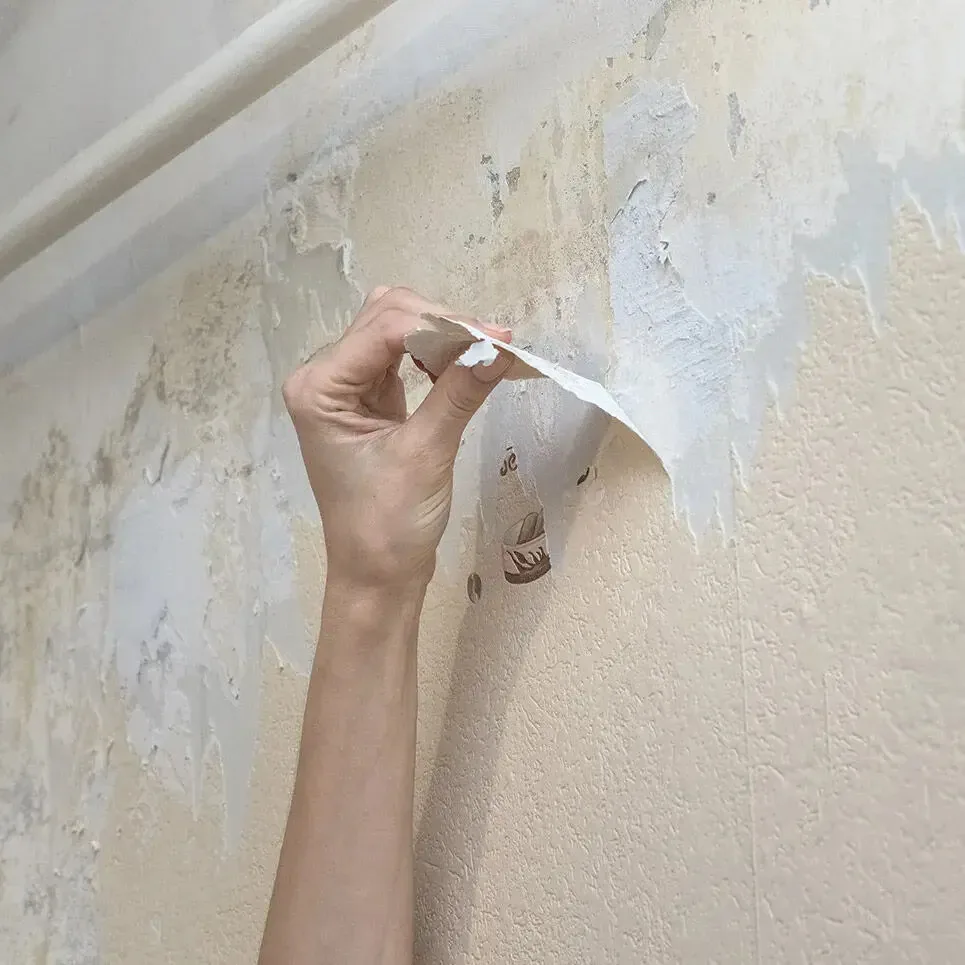
The condition of the surface is one of the main factors that directly affect the appearance and longevity of wallpaper. The surface to be covered should be completely dry, clean and free of imperfections. If there are peeling paint, debris or remnants of old wallpaper on the wall, scrape them away completely with a spatula. Fill cracks, dents and old nail holes with a suitable filler or plaster, then sand the surface smooth.
Damp or humid walls weaken the adhesive's grip and can lead to mold or odors forming beneath the wallpaper over time. To prevent this, make sure the wall is completely free of moisture and dry. On freshly plastered or highly absorbent surfaces, applying a coat of primer is recommended to prevent the wall from absorbing too much adhesive. Primer also helps the wallpaper adhere more firmly. In addition, especially when choosing light-colored or solid-color wallpaper, make sure the surface is a uniform color so differences in its color do not show through.
Follow Measuring and Cutting Guidelines
To avoid wasting material and preserve visual continuity, especially with patterned products, measurements must be taken accurately. At the start, carefully measure the wall height at several points to identify any variations between the ceiling and floor. When cutting, leave an extra 5 to 10 centimeters at both the top and bottom of each strip. This excess is used to conceal any unevenness along the ceiling line or skirting boards and achieve a flawless finish.
If you are using striped wallpaper or wallpaper with complex geometric patterns, be sure to account for the pattern repeat. After cutting the first strip, align the pattern on the second strip so that it matches perfectly, and only then cut it. Incorrect cuts waste wallpaper and can disrupt symmetry on the wall. For an attractive result, cut the wallpaper on a hard, flat and clean surface using a sharp utility knife that will not crush or tear it.
Use the Right Application Techniques
The technique used to secure wallpaper to the wall depends on the backing of the product you have chosen. With traditional paper-backed products, adhesive is generally applied to the back of the wallpaper, which is then left for a few minutes to absorb the adhesive and expand. With modern non-woven products, however, it is sufficient to apply the adhesive directly to the wall. This method shortens application time and prevents the wallpaper from getting wet and changing shape, resulting in a more stable finish.
Mix the adhesive with water according to the manufacturer's instructions until it reaches the ideal consistency. Apply it to the wall with a roller or brush, ensuring that the surface is covered evenly with no gaps. Take care not to leave the edges where the strips meet dry, as insufficiently adhered edges may lift over time. If applying adhesive to the wallpaper, fold it over itself while it rests, but avoid sharp creases that could leave permanent marks.
Remove Air Bubbles
It is normal for air pockets or wrinkles to appear when the wallpaper is first placed on the wall. To remove these air bubbles and ensure the wallpaper bonds fully with the surface, apply gentle pressure from the center out toward the edges, working from top to bottom. Use special application brushes or flexible plastic spatulas that will not damage the surface. Adjust the pressure according to the wallpaper's texture, taking particular care not to damage decorative details on glitter or delicate embossed wallpaper.
After application, small air bubbles that have gone unnoticed will usually disappear as the wallpaper stretches during drying. However, larger bubbles can be released by piercing them with a fine needle and smoothing the surface with a little extra adhesive. Allow the wallpaper to dry in a space that is not exposed to direct sunlight and has balanced airflow. Leaving windows open or heating the room excessively can cause the wallpaper to dry too quickly and the seams to come apart.
Prepare Before Removing Wallpaper
As children grow or decorating trends change, existing wall coverings may need to be replaced. Without proper preparation, removing wallpaper can damage both the room and the wall surface. Before you begin, move all the furniture to the center of the room or, if possible, clear the room entirely. Cover the floors with thick plastic sheeting to protect them from water and chemicals. Remove the covers from wall sockets and switches so you can reach any wallpaper behind them. If using wet methods, be sure to switch off the room's circuit breakers to prevent the risk of electric shock.
Choose the Right Removal Method for Your Wallpaper Type
How easily wallpaper comes off depends on the application method used and the type of adhesive. Some wallpaper is designed to peel off simply by pulling, while other types need to be thoroughly dampened. Testing a small area in a bottom corner of the wall can significantly reduce the work involved in finding the best method.
Try the Dry Removal Method
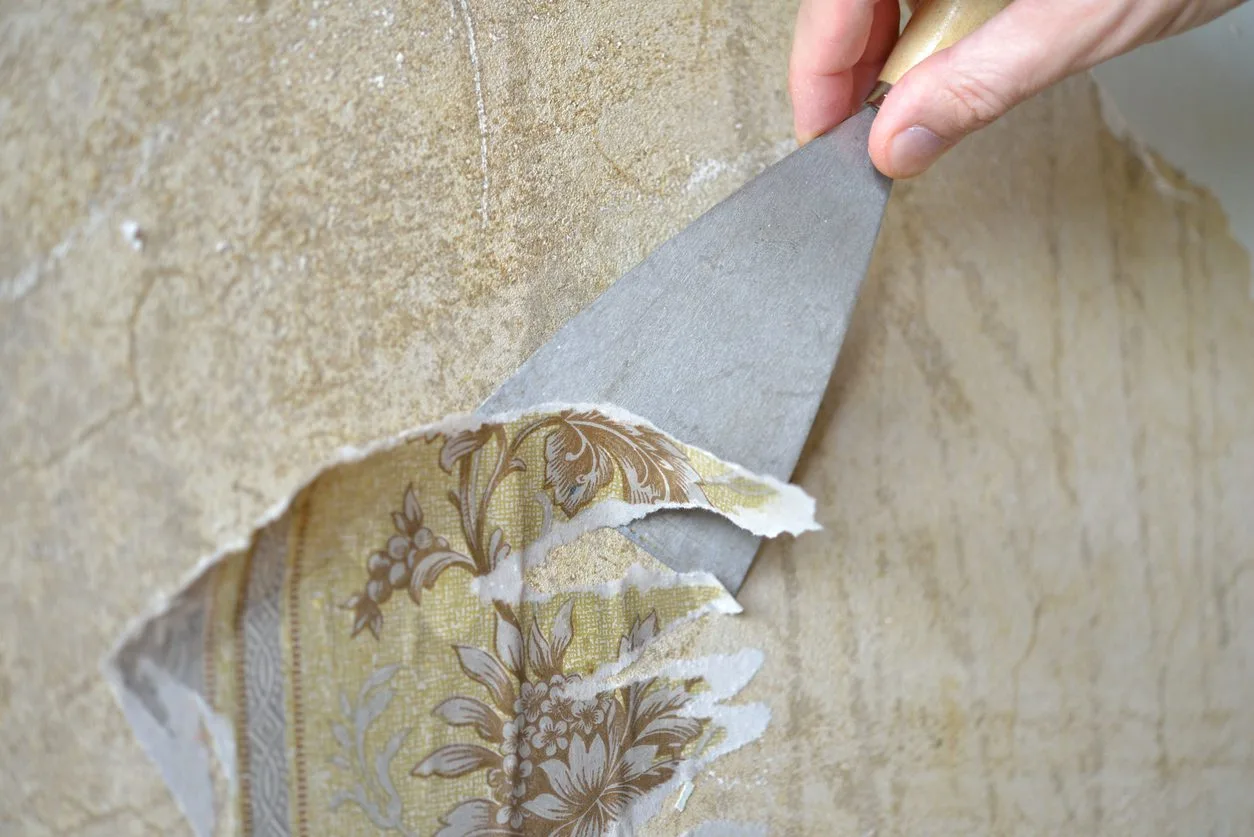
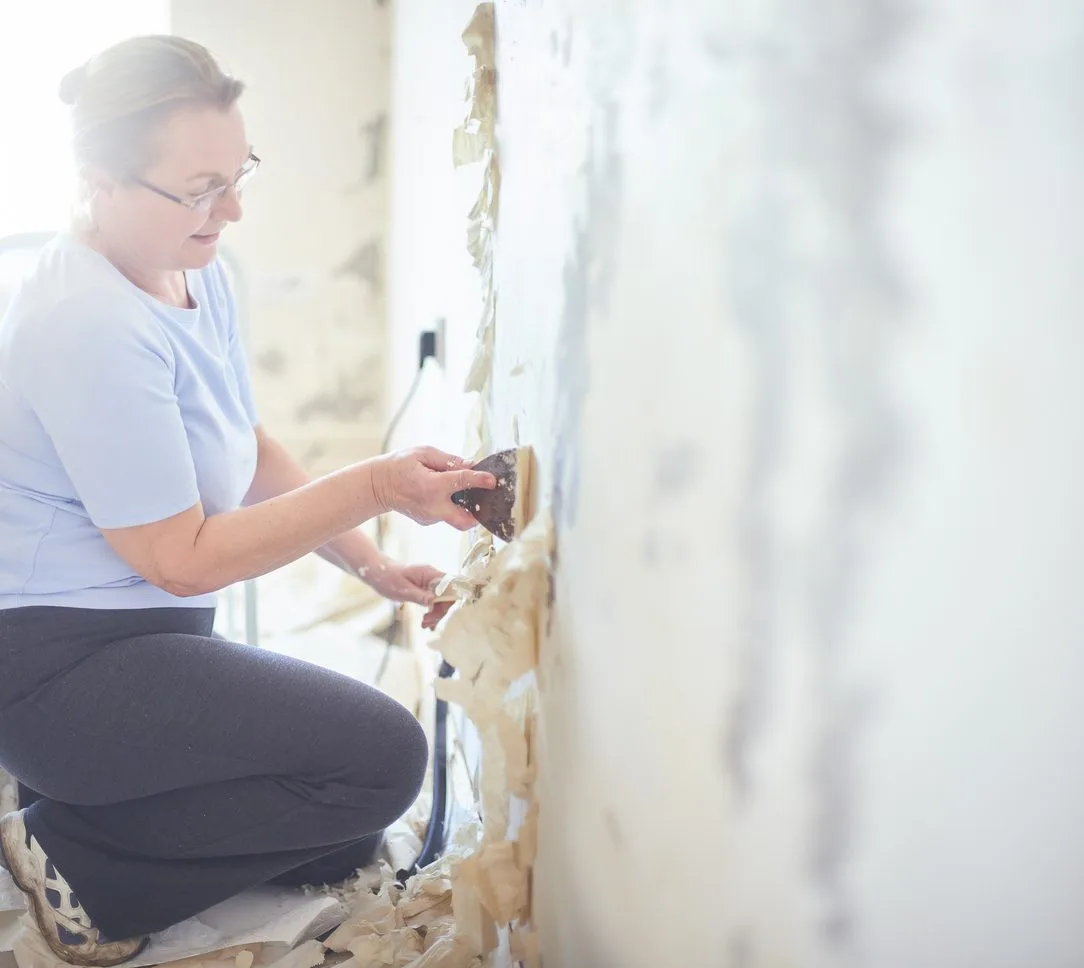
Peelable wallpaper can usually be removed from the surface without any liquid or chemical products. Gently lift a corner of the wallpaper with the tip of a spatula, then pull the strip away from the wall steadily and at a wide angle. If it comes off in one piece without separating into layers, this is the quickest and cleanest removal method. With vinyl products, the top protective layer usually comes off this way; if a thin paper layer remains underneath, it can be easily cleaned later by dampening it.
Soften Stubborn Wallpaper with the Wet Removal Method
For water-resistant wallpaper or older applications that do not respond to dry removal, use the dampening method. As well as commercially available wallpaper removal solutions, natural options such as a mixture of warm water and white vinegar can also be very effective. To help the liquid reach the underside of the wallpaper and the adhesive layer, pierce the wallpaper with a utility knife or a special scoring roller. Apply plenty of the liquid to the wall using a sponge or spray bottle, then wait around 15-20 minutes for the wallpaper to soften. Once softened, scrape the material off with a spatula, taking care not to damage the surface.
Use a Steam Machine for Professional Results
Steam machines offer the most effective solution when removing wallpaper attached with strong adhesive or applied in multiple layers. Steam machines
heat water into steam and direct it through an application plate so it can penetrate the wallpaper. The heat and moisture quickly loosen the adhesive's chemical bonds, allowing the wallpaper to slide off the wall with ease. When using a steam machine, wear protective equipment to prevent burns to your face and hands, and hold the device at each spot only long enough to soften the wallpaper. This method saves considerable time over large areas, especially for anyone wondering how to remove self-adhesive wallpaper.
Clean Away the Residue
Once all the wallpaper strips have been removed, adhesive residue, small pieces of paper or dust will usually remain on the surface. Cleaning these off is essential to prepare the wall for a new coat of paint or covering. After removing the wallpaper, carefully wipe the surface with warm, soapy water and a coarse sponge. Use special removal solutions for stubborn adhesive marks to restore the wall's smooth finish. Once cleaning is complete, let the wall air out and dry completely, then finish by lightly sanding away any remaining imperfections.
What to Consider When Choosing Wallpaper for Children's and Teen Rooms
When choosing wallpaper for children's and teen rooms, focusing only on the visual appeal of the patterns can negatively affect comfort and health standards in the long term. Considering a range of technical factors together—from air quality and ease of cleaning to light reflection and the lasting appeal of the décor—helps parents and the room's occupant achieve the best result. To create a healthy, functional living space, we recommend keeping the following points in mind:
• Choose ecological, healthy products: The materials used in the wallpaper and printing inks are particularly important in spaces where children spend much of their day. Choosing certified products made with water-based paints, free of solvents and with minimal emissions of volatile organic compounds helps maintain indoor air quality.
• Check cleanability and durability: Since children's rooms are active spaces with a high potential for mess, the wallpaper you choose should be wipeable or washable. Thanks to their protective surface layer, vinyl-backed wallpapers make it easy to remove everything from pen marks to dust with a damp cloth.
• Optimize light and the sense of space: The size of the room and the amount of natural light it receives should directly influence your choice of pattern. In small rooms with little natural light, glitter wallpaper or solid-color wallpaper in light shades can make the space feel brighter and more open. Dark colors and very large patterns, on the other hand, can make a room seem smaller.
• Consider psychological effects and how the room will be used: The effect of colors and patterns on children's psychology should not be overlooked. Calmer shades and minimalist patterns that do not distract are preferable in sleeping and study areas, while vibrant colors and themed wallpaper patterns that inspire creativity can be used in play corners.
• Think about how easily it can be changed and its timelessness: Children's tastes and interests change quickly as they grow. With this in mind, choosing more timeless striped wallpaper or products that are easy to remove instead of highly specific characters can save time and money when updating the décor in the future.
When wallpaper is applied and removed correctly in children's and teen rooms, it becomes an effortless way to completely transform the space. The most important element in completing this harmonious look is the choice of furniture. At Almila Mobilya, we help you design the living spaces of your dreams with our range of children's and teen room furniture, perfectly suited to all kinds of wallpaper designs and colors.
You May Also Like→ How to Clean Walls