Sleep and Beds
What Is Ergonomics? The Importance of Ergonomics in Children's Beds
Choose an ergonomic mattress for your child’s health! Visit our page to learn more about ergonomics and why it matters in children’s mattresses.
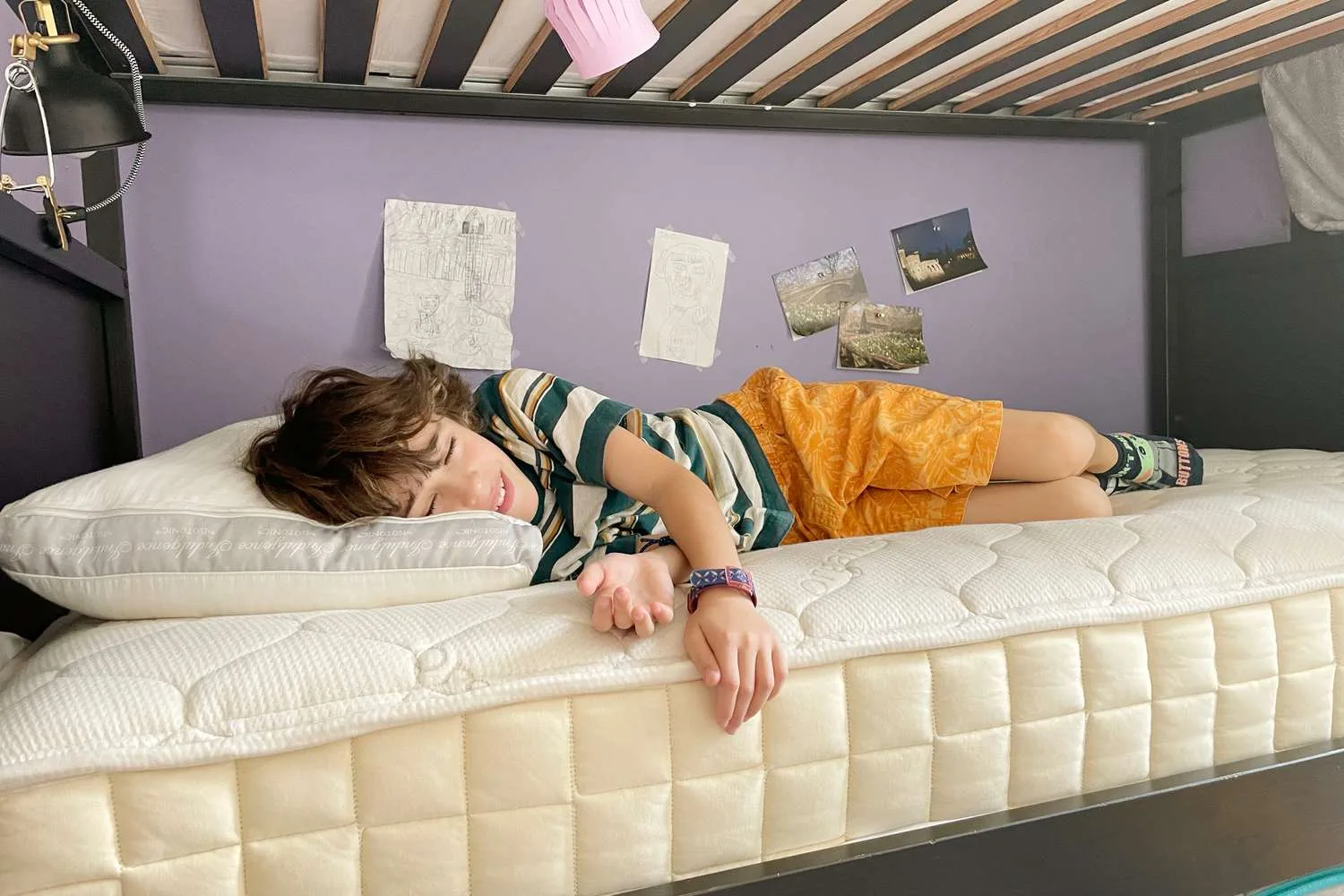
The importance of sleep for children's healthy growth and development is beyond question. However, many factors affect sleep quality, and one of them is mattress ergonomics. So, what is ergonomics? Ergonomics is defined as the science of designing products, systems and environments to suit people's physical abilities and limitations.
Supporting children's bodies during sleep and helping them maintain the correct position are vital to healthy growth. Non-ergonomic mattresses can negatively affect children's spinal health and lead to postural problems over time. That's why it's important to choose an ergonomic mattress for your child. This will improve your child's sleep quality while helping protect their posture and spinal health.

Features of Ergonomic Children's Mattresses
To support children's healthy growth and development, it's important to consider the features of ergonomic mattresses. Ergonomic children's mattresses are designed with a child's physiological needs in mind and stand out for their range of features. Here are the main features of ergonomic children's mattresses:
Proper Support and Comfort
Ergonomic mattresses are designed to suit children's body structure. They support the spine properly and help the body maintain its natural position. To protect spinal health throughout a child's development, it's important for the mattress to have the right firmness and flexibility.

Hypoallergenic Materials
With children's sensitive skin and risk of allergic reactions in mind, ergonomic mattresses are generally made with hypoallergenic materials. These materials prevent dust mites and other allergens from accumulating, allowing children to rest in a healthier sleep environment.
Breathable Design
Ergonomic children's mattresses are designed to promote air circulation. This helps reduce sweating during sleep and regulate body temperature. Breathable mattress materials also help extend the mattress's lifespan.
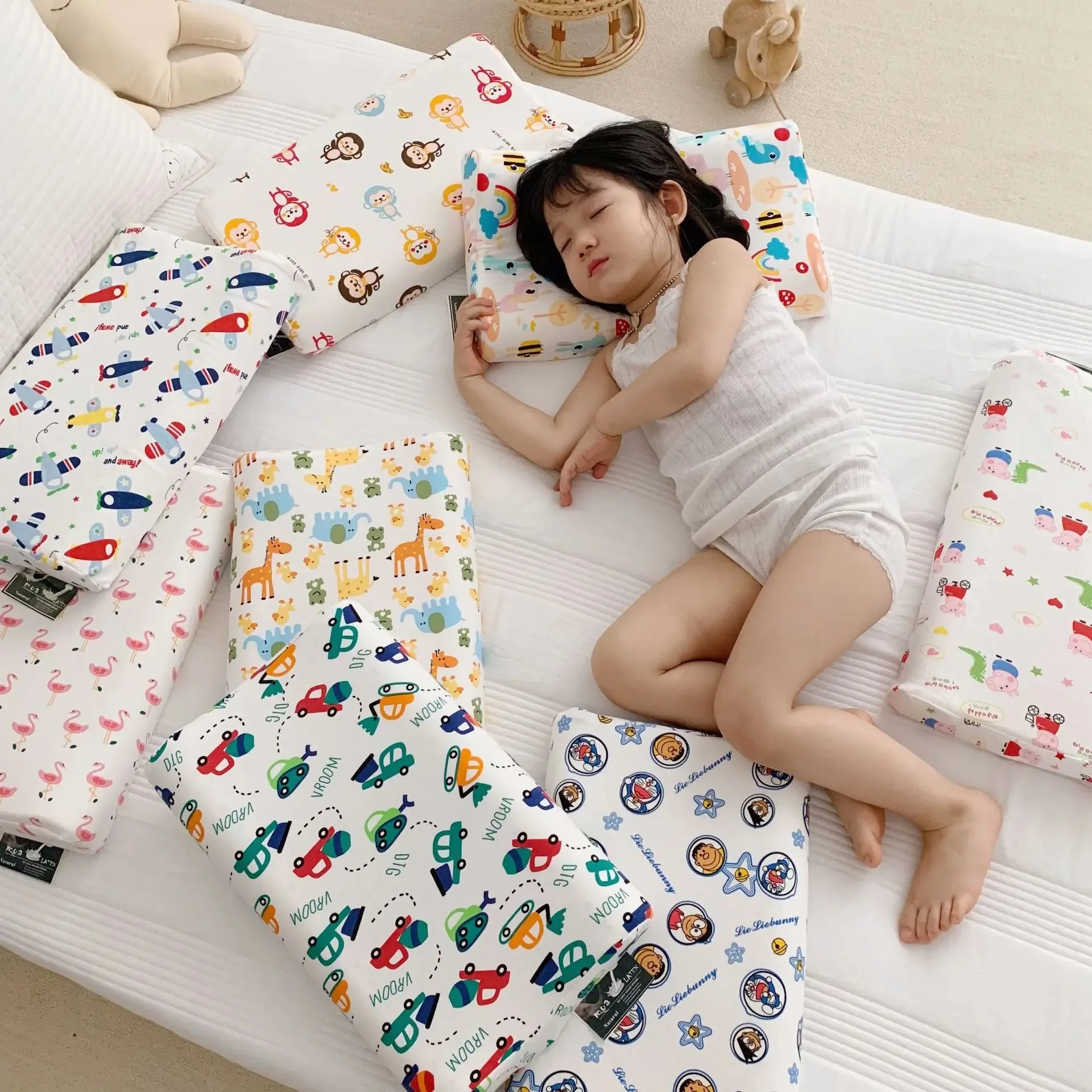
Durability and Long Life
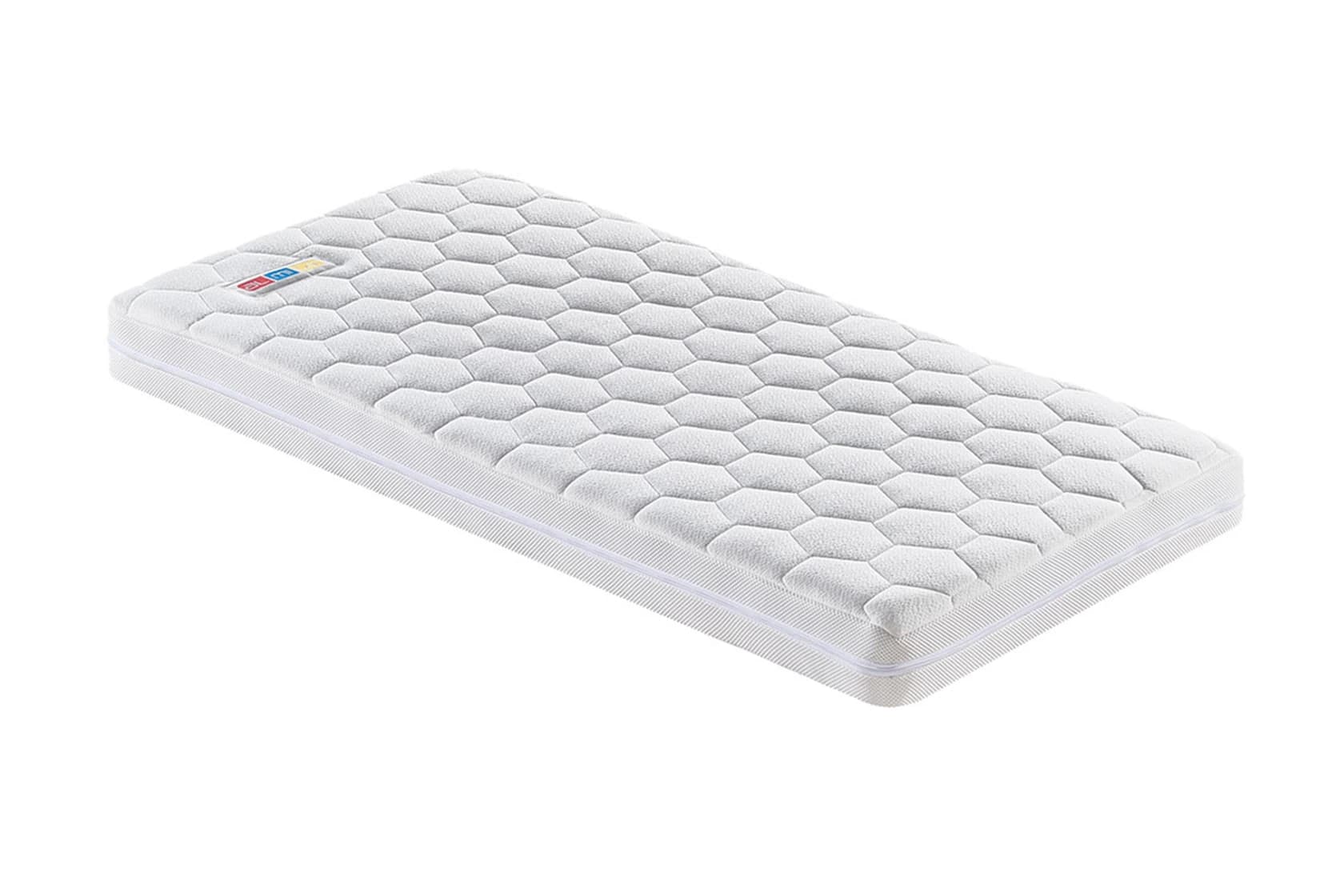
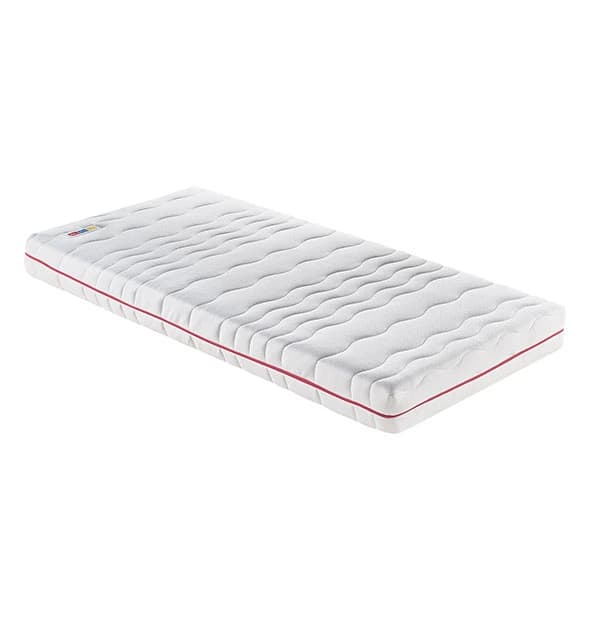
Ergonomic children's mattresses are made from high-quality, durable materials. This allows them to retain their shape for years and provides a long service life. For example, Almila children's mattresses are known for their durability and long-lasting design. These mattresses provide support suited to children's needs as they grow.
Firmness Level
Ergonomic mattresses are generally medium-firm, providing balanced support for a child's body weight and sleeping position. Neither too firm nor too soft, they help protect spinal health and provide a comfortable night's sleep.
Children's Sleep Routines and Ergonomics
Regular sleep routines help regulate children's body clocks and establish healthy sleep patterns. An ergonomic mattress should be considered part of these routines. A consistent sleep routine helps children go to bed and wake up at the same time each night, making it easier for them to sleep through the night and wake up feeling more rested in the morning.
What Is the Difference Between Ergonomic and Orthopedic Mattresses?
When choosing between ergonomic and orthopedic mattresses, it's important to consider a person's sleep habits, body structure and health. Both types offer important benefits for healthy, restful sleep, but the most suitable choice depends on individual needs. Here are the differences between ergonomic and orthopedic mattresses:
- Purpose and Design: Ergonomic mattresses are designed to improve sleep comfort and adapt to the body's shape, while orthopedic mattresses are designed to support spinal and joint health, with a firmer feel and medical needs in mind.
- Materials and Construction: Ergonomic mattresses are generally made from softer, more flexible materials that adapt to the body's shape. Orthopedic mattresses, on the other hand, are made from firmer, more durable materials.
- Flexibility and Adaptability: Ergonomic mattresses may offer adjustable features to suit different sleeping positions, while orthopedic mattresses generally have a fixed structure that cannot be changed.
You May Also Like→ How to Clean Baby and Children's Mattresses