Sleep and Beds
How to Choose a Pillow for Children
Choosing a pillow suited to children's development plays a decisive role in spinal health and sleep quality. Click for details!
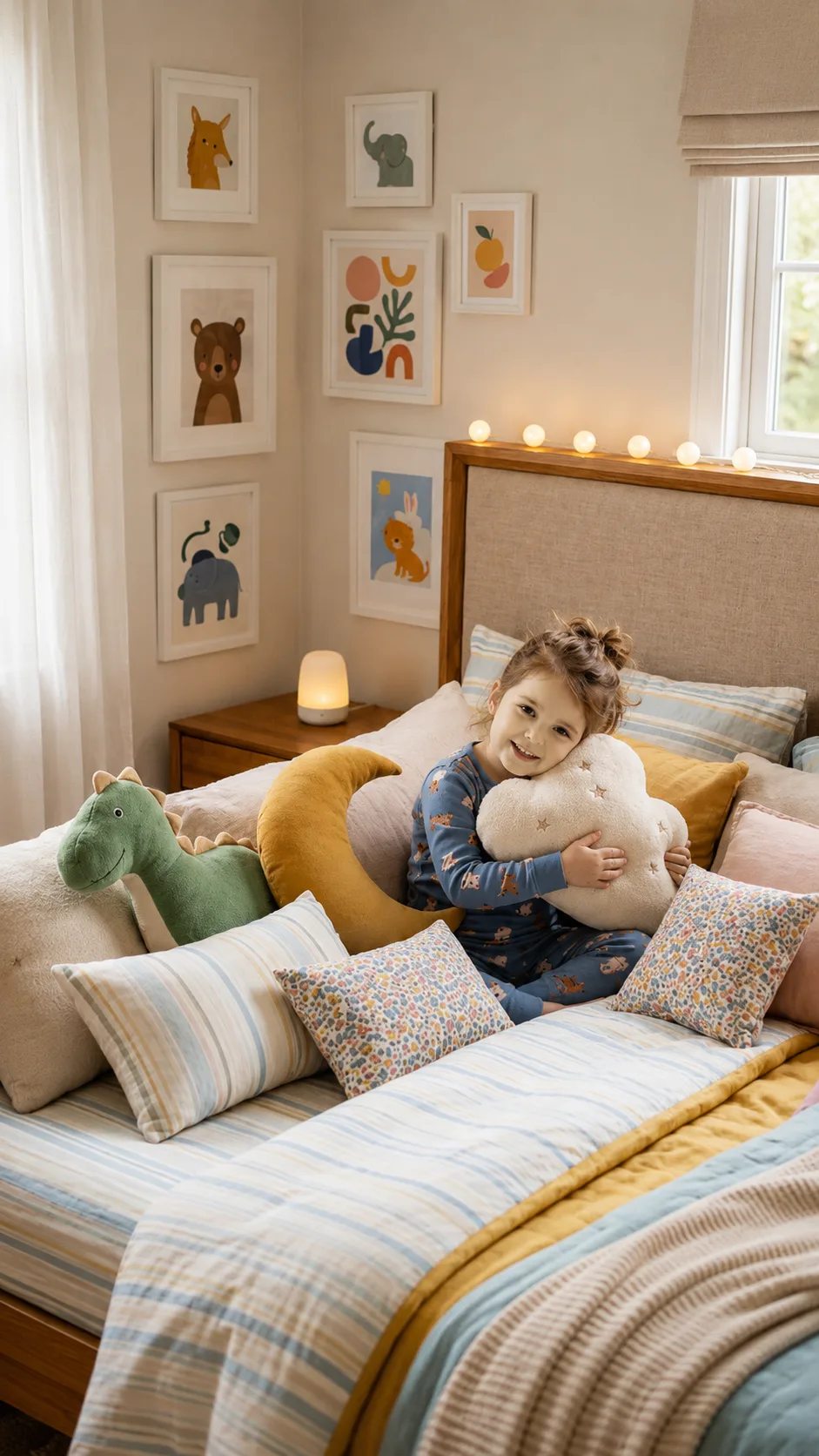
Children’s physical development is especially important during their growing years, when their bones and muscles are taking shape. Quality, uninterrupted sleep is one of the key factors that directly supports this development. However, one detail parents often overlook is whether essential sleep products such as pillows, duvets and mattress protectors are suited to their children’s bodies. Choosing the wrong pillow can lead to poor posture and neck pain over time, while the right choice helps children wake up feeling refreshed and healthy.
At Almila, we care about children’s needs at every stage of growth and create designs centered on their comfort. We offer healthy pillow options specially designed for growing children, bringing together ergonomics and well-being to help little ones enjoy a sound night’s sleep. Choosing the right product to improve your child’s sleep quality is, in fact, a direct investment in their success and happiness throughout the day.
At What Age Should Children Start Using a Pillow?
When to introduce a pillow is one of the most sensitive considerations in a child’s development. Pediatric guidance recommends that babies sleep on firm, flat surfaces until their neck and spine have fully developed. Pillow use is generally not recommended until 18-24 months of age. After this stage, you can transition to pillows that are not too high and are suited to your child’s shoulder width and sleeping position.
Here are some recommendations for pillow use by age group:
- 0-2 Years: Pillow use is not recommended during this period. Babies should sleep on flat, breathable mattress surfaces.
- 2-5 Years: Low, soft children’s pillows that gently support the neck can be considered for this age group.
- 5 Years and Older: Depending on the child’s physical development, you can move on to more supportive options, such as an orthopedic children’s pillow suited to their shoulder width.
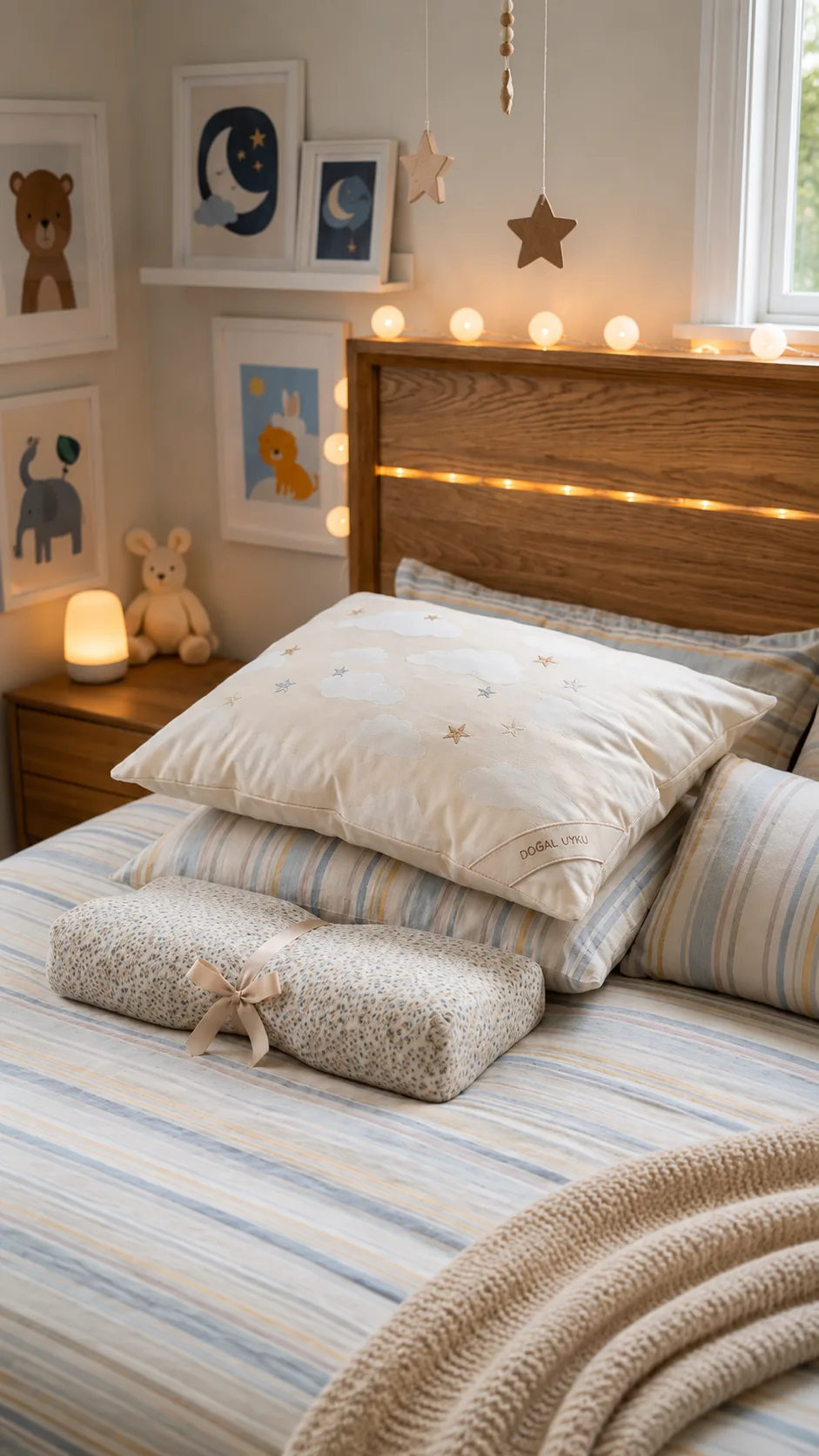
What to Consider When Choosing a Pillow for Children
Choosing the right pillow is a key factor in your child’s sleep health. To ensure both your child’s comfort and the product’s safety, keep the following essentials in mind:
- Pillow Dimensions: Pillow dimensions should be perfectly suited to your child’s age, shoulder width and mattress size. Oversized pillows can restrict a child’s movement while sleeping.
- Ergonomic Design: Ergonomic pillow designs that keep your child’s head and neck in their natural alignment help protect spinal health.
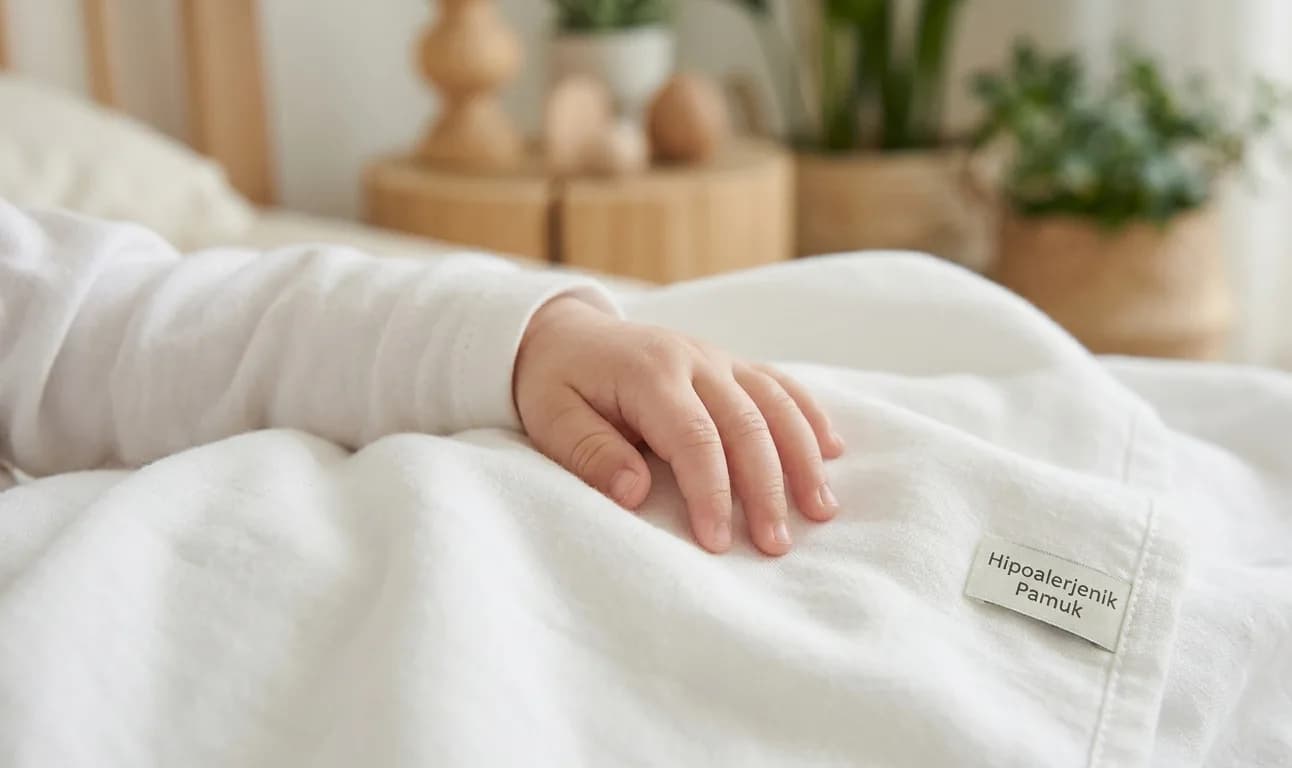
- Safety: Breathable, hypoallergenic materials reduce the risk of suffocation and provide a healthy sleep environment.
- Cover Hygiene: Pillows chosen for children should always have washable, skin-friendly covers. This ensures hygiene and pillow comfort.
- Durability: Choose pillows made from materials that withstand frequent use and washing while retaining their shape.
The Healthiest Types of Pillows for Children
While many different types of pillows are available, the healthiest options for children are those made with natural materials and designed to provide support. When looking for the healthiest pillow for your child, consider their allergies and body type.
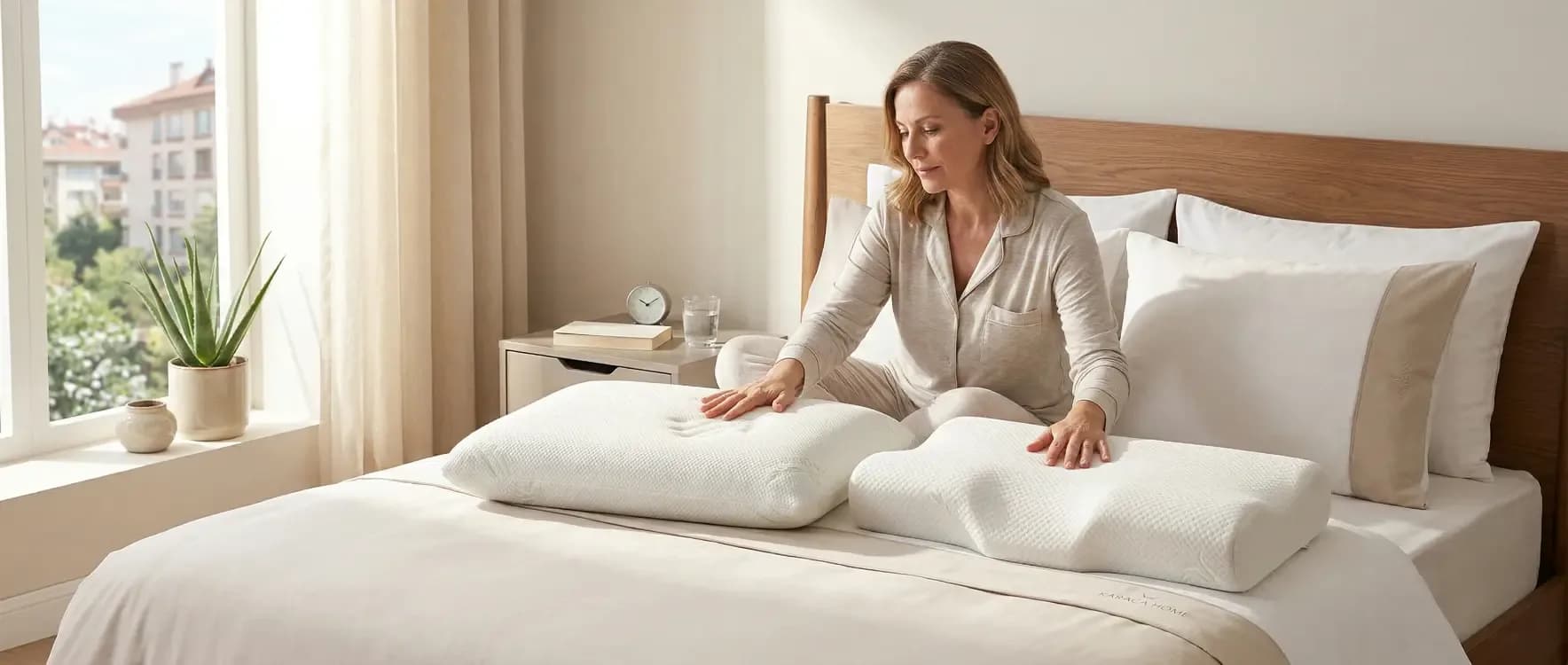
- Orthopedic Children’s Pillow: These pillows provide full support for the head and neck, making them essential for spinal health. Orthopedic pillow designs for children enhance sleep comfort.
- Memory Foam Pillow (Visco): Memory foam pillows contour to a child’s head, relieving pressure and providing comfort throughout the night.
- Medium-Firm Pillow: Neither too soft nor too firm, a medium-firm pillow balances neck support and comfort.
- Breathable/Non-Sweat Pillow: Non-sweat pillow designs are ideal for children who move around a lot or get warm while sleeping, and help prevent disrupted sleep.
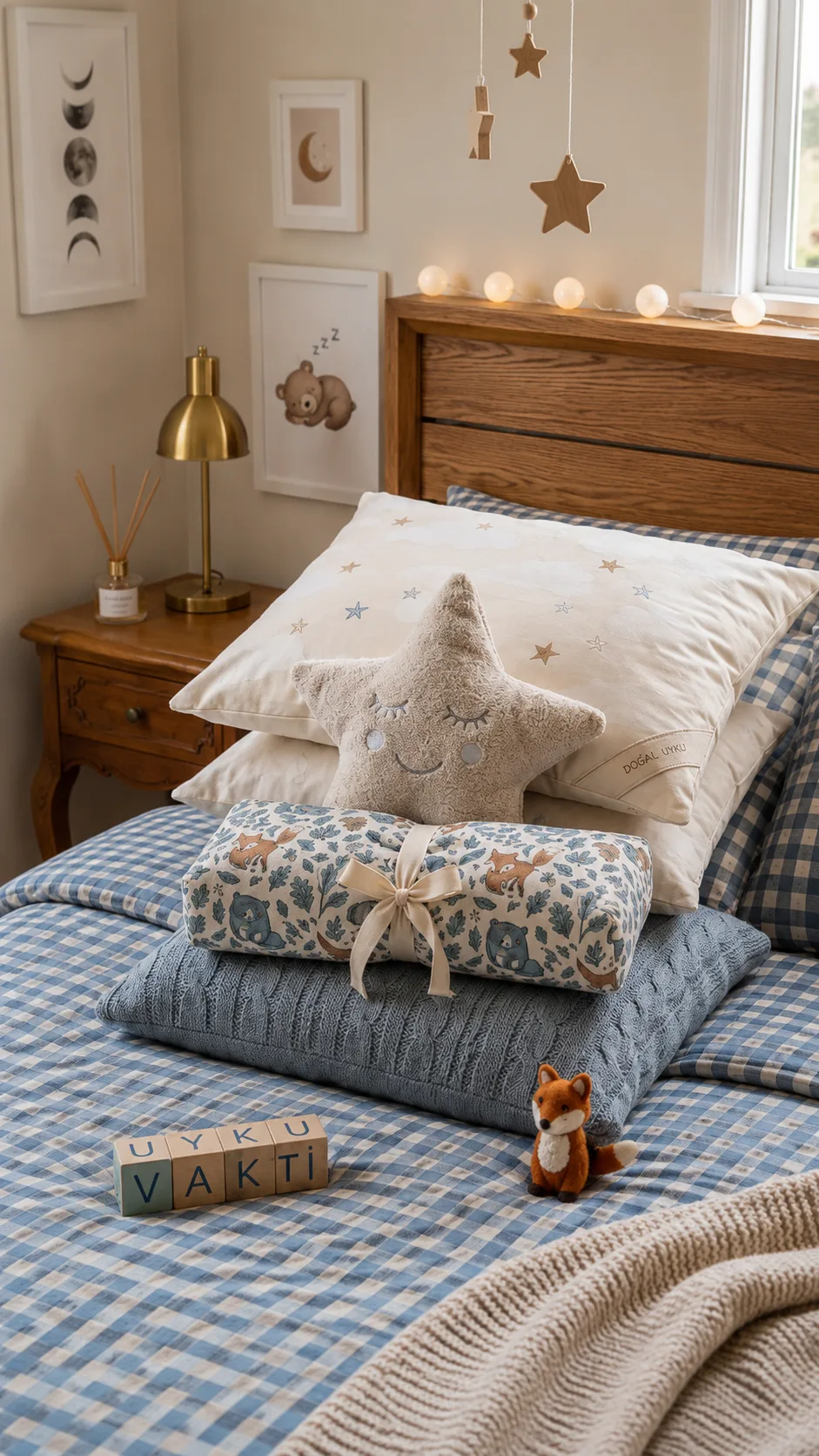
How to Care for a Pillow
Regular care is essential to extend a pillow’s lifespan and keep it hygienic. Proper care helps the pillow retain its shape and stay fresh:
- Regular Airing: Air pillows regularly to remove moisture and keep them fresh.
- Use a Cover: Always use protective covers with pillows. Washing covers weekly helps prevent allergens from building up.
- Follow Washing Instructions: Follow the washing instructions for the pillow’s filling. Some pillows are machine-washable, while others require surface cleaning only.
- Replacement: Always replace pillows when they lose their shape or reach the end of their lifespan.
Frequently Asked Questions (FAQ)
What is the most important factor when choosing a pillow for children?
The most important factor is ergonomic support that suits the child’s age and shoulder width and keeps the spine in a straight alignment. The right pillow should be neither too firm nor too soft, and should support the child’s head and neck in their natural position.
Are memory foam (Visco) pillows safe for children?
Yes, they are generally safe. By absorbing pressure and contouring closely to the head, Visco pillows reduce pressure on the neck. However, when buying one, choose certified products that are breathable and free from harmful chemicals.
How often should a children’s pillow be replaced?
Considering hygiene and loss of shape, it is recommended that children’s pillows be replaced every 1.5 - 2 years on average. If a pillow does not return to its original shape after being pressed or has developed lumps inside, it has reached the end of its useful life.
Can pillow choice affect snoring or mouth breathing?
Yes, it can. Very high pillows in particular can bend the neck forward and narrow the airway, which may cause snoring or mouth breathing. Using a pillow at the right height for your child’s sleeping position can improve breathing comfort.
At Almila, we offer sleep products designed to give children the highest-quality, most restful sleep, all made to our high quality standards. Explore our collections to create the ideal sleep environment for your child’s development.
You May Also Like→What Is an Orthopedic Pillow?
Related products
 %24 Off
1,139 ₺
865 ₺
Lowest price in the last 30 days: 865 ₺
%24 Off1,278 ₺
971 ₺
Lowest price in the last 30 days: 971 ₺