Care and Cleaning
How to Clean Baby and Children's Beds
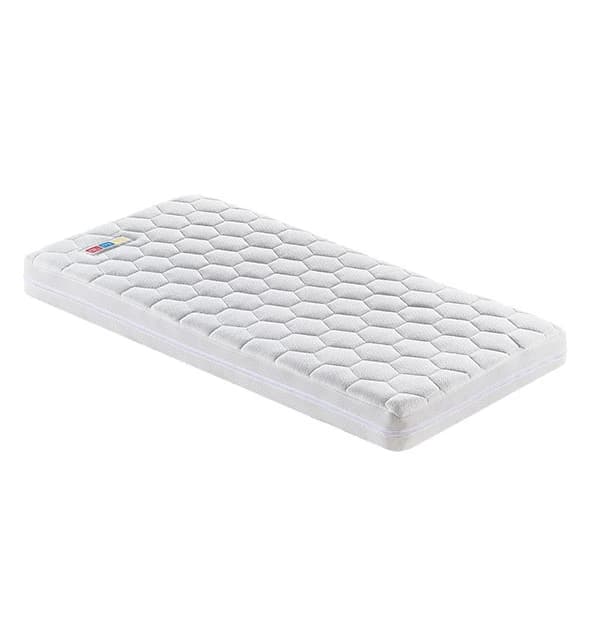
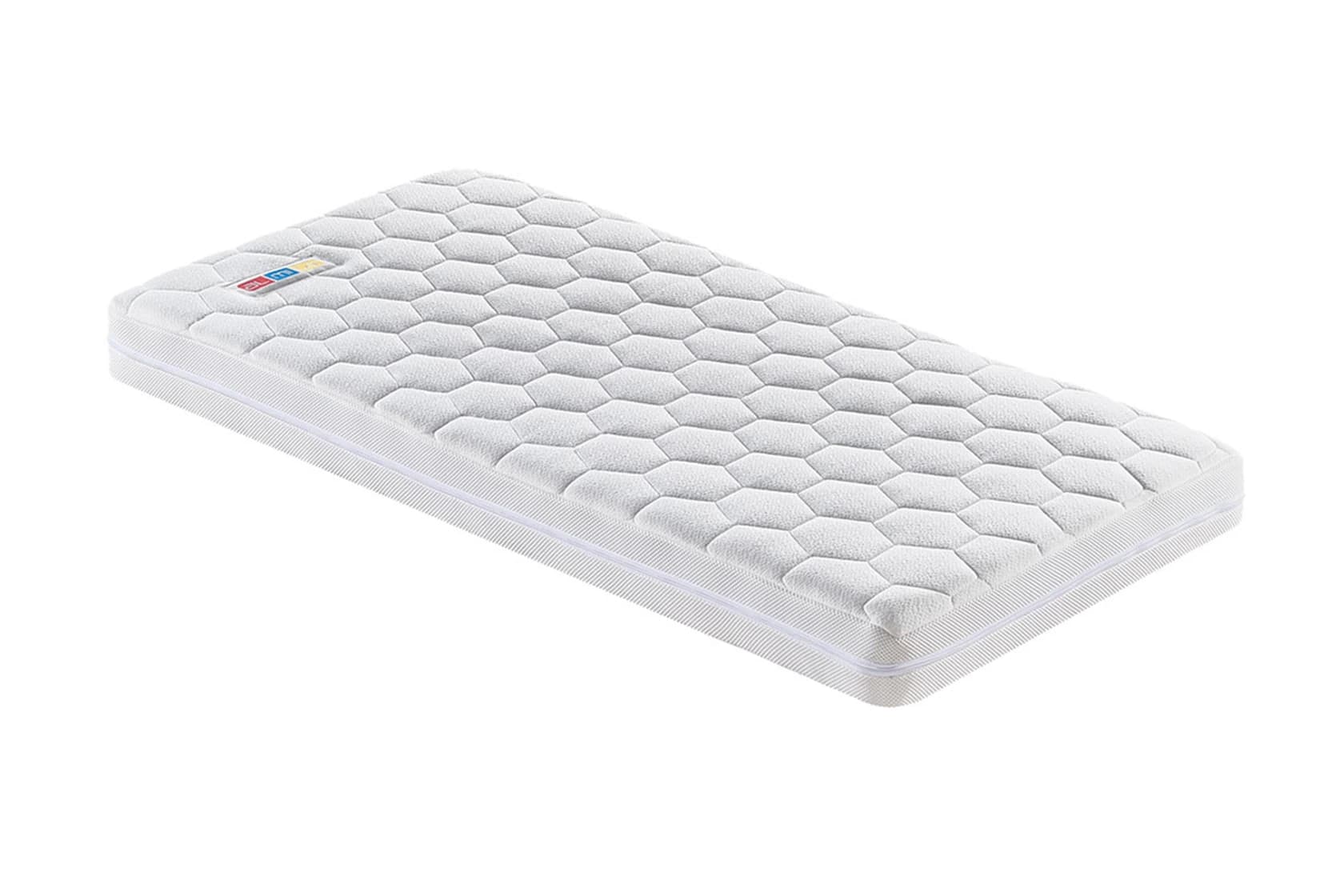
Baby and children's mattresses should be cleaned regularly to help prevent the spread of viruses. Click for tips on cleaning baby and children's mattresses!
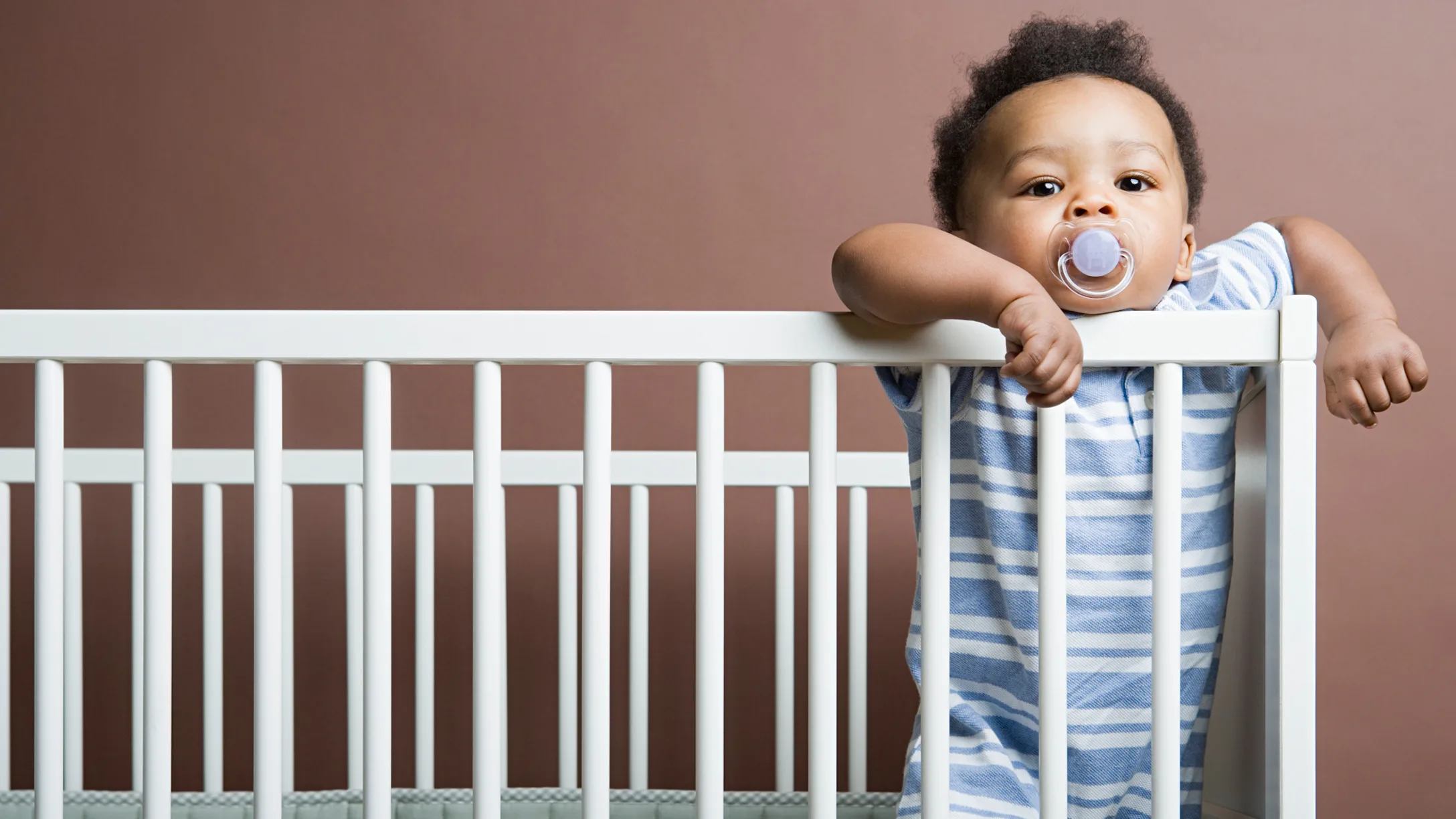
Sleep plays a vital role in the healthy development of our babies and children. It is essential for their physical and mental development and for a healthy life. However, one often-overlooked factor is the cleanliness of the place where they sleep. Our babies' and children's mattresses are where they spend a large part of the day, so keeping them clean is extremely important. A clean mattress gives children a healthy sleeping environment and reduces the risk of infection. We’ve gathered effective ways to clean children's mattresses for you. Here are the details of how to clean a mattress at home, step by step.
Remove the Mattress
The first step when cleaning a mattress is to remove it. This allows you to clean all surfaces, including underneath and around the sides of the bed. This step helps remove accumulated dust and dirt more effectively.
Dust and Vacuum
You can use a vacuum cleaner to remove dust and dirt from the mattress. Dusting also removes particles that cannot be seen on the mattress surface, creating a more hygienic environment. Vacuuming is especially effective for cleaning hard-to-reach areas such as the edges, seams and corners of the mattress.
There are a few things to keep in mind when vacuuming. First, choose an appropriate suction setting to avoid damaging the mattress surface. If there are stains on the mattress, clean and dry them first. Then gently clean the mattress surface using the vacuum's brush attachment or a soft accessory. This way, you can clean the mattress effectively without causing damage.
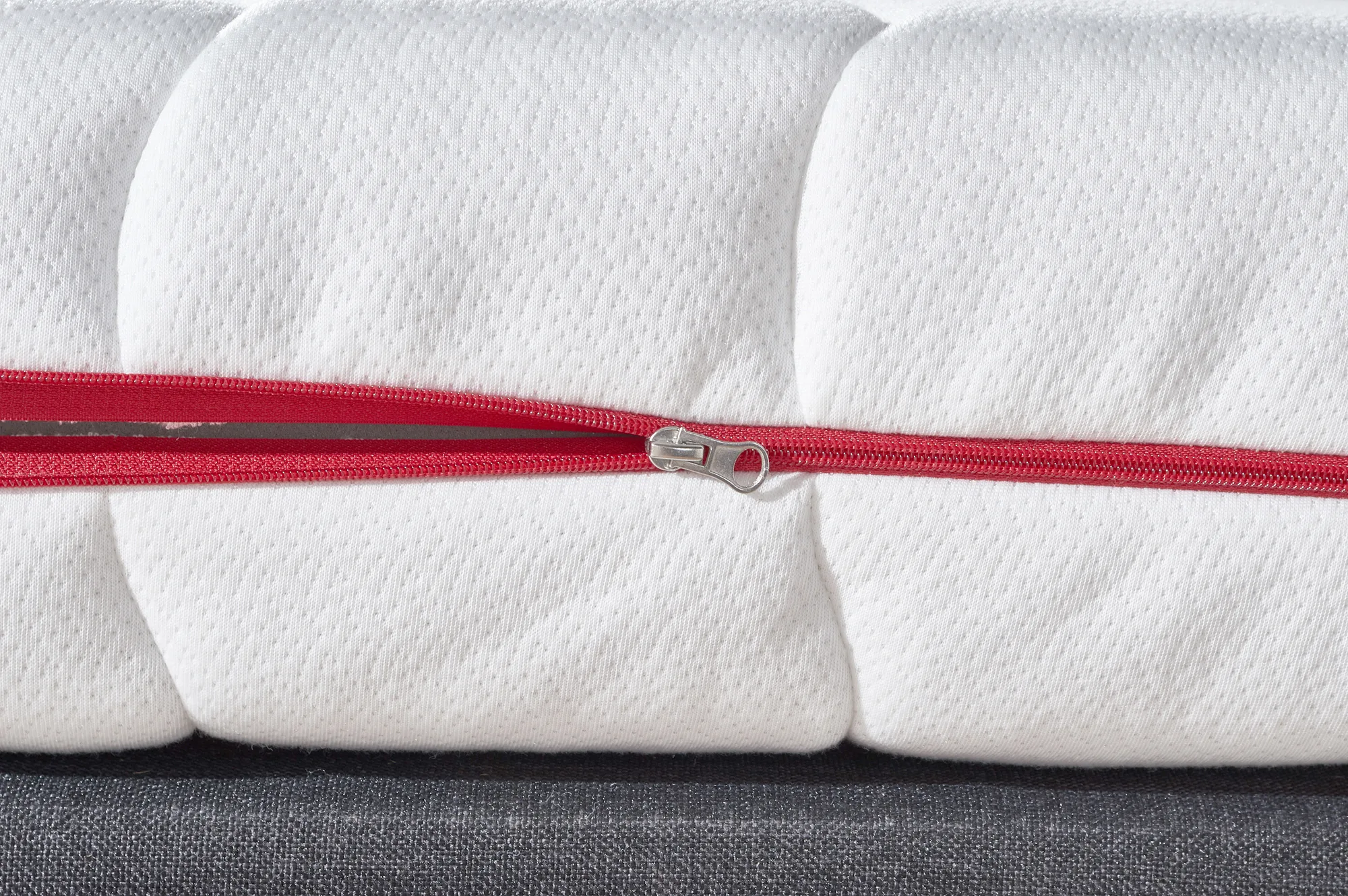
Remove Stains
Different methods can be used to remove stains from baby and children's mattresses. Organic stains are generally caused by natural substances and can be treated with a variety of natural solutions. For example, you can easily remove organic stains by cleaning the mattress with vinegar and baking soda. Rub the stained area with this mixture, then rinse with lukewarm water. Lemon water is also an effective cleaning agent for organic stains. Apply it to the stained area, leave it for a while, then clean. You can also clean the mattress with white soap. Gently clean the stained area with white soap to remove the stains.
Chemical stains can be more difficult to remove and may require special cleaning products. Stain-removing sprays or chemical stain removers can be used for these types of stains. You can remove chemical stains by cleaning the mattress with these products. However, when using them, it is important to follow the instructions on the mattress label and make sure the product is suitable for your child's health.
Changing Sheets and Duvet Covers
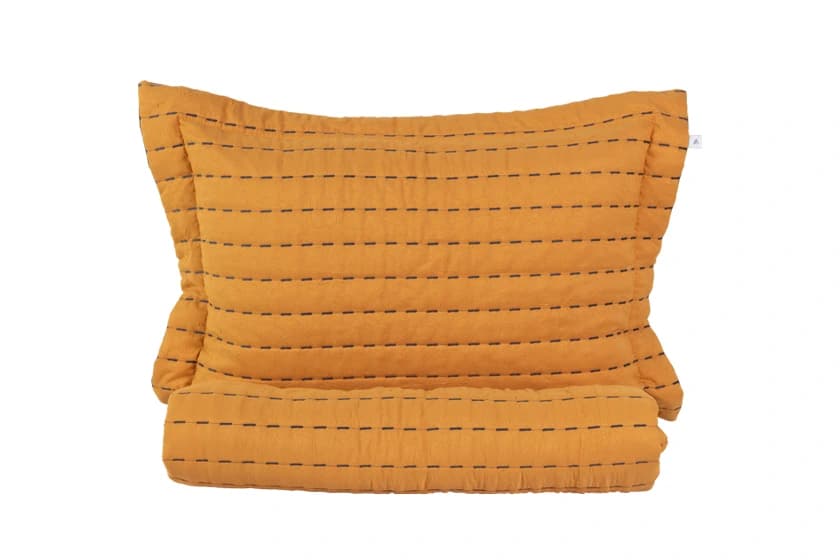
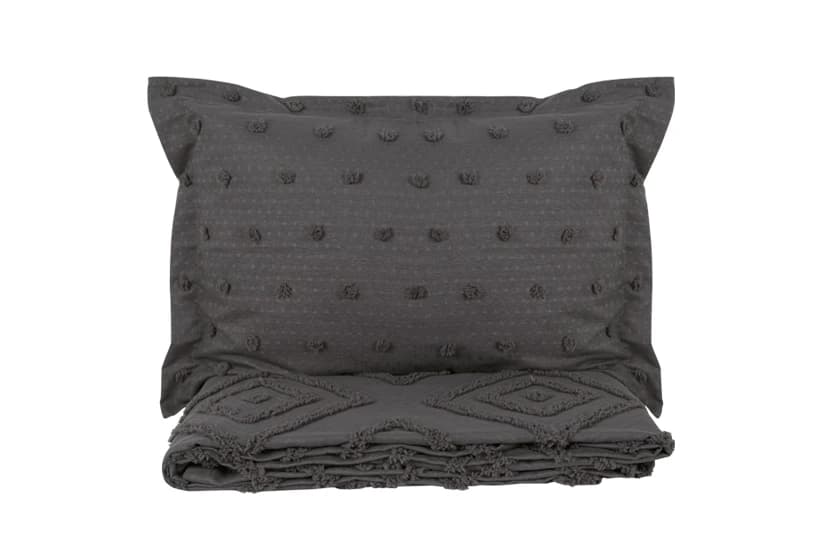
Changing sheets and duvet covers plays an important role in hygiene and health for baby and children's mattresses. Because children spend a lot of time in bed and have direct skin contact with the bedding, it is important to change duvet covers regularly. Changing them once a week is generally recommended to keep the mattress clean and hygienic. It is also important to wash and dry sheets and duvet covers properly to prevent the spread of germs and allergens.
Bedspreads also play an important role in baby and children's beds. They protect the top of the mattress and prevent stains from reaching it directly. They also give your child's bed a more stylish and tidy look.
You May Also Like→ What Should a Child's Room Be Like for Quality Sleep?