Children and Family
What to Keep in an Earthquake Emergency Kit at Home and Where to Store It
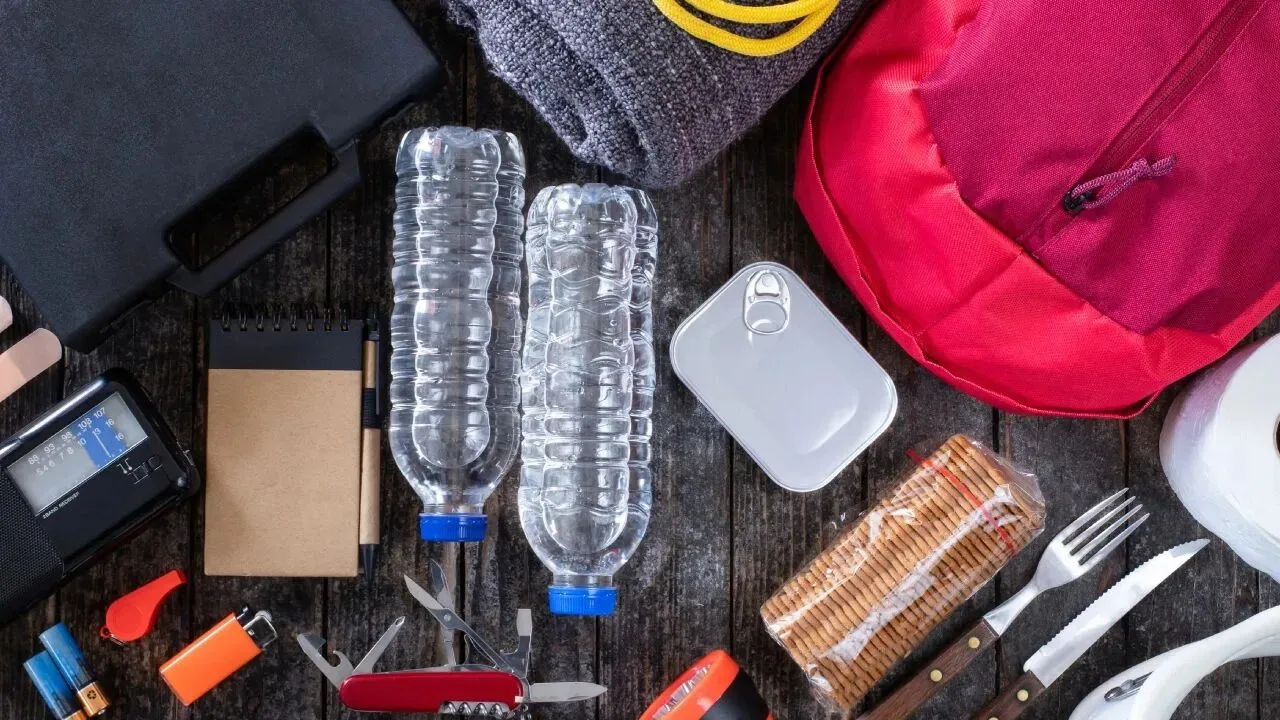
The contents of an emergency bag should be tailored to essential needs. For safety, it’s important to keep it somewhere indoors that’s easy to access.
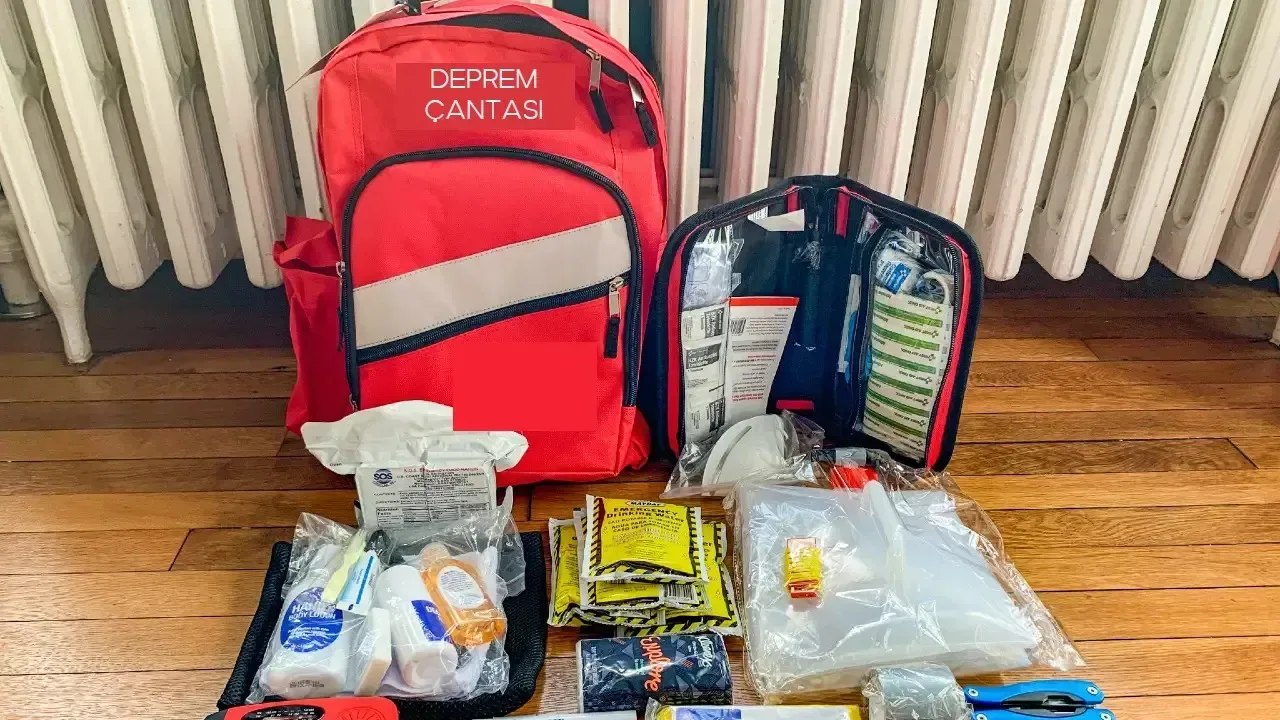
An earthquake emergency kit, one of the fundamental building blocks of disaster management and personal preparedness, is a collection of supplies that helps people survive without outside assistance after a potential tremor. The first hours after an earthquake are a critical period while professional rescue teams make their way to the area and essential supply networks are restored. During this time, people evacuated to a safe area are expected to meet their needs for food, health and safety using their own resources. Preparing an earthquake emergency kit is not simply a matter of putting items in a bag; it means bringing together vital supplies as part of a strategic plan.
When putting together an earthquake emergency kit, the focus is on balancing portability and practicality. The aim is for the kit to be light enough not to strain the individual physically while meeting their basic needs for at least three days. When planning its contents, carefully consider the number of people in the family, their age groups and any specific health conditions. Proper preparation reduces panic in the chaotic aftermath of a disaster and allows people to safely meet their basic physical needs.
Water
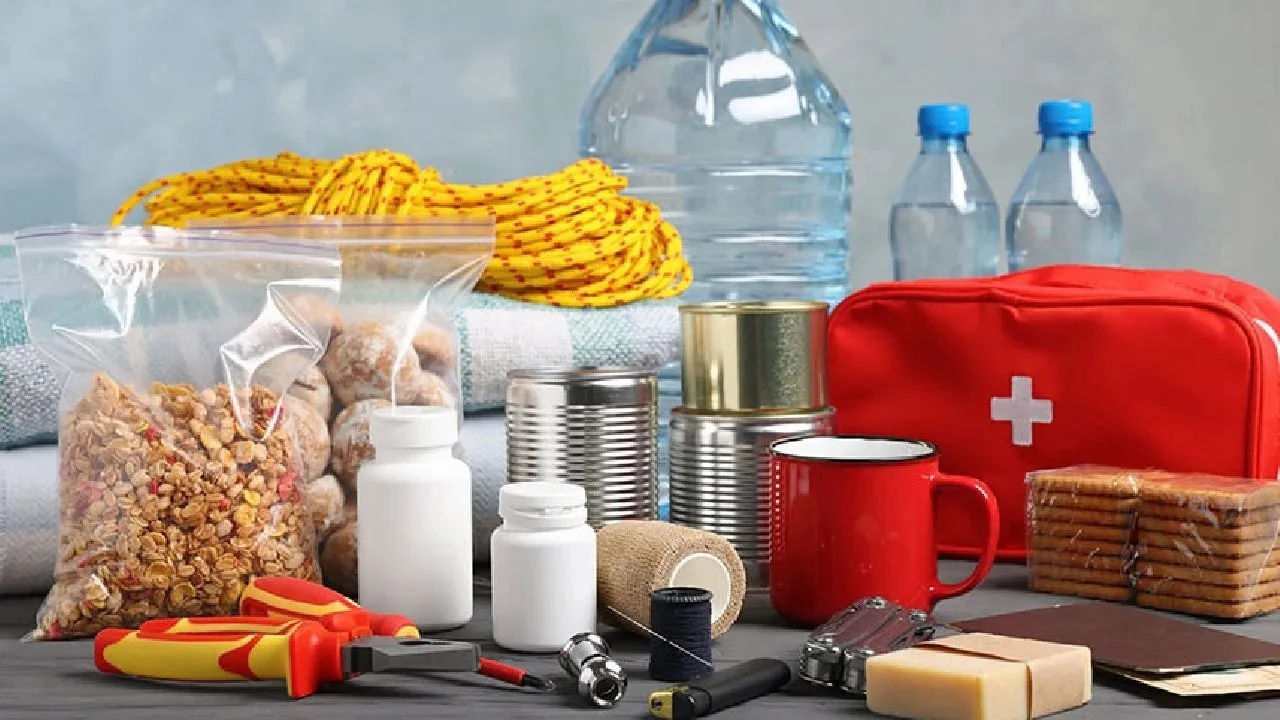
Water, the most fundamental need of the human body, is an essential and top-priority item in an earthquake emergency kit. Damage to city water systems after an earthquake can cause water supplies to be cut off or contaminated. For this reason, it is recommended that the kit contain at least one and a half litres of water per person per day. This amount is calculated to meet not only drinking needs but also, to a limited extent, cleaning needs.
When storing water, the durability of the packaging and the expiration date are very important. Plastic bottles should be impact-resistant and placed in the inner compartments of the kit, away from direct sunlight. Water supplies should be checked regularly, and bottles nearing their expiration date should be replaced with fresh ones. Storing the water in small bottles also helps control consumption while keeping the kit's weight balanced.
Energy-Boosting Foods
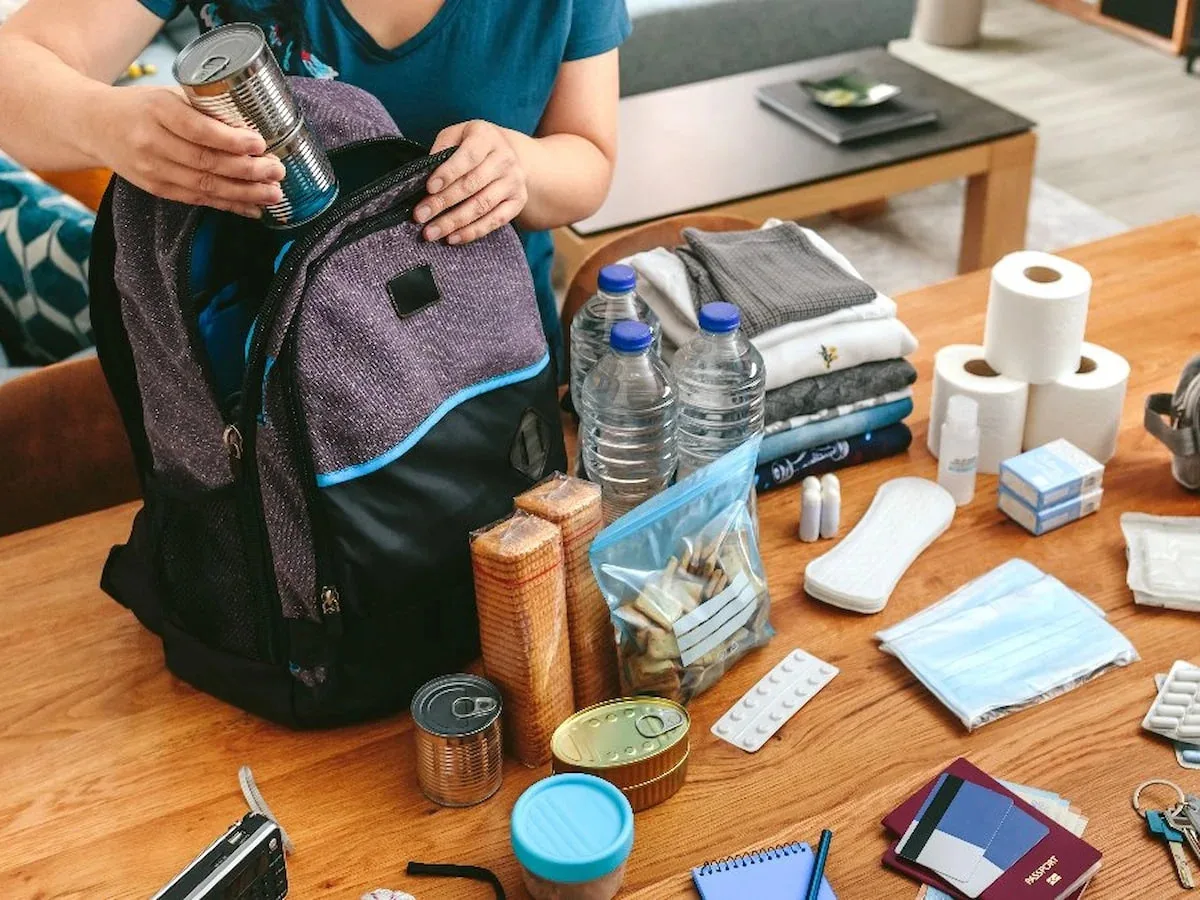
Foods that provide plenty of energy are needed to help the body stay resilient and maintain mental focus in the aftermath of an earthquake. Foods added to the kit should have a long shelf life, require no cooking and provide plenty of calories. Canned foods, protein bars, nuts and dried fruit are among the essential food sources chosen for this purpose.
When choosing energy-boosting foods, paying attention to the balance of vitamins and minerals helps minimise the effects of physical fatigue. Products in this category are best stored with their packaging intact and in portions that can be consumed quickly once opened. Food supplies should be planned to cover the first 72 hours after a disaster, and expiration dates should be checked every six months.
Flashlights
Artificial light sources are vital for moving around safely when the electricity infrastructure is damaged or power is cut for safety reasons. Flashlights help you see where you are going during an evacuation and reach supplies in dark environments. Choosing impact- and water-resistant flashlights for your earthquake emergency kit helps ensure they continue to work even in difficult conditions.
Energy management is just as important as the efficiency of the light source. Be sure to keep spare batteries of the appropriate size alongside the flashlights in your kit. Alternatively, hand-crank flashlights can help reduce reliance on external power. Keeping lighting equipment in an easily accessible compartment prevents delays in the darkness that may follow a tremor.
Power Bank
Communication is one of the most important parts of coordinating after a disaster. A high-capacity power source, or power bank, is essential for keeping phones charged and making calls for help when needed. Power banks supply energy to mobile phones and other small electronic devices when there is no mains electricity.
Make sure that the power bank in your earthquake emergency kit is always fully charged. Choose a capacity that can charge more than one phone. Be sure to pack the cables needed to charge the device itself, too. Since power banks contain lithium-ion batteries, protecting them from extreme heat or cold helps preserve their lifespan and performance over time.
Comprehensive First Aid Kit
A medical first aid kit is needed for minor injuries, scrapes or sprains that may occur during or after an earthquake. A comprehensive first aid kit should include essentials such as sterile gauze, adhesive tape, antiseptic solutions, plasters and medical gloves. These supplies are used to reduce the risk of infection and stop bleeding until professional medical teams arrive.
A first aid kit should contain more than just wound-care supplies; it should also include basic medicines such as pain relievers and fever reducers. All medical supplies must be kept in a durable, waterproof container. Including a first aid guide in the kit can also help people remember the right steps to take in a moment of panic.
Regular Medications
For people with chronic conditions, one of the greatest risks after an earthquake is disruption to their daily treatment. If you regularly take medication for conditions such as high blood pressure, diabetes, heart disease or asthma, keeping at least a week's supply of extra medication in your kit is vital. Dosages and medication schedules should be clearly noted.
Paying attention to storage conditions is essential to maintaining the effectiveness of medication. Pack the medicines in your kit so they are protected from moisture and direct heat. Replacing medication as it reaches its expiration date should be done alongside the regular maintenance of your earthquake emergency kit. This preparation helps prevent health crises from adding to the chaos after a disaster.
Copies of Prescriptions
In connection with regular medication use, it is recommended that you keep copies of prescriptions or medical reports in your kit. In an emergency, these documents serve as proof when visiting pharmacies or healthcare facilities to obtain the correct medication. A document containing brief information about the patient's medical history can also be a great help to emergency response teams.
Store prescription copies in waterproof, transparent folders. Including other essential details, such as blood type, allergies and the doctor's contact information, helps improve personal health safety. Keeping physical copies as well as digital ones ensures you can access this information even if the power or internet goes out.
Personal Hygiene and Cleaning Products
Maintaining hygiene in outdoor areas or communal shelters after an earthquake is essential for preventing the spread of disease. Personal hygiene supplies to pack include soap, a toothbrush, toothpaste, wet wipes and paper towels. Alcohol-based hand sanitiser is a practical solution for cleaning hands, especially when water is limited.
Be sure to include essentials such as sanitary pads for women and toilet paper in your hygiene kit. Small portions or travel-size packaging help save space in the bag. Maintaining hygiene is important not only for physical health but also as a psychological factor that helps people stay positive and motivated.
Important Papers and Documents
Some essential documents should be with you after an earthquake to protect property rights and help official procedures move forward quickly. Photocopies of your national ID, title deeds, compulsory earthquake insurance policy, passport and vehicle registration are among the most important. These documents help speed up the process of proving eligibility for assistance after a disaster.
To prevent damage, keep your documents in resealable bags, in a hidden or protected compartment of the kit. Including recent photos of family members in the file can also help search efforts if someone goes missing. Check that your documents are up to date at least once a year and add any new documents to the file.
Seasonal Clothing
Weather conditions can directly affect a person's physical health while sheltering after an earthquake. Pack spare underwear, socks and weather-appropriate clothing for each family member. Choose fabrics that are comfortable for layering, do not cause sweating and still keep you warm.
A raincoat or waterproof outer layer is essential for preventing the loss of body heat caused by getting wet. Storing clothes in vacuum bags in the kit saves space and protects them from moisture. Review the clothing supplies as the seasons change and update the balance of summer and winter clothing to suit current conditions.
Blanket or Sleeping Bag
If people cannot return home after an earthquake and have to spend the night outdoors, they need to keep their body temperature up. A blanket or sleeping bag serves as a protective barrier against the harsh conditions outside. Compact, easy-to-fold models are ideal for making efficient use of space in an earthquake emergency kit.
Foil blankets with high thermal insulation are often chosen for emergency kits because they are lightweight and reflect body heat. If space is limited, it makes sense to choose this type of space-saving product that still offers substantial protection. Carrying sleeping gear in waterproof covers helps keep it clean and dry, ensuring comfort when it is needed.
Whistle
In earthquake preparedness, sometimes the simplest tools can be the greatest lifesavers. A whistle helps people signal their location if they are trapped under rubble or physically unable to call for help. The human voice can become tired and difficult to hear over a distance, but a whistle's piercing sound can travel much farther and attract the attention of search-and-rescue dogs.
It is recommended to attach the whistle to the outside of the kit or to a loop that is easy to reach. If possible, the safest approach is for each person to carry a small whistle. Choose high-decibel models made of plastic or stainless steel. By producing maximum sound with minimal effort, this tool can directly affect the success of search efforts.
Multi-Tool Pocketknife
Keeping a multi-tool pocketknife on hand can help solve many practical problems that arise after a disaster. These tools typically combine several functions in one body, such as a knife, can opener, screwdriver, scissors and pliers. They can be used for a wide range of tasks, from preparing food to making simple repairs.
A multi-tool pocketknife should be made of quality metal and be resistant to rust. Regularly checking its mechanisms and oiling them when necessary helps prevent them from jamming in an emergency. This equipment should be kept in a secure sheath in the tool compartment of the kit.
Work Gloves
Protecting your hands is an essential safety measure when moving through or cleaning up a rubble site after an earthquake. Broken glass, metal fragments and pieces of concrete can cause serious injuries. To minimise this risk, keep a pair of durable work gloves ready in your kit.
Choose gloves with palms reinforced with non-slip, cut-resistant materials. The right fit also improves your ability to grip objects. Work gloves not only protect your personal safety but also help you work more effectively when clearing obstacles from your surroundings.
Where Should You Keep an Earthquake Emergency Kit at Home?
Where you keep your earthquake emergency kit at home is just as important as what it contains. Reaching the kit in the panic and darkness during and immediately after a tremor can be a matter of seconds. Ideally, the kit should be positioned along the natural escape route when leaving the home. For this reason, keeping it close to the main exit—such as in the entryway or on the coat rack—is one of the most common and practical approaches.
The kit must be easy to reach, with no obstacles on or in front of it. The deepest corners of cupboards or high shelves can make the kit inaccessible if items fall during a tremor. The kit should also be kept somewhere you can find by touch, even in the dark. In some cases, it is also important to keep a secondary emergency kit beside the bed or under a desk, in addition to the main earthquake kit. These small packs, containing only the essentials such as water and a whistle, provide a critical layer of safety for people who cannot get out of bed or evacuate during a tremor.
You May Also Like→ What Should Be on Your Back-to-School Shopping List?