Decorating
Can You Keep Flowers at Home? Which Flowers Can You Keep, and What Should You Consider?
Keeping flowers at home adds a natural, fresh feel to your living spaces. Choosing the right plants and caring for them properly are important.
Longing for nature grows stronger by the day amid the concrete sprawl and fast pace of modern city life. People are increasingly bringing nature’s unique colors into their homes to find inner calm and add life to their living spaces. The soothing shades of green, their stress-relieving effects and their beautiful appearance have made plants an essential part of interior design. These natural touches lift the energy of your home, offering more than a visual delight: they also purify the air and improve your quality of life.
Creating your own little botanical garden is an exciting idea, but it’s important to take care along the way. Like all living things, plants have their own needs, preferences and dislikes when it comes to their surroundings. Many factors—from light requirements and watering frequency to soil choice and humidity levels—are essential to healthy growth. Choosing the right plants for your home from those best suited to its physical conditions is the first step toward a rewarding, long-lasting growing journey. Flowers grown at home aren’t objects; they’re living things that need care.
Living Room Plants
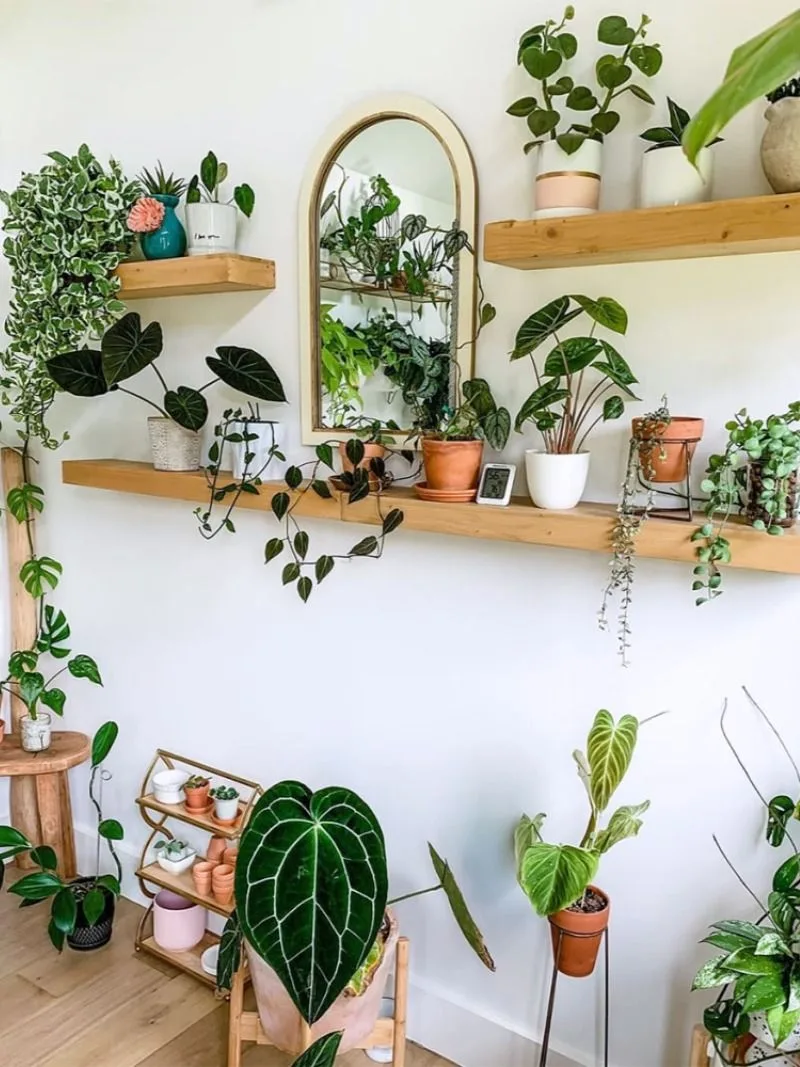
As the place where we spend the most time and welcome guests, the living room is ideal for showcasing the decorative appeal of plants. Plants chosen for the living room should be visually striking while also adapting easily to a home environment. Large-leaved, eye-catching varieties can instantly transform the atmosphere, creating a tropical feel. For example, the Monstera, also known as the Swiss cheese plant, is like a living sculpture with its broad, perforated leaves. Because these plants grow quickly, they may need careful attention and liquid fertilizer during their growing season as part of caring for leafy living room plants.
Another wonderful option for creating an elegant corner in the living room is the spider plant. With its graceful, trailing leaves, it looks lovely on tabletops or in hanging pots and thrives in bright spots away from direct sunlight. If you’re looking for something more impressive to fill the space, large houseplants such as the bamboo palm or Swiss cheese plant could top your list. They fill empty corners and add depth to the room.
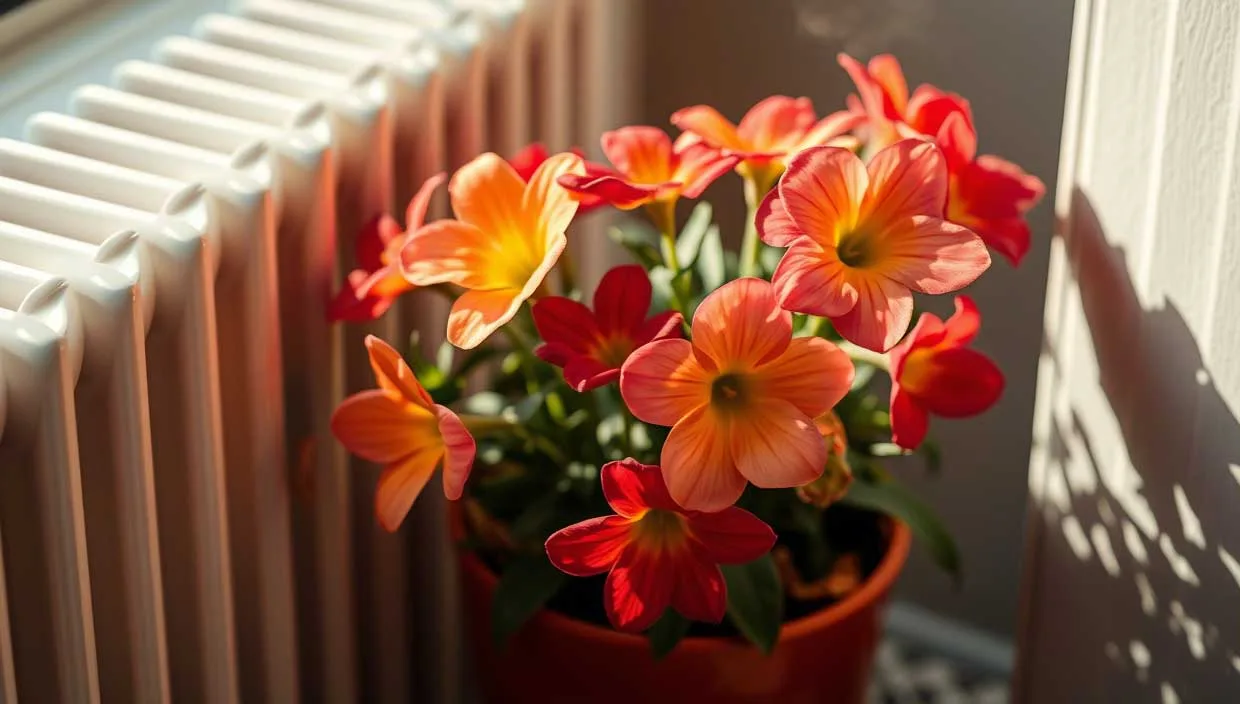
Of course, you don’t have to limit yourself to green foliage. To bring color to your living room, wonderful alternatives include the oxalis, with its delicate flowers that bloom once a year, and the kalanchoe, which dazzles with its range of colors. With the right care, these varieties—among the many house flowers you can choose based on how much light your living room receives—can be your companions for years to come.
Plants for Calm and Serenity in the Bedroom
Ideal bedroom plants are usually varieties that release oxygen at night or filter the air. For example, placing lavender on your nightstand can help lower stress and make it easier to drift off to sleep, thanks to its lovely fragrance. This sun-loving plant can create a natural aromatherapy effect in your bedroom when positioned near a window.
Another option that won’t demand much of your time is the hardy snake plant. It survives even in low-light rooms and needs very little water, while adding a modern touch to the space. For a more exotic look, the Madagascar dragon tree will bring elegance to your room with its tall trunk. When choosing flowers to grow in your bedroom, you can also consider beautiful, fragrant varieties such as gardenia—but keep in mind that they require a little more attentive care. Choosing the right plant from a list of houseplants suited to low-light or shady corners will help it thrive for longer.
Which Plants Grow Well in the Kitchen?
Plants for the kitchen should bring cheer to the room and, if possible, serve a practical purpose too. Rosemary, for example, freshens up your kitchen with its pleasant aroma and is a wonderful example of a plant you can grow at home and use as a fresh herb in your cooking. Grow it in a sunny spot by the window and you’ll have a natural treasure close at hand.
For those who love a splash of color, African violets are a perfect choice for brightening kitchen counters or windowsills. These delicate flowers, with their beautiful shades of purple, love moist soil and adapt easily to kitchen conditions. Flowers in the kitchen can make cooking a more enjoyable experience. Varieties such as Chinese evergreen, cascading from wall shelves, let you enjoy the energy of greenery without taking up floor space. Whichever variety you choose, a little research into flowers you can grow at home and their names will make caring for them much easier.
Bathroom Plants
Flowers grown indoors remind you of nature’s cycles and bring a sense of calm. Bathrooms are usually the dampest rooms in the home and receive the least light. While many people think plants can’t grow in these spaces, plenty of tropical varieties actually love these conditions. To soften your bathroom’s cool look and give it a spa-like feel, choose moisture-loving houseplants. The peace lily, for example, is perfect for bathrooms because it can thrive in low light and loves high humidity.
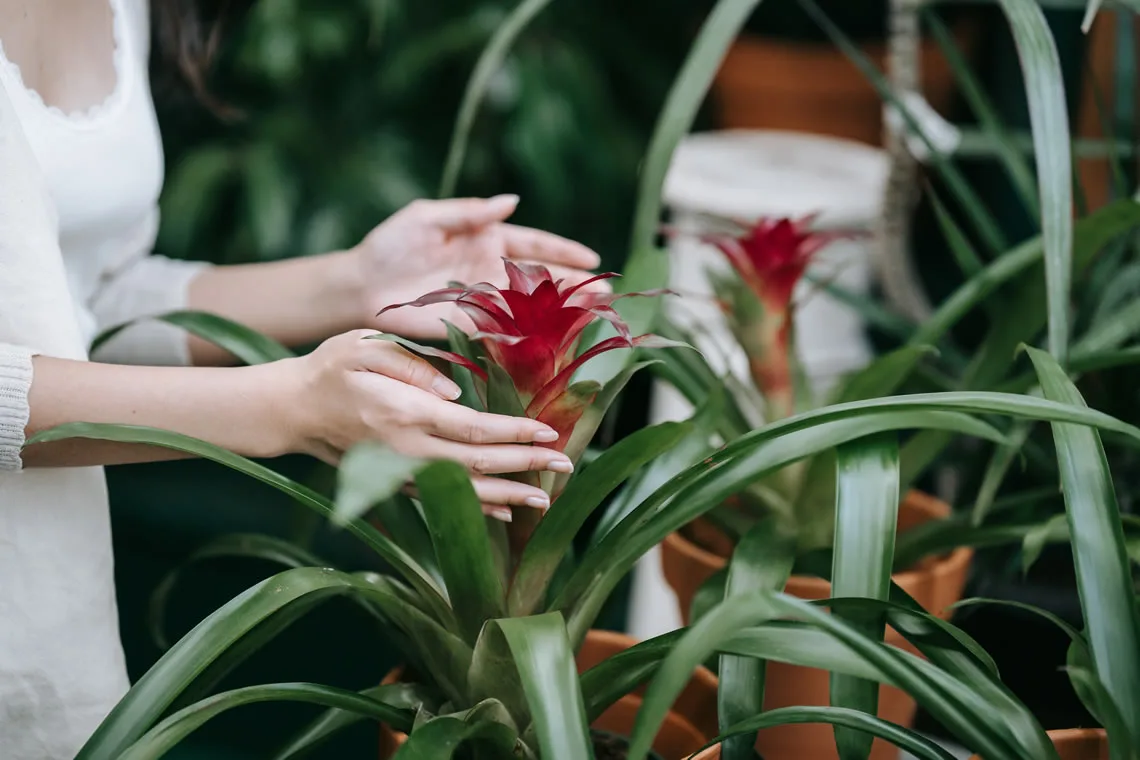
Another hardy variety, the parlor palm, adapts easily to the dim conditions of a bathroom. Steam from a shower helps keep its leaves moist and healthy. Houseplants such as aloe vera also look decorative in the bathroom and provide a natural gel for skincare. Anthurium, with its striking red flowers, is ideal for anyone looking to add a luxurious touch to their bathroom decor.
Plants for Balconies and Terraces
With their colorful blooms, petunias turn balconies into a carnival, and their love of sunshine makes them a summer favorite. When caring for these outdoor plants, be sure to water them regularly, especially during the summer heat, and remove faded flowers to encourage continuous blooming.
If your balcony is partially shaded and doesn’t receive direct sunlight, the umbrella plant could be a great choice. With its tall stems and umbrella-shaped leaves, it looks elegant outdoors too. Caring for flowers at home shouldn’t be limited to indoor spaces; it’s also important to ensure balcony and terrace pots drain well. Choose pots with drainage holes to keep plant roots from rotting.
Easy-Care Houseplants
Choosing hardy plants that need little care can save time during a busy workweek while beautifying your living spaces. Snake plants and ZZ plants are especially resistant to low light and drought, making them ideal choices for keeping offices and homes vibrant for a long time, even if you have little time to spare.
Understanding your plants’ basic needs makes caring for them easier and prevents it from becoming an extra burden. Adaptable varieties such as pothos grow happily in different light levels and bring life to their surroundings. The most important rule for keeping plants healthy is to use pots with drainage holes and avoid overwatering by watering only when the soil is dry. In short, with the right plant choices and simple care, you can create a peaceful, natural setting without much effort.
Every green leaf you bring into your living space is more than a decorative touch—it’s an investment in your mental and physical well-being. When you pair the right plant with the right room, you’ll notice the air feels cleaner and the atmosphere much more peaceful. You don’t need to be an expert gardener to create your own little botanical garden; simply try to understand what your plants need and give them a little attention. Choose the variety that’s right for you today, make room for nature’s healing power in your home and take your first step on this enjoyable journey.
You May Also Like→ 8 Decorating Ideas for an Attic