
Decorating
How Should Seasonal Window Adjustments Be Made in Your Home?
Adjusting windows for summer and winter is important for thermal insulation. Seasonal adjustments can help save energy and create a comfortable indoor environment.
In modern residential architecture, energy efficiency and indoor comfort are directly linked to the proper use of building elements. Windows, which connect homes with the outside world, are not only a source of daylight and ventilation but also one of the most critical points for thermal insulation. In regions such as Türkiye, where all four seasons are clearly defined, the features of window systems become important for maintaining the difference between outdoor and indoor temperatures. In this context, plastic- and metal-based window systems commonly used in buildings require certain adjustments as the seasons change.
Users are often unaware of these technical features of window systems, and windows may be used for years with the same fixed mechanical settings. Modern systems with advanced locking mechanisms, however, include special hardware that adjusts the pressure between the sash and frame. Optimizing this hardware for seasonal conditions helps prevent cold air from entering in winter, while allowing for material expansion in summer and ensuring a longer service life. In general, these small mechanical adjustments are considered an essential part of home maintenance, offering benefits for both comfort and cost savings. There are several steps to follow when adjusting windows for summer and winter.
Open the Sash and Locate the Locking Mechanism
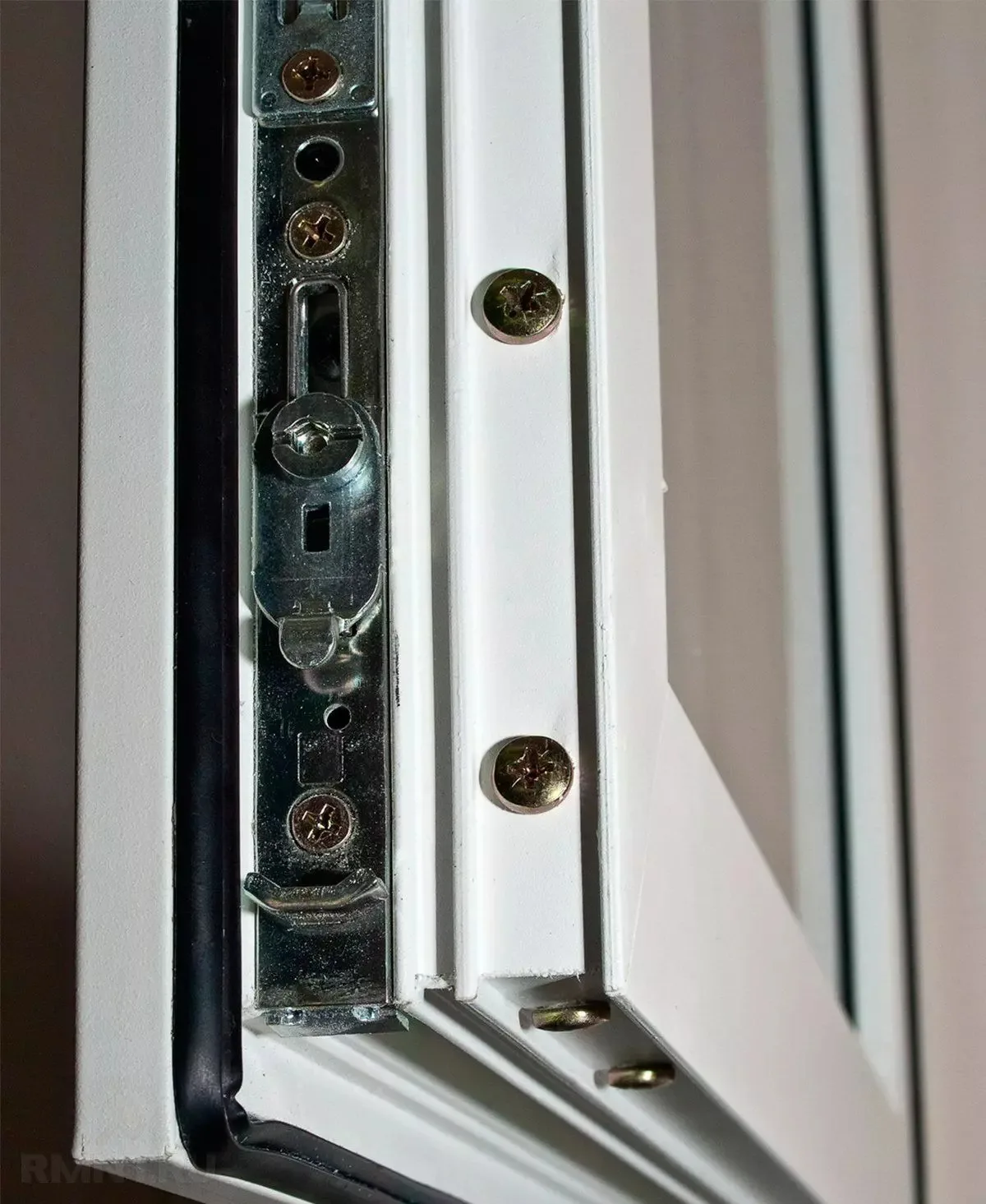
To begin adjusting a window, first open the window sash fully. Once open, you will see round or oval metal pieces along the side of the sash, on the metal strip that rests against the frame when the window is closed. Technically known as eccentric cams, these pieces are the main components that determine how tightly the window locks. Usually grey or metallic in colour, they are positioned at different points along the sash, depending on the window’s height.
A window sash typically has two to four of these pins. The number can vary depending on the window’s size and security level. To ensure a complete and balanced adjustment, users should locate all the pins on both the hinge side and handle side of the sash. When the window is closed, each pin fits into a corresponding slot in the locking mechanism, securing the sash to the frame. The adjustment process is based on changing the position of these pins.
Check the Current Setting
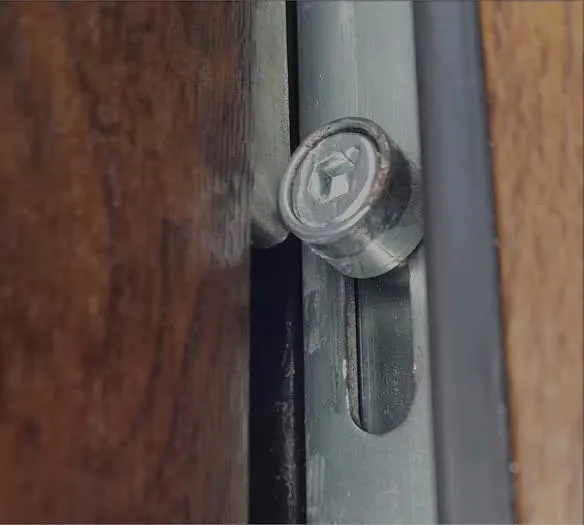
To determine which mode the window is set to, carefully inspect the markings on the pins. Each pin usually has a distinguishing mark, such as a small notch or dot, or one side that is more oval than the other. This mark acts like a compass, indicating the pin’s current pressure level. If it faces outward, towards the street, the sash applies less pressure to the frame; this is known as “Summer Mode.”
If the mark on the pin faces inward, towards the room, this indicates “Winter Mode.” In winter mode, the pin sits closer to its counterpart on the frame and pulls the sash firmly against it when closed. If the mark points straight up or sits in the middle, this is the standard setting. Usually applied when windows are first installed, this setting is intended to provide average performance throughout the year. However, changing it as the seasons shift is recommended for maximum efficiency.
Prepare the Right Tool
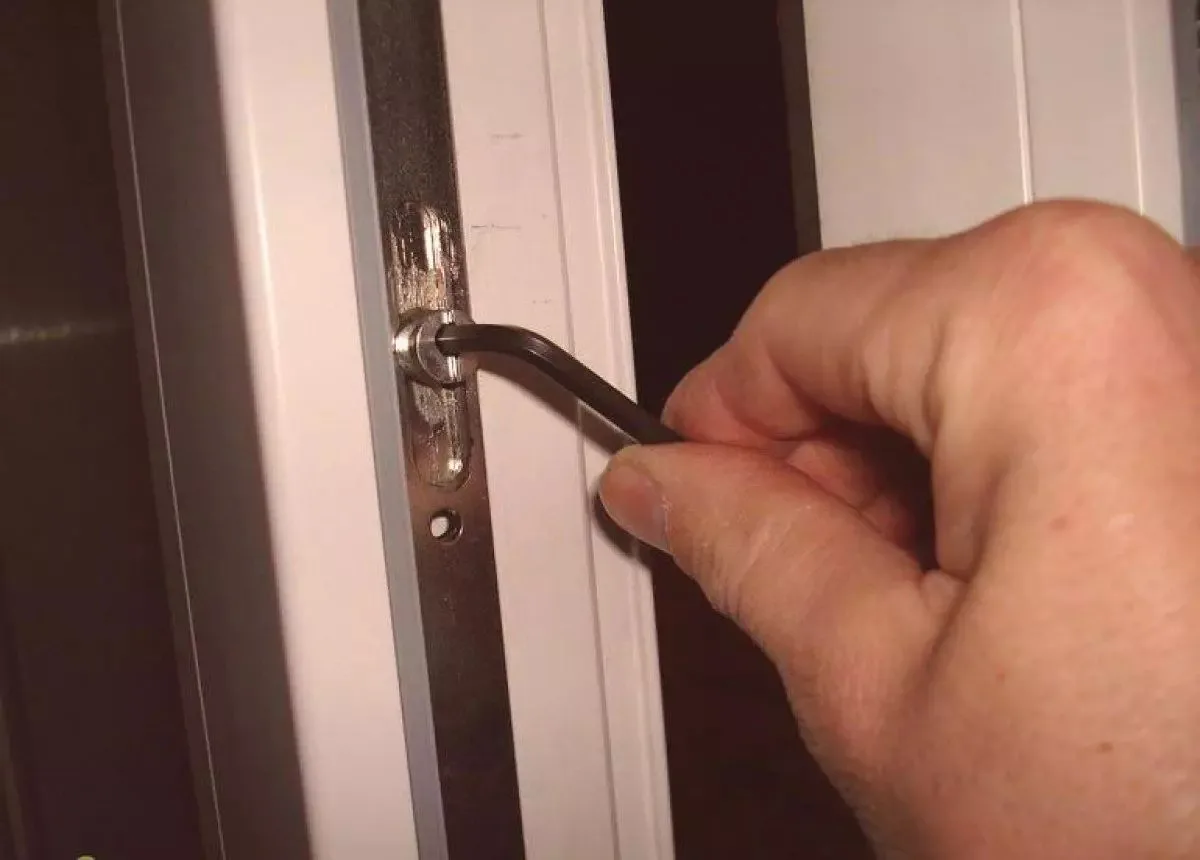
You don’t need complex or industrial equipment to adjust your windows. Most modern plastic window systems are designed to work with standard hand tools. The most commonly used tool for this job is a size 4 Allen key, which is also often used in furniture assembly. Its hexagonal shape fits neatly into the socket at the centre of the pin, allowing you to turn it without damaging the part.
Some older windows or designs from different manufacturers may not have an Allen socket on the pin. In these cases, flat-nose pliers or needle-nose pliers that can grip the pin from the outside will do the job. Make sure the tool holds the pin firmly without scratching its metal surface as you turn it. This helps prevent the mechanism from rusting or sticking later on. Once you have the tool ready, it is recommended that you apply the same amount of force to each pin.

Repeat the Process for Every Pin
One of the most common mistakes when adjusting a window is turning just one easily accessible pin and considering the job done. For an effective seal and a properly balanced sash, however, all adjustment points on the sash need to be set to the same mode. Setting only the pin at the top of the window to winter mode may still allow cold air to enter from below. It can also cause the sash to warp over time or put strain on the handle mechanism.
Inspect the full length of the sash and turn each eccentric cam in the same direction, one by one. Some windows may also have an adjustment pin in a concealed section on the hinge side. Don’t overlook these points: adjusting them ensures the sash is drawn evenly against the frame from both sides—the handle side and the hinge side. Even pressure distribution shares the load across the locking system, slowing the wear of mechanical parts and helping the window operate more quietly.
Perform a Sealing Test
Once you have finished adjusting the window, perform a simple sealing test to check that everything is working properly. No special equipment is needed; an ordinary piece of paper will do. Place a sheet of A4 paper or a bill between the sash and frame while the window is open, then close the handle to lock the window fully. Try pulling the paper out.
If the window has been successfully set to winter mode, it will be quite difficult to pull the paper out, or it may even start to tear. This shows that the seals are gripping the paper firmly and that air will not be able to pass through either. If the paper slides out easily without any resistance, the pin may not be adjusted enough or may have been turned in the wrong direction. In this case, check the pin’s position and tighten it a little more if needed. In summer mode, it is normal for the paper to move more easily, since the aim is to relieve pressure on the mechanism rather than create an airtight seal.
The Benefits of Adjusting Windows for Summer and Winter
Making seasonal adjustments to window systems offers users a range of benefits. These include:
- Thermal Insulation and Energy Savings: Windows set to winter mode minimise the gap between the frame and sash, stopping draughts. This helps heating systems keep the home at the desired temperature while using less energy, reducing fuel costs.
- Improved Sound Insulation: When the sashes fit more tightly against the frames, they significantly reduce traffic noise and other outdoor sounds entering the home.
- Protection from Dust and Air Pollution: A tight-closing mechanism prevents particles such as dust, pollen and smoke from entering through gaps around the window, helping maintain indoor air quality.
- Longer Material Lifespan: Reducing pressure in summer prevents PVC and rubber seals from being excessively compressed as they expand in hot weather. This helps window seals last longer and reduces replacement costs.
- Moisture and Damp Control: A correctly adjusted window keeps rain and moisture outside, minimising the risk of mould and damp forming on walls.
Seasonal window adjustments at home do more than save energy; they also help create ideal indoor conditions throughout your living spaces. In rooms such as the children’s room, where temperature balance and air quality are especially important, a proper winter setting helps protect little ones from cold draughts. Likewise, in the teen room, where studying and relaxing are part of everyday life, sound insulation and a comfortable temperature create a more productive environment. These small yet effective adjustments to your windows help maintain the comfort of every thoughtfully designed room, from the furniture to the décor. Recommended as part of your seasonal routine, these adjustments are considered one of the keys to a healthy and peaceful home.
You May Also Like→ How to Do a Winter Clean