Children and Family
What Should Be on Your Back-to-School Shopping List?
It's important to make sure students have all the items they need for their education, such as bags and stationery. Being well prepared supports a productive learning experience.
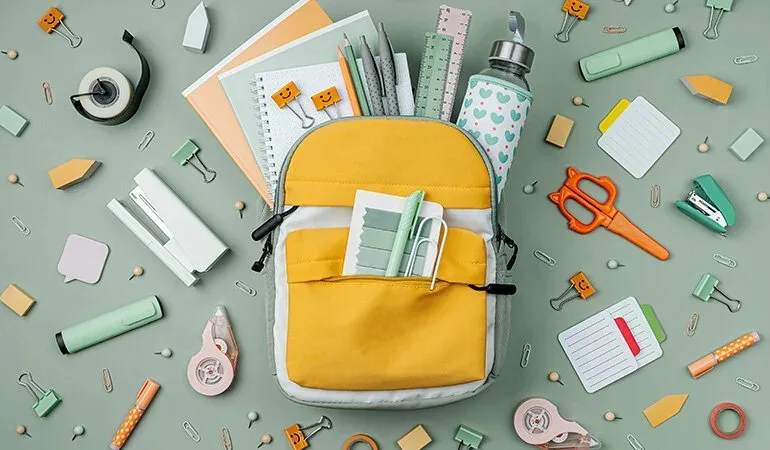
As the summer holidays come to an end each year, students get excited while parents begin the flurry of preparations. Getting ready for the new school year is important not only emotionally but practically, too. When all the necessary school supplies are ready, children can settle into their lessons more easily. From backpacks and notebooks to pens and hygiene products, there is plenty to prepare.
It is especially important to plan for the changing school needs of every age group, from primary school through high school. Choosing the right school supplies helps protect your budget and makes it easier for students to focus on their lessons. That is why putting together a comprehensive school supplies list and planning your shopping can make the start of the school year much more organised.
What Are the Essential School Supplies?
The products children use most often in their daily school life are basic school supplies. It is difficult to work effectively in class without these essentials. Alongside classic items such as bags, notebooks, pens, erasers and water bottles, modern needs are now being added to the list. For example, tablets and laptops have become essential for high school students.
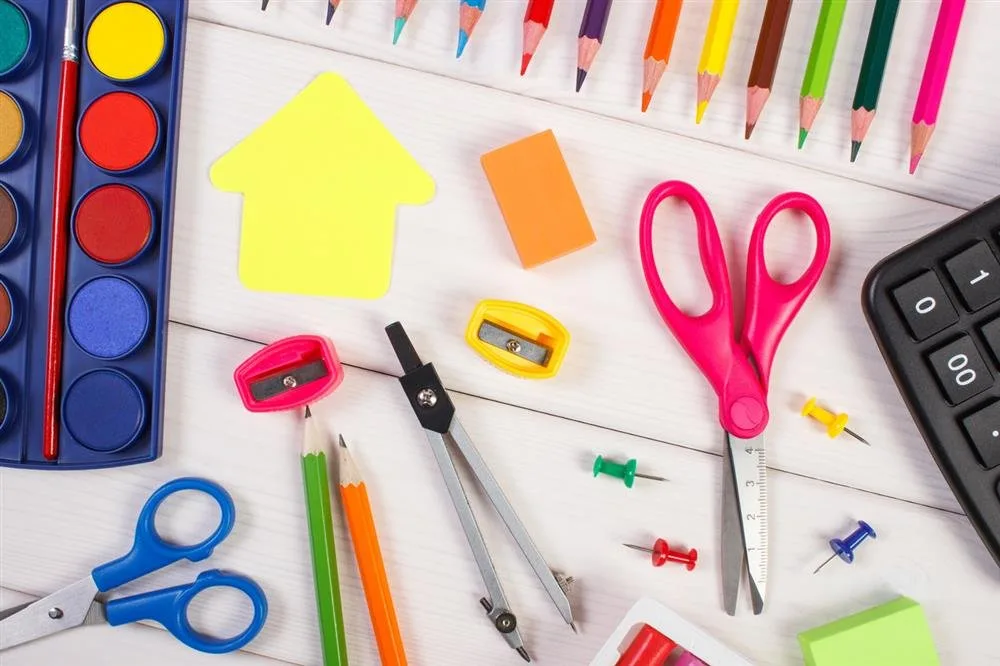
When shopping for stationery, you should buy separate notebooks for each subject, different types of pens, ruler sets and folders. For younger children, educational tools such as modelling clay and abacuses can also be added to the list. In middle and high school, planners, sticky notes and calculators come to the fore. With supplies suited to every age group, lessons can be organised more effectively.
What to Keep in a School Bag
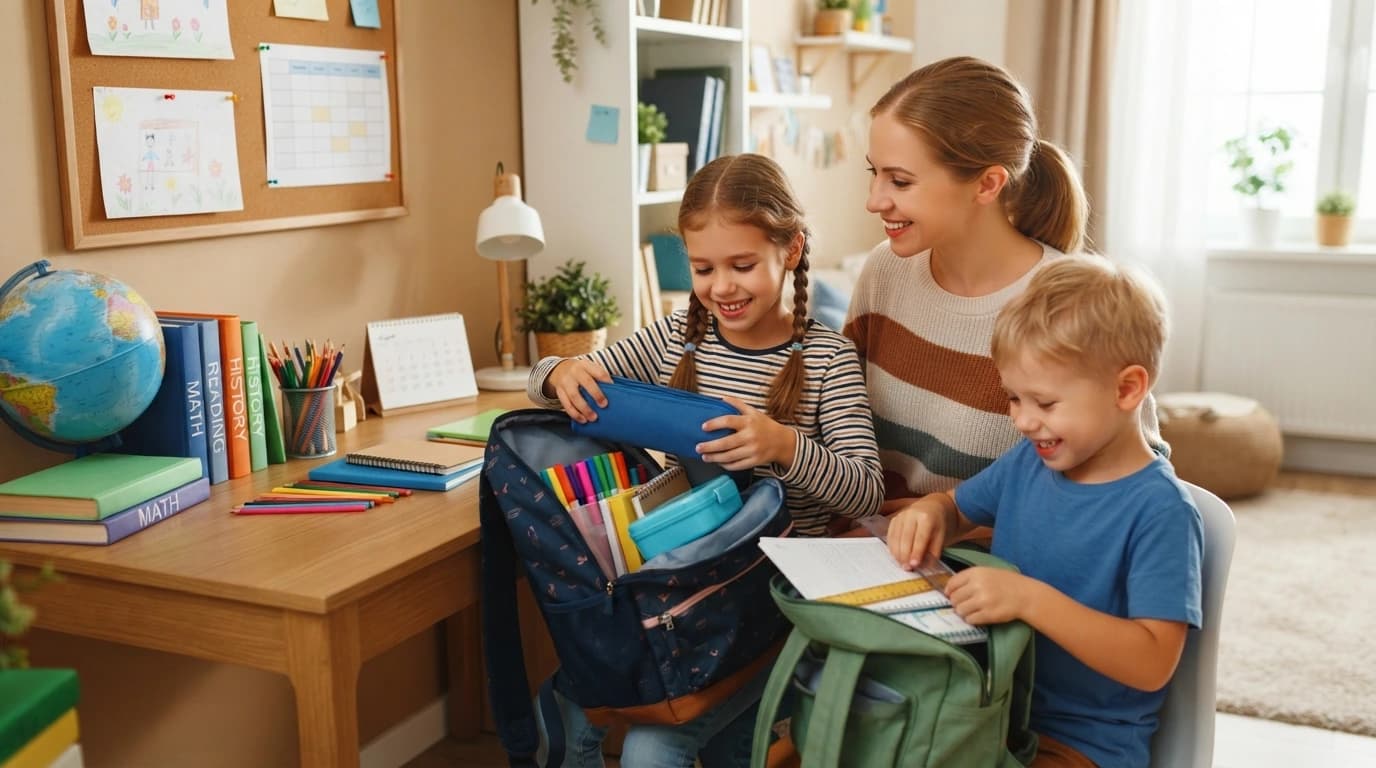
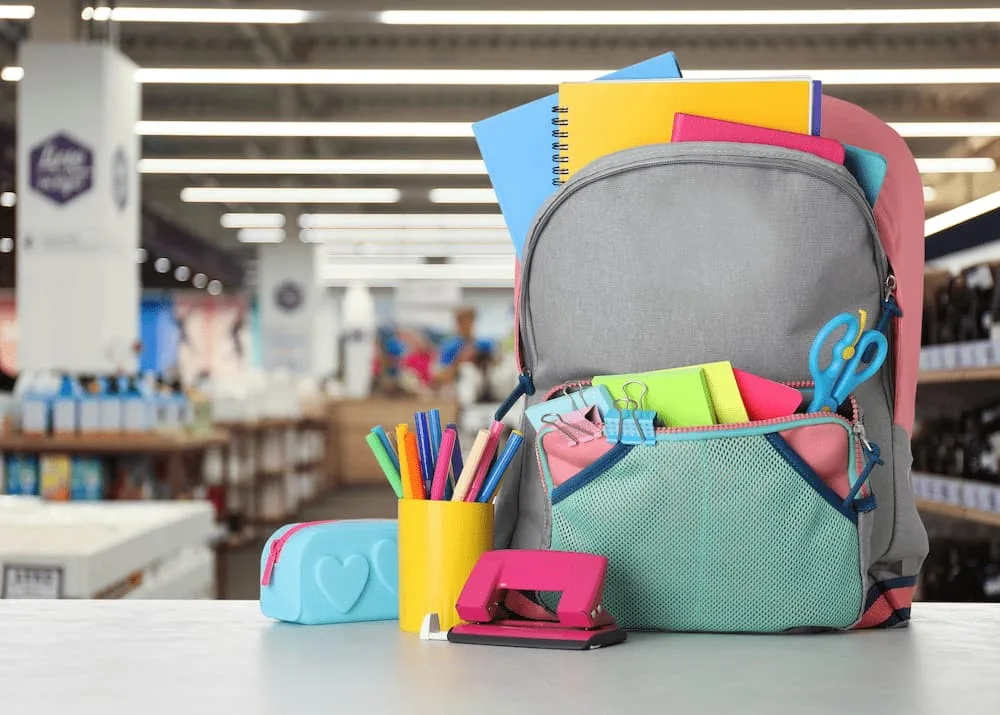
School bags are essential for carrying all the items students need with them throughout the day. They should be lightweight, durable and ergonomic. Wheeled models can be a good choice for younger children, while sporty backpacks or shoulder bags are more suitable as children get older.
A school bag should always contain notebooks, a pencil case, an eraser, a notepad and organiser folders. Any extra items needed for art, music or physical education should be carried in separate compartments. For high school students, laptop bags and tablet cases are indispensable. This way, children can easily keep up with all their schoolwork, both at school and at home.
Stationery Supplies List
Pens, notebooks and useful accessories are among the items every student needs most often throughout their education. Here is an example of a comprehensive stationery supplies list:
Pencils, ballpoint pens and mechanical pencils
Eraser and pencil sharpener
Squared, lined and drawing notebooks
Highlighters and coloured pens
Ruler, set square and compass sets
Glue, tape and scissors
Paint sets, brushes and palettes
Binders and clear folders
A4 paper for projects
These supplies help students take notes in class and complete their homework and projects neatly at home. Choosing quality products can also boost children's motivation.
Hygiene Products and Additional Essentials
Getting ready for school involves more than notebooks, pens and stationery. Taking care to pack hygiene products is also important, especially to help protect children's health in crowded environments. For this reason, we recommend keeping the following items in their school bag:
Hand Sanitiser: Portable sanitiser is ideal for cleaning hands and small surfaces.
Wet Wipes and Paper Towels: Keep these in the bag for everyday use and emergencies.
Cologne or Antibacterial Spray: An added hygiene measure for keeping hands and objects clean.
Glasses and Contact Lens Care Products: Students who wear glasses or contact lenses should pack solution, a lens case and cleaning cloths.
Personal Care Items: Products such as lip balm, a small comb or hair ties support children's personal care habits and make daily life easier.
These items help children develop good hygiene habits and minimise health risks at school. Carrying them regularly also helps children build a sense of personal responsibility.
School Uniforms and Clothing List
Clothing is also an essential part of getting ready for school. Many schools require uniforms. School clothes play a key role in helping students feel comfortable and fit into school life. Here are some of the main things parents should consider when shopping for school clothes:
Everyday Clothes: Standard items specified by the school, such as shirts, trousers, skirts and cardigans.
Sports and Activity Clothes: Tracksuits and comfortable trainers for sports lessons.
Accessories: Practical accessories such as hair ties and headbands for girls.
Socks and Underwear: Neutral-coloured socks and items that comply with the school's underwear guidelines.
Weather-Appropriate Clothing: Outerwear such as jackets, coats and raincoats keeps students comfortable throughout the year.
With these preparations, children can move comfortably in class and during breaks, enjoying an active and healthy school experience.
Additional School Supplies
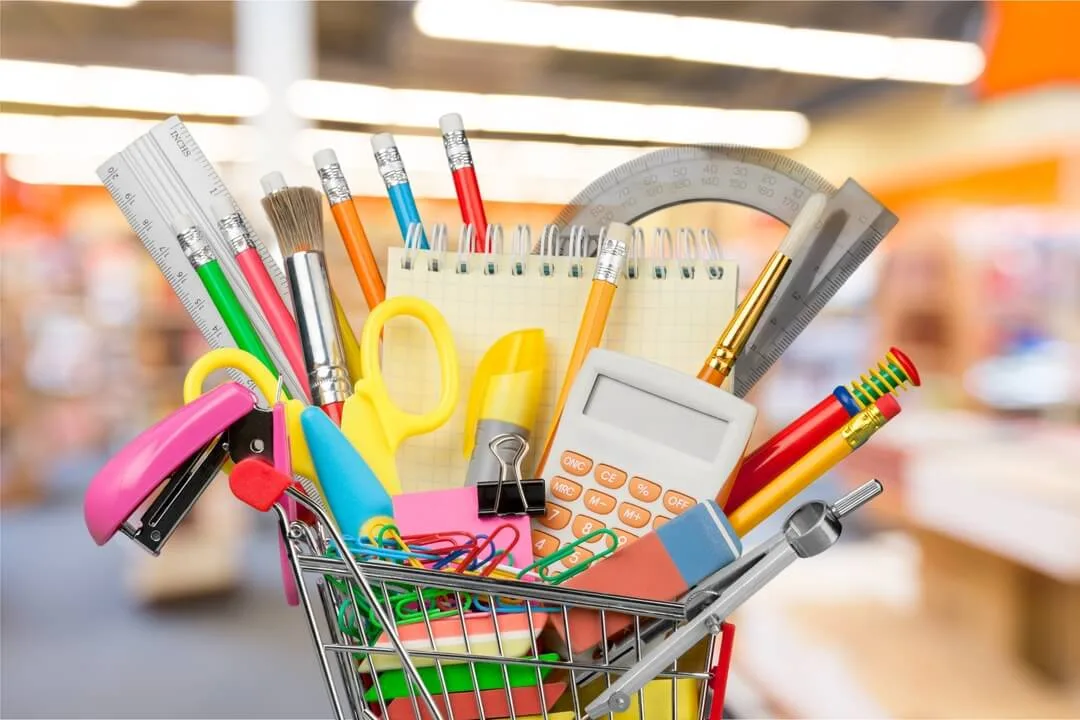
Notebooks and pens are not the only things that matter; supplementary materials that support academic success are also important for students' development. School supplies should therefore include dictionaries, atlases and reference books. This category also includes subject guides and workbooks that children may need for different classes.
Technology is also playing an increasingly important role in education. Tablets, computers and educational software are among the valuable tools that support students' development. As online lessons and digital resources become more prominent, especially in high school, buying devices with powerful technical specifications can be a long-term investment for parents.
What to Consider When Choosing School Supplies
Choosing from so many options can sometimes be difficult. Here are some tips to make back-to-school shopping easier:
Choosing a Bag: Bags that students carry all day should be lightweight, durable and ergonomic. Models that support shoulder and back health offer comfort over extended use. Wheeled models are best for younger children, while sporty backpacks are a good choice for older age groups.
Clothing and Apparel: For everyday school clothes, durable, comfortable and breathable fabrics should take priority. Complementary items such as tracksuits for sports lessons, weather-appropriate jackets and coats, and neutral-coloured socks should also be on the list.
Stationery: Choosing quality products from trusted brands for notebooks, pens, erasers, folders and organisers helps students follow their lessons more effectively. It is also important to get all the extra supplies needed for specific subjects, such as art, music or physical education.
Electronic Devices: When buying a tablet, laptop or similar device for high school and university students, check specifications such as RAM, storage capacity and processor power. This ensures educational materials run smoothly and students can continue their digital learning without interruption.
By keeping these points in mind while shopping, your children will feel more motivated and ready to start the new school year.
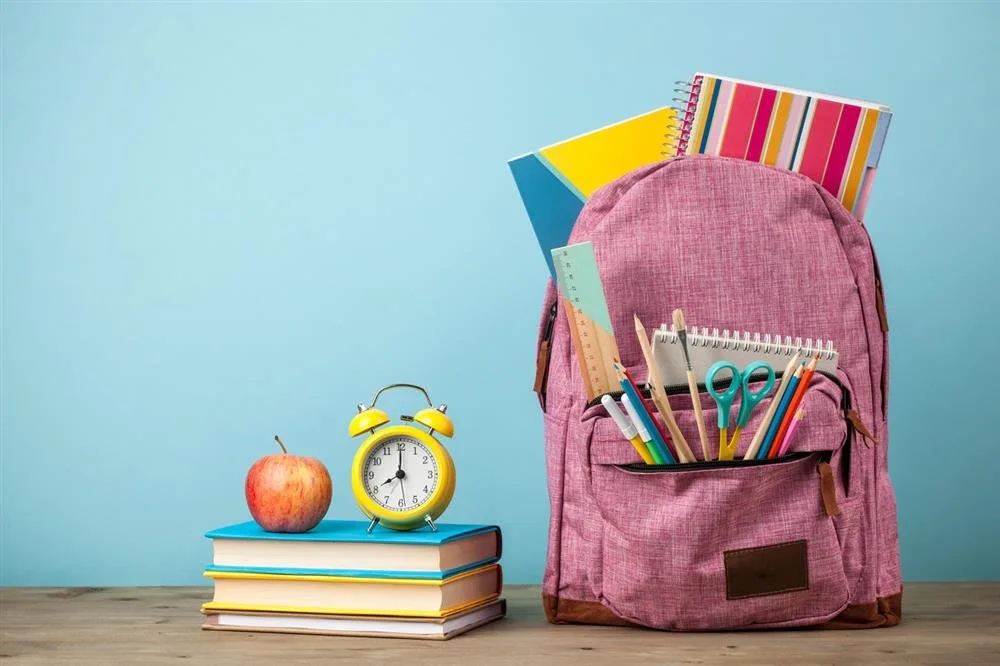
Back to School with the Best School Supplies
Finally, remember that shopping is not just about getting ready; it can also be a source of motivation. Shopping together with your child and letting them make their own choices helps develop a sense of responsibility and makes them more eager to start the new school year. Colourful notebooks, specially designed pencil cases, fun stickers and patterned bags can all spark greater interest in lessons. This makes going back to school both enjoyable and organised.
A well-planned school shopping trip based on a complete list of essentials makes things much easier for students and parents alike. The school supplies your child takes along can boost their daily motivation and help them do better in class. A thoughtfully prepared list can have a positive impact not only on their education but also on their everyday comfort.
You May Also Like→ What Should Be in a Baby Bag?