Sleep and Beds
What Should a Child’s Room Be Like for Quality Sleep?
What should a child’s room be like for a good night’s sleep? Click to explore the right bed, colour palette and more to improve your child’s sleep quality!
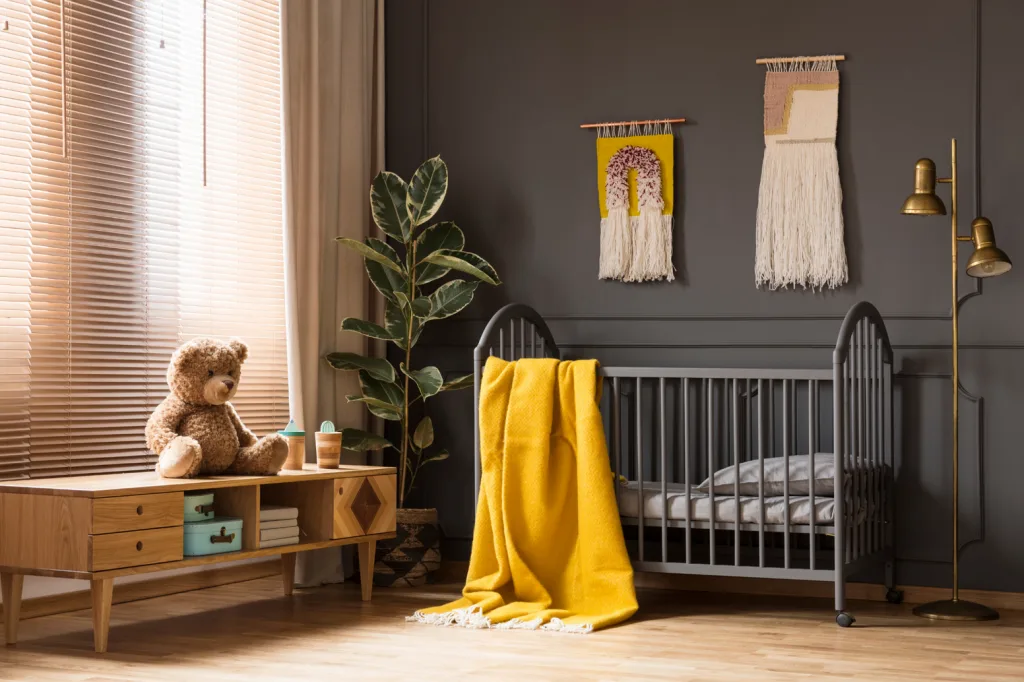
Sleep is a vital need for human health and well-being. As with every age group, healthy sleep is one of the cornerstones of children's physical and mental health. Sleep plays an important role in children's growth and development and helps them build their cognitive abilities. For children in particular, healthy sleep is essential not only for allowing their bodies to rest, but also for maintaining emotional balance. A well-rested child gets through the day more smoothly and peacefully, with improved attention and focus, while their learning and development are supported.
Children's rooms play a major role in helping children enjoy a healthy, high-quality night's sleep. Many factors that affect sleep quality are directly related to the layout, decor and atmosphere of a child's room. As the Almila family, we've put together some tips on how to create a room where children can enjoy the healthiest, most peaceful sleep.
Choosing the Right Bed: The First Step to a Comfortable Night's Sleep for Children
Choosing the right bed directly affects your child's sleep quality. It supports your child's body and helps them relax while they sleep, allowing them to enjoy deeper, more restful sleep. There are several important factors to consider when choosing the right children's bed.
First, bed size matters. Choosing a bed that suits your child's height and age is a fundamental step towards a comfortable night's sleep. The firmness of the mattress is also important. An orthopedic mattress with medium firmness that supports your child's spine can help improve sleep quality by promoting proper posture.
Choosing Colors for a Child's Room: The Right Choices for Quality Sleep
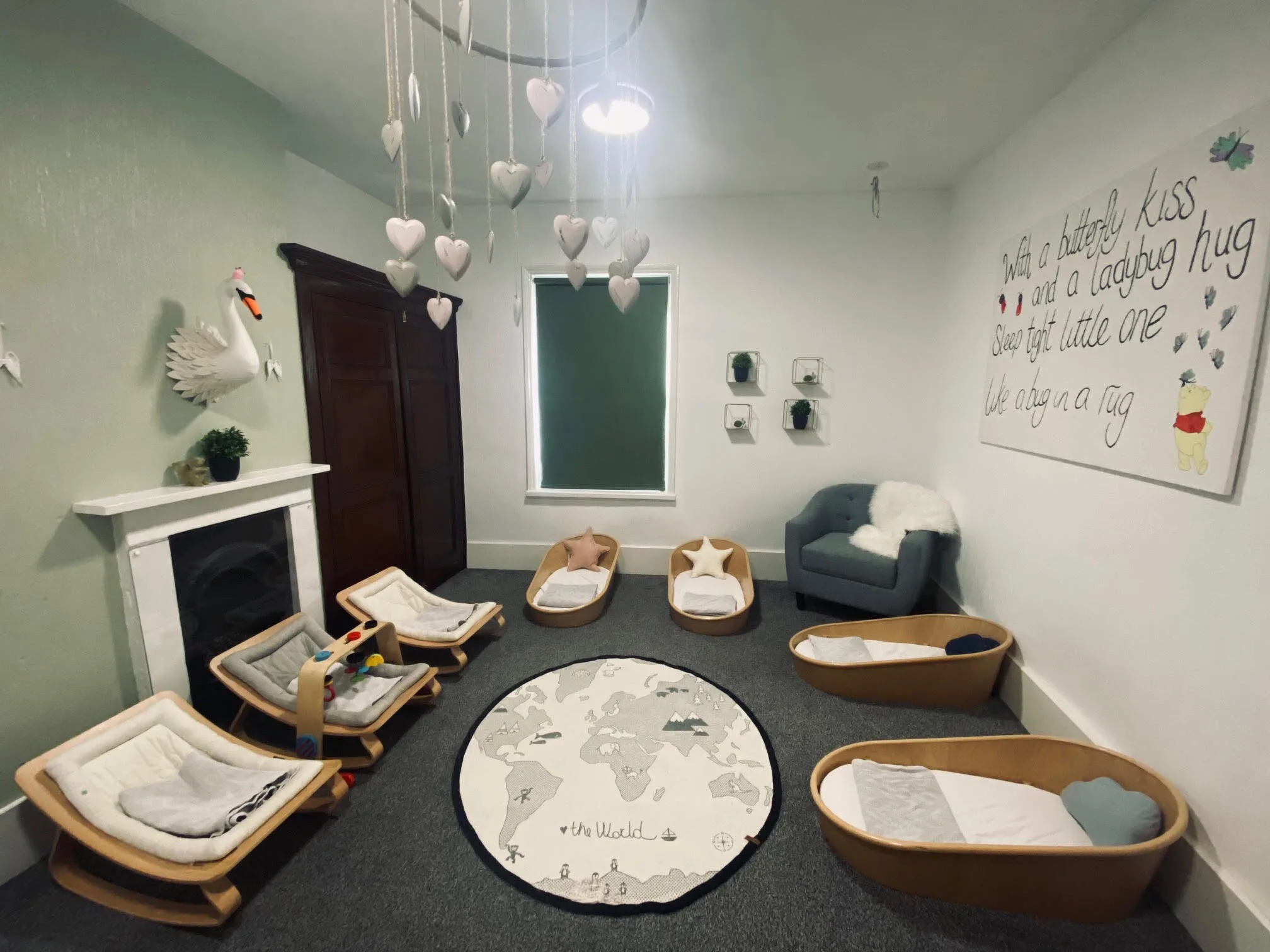
Your child's room is an important factor affecting their sleep quality. The room's color can influence your child's mood, emotional state and even their sleep. So when answering the question, "What should a children's room be like?", it's important to consider the role of color. There are several factors to keep in mind when choosing suitable colors for a child's room. First, opt for soft, calming colors. Pastel shades such as light blue, green, yellow and pink are among the most popular choices for children's rooms. These colors create a more peaceful, soothing atmosphere. Pastel shades can calm children's moods and make it easier for them to fall asleep. They also make the room look more spacious and airy. Choosing the right colors is important for creating a relaxing sleep environment for children. Colors can have a significant impact on children's sleep. For example, blue creates a sense of calm and peace, while yellow brings joy and energy. So the color of the room directly affects your child's mood and sleep quality.
Lighting and Curtains: How They Affect Sleep in Children's Rooms
Proper lighting and the right choice of curtains are very important for helping your child enjoy a healthy night's sleep. Lighting helps your child relax at night and drift off peacefully. A well-planned lighting setup can help regulate your child's sleep rhythm, supporting deeper, more restful sleep.
Choosing the right curtains is equally important. Blackout curtains keep outside light from entering the room, creating a darker environment for your child to sleep in. This can help your child's body produce melatonin more effectively and transition into deeper sleep. Blackout curtains can also help your child enjoy uninterrupted sleep throughout the night.
Room Temperature and Air Quality
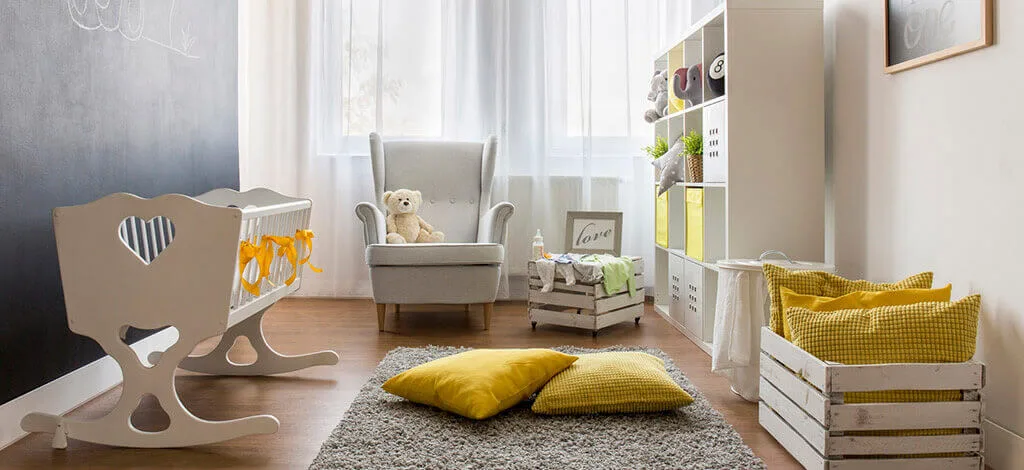
Ensuring your child's room has a comfortable temperature and good ventilation is essential for a healthy night's sleep. The optimal temperature for sleep is generally between 18-22°C. This range helps your child sleep comfortably while minimizing discomfort such as sweating or feeling cold.
Good air quality in the room is also very important. Clean, fresh air helps your child breathe better while sleeping and get the oxygen their body needs. Sleeping in a well-ventilated room can help your child enjoy deeper, more restful sleep.
Humidity is another important factor that affects sleep quality. Very low humidity can cause dryness in your child's throat and nose, while very high humidity can lead to mold and mildew. That's why it's important to keep the humidity level in your child's room within a suitable range.
Fun and Soothing Decor
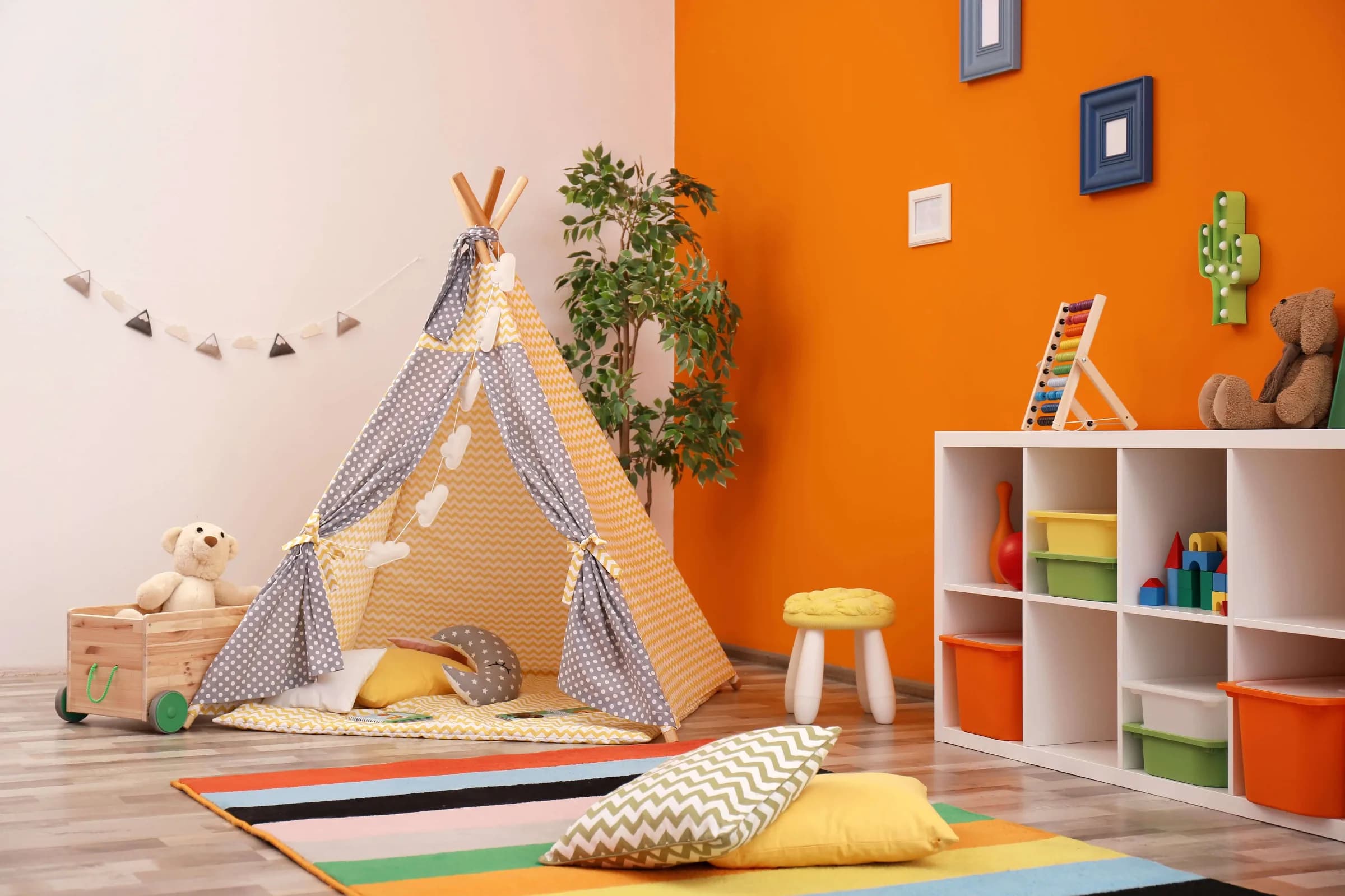
Children's room furnishings include the furniture and decorative accessories used in your child's room, and they influence its overall layout. Colorful, child-friendly Almila furniture can help your child enjoy spending time in their room and sleep more comfortably. Your child's room design is an important part of shaping their living space. Bright colors and interesting patterns make the room more fun and lively, helping your child feel happy and comfortable in their space.
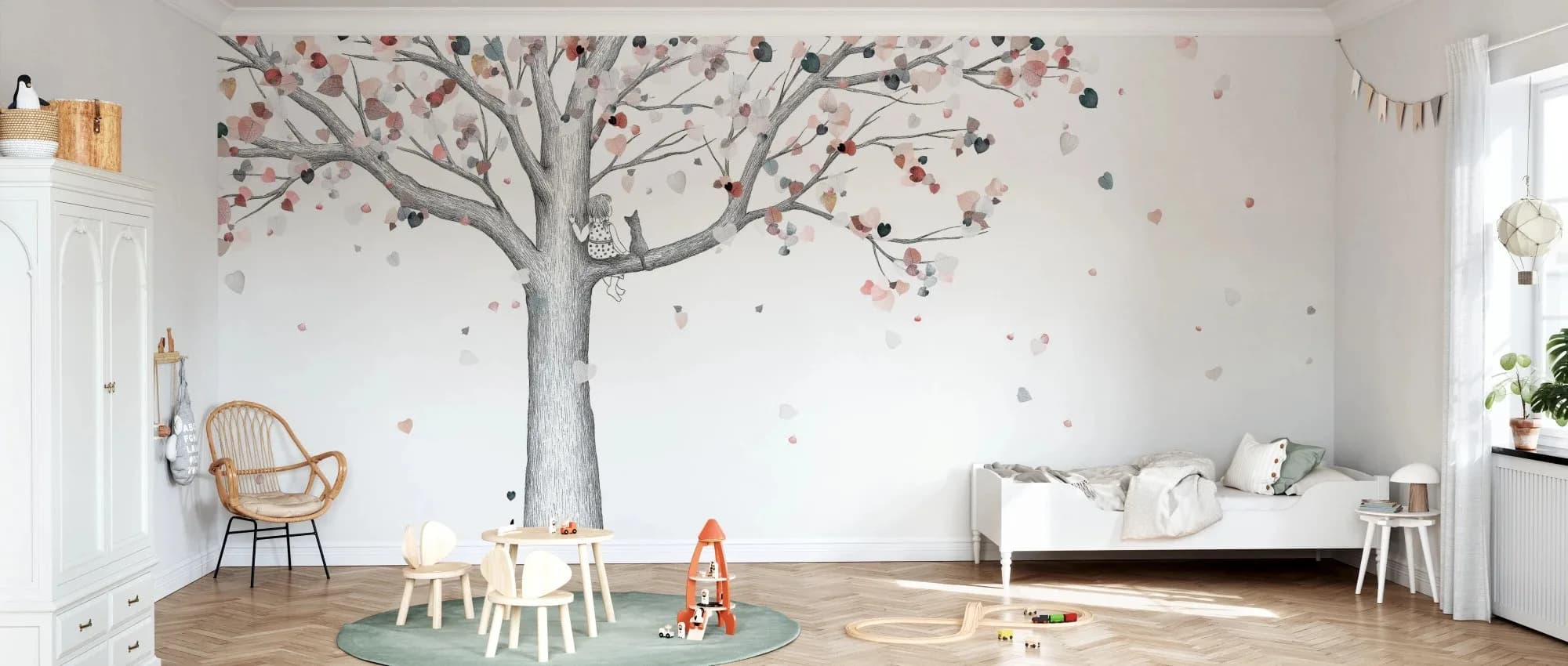
Calming wall colors and peaceful decorative touches can also help reduce your child's stress levels and encourage more restful sleep. Natural colors such as blue and green, for example, can help your child relax mentally and drift into deeper sleep. The layout of your child's room can improve sleep quality by organizing where everything goes. Wallpaper or pictures on the walls can also spark your child's imagination and create a peaceful atmosphere in the room.
You may also be interested in - Choosing a rug for a child's room