Room Guide
How to Create a Home Office Space? What Should Home Office Furniture Be Like?
A home office is a dedicated workspace set up at home. Desks, chairs and storage solutions are key to both comfort and productivity.
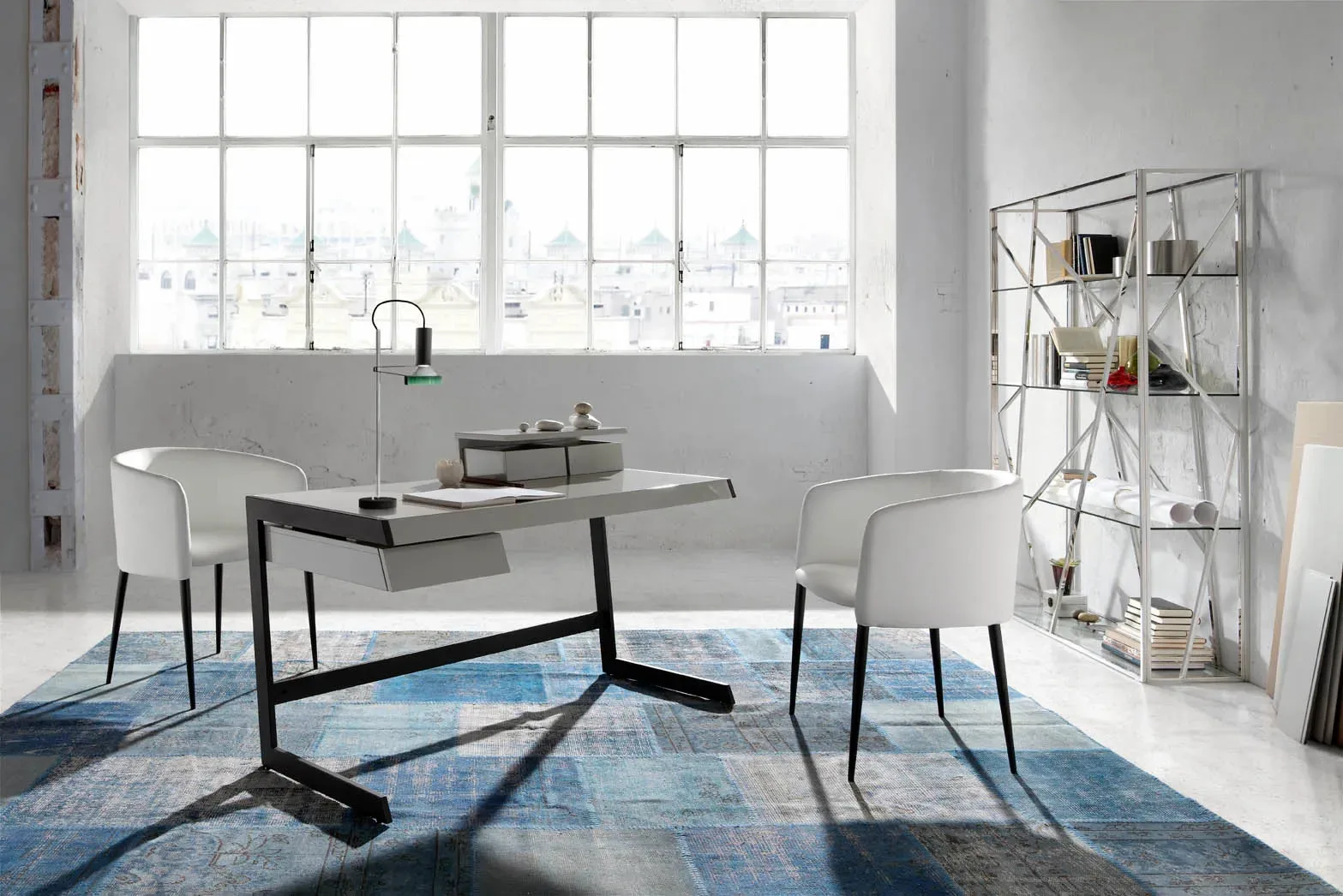
As work culture transforms around the world, homes have become more than just places to live; they are now also hubs for professional activities. This change has made it essential to create dedicated spaces at home that are productive, sustainable and conducive to concentration. While working from home offers flexibility, it also brings challenges such as blurred boundaries between work and personal life. Creating a successful home workspace therefore requires far more planning than simply placing a desk and chair. Bringing the physical features of the space into harmony with professional needs is essential for long-term success.
Bringing professional work habits into the home is possible with the right home office design and carefully chosen equipment. A well-planned space boosts motivation while helping protect physical well-being. Creating a dedicated area that complements the overall home décor while remaining distinct makes it easier to mentally focus on work. Every detail, from furniture ergonomics and lighting angles to technology and storage systems, calls for a holistic approach. Here are some key points to consider when creating a productive home office.
Choose the Right Location
The first step in designing a home office is strategically choosing where you will work. Selecting a quiet corner of the home with minimal foot traffic, away from noise and conducive to concentration, is the first and most important step in setting up your workspace. High-traffic areas such as the middle of the living room or the kitchen table can lead to a loss of productivity over time due to the many distractions. If possible, choose a separate room with a door that can be closed, or a less frequently used area of the home.
The ventilation and thermal comfort of your chosen spot should not be overlooked. A stuffy or overly cold/hot area can shorten your attention span. Choosing a space with a strong internet signal or access to a wired connection also helps prevent technical issues. A quiet location creates a professional setting for video conferences and tasks that require deep focus.
Choose Ergonomic Furniture
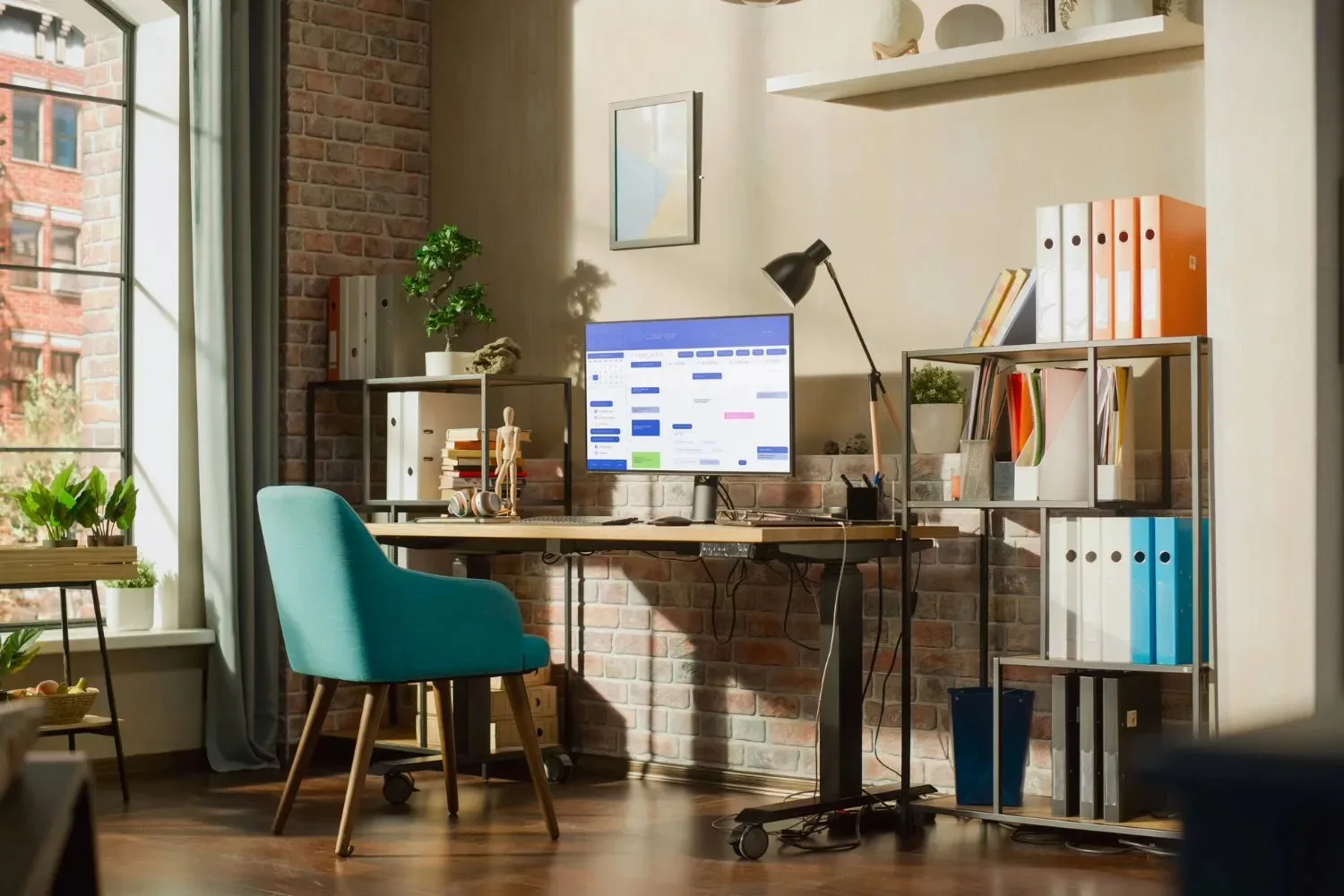
Working in the same position for long hours can place considerable strain on the musculoskeletal system. To minimize this strain and protect your health during long workdays, choose an office chair with lumbar support and a desk that allows your arms to rest at elbow height. An ergonomic chair should support the spine’s natural curve and allow your feet to rest flat on the floor. The desk should be at a height that lets your arms form a 90-degree angle when using the keyboard.
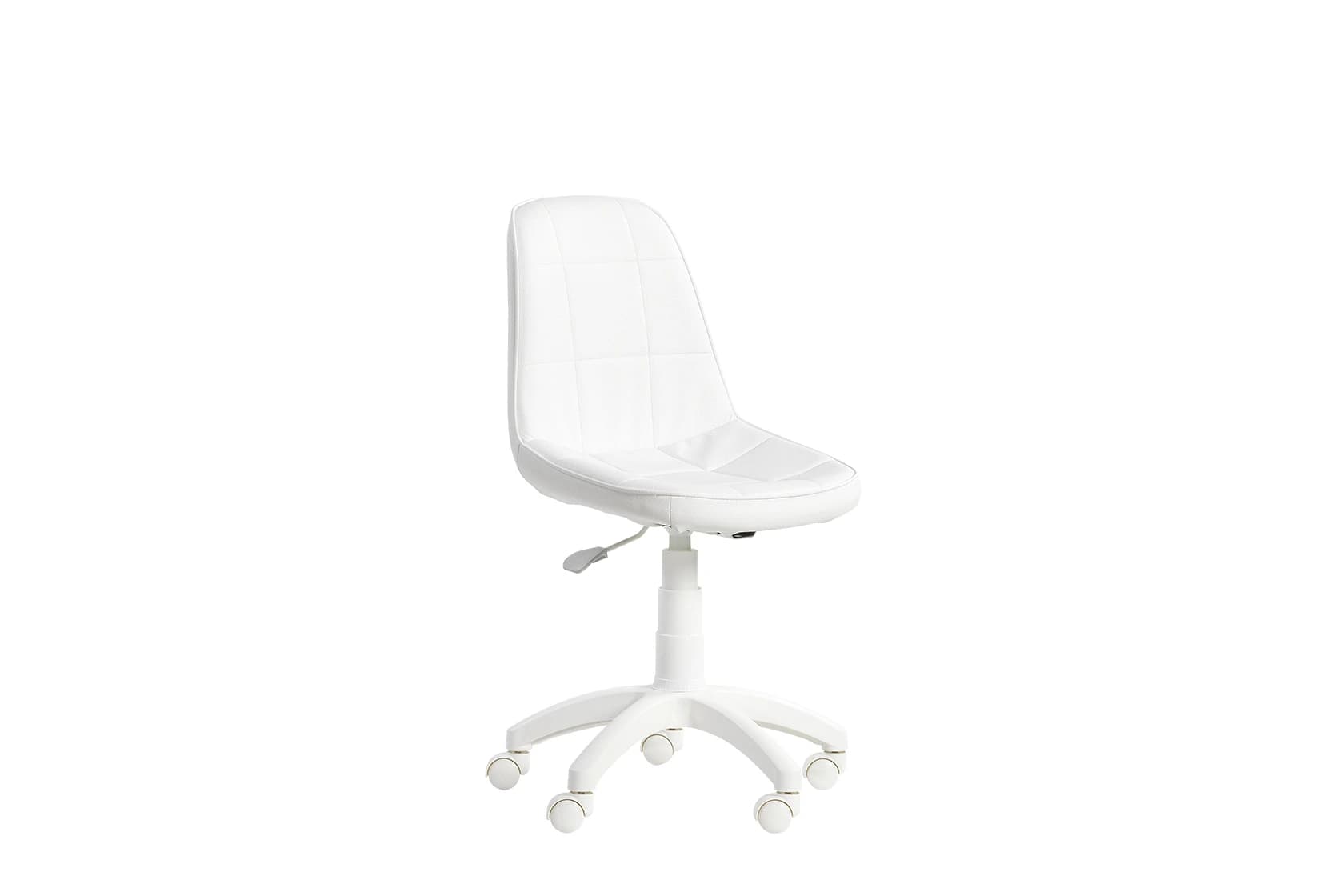
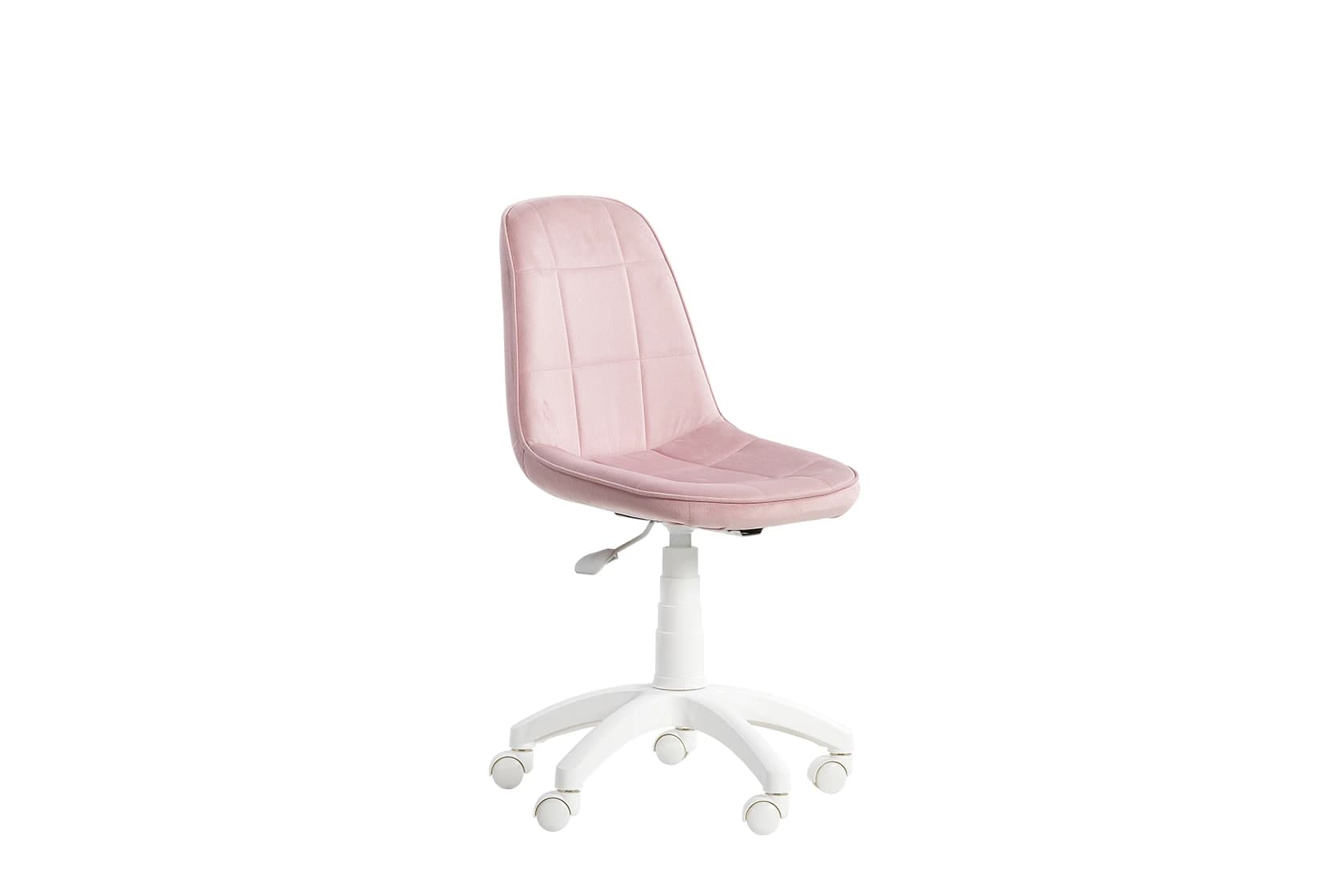
Furniture chosen for its looks alone, without regard for ergonomics, can eventually cause back and neck pain, leading to lower productivity. The desk should be deep enough to maintain an appropriate distance between your eyes and the screen (approximately 50-70 cm). Choosing home office furniture models that have been tested and approved for extended sitting can directly improve your quality of professional life. Those who put comfort and health first can find the right option among Almila’s chairs, armchairs and poufs .
Choose the Right Lighting
Lighting is one of the most important environmental factors affecting work performance and eye health. To prevent eye strain, place your desk near a window, if possible, to make the most of daylight, and use a focused desk lamp in the evening. Natural light helps you feel more energetic during the day by supporting melatonin balance. However, make sure that light from the window does not reflect directly onto the screen and cause glare, as this can strain your eyes.
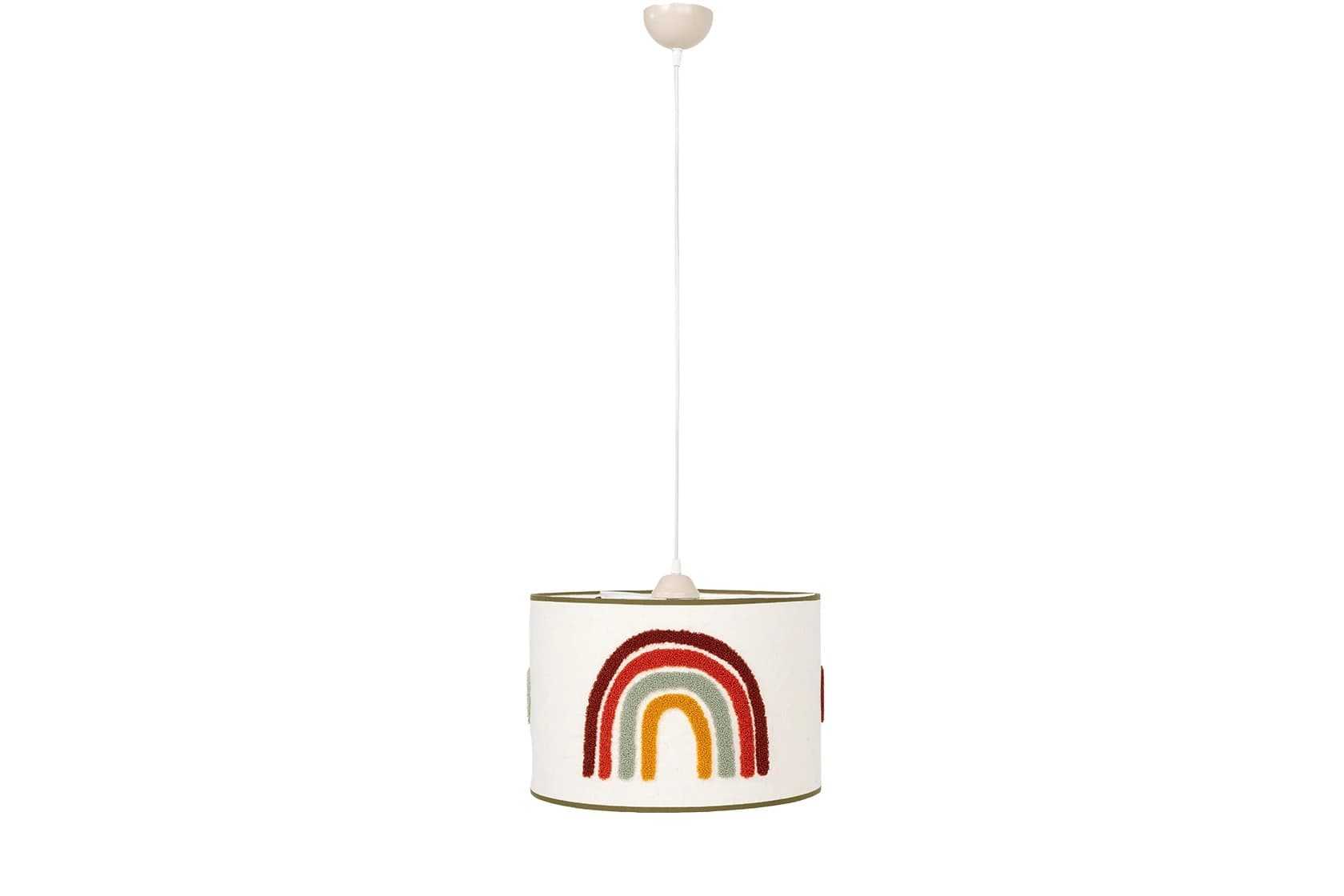
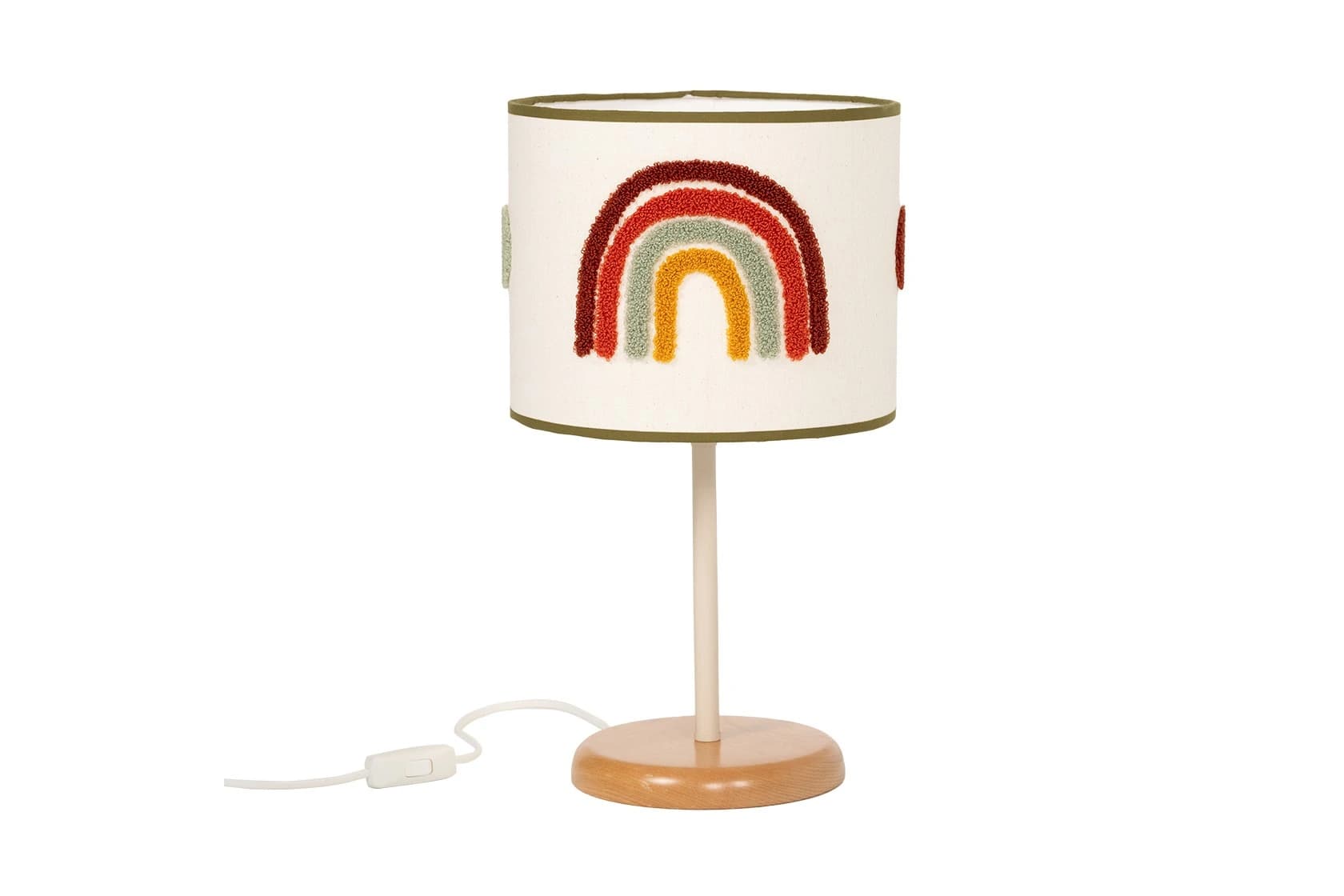
When planning artificial lighting, use a dedicated light source for the desk in addition to the room’s general lighting. The light should be neither too dim nor uncomfortably bright. A desk lamp with an adjustable head lets you direct the light exactly where it is needed. Almila’s lighting models offer stylish, functional options that enhance the atmosphere of your home workspace. Choosing the right lighting can extend your focus while also reducing the risk of sleep disruption during evening work.
Add Functional Storage Solutions
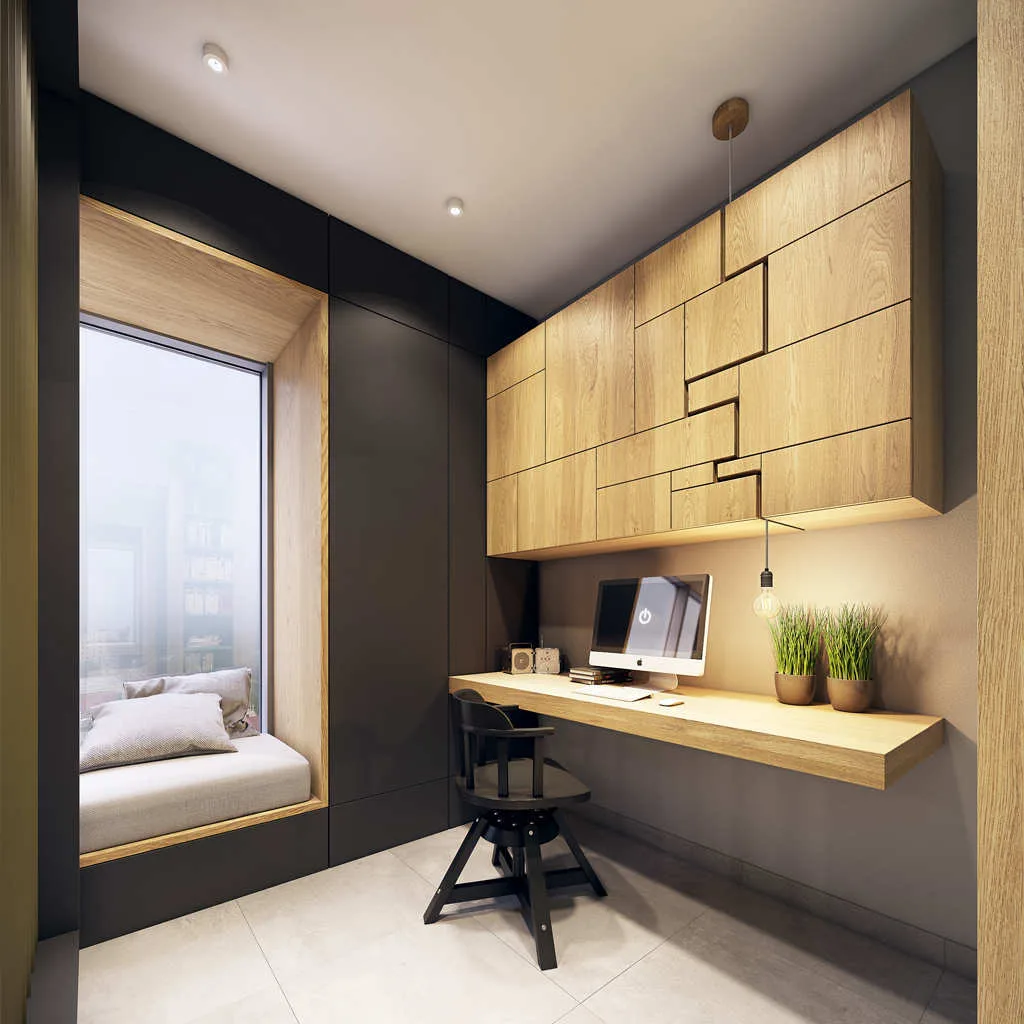
One of the biggest challenges when setting up a home office is clutter. To keep the desk tidy and files and stationery organized, add drawer units or wall shelves to your setup. An orderly work surface reduces mental clutter and makes it easier to focus. Desk accessories such as pen holders, document trays and magazine racks keep essential supplies close at hand.
When choosing storage units, making use of vertical space is a great advantage, especially in smaller homes. Wall-mounted floating shelves create ample space for books and files without taking up floor space. Mobile drawer units offer flexibility, allowing you to place them under or beside the desk as needed. Closed cabinets are ideal for those who want to eliminate visual clutter entirely. A well-organized home office design gives you back the time you might otherwise spend searching for misplaced items.
Set Up Your Technology and Cable Management
Technology is the backbone of a modern workspace. To ensure everything runs smoothly, choose a spot with strong internet access and keep cables organized with cable channels or covers to avoid visual clutter. Tangled cables from computers, monitors, printers and chargers are not just an aesthetic issue; they can also collect dust and pose a safety risk.
Cable organizers, hook-and-loop straps or power strips built into the desk can give your technology setup a professional look. Uninterruptible power supplies and surge-protected outlets should also be high on your home office essentials list, as they protect against power outages and surges. To prevent devices from overheating, choose a desk with ventilation openings or use monitor risers. This can extend the life of your equipment while also supporting user ergonomics.
Add Personal Decorative Touches
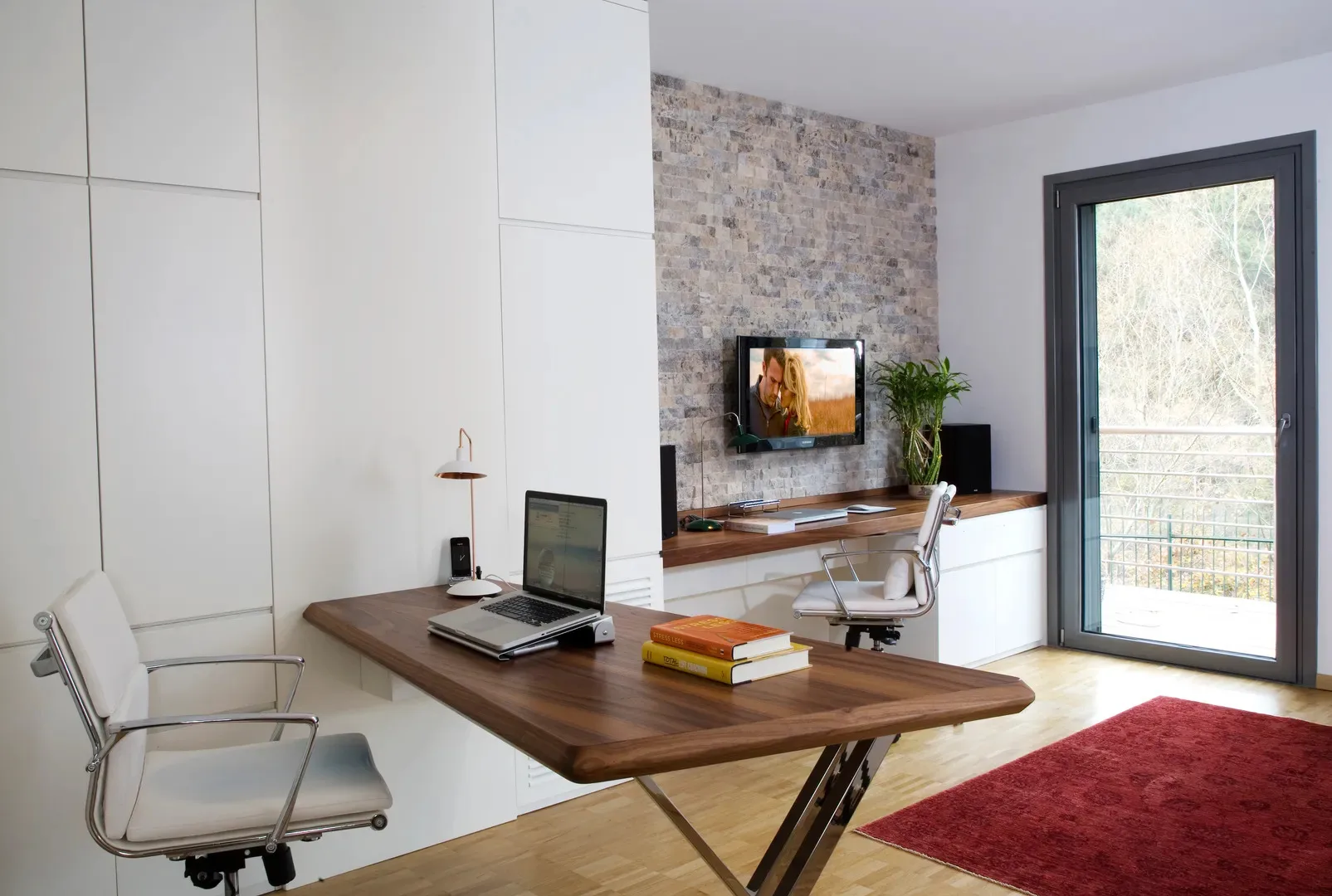
A workspace that feels cold and purely functional can lower motivation. Add plants, inspiring artwork or a corkboard to build a sense of connection with the space and boost motivation. Green plants improve indoor air quality while helping reduce stress. Corkboards help keep important notes in view and make it easy to visualize your goals.
As part of your home office decorating ideas, bringing in colors and objects you love can help you feel more motivated to start work. However, avoid overdoing it or filling your desk with unnecessary objects. Aim for a balance that is simple enough to support concentration, yet personal enough to lift your spirits. A candle, a print by a favorite author or a minimal ornament can transform your workspace into a welcoming spot that feels like your own.
Set Boundaries and Create Separation
Physically separating home and work life is essential for work discipline and mental well-being. If you do not have a separate room, using screens or open bookcases to physically separate your workspace from the areas where you relax can improve focus. This kind of division sends your brain the message, “It’s time to work,” helping you switch into professional mode more quickly. A visual barrier also helps other members of the household recognize the area as an “office” and respect your working hours.
Separation should be both physical and acoustic. Decorative solutions featuring noise-blocking panels or acoustic foam can keep household noise from intruding into your workspace. Getting up from your desk and leaving the “office” area at the end of the day helps keep work stress from spilling over into the rest of your home. A well-defined home office design is one of the foundations of both professional success and a peaceful family life.
What Should Home Office Furniture Be Like?
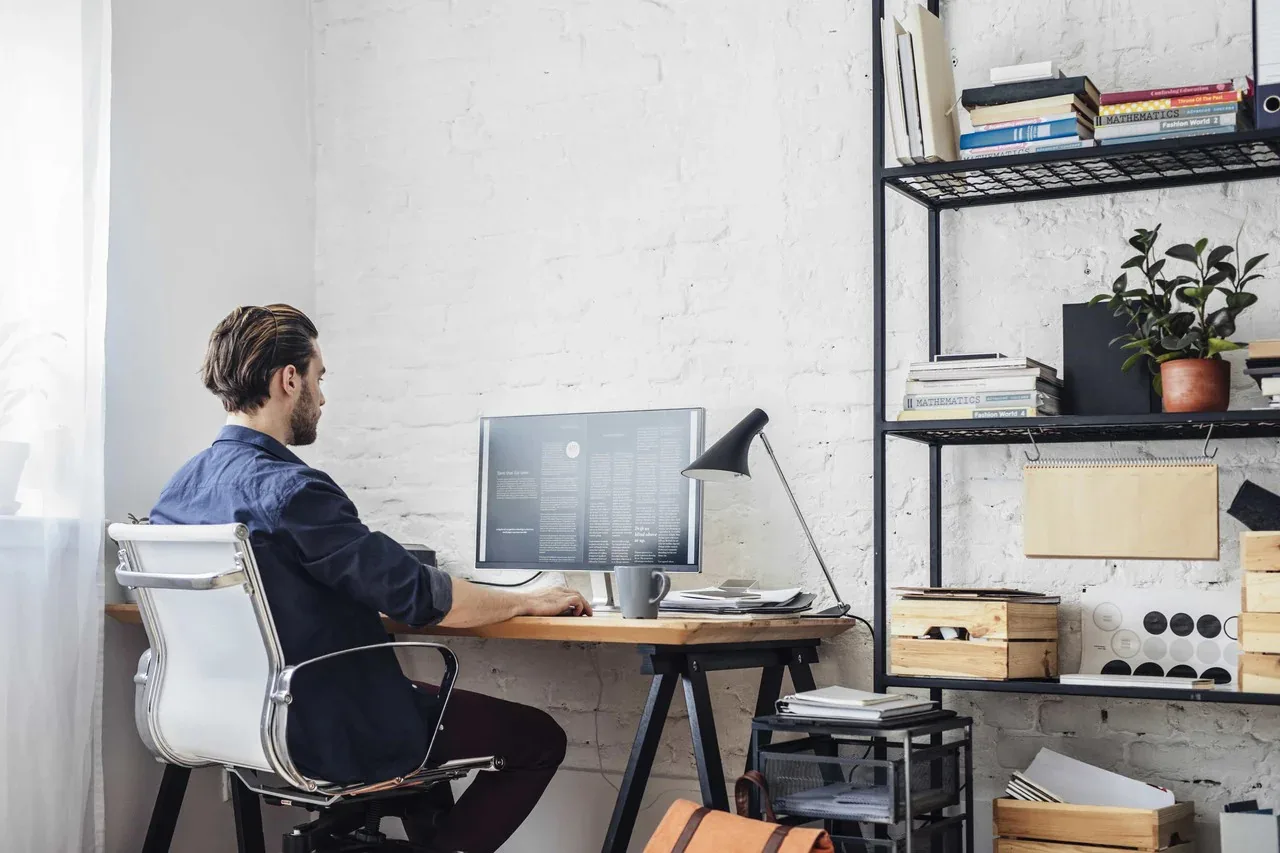
When creating a professional workspace at home, your choice of home office furniture plays a key role in determining both productivity and the look of the space. Consider the following criteria when choosing office furniture:
- Durability and Material Quality: Choose furniture with wear-resistant surfaces that can withstand frequent, everyday use. Desk surfaces should provide stability when writing or using devices.
- Adjustability: Adjustable mechanisms that suit your height and sitting habits are key to an ergonomic workspace. Height and tilt adjustments are especially important for chairs.
- Suitability for Your Needs: Choose desks with ample cable management for computer-based work, and spacious home office desks for drawing.
- Aesthetic Harmony: Furniture that complements the overall style of your home keeps the workspace from feeling out of place and creates visual continuity.
- Functionality: Save space by choosing home office products with extra shelves or compartments instead of desks that offer only a work surface.
Creating a professional work routine at home is possible with the right strategies and functional furniture choices. From choosing the right location to selecting ergonomic furniture, every detail directly affects both productivity and physical well-being. Focusing on solutions that combine comfort and style during the home office design process makes working from home a far more enjoyable experience. While there are many points to consider when creating the ideal workspace in your home, the key to success is setting it up to suit your own needs.
What Is a Home Office? You may also enjoy this blog post.