Care and Cleaning
How to Clean Walls?
Cleaning walls is an important step in maintaining a hygienic home. The right products and techniques can help clean them without leaving marks. Click for details!
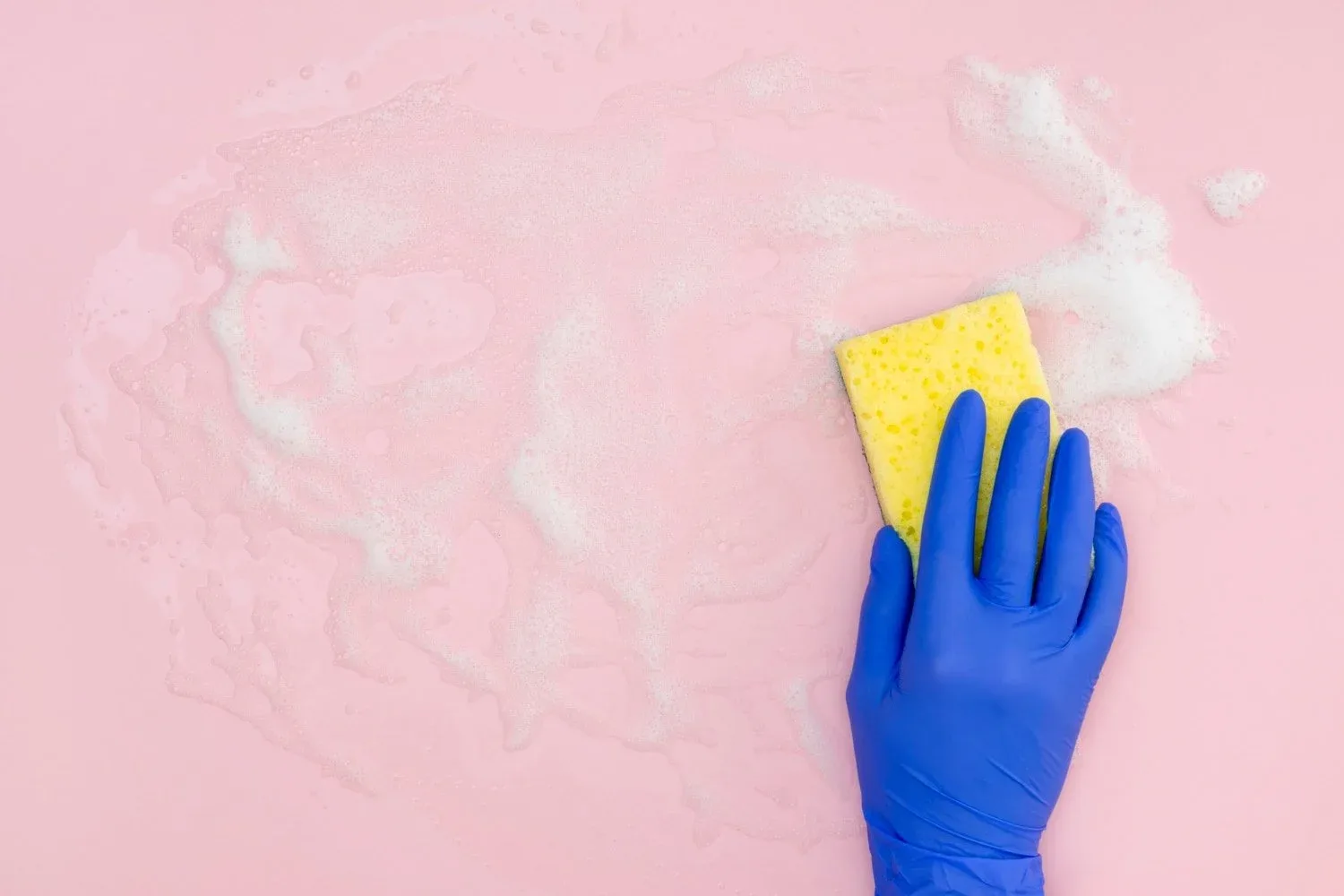
To create a clean and refreshing living space, it’s important to sweep floors and wipe surfaces regularly. However, one detail often goes unnoticed or is neglected: cleaning the walls. Dust particles don’t just build up on furniture; over time, they also form invisible layers on the walls of your home. What’s more, as dust is disturbed, it becomes airborne and settles back on the floor, meaning your cleaning efforts soon lose their effect. That’s why wiping down your walls every 3 to 6 months is essential for maintaining good hygiene.
What Should You Use to Clean Walls?
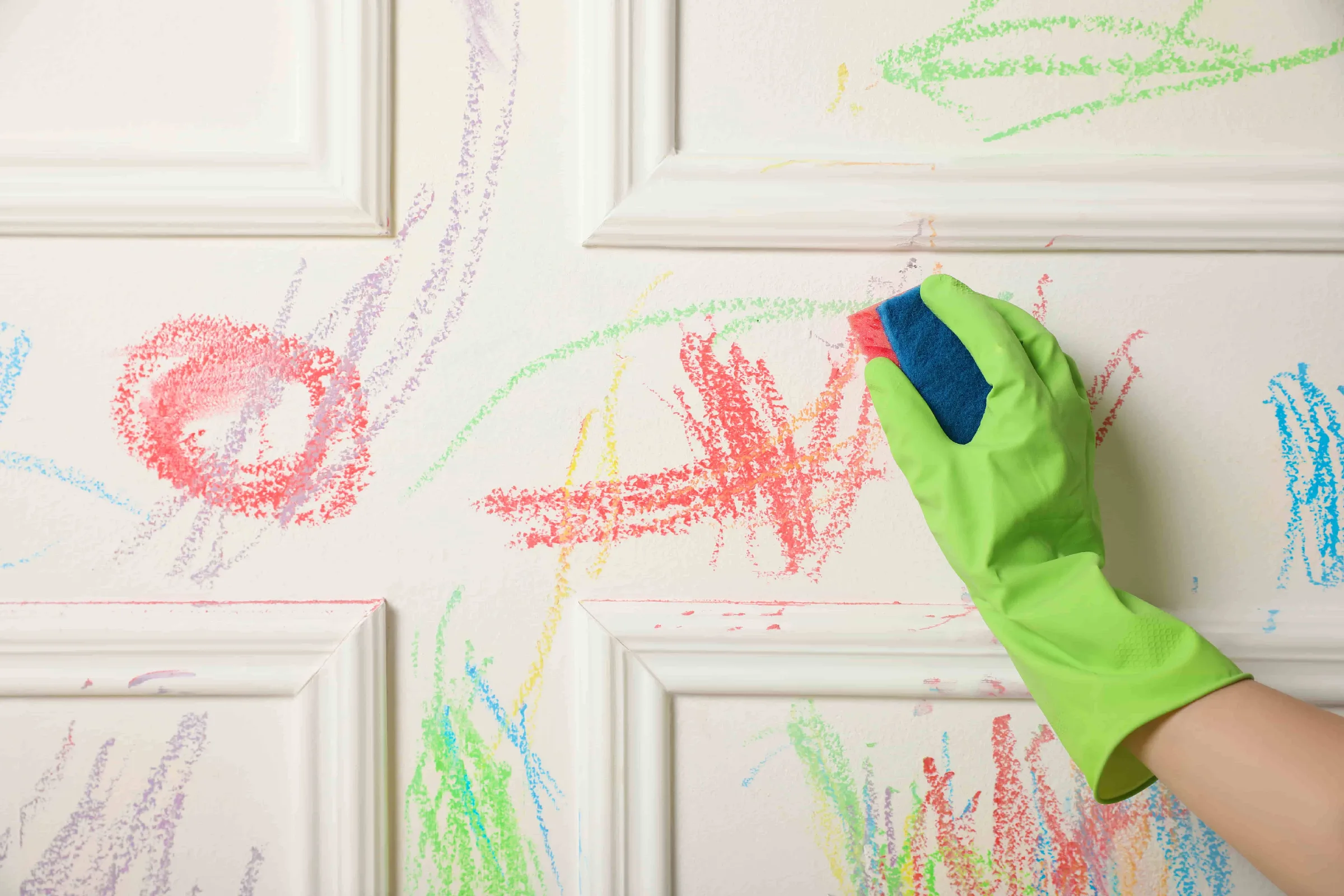
The products and materials you use to clean walls are important for achieving the best results. The materials you need may vary depending on the wall covering.
1. Dust the walls: Before you begin cleaning, remove dust and cobwebs from the walls using a clean microfiber cloth, a lint-free dry cloth, or the brush attachment on your vacuum cleaner. This step helps prevent dirt from spreading during wet cleaning.
2. Identify your wall type: Your walls may be finished with water-based paint, oil-based paint, wallpaper, or a decorative covering. Each surface requires a different cleaning approach. For example, water-based paints are sensitive to excessive scrubbing.
3. Prepare a mixture of warm water and soap: For general cleaning, add a few drops of dish soap or vinegar as a natural cleaner to warm water. Avoiding harsh chemicals helps protect the paint on your walls.
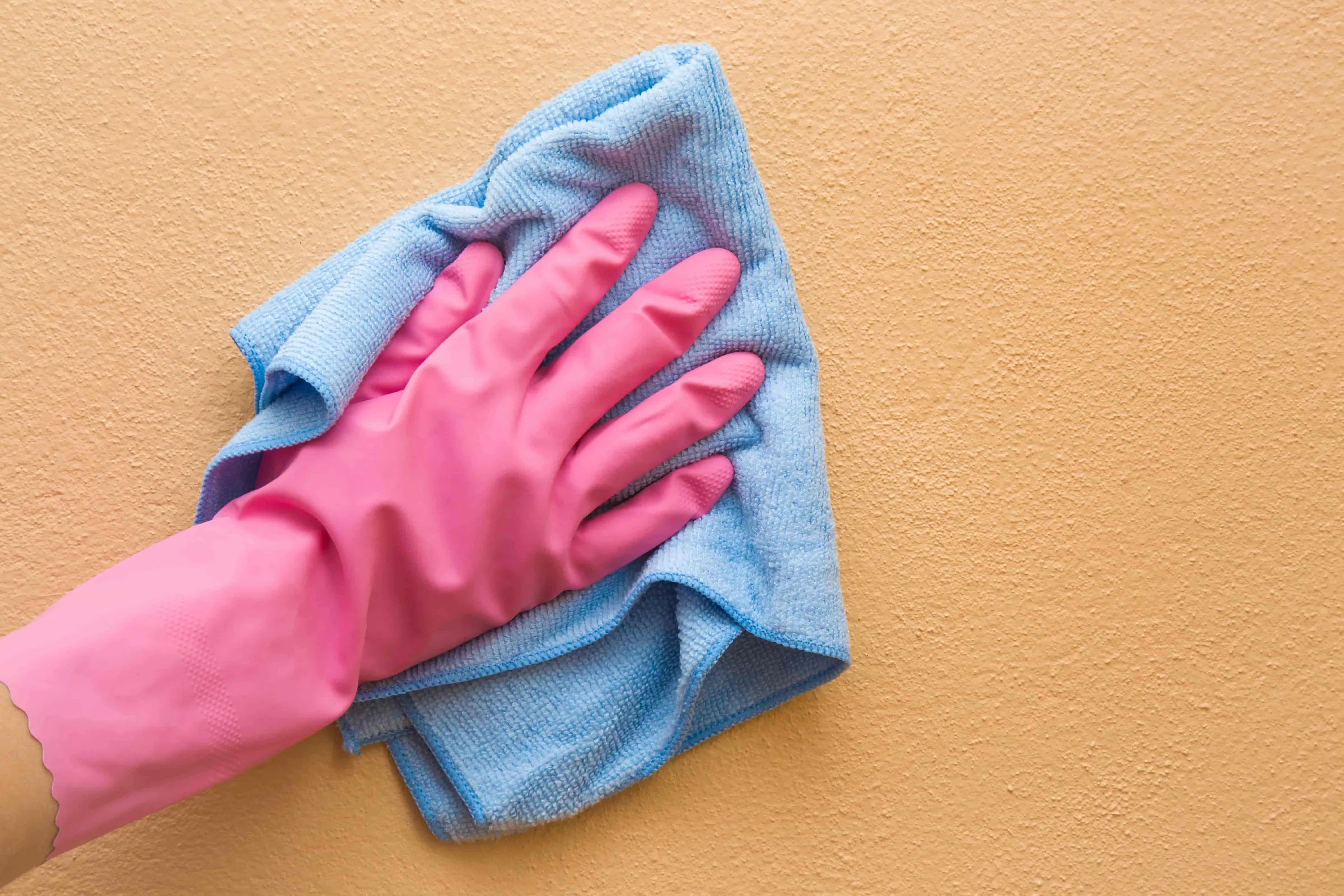
4. Use a microfiber cloth or sponge: Dip the cloth into your prepared mixture, then wring it out so it’s damp rather than wet. Wipe the wall from top to bottom. This prevents water from running down and damaging clean areas below.
5. Gently scrub any stains: For dried stains, you can apply a natural paste made from baking soda and water to the affected area and wipe gently. Avoid using abrasive sponges or brushes.
6. Rinse with clean water: After wiping walls with soapy water, wipe them again with a clean, damp cloth to rinse them. This step prevents soap residue from being left behind.
7. Dry the wall: After cleaning, wipe the wall with a dry cotton cloth to help it dry faster and prevent water marks.
8. Make regular cleaning a habit: Wiping your walls at regular intervals helps prevent stains from becoming permanent and keeps your home looking clean at all times.
What Should You Add to Wall-Cleaning Water?
For those who want to clean their walls naturally at home, the ingredients added to the cleaning water are especially important.
Dish Soap: Add a few drops of dish soap to a bucket of warm water to easily remove light dirt and grease stains. It’s especially effective on kitchen walls.
Vinegar: When mixed with water, white vinegar—a natural disinfectant—helps keep surfaces hygienic and eliminate unpleasant odors. You can add half a tea glass of vinegar to 1 liter of water. It’s especially suitable for kitchen and bathroom walls.
Baking Soda: Effective at removing stains, baking soda works as a gentle cleaner when added to wall-cleaning water. 1 teaspoon of baking soda is enough for 1 liter of water. For more stubborn stains, mix the baking soda into a paste and apply it directly to the stain.
Arab Soap: A natural, versatile cleaner, arab soap is also suitable for walls. Add a few tablespoons of arab soap to warm water to make an effective cleaning solution.
Lavender Oil or Lemon Oil (optional): A few drops of essential oil can also be added to the mixture for a pleasant fragrance and antibacterial properties. However, it’s best to test it on an inconspicuous area of the wall first.
Ammonia (Use with Care): An effective degreaser for oil-painted walls, ammonia should only be used in well-ventilated areas and while wearing gloves. Add 1 tablespoon of ammonia to 1 liter of water. This method is not suitable for wallpaper or water-based paints.
What Are the Best Tips for Cleaning Walls?
One of the most important tips for cleaning walls is to use products and equipment suited to the wall’s surface. The cloth’s level of dampness is also crucial. A dry cloth won’t remove stains effectively, while an overly wet cloth can damage the wall. The water should be warm, and very hot water should be avoided. It’s also a good idea to test the cleaning solution on a small area first. This helps you determine whether it will damage the paint or covering.
How Do You Clean Walls with Arab Soap?
Arab soap is a natural, gentle cleaning product that’s often used for household cleaning. To clean walls with arab soap, simply add a few tablespoons to a bucket of warm water. Apply the mixture with a microfiber cloth; there’s no need to rinse afterward. Arab soap lifts dirt and leaves a pleasant fragrance. It’s especially ideal for plastered or painted walls.
What Should You Look for When Choosing a Wall Cleaner?
Walls are one of the most overlooked areas in home cleaning and can become dirty over time from dust, soot, fingerprints, and various stains. However, not every cleaning product is suitable for every wall surface. The wrong product can fade paint, leave residue, or damage wallpaper. That’s why there are a few important points to keep in mind when choosing a wall cleaner.
1. Suitability for the Wall Surface: Not all wall types can tolerate the same cleaning products.
For water-based paints, choose mild cleaners that are free of harsh chemicals.
Oil-painted surfaces are more durable, so slightly stronger cleaning products can be used.
For wallpaper, use only non-abrasive products that don’t retain too much moisture.
2. Free from Abrasive Ingredients: If a cleaner contains harsh chemicals or abrasive ingredients such as bleach or ammonia, it can stain, fade, or peel the wall surface. These products should especially be avoided on colored walls.
3. Choose a Balanced pH: The cleaning product’s pH shouldn’t be too high or too low. Products with a neutral pH of around 7 clean effectively without damaging the surface.
4. Fragrance and Allergens: Some cleaning products have a strong fragrance or contain ingredients that may cause allergic reactions. In homes with children or people with sensitivities, choose fragrance-free products or those made with natural ingredients.
5. Easy to Rinse: It’s important that the product used to clean walls doesn’t leave residue on the surface. Products that are difficult to rinse can make walls look dull or feel sticky over time.
6. Choose Eco-Friendly, Natural Ingredients: In recent years, eco-friendly, biodegradable, plant-based cleaning products have become increasingly popular. These products are kinder to the environment and help create a healthier home.
7. Ease of Use: Spray products are convenient because they can be applied directly to the surface. Foaming or gel products may take a little longer to apply. Choose according to your needs.
What Are Some Easy Ways to Clean Walls?
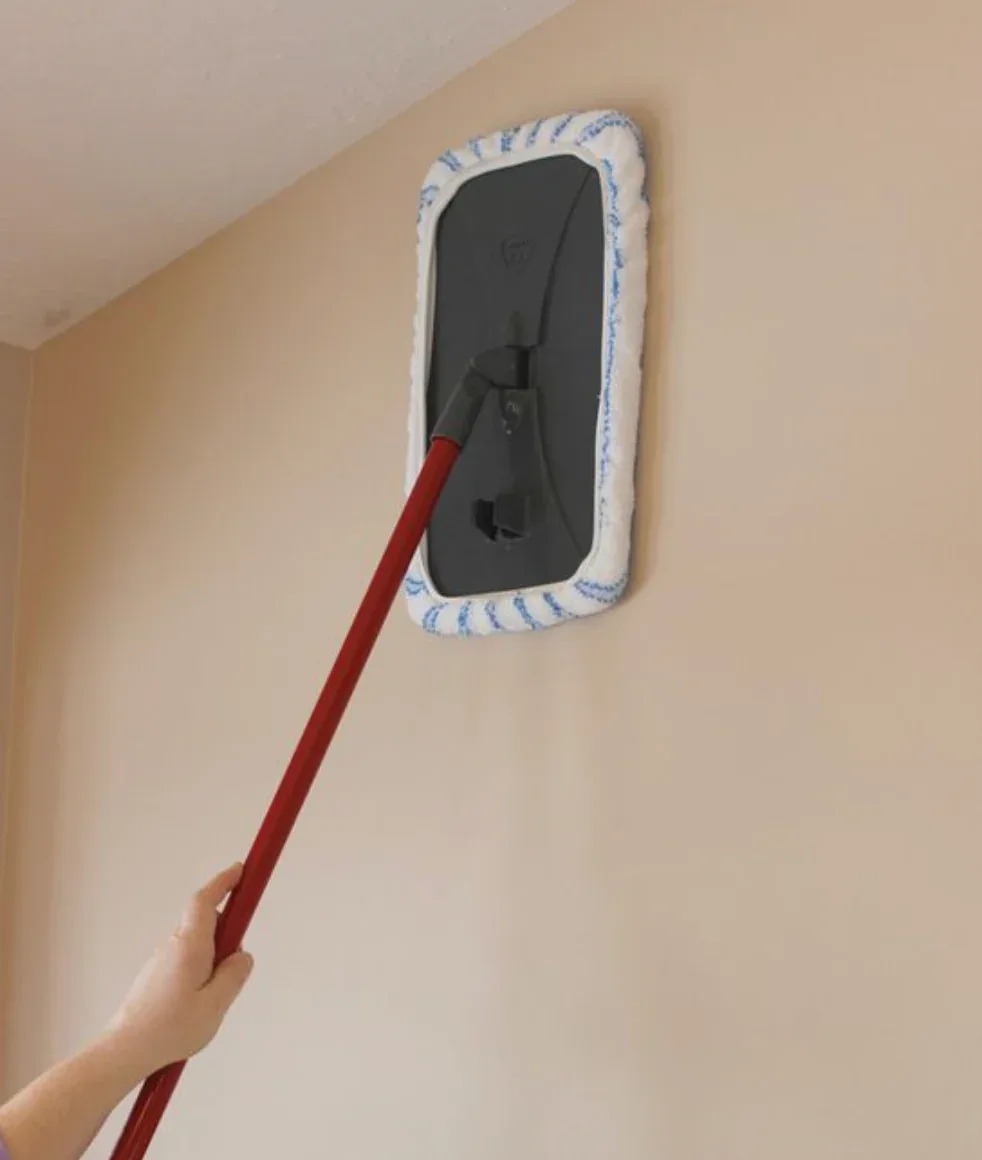
One of the easiest ways to clean walls is to use the right tools and long-handled equipment. This makes it easier to reach high areas and saves time. Microfiber mops and cloth holders with telescopic handles help reduce the effort involved. Another way to make cleaning easier is to dust regularly, which helps prevent dirt from building up in layers.
Does Cleaning Walls with a Brush Work?
Some types of walls, especially textured or patterned ones, may not clean sufficiently with a cloth. In these cases, cleaning with a brush can deliver better results. However, the brush must have soft bristles. Hard-bristled brushes can scratch painted or covered surfaces. Brush cleaning is generally preferred in areas such as bathrooms.
How Do You Clean Bathroom Walls?
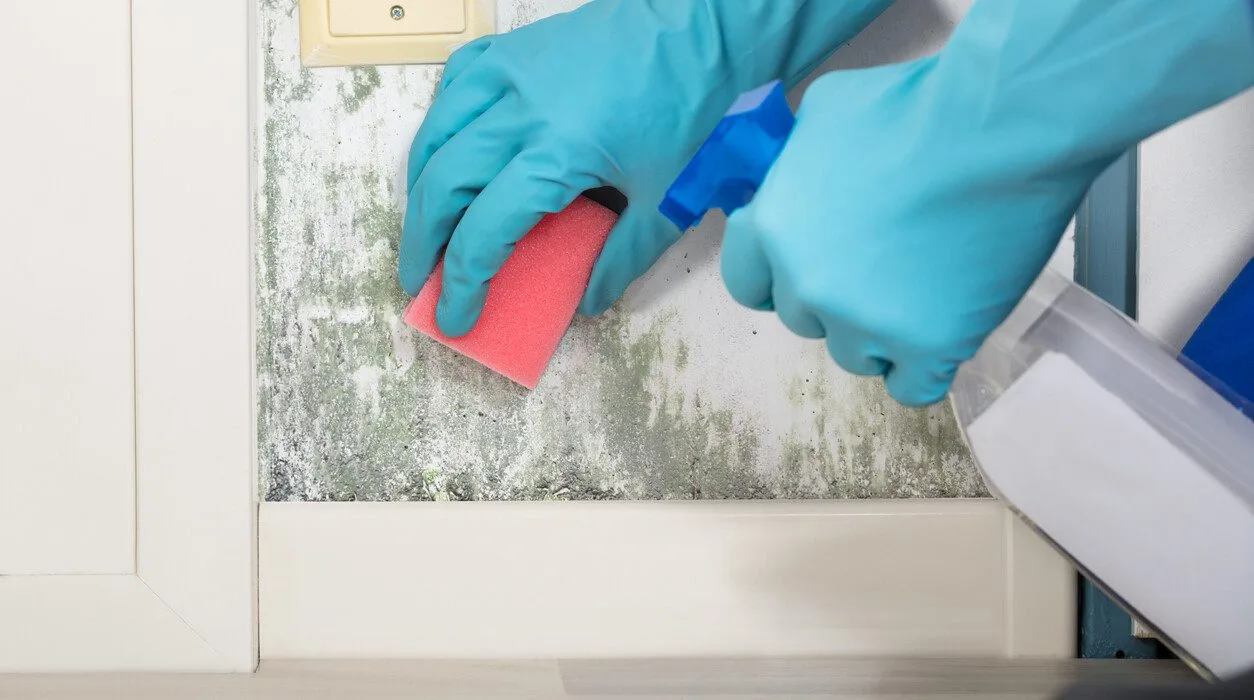
Because bathrooms are damp, soap residue, water stains, and mold are common. A mixture of baking soda and vinegar can be used on tile grout, while natural soapy water is ideal for larger surfaces. Always rinse after cleaning and ventilate the room.
Keeping your walls clean is one detail you shouldn’t overlook when creating a fresh and healthy living space. With the right materials, suitable techniques, and regular care, it’s easy to remove dust, stains, and residue that build up on walls. By keeping these wall-cleaning tips in mind, you can achieve results that are not only attractive but hygienic, too.
You May Also Like→ How to Remove Coffee Stains from a Carpet?