Room Guide
Make Safety Your Priority When Arranging Furniture in a Children’s Room
Furniture placement and safety measures in a children’s room with Almila. Explore our page to learn how to arrange your child’s room.
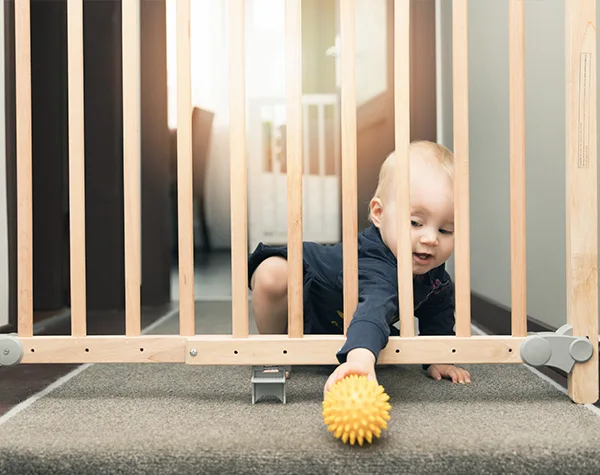
International research indicates that every child should have a room of their own. It is recommended that babies sleep on their own from a certain age and never share a bed with their parents. This is important both for the parents’ privacy and for helping the child develop self-confidence.
Having a room of their own gives every child a personal space, which is very important for their future. Certain conditions should be observed when arranging a child’s room. First and foremost, it should be suitable for the child’s physical and mental wellbeing. The furniture chosen for a children’s room should have educational value and be appropriate for the child to use.
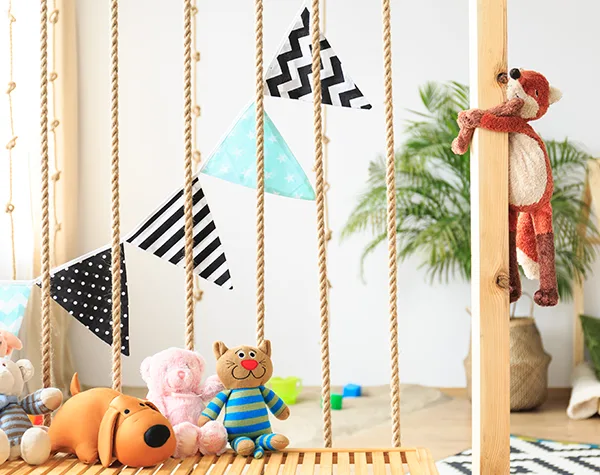
Children’s Room Layout
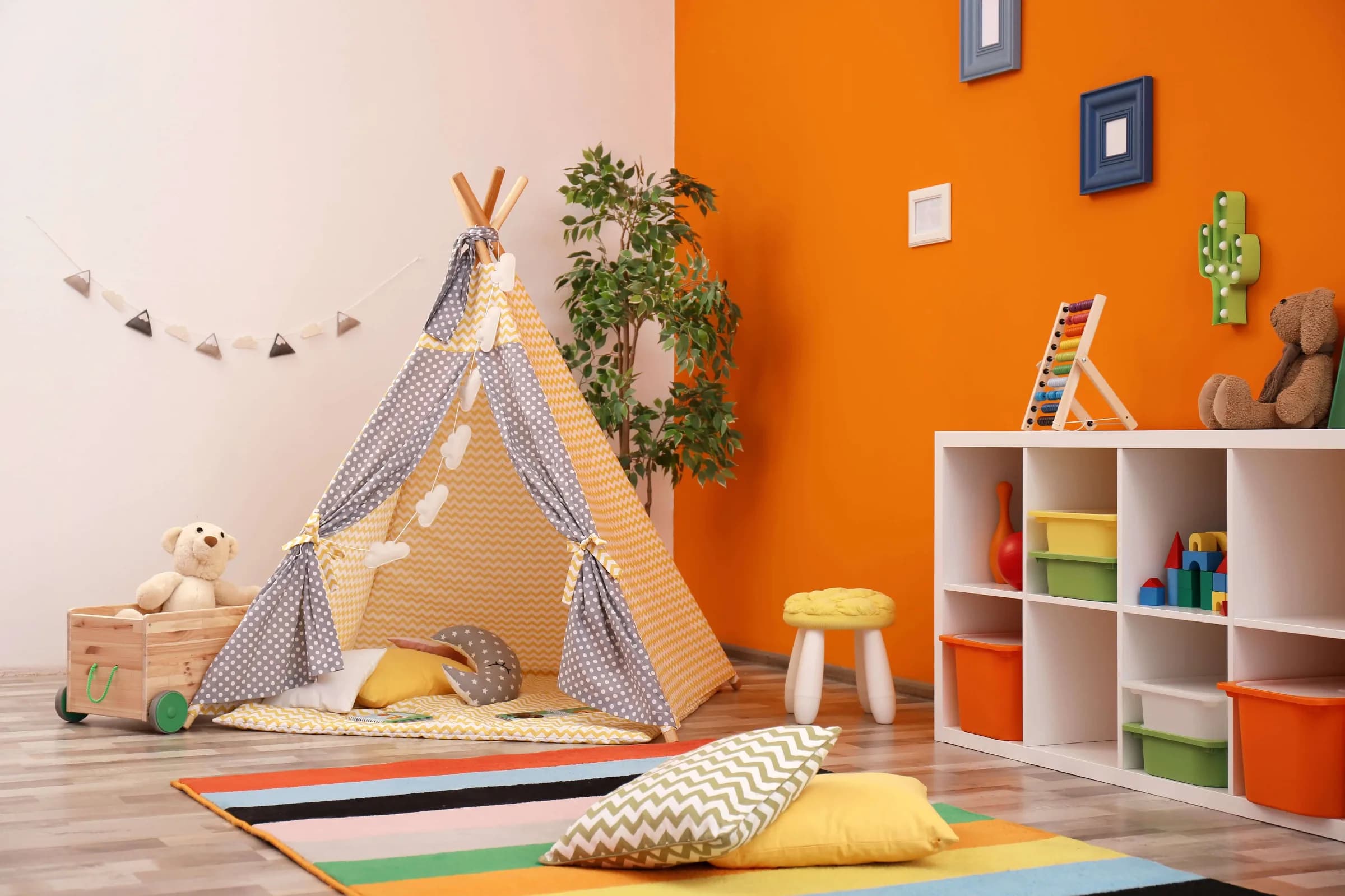
The furniture used in a children’s room should be selected to support the child’s development. Since children are naturally active, make safety your priority when arranging furniture, as they can be careless in many of their activities. Furniture and other items should be suitable for the child’s age. Choose items that will further stimulate the imagination of children with vivid imaginations.
When arranging a children’s room, the choice and placement of furniture—and even the colours used—are all very important. In rooms with little natural light, use fresh, bright colours to make the space feel lighter. When choosing colours and arranging furniture, also consider the child’s comfort and quality of sleep.
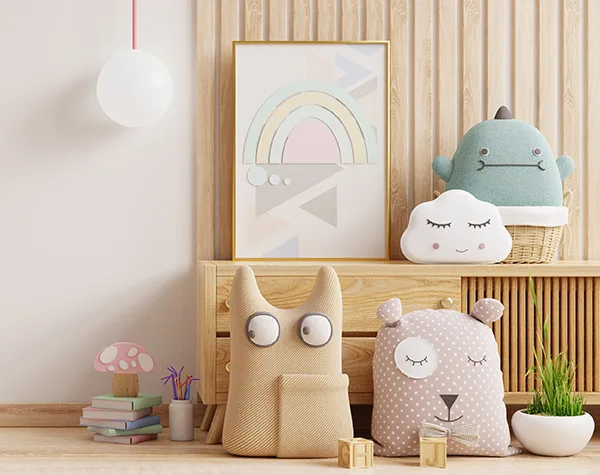
Furniture Layout in a Children’s Room
The most important part of arranging a children’s room is the furniture layout. Above all, make safety your priority when arranging furniture to minimise the risk of household accidents for the children you cherish. Furniture used in a children’s room should not be easily moved and should be securely fastened to the wall wherever possible.
Children grow every day and learn new things. Even when parents are careful, little ones who move quickly can suddenly have an accident. For this reason, choose furniture with rounded rather than sharp corners in the children’s room and, if possible, throughout the home. If that isn’t possible, corner protectors can help keep them safe. Choosing sturdy furniture, especially in children’s rooms, also minimises the risk of it tipping over. Covering electrical outlets and securing cables can help create a safer environment for children.
You may also like - Children’s room decorating ideas