Room Guide
How to Arrange a Teen Room
Arranging a teen room is a planned process that brings together sleeping and study needs in limited spaces. The right dimensions create a sense of spaciousness.
· Update:
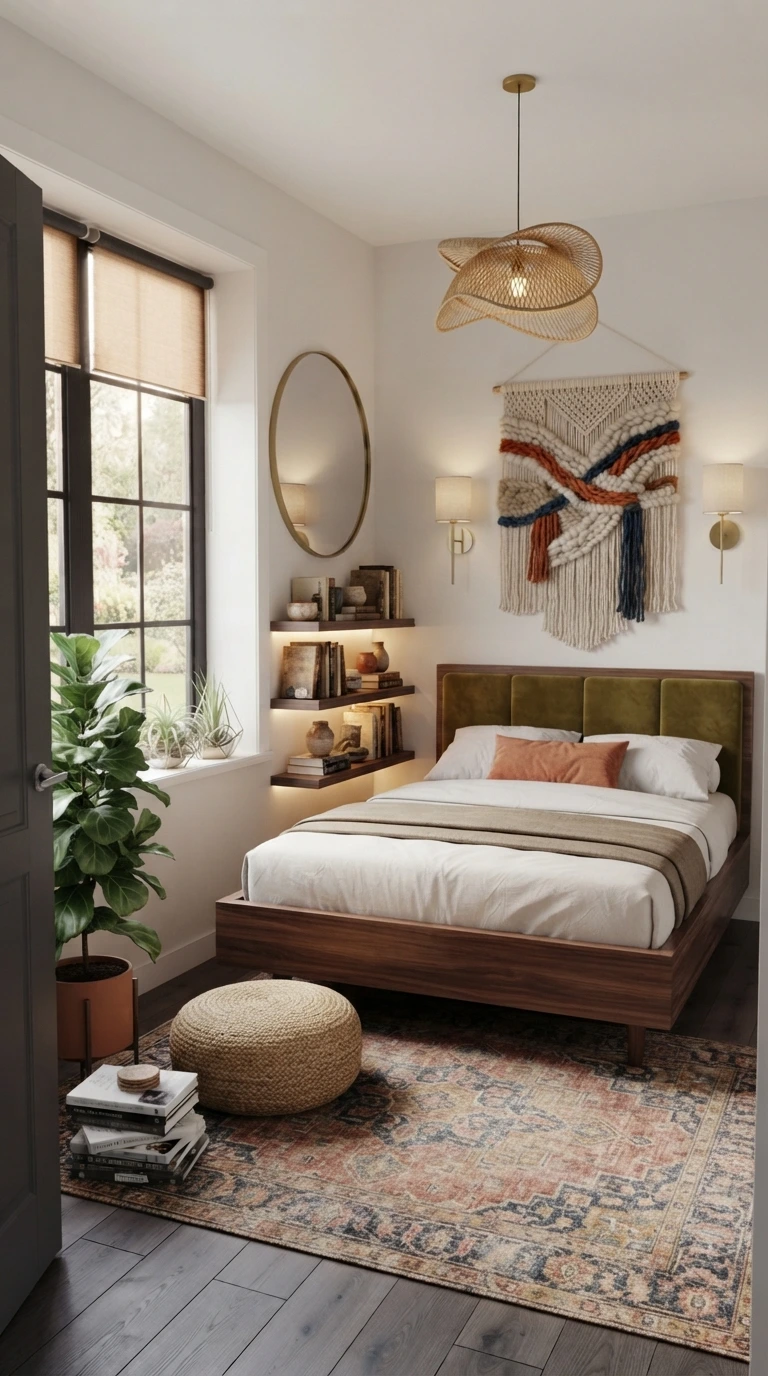
Each area in a home serves a different purpose, but some spaces cannot be defined by a single function. Rooms used by teenagers are among them. Distinct needs such as sleeping, studying, relaxing, pursuing hobbies and socialising all need to be met within a limited floor area. This multifunctional nature makes it essential to create a layout based on a considered order and precise measurements, rather than arranging furniture at random.
A well-planned teen room feels spacious and organised, even in a compact layout. By contrast, arranging furniture without measuring can leave even large rooms feeling impractical. Bed placement, the direction of natural light in the study area, storage capacity and circulation space are all factors that directly affect one another.
How Do You Create a Measurement Plan for a Teen Room?
The first step in any layout plan is to accurately record the room’s physical features. Choosing furniture before noting wall lengths, door and window positions, radiator locations, outlets and lighting points can often lead to consequences that are difficult to reverse. Once the measurement plan is ready, it becomes clear which wall is best suited to the bed and which to the study area. Consider the following when taking measurements:
- Measure wall lengths and ceiling height separately.
- Take into account the direction the door opens and the space it occupies when open.
- Identify the natural light axis to ensure the window area remains unobstructed.
- Do not place a wardrobe or bed in front of a radiator.
- Choose outlet and internet connection points close to the study area.
- Leave at least sixty centimetres of clearance in front of wardrobe doors.
What Should You Consider When Choosing a Teen Room Set?
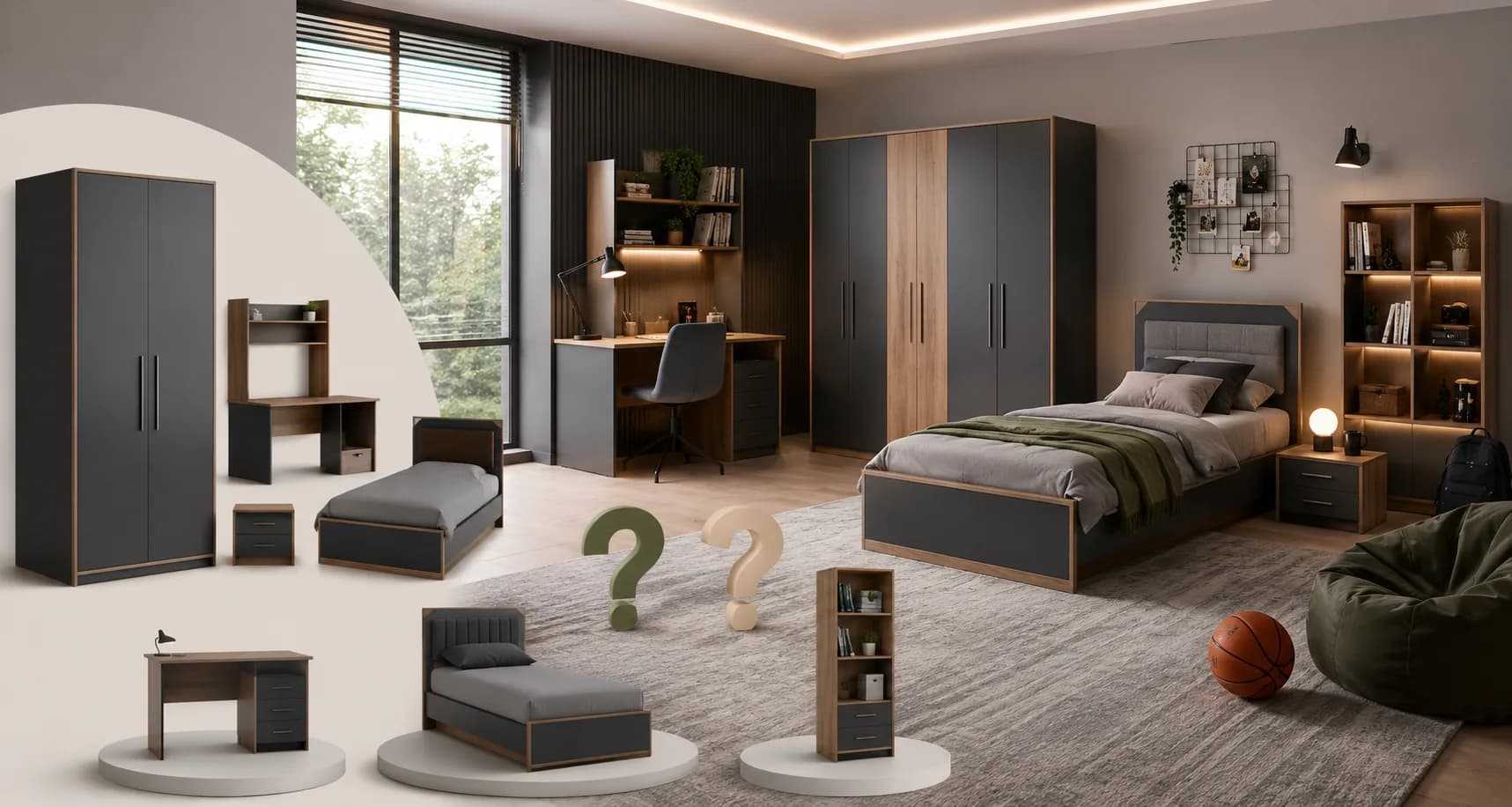
The furniture layout forms the backbone of the room. A teen room set brings together essential pieces such as a bed, wardrobe, desk and bookcase, making it easier to achieve both visual harmony and a well-proportioned layout. Selecting each piece separately increases the risk of mismatched sizes and colours. Since this is an investment intended to last for years, material quality, load capacity and adaptability become key considerations. Keep the following criteria in mind when choosing:
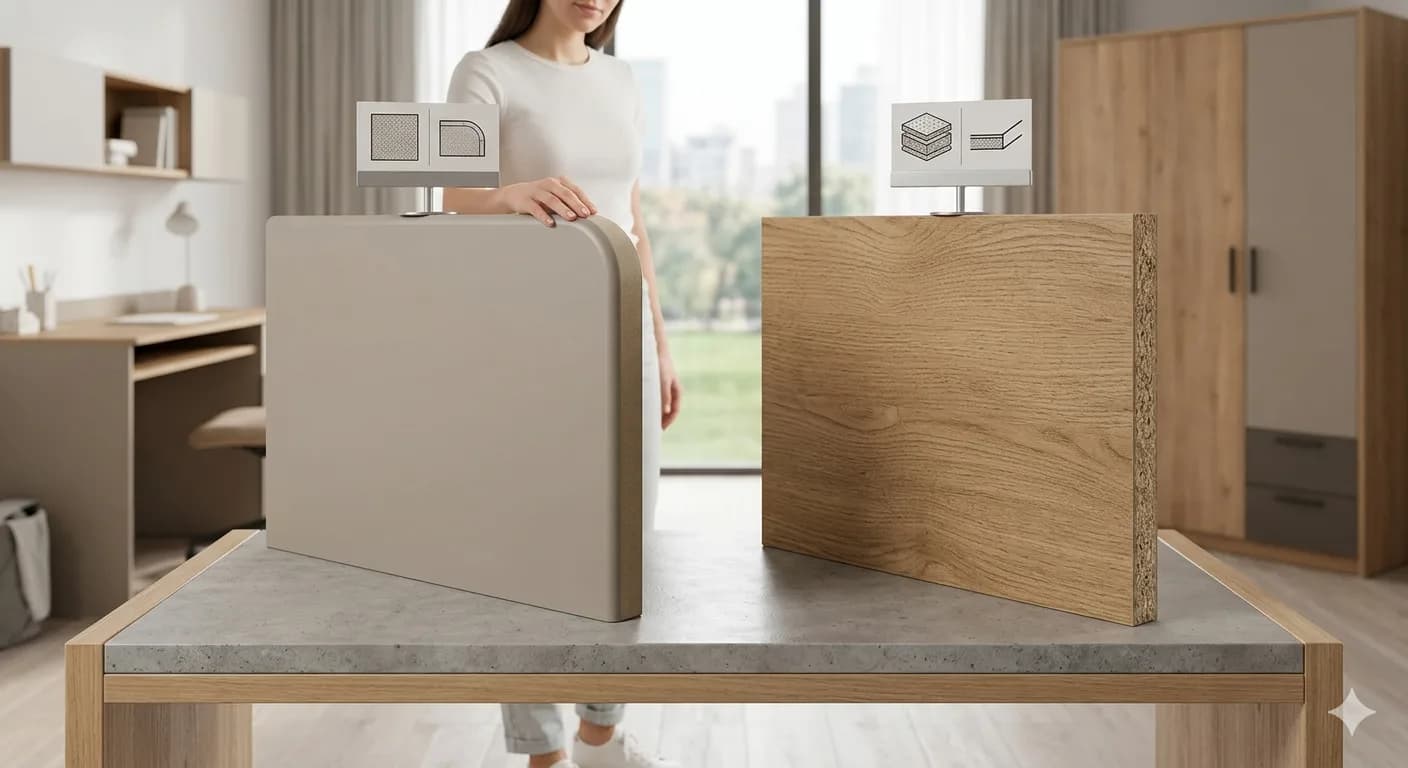
- Material durability: Choose surfaces that are suitable for frequent use and resistant to scratches.
- Storage capacity: Select wardrobe and drawer capacity according to the user's belongings.
- Flexible sizing: Modular teen room sets are easier to adapt to compact layouts.
- Colour harmony: Neutral tones create a versatile base that can be refreshed by changing accessories.
- Safety: Check for softened corners and anti-tip fittings.
- Longevity: Choose a timeless design that will suit the entire teenage years.
For those looking for a coordinated look, teen room options in a range of sizes and designs offer a practical starting point for planning the layout.
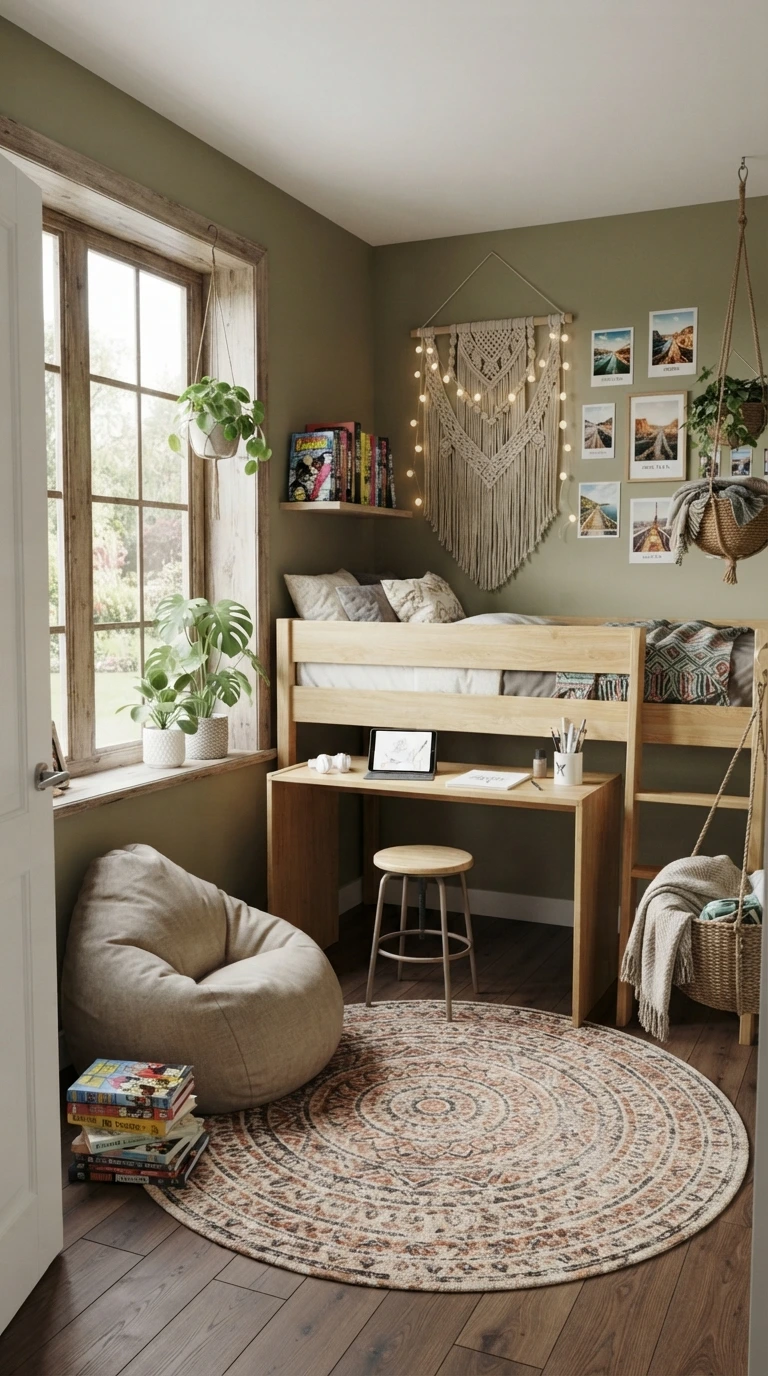
How Should the Teen Bedroom Area Be Arranged?
The bed takes up the most space in the room, so the layout usually takes shape once its position has been decided. Place the sleeping area against a wall where it is not directly visible from the door, exposed to draughts from the window or deprived of natural light. In a teen bedroom, adding a small bedside table or shelf beside the bed can make everyday use noticeably easier. Consider the following when positioning the bed:
- Placing it parallel to a long wall opens up the circulation space.
- Keeping the head of the bed away from beneath the window helps protect it from draughts.
- Leaving at least one long side of the bed clear makes it easier to make.
- Models with built-in storage can be a good choice in rooms with greater storage needs.
- For shared rooms, consider a bunk bed or two separate beds.
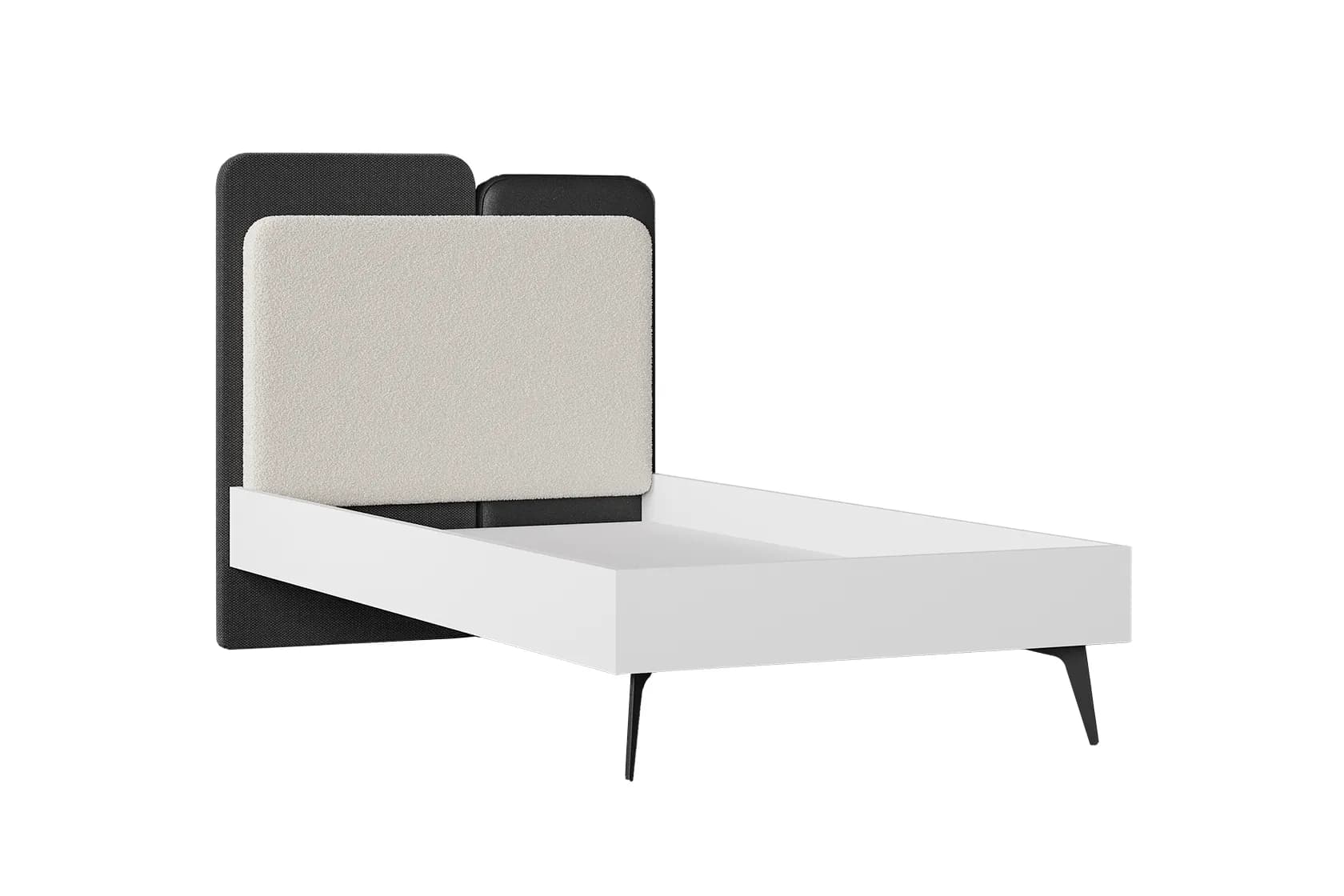
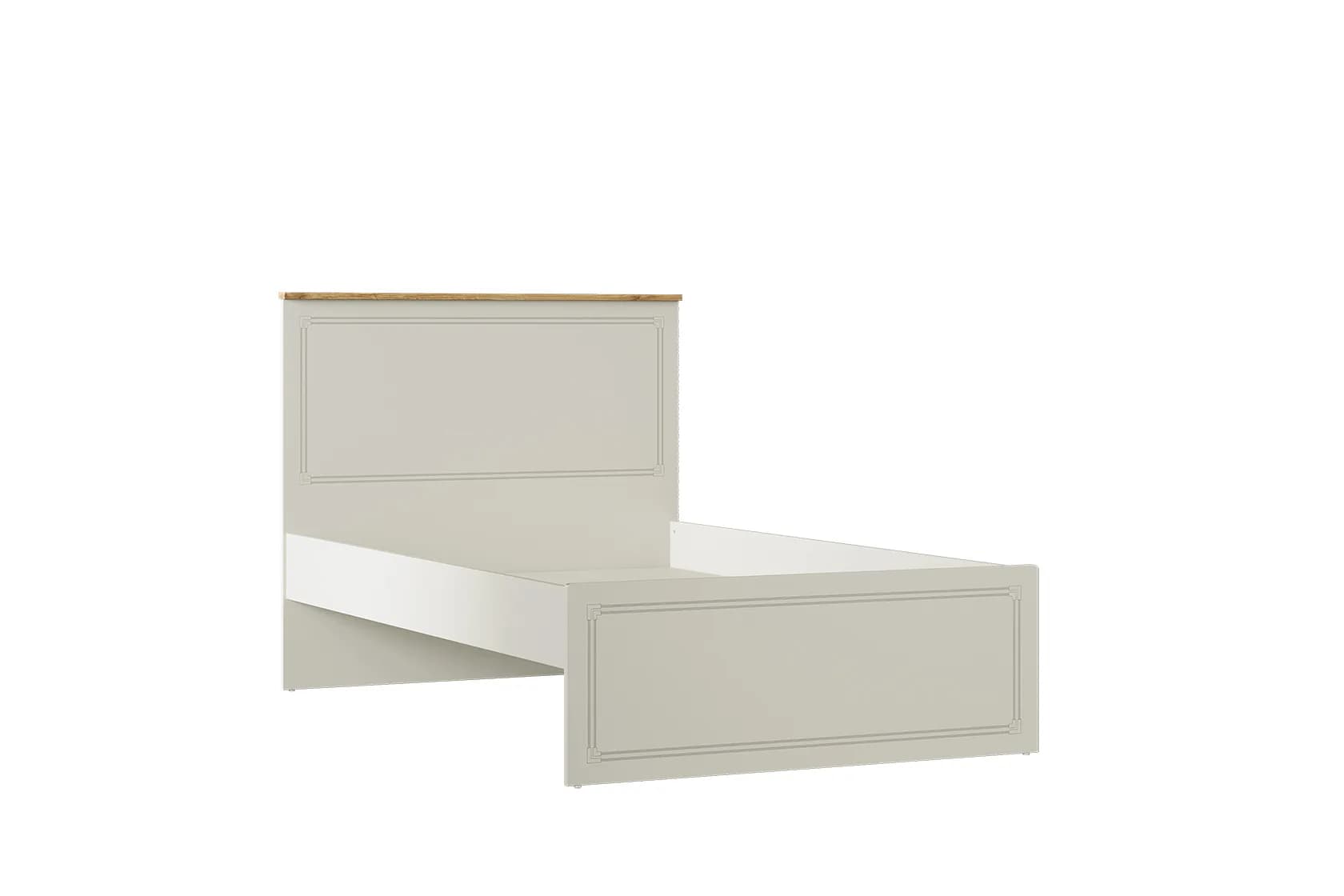
Bed frame models in different sizes and single beds suited to the room’s floor area help you plan the sleeping area to the right dimensions.
How Do You Plan a Teen Room Study Area?
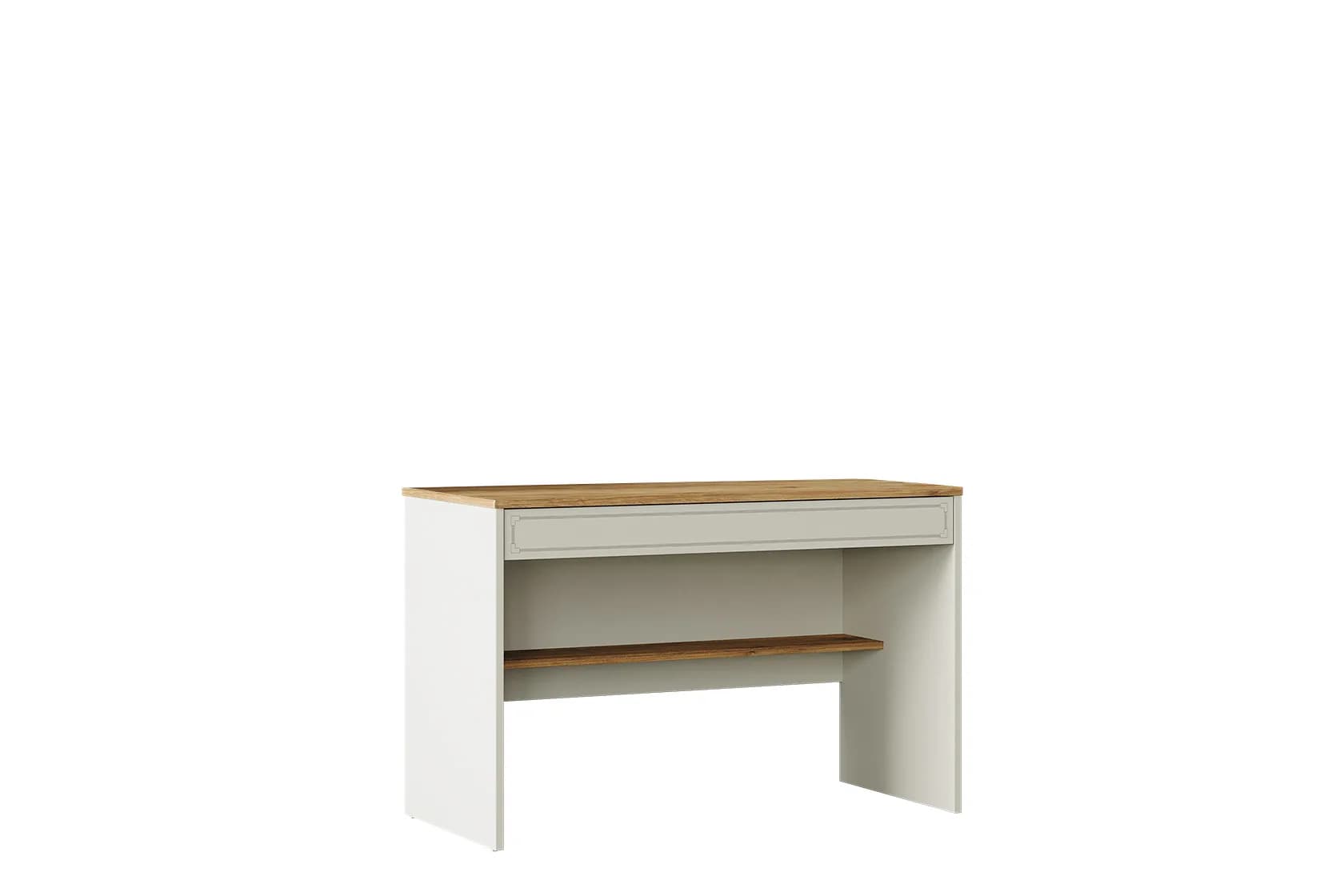
The study area is one of the most frequently used parts of the room throughout the school year. Positioning it close to natural light creates a more comfortable environment for the eyes. Placing the desk at a right angle to the window prevents light from reflecting directly onto the screen while offering a view outside. When choosing a chair, back support and adjustable height should be priorities. Keep these details in mind when planning the study area:
- The height of the desk should suit the user's height.
- Position lighting so that the hand used for writing does not cast a shadow.
- Place the bookcase within easy reach of the desk.
- Leave enough space behind the desk to keep cables tidy.
- Keep distractions outside the study area.
For comfort during long periods of sitting, we recommend choosing an ergonomic option from our chairs, armchairs and pouffes.
What Teen Room Solutions Work Well in Small Rooms?
In rooms with limited floor space, the goal is not to reduce the number of furniture pieces, but to ensure each one serves more than one purpose. For a teen room in a small space, making effective use of vertical space, keeping as much of the floor clear as possible and choosing light colours are three guiding principles. The following ideas can make a noticeable difference in compact layouts:
- Add extra storage with models featuring under-bed drawers or a storage base
- Free up floor space with wall-mounted shelving
- Use a folding or extendable desk to expand the study area when needed
- Make use of vertical space by choosing a wardrobe that reaches the ceiling
- Make the room feel larger with a mirror
- Create an airy look with light-coloured flooring and neutral walls
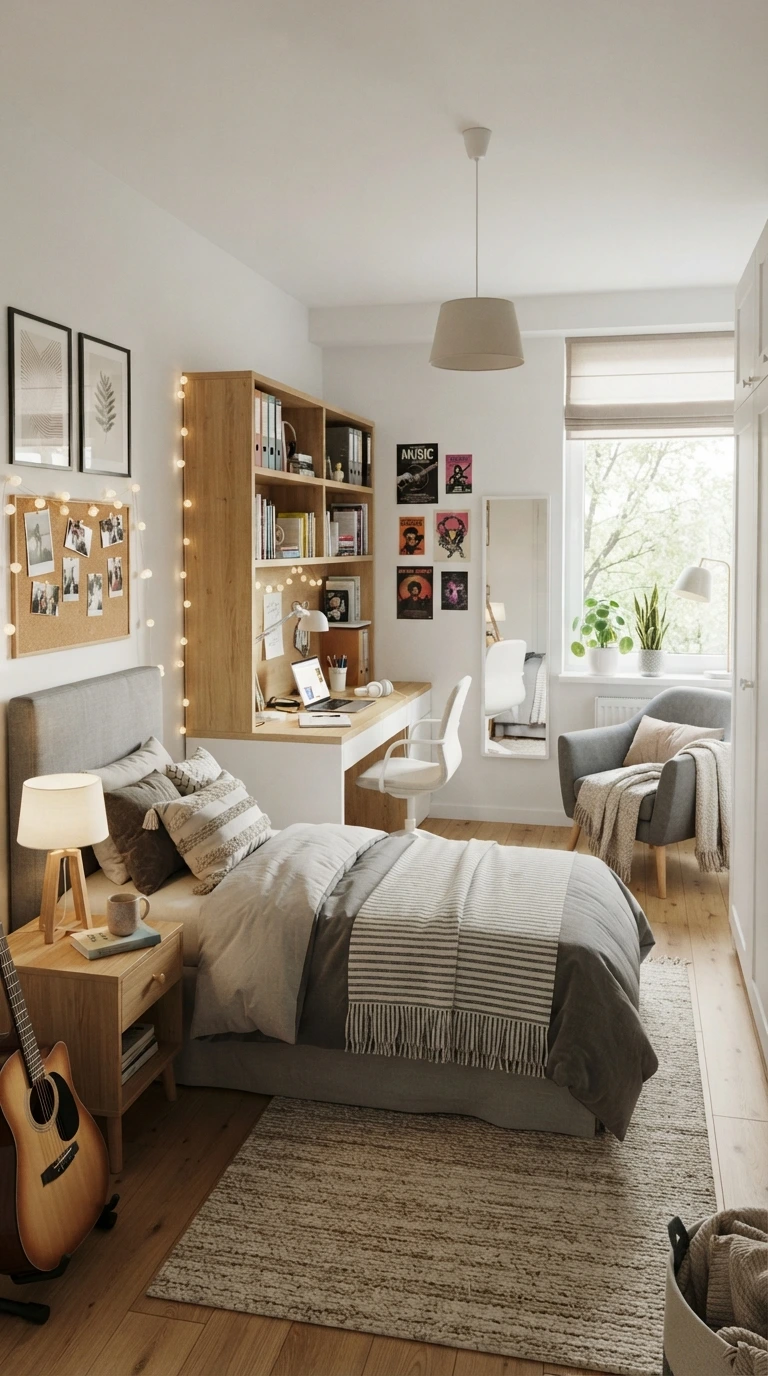
How Do You Arrange a Teen Room for Two?
When two siblings share a room, it is important to define each person's personal space clearly. A symmetrical layout is often preferred when planning a teen room for two, as it creates a sense of fairness. Bunk beds free up floor space, while two separate beds provide a more independent feel. These arrangements work well in a teen room shared by two:
- Placing two desks along the same wall creates a shared study area.
- Dividing the wardrobe into sections helps keep belongings separate.
- Giving each bed its own light allows for independent use.
- Placing shared shelves and bookcases in the middle of the room creates a balanced arrangement.
How Do You Complete the Teen Room Décor?
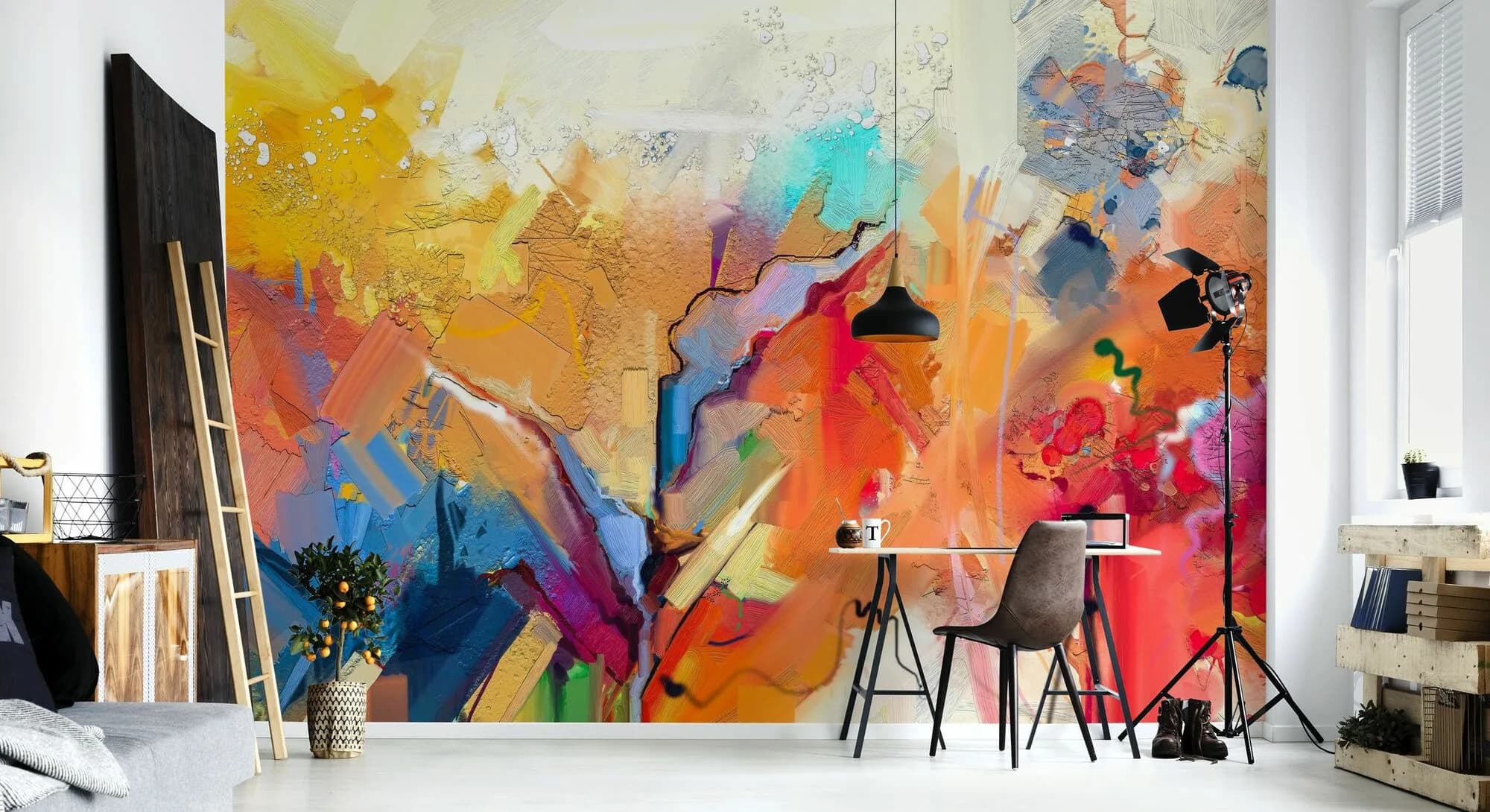
Once the furniture is in place, it is time to add finishing touches that give the room a personal identity. Taking a considered approach to teen room décor helps create a look that will remain appealing for years to come. Adding colourful accessories to a neutral base also makes it easy to refresh the room simply by changing the accessories later on. Teen room accessories can complete the décor in the following ways:
- Use textiles to create a balance of colour and texture
- Create a personal space with a wall board or shelf arrangement
- Use layered lighting to suit different activities
- Enhance comfort underfoot with a rug
- Add a natural touch with plants
A successful layout is the result of a systematic process that starts with measuring and continues with choosing furniture. Balancing the bed, study area and storage makes the room comfortable to use throughout the day. By considering the user's habits, the room's floor area and the direction of natural light together, you can create décor that is both practical and long-lasting. Modular, modern teen room sets stand out as an especially effective long-term choice because they adapt to changing needs.
You May Also Like→ What Size Bookcase Is Best for a Teen Room?