Room Guide
What Are the Best Colors for a Child’s Room?
The colors used in a child's room create a peaceful and playful atmosphere. Explore our suggestions for choosing the right colors.
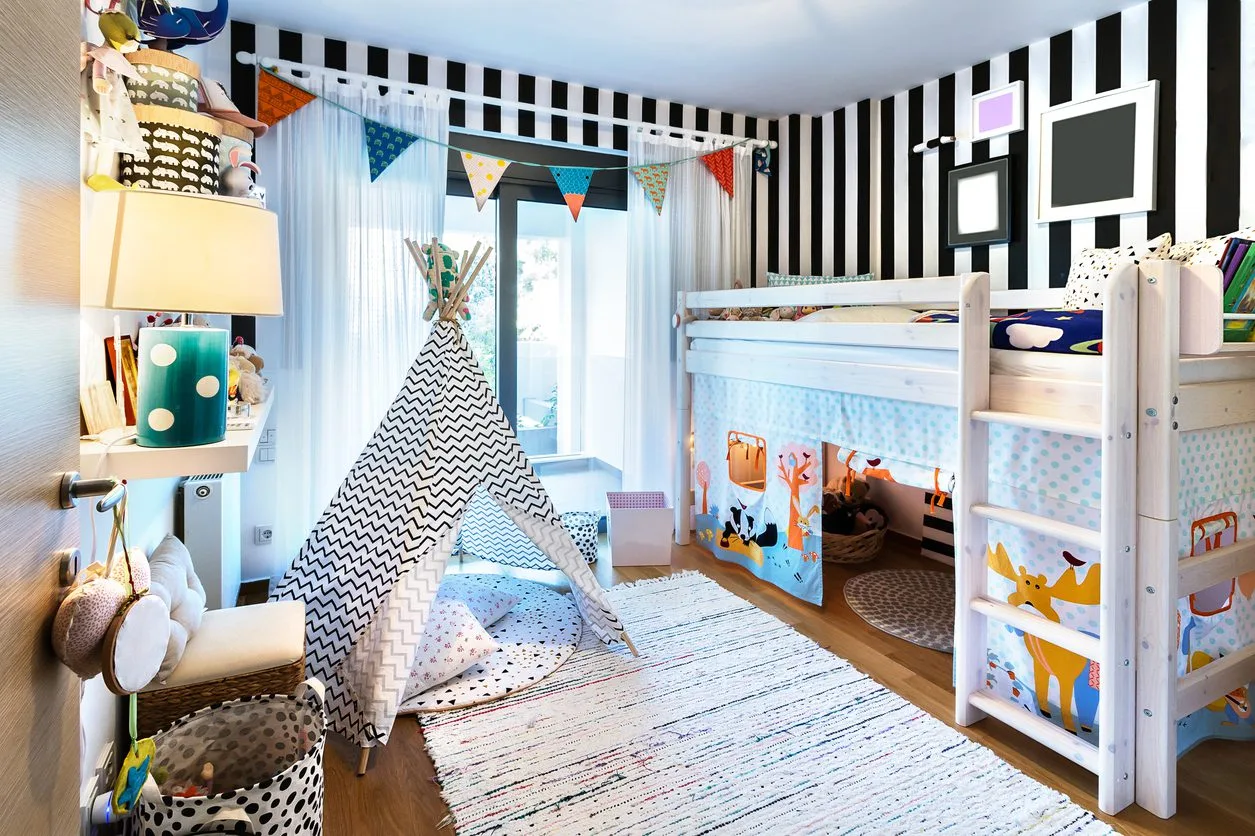
From the moment children begin to explore the world, they live surrounded by colors. Colors have a major influence on their development and mood, and are especially important in their rooms, where they spend much of their time. For this reason, both aesthetic and psychological effects should be considered when choosing colors for a child’s room.
One of the questions parents are most curious about is which colors can positively affect their children’s mood. Making the right choice when selecting paint colors for a boy’s room or colors for a girl’s room can help support their healthy development.
How Should You Choose Colors for a Child’s Room?
It’s a great advantage to understand how the colors used in a child’s room can affect their energy, creativity and sense of calm. Although the psychological effects of colors have not been scientifically established, observations and research conducted over many years suggest that certain colors directly affect children’s moods. Here are some points to consider when choosing colors for a child’s room:
Your child’s age: Softer, soothing colors are preferred for babies and young children, while dynamic, vibrant colors can be chosen for older children.
Gender and personal preferences: Boys and girls may have different color preferences. However, moving beyond the traditional associations of blue and pink can help you create more imaginative spaces.
The psychological effects of colors: Some colors are energizing, while others have a more calming effect.
Taking all these factors into account will help you make the right decision when painting a child’s room.

Choosing Colors for a Girl’s Room
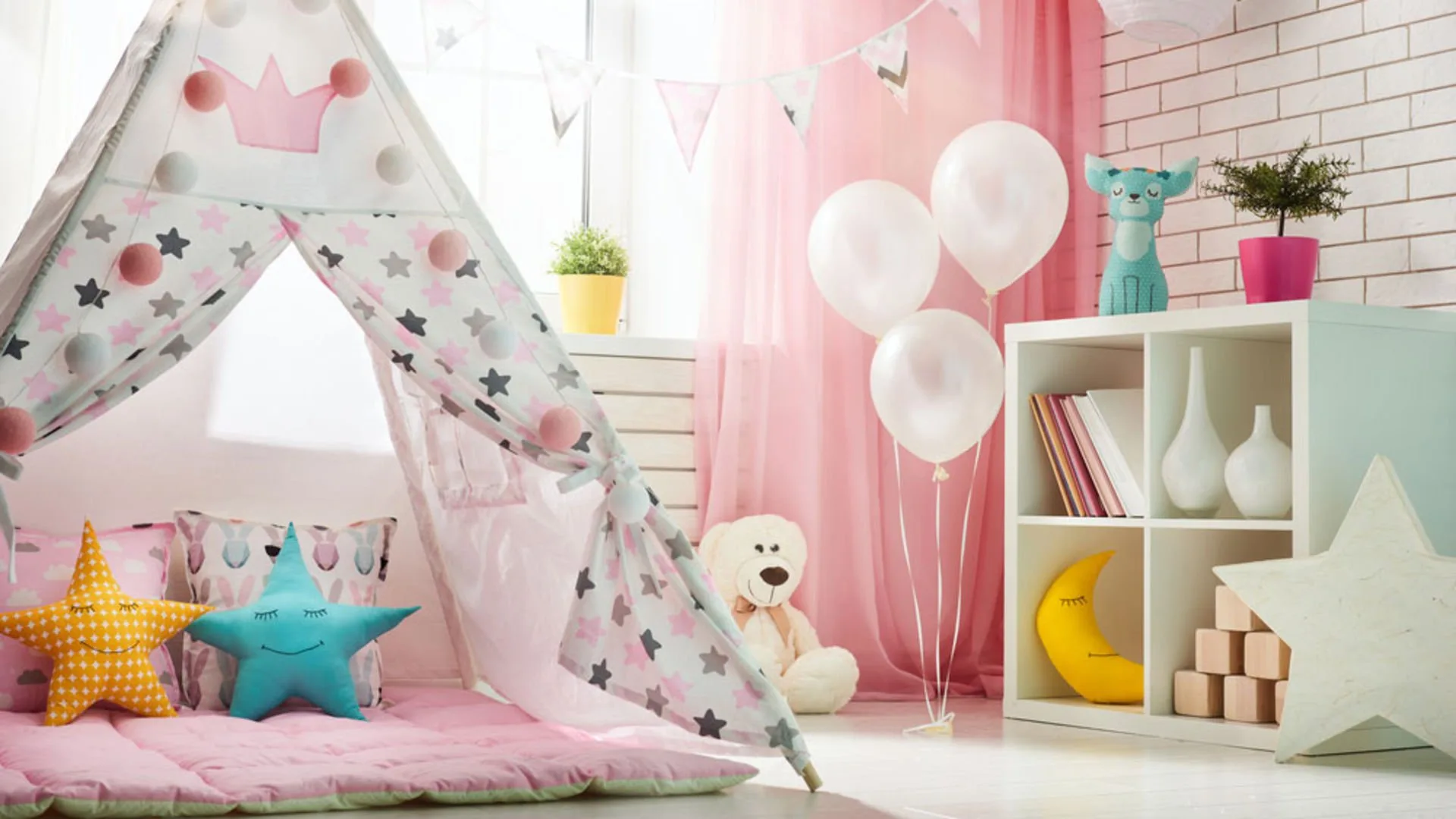
Colors for a girl’s room should include soothing, inspiring shades that nurture a child’s imagination. Some of the most popular color combinations are:
Lilac and yellow: Lilac inspires the imagination, while yellow brings an energetic feel to the room.
Green and pink: Green supports mental clarity, while pink creates a warm atmosphere.
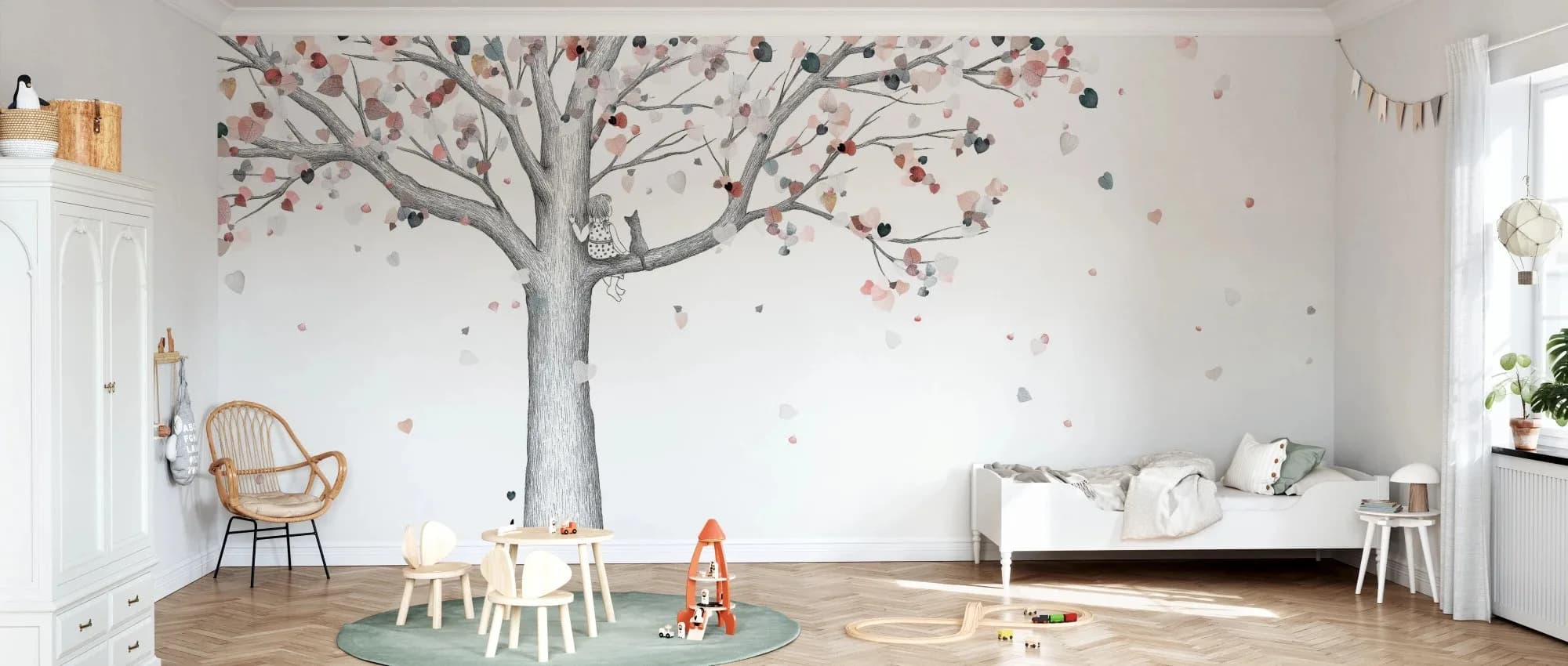
Pastel shades: Soft colors such as pale pink, salmon and lavender create a more peaceful atmosphere.
In a girl’s room, it’s important for the furniture and accessories to complement the wall color. At this stage, you can enhance the room’s overall ambiance with the furniture we offer at Almila, combining style and functionality.
Choosing Colors for a Boy’s Room
Paint colors for a boy’s room are generally chosen from stronger, more vibrant shades. The most popular colors include:
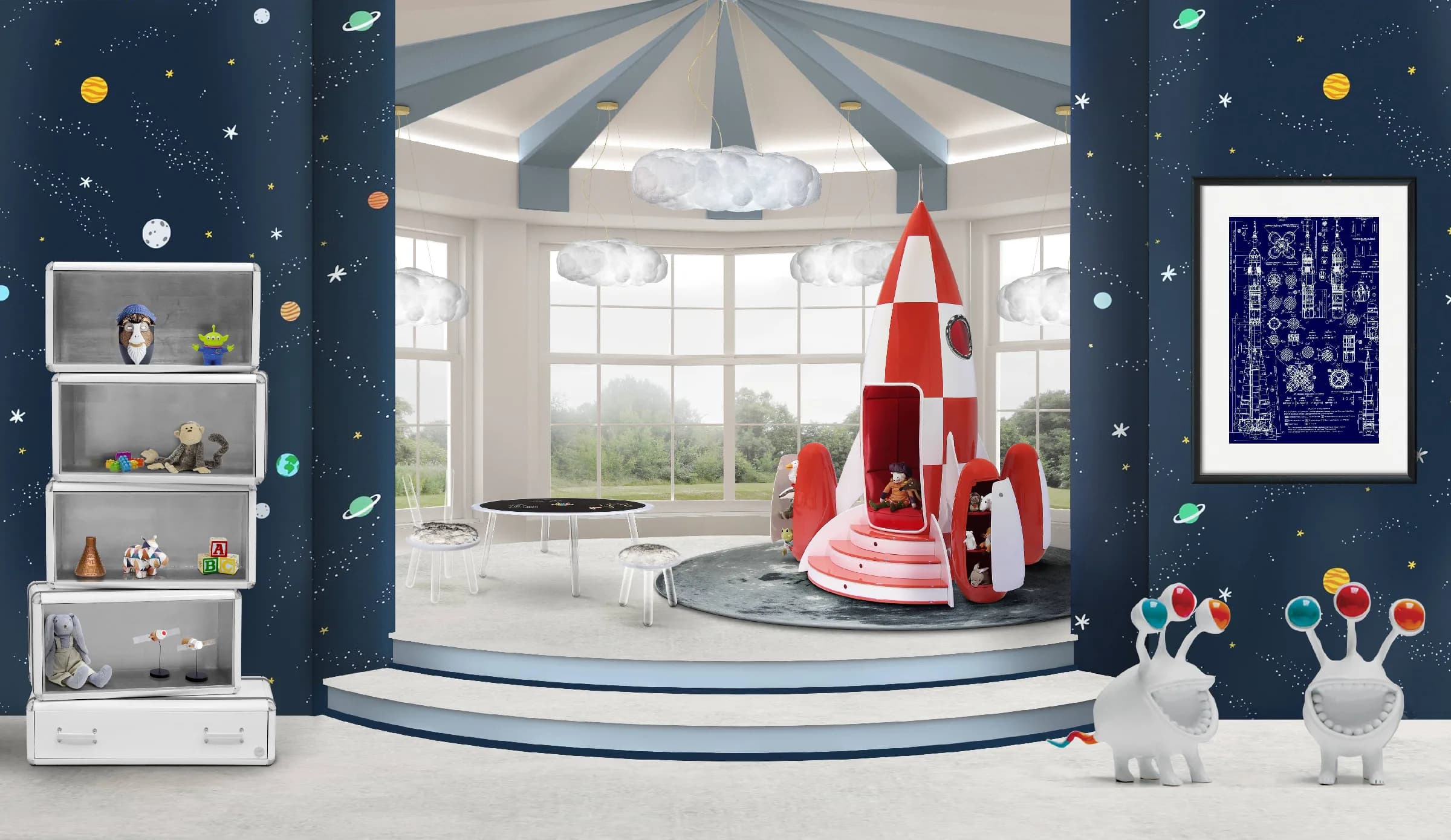
Blue and orange: Blue brings calm and serenity, while orange creates an energetic balance.
Red and green: Red symbolizes courage and passion, but can feel aggressive when used too much. Balanced with green, it helps create a sense of mental relaxation.
Gray and yellow: A great combination for anyone looking to create a modern, stylish room.
It’s also important to coordinate your choice of wall paint with the furniture and rugs in the room.
Choosing Colors for a Teen’s Room
When choosing a room color for teenagers, it’s important to take their individual preferences into account. During adolescence, colors play a particularly important role in expressing personality. Some of the best options include:
Earth tones: They create a warm, comfortable atmosphere that complements wooden furniture.
White and navy: A modern, elegant combination that makes the room look more spacious and airy.
Black and gray: An ideal choice, especially for teens who love minimalist decor.
The important thing is to help teenagers see their room as a personal space. Asking for their ideas and designing the room together is a great way to do this.
What to Consider When Choosing Paint Colors for a Child’s Room
When painting a child’s room, the type of paint is just as important as the color. Here are a few things to keep in mind when choosing paint for a child’s room.
Choose water-based paints that are safe for health.
Washable paints help keep walls clean for longer.
You can choose eggshell or satin finishes instead of matte. Eggshell and satin paints reflect light better, helping the room feel more spacious.
By keeping these points in mind, you can achieve the best results when choosing wall paint for a child’s room.
When choosing colors for a child’s room, consider not only aesthetic factors but also their psychological effects. By choosing colors that suit your child’s age and personal preferences, as well as the room’s overall atmosphere, you can create a comfortable, supportive living space. Choosing paints that are safe, durable and washable also offers long-term benefits in terms of both hygiene and ease of use.
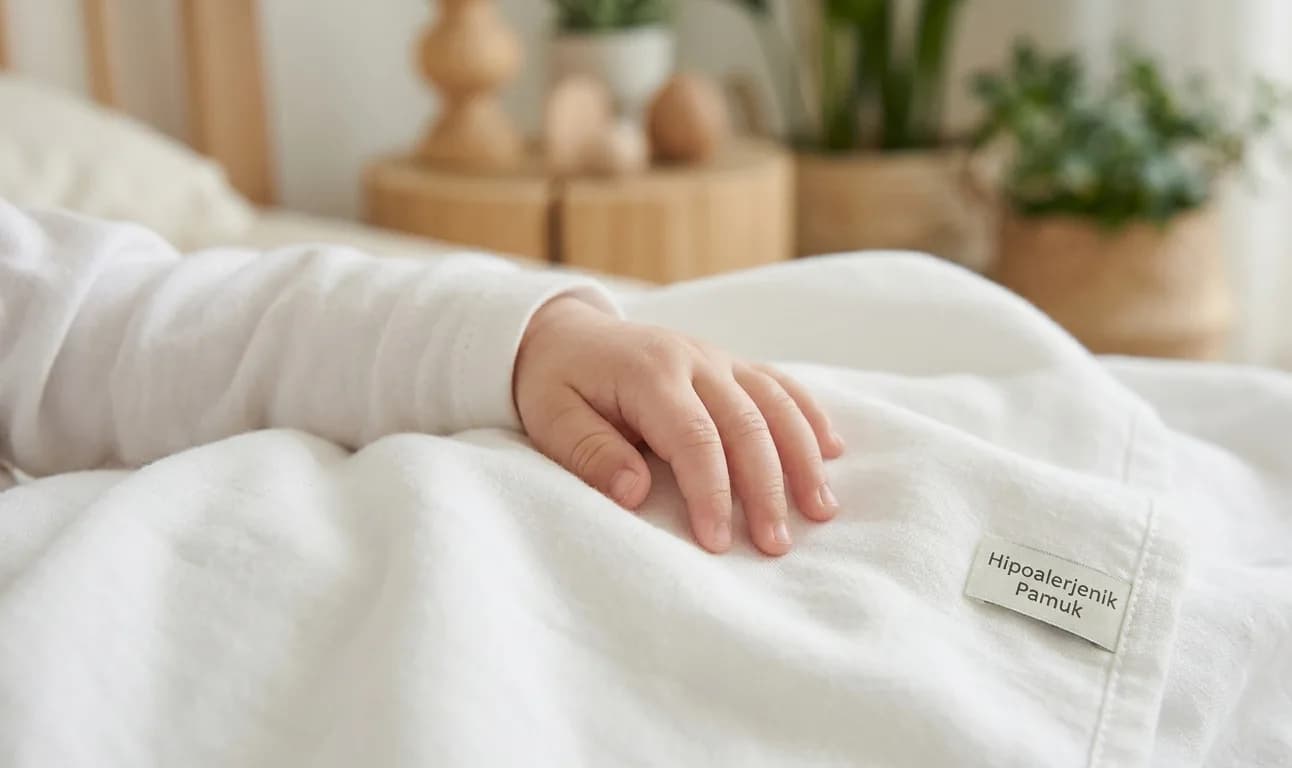
Softer, soothing shades are especially recommended for nurseries. For more detailed information, read our blog post What Are the Colors for a Baby’s Room, and What Should They Be Like?.