Furniture Guide
What Are the Rug Dimensions?
Choosing the right rug size directly affects both the look and functionality of a room. Click to learn how to measure for a rug and find all the details!
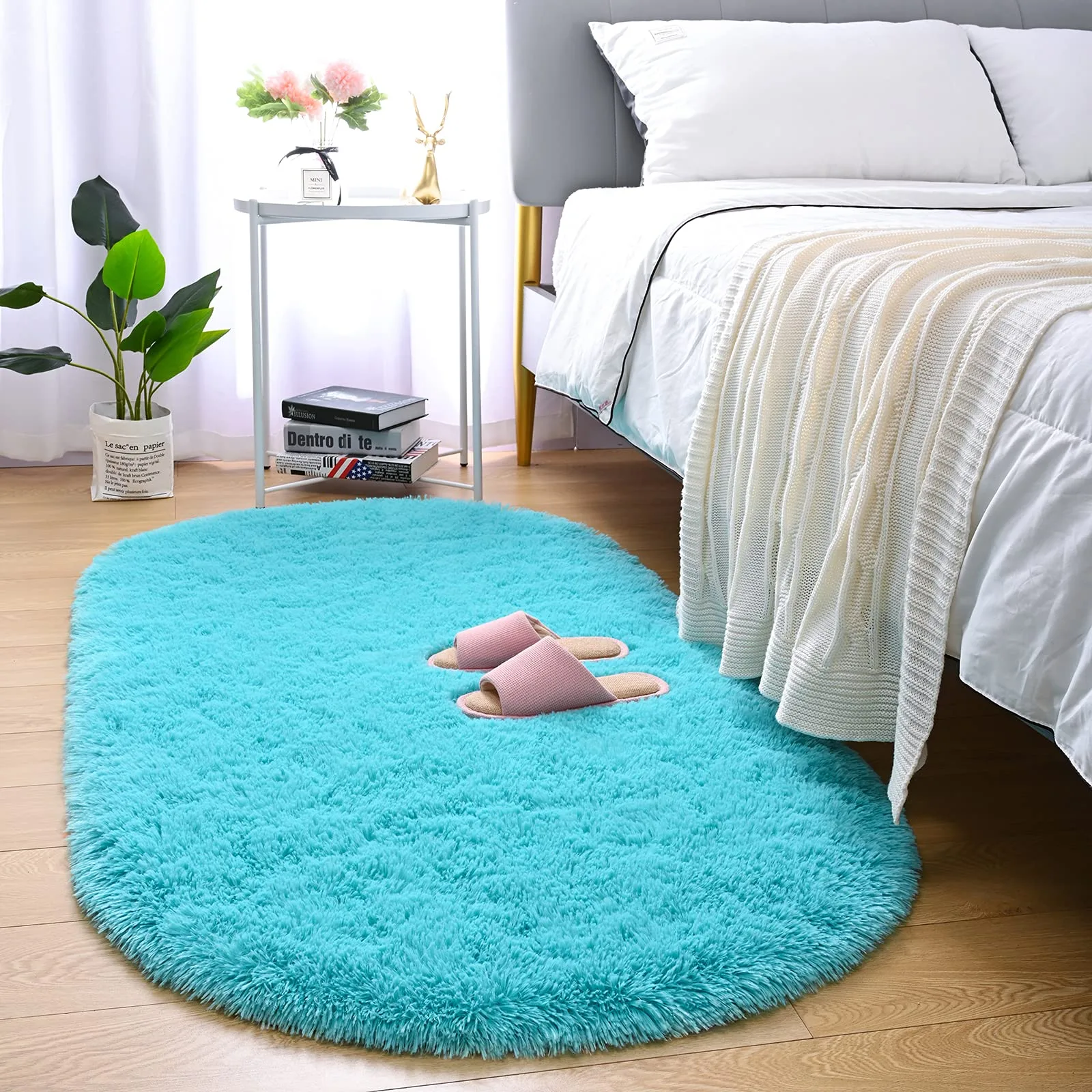
Rugs are one of the essentials of home decor, adding warmth and a welcoming feel. When choosing the right rug, make sure its design complements the overall look of the room and that its dimensions suit the space. Rug sizes are directly related to the size of the room and the arrangement of the furniture. That’s why there are a few important details to consider when placing a rug.
How to Measure for a Rug
A rug in the right size completes the overall look of a room and makes it more comfortable to use. Before choosing a rug, however, you need to take accurate measurements. Incorrect measurements can make your room look unbalanced.
First, determine the dimensions of your room. Use a tape measure or ruler to measure its length and width. Be sure to measure the entire room and note the distance from wall to wall. These measurements provide a basis for determining how much floor space the rug will cover.
Plan your furniture layout before choosing a rug. It’s important to decide how the rug will work with your furniture. For example, it’s common to place a living room rug so that it extends beneath the front legs of the sofas. If you’re considering a rug under the dining table, make sure the chairs will remain on it when pulled out. So be sure to include the area around the table when taking measurements.
For rectangular or square rugs, multiply the length by the width to calculate the area they will cover. For example, a rug that is 2 metres long and 3 metres wide has an area of 6 square metres. For round rugs, all you need is the diameter. This is the widest distance from one edge of the rug to the other. To calculate the area of a round rug in square metres, multiply the diameter by itself. For example, a round rug with a diameter of 2 metres has an area of 4 square metres.
By following these steps, you can choose the best rug for your room, complete your decor and enjoy greater comfort.
What Are Standard Rug Sizes?
Living Room Rugs
The living room is one of the most frequently used areas of the home and a key focus of its decor. The size and arrangement of the furniture are important factors in choosing a rug. The most popular rug sizes for living rooms are:
160x230 rug
200x300 cm
120x180 cm
140x200 cm
Kitchen Rugs
The size of a kitchen rug depends on the layout of the kitchen cabinets and the dimensions of the room. Common kitchen rug sizes include:
80x250 cm
100x200 cm
120x180 cm
4-square-metre rug sizes
Bedroom Rugs
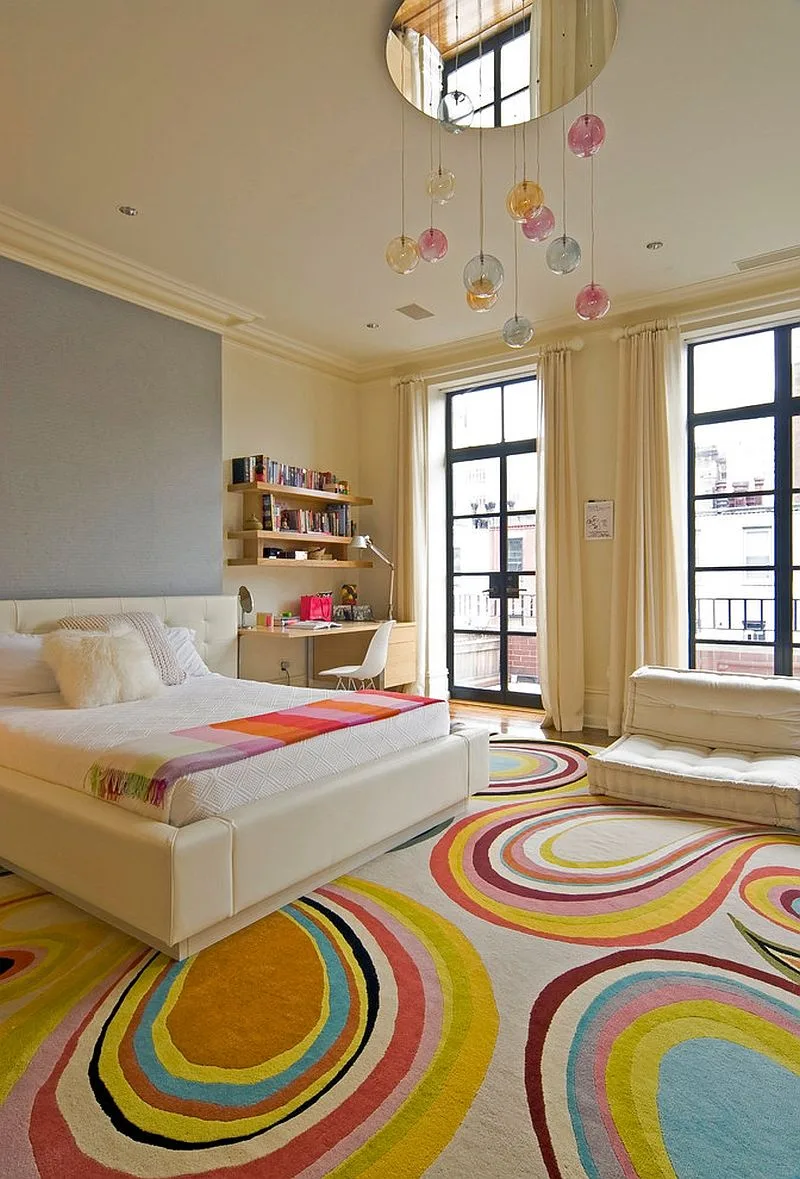
Placing a rug beside or under the bed is a popular choice for bedrooms. You can opt for a smaller, longer rug or choose a larger one. The most popular sizes include:
80x150 cm
70x130 cm
80x300 cm
6-square-metre rug size
Entryway and Hallway Rugs
Entryways and hallways are usually decorated with narrow, long rugs. If your entryway is spacious, you can also choose a larger rug. Suitable sizes for these areas include:
70x200 cm
80x300 cm
100x300 cm
What Should You Consider When Choosing a Rug?
When choosing a rug, consider not only the room’s dimensions but also the footprint of your furniture. When furniture legs rest on the rug, the space feels more cohesive. You can use the size of the table as a guide when choosing a rug for underneath it. For example:
For tables seating 4-6 people: 140x200 cm
For tables seating 6-8 people: 160x230 cm
For tables seating 8-12 people: 200x300 cm
Tips for Round and Oval Rugs
A popular choice in modern interiors, round rugs are ideal for kitchens, entryways and living rooms. Once you’ve determined the diameter, you can choose a design that complements the other details of your room.
Choosing a rug in the right size adds a stylish touch to your home decor and helps your living space feel more comfortable and organised.
What to Consider When Measuring for a Rug
Choosing the right rug dimensions is essential for both your decor and your budget. There are a few key things to keep in mind to ensure the rug fits the space properly. By considering these points, you can make a more informed choice.
First, measure the area where you plan to place the rug at least twice. This helps prevent errors and measurements that are too large or too small. It lays the foundation for choosing the right rug and avoids disappointment caused by inaccurate measurements.
If you haven’t chosen a specific rug design yet, it can be helpful to consider the standard rug sizes commonly available in stores. This gives you more options to choose from that will suit your home’s decor. You’ll also find it easier to decide between different colours and patterns that match your taste.
If you’ve moved into a new home or are buying a rug for the first time, it’s important to get a clear idea of whether the rug’s dimensions will suit your room. To help, lay a piece of fabric close to your chosen measurements on the floor and see how the rug might look. This lets you visualise both the room’s dimensions and how the rug will sit in the space.
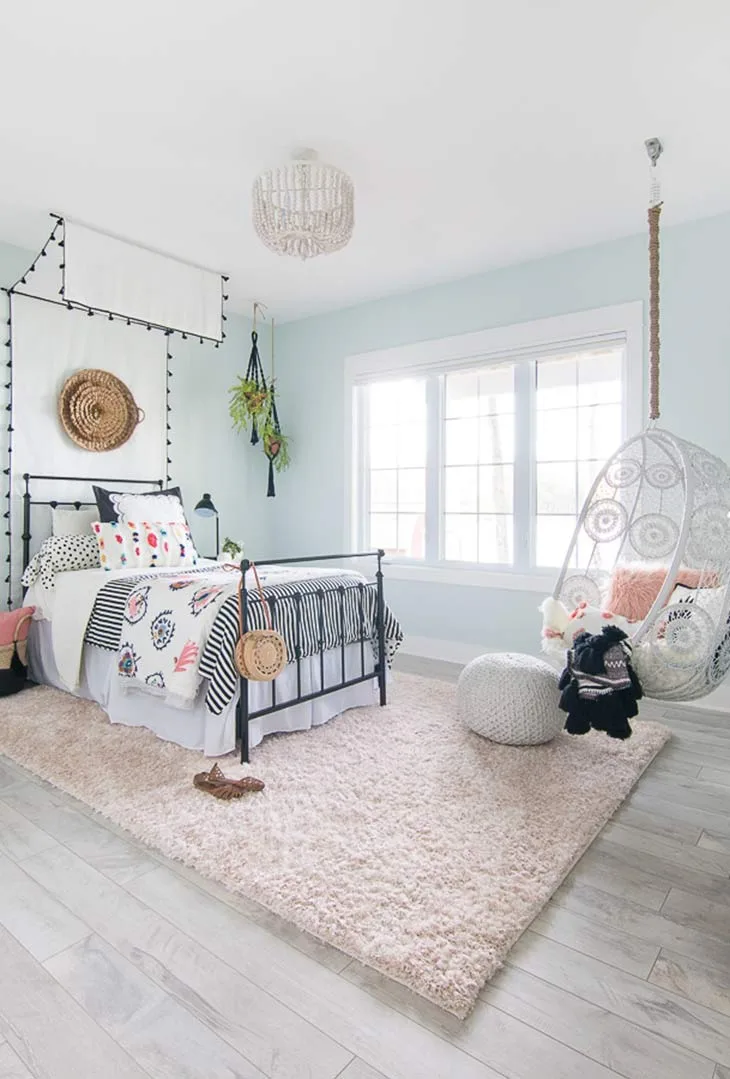
Finally, consider how you use the room. In a more frequently used space, such as a living room, you may want to choose a larger rug that covers more floor area. In a quieter space, such as a bedroom, a rug that covers just a specific area can enhance the style while complementing the overall feel of the room.
How to Choose a Rug for a Child’s Room You May Also Like This Blog Post