Room Guide
Transforming a Baby Room into a Kids’ Room: How to Adapt the Furniture?
The transition from a nursery to a child’s room becomes more noticeable as your child starts moving around more independently. The space once taken up by baby-care items gradually makes way for toys and books. You don’t need to replace all the furniture at once to make this change. A sturdy wardrobe that meets the requirements for use can become part of the new setup. The priority is to adapt the sleep area and everyday movement around the room to your child’s changing needs.
Calendar age is not the only factor that determines when to change the room. Your child’s mobility and the limitations of the existing furniture also help guide this decision. How to transition a growing or modular cot depends on the design of the model. Changing colours and textiles is more flexible, while modifying structural components requires assembly know-how. Making this distinction from the outset clarifies both which items can be kept and which parts of the setup need updating.
Identify Your Needs Before Transforming the Room
Before clearing the room, observe what becomes difficult at different times of the day. Are toys blocking the walking space? Does your child need an adult’s help every time they want to reach their clothes? Is there enough room to move comfortably around the bed? These questions reveal the practical issues to address before buying anything. Sorting belongings by how they are used can make decisions easier. Items still in use, those that could serve another purpose and those that have reached the end of their useful life can be considered separately. You don’t have to keep an item in the room solely to preserve the look of the set.
Likewise, you may not need to replace a sturdy wardrobe simply because it belongs to a nursery set. Make your decision based on the condition of the product. If there are loose connections, cracks, missing hardware or doors that don’t work properly, contact the manufacturer’s service team for advice before continuing to use it. Cosmetic updates such as painting or adding new handles won’t resolve an issue with structural connections. If you plan to use a second-hand item, make sure you also have the model information and assembly instructions.
Plan the Transition from a Crib to a Child’s Bed
Don’t decide when to stop using the crib based on calendar age alone. Consider your child’s movements, the product’s height and weight limits, attempts to climb out, and the manufacturer’s usage warnings together. A change made by another family at the same age may not be the right guide for your product. Removing a rail doesn’t turn every crib into a child’s bed. Some models are designed to convert, while in others the side panels provide part of the structural support.
For this reason, don’t try to modify the crib by cutting parts, changing connection points or fitting a rail from another product. The relevant model’s manual should clearly explain how to convert it. Note the product code before starting. Compare the diagram in the manual with the parts you have. If you find a difference you can’t explain, contact the manufacturer before continuing with the assembly.
What Information Should You Ask About a Growing Cot?
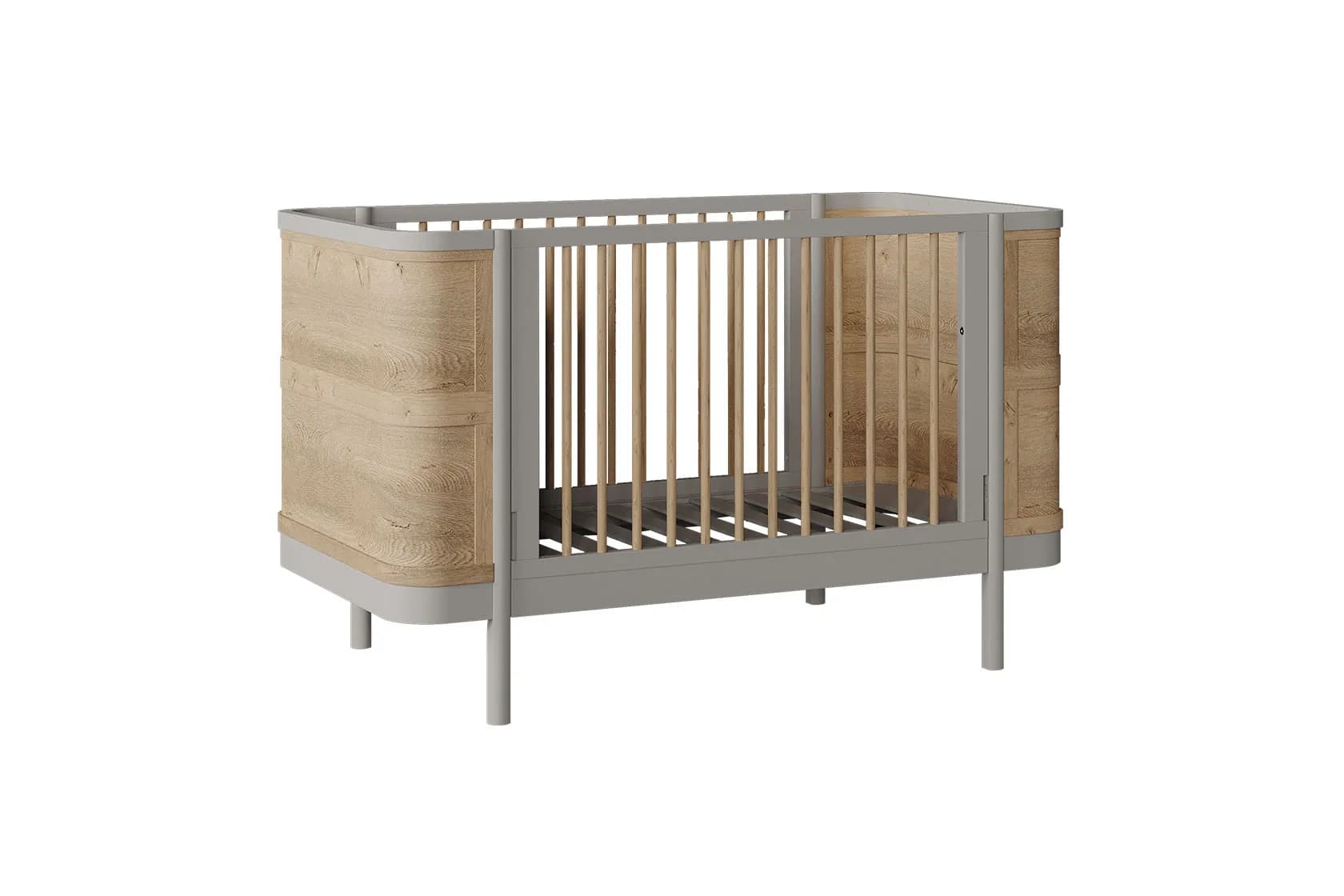
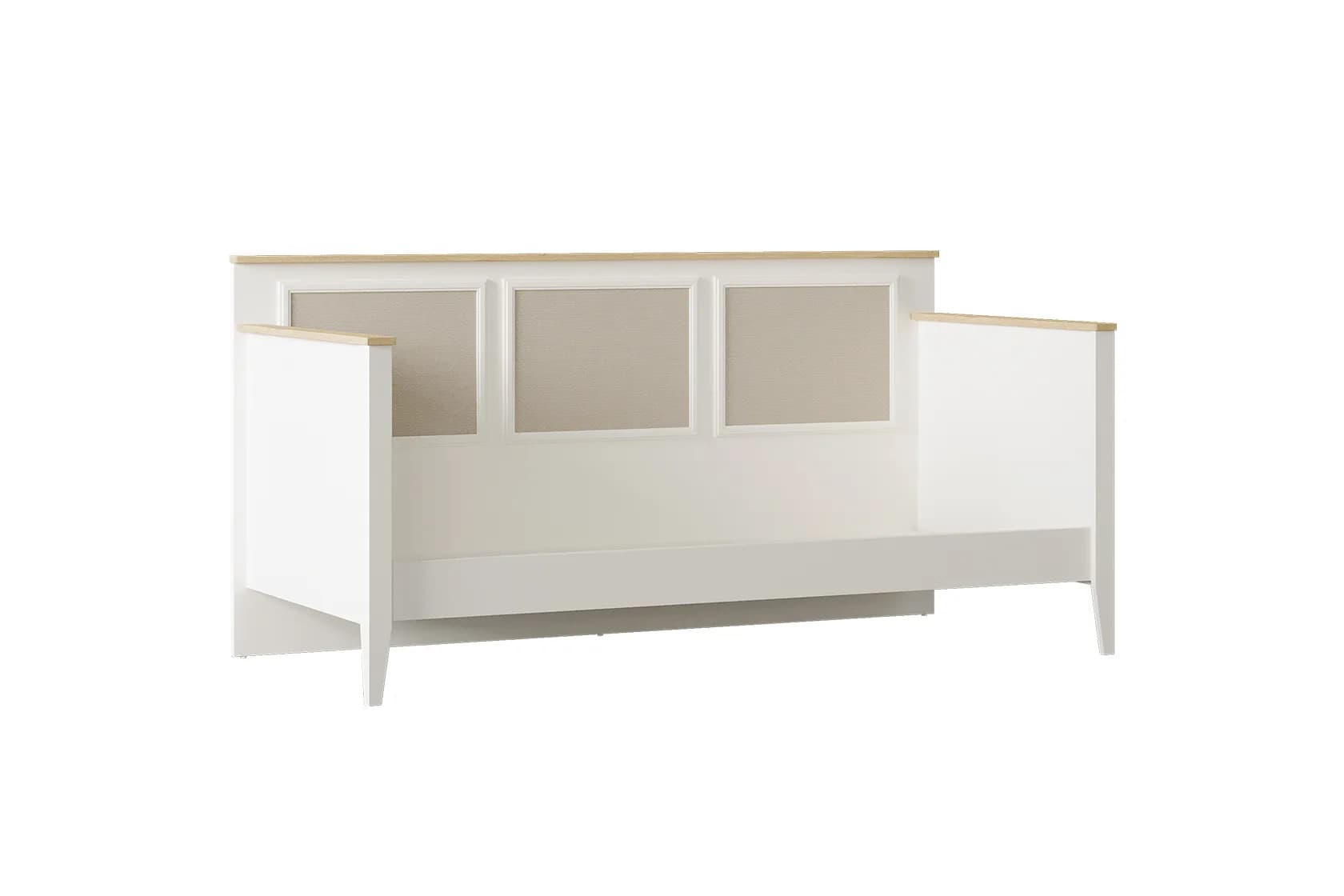
Ask which parts are needed for both the infant and later configurations. Clarify whether the conversion kit is included with the purchase, whether it can be obtained later and who will carry out the assembly. It’s also important to know how to store any unused parts. A conversion carried out with missing hardware may not offer the same safety conditions as the original assembly. Sento, Monte and Mia growing cots are examples you can use to compare model-specific conversion setups.
Sento Büyüyen Karyola The 80 × 180 cm measurement in the name doesn’t refer to the same thing as the outer dimensions. The first describes the sleeping surface, while the outer dimensions show how much space the furniture will take up in the room. The headboard and side panels can increase the width needed for placement. Marking the entire product on a room plan makes this difference clear. The remaining space for movement on the plan also shows whether the product will really work for everyday use.
Distinguish Mattress Size from Outer Dimensions
Check that the mattress is suitable for the product in the new bed setup. It’s not enough for the approximate width to match. Follow the mattress dimensions, thickness and any other requirements specified by the manufacturer. If you plan to use the existing mattress with a different cot, check its compatibility again. When measuring the room, also take the headboard, footboard, protruding parts and any elements that open into account.
Even if the wall where a product will go is longer than its nominal bed size, that doesn’t necessarily mean it will be comfortable to use. Make sure to allow room to walk past it, change the sheets and open the wardrobe. Don’t assume a mattress is suitable just because it was used with your existing bed. Check the new product’s requirements separately. Complete your comparison before purchasing.
Wardrobe and Dresser Arrangement in a Child’s Room
The interior of a wardrobe set up for baby clothes may need to change as your child grows. Hanging clothes, folded items and everyday essentials call for different levels of accessibility. Sections your child can reach can hold items they can safely use on their own. Keep items that require adult supervision separate. If the shelves can be repositioned, follow the manufacturer’s weight and attachment requirements. Repositioning a shelf by drilling new holes may not be an approved procedure in the wardrobe’s user manual.
If a wardrobe or dresser has been unanchored, it must be properly secured again in its new location. Choosing the right fixings for the wall structure is important. If a dresser includes a changing attachment, make sure it is confirmed as removable. Once the attachment is removed, check the surface and connection points left behind. Keep the removed parts out of your child’s reach. If the manufacturer doesn’t support the product’s new configuration, contact the service team rather than relying on guesswork.
Create Easy Access to Toys and Books
Storage in a child’s room isn’t just about fitting in more belongings. It’s also important for your child to see and put away the toys they use often. Grouping items into a small number of clear categories can make everyday tidying easier. Not every toy needs to be displayed on open shelves at once. Avoid stacking heavy items on upper shelves or creating a setup that requires climbing to reach them. Bookcases and other tall furniture should be secured according to the manufacturer’s instructions.
Also consider the lids and small parts of storage boxes when deciding how they’ll be used. Being able to reach their own belongings doesn’t remove the need for supervision altogether. Labels, picture symbols or assigning specific shelves to particular toys can make the system easier to understand. But if it’s too detailed, every tidy-up becomes a sorting task. A simple setup that can be maintained in everyday use is more practical. Rotating some of the toys can also help preserve open space in the room.
Activity and Study Areas in a Child’s Room
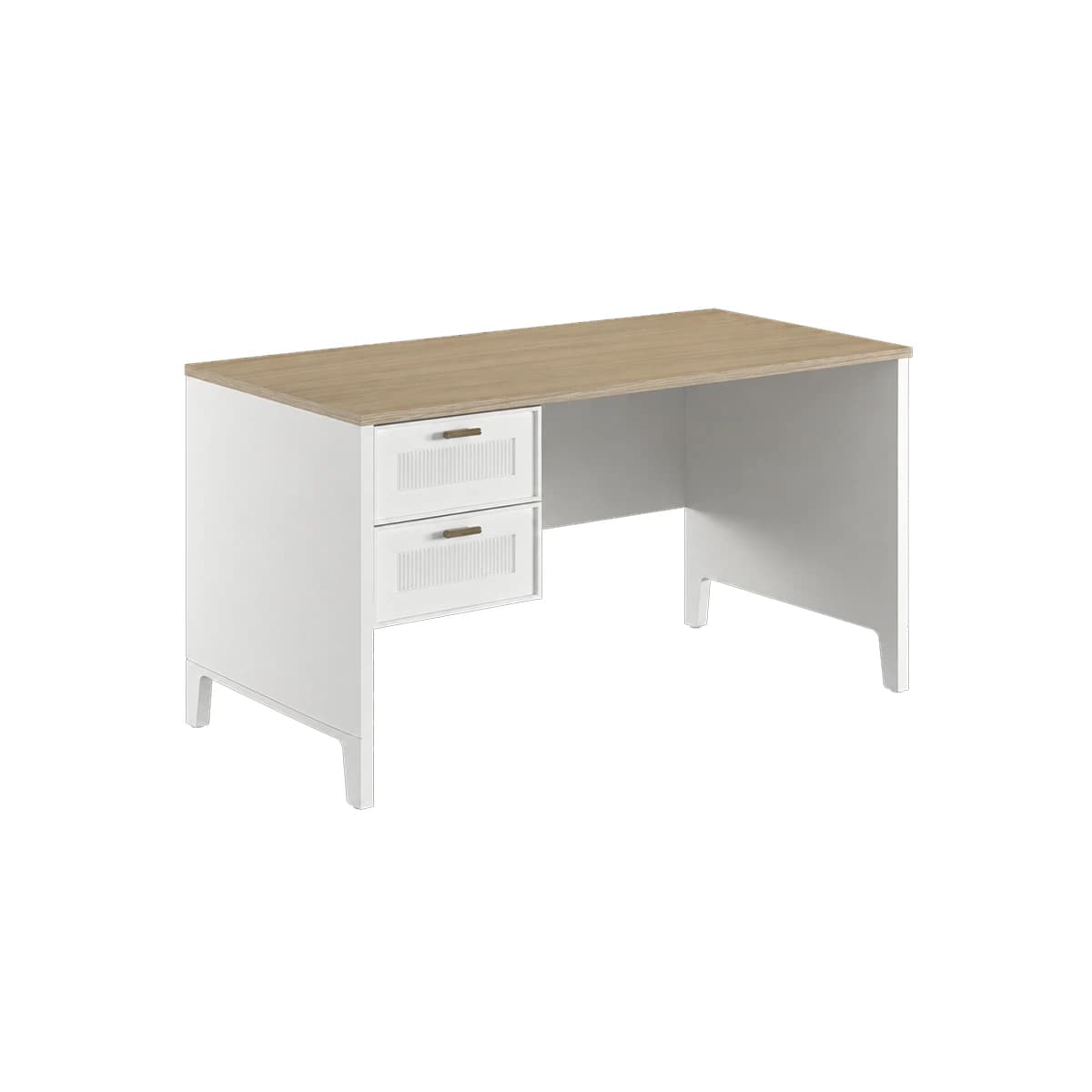
The space for drawing, puzzles and looking at books doesn’t have to include a full-size desk. First, choose a surface suited to the activity and the child’s size. Consider the table and seating together, so your child doesn’t have to raise their shoulders or lean forward to reach the surface. When looking at desk options for a child approaching school age, don’t consider only the empty wall space. There also needs to be room to pull out the chair, open the wardrobe door and keep the walkway clear.
If you’re using an upper unit, check its total height and anchoring requirements separately. When placing the study area near a window, make sure light doesn’t shine directly into your child’s eyes or onto a screen. Blind cords and electrical cables shouldn’t create hazards within your child’s reach. If your child often has to get up to look for books or pencils, reconsider where frequently used supplies are stored. When more storage is needed, buying a larger desk isn’t always the first solution.
Choose Colours and Textiles for Your Child’s Room
You may not need to replace all the large furniture to give a room a look that’s no longer babyish. Curtains, bedding and wall accessories can make a significant difference to its overall style. Consider colours that will last longer for permanent furniture, and your child’s current interests for smaller items. That way, a change in favourite character or colour won’t mean buying a whole new set. To involve your child in choosing, offer two or three suitable options rather than an unlimited range. An adult should first assess the options for safety, size and practicality.
A favourite colour shouldn’t take precedence over the safe use of the bed or wardrobe. The process is easier to manage when you separate decisions about appearance from technical considerations. When adding a new rug or curtains, think about cleaning and everyday use too. A rug bunched up in front of the door, curtains that make it difficult to open, or baskets extending into the walkway can make the room harder to use. Once the decorating is complete, it’s helpful to look around the room again from your child’s eye level. A layout that looks tidy to an adult may include places that are out of reach or tempt a child to climb.
You can also read our blog post about choosing colours for a child’s room à What Colours Work for a Child’s Room?
Update Your Child’s Room Furniture in Stages
Start by making the changes needed for safe use. Then try out the basic layout and only afterwards consider any additional storage or decorating needs. Moving the bed, wardrobe and activity area around several times all at once means more assembly and makes it harder to tell which layout works. One possible plan could start with replacing a sleep product that has reached the end of its useful life. In the second stage, you could reorganise the inside of the existing wardrobe and arrange the toys. After the room has been used for a while, you can choose the item that’s genuinely missing.
This sequence isn’t essential for every family, but it ties purchasing decisions to needs you’ve actually observed. Once the conversion is complete, check the connections, anchors and opening doors again. Keep the assembly instructions and a list of any removed parts. When choosing between cribs and toddler beds, your child’s current sleep routine and the product’s intended period of use can guide you. Make your final choice based on the model’s instructions and your child’s current needs.
Preserve Personal Space in a Shared Room
If two siblings share a room, don’t plan the change around only the younger child’s needs. Each child may have a different bedtime, belongings and storage areas they need to reach. If one child has to walk through the other’s play area to get to their bed, reconsider the layout. Even in a shared bookcase, assigning personal shelves can make everyday organisation clearer. Don’t put the older child’s small-piece toys in shared boxes the younger child can reach.
An adult should organise where items for different age groups are kept. If the children share a table, consider separately whether the seating suits each user. A height that works for one child may not work for the other. Drawing up a simple room plan before shopping can help make these differences clear. Mark the direction doors open, the window, fixed fittings and the area each child uses.
Showing only the space taken up by furniture on the plan isn’t enough. Add the direction drawers open and the space needed to pull out a chair. This helps you see where the children may have difficulty moving around the room at the same time. If one child has to keep putting away the other’s toys just to reach their bed, the layout needs to be reconsidered. In a shared room, the aim is not to arrange belongings symmetrically, but to help each child go about their day comfortably.
You may also like à Play Areas: Fun Touches for a Child’s Room
Related products
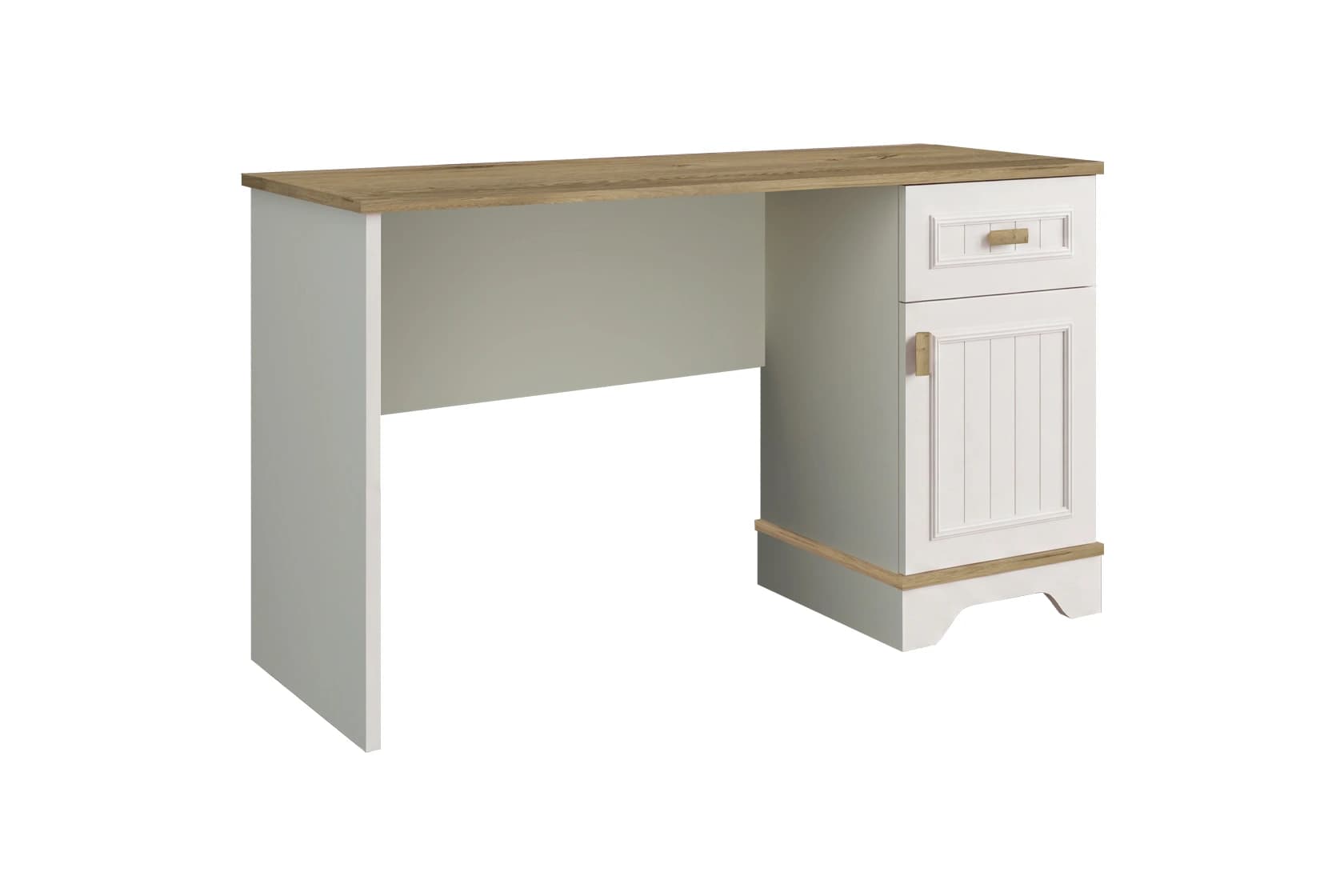 %25 + %10 Off
W: 150 · D: 60 · H: 77.3 cm
15,920 ₺
10,746 ₺
Lowest price in the last 30 days: 10,746 ₺
 %25 + %25 Off
W: 213.2 · D: 98.7 · H: 105.6 cm
23,183 ₺
13,040 ₺
Lowest price in the last 30 days: 13,040 ₺