Care and Cleaning
How to Get Rid of the Smell of New Furniture - Removing Furniture Odors
Paints and varnishes used on new furniture can cause odours. These smells can fade over time with natural methods. Click for details!
· Update:

The sharp, unpleasant odors that spread through your home when you buy new furniture are a common issue for many people. Newly purchased furniture made from wood, particleboard or MDF can emit a strong odor for a while due to the components used in its production. This can make the room less comfortable and may also lead to certain health issues. For people who are particularly sensitive, furniture odors may cause symptoms such as headaches, nausea or breathing difficulties over time.
Why Does New Furniture Smell?
New furniture can emit chemical odors because of the various adhesives, paints, polishes and varnishes used in its production. In engineered materials such as particleboard and MDF, formaldehyde and other volatile organic compounds (VOCs) are among the main sources of these odors. Fabrics, foam or leather surfaces can also contribute to the smell. Although this is less common with natural wood furniture, polished surfaces or veneer materials may still produce mild odors.
The main reasons new furniture smells are:
Evaporation of VOCs such as formaldehyde
Residues from polish and paint
Chemical residues left over from production
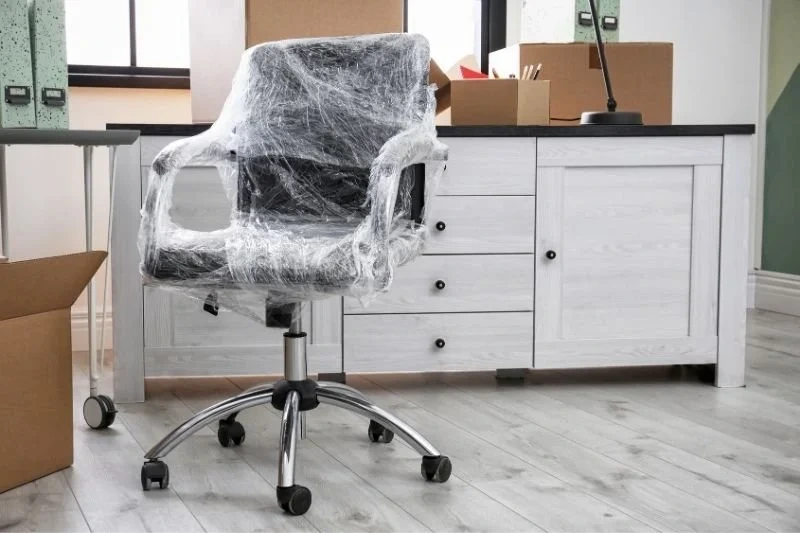
Odors trapped during transportation and packaging
These chemicals can disperse into the air and affect the room for the first few weeks. In spaces that are not ventilated regularly, these odors may linger for longer.

Is New Furniture Smell Harmful to Your Health?
Chemical odors from new furniture can cause certain health issues, especially with prolonged exposure. This is a greater risk for young children, older adults, and people with respiratory conditions such as asthma or allergies. Formaldehyde, one of the main compounds responsible for these odors, can cause symptoms such as burning eyes, throat irritation and headaches when exposure levels are high.
Some symptoms that may pose a health risk include:
Watery, itchy eyes
Persistent headaches
Dryness in the nose and throat
Itchy or irritated skin
Sleep problems and fatigue
To avoid these effects, it is important to improve air circulation in your home and try natural ways to get rid of furniture odors.

How to Get Rid of New Furniture Smell
There are many options for getting rid of the smell of new furniture, from natural methods to professional solutions. We’ve covered these methods step by step below:
Reducing Odors with Natural Methods
Baking soda: Known for its odor-absorbing properties, baking soda can be sprinkled in a layer inside cabinets or over furniture surfaces and left for a few hours. Then wipe it away to freshen the air in the room.
Vinegar: Pour white vinegar into a bowl and place it near the furniture. Vinegar naturally neutralizes chemical odors.
Lemon and lemon peels: Boil lemon peels, pour the water into a spray bottle and lightly spritz the furniture surfaces.
Ventilation Techniques
Frequently ventilating the room throughout the day is one of the most effective methods. Keeping the room temperature steady and balancing humidity can also slow the release of chemicals into the air. Air purifiers placed in the room can help create a healthier environment.
Using Professional Products
When natural solutions are not enough, you can use specialist odor-removing sprays or ozone generators. However, be sure to follow the device instructions carefully when using an ozone generator. Otherwise, it may disrupt the oxygen balance in the air and cause new problems.
How Long Does New Furniture Smell Last?
How long the odor lasts depends on the materials used in the furniture, how well the room is ventilated and the solutions applied. Wood-based furniture usually loses its smell within a few weeks, while products covered in leather or fabric may take longer.
How long odors may last by material:
Wood: 1-3 weeks
Leather: 2-6 weeks
Fabric: 2-8 weeks
To shorten this period, ventilate the room where the furniture is kept regularly, use natural odor absorbers and use devices that circulate the air.
How to Prevent New Furniture Smell
By choosing carefully before you buy furniture, you may be able to prevent these odors from developing in the first place.
Choose furniture with low VOC emissions: Products made with materials that are safer for the environment and your health release far fewer harmful chemicals.
Choose products with eco-friendly certifications: When buying furniture, consider products with environmentally conscious certifications such as CE, E1 or FSC.
Ventilate as soon as you unpack: When your furniture arrives, opening the room’s windows first helps chemicals evaporate and disperse.
Wait before using the furniture: If possible, instead of using the furniture right away, leave it in an empty, well-ventilated space for a few days to help dissipate most of the initial odors.
Watch Out for Odors from Cabinets and Wardrobes
Wardrobes and clothes closets, especially in bedrooms, can develop a musty smell when left closed for a long time. This may be caused by the furniture materials as well as the clothes, shoes or cosmetics stored inside. Over time, the odor can cling to clothes and become unpleasant.
To deal with this:
Open the cabinet doors regularly to let them air out
Place activated charcoal or natural lavender sachets inside
Wipe the cabinet surfaces with a damp cloth at regular intervals
Make sure clothes are completely dry before putting them away
The same applies to odors in clothes closets. Factors such as perfume, damp clothes or detergent residue can cause unpleasant smells. Natural soap bars or fragrance-free odor absorbers can help keep the air inside the closet fresh.
When you encounter issues such as cabinet odors or the smell of new furniture, it is possible to tackle them with both natural methods and professional solutions. The key is to minimize the time you are exposed to these odors and create a healthy living space in your home. When choosing furniture, paying attention to factors such as the production process, material quality and environmental impact will help protect your health in the long term and make the air in your home more comfortable to live in.
You May Also Like→ How to Get Rid of a Musty Smell?