Care and Cleaning
How to Get Rid of a Musty Smell
Dampness is a common problem in humid environments. You can get rid of musty odors with tips you can try at home. Find out more on our page!
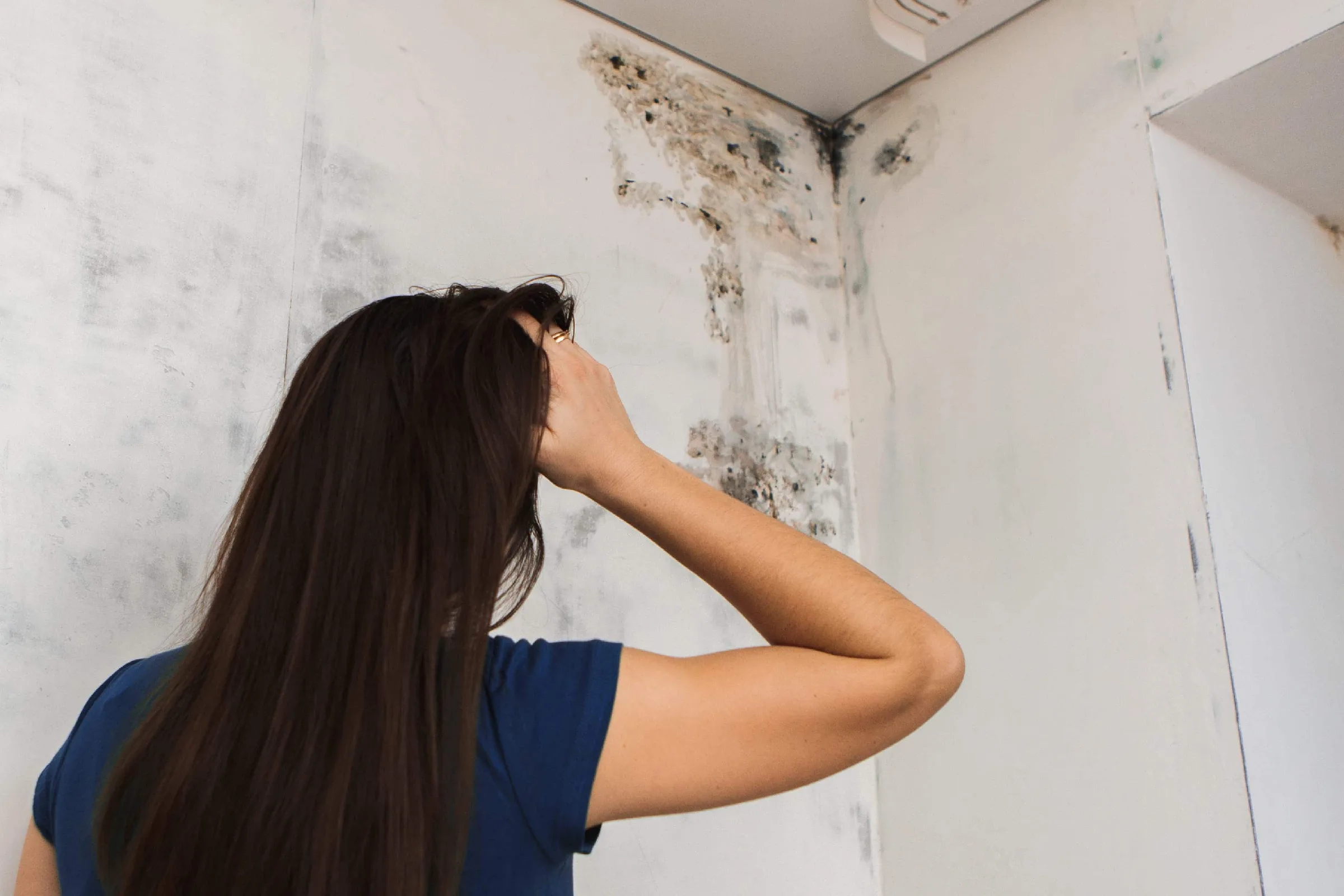
Our homes are among the most important spaces directly affecting our quality of life. Musty odors are a common problem in homes that can significantly reduce quality of life. They usually occur when moisture builds up uncontrollably and are not only unpleasant but can also pose health risks. Using methods to eliminate musty odors can help make your home both healthier and more comfortable.
Identify and Control Sources of Moisture
The first step in getting rid of musty odors is to identify and control the source of the moisture. The answer to how to get rid of dampness usually starts with eliminating its source. Finding water leaks, inadequate ventilation or insulation issues in your home can help you address the root causes of dampness. If there are water leaks, it is important to repair them immediately and take the necessary steps to prevent moisture from building up.
Eliminate Musty Odors with Natural Ingredients
Natural methods offer effective, eco-friendly solutions for those wondering what works well against musty odors. Here are some of the most commonly used natural ingredients and methods:
- Baking Soda (Sodium Bicarbonate): Baking soda is known for its ability to absorb moisture and neutralize unpleasant odors. You can reduce moisture and odors in the air by placing open containers of baking soda in damp areas. Replacing the baking soda regularly will help it remain effective.
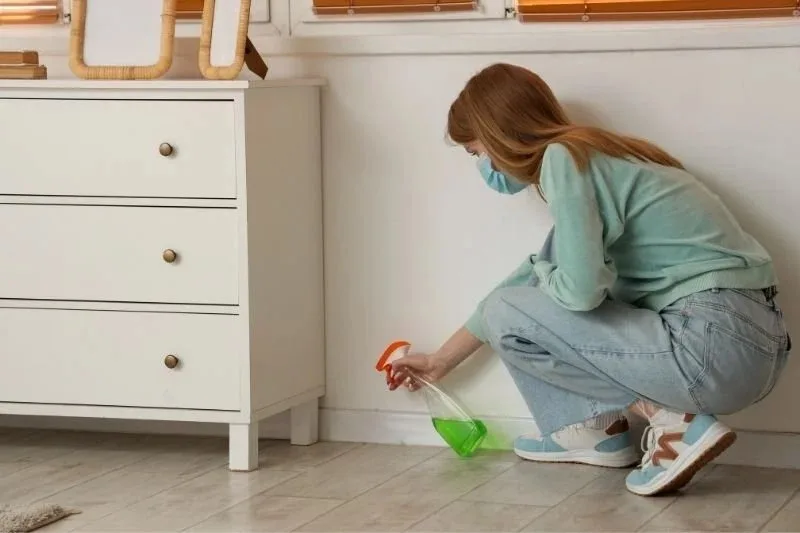
- Vinegar: Vinegar acts as a natural antiseptic and prevents mold and mildew from forming. Dilute white vinegar with water, pour it into a spray bottle and spray it on damp areas. The smell of vinegar will fade over time, taking unpleasant odors with it.
- Activated Charcoal: Thanks to its powerful absorbent properties, activated charcoal can eliminate musty odors thoroughly. Place activated charcoal in small bags or open containers around your home to reduce moisture and odors.
- Coffee Grounds: Coffee grounds absorb moisture while releasing a pleasant aroma. You can get rid of musty odors by placing dried coffee grounds in various spots. They also naturally freshen the air.
- Lemon and Olive Oil Mixture: You can make a natural cleaner by mixing lemon juice and olive oil. This mixture helps eliminate musty odors and clean mold and mildew from surfaces.
- Using White Vinegar: White vinegar is a highly effective natural ingredient for removing musty odors. It is very easy to use. First, add equal parts white vinegar and water to a spray bottle. Spray the mixture on damp areas, especially stains on corners and walls. After applying it, it is best to wait a few hours for the mixture to work; during this time, the vinegar will begin to neutralize unpleasant odors. Once you have waited, wipe the area with a clean cloth. The initially strong smell of white vinegar will fade over time, leaving the air fresh. This way, you can eliminate musty odors and create a healthier environment.
Eliminate Musty Odors by Creating a Well-Ventilated Environment
Ventilating your home regularly helps release moisture and reduce musty odors. The answer to how to clean up dampness lies in having an effective ventilation system. It is important to open windows often and increase airflow, especially in areas with high moisture levels, such as kitchens and bathrooms. You can also keep indoor moisture under control by using fans and ventilation systems.
Eliminate Musty Odors with Dehumidifiers
Dehumidifiers play an effective role in preventing musty odors by lowering the moisture levels in your home. These devices absorb moisture from the air and prevent dampness from forming. Using dehumidifiers can help prevent musty odors over the long term, especially in areas with high humidity. Dehumidifiers need to be cleaned and maintained regularly to keep working effectively.
Eliminate Musty Odors with Natural Ventilation Techniques and Plants
Plants can help balance the moisture levels in your home by naturally improving air quality. Certain plants, such as orchids, snake plants and bamboo, absorb moisture from the air and help keep it fresh. Place plants in strategic spots to add a decorative touch while reducing musty odors. Increasing airflow throughout your home with natural ventilation techniques is also an important step in preventing dampness.
Eliminate Musty Odors with Regular Cleaning and Maintenance
Regular cleaning and maintenance are essential to permanently eliminate musty odors. Using antibacterial cleaners in areas affected by dampness helps prevent mold and mildew, reducing both odors and health risks. It is important to maintain a thorough cleaning routine, especially in areas with high moisture levels, such as bathrooms, kitchens and basements. Professional help can also be effective for cleaning moisture from walls and floors.
Professional Dampness Removal Services
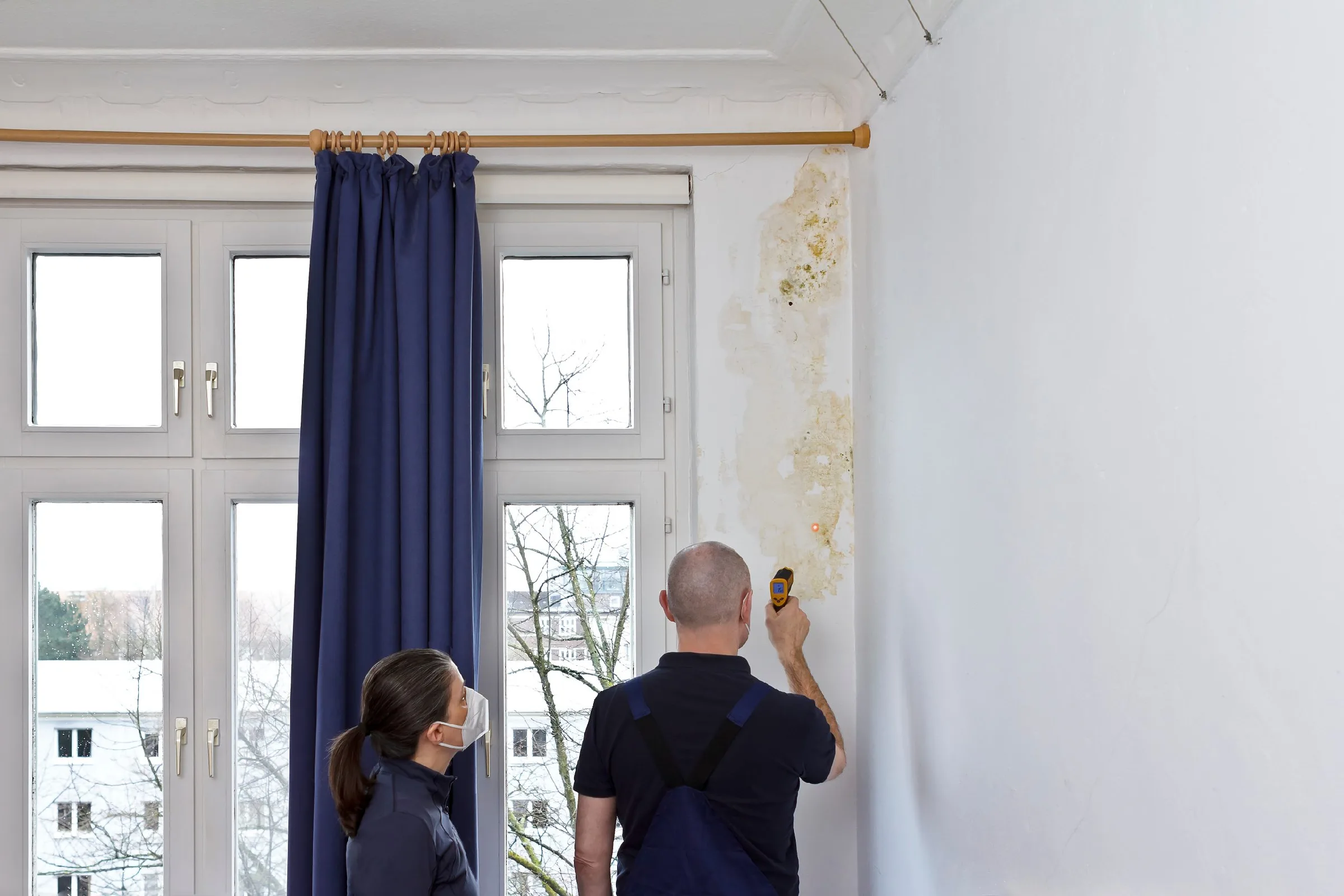
Although natural methods can be effective, serious dampness problems may require professional services. Specialists in musty odor removal can identify sources of moisture in your home and provide lasting solutions. Professional services can address dampness at its root through structural improvements, advanced ventilation systems and specialist dehumidifiers. When choosing a specialist, check their references and the quality of their service to get the best results.
How to Get Rid of Musty Odors from a Divan Bed?
One of the main causes of musty odors in a divan bed is uncontrolled moisture buildup. The steps for removing musty odors from a divan bed include controlling moisture, cleaning regularly and using effective methods.
1. Identify the Source of the Musty Odor in the Divan Bed
Identifying the source of the musty odor is the first step in solving the problem. Mold and mildew that form in damp areas are often responsible for unpleasant smells. So check the inside and surrounding area of the divan bed for issues such as water leaks, damp surfaces or inadequate ventilation.
2. Ensure Ventilation
Regularly ventilating enclosed spaces, such as underneath a divan bed, helps release moisture. Open the windows to let fresh air in and try to keep the divan bed as open as possible. You can also improve ventilation by using a fan or extractor fan in areas with high moisture levels, such as bathrooms and kitchens.
3. Clean the Area
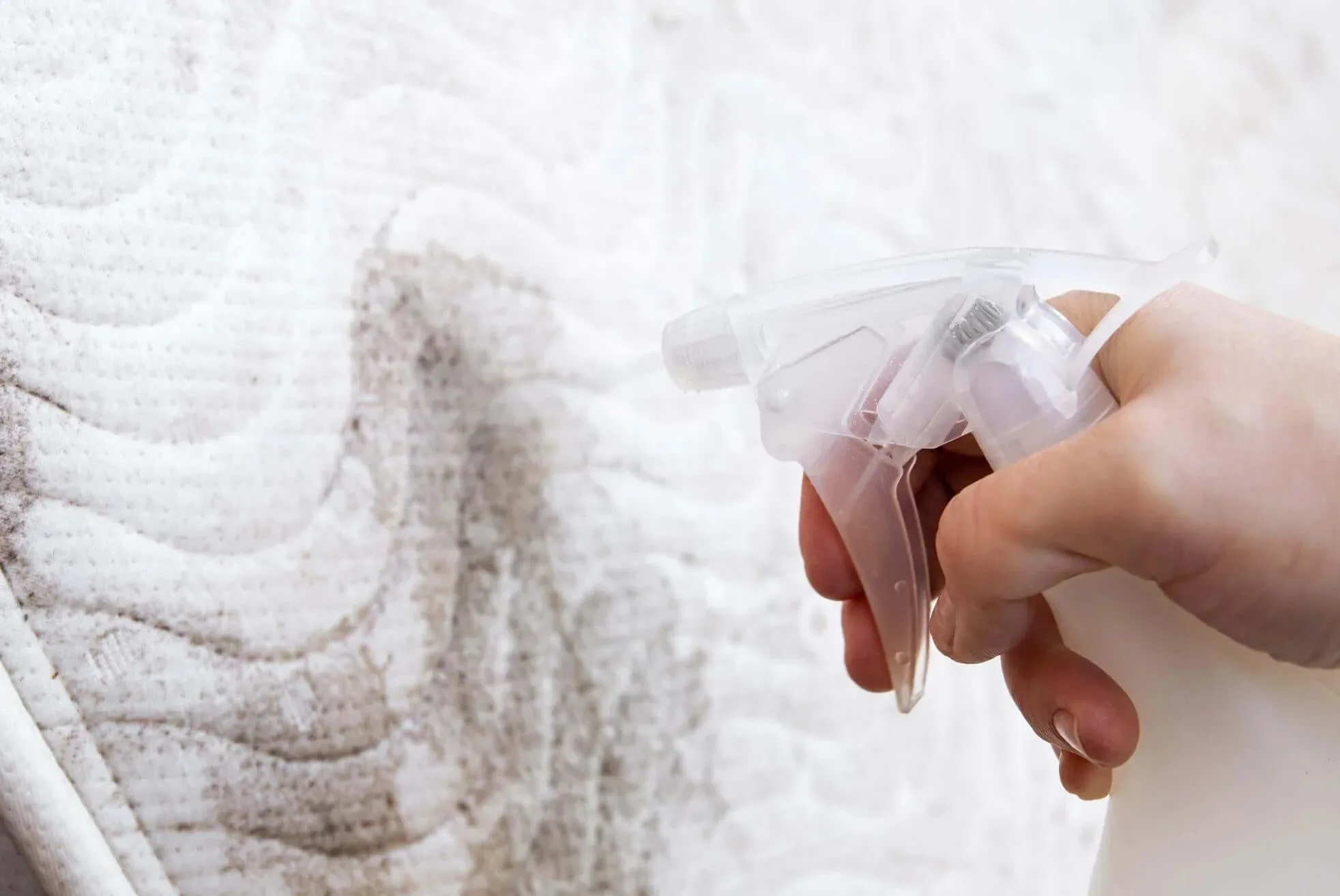
Cleaning the area underneath the divan bed is a crucial step in getting rid of musty odors. First, you can use a mixture of water and white vinegar to clean damp surfaces. Mix equal parts white vinegar and water in a spray bottle and spray the areas where the musty smell is strongest. Wait five minutes, then wipe the surface with a clean cloth and dry it.
4. Use Natural Ingredients
You can use natural ingredients to get rid of musty odors. Baking soda is known for its ability to absorb unpleasant smells. Place a bowl of baking soda under the divan bed to absorb moisture. Leave it overnight, then remove it for an effective solution to the odor.
5. Use Dehumidifiers
Using dehumidifiers is also an effective way to lower the moisture levels in your home. These devices draw excess moisture from the air, keeping the environment dry and preventing musty odors from forming.
By following these steps, you can effectively eliminate musty odors from your divan bed and create a healthy living space.
What Causes Dampness?
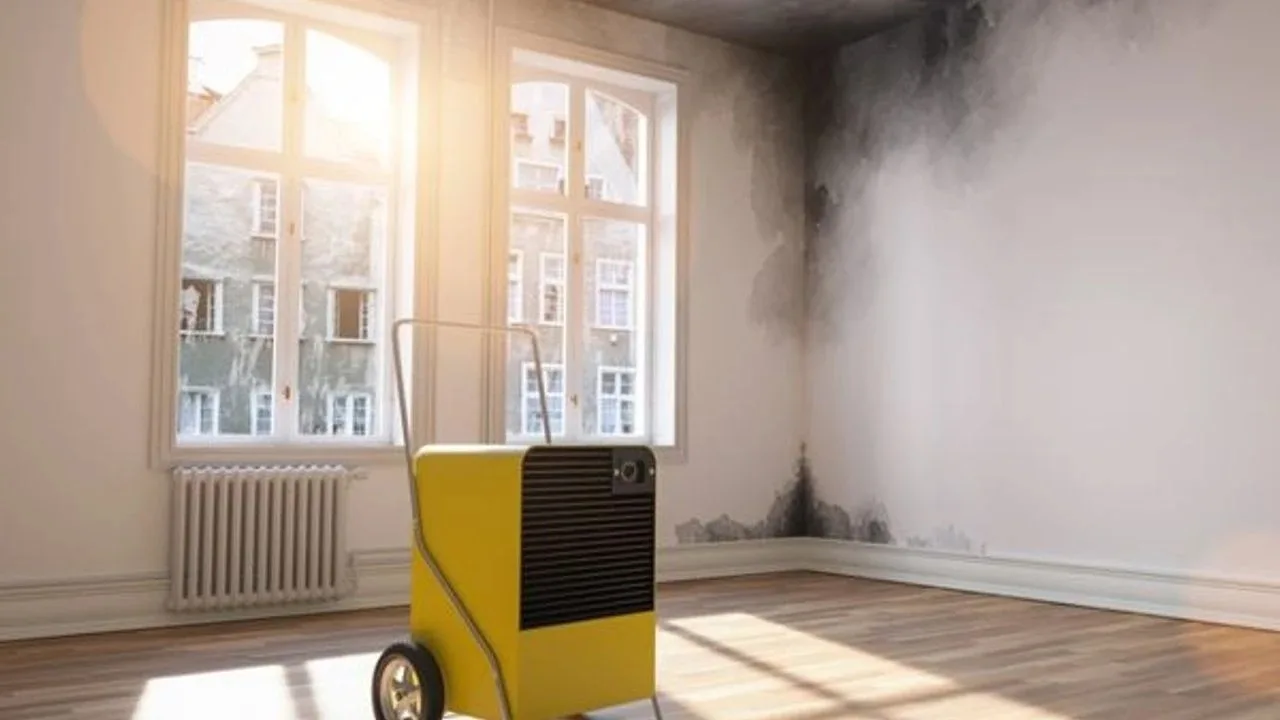
There are many reasons for dampness in homes and places where we regularly spend time, such as workplaces.
Dampness Caused by Inadequate Ventilation
When homes are not ventilated adequately, moisture cannot escape and builds up indoors. Inadequate ventilation is one of the most common causes of dampness, especially in areas with lots of water vapor, such as kitchens and bathrooms. Infrequently opening windows or poorly functioning ventilation systems can trap moisture inside.
Dampness Caused by Water Leaks and Structural Problems
Water leaks in structural parts of the home, such as the roof, walls or floors, are among the main causes of dampness. Leaks can cause lasting moisture buildup in walls and ceilings, encouraging mold and mildew to grow. This is also a critical factor to consider when looking for a solution to how to get rid of a strong smell in the home.
Dampness Caused by High Humidity Levels
Climate conditions play an important role in the formation of dampness. In homes located in rainy, humid climates, moisture can build up more easily indoors. Activities inside the home can also increase humidity levels. For example, taking frequent showers, cooking or drying laundry can raise indoor humidity.
Dampness Caused by Inadequate Insulation
If your home is not properly insulated, moisture from outside can enter and build up indoors. Good insulation improves energy efficiency and helps prevent dampness. Inadequate insulation around windows, doors and walls can allow moisture into the home and lead to dampness.
Everyday Habits at Home
The daily habits of the people living in a home can also contribute to dampness. Keeping doors and windows closed all the time prevents moisture from escaping. In addition, not airing out the home for long enough can stop moisture from being released outdoors through the ventilation systems. These habits can lead to dampness building up throughout the home over a long period.
What Are the Effects of Dampness?
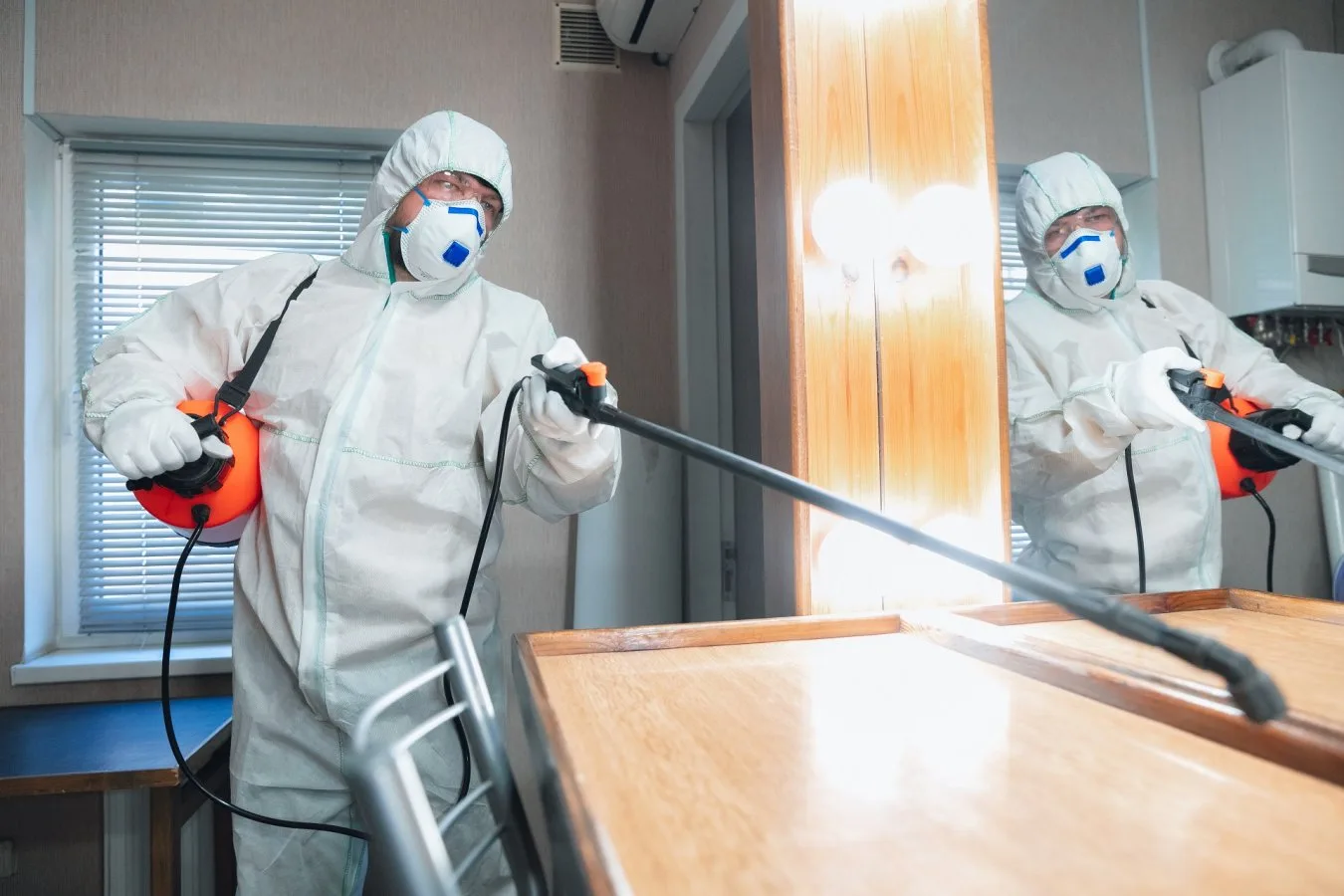
Dampness can cause respiratory illnesses, allergies and chronic conditions such as asthma. It can also cause building materials to rot, paint to peel and furniture to become damaged. Sleeping in a damp room can also reduce sleep quality and have a negative impact on your overall health.
Dampness also has a negative effect on your home's energy efficiency. Damp environments reduce thermal insulation, making heating and cooling systems work harder. This increases energy consumption and utility bills. Psychologically, damp and moldy environments can increase stress levels and reduce quality of life. That is why it is essential to prevent dampness and quickly address any existing problems.
Steps to Prevent Dampness and Musty Odors
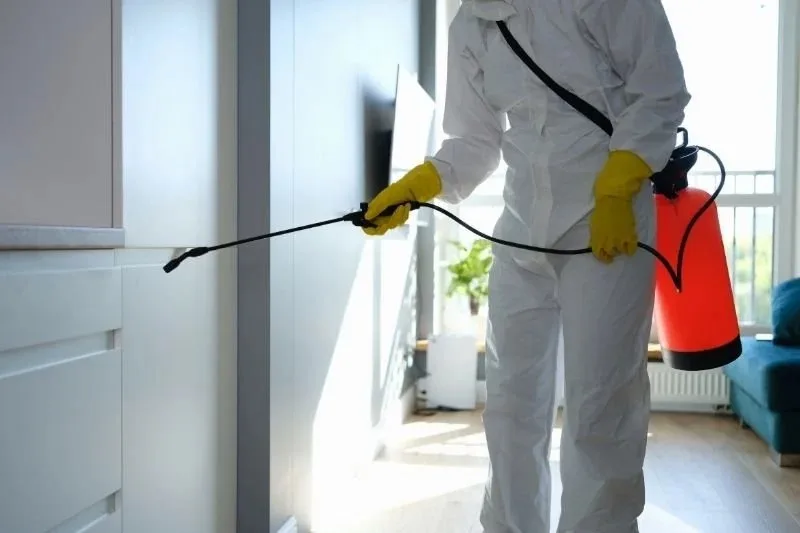
Taking steps to prevent dampness and musty odors is essential for creating a healthy living space at home. Here are the key measures to keep in mind:
1. Good Ventilation
Good ventilation is one of the most effective ways to prevent dampness in your home. Open the windows for a few hours every day to let fresh air in. You can use extractor fans to improve ventilation, especially in areas with high moisture levels, such as bathrooms and kitchens.
2. Monitor Humidity Levels
Regularly checking indoor humidity levels is a crucial step in preventing dampness. Use a hygrometer to monitor humidity; the ideal indoor humidity level is between 40% and 60%. You can use dehumidifiers to maintain this range.
3. Repair Water Leaks
Water leaks are one of the main sources of dampness in the home. Quickly repair leaks in the ceiling, walls and pipes to prevent dampness. Regular maintenance is important to avoid these kinds of problems.
4. Improve Insulation
Poor insulation can allow moisture from outside to seep in. Improve insulation by making windows and doors airtight. Exterior wall insulation can also help reduce dampness.
5. Clean Regularly
Regular cleaning in damp areas such as bathrooms and kitchens prevents mold and mildew from forming. Clean and dry these areas using suitable cleaning products.
6. Position Furniture Properly
It is important to allow airflow by keeping furniture away from walls and corners. This can prevent moisture from building up. Arranging your belongings to allow good airflow helps reduce dampness.
7. Use Natural Ingredients
Natural ingredients such as baking soda, white vinegar and lemon juice can help eliminate musty odors. Keeping baking soda in open containers or spraying damp areas with a mixture of white vinegar and water can be helpful.
8. Dry Laundry Properly
Avoid drying laundry indoors, as this can cause moisture to build up. If possible, dry laundry outdoors or use a tumble dryer.
Eliminating and preventing musty odors is vital to keeping your home healthy and comfortable. Be sure to ventilate children's rooms in particular. This helps ensure that the air children breathe is clean and free of excess moisture, supporting healthy development. Dampness can increase children's risk of respiratory illnesses and allergies, while also shortening the lifespan of furniture and other household items. By using solutions to eliminate musty odors, you not only protect the overall health of your home but also support your children as they grow in a safe, healthy environment. Regular ventilation, humidity control and structural improvements can minimize the effects of dampness and help you create a peaceful, healthy living space. Remember, taking action early will help protect both your health and the value of your home in the long term.
You May Also Like→ How to Remove Coffee Stains from Furniture?