Decorating
How to Choose Colors for Furniture
Choosing furniture colours is important because it directly affects the atmosphere of a space and people’s mood. Click to learn why furniture colour choices matter!
· Update:
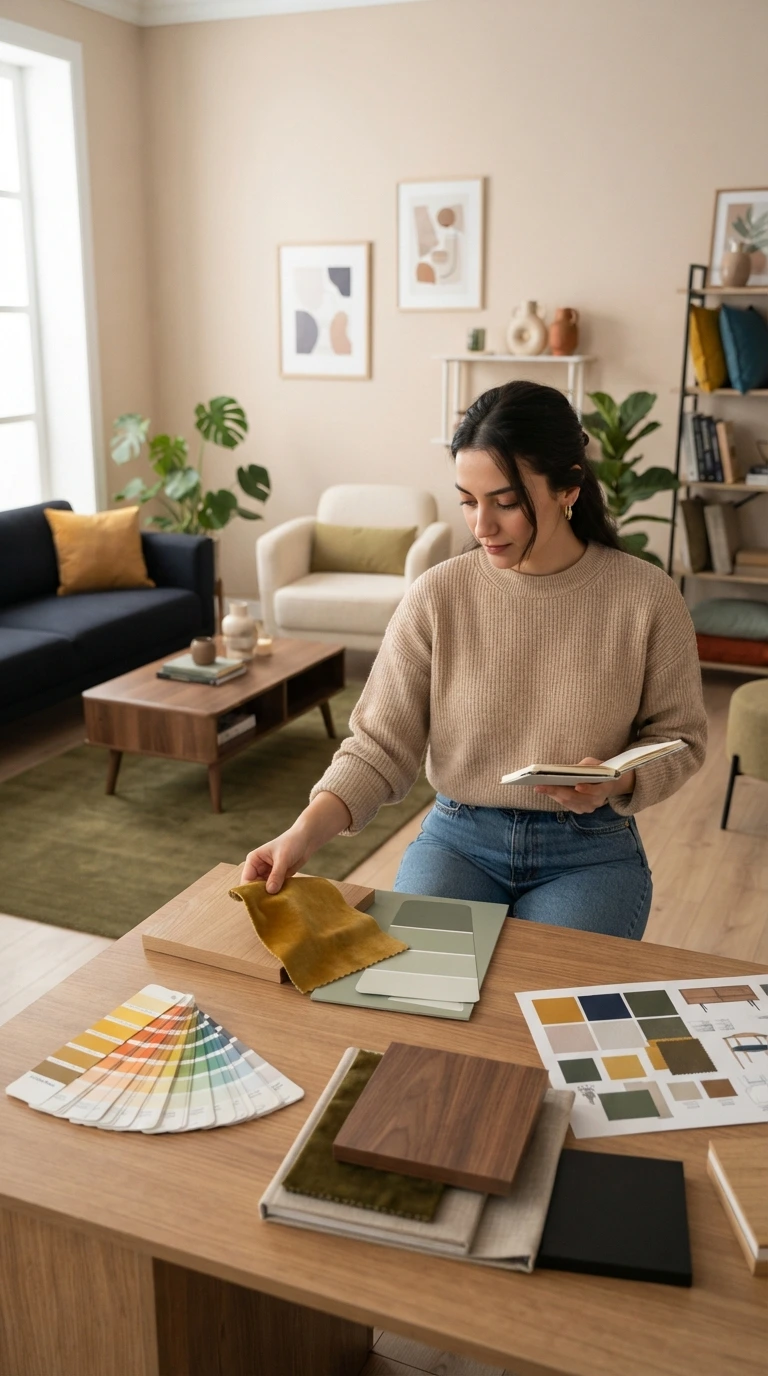
In today’s approach to interior design and decoration, living spaces have become much more than places that simply meet physical needs. Homes and offices are designed as special spaces that best reflect their users’ professional expectations, aesthetic sensibilities and comfort-focused lifestyles. The overall atmosphere of these spaces is shaped by the thoughtful use of colour, which directly influences our psychology and perception of a room. A well-planned colour palette can support a room’s purpose to the fullest while bringing out the architectural potential of the space.
One of the most fundamental elements of this holistic approach to decoration is, undoubtedly, the choice of furniture. But just as much as its design, functionality and material quality, the colours you choose for your furniture define the overall character of a space. The right furniture colours have a direct impact on quality of life, from how much light a room receives and how spacious it feels to mental comfort and focus. That’s why choosing colours that work well together and knowing how to create the right combinations are among the top priorities for anyone looking to refresh or furnish a living space from scratch.
The Importance of Colour in Furniture Selection
When we step into a space, one of the first things we notice is the magical harmony of its colours. The way the furnishings in a home work with one another and with architectural elements such as walls, floors and curtains reveals the overall character of the space. Choosing furniture is not just an aesthetic decision; it’s also an investment in long-term living comfort. The wrong shades can make a home look darker, smaller and more oppressive than it is, while the right furniture colour combinations can make even the smallest spaces feel airy, stylish and inviting. Especially today, when trends change so quickly, creating timeless furniture colour combinations and blending natural wood tones with modern colours takes a thoughtful, informed approach.
Choosing Colours for Different Room Types
Every room in the home has a different function and purpose, so the colour palettes that work best in each space have their own distinct qualities. While a living room calls for an energetic, sociable atmosphere, a bedroom is best suited to relaxing, calming tones. With that in mind, it’s worth taking a closer look at furniture colour choices for each type of room:
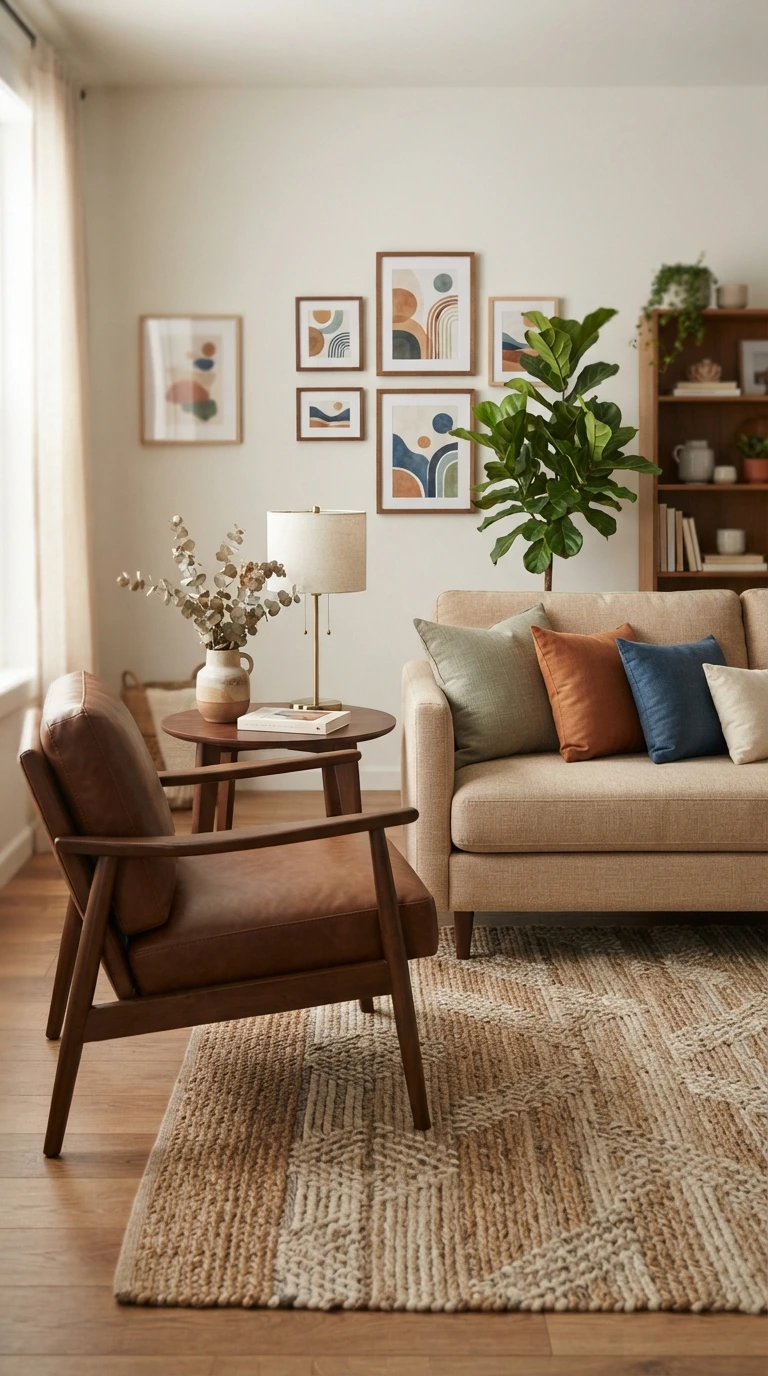
Ideal Furniture Colours for Living Rooms and Lounges
Living rooms and lounges are the social hubs of the home, where we spend the most time, welcome guests and unwind at the end of the day. The furniture colours you choose for these spaces should strike a balance between energy and relaxation. Depending on the size of your living room and how much natural light it receives, you might consider:
- Neutrals and Earthy Tones: Shades such as beige, cream, taupe and light grey always provide a versatile, timeless foundation for living rooms. They pair easily with a variety of decorative accessories and rugs.
- Bold Accents: Add depth and character to your space with striking furniture colour combinations, such as emerald green, navy, terracotta or mustard yellow on your sofa or armchairs.
- Natural Warmth: For a welcoming feel, choose TV units, dining tables and coffee tables in warm wood tones such as walnut, oak or chestnut.
Soothing Colour Combinations for Your Bedroom
Your bedroom is the most personal space in your home—a place to leave the stress of the day behind and rest your mind and body. For this reason, it’s best to avoid overly bright or intense tones that can feel stimulating. Try these colour strategies to create a restful setting for sleep:
- Pastel and Soft Tones: Calming furniture colours such as blush pink, pale mint green, lavender or off-white create a wonderfully restful atmosphere.
- The Serenity of Nature: Bed frames, bedside tables and wardrobes in light wood tones bring a sense of nature indoors and lend the room a peaceful calm.
- Monochromatic Harmony: Use different shades of a single colour to create a cohesive, restful furniture colour scheme that’s easy on the eyes.
Colours That Encourage Focus in Home Offices and Teen Rooms
Colour choices can directly affect success in home offices and teen rooms, where mental performance, creativity and motivation to study need to be at their best. Choose tones that reflect teens’ energy while helping them stay focused:
- Focus-Enhancing Tones: Natural wood tones such as light oak bring a sense of calm to desks and bookcases, while shades of blue and green can help extend focus.
- Energising Details: Pair neutral furniture colours with lively accents that spark teens’ creativity, without making the room feel monotonous.
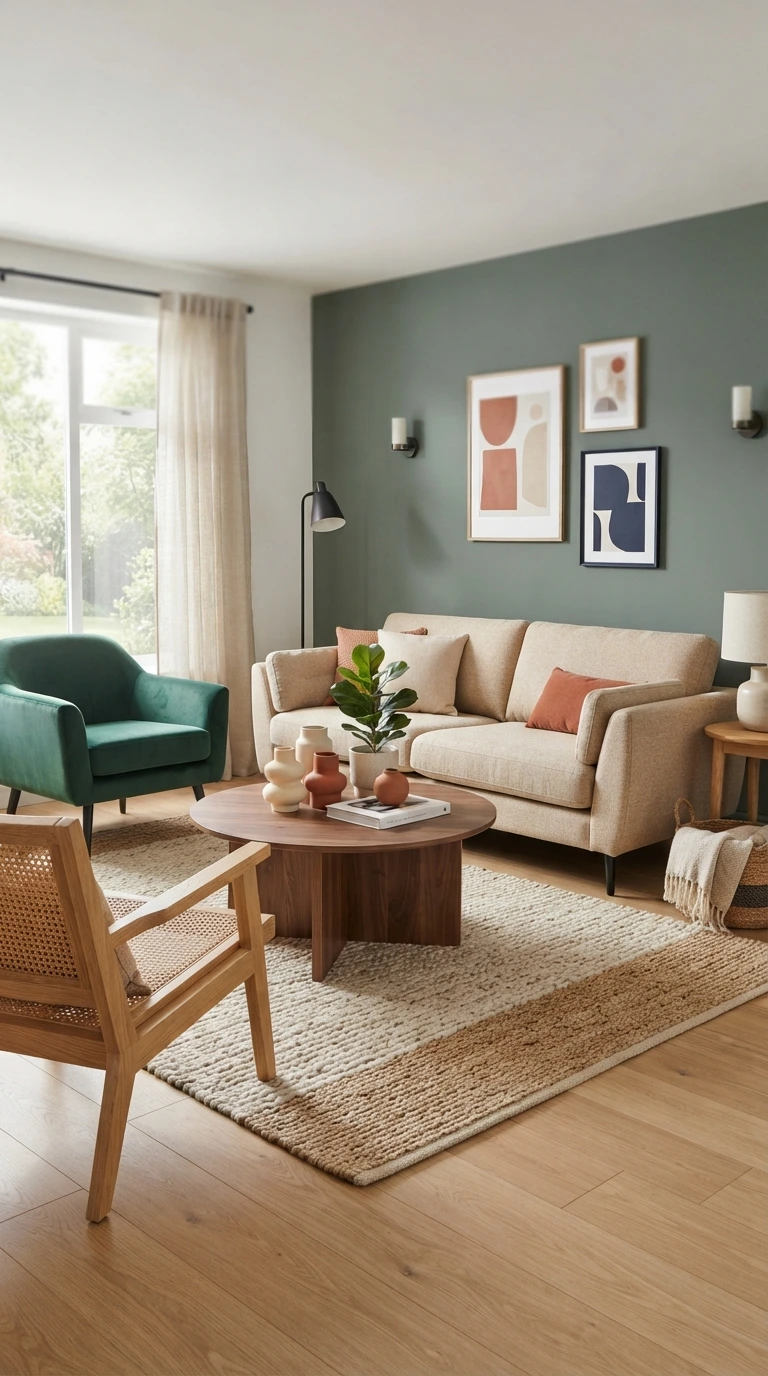
Light Furniture Colours That Make Small Homes Feel More Spacious
As homes become smaller, making compact spaces feel more spacious has become an important design skill. The right colour choices can completely change how a small space feels:
- The Power of Light Colours: Furniture in white, cream, grey and light pastel shades reflects natural light to the fullest, helping a room feel airy and open rather than dark or enclosed.
- Mirror and Glass Details: Choose furniture in light wood tones with slim, raised legs to keep the floor visible. This creates an uninterrupted flow and makes the space feel larger.
What to Consider When Choosing Furniture Colours
When choosing the right colour palette for your home, it’s important to consider more than just your personal preferences. Keep a few practical and physical factors in mind to create a stylish look that lasts:
- Light and Aspect: Whether your home faces north or receives plenty of sunshine directly affects the warmth of the light indoors. Dark colours can overwhelm rooms with little natural light, so opt for light furniture colours and bright wood tones.
- Coordinating Floors and Walls: Your furniture colours should work as a whole with the shade of your flooring and your wall paint. Make the most of contrast while preserving the balance of the room.
- Easy Care and Practicality: For families with children or pet owners in particular, choosing practical furniture colour combinations with stain-resistant fabrics and surfaces can make everyday life easier.
Choosing the right furniture colours is one of the most important steps in home decorating, directly shaping the look, comfort and feel of a space. Thoughtful furniture colour coordination in every room—from living rooms and bedrooms to teen rooms and compact spaces—can transform your home into a perfect retreat. By balancing natural wood tones with modern colours, you can create distinctive furniture colour combinations that are timeless, stylish and make everyday life easier, telling your own story throughout your home. To make the right choices in your interior design projects and create spaces you’ll enjoy for years to come, making the most of colour psychology and its benefits will always lead to the best results.
You May Also Like→ What Does Rustic Mean? Rustic Decorating Ideas